Can You Uber In Ravenna, Italy?
Ride-hailing, taxis, buses, bikes and walking in Ravenna: what the official pages say about getting around the mosaic city, the beaches and the cruise port without a car.
Ravenna, in Emilia-Romagna, is a compact inland city on the flat Po plain, about 8 km from the Adriatic coast, and its transport story is a walking story before it is a car story. The question of whether a ride-hailing app works there matters mainly for three moments: the transfer between the station and a hotel, the run out to the cruise terminal at Porto Corsini, and the trip to the beach resorts. For everything inside the historic centre, the municipal tourism pages describe a centre small enough to cover on foot, with the railway station a short walk from the main sights. This page reports what the official sources say about each of those movements, and where a private transfer or a guided day tour fills the gap.
Can You Uber In Ravenna, Italy?
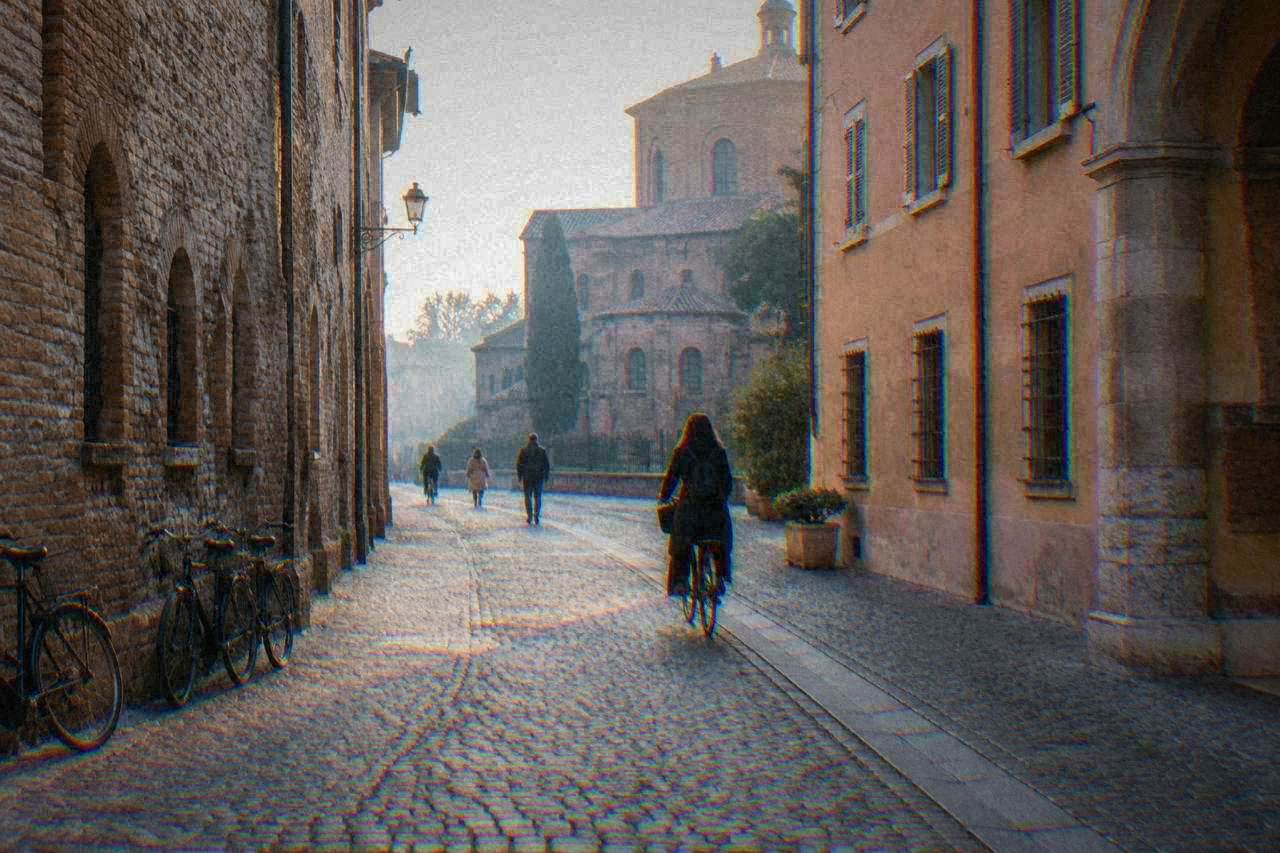
No dedicated Ravenna ride-hailing detail appears on any official municipal or tourism page, so the app itself is the only reliable check: open it at your arrival point and see what, if anything, is running. What the official sources do confirm is that Ravenna does not need a car inside the centre. The historic core is flat and walkable, the station sits a short walk from the sights, and the municipal pages steer visitors toward Start Romagna buses, bikes and walking rather than app-based rides.
That is the honest shape of the answer. In larger Italian cities, ride-hailing apps connect to licensed NCC hire-with-driver services, and coverage in provincial cities is thinner and varies by day and hour. Ravenna's own tourism site, turismo.ra.it, publishes its getting-around guidance around three tools: walking, the Start Romagna bus network and the bicycle. It makes no mention of ride-hailing, which tells you the city's transport planning does not treat it as a load-bearing option.
What the city does publish is concrete. Start Romagna's winter timetable, in force from 15 September 2026 to about 6 June 2027, runs the whole network, and urban Line 1 is fully free, every day, from first to last run, according to the Comune's October 2026 press release, which also reports a 25 percent rise in passengers in the first fortnight of the winter timetable. A free city line plus a walkable centre covers a large share of what a visitor would otherwise summon a car for.
Taxis exist and are licensed, but no fare, tariff or booking detail is published on the pages this site holds, so the practical advice is to confirm the fare with the driver or the stand before setting off. For fixed long-distance needs, a pre-booked private tour or transfer, priced on its own listing, is the more predictable instrument.
How Do You Get Around Ravenna Without A Car?
On foot inside the centre, on the free Line 1 bus and the wider Start Romagna network for longer urban hops, and by bike on the flat terrain, is the combination the official pages describe. The Ravenna Mosaici monuments cluster within a compact historic core, the eight UNESCO sites are all reachable on foot or by short bus hops, and Sant'Apollinare in Classe and the Classis Ravenna museum sit in the Classe area outside the centre on bus routes.
The walkability claim is not a flourish. The basilica of San Vitale, the Mausoleum of Galla Placidia, the Neonian Baptistery, Sant'Apollinare Nuovo, the Arian Baptistery, the Archiepiscopal Chapel and Dante's tomb all stand inside or on the edge of the historic centre, and the municipal pages describe the centre as small and walkable, with the station a short walk away. The eighth UNESCO monument, the basilica of Sant'Apollinare in Classe, lies outside the centre in the Classe area, which is where the Start Romagna buses earn their keep.
For visitors weighing the mosaics against the effort, the planning pieces on this site break the question down: how many days you need in Ravenna and what Ravenna is famous for both start from the same fact, that the sights concentrate in a small inland centre rather than spreading along a coast.
| Movement inside Ravenna | What the official pages say | Where to check |
|---|---|---|
| Station to historic centre | A short walk, centre described as walkable | turismo.ra.it getting-around pages |
| Urban bus travel | Line 1 fully free, all days, first to last run, winter timetable 15 Sept 2026 to about 6 June 2027 | Comune press release, 3 Oct 2026 |
| Sant'Apollinare in Classe and Classis Ravenna | Classe area outside the centre, Start Romagna buses from the station | Start Romagna timetable booklet |
| Beach resorts (Marina di Ravenna, Punta Marina, Lido Adriano, Lido di Classe, Lido di Savio) | Start Romagna buses from the station, resorts strung along about 35 km of coast | Start Romagna winter booklet |
| Bicycle | Flat Po-plain terrain; no operator or price is published on the pages held | Ask at your accommodation |
Ravenna's flatness is the quiet advantage. The city sits on the Po plain, so cycling is a realistic substitute for driving, and the coastal resorts lie far enough out, 8 km and more from the centre, that the bus or a bike is the standard answer rather than a car for the day. The Comune's own winter-coast press release describes the resort geography plainly: the bathing towns are separate places, not city beaches.
How Do You Reach The Ravenna Cruise Port And The Beaches?
The Visit Ravenna shuttle page gives the fixed answer for the port: a shuttle between the centre, the station area and the Porto Corsini cruise terminal, about 30 minutes each way, running 3 May to 26 October in the 2026 listing, with the terminal about 15 km from the centre. For the beaches, the Start Romagna buses from the station serve Marina di Ravenna and the other resorts along about 35 km of coast.
The cruise-port page is unusually specific by Italian tourism standards. The pick-up point is given as 300 m from the station, the journey time as about 30 minutes, and the 2026 operating window as 3 May to 26 October, which matches the season structure of the cruise calendar: the port's 2026 programme lists 111 calls and about 390,000 passengers, with 2027 calls beginning in April, and the new terminal's inauguration is reported for spring 2027. Anyone arriving outside the shuttle window needs another plan, and that is where a pre-booked private transfer or tour, priced on its listing, is the dependable route. This site covers the port logistics in detail in what to do in Ravenna from a cruise ship and how to get to the Ravenna cruise port.
The beaches run on the bus network. Marina di Ravenna, Punta Marina, Lido Adriano, Lido di Classe and Lido di Savio line about 35 km of coast, and the Start Romagna winter booklet lists the routes from the station. One seasonal note from the Comune: each autumn a sand barrier of 25,000 cubic metres is built at Punta Marina, Marina di Ravenna Sud and Lido di Savio and stays until spring 2027, so the winter beach is a construction-protected strip rather than the summer one, and whether Ravenna has a beach is a question with a two-part answer.
For travellers who want the coast and the mosaics in one structured day, a private tour removes the transport question entirely. The trio below pairs a beach-lunch day tour with a mosaics-and-Romagna-flavours private tour and a family-focused private walk.
What About Taxis, Trains And The ZTL In Ravenna?
Taxis are licensed but no tariff is published on the pages this site holds, so the fare is confirmed with the driver or the stand; trains connect Ravenna to Bologna in about 1 hour to 1 hour 20 on direct regional services over about 84 km; and the historic centre's ZTL is camera-enforced, with gates active 7:30 to 20:30 or around the clock depending on the entrance, a daily permit of about EUR 8 bought at 24-hour parcometers, and guest authorisation available through hotels.
The ZTL is the detail that catches drivers. The Visit Ravenna page lists the gates: some, on Via Mariani, Via Guerrini and Via Matteucci, run 7:30 to 20:30, while others, in the Via Ponte Marino area, run 24 hours. Enforcement is by camera, the daily permit for vehicles up to 5 tonnes is bought at the 24-hour parcometers, and hotels can issue a special authorisation for guests, which is the single most useful sentence for anyone arriving by car. No fine amount, parking tariff or fuel figure is printed on the pages held, so those are confirmed on arrival.
The rail picture is simpler. Direct regional trains link Ravenna and Bologna Centrale via Castelbolognese over about 84 km, with the fastest runs at about an hour and typical journeys up to about 1 hour 20; the live price sits with Trenitalia. From Bologna airport, the route is the Marconi Express to Bologna Centrale, running daily 05:40 to midnight with a journey of about 7 to 8 minutes, then the regional train, about 2 to 2.5 hours door to door. This site's guide to reaching Ravenna by train carries the fuller detail.
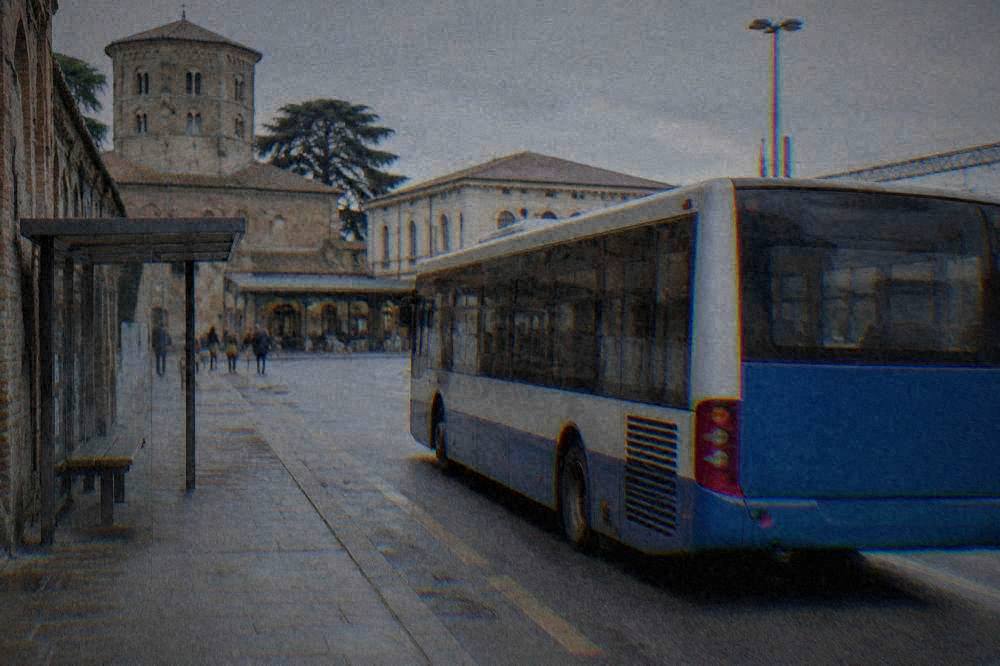
October 2026 also shows why live checking matters: bridge maintenance suspended Ravenna to Rimini trains on the weekends of 10 to 11 and 17 to 18 October, with buses replacing trains, and strike action touched both rail and Start Romagna buses across the same month. Those dates will pass, but the pattern, works and strikes concentrated in autumn, is worth a check of the operator's page on any winter itinerary.
When Is A Private Tour The Better Answer Than An App?
When the day involves fixed timing or multiple destinations, a pre-booked private tour beats app-hailing on predictability: the price is on the listing before you commit, the meeting point is set, and no part of the plan depends on a driver being online in a provincial city at that hour. Cruise-port days, beach-and-mosaics combinations and family visits are the three cases where the structured option carries less risk than improvising transport.
A port day is the clearest case. The ship leaves when it leaves, the shuttle window is seasonal, and a private excursion booked against the ship's schedule removes the weakest link. A coast-and-city day is the second: the resorts sit 8 km or more from the centre, and a tour that builds in lunch on the beach collapses two bus journeys and a restaurant search into one booking. Families are the third, where a walk paced to children beats a timetable.
The related tour on this page is built exactly on the second case, and its full detail sits on the site:
For a sense of how the pieces fit into a whole visit, the Ravenna Travel Guide planning pages on itineraries and day trips carry the same transport facts applied to one-, two- and three-day plans, and good day trips from Ravenna covers Bologna, Rimini, San Marino, Ferrara, Faenza, Cervia, Brisighella, Comacchio and the Po Delta as destinations reached by train or tour rather than by app.
Common Questions About Getting Around Ravenna
Can you Uber in Ravenna, Italy?
No official Ravenna page documents ride-hailing coverage, so the app itself is the only check. The city's own transport guidance rests on walking, the Start Romagna buses, including the free Line 1, and bikes, and the centre is small and flat enough that a car is rarely needed.
Is Ravenna walkable without a car?
Yes. The municipal tourism pages describe the historic centre as small and walkable, with the railway station a short walk from the main monuments. Seven of the eight UNESCO sites stand in or beside the centre; Sant'Apollinare in Classe is the outlier, reached by bus.
How do I get from Ravenna to the beaches?
Start Romagna buses run from the station to Marina di Ravenna, Punta Marina, Lido Adriano, Lido di Classe and Lido di Savio along about 35 km of coast. No bus fare is printed on the pages held, so confirm locally. From about late spring the resorts also sit on seasonal tour routes.
How far is the Ravenna cruise terminal from the centre?
About 15 km, at Porto Corsini. The Visit Ravenna shuttle covers it in about 30 minutes and ran 3 May to 26 October in the 2026 listing, picking up about 300 m from the station.
Can I drive into Ravenna's historic centre?
The centre is a camera-enforced ZTL, with gates active 7:30 to 20:30 at some entrances and 24 hours at others. A daily permit of about EUR 8 is bought at the 24-hour parcometers, and hotels can issue a guest authorisation, so arrange access with your accommodation before arriving.
What is the best way to reach Ravenna from Bologna?
Direct regional trains cover about 84 km in about 1 hour to 1 hour 20. From Bologna airport, take the Marconi Express to Bologna Centrale, about 7 to 8 minutes, then the regional train, about 2 to 2.5 hours door to door.
The short version: plan Ravenna on foot, use the free Line 1 and the Start Romagna network for anything beyond the centre, book a private transfer or tour for the fixed-time moments, and check the ride-hailing app at your arrival point before relying on it anywhere in Emilia-Romagna's smaller cities.