What Is Ravenna Famous For?
Ravenna, an inland city in Emilia-Romagna, Italy, is famous for eight UNESCO Early Christian monuments with Byzantine mosaics and for the tomb of Dante. Here is what the official sources say.
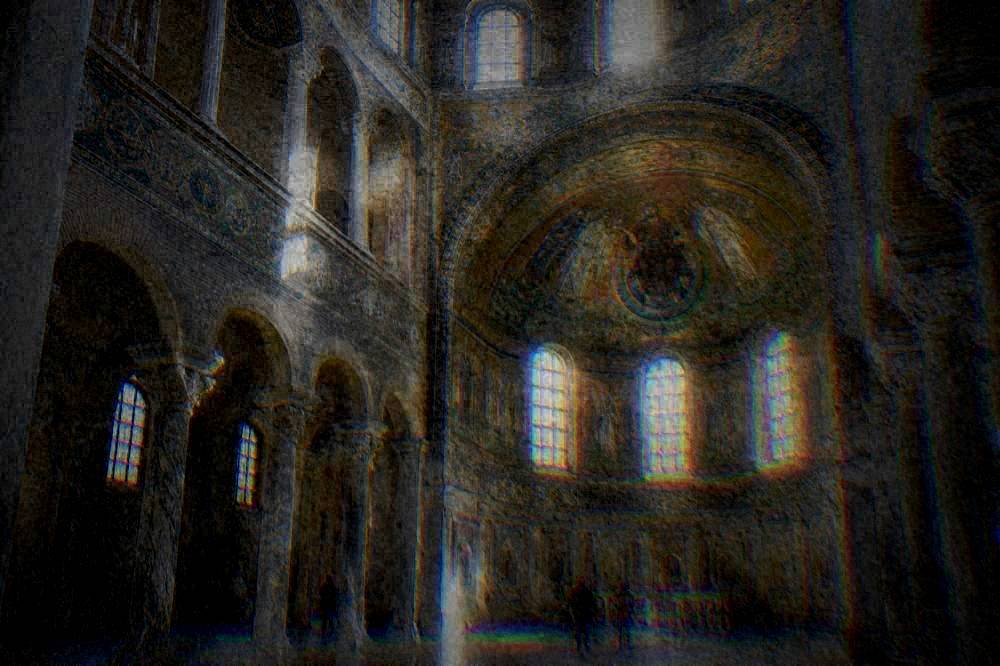
Ravenna, a city in Emilia-Romagna on the flat Po plain of northern Italy, is famous above all for its mosaics. The UNESCO World Heritage List inscribes eight Early Christian monuments of Ravenna, from the Mausoleum of Galla Placidia to the Basilica of Sant'Apollinare in Classe, and the listing's own wording pairs "Byzantine mosaics" with "Early Christian" to describe them. The city is equally famous as the burial place of Dante Alighieri, whose tomb stands near the Basilica of San Francesco and is free to enter. Add a food tradition rooted in Romagna, a small walkable historic centre and a string of beach resorts a bus ride away on the Adriatic coast, and the picture is complete. This page sets out what the official sources say, monument by monument.
What Is Ravenna Famous For?
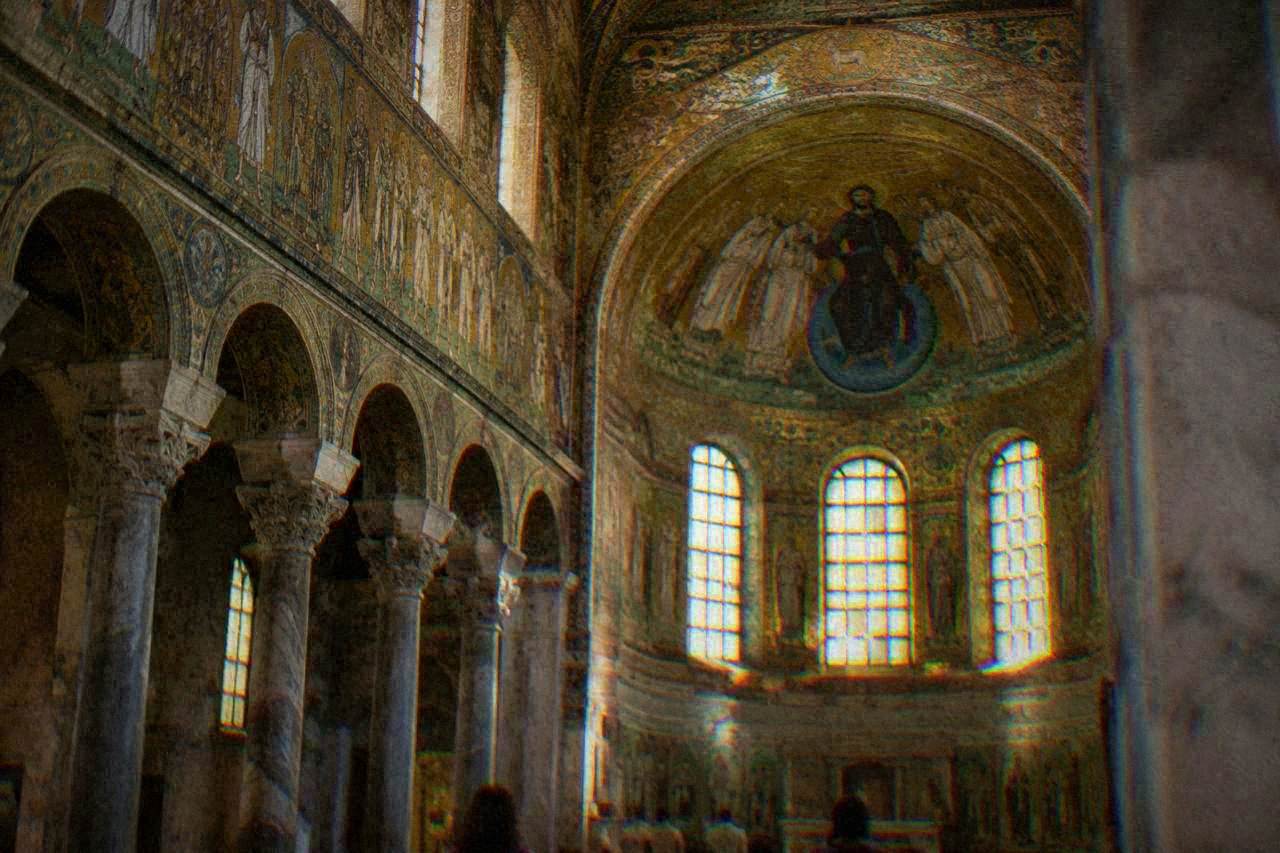
Ravenna is famous for its eight UNESCO Early Christian monuments with Byzantine mosaics, inscribed on the World Heritage List in 1996, and for the tomb of Dante Alighieri, who died and is buried in the city. The UNESCO listing names the Mausoleum of Galla Placidia, the Neonian Baptistery, Sant'Apollinare Nuovo, the Arian Baptistery, the Archiepiscopal Chapel, the Mausoleum of Theodoric, San Vitale and Sant'Apollinare in Classe.
No other city of this size carries a comparable concentration of listed mosaic monuments, and that single fact shapes everything a visitor does here. The historic centre is inland and compact, so the mosaics, the tomb and the food specialities sit within a short walk of one another. The Adriatic beaches are separate places, reached by bus or bike, which surprises travellers who expect a seaside town. The full list of sites is unpacked on the eight UNESCO sites of Ravenna, and the wider sightseeing picture sits on the things to do overview.
The fame is not new. Pilgrims, scholars and art historians have come for the gold-ground glass mosaics for centuries, and the city's restaurants, workshops and museums are all arranged around them. The question of why so much gilded decoration ended up in one modest Po-valley city is answered on why Ravenna has so many mosaics.
Why Are Ravenna's Mosaics So Celebrated?
Ravenna's mosaics are celebrated because they are gold-ground glass works covering entire walls, vaults and domes of the eight UNESCO monuments, executed to a standard the UNESCO listing itself recognises as the finest surviving evidence of Early Christian and Byzantine art. The Mausoleum of Galla Placidia and the Neonian Baptistery require a booked entry time, and the combined ticket is valid one week with one admission per monument.
What a visitor actually sees is colour and light. Inside San Vitale, figures process across a chancel vault under a dome of suspended gold. In the Neonian Baptistery, a decorated dome sits over a sunken floor. Sant'Apollinare in Classe, outside the centre in the Classe area, holds a green mosaic landscape in its apse. The Ravenna Mosaici ticket page shows the opening pattern: summer hours of 9:00 to 19:00 from 8 March to 2 November 2026, then 10:00 to 17:00 from 3 November 2026 to 6 March 2027, with closures on 25 December and 1 January. Reduced fares start at EUR 9.50 for the two-monument ticket covering Sant'Apollinare Nuovo and San Vitale, with the four- and five-monument reduced fares at EUR 11.50 and EUR 13.50; the full prices are shown on the official page at booking. Galla Placidia and the Neonian Baptistery allow only a few minutes inside, which is why the timed entry exists.
Two further sites sit outside the combo. The Mausoleum of Theodoric, a decagonal stone structure with a single massive dome, lists a ticket of EUR 6, a EUR 5 concession and EUR 2 for ages 18 to 25 on the Visit Ravenna page, which also offers a EUR 7 combined ticket with the Arian Baptistery and Theodoric's Palace. The Arian Baptistery alone lists EUR 3. The table below gathers the printable figures.
| Site | Ticket figure the official pages show | Notes from the listings |
|---|---|---|
| Ravenna Mosaici combo, 2 monuments | from EUR 9.50 reduced | Sant'Apollinare Nuovo and San Vitale |
| Combo, 4 monuments | from EUR 11.50 reduced | adds Galla Placidia and the Neonian Baptistery |
| Combo, 5 monuments | from EUR 13.50 reduced | adds the Archiepiscopal Museum and Chapel of St Andrew |
| Mausoleum of Theodoric | EUR 6, EUR 5 concession, EUR 2 ages 18 to 25 | combined EUR 7 with the Arian Baptistery and Theodoric's Palace |
| Arian Baptistery | EUR 3 | no reduced fare listed |
| Sant'Apollinare in Classe | EUR 6, EUR 2 reduced | in the Classe area, outside the centre |
| Dante's tomb | free | hours 10:00 to 18:00 November to March |
The combo ticket is valid one week, one admission per monument, and an entry time must be booked for each one. Children aged 0 to 10, residents of Ravenna, ICOM members, licensed guides and visitors with a disability plus companion enter free; students and groups over 20 qualify for the reduced fares. The state museums and monuments are also free on the first Sunday of the month, though the crowd that brings is worth weighing before planning a Sunday visit. For travellers who prefer a guide to a queue, the UNESCO Monuments Guided Walk covers the monuments with commentary, and the entry-tickets option suits anyone who only wants admission sorted.
A good middle path is a guided walk with tickets included, since the operator handles the timed entries at Galla Placidia and the Neonian Baptistery, which are the two bookings visitors most often get wrong. Anyone with a deeper interest can follow up on the most famous mosaics of Ravenna.
Where Is Dante Buried In Ravenna?
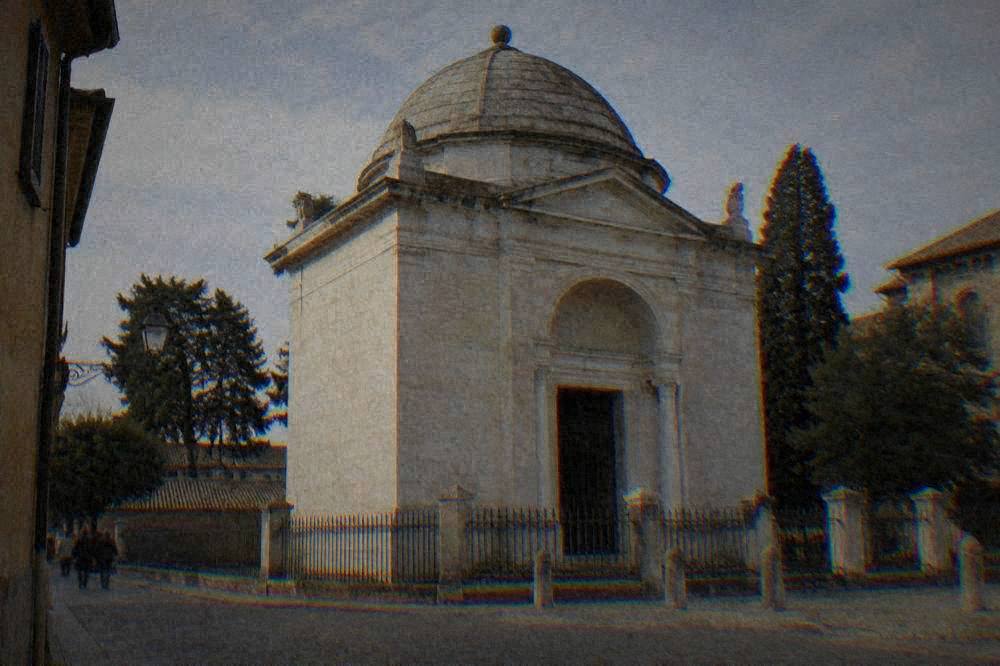
Dante Alighieri is buried in Ravenna, in a small tomb near the Basilica of San Francesco in the historic centre. The tomb is free to enter, open 10:00 to 18:00 from November to March and 10:00 to 19:00 from April to October, and closed on 25 December. Each year, on the second Sunday of September, oil from the Tuscan hills is offered at the tomb by the Comune di Firenze.
Want to explore Dante's Ravenna at your own pace? Book a self-guided audio tour here.
Dante died in Ravenna and never returned to Florence, and the city has kept the tomb as its own monument ever since. The nearby Museo Dante, open Tuesday to Sunday, lists a EUR 5 combined ticket with Casa Dante and a EUR 3.50 reduced fare. The story of why the poet ended his life here rather than in his native city is told in full on why Dante is buried in Ravenna. For a visit built around the poet, a quiet morning at the tomb and the basilica's crypt, followed by the mosaics a few streets away, covers the Dante side of the city without rushing.
What Food Is Ravenna Famous For?
Ravenna is famous for the food of Romagna: piadina, the flatbread filled and folded as a quick meal, cappelletti, the small filled pasta served in broth, and Sangiovese wines from the hills behind the coast. The Visit Ravenna pages describe these dishes as the city's own table, and cooking classes and tasting walks built around them are among the area's most booked experiences.
Piadina is the everyday one, cooked on a terracotta or metal plate and filled with squacquerone cheese and cured pork. Cappelletti belong to the holiday table, and the question of what goes inside them, and how that differs from tortellini across the regional border, is a local debate with real stakes. No dish price appears on this page; posted menus in the centre show the live figures. The food side of the city is unpacked on what food Ravenna is famous for, and a guided tasting walk is a practical way to try several dishes in one afternoon.
A cover charge, the coperto, is legal when printed on the menu, and tipping is not obligatory. A quick check of the itemised bill settles both questions at the table. More of these guides are collected on Ravenna Travel Guide.
Is Ravenna Near The Sea?
Ravenna's historic centre is inland, about 8 km from the Adriatic coast, so the city itself is not a seaside town. The beach resorts of Marina di Ravenna, Punta Marina, Lido Adriano, Lido di Classe and Lido di Savio run along about 35 km of coast and are reached by Start Romagna bus from the station, by bike or by car.
This distinction trips up travellers who book expecting to walk from a mosaic church to a sunbed. The two halves of the area, the inland heritage centre and the string of lidos, are connected but separate. A winter detail from the Comune press release: a 25,000 cubic metre sand barrier is built each autumn at Punta Marina, Marina di Ravenna Sud and Lido di Savio and stays in place until spring 2027, so the off-season beach looks different from the summer one. The full picture, including how to get to the sand, is on whether Ravenna has a beach.
Which Day Trips Run From Ravenna?
Ravenna works as a base for day trips to Bologna, Rimini, San Marino, Ferrara, Faenza, Cervia, Brisighella, Comacchio, the Po Delta, Florence and Venice. Bologna Centrale is about 84 km away by direct regional train, with a typical journey of about 1 hour to 1 hour 20. The Po Delta and the Comacchio salt pans lie within reach for flamingos and lagoon landscapes, with guided boat and walking tours available.
Bologna is the most common pairing, since the regional rail timetable gives a direct service and the two cities complement each other, one for mosaics, one for arcades and food halls. To the south, Rimini and the hill republic of San Marino make a second pairing. To the north, Comacchio, the lagoon town known as the little Venice, and the Cervia salt pans, whose visitor centre on Via Bova 61 opens weekends and holidays, attract birdwatchers: flamingos are present there year-round. One organised way to combine two of these towns is the Ferrara and Comacchio day tour, a full-day guided trip from Ravenna; Check availability on the operator's live listing for the current dates. The wider list of options is gathered on good day trips from Ravenna.
| Day trip | What the sources say | Getting there |
|---|---|---|
| Bologna | about 84 km by direct regional train | about 1 hour to 1 hour 20 |
| Comacchio and the Po Delta | lagoon town and salt pans, flamingos present year-round | guided tours and boat trips listed |
| Cervia salt pans | visitor centre, Via Bova 61, open weekends and holidays | short trip down the coast |
| Rimini and San Marino | coastal city plus hill republic | regional rail then bus |
| Ferrara and Faenza | Renaissance city and ceramics town | regional rail |
Cruise passengers add a further strand: the port at Porto Corsini is about 15 km from the centre, with a shuttle taking about 30 minutes, and 111 calls with about 390,000 passengers are planned for the 2026 season, with the new terminal's inauguration reported for spring 2027. That makes Ravenna a stopover city as well as a destination, and the shore-excursion choices, from the mosaics to Venice by boat, are covered on the cruise port guide.
Common Questions About What Ravenna Is Famous For
What is Ravenna famous for?
Ravenna is famous for its eight UNESCO Early Christian monuments with Byzantine mosaics and for the tomb of Dante Alighieri. The UNESCO listing, inscribed in 1996, names the Mausoleum of Galla Placidia, the Neonian Baptistery, Sant'Apollinare Nuovo, the Arian Baptistery, the Archiepiscopal Chapel, the Mausoleum of Theodoric, San Vitale and Sant'Apollinare in Classe.
Are the Ravenna mosaics worth the trip?
The mosaics are the reason the city is on the World Heritage List, and the monuments sit within a compact, walkable historic centre. The combo ticket is valid one week with one admission per monument, so the visit can be spread across several days rather than rushed into one.
How much do the Ravenna monuments cost?
Reduced combo fares start at EUR 9.50 for two monuments, EUR 11.50 for four and EUR 13.50 for five, with full prices shown on the Ravenna Mosaici page at booking. The Mausoleum of Theodoric lists EUR 6, the Arian Baptistery EUR 3, Sant'Apollinare in Classe EUR 6 with a EUR 2 reduced fare, and Dante's tomb is free.
Is Ravenna on the coast?
No. The historic centre is inland, about 8 km from the Adriatic. The beach resorts of Marina di Ravenna, Punta Marina, Lido Adriano, Lido di Classe and Lido di Savio are reached by Start Romagna bus from the station, by bike or by car.
What food should you try in Ravenna?
Piadina, the Romagna flatbread, cappelletti in broth, and Sangiovese wines from the inland hills. Prices are shown on posted menus, and a cover charge is legal when printed on the menu.
Ravenna's fame rests on a short list of things done to an extraordinary standard: gold mosaics across eight listed monuments, a poet's tomb tended for centuries, and a plain, honest regional table, all within a city small enough to cross on foot in an afternoon.