Does Ravenna Have A Beach?
Ravenna itself is inland, but its coast runs about 35 km with five beach resorts reached by bus or bike from the station. Here is what the official pages say.
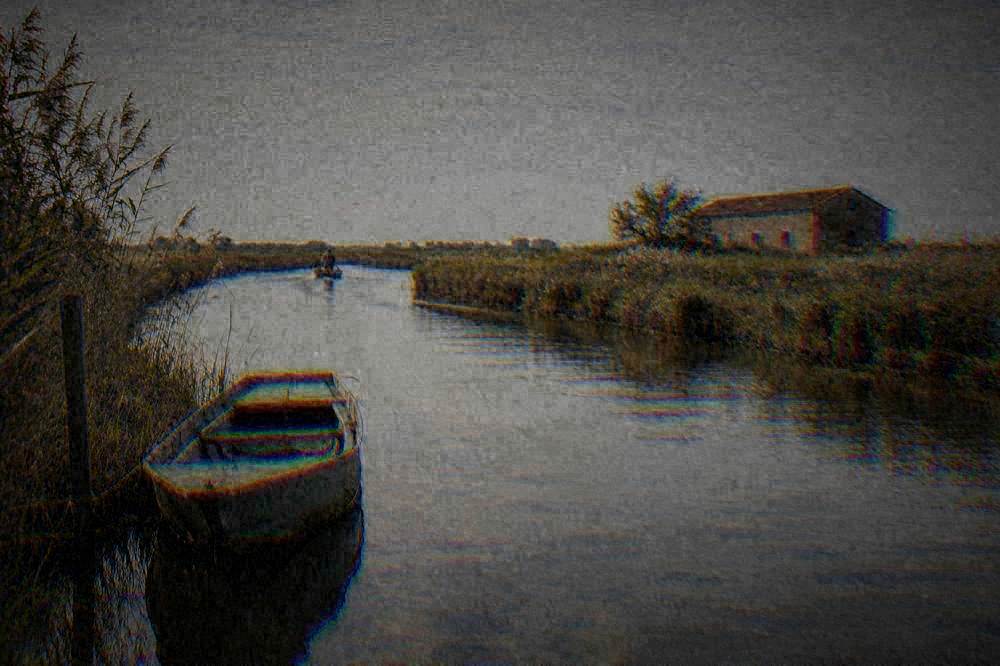
Ravenna, in Emilia-Romagna, Italy, is a flat Po-valley city whose historic centre lies inland, about 8 km from the Adriatic coast. The city itself is not on the sea, and no street in the mosaic quarter looks out over water. What Ravenna does have is its own litorale, a stretch of coast of about 35 km where five beach resorts sit: Marina di Ravenna, Punta Marina, Lido Adriano, Lido di Classe and Lido di Savio. So the short answer is yes, with a catch that matters for planning: the beach is a bus or bike ride away from the mosaics, not a stroll from them.
Does Ravenna Have A Beach?
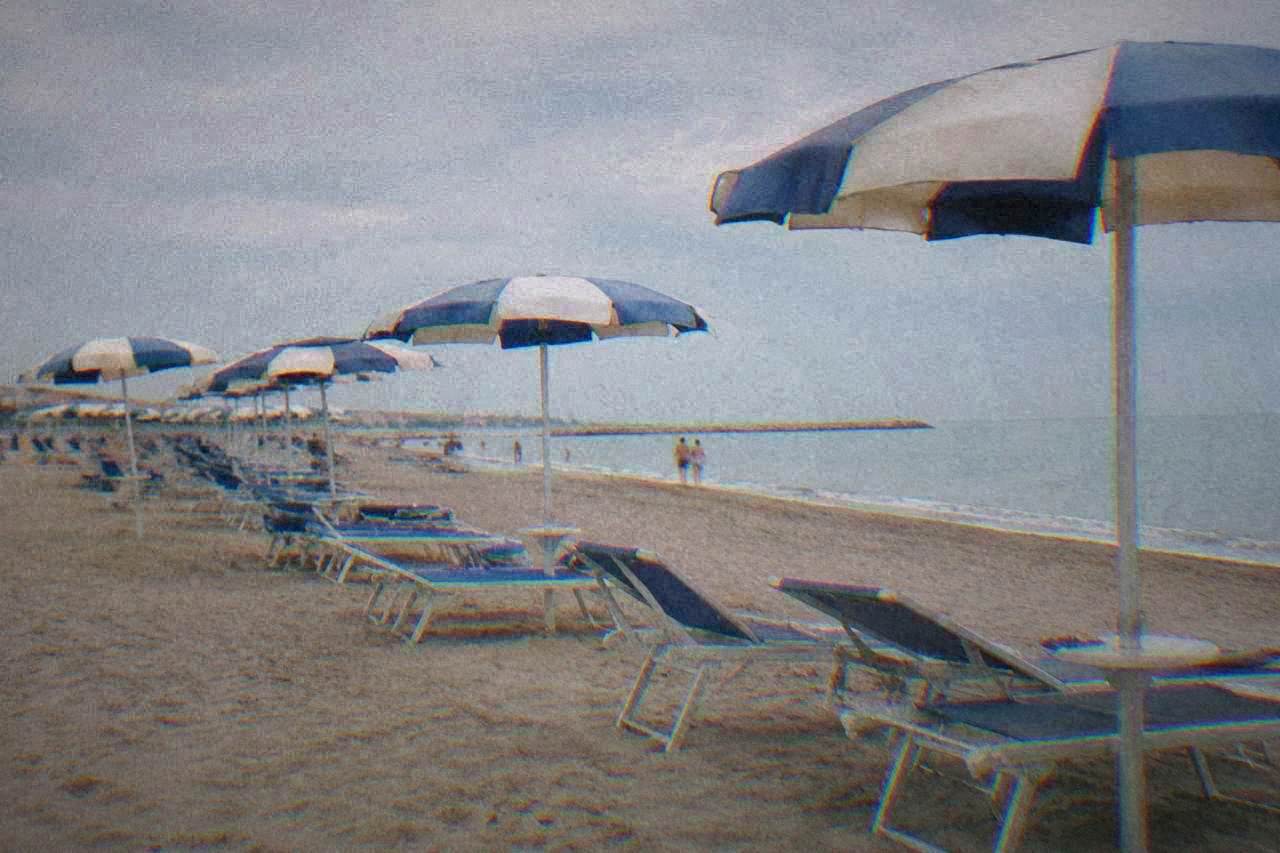
Ravenna has a beach in the sense that the municipality owns about 35 km of Adriatic coast with five resorts, Marina di Ravenna, Punta Marina, Lido Adriano, Lido di Classe and Lido di Savio, but the historic centre sits inland about 8 km from the nearest sand. The city is known for its eight UNESCO Early Christian monuments and Dante's tomb, and the sea is a separate trip. Nothing in the centre is coastal, and the walk from the mosaic churches ends at streets, not dunes.
That separation shapes every visit. A traveller staying in the centre can spend two full days among the mosaics of San Vitale, Galla Placidia and Sant'Apollinare Nuovo without ever seeing the Adriatic, and a traveller at Marina di Ravenna can do the reverse. The two halves of Ravenna are connected by the Start Romagna bus network, which runs from the railway station to the coast, and by bike paths across the flat plain. The question of what Ravenna is famous for is answered inland, but the summer season is answered at the shore.
The resorts themselves are genuine beach towns with their own character, not suburbs. Marina di Ravenna is the closest and the busiest, Punta Marina and Lido Adriano lie south of it along the pine belt, and Lido di Classe and Lido di Savio sit further down the coast towards Cervia. Each has its own pages on this site under the areas segment, and the Ravenna and the coast itinerary shows how to string them together.
How Far Is The Beach From Ravenna's Historic Centre?
The nearest resort, Marina di Ravenna, is about 8 km from the historic centre, and every other resort sits further away along the roughly 35 km of coast the municipality covers. There is no beach within walking distance of the mosaic churches, the railway station or Piazza del Popolo. The Start Romagna bus network connects the station to the litorale, and the terrain is flat, which makes the bike a real alternative. The regional timetable booklet lists the coastal lines in its Ravenna section.
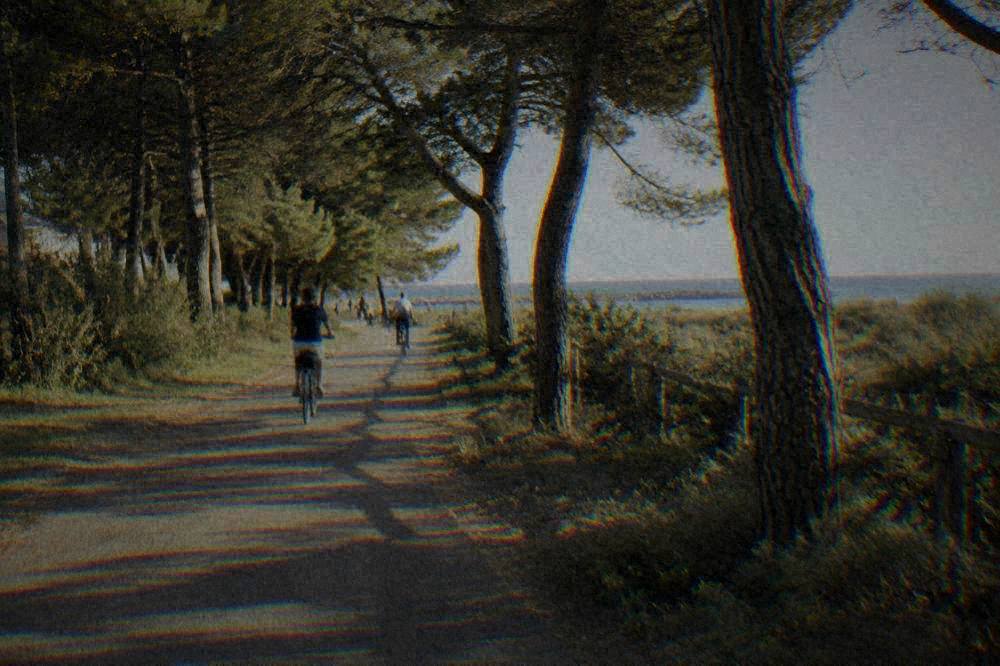
Distance alone does not tell the whole story, because the route matters. The bus leaves from the station area, a short walk from the centre, and runs north and east across the plain and the pine woods before reaching the sand. Cyclists follow much the same corridor on dedicated paths, with no climb anywhere on the route. Drivers should know that the resorts have their own parking areas separate from the city's ZTL, the camera-enforced limited traffic zone that covers the historic centre with gates active on differing schedules, some from 7:30 to 20:30 and some around the clock.
One seasonal note comes straight from the Comune's August 2026 press release. Each autumn a winter sand barrier of 25,000 cubic metres is built at Punta Marina, Marina di Ravenna Sud and Lido di Savio, and it stays in place until spring 2027. The barrier protects the coast from winter storms, which means the beach you see between autumn and spring has a different shape from the summer version, with machinery and dune works rather than open sand in those stretches.
Which Beach Resort Near Ravenna Suits Your Trip?
The five resorts divide by distance and mood: Marina di Ravenna is the nearest to the centre at about 8 km and carries the busiest seafront scene, Punta Marina and Lido Adriano sit behind pine woods with a calmer family feel, and Lido di Classe and Lido di Savio are quieter still, further south towards Cervia. All five are reached by the same Start Romagna coastal lines from the station. None of them can be walked to from the mosaics.
The table below sums up what the resort names mean in practice for a visitor based in the centre.
| Resort | Position on the coast | Character and practical fit |
|---|---|---|
| Marina di Ravenna | Nearest, about 8 km from the centre | Busiest seafront, evening life, the main summer hub |
| Punta Marina | Just south of Marina di Ravenna | Pine-backed sand, family pace, winter sand barrier zone |
| Lido Adriano | Further south along the litorale | Quieter resort town inside the pine belt |
| Lido di Classe | Southern stretch of the coast | Calm, residential, close to the Classe basilica side trips |
| Lido di Savio | Southernmost of the five, towards Cervia | Quietest stretch, second winter sand barrier zone |
Choosing between them is mostly a trade between buzz and calm, plus where you are coming from. A visitor combining the coast with the UNESCO monuments should read does Ravenna have a train station first, because the station is the hinge between the inland sights and the coastal buses. Visitors planning an overnight on the sand rather than a day trip can compare options on the Ravenna beach hotels page, and the summer lido scene is covered in the guide to Ravenna beach clubs.
For a single escorted day that stitches the city and the coast together, one product covers both halves: the private tour listed at RAVENNA & LUNCH ON THE BEACH, from Bologna, which the roster describes as a private day tour pairing Ravenna's history with lunch on the beach. It suits travellers who would rather not work out the bus network themselves. If it fits your dates, Check availability.
If you'd like the city and the coast stitched together, book a private city and beach tour here.
How Do You Get From Ravenna To The Beach Without A Car?
The Start Romagna bus network runs from Ravenna's railway station to the coastal resorts, using the lines listed in the Ravenna section of the operator's timetable booklet, and the winter timetable has been in force since mid-September. Line 1 inside Ravenna runs free of charge all day for the whole winter period, a change the operator announced after a sharp rise in passengers. Beyond the buses, the flat Po-plain terrain makes the bike a practical option on dedicated paths.
The practical sequence for a beach day from the centre is simple. Walk or take Line 1 to the station, board the coastal line that serves your chosen resort, and ride out through the pinewood. Fares are shown at the operator's channels and are not reproduced here, so check the ticket machines or the Start Romagna site before travelling. In summer the frequency rises for the beach season, and in winter the service continues on the reduced timetable, which matters if you are planning an off-season walk on the sand rather than a swim. The rest of the planning pages sit on Ravenna Travel Guide.
Should You Take A Tour Instead Of The Bus?
An escorted tour makes sense when you want the coast and the mosaics in one guarded day without timetable risk, because the tour operator handles the transfers and the monument entries while the bus traveller manages both alone. The roster's beach day tour starts from Bologna rather than Ravenna, so it fits visitors sleeping in the regional capital who want Ravenna and its shore without a self-planned rail and bus chain.
Ravenna-based travellers with time on their side can do the same day independently and spend nothing beyond bus fares and a lunch bill. The decision, in the end, is about how much of a short visit you want to spend on logistics, and how much on gold-ground mosaics and sand.
What Is The Ravenna Coast Like Outside Summer?
Outside summer the resorts stay open as quiet towns rather than closing outright: the sand barrier reshapes the beach at three stretches from autumn until spring 2027, the winter timetable thins the buses, and the sea itself is for walking beside, not swimming. The climate table gives the background: July is the driest month at 38.1 mm of rain and November the wettest at 78.3 mm, on modelled 1991 to 2020 normals, with about 673.6 mm across a typical year.
| Month | Mean temperature | Precipitation |
|---|---|---|
| June | 22.6 C | 45.6 mm |
| July | 25.2 C | 38.1 mm |
| August | 25.0 C | 44.7 mm |
| September | 20.3 C | 57.9 mm |
| October | 15.7 C | 66.0 mm |
| November | 10.6 C | 78.3 mm |
The figures are modelled ERA5 normals for 1991 to 2020, and they frame the season without making any promise about a given week. What they show is a shoulder season that stays pleasant into October, then a wetter, cooler stretch from late autumn on. A November beach walk is entirely possible between showers, and the pine woods behind the coast give the off-season visitor somewhere sheltered to walk when the seafront wind picks up.
Winter visitors should also weigh the indoor half of the city. The mosaic monuments run on winter hours of 10:00 to 17:00 from 3 November 2026 to 6 March 2027, with last admission half an hour earlier, and they close only on 25 December and 1 January. A cold, wet day is better spent under the domes of San Vitale than on an empty seafront, a balance the guide to Ravenna in the rain works through in detail.
Can You Combine The Mosaics And The Beach In One Day?
Yes, and the geometry favours it: the monuments cluster in a compact inland centre, the buses to the coast leave from the station a short walk away, and the flat terrain means nothing in the day involves a climb. A realistic single day gives the morning to two or three mosaic monuments on a combo ticket, an afternoon at Marina di Ravenna or Punta Marina, and an evening back in the centre. The combo ticket stays valid for one week, so nothing forces a rushed morning either.
The rhythm of such a day depends on the season. In summer, the Ravenna Mosaici hours run 9:00 to 19:00, which leaves a long afternoon for the shore after a full morning of mosaics. From 3 November 2026 the hours shorten to 10:00 to 17:00, and the beach becomes a walk rather than a swim, so the order can flip with the seafront first and a late mosaic visit after. Either way, the monuments sit far enough from the water that the day needs a plan, which is exactly what the one day in Ravenna itinerary provides.
Travellers arriving from further afield have a variant worth naming. The Bologna-based day tours in the roster handle the rail leg, the guiding and the coast in one package, which converts a split Ravenna-and-beach day into a single decision. For anyone already sleeping in Ravenna, the same day costs a bus fare and some timetable reading, and the freedom to linger where the mood takes you.
A note on timing the two halves. Galla Placidia and the Neonian Baptistery admit on booked entry times with only a few minutes inside each, so those two slots should anchor the morning and the beach departure should be planned after them, not before. San Vitale admits in scheduled slots too, and the whole combo allows one admission per monument across its week of validity, so a partial morning still leaves the rest of the ticket usable on a later day.
Common Questions About Ravenna And Its Beaches
Does Ravenna have a beach?
Yes, but not in the centre. Ravenna's municipality covers about 35 km of Adriatic coast with five resorts, Marina di Ravenna, Punta Marina, Lido Adriano, Lido di Classe and Lido di Savio, while the historic centre lies inland about 8 km from the nearest sand at Marina di Ravenna.
Can you walk from Ravenna city centre to the sea?
No. The centre is inland on the Po plain, about 8 km from Marina di Ravenna, and no part of the mosaic quarter has a sea view. The connection is the Start Romagna bus from the railway station, a bike ride on flat paths, or a short drive.
Which Ravenna beach is closest to the centre?
Marina di Ravenna, at about 8 km from the historic centre. Punta Marina lies just south of it, with Lido Adriano, Lido di Classe and Lido di Savio strung further along the coast towards Cervia.
Is the Ravenna coast open in winter?
The resorts stay reachable year-round on the Start Romagna winter timetable, but the beach itself changes shape: a 25,000 cubic metre sand barrier is built each autumn at Punta Marina, Marina di Ravenna Sud and Lido di Savio and remains until spring 2027, so those stretches look like construction zones rather than open sand.
Do you need a car for the Ravenna beaches?
No. The coastal buses run from Ravenna's station, Line 1 inside the city runs free of charge for the whole winter period, and the flat terrain suits cycling. A car helps for the southern resorts or for carrying beach gear, but it is not required for Marina di Ravenna.
Ravenna rewards both halves of a visit, the gold-ground mosaics inland and the pine-backed sand at the edge of the plain, and knowing that the two are 8 km apart is the single most useful fact for planning either one.