What Is The Best Restaurant In Ravenna?
There is no single best restaurant in Ravenna, but the city's food is easy to judge: look for the Romagna classics, a printed coperto and a kitchen near the markets. Here is how to pick well.
No published ranking names a single best restaurant in Ravenna, the inland Po-valley city in Emilia-Romagna whose UNESCO mosaics and Dante's tomb draw the crowds its kitchens then feed. The honest answer is a method rather than a name: this page sets out what the local food tradition actually is, which dishes a Ravenna kitchen is measured by, and the practical checks, from a printed coperto to a menu built around piadina and cappelletti, that separate a kitchen cooking the Romagna repertoire from one cooking for passing trade. The editorial desk behind Ravenna Travel Guide reports what the sources say and names no restaurant, because no figure or review set in this site's files supports a single winner.
What Is The Best Restaurant In Ravenna?
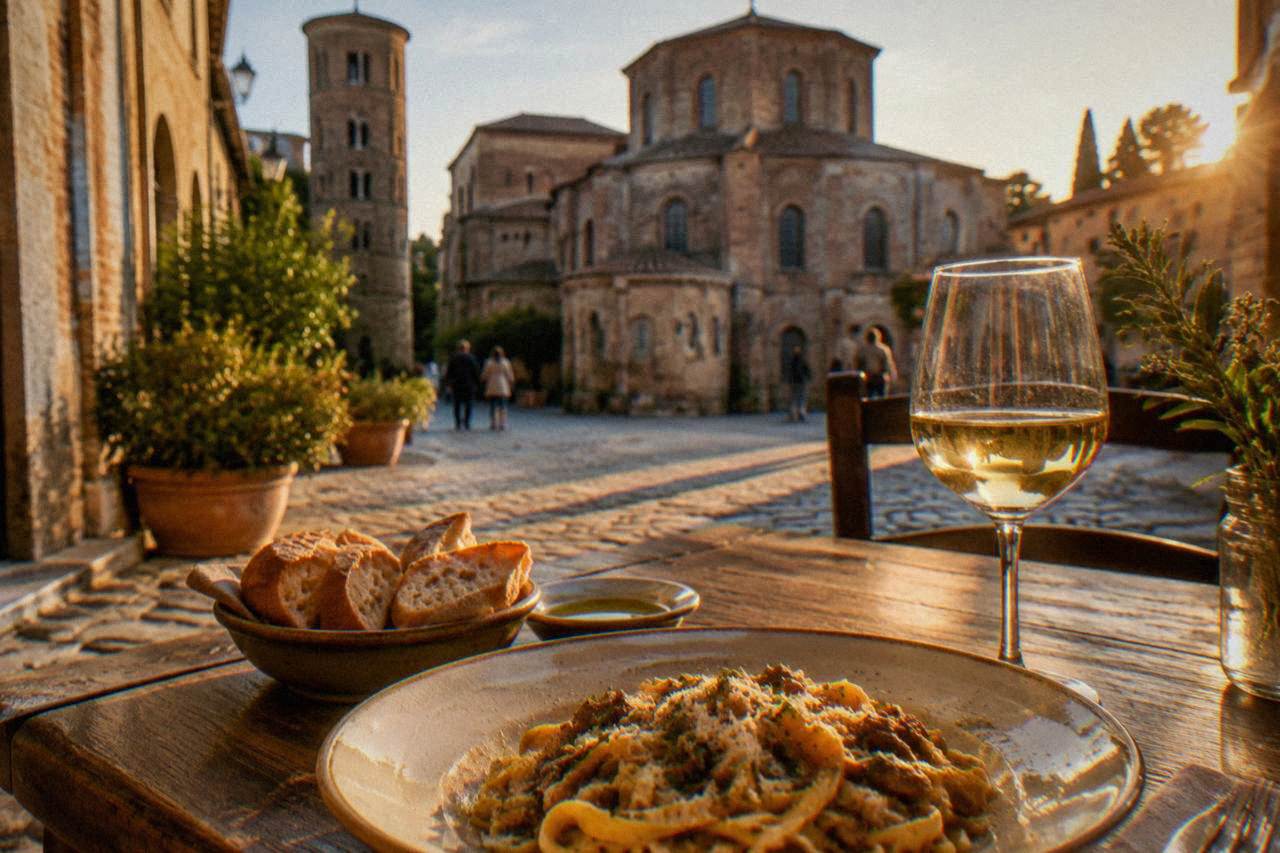
The best restaurant in Ravenna cannot be named from any verified source, and no ranking in this site's files crowns one kitchen. What can be said with confidence is what a strong Ravenna restaurant looks like: a menu built on the Romagna repertoire of cappelletti, passatelli, piadina and grilled meats, a printed cover charge, prices on the menu rather than recited, and a room that fills slowly through the Italian dinner hour rather than emptying the moment a tour group leaves.
The question usually arrives from a reader planning one dinner between the mosaics and the train home. For that reader, the practical move is to read the menu before sitting down. A kitchen that makes its own pasta will usually say so, in writing, and will list the filled shapes by name: cappelletti, the small hat-shaped pasta served in broth or with ragu, and passatelli, the bread-and-parmesan dough rolled into short strands. Piadina, the flatbread of the Romagna coast and plain, should appear either as a starter or beside the grilled meat.
The city centre is compact and walkable, so geography does not force a choice. The streets around Piazza del Popolo and the covered market area hold a concentration of kitchens, and the lanes between the basilica of San Francesco and Dante's tomb hold more. Nothing here prevents a bad meal, but nothing about the layout means a long journey to a good one either. A visitor staying anywhere inside the old street grid can reach a dozen candidate menus on foot in the time it takes to decide what to order, and the railway station sits a short walk from the same grid, so even a dinner before an evening train stays inside the eating quarter rather than depending on transport.
What Should You Eat In Ravenna To Judge A Kitchen?
A Ravenna kitchen is judged on its filled pasta: cappelletti romagnoli, ideally handmade and served in capon broth or with ragu, and passatelli in broth. Alongside them sit piadina with squacquerone cheese and cured meats, grilled meats, and Romagna wines such as Sangiovese and Albana. A menu carrying these dishes by name, with the pasta described as made in the house, is the single most reliable signal of a kitchen cooking the local repertoire rather than a generic Italian card.
The dish list below is the standard the city's kitchens are measured against. Every item is described by what it is, not by price: food prices in Ravenna vary by season and by room, and the printed menu at the door is the authority.
| Dish | What It Is | What To Look For |
|---|---|---|
| Cappelletti | Small filled pasta, the Romagna signature | Handmade on the menu; served in broth or with ragu |
| Passatelli | Bread, parmesan and egg rolled into strands | Fresh texture, not dried; broth-based service |
| Piadina | Flatbread cooked on a terracotta or steel plate | Filled with squacquerone, a soft fresh cheese, and cured meats |
| Tagliatelle al ragu | Egg pasta with meat sauce | Raguo simmered, not a quick tomato sauce |
| Grilled meats | Romagna mixed grills over embers | Cuts listed by name on the menu |
| Sangiovese and Albana | The local red and white Romagna wines | By-the-glass options from the region |
The second table carries the commercial checks a traveller can make from the pavement before committing to a table. These are the signals an honest room shows and a careless one hides, and together with the dish list they form the full method this page recommends.
| Check | What The Source Says | Why It Matters |
|---|---|---|
| Coperto | A cover charge is legal in Italy when printed on the menu | If it is printed, it is legitimate; if it appears unannounced on the bill, question it |
| Menu prices | Prices must be displayed, at the door or on the card | A displayed menu is the baseline of an honest room |
| Tipping | Not obligatory in Italy | Rounding up is normal; a service charge replaces it where printed |
| Tourist tax | About EUR 2 per night at a 3-star hotel, from the 2023 tariff | Charged at accommodation, not at the restaurant; confirm at booking |
| Emergency number | 112 anywhere in Italy | Worth saving before any trip |
The two tables together carry the two judgements a traveller can actually make from the street. The first is culinary: does the kitchen cook the Romagna repertoire by name? The second is commercial: does it print its prices and its cover charge? A room that passes both is, in the absence of any verified single winner, the working answer to this question.
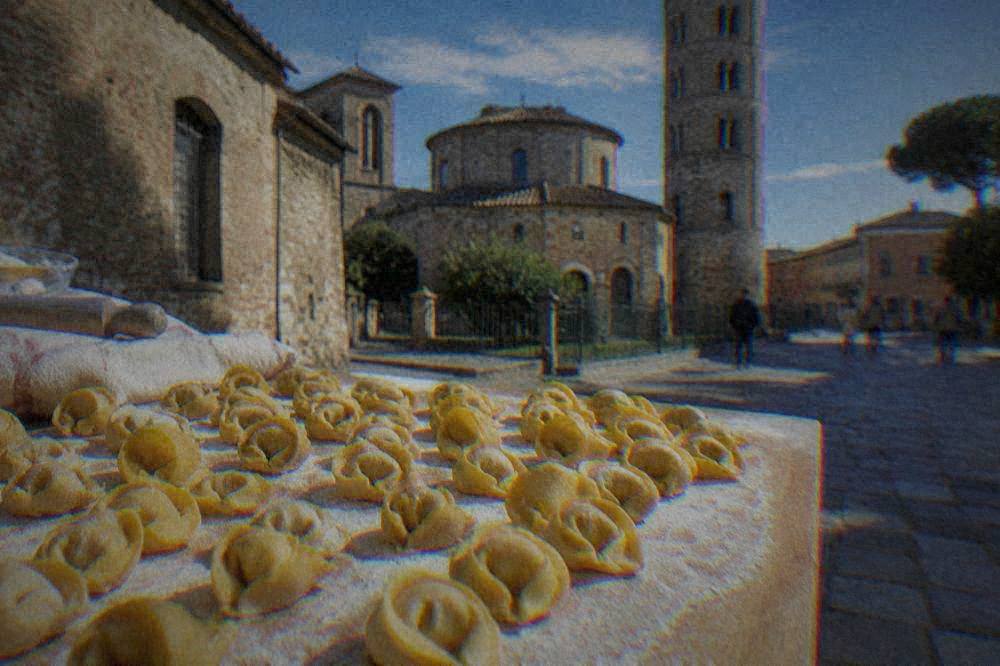
Eating well in Ravenna and seeing the mosaics well are usually the same day's work. The UNESCO walk the site's guided monuments tour covers ends close to the centre's eating streets, so a late lunch after the monuments is the pattern the city lends itself to. If the timing suits, Check availability and plan dinner around whichever monuments the walk finishes near.
Where Should You Not Eat In Ravenna?
No street or square in Ravenna is listed anywhere in this site's files as one to avoid, and publishing an avoid list would mean inventing it. The workable rule is the standard Italian one: a menu with photographs of every dish, a host calling passers-by from the door and a card that omits prices are the signals that a room serves passing trade. A kitchen with a printed menu, local wines by the glass and no touting is the safer bet on any street in the centre.
That rule holds everywhere in Italy and Ravenna is no exception. The centre is small, walkable and safe by the standards of any Italian provincial city; petty crime such as pickpocketing around tourist sites and on public transport is the ordinary caution, not a food risk. The difference between a good dinner and a forgettable one here is almost always the menu, not the postcode.
A second, quieter signal is the pace of the room. An Italian dining room that fills gradually across the first hour of service is feeding people who chose it; a room that empties in a single wave the moment one large group stands up is feeding people who were led to it. Reading the room for five minutes from the street costs nothing and answers more than any star count, and in a city whose centre fits inside a square kilometre of flat walking, the five minutes are easy to spend.
What Food Is Ravenna Famous For Beyond The Restaurant Table?
Ravenna's food identity extends past the restaurant table into piadinerie, market stalls and the sweets tied to Dante: the flatbread piadina sold hot and folded, the covered market's cheese and cured-meat counters, and the pine-nut and honey pastries the city associates with its most famous resident. The same repertoire, squacquerone, cured meats, cappelletti, reappears at every price level from street stall to dining room.
A day built around eating does not need a dining room at every course. A piadina from a bakery counter is a legitimate lunch by local standards, and the covered market area supplies cheese, bread and Romagna wines for a picnic within sight of the mosaic monuments. The site's full answer to what food Ravenna is famous for carries the dish-by-dish detail, and readers weighing the city overall may also find the site's answer to is Ravenna worth visiting useful before committing the days. Between the two, a visitor can assemble a full eating plan, from breakfast pastry to the late digestivo, without ever needing a ranking to follow.
Can A Food Tour Answer This Question Better Than A Ranking?
A food tour can do something no ranking does: it puts a local guide between the visitor and the menu, and the mosaic-and-food walks in Ravenna build tastings into a guided route through the centre. The roster includes food walks with tastings and cooking classes, from a piadina class to gelato making, and their prices and ratings render from the listings rather than being typed here. A tasting walk teaches the vocabulary that makes an independent dinner choice easier afterwards.
The classes deserve a mention because they invert the question. A traveller who has rolled piadina dough or watched cappelletti being folded knows exactly what the phrase "made in the house" should mean on a menu, and that knowledge travels to every restaurant in the city. The full local picture, including how the food fits a short visit, sits in the site's things to do in Ravenna overview.
Tempted to try the folding yourself. Book a traditional home cooking class here.
Common Questions About Eating In Ravenna
What is the best restaurant in Ravenna?
The working answer is any kitchen that cooks the Romagna repertoire, cappelletti, passatelli, piadina with squacquerone, by name, prints its prices and its cover charge, and does not tout from the door. The local dish guide lists what to look for on the menu.
Do I need to book a restaurant in Ravenna in advance?
The city centre's kitchens fill through the Italian dinner hour, and a same-day booking for the peak evening is the safe habit. Confirm with the restaurant directly, as booking practice varies by room and season.
Is the coperto a scam in Ravenna?
No. A cover charge is legal in Italy when it is printed on the menu. If a coperto appears on the bill without being printed anywhere, question it with the staff before paying.
What time do people eat dinner in Ravenna?
Italian dinner service begins in the early evening, and kitchens in a provincial city such as Ravenna can stop serving later than a visitor expects. Arriving within the first hour of opening is the reliable way to be served the full menu.
Should I tip in Ravenna restaurants?
Tipping is not obligatory in Italy. Where a service charge or coperto is printed on the bill, rounding up the total is the normal gesture; nothing more is expected.
No ranking will settle this question, and a traveller armed with the dish names, the printed-menu checks and the local repertoire will eat better than one chasing a single title. Read the menu at the door, order the cappelletti, and let the kitchen prove itself on the plate.