Is Ravenna, Italy Worth Visiting?
Ravenna, a small inland city in Emilia-Romagna, holds eight UNESCO monuments with Byzantine mosaics and Dante's tomb. Here is what the official pages say about whether it deserves a trip.
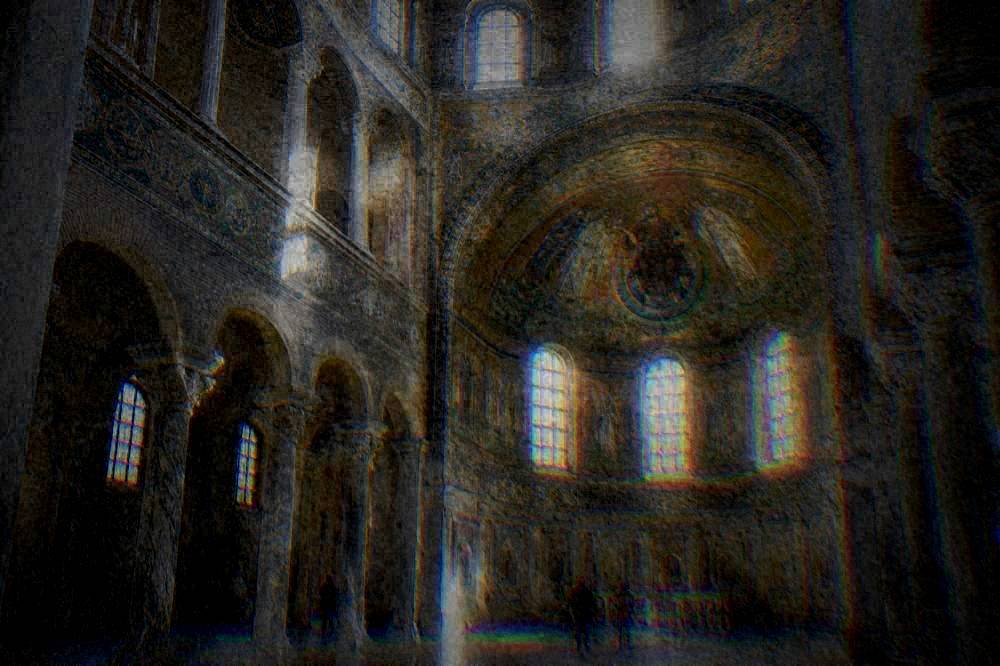
Ravenna, a small city in Emilia-Romagna on the flat Po plain of northern Italy, sits inland about 8 km from the Adriatic coast, and its historic centre holds one of the densest concentrations of early medieval art anywhere. The UNESCO World Heritage List inscribed eight Early Christian monuments of Ravenna in 1996: the Mausoleum of Galla Placidia, the Neonian Baptistery, the Basilica of Sant'Apollinare Nuovo, the Arian Baptistery, the Archiepiscopal Chapel, the Mausoleum of Theodoric, the Basilica of San Vitale and the Basilica of Sant'Apollinare in Classe. The city is also where Dante is buried, in a small tomb off Via Dante that the municipal page lists as free to enter. This page sets out, from what the official pages state, what a visit delivers and for whom.
Is Ravenna, Italy Worth Visiting?
Yes, if what you want is world-class mosaics in a compact, walkable city that costs far less time than the big-name destinations of Italy. Ravenna offers eight UNESCO-listed Early Christian monuments, Dante's tomb with free entry, and a historic centre you cross on foot, all on the flat Po plain of Emilia-Romagna. It is not a seaside resort, and the beaches are bus rides away, so it suits travellers who come for art and history rather than sand.
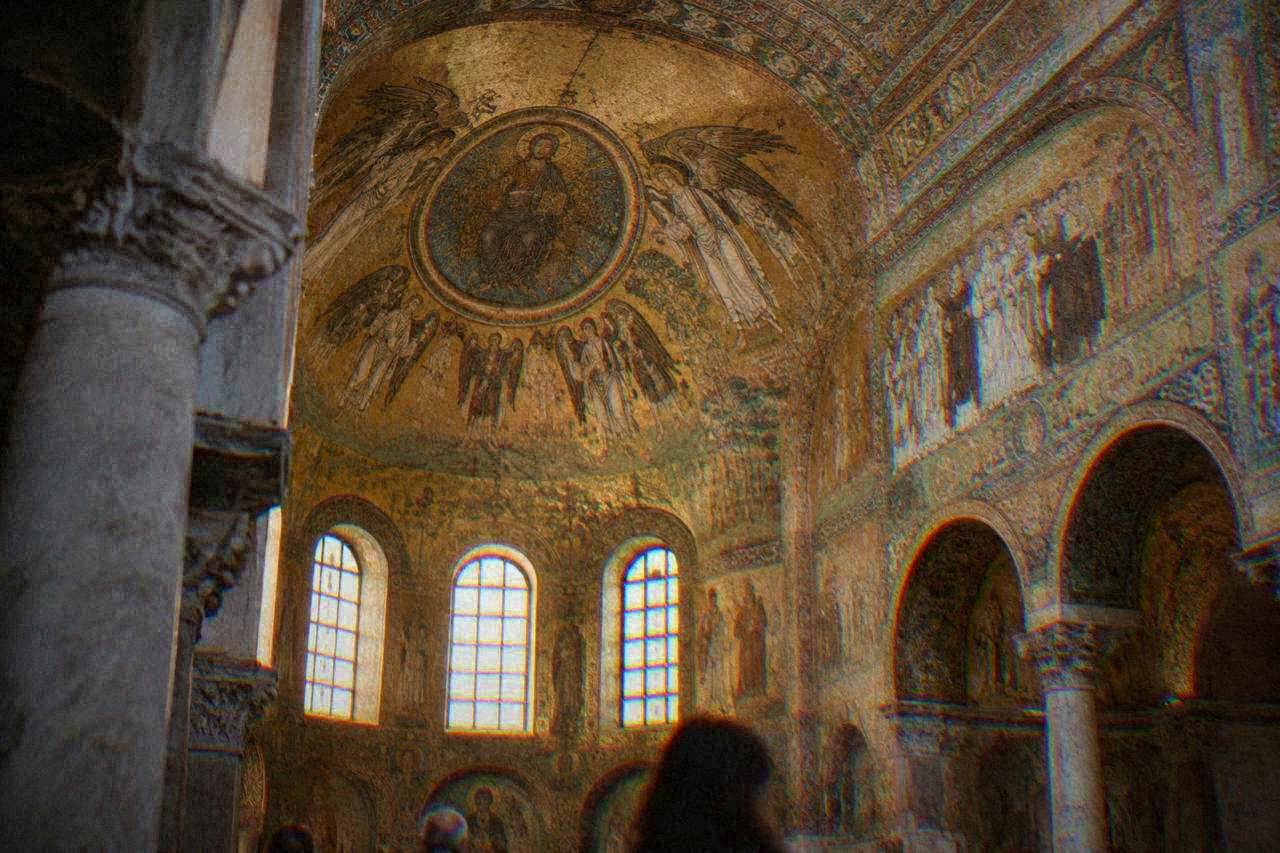
That trade is the honest framing. The UNESCO listing itself, on the World Heritage Centre page for Ravenna, names the eight monuments and describes the Early Christian and Byzantine mosaic heritage that earned the inscription. The Ravenna Mosaici ticket page shows how the visits are organised: a combined ticket covering the monuments in the centre, valid one week, one admission per monument, with a booked entry time for each. Galla Placidia and the Neonian Baptistery take mandatory timed entry with short stays of a few minutes, because both are small domed spaces and the queue management depends on it.
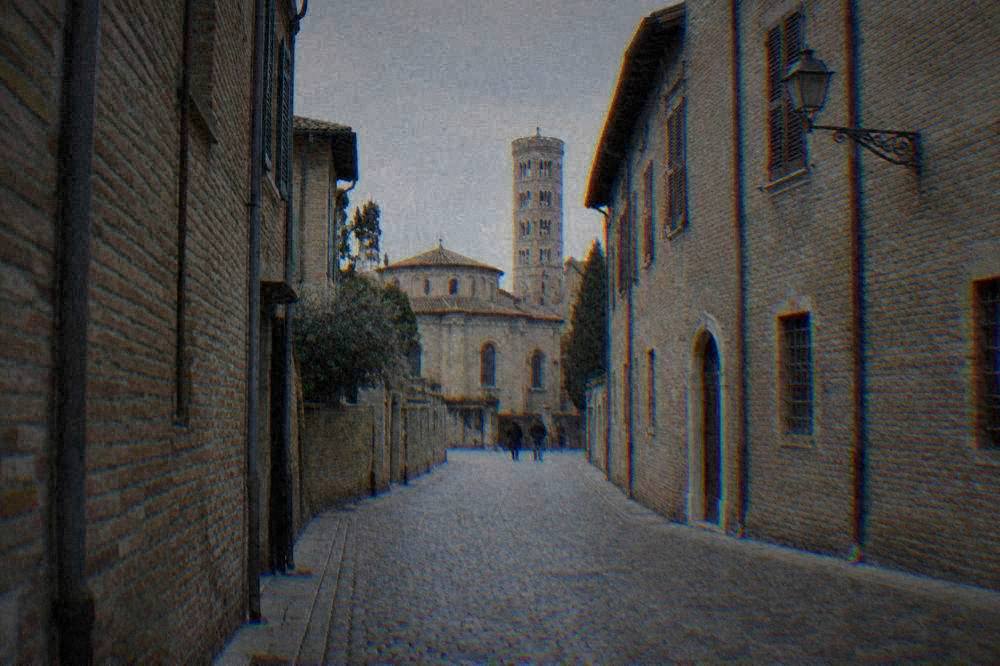
For anyone weighing the trip against Venice or Florence, the scale matters. Ravenna's centre is small, the railway station is a short walk from it, and every monument except Sant'Apollinare in Classe and the Classis Ravenna museum sits within it. Classe is a separate area outside the centre, reached by local transport or a short drive. A fuller rundown of the city's claims sits on what Ravenna is famous for, and the practical sight-by-sight overview lives on the things to do in Ravenna page.
What Do The Eight UNESCO Monuments Actually Give You?
The eight UNESCO monuments give you gold-ground glass mosaics in six separate buildings, two of them outside the historic centre, all covered by one combined ticket scheme that runs for one week. The Ravenna Mosaici ticket page lists reduced fares from EUR 9.50 for two monuments, EUR 11.50 for four and EUR 13.50 for five, with free entry for children 0 to 10 and Ravenna residents. The two-monument combo covers Sant'Apollinare Nuovo and San Vitale.
The 4-monument combo adds Galla Placidia and the Neonian Baptistery, and the 5-monument adds the Archiepiscopal Museum with the Chapel of St Andrew. Those tiers matter for planning: the two small domed spaces, Galla Placidia and the Neonian Baptistery, work on booked entry times and brief visits, while San Vitale admits in slots. The reduced rate applies to students, non-accredited journalists and paying groups over 20, per the ticket page's terms.
What a visitor sees inside is described plainly in the UNESCO listing's own wording: Early Christian monuments with Byzantine mosaics, gold-ground glass set into brick-and-marble shells. The Basilica of San Vitale and the Mausoleum of Galla Placidia are the pair most written about, and this site carries dedicated pages on the Basilica of San Vitale and the Mausoleum of Galla Placidia with the visiting detail. Beyond the eight, the city holds further museums, among them the Classis Ravenna museum in the Classe area, listed at EUR 8 full and EUR 6 reduced, and the MAR art museum at EUR 8 full.
| Monument or museum | Entry price on the official page | Hours as listed |
|---|---|---|
| Ravenna Mosaici combo, 2 monuments | from EUR 9.50 reduced | Summer 9:00 to 19:00, winter 10:00 to 17:00 |
| Ravenna Mosaici combo, 4 monuments | from EUR 11.50 reduced | Summer 9:00 to 19:00, winter 10:00 to 17:00 |
| Ravenna Mosaici combo, 5 monuments | from EUR 13.50 reduced | Summer 9:00 to 19:00, winter 10:00 to 17:00 |
| Mausoleum of Theodoric | EUR 6, concession EUR 5, ages 18 to 25 EUR 2 | Daily 8:30 to 17:30 |
| Arian Baptistery | EUR 3 | 9:00 to 17:00 |
| Sant'Apollinare in Classe | EUR 6 full, EUR 2 reduced | Mon to Sat 8:30 to 19:00, Sun 13:30 to 19:00 |
| Classis Ravenna museum | EUR 8 full, EUR 6 reduced | Daily 10:00 to 17:00 |
| MAR art museum | EUR 8 full, EUR 6 reduced, students EUR 3 | Tue to Sat 9:00 to 18:00, Sun 15:00 to 19:00 |
| Dante's tomb | Free | 10:00 to 18:00 Nov to Mar, 10:00 to 19:00 Apr to Oct |
A guided walk suits visitors who want the iconography explained, since the mosaics carry court and religious figures whose meaning is not self-evident. The tokens above render current prices and ratings from live listing data; in prose the desk only reports what each tour covers, never a figure. The featured private walk pairs the monument interiors with a local expert's commentary across the lanes between them.
How Easy Is Ravenna To Reach Without A Car?
Ravenna is reachable by direct regional train from Bologna in about 1 hour to 1 hour 20 over about 84 km, and the station sits a short walk from the historic centre, so a car-free visit works well. The regional rail timetable gives the routes, and the desk prints no fare, since the official pages the site holds do not carry one. From Bologna airport the route is the Marconi Express to Bologna Centrale, then a regional train, about 2 to 2.5 hours door to door.
Within the city, everything of the historic centre is on foot. The beaches of Marina di Ravenna, Punta Marina, Lido Adriano, Lido di Classe and Lido di Savio string along about 35 km of coast and need the Start Romagna bus from the station, a bike or a car, because Ravenna is an inland city and no sea is visible from the centre. Cruise passengers arrive at the Porto Corsini terminal about 15 km away, where the Visit Ravenna shuttle runs about 30 minutes between the terminal and the centre. Everything else covered here is indexed on Ravenna Travel Guide.
Is a guided tour with admission included the right call for a first visit? For travellers on a tight window, above all cruise passengers with a single day, a tour that bundles the entry tickets removes the timed-entry booking step entirely. The listing shows what each option covers, and the button above opens the operator's live listing.
What Does Ravenna Offer Beyond The Mosaics?
Beyond the mosaics Ravenna offers Dante's tomb with free entry, the Ravenna Festival's autumn trilogy at Teatro Alighieri, food traditions of Romagna such as piadina and cappelletti, and day trips to Bologna, Ferrara, Comacchio, San Marino and the Po Delta. The municipal page for the tomb lists daily hours of 10:00 to 18:00 from November to March and 10:00 to 19:00 from April to October, closed 25 December.
The festival's autumn trilogy, "Mozart 1791", runs 13 to 17 November 2026 at Teatro Alighieri on the Ravenna Festival's own page. The Teatro Alighieri opera and dance season starts in December 2026 per the announcements. Each October the Notte d'Oro evening opens monuments for free, an annual fixture rather than a one-off. Food is described on this site in the food Ravenna is famous for page: the flatbread piadina, cappelletti in broth, and the wines of Romagna.
Day trips fan out in every direction: Bologna by regional train, Rimini, San Marino, Ferrara, Faenza, Brisighella, Cervia with its salt pans visitor centre on Via Bova 61 open weekends and holidays, Comacchio and the Po Delta with its birding marshes at Punte Alberete and Valle Mandriole. The desk has a dedicated page of good day trips from Ravenna with the transport detail for each.
How Many Days Should You Give Ravenna?
One full day covers the four or five central monuments and Dante's tomb comfortably, and two days add Sant'Apollinare in Classe, the Classis Ravenna museum and a slower pace, according to the itineraries on this site. The combined ticket's one-week validity means a longer stay never wastes the purchase. Visitors planning a first trip can weigh their window on the page for how many days to spend in Ravenna, which breaks the answer by interest.
If a slower pace sounds good, book a hotel here.
The one-week ticket validity is the quiet advantage: buy once, spread the monuments across days, and book each entry time as you go. Winter visits change the arithmetic slightly, since from 3 November 2026 to 6 March 2027 the Ravenna Mosaici hours run 10:00 to 17:00, against 9:00 to 19:00 in summer. The climate table, modelled ERA5 normals for 1991 to 2020, puts July as the warmest month at a 25.2 C mean and January the coldest at 5.1 C, with about 674 mm of rain across the year.
What Are The Weak Sides Of A Ravenna Visit?
The weak sides are that Ravenna is inland, so a beach day means a bus, bike or car ride of 8 km or more; the star monuments are small and timed, so peak-day crowding is managed by short stays; and the evening town is quiet compared with Bologna or Rimini. November is the wettest month on the climate table at 78.3 mm, which shapes late-autumn plans. None of this is hidden, and all of it is plannable.
The timed-entry system at Galla Placidia and the Neonian Baptistery, with visits of a few minutes, is the fact that surprises travellers who expected to linger. San Vitale admits in slots. The winter sand barrier built each autumn at Punta Marina, Marina di Ravenna Sud and Lido di Savio, 25,000 cubic metres of sand per the Comune press release, stays in place until spring 2027 and changes the look of those beaches off season. Drivers face a camera-enforced ZTL in the centre, with gates on differing schedules, some 7:30 to 20:30 and some 24 hours; a daily permit of about EUR 8 comes from the 24-hour parcometers, and hotels can issue guest authorisation.
A private walk, like the one above, is one answer to the small-monument problem: a local expert sequences the entries, books the times and reads the mosaics for you. Whether that is worth it over self-guided entry is a matter of depth versus cost, and the live listing carries the current figure.
Common Questions About Visiting Ravenna
Is Ravenna, Italy worth visiting?
Yes, for the eight UNESCO Early Christian monuments with Byzantine mosaics, Dante's free-entry tomb and a compact walkable centre. It is an inland city about 8 km from the coast, so it rewards art-led travel rather than beach-led travel.
Does Ravenna have a beach?
Not in the city itself. The resorts of Marina di Ravenna, Punta Marina, Lido Adriano, Lido di Classe and Lido di Savio lie along about 35 km of coast and are reached by Start Romagna bus from the station, by bike or by car.
How much do the Ravenna mosaic monuments cost?
The Ravenna Mosaici page lists reduced fares from EUR 9.50 for two monuments, EUR 11.50 for four and EUR 13.50 for five, valid one week with one admission per monument. Full prices are on the official ticket page, which the desk sends readers to for the live figure.
Can you see Ravenna in one day?
Yes. One full day covers the central monuments and Dante's tomb; the itinerary pages on this site, including the one-day plan, sequence the visits around the timed entries at Galla Placidia and the Neonian Baptistery.
Is Ravenna or Bologna better for a day trip?
They serve different aims: Bologna is the larger food and city-break destination, while Ravenna holds the UNESCO mosaic set. The comparison page on this site, which is better, Ravenna or Rimini, and the Bologna day-trip page set out the trade-offs.
When is the best time to visit Ravenna?
The climate table, modelled ERA5 normals 1991 to 2020, shows July as the warmest month at a 25.2 C mean and January the coldest at 5.1 C, with November the wettest month at 78.3 mm. Summer monument hours run to 19:00 until 2 November 2026, and winter hours run 10:00 to 17:00 from 3 November 2026.
The verdict this site's sources support: Ravenna is worth visiting for travellers who rank early medieval art, a walkable inland centre and Dante's tomb above nightlife and beaches, and the one-week combined ticket makes even a slow two-day stay simple to plan.