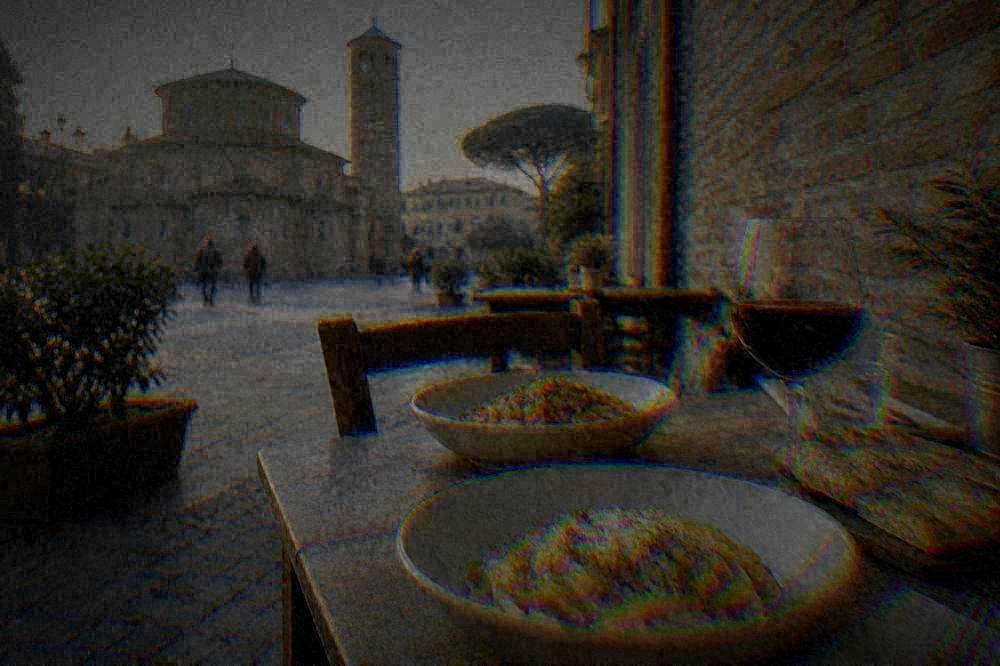
What Food Is Ravenna Famous For?
Ravenna is famous for piadina romagnola, cappelletti in broth, squacquerone cheese and Sangiovese wine. Here is what to eat in the city of mosaics, dish by dish.
Ravenna is famous for the food of Romagna: piadina romagnola, the thin flatbread cooked on a hot terracotta disc and folded around squacquerone, a soft fresh cheese; cappelletti, the small stuffed pasta served in capon broth; and Sangiovese, the red wine of the Romagna hills. The city is inland on the flat Po plain, about 8 km from the Adriatic resorts, and its kitchens have always drawn on three larders at once: the farmland around the city, the coast at Marina di Ravenna, and the pine woods and marshes of the Po Delta. This page sets out, dish by dish, what the Ravenna table is famous for, what each thing actually is, and where the food fits into a visit built around the mosaics. For the wider picture of the city, the overview of Ravenna's fame covers the monuments, and the full Ravenna food guide goes deeper on where to eat.
What Food Is Ravenna Famous For?
Ravenna is famous above all for piadina romagnola, the thin flatbread of the region, and for cappelletti, small hand-folded pasta parcels served in broth. Around those two sit squacquerone, a soft tangy fresh cheese, cured meats of the Romagna tradition, grilled Adriatic fish at the coast, and Sangiovese, the red wine of the hills behind the city. None of it is fancy: this is farmhouse cooking that survived into the bars and osterias of a mosaic city.
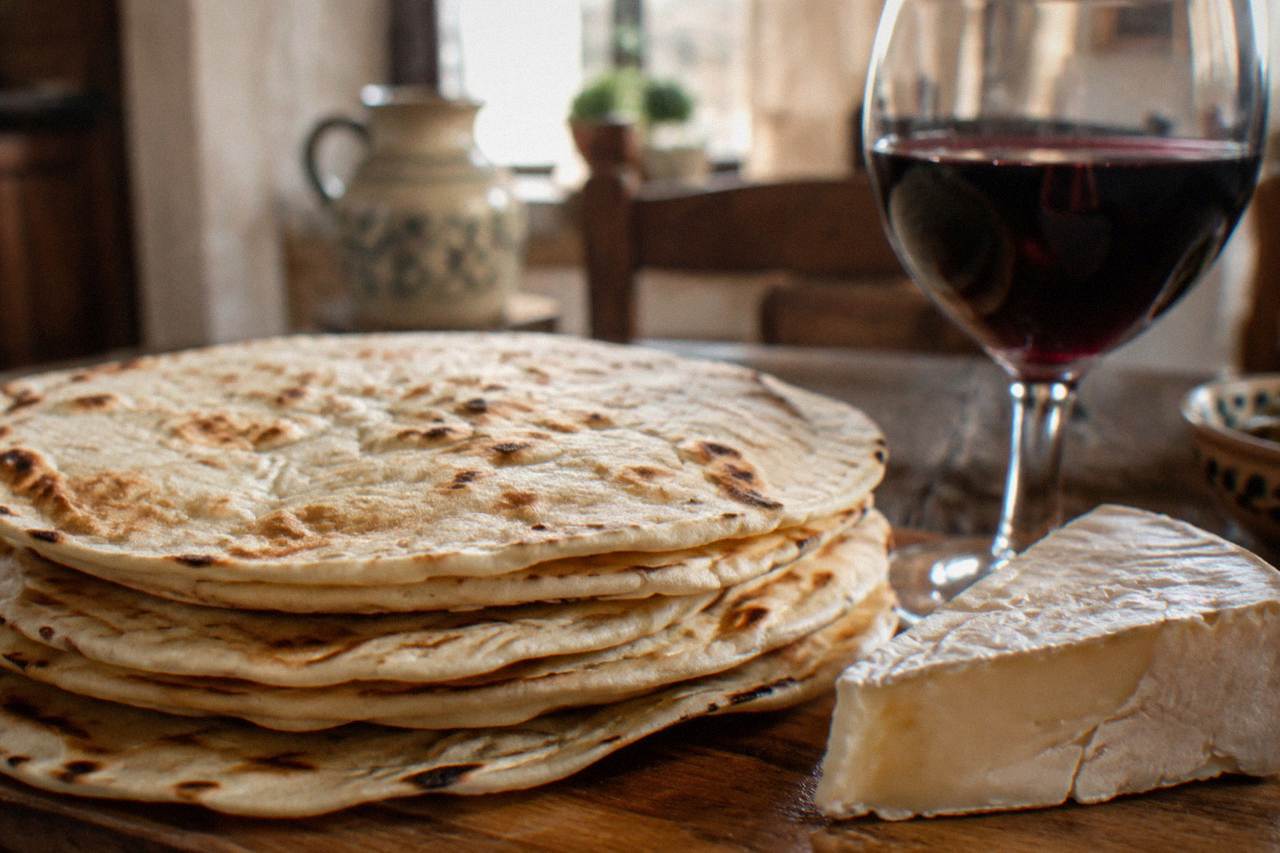
The piadina is the item a visitor meets first, because it is everywhere. Bakeries sell it warm by the piece, kiosks fold it around cheese and rocket, and bars toast it for breakfast. Traditionally it was cooked on a terracotta disc called a testo, and the short list of ingredients, flour, lard or olive oil, salt and water, has barely changed. What changes is the thickness: the Romagna version, the one Ravenna eats, is thinner than the puffy Rimini style, a difference locals will point out without being asked.
Cappelletti are the festive dish. The name means "little hats", and each one is folded by hand around a filling of cheese, breadcrumbs and sometimes meat, then served floating in capon broth rather than with a heavy sauce. In Ravenna households they are the Christmas lunch dish, and restaurants keep them on the menu year round. Alongside them sit the other pastas of the region, including passatelli, a dough of breadcrumbs, egg and parmesan pushed through a press into short worms, usually in broth.
To learn the cappelletti fold by hand, book a market tour and cooking class here.
The cheese and the wine complete the picture. Squacquerone is so soft it barely holds its shape, and its slight tang is exactly what the warm piadina needs. Sangiovese in Romagna is lighter and fruitier than its Tuscan cousin, and the hills of the region, reachable as day trips, produce it in still, sparkling and sweet passito forms. The guide to Romagna wines covers the pairings in detail, and the guide to Ravenna food tours lists the classes where a visitor can learn to fold cappelletti by hand.
| Dish | What It Is | How It Is Usually Served |
|---|---|---|
| Piadina romagnola | Thin flatbread cooked on a terracotta or metal disc | Folded around squacquerone and rocket, or eaten plain and warm |
| Cappelletti | Small hand-folded stuffed pasta parcels | In capon broth, the traditional Christmas dish |
| Passatelli | Short pasta of breadcrumbs, egg and parmesan | In broth, or dry with a light sauce |
| Squacquerone | Very soft fresh cow's milk cheese with a tang | Inside piadina, or with flatbread and cured meat |
| Sangiovese | The red wine of the Romagna hills | Young and fruity, with pasta and cured meats |
Where Does Piadina Fit In Ravenna Food Culture?
Piadina is not just a snack in Ravenna, it is the daily bread of the region, sold warm in bakeries, kiosks and bars from morning to night. It carries a protected name, piadina romagnola, which ties it to this part of the Adriatic plain, and the Ravenna style is the thin one, flexible enough to roll. A visitor who eats one thing in the city should eat this, folded around squacquerone.
The flatbread began as food for farm workers, cooked quickly without an oven, and it stayed cheap and fast even as the region grew wealthier. That history explains its place today: it is the thing eaten standing up, the thing carried to the beach, the thing a bar toasts while the coffee is pouring. Filling a piadina takes seconds, and the classic combinations are simple, squacquerone and rocket, cured ham, or grilled sausage with onions.
There is a seasonality to it too. Squacquerone is at its best in the cooler months, and the piadina stands that line the road out to Marina di Ravenna do their busiest trade in summer, when the coast fills up. The journey itself is short, the resorts sit along about 35 km of shoreline, but they are a bus or a bike ride from the centre, not a stroll, so the beach piadina is a planned trip rather than an impulse. The question does Ravenna have a beach covers the routes.
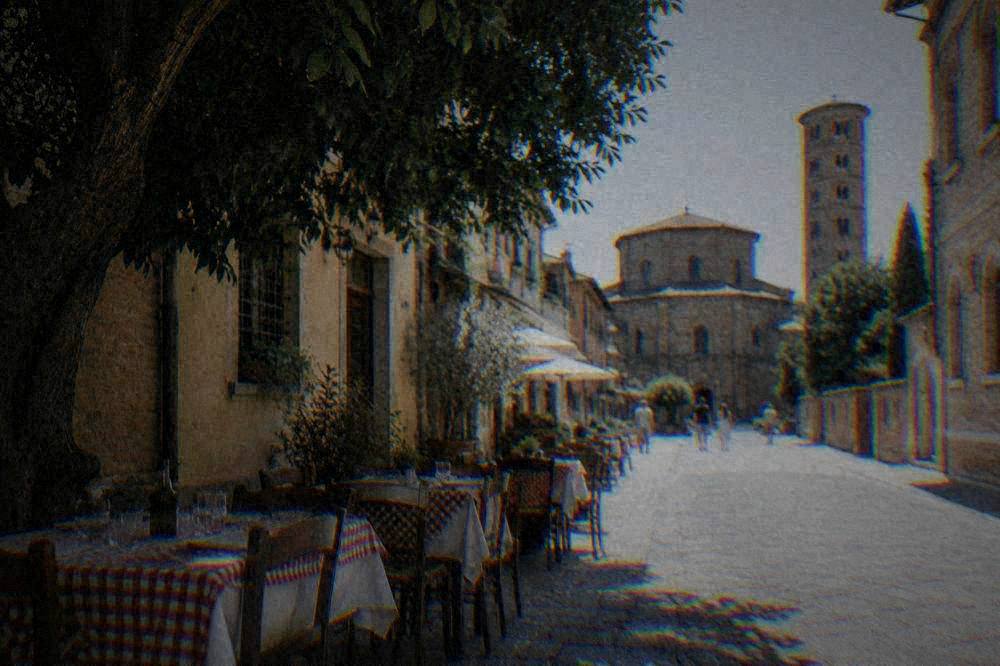
One practical note on the bill: a cover charge, the coperto, is legal in Italy when it is printed on the menu, and tipping is not obligatory. Check the itemised bill for the coperto line before adding anything, and treat good service as a reason to round up rather than a requirement to calculate a percentage.
Which Pasta Dishes Define Ravenna Kitchens?
Cappelletti are the defining pasta of Ravenna, hand-folded parcels served in capon broth, followed closely by passatelli, the breadcrumb pasta of the same broth tradition. Both belong to the Romagna farmhouse kitchen, where eggs, parmesan and breadcrumbs were turned into Sunday food without expensive ingredients. Restaurants in the historic centre keep both on the menu, and cooking classes teach the folding by hand.
The difference between cappelletti and tortellini is a border dispute that Ravenna answers firmly: cappelletti belong to Romagna, tortellini to Bologna next door, and the fillings differ, with the Romagna parcel leaning on cheese rather than meat. The shape is folded by hand, one at a time, which is why a tray of them on a restaurant counter is a small advertisement of labour. In broth they are a first course, but a rich one. The wider set of guides lives on Ravenna Travel Guide.
Passatelli are the humbler sibling. The dough is breadcrumbs, egg, parmesan and nutmeg, pushed through an iron press so it comes out in short ridged strands, and the result is a pasta that tastes almost entirely of parmesan. Served in the same capon broth they make a cold-weather dish of real weight. Neither pasta needs more than a glass of young Sangiovese beside it.
Learning the fold is a genuine activity here. Several cooking classes and food walks in the city centre the roster on this site covers include tastings and market visits, and a hands-on class is the reliable way to understand how much work sits inside one bowl of cappelletti.
The table below separates the pasta names a menu in Ravenna will throw at a visitor.
| Pasta | Shape And Dough | Filling Or Serving |
|---|---|---|
| Cappelletti | Small hand-folded parcels of egg pasta | Cheese-led filling, served in capon broth |
| Passatelli | Short ridged strands pressed from breadcrumb dough | In broth, no filling |
| Tagliatelle | Long flat ribbons of egg pasta | With ragu or simple butter and sage |
| Strozzapreti | Short hand-rolled twists | "Priest stranglers", with sausage or greens |
What Wines And Drinks Come With Ravenna Meals?
Sangiovese is the wine of the Ravenna table, made in the Romagna hills and served young, fruity and light beside the region's pasta and cured meats. Around it sit Albana, the white of the same hills, and Trebbiano, plus the sparkling and sweet styles the region produces. Ordering by the glass is normal, and the local rule of thumb is simple: young red with the farmhouse dishes, white with the Adriatic fish.
Albana has a long regional reputation as a white with body, and it comes in still and passito versions, the sweet one made from dried grapes. The Sangiovese of Romagna is the volume wine, and its superiore and riserva bottlings age well, but the everyday glass in a Ravenna osteria is the young one. For the fish kitchens of the coast, at Marina di Ravenna and the other resorts, the white list does the work.
The coast is worth naming here because it is where the other half of the food culture lives. Grilled Adriatic fish, fried mixed seafood and clams with piadina on the side are the shore's contribution, and the resorts are reached by the Start Romagna bus from the station. The drive out is flat farmland the whole way, a reminder that this food comes from a plain, not a rocky coastline.
Can You Taste Ravenna Food On A Guided Tour?
Yes, and it is one of the efficient ways to meet the Ravenna table, because guided food walks and tasting tours bundle piadina, cheese, cured meat and wine into one sitting, while cooking classes teach the cappelletti fold by hand. This site lists mosaic walks with tastings, market-and-cooking classes, piadina workshops and winery visits near the city, plus day trips that pair food with Ferrara and Comacchio.
The choice comes down to what a visitor wants from the plate. A tasting walk suits a short stay, a first evening, or a cruise day, because it moves through the centre past the mosaic monuments and stops at several counters. A cooking class suits a longer stay, and the piadina class in particular teaches a technique a visitor can carry home. A winery visit takes half a day in the hills. The listings on this site carry the prices, ratings and durations, so the figures come straight from the operator's live listing.
For a visitor combining the two halves of the city, mosaics and food, the pairing is natural: the monuments cluster in a walkable centre, and the eating happens in the same streets. The classic combination is a guided mosaic walk in the morning, when the gold ground glass catches the light best, followed by a long lunch. A day trip widens the plate further. Comacchio, the lagoon town north of the city, has its own eel tradition and salt-pan landscapes, and Ferrara brings the bread and salami of its own court kitchen; both sit inside a single day's reach of Ravenna. The Ferrara and Comacchio day tour from Ravenna covers both towns, and Check availability shows the live details. The one day in Ravenna planner fits the food stops around the monuments.
Common Questions About Ravenna Food
What food is Ravenna famous for?
Piadina romagnola, cappelletti in broth, squacquerone cheese, the cured meats of Romagna, grilled Adriatic fish at the coast resorts, and Sangiovese wine from the hills behind the city.
Is piadina the same as flatbread?
It is a specific protected flatbread of Romagna, thin in the Ravenna style, cooked on a hot disc and traditionally folded around soft cheese and rocket rather than eaten as a side bread.
What is the difference between cappelletti and tortellini?
Cappelletti are the Romagna parcel, folded by hand with a cheese-led filling and served in capon broth; tortellini are the Bolognese cousin with a meat-led filling. Ravenna menus serve the former.
Where should I eat in Ravenna?
The historic centre holds the osterias and bars within a short walk of the mosaic monuments, and the coast resorts serve the fish kitchens. Check posted menus for the coperto, which is legal when printed, and confirm any booking terms directly with the venue.
Can you do a food tour in Ravenna?
Yes. Guided walks with tastings, cooking classes, a piadina workshop and winery visits near the city all appear in this site's tour listings, with prices and ratings rendered from the operator's live listing.
Ravenna's food fame rests on a short list done properly: a flatbread, a folded pasta, a soft cheese and a young red wine, all from the plain and hills around an inland mosaic city. Eat the piadina warm, order the cappelletti in broth, and let the rest of the table follow from there.