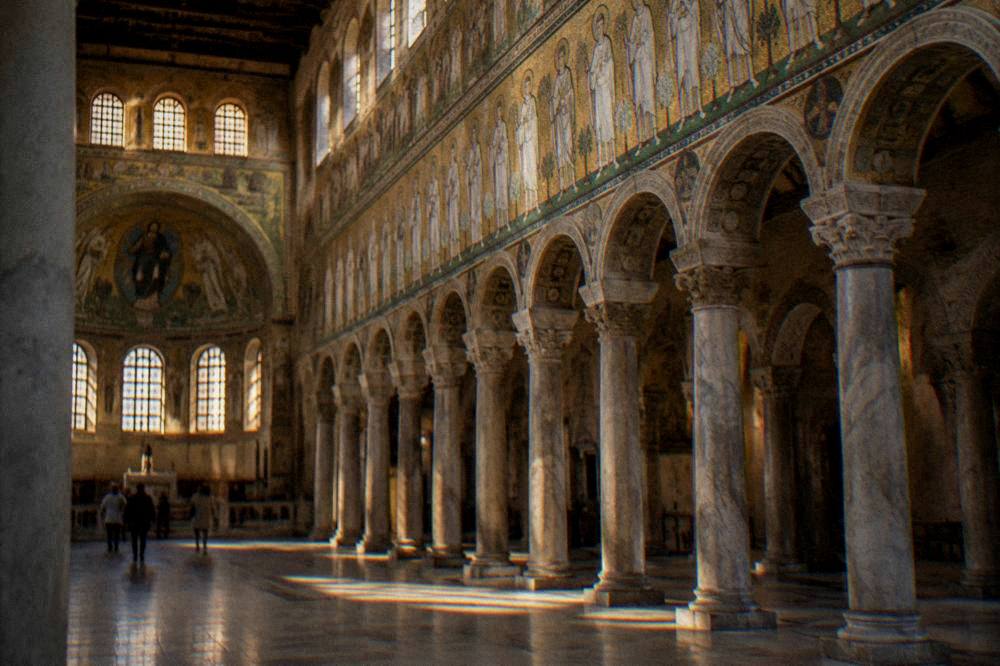
Classis Ravenna
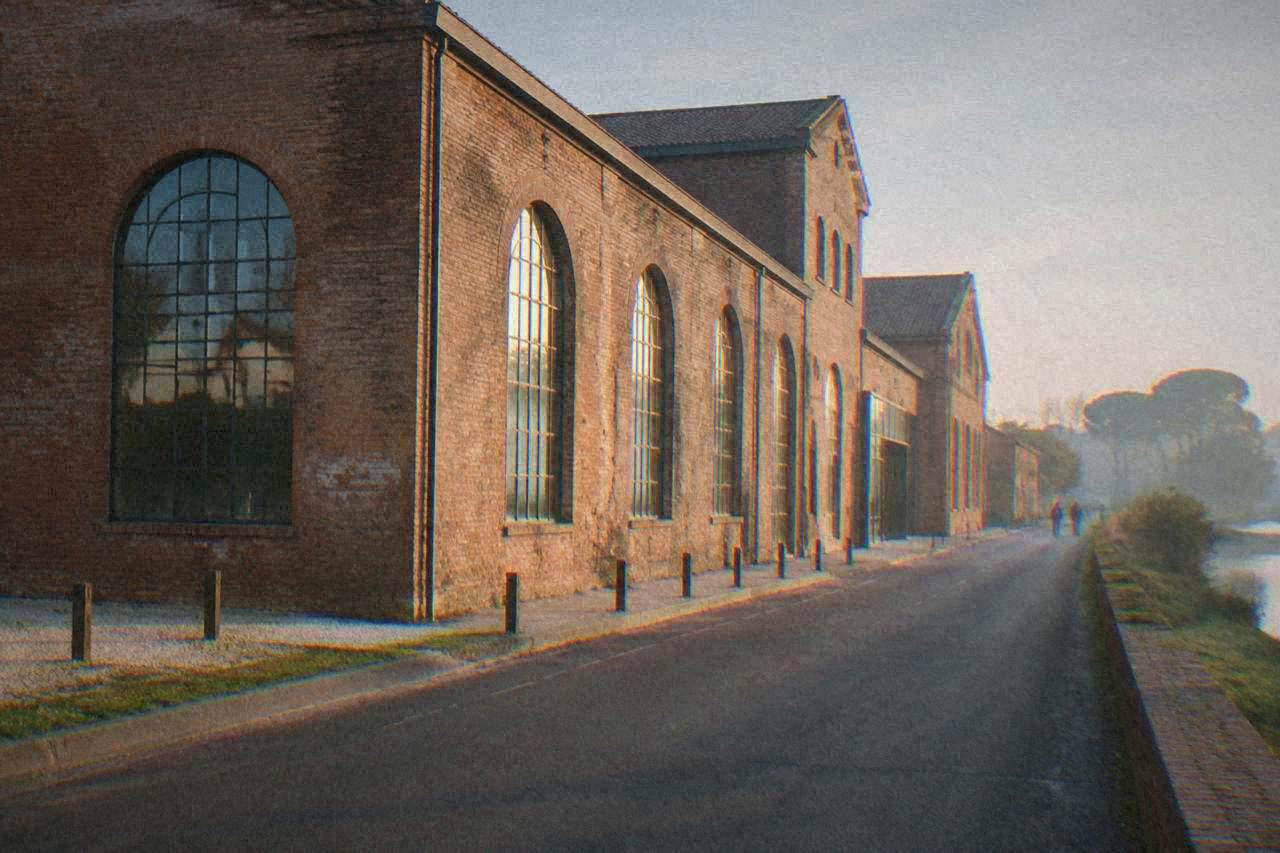
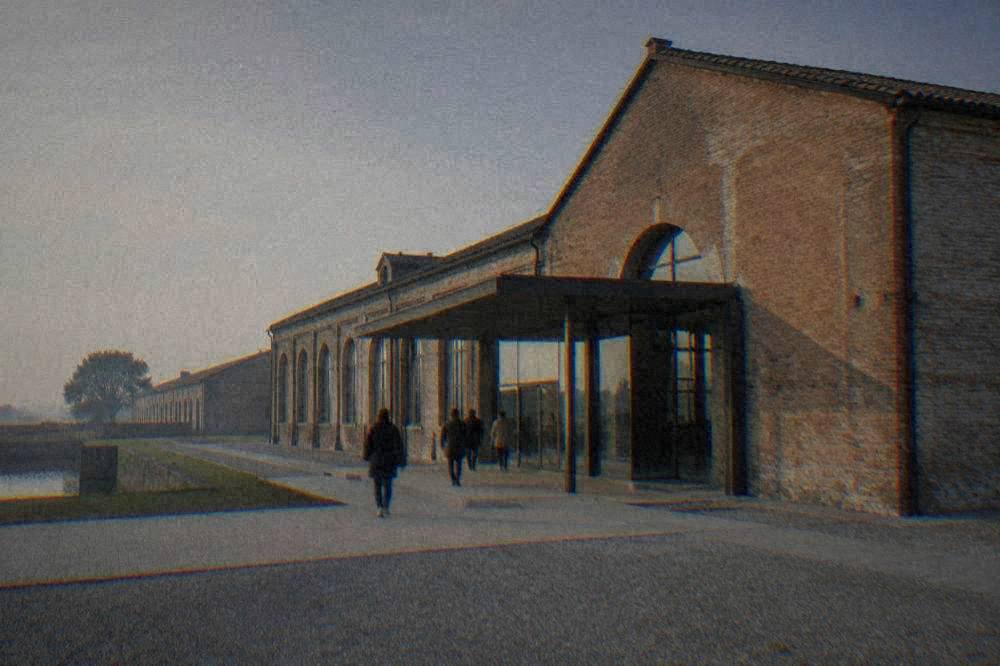
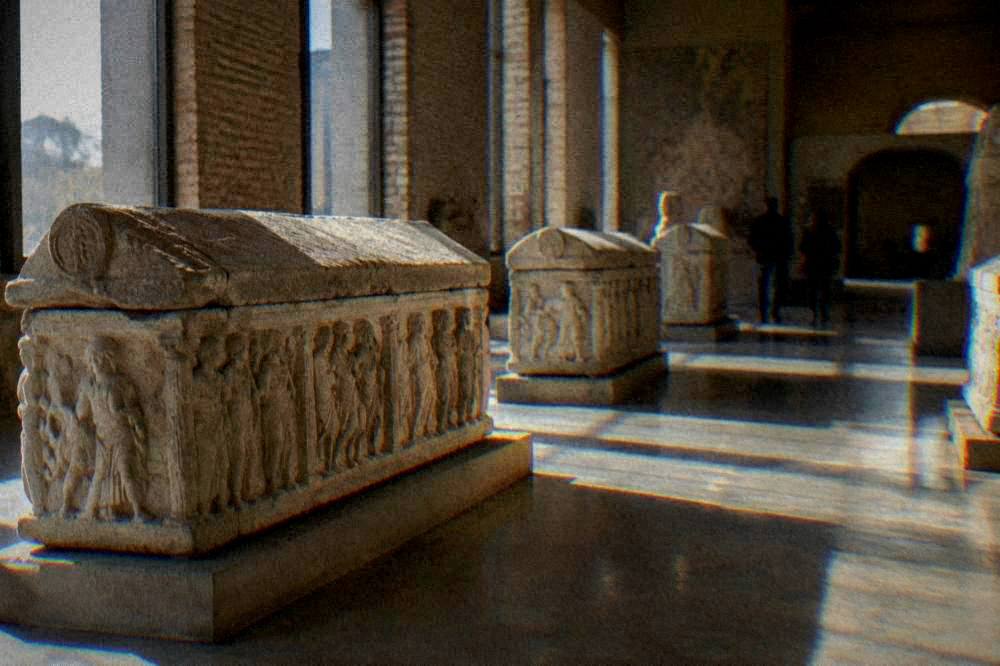
Classis Ravenna, the museum of the city and its territory, sits in the Classe area south of Ravenna's centre, in a converted sugar factory next to the basilica of Sant'Apollinare in Classe. It tells the story of the port city that grew here, and it now holds the former TAMO mosaic collection.
Short answer
Classis Ravenna is open daily 10:00 to 17:00 with last entry 50 minutes before closing, and tickets are EUR 8 full and EUR 6 reduced, per the museum's own listing. It is closed 25 December. The museum is in Classe, outside the centre of Ravenna, next to Sant'Apollinare in Classe.
Ravenna's story is usually told through the eight UNESCO Early Christian monuments of its historic centre, but the city has a second, larger museum chapter a few kilometres south, in the Classe area. Classis Ravenna, the Museo della Citta e del Territorio, occupies a converted sugar factory beside the basilica of Sant'Apollinare in Classe, and it is the place where the port city that made Ravenna powerful is explained in full. The museum's own listing gives daily opening 10:00 to 17:00, last entry 50 minutes before closing, tickets at EUR 8 full and EUR 6 reduced, and a closure on 25 December. Since 2023 it has also carried the collection of the former TAMO mosaic museum, which closed permanently that year.
This page gathers what the official and municipal pages say about the museum: its hours, its tickets, what is inside, how to reach it from the centre, and how it fits into a Ravenna itinerary alongside the mosaics of San Vitale and Galla Placidia. Ravenna itself is an inland Po-valley city in Emilia-Romagna, about 8 km from the Adriatic coast, and Classe lies outside the centre, reached by bus, bike or car rather than on foot.
What Is Classis Ravenna And Where Is It?
Classis Ravenna is the museum of the city and territory of Ravenna, housed in a former sugar factory in the Classe area immediately beside the basilica of Sant'Apollinare in Classe, south of the historic centre. The museum presents the ancient port of Classis and the late antique city, and since the TAMO museum closed permanently in 2023 it also holds that collection, which the reporting says moved to Classis. It is not one of the eight UNESCO monuments.
The name comes from Classis, the port settlement that served ancient Ravenna, and the museum stands in the landscape that settlement occupied. The building itself is part of the story: a wide industrial structure of the kind the Ravenna plain used for sugar production, reconditioned as exhibition space. The museum's pages present it as the place where the relationship between the city, its port and its territory is laid out, from the ancient harbour through the late antique and Byzantine periods that produced the mosaics visitors come to see in the centre.
For trip planning the key fact is geography. Classe is outside Ravenna's walkable core. The basilica of Sant'Apollinare in Classe, one of the eight UNESCO monuments, is next to the museum, and the two are natural companions on a single outing. The historic centre, with San Vitale, the Mausoleum of Galla Placidia and Dante's tomb, is a separate visit, reached by Start Romagna bus from the station, by bike, or by car. The basilica of Sant'Apollinare in Classe has its own page on this site with the basilica's hours and tickets.
What Are The Opening Hours And Ticket Prices At Classis Ravenna?
The museum's listing gives daily opening 10:00 to 17:00, with last entry 50 minutes before closing, and tickets at EUR 8 full and EUR 6 reduced, closed on 25 December. A special rate of EUR 5 is listed for schools and selected categories. The state museums and monuments of Ravenna are reported to be free on the first Sunday of the month, and the museum advises checking official channels because maintenance closures can occur in January and February.
These figures come from the museum's own channels and from the ticket listing, and they are the only prices this page states for the site. The reduced rate applies as the listing defines it, and the EUR 5 rate is listed for school and special visits. Hours follow a seasonal pattern in which the summer period runs March to September and a winter schedule applies October to January, with possible maintenance closures in January and February, so a winter visitor should confirm the day's opening on the official page before travelling out to Classe.
One dated example shows why the check matters: the museum reported a one-day technical closure on 12 October 2026, reopening the following day on its normal 10:00 to 17:00 schedule. Nothing suggests a pattern of disruption, but a same-day glance at the museum's channels is the reliable habit.
| Item | Figure | Notes |
|---|---|---|
| Opening | Daily 10:00 to 17:00 | Per the museum's listing |
| Last entry | 50 minutes before closing | 16:10 in practice |
| Full ticket | EUR 8 | Per the museum's listing |
| Reduced ticket | EUR 6 | Per the museum's listing |
| Schools and special | EUR 5 | Per the museum's listing |
| Closed | 25 December | Annual closure |
| First Sunday of the month | Free entry reported | State museums and monuments |
Ticketing is simple enough that a visit rarely needs a tour, but visitors who prefer a structure for the whole day can look at guided options covering Ravenna's sites. The entries below are bookable products whose prices and ratings render from the operator listings.
A private walk such as the one above is one way to see the centre's monuments with a guide. The things to do in Ravenna page gives the full picture of the city's sights for anyone building an itinerary around the museum trip.
Why Did The TAMO Collection Move To Classis Ravenna?
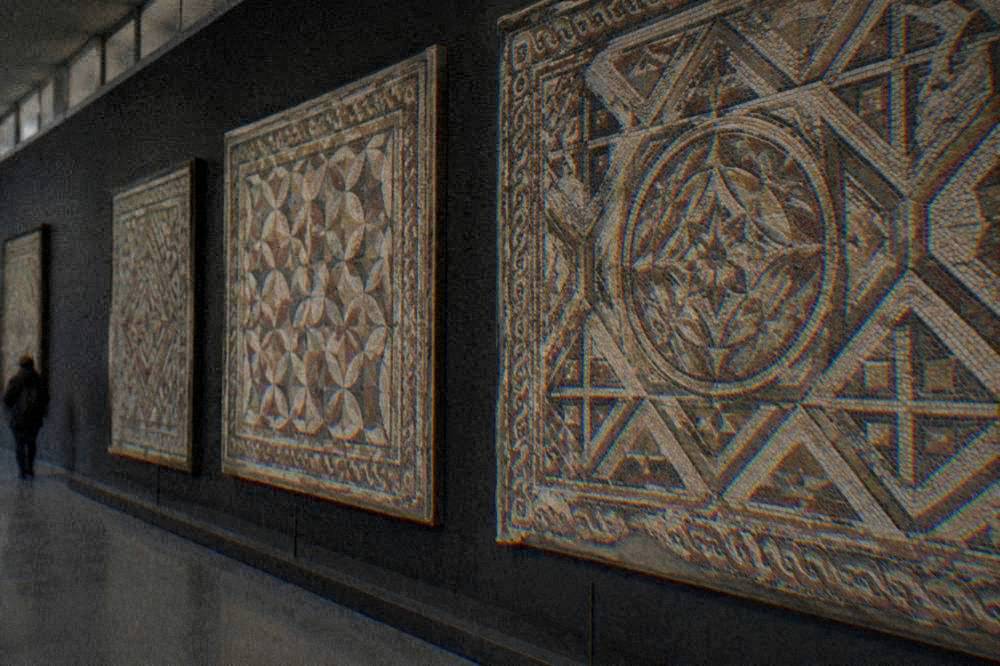
TAMO, the mosaic museum known as Tutta l'Avventura del Mosaico, closed permanently in 2023, and the reporting on the closure states that its collection moved to Classis Ravenna. That makes Classis the place in Ravenna to see mosaic material outside the monuments themselves, alongside the city and territory displays already housed there. The TAMO site in the centre no longer operates as a museum.
The closure changed how a mosaic-focused trip to Ravenna is planned. Earlier guides sent visitors to TAMO for a museum treatment of mosaic art and technique; the current answer is Classis, where the transferred collection sits inside the larger story of the port city. The TAMO mosaic museum page on this site records the closure and the transfer, and it is kept for readers who arrive searching for the old name.
For visitors who want more than display cases, Ravenna also has working mosaic workshops, and a private walk with a mosaic workshop visit is listed on this site's tour pages. The workshop side of the city's mosaic tradition is separate from the museums, and the two make a good pairing on a two-day stay.
What Can You See Inside Classis Ravenna?
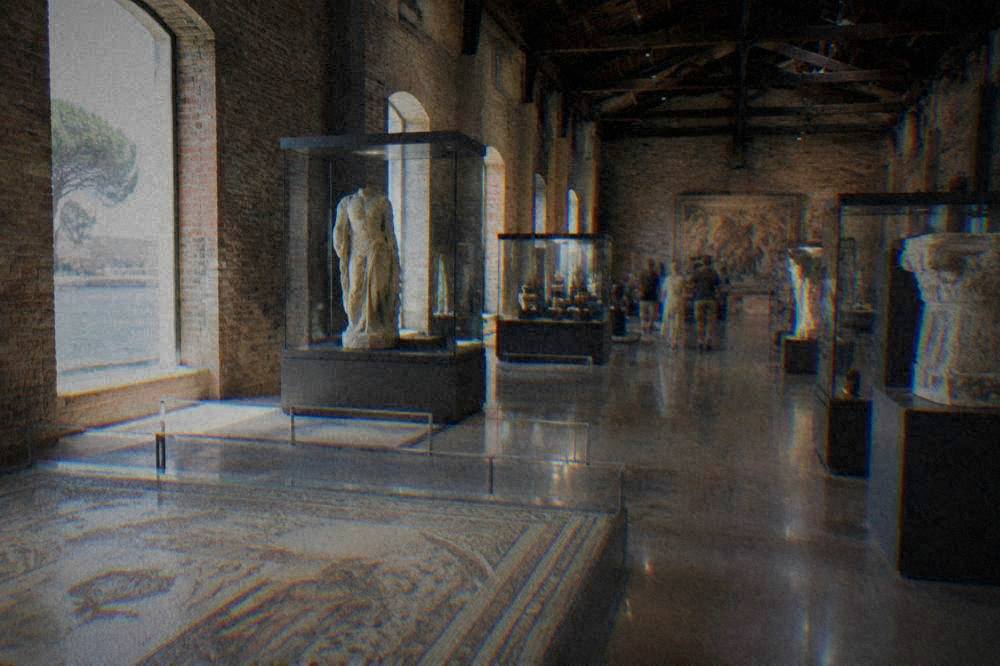
The museum's displays cover the ancient port of Classis, the late antique city, and the territory around Ravenna, presented in the factory's large halls, and the transferred TAMO material adds mosaic works and mosaic-making content to the permanent route. The museum's pages describe a route through the city's and the territory's history rather than a single-collection gallery, so the visit reads as an explanation of why Ravenna's monuments exist at all.
The value of the museum is context. The UNESCO monuments in the centre are visited as individual buildings, each with its mosaics and its ticket queue; Classis explains the port, the waterways and the trade that made the city rich enough to build them. The museum's own material frames the territory as the protagonist, from the harbour works to the pine woods and the slow shift of the coastline that left the ancient port inland today. That last point matters to understand Classe: the basilica and museum now stand in a quiet green edge-land, not on a waterfront, because the coast has moved over the centuries.
There is no need to choose between the museum and the monuments, but the order matters to some travellers. Reading the city's story first, at Classis, then walking into San Vitale, gives the mosaics a frame. Doing it the other way round gives the museum a payoff. Either order works; the only real mistake is treating Classe as too far to bother with, because the basilica beside the museum is one of the eight UNESCO monuments and has some of the calmest visiting conditions in the Ravenna area.
To carry that frame into the centre's mosaics themselves, book a guided monuments and mosaics tour here.
How Do You Get To Classis Ravenna From Ravenna Centre?
Classe is reached from Ravenna by Start Romagna bus services from the station area, by bike, or by car, and the historic centre itself is inland and walkable while Classe is not. The site sits beside the basilica of Sant'Apollinare in Classe outside the built-up core, so the trip is planned as a short outbound ride rather than a walk. The operator's pages hold current ticketing.
The Start Romagna network covers the Ravenna area with a winter and summer timetable, and its booklet for the current season lists the routes serving the Classe direction from the station. Ravenna is flat, and cycling is a common way to reach the basilica and museum from the centre; the road runs straight through the plain. By car, drivers should note that Classe is outside the city's ZTL camera zone, which applies to the historic centre, but parking arrangements at the site should be confirmed locally on the day. More of these guides are collected on Ravenna Travel Guide.
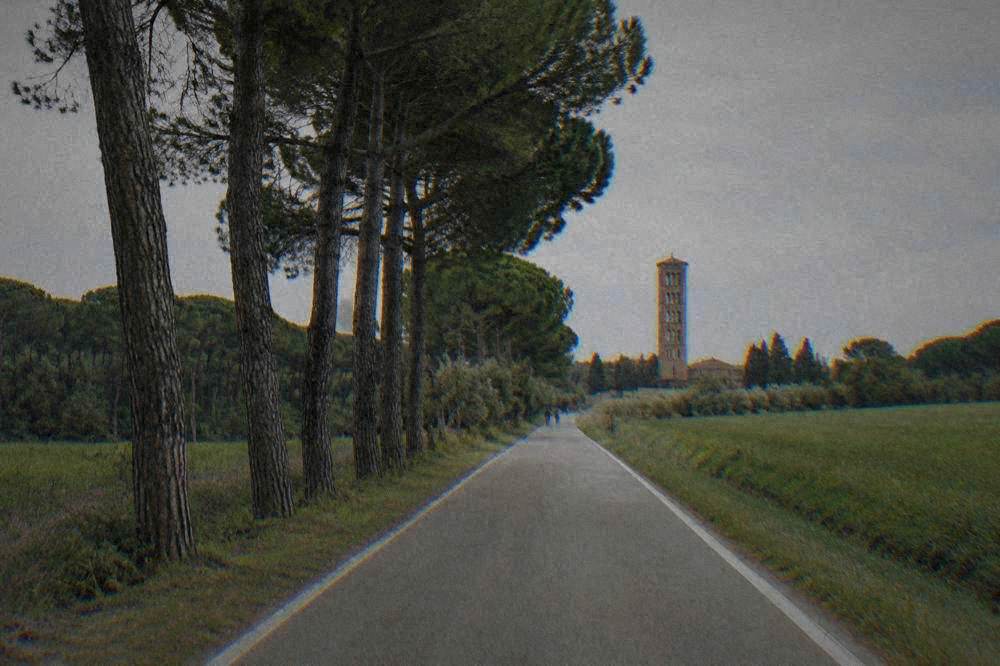
Two guided products on this site's roster cover exactly this kind of movement. A guided e-bike tour between history and nature is listed for Ravenna, and a birdwatching tour with a species guarantee runs in the wetlands of the surrounding parkland. Both are described more fully in the section on the pinewood and the marshes below.
How Does Classis Ravenna Compare With Ravenna's Other Museums?
Classis Ravenna is EUR 8 full and EUR 6 reduced, the Museo Nazionale di Ravenna is EUR 7 full and EUR 2 reduced with Monday closure, the MAR art museum is EUR 8 full with EUR 6 reduced and EUR 3 student rates, and the Museo Dante is EUR 5 combined with EUR 3.50 reduced. The Ravenna Mosaici combo covering the UNESCO churches is sold from EUR 9.50 reduced, with full prices on the official page.
The comparison is worth making because Ravenna's museum landscape is genuinely split: one set of institutions covers the ancient and late antique city, another covers art and Dante. Classis and the Museo Nazionale overlap least and complement each other best, one telling the port story, the other holding state collections near San Vitale. The MAR, in the centre, is the contemporary and fine-art venue, and its programme runs exhibitions alongside the permanent displays.
| Museum | Full ticket | Reduced | Closed | Notes |
|---|---|---|---|---|
| Classis Ravenna | EUR 8 | EUR 6 | 25 December | Daily 10:00 to 17:00 |
| Museo Nazionale di Ravenna | EUR 7 | EUR 2 | Monday | Hours vary by day, check the official page |
| MAR | EUR 8 | EUR 6, students EUR 3 | Monday and 25 December | Tue to Sat 9:00 to 18:00, Sun 15:00 to 19:00 |
| Museo Dante | EUR 5 | EUR 3.50 | Monday | Combined ticket with Casa Dante |
| Ravenna Mosaici combo | From EUR 9.50 reduced | See official page | 25 December and 1 January | Valid one week, one admission per monument |
The Museo Nazionale and the MAR entries elsewhere on this site carry the details for those visits. For the Domus dei Tappeti di Pietra, hours vary by season and the price is shown on the official page, so this site prints none for it.
Can You Combine Classis Ravenna With Sant'Apollinare In Classe On One Trip?
Yes, and the two are designed to be combined: the basilica of Sant'Apollinare in Classe stands beside the museum, its ticket is EUR 6 full and EUR 2 reduced, and it opens Monday to Saturday 8:30 to 19:00 and Sunday 13:30 to 19:00, per the cultura.gov.it listing. A realistic plan is the basilica, the museum, and the surrounding pinewood in one half-day outing from the centre.
The basilica is the anchor of the Classe trip. It is one of the eight UNESCO monuments, a vast aisled interior with mosaic apses, and its visiting hours run longer than the museum's, which shapes the order of a visit: the basilica can absorb an early arrival, the museum opens at 10:00, and the pinewood can fill whatever remains. The combined EUR 7 state ticket that covers the Mausoleum of Theodoric, the Arian Baptistery and Theodoric's Palace does not include Classe sites, so the basilica and museum are bought separately.
| Site in Classe | Hours | Ticket | Source note |
|---|---|---|---|
| Sant'Apollinare in Classe | Mon to Sat 8:30 to 19:00, Sun 13:30 to 19:00 | EUR 6, EUR 2 reduced | cultura.gov.it listing |
| Classis Ravenna museum | Daily 10:00 to 17:00, last entry 50 minutes before | EUR 8, EUR 6 reduced | Museum listing |
| Pineta di Classe | Open grounds | No museum entry | Public woodland |
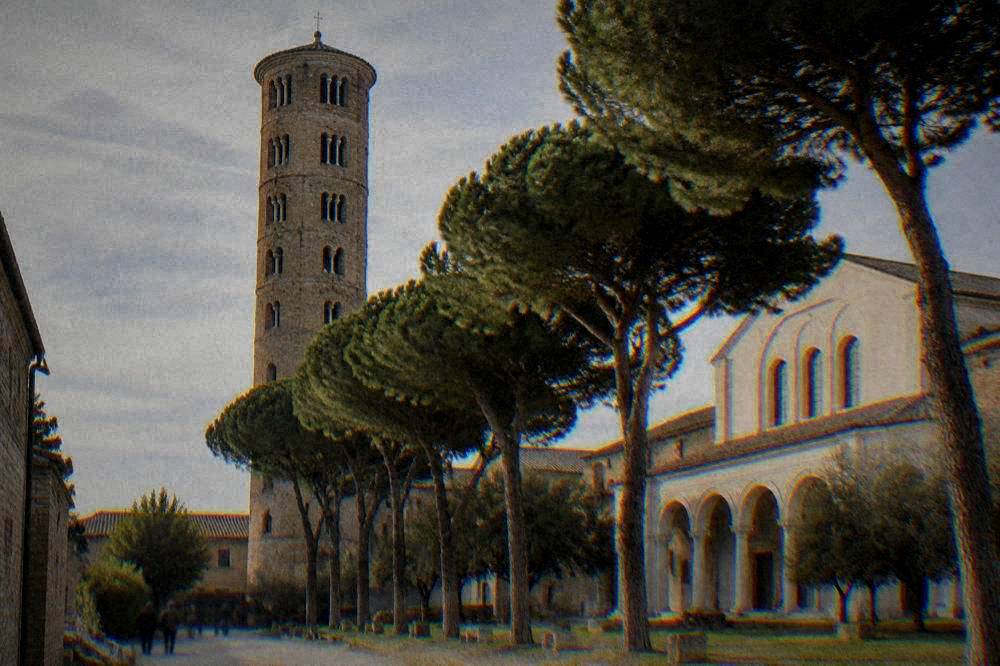
A private discovery walk is listed on this site for visitors who would rather have a guide handle the day, and it can be checked against the plan above.
The e-bike option below also fits the Classe outing naturally, since the route from the centre to the basilica is flat and direct.
What About The Pinewood And The Nature Around Classe?
The Pineta di Classe is the public pine woodland that surrounds the Classe area, and the wider Ravenna territory includes the Punte Alberete and Valle Mandriole marshes and the Pineta di San Vitale, which the park's own itineraries page describes as birding and flooded-forest habitat, with the Cà Vecchia visitor centre and the roughly 4 km Anello Dolce Salato trail. Flamingos are present year-round in the Comacchio and Cervia salt-pan areas of the Po Delta park.
This is the part of a Ravenna trip that the mosaic itinerary misses entirely. The city sits on a plain of woods, wetlands and former salt pans, and the birdwatching tour listed on this site, with its species guarantee, runs in that habitat. The Cervia salt pans visitor centre at Via Bova 61 opens weekends and holidays, with September to November openings of 10:00 to 12:30 and 14:30 to sunset, per the park's page.
| Nature site near Ravenna | What the sources say |
|---|---|
| Pineta di Classe | Public pine woodland beside the basilica and museum |
| Punte Alberete and Valle Mandriole | Flooded forest and marsh birding, Cà Vecchia visitor centre |
| Anello Dolce Salato | A roughly 4 km trail, per the park's itineraries page |
| Cervia salt pans visitor centre | Weekends and holidays, Via Bova 61 |
| Comacchio salt pans | Flamingos present year-round |
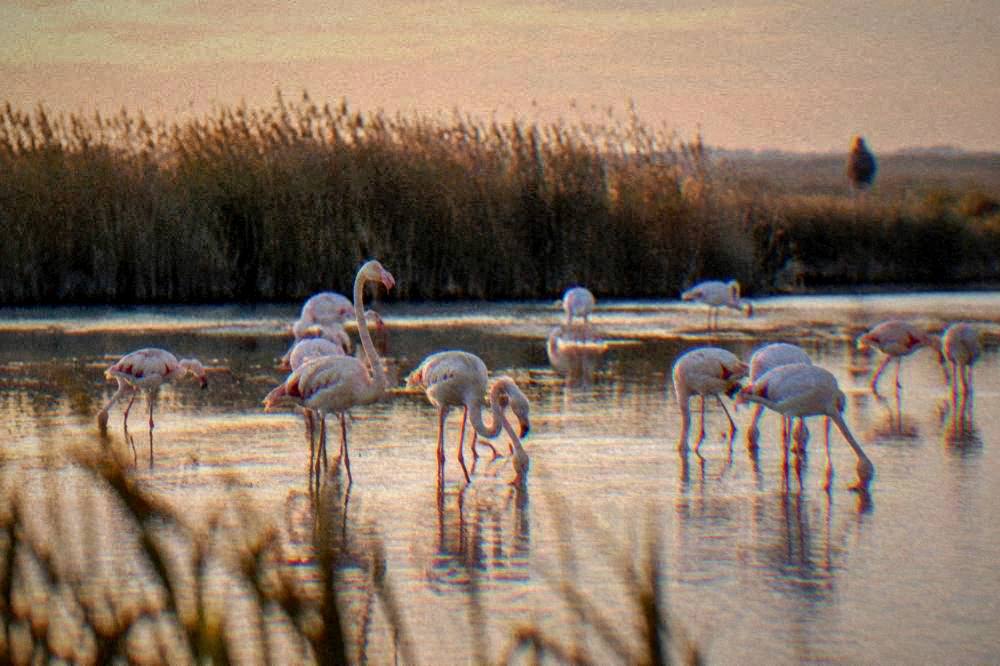
The birdwatching product below is the related tour for this page: it is the one guided option in the roster built around the wetlands that the museum's territory displays explain.
For readers weighing the whole area, the Po Delta National Park overview on this site collects the park's visitor centres and the Comacchio side of the delta.
Is Classis Ravenna Worth The Trip Out Of The Centre?
Classis Ravenna rewards visitors with more than a single day in Ravenna or with a specific interest in how the port city worked, and the official material supports a half-day pairing with the basilica for anyone on a second day. Travellers with one day only should prioritise the centre's UNESCO mosaics and Dante's tomb, then come back for Classe, since the basilica and museum need a half-day of their own including travel.
The honest calculation is about time. Ravenna's centre packs San Vitale, Galla Placidia, the Neonian Baptistery, Sant'Apollinare Nuovo, the Arian Baptistery, the Archiepiscopal Chapel and Dante's tomb into a walkable rectangle, and the Ravenna Mosaici combo exists precisely for that circuit. Classe adds the port narrative and one of the most spacious of the eight monuments. A visitor with two or three days does both without strain; a cruise-day visitor with limited hours should check the cruise port day guidance instead.
The trio below collects the guided products that best cover the two halves of a Ravenna stay: the centre's walks and the territory's nature.
Common Questions About Classis Ravenna
What are the Classis Ravenna opening hours?
The museum's listing gives daily opening 10:00 to 17:00, with last entry 50 minutes before closing, and a closure on 25 December. A winter schedule applies October to January, with possible maintenance closures in January and February, so check the official page for the day you plan to visit.
How much do Classis Ravenna tickets cost?
Tickets are EUR 8 full and EUR 6 reduced per the museum's listing, with a EUR 5 rate listed for schools and special categories. The state museums and monuments of Ravenna are reported to be free on the first Sunday of the month.
Is Classis Ravenna one of the eight UNESCO monuments?
No. The eight UNESCO Early Christian monuments are the Mausoleum of Galla Placidia, the Neonian Baptistery, Sant'Apollinare Nuovo, the Arian Baptistery, the Archiepiscopal Chapel, the Mausoleum of Theodoric, San Vitale and Sant'Apollinare in Classe. Classis Ravenna is a museum, though it stands beside the UNESCO basilica in Classe.
Where did the TAMO collection go?
TAMO closed permanently in 2023 and the reporting on the closure states that its collection moved to Classis Ravenna, which now holds the mosaic material alongside its city and territory displays.
Can you walk to Classis Ravenna from Ravenna centre?
Classe is outside the walkable historic centre, so the trip is made by Start Romagna bus from the station area, by bike on the flat road, or by car.
How long should you allow for Classis Ravenna?
A realistic outing is a half-day: the basilica of Sant'Apollinare in Classe beside the museum, the museum itself, and the travel out and back. The basilica opens earlier than the museum, which sets a natural order for the visit.
Classis Ravenna is the quiet half of a Ravenna trip: the half that explains the port, the territory and the pines, next to one of the eight UNESCO monuments, a short flat ride from the mosaics that brought you here.