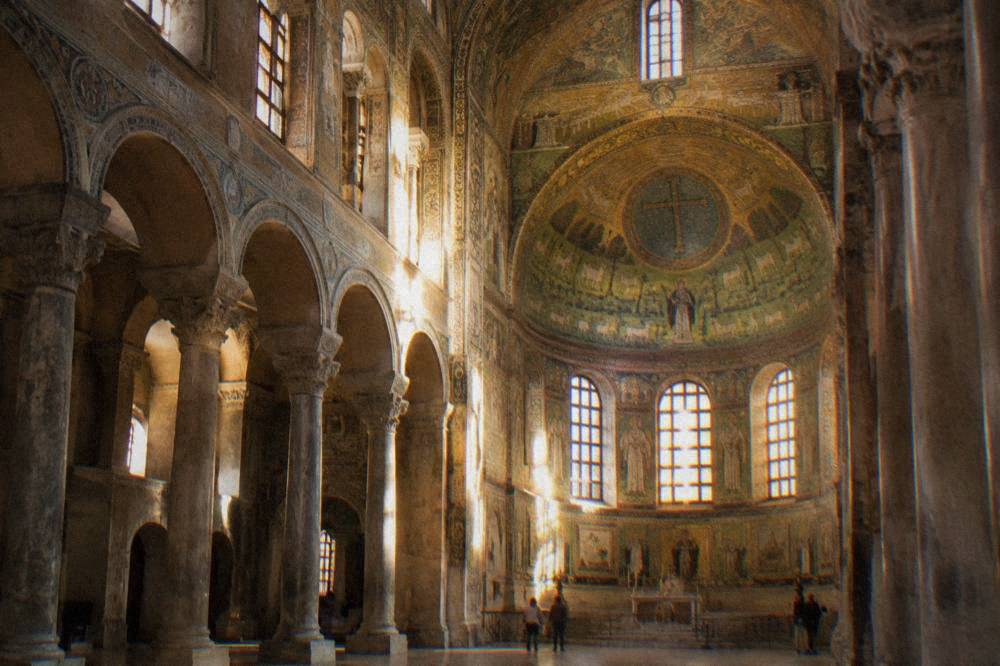
Tamo Ravenna
Tamo, the mosaic museum that once filled the cloister of San Nicolò in Ravenna, closed permanently in 2023 and its collection moved to the Classis Ravenna museum. Here is what closed, what moved, and where the mosaic story is told now.
Short answer
Tamo Ravenna closed permanently in 2023. Its collection was transferred to Classis Ravenna, the city and territory museum in the Classe area about 5 km south of the centre, open daily 10:00 to 17:00.
Ravenna, the inland Po-valley city in Emilia-Romagna whose historic centre sits about 8 km from the Adriatic coast, has one museum entry in every older guidebook that no longer exists: Tamo, the mosaic museum in the cloister of the former monastery of San Nicolò. Local coverage from December 2023 reports the site closed permanently, with its collections transferred to Classis Ravenna, the city and territory museum in the Classe area south of the centre. Travelers who arrive with a printed itinerary from a few years ago therefore walk to a door that no longer opens. This page from the Ravenna Travel Guide editorial desk explains what Tamo was, where its material went, and how the mosaic story that Tamo once told is covered today by the monuments and museums that remain.
What Was The Tamo Mosaic Museum In Ravenna?
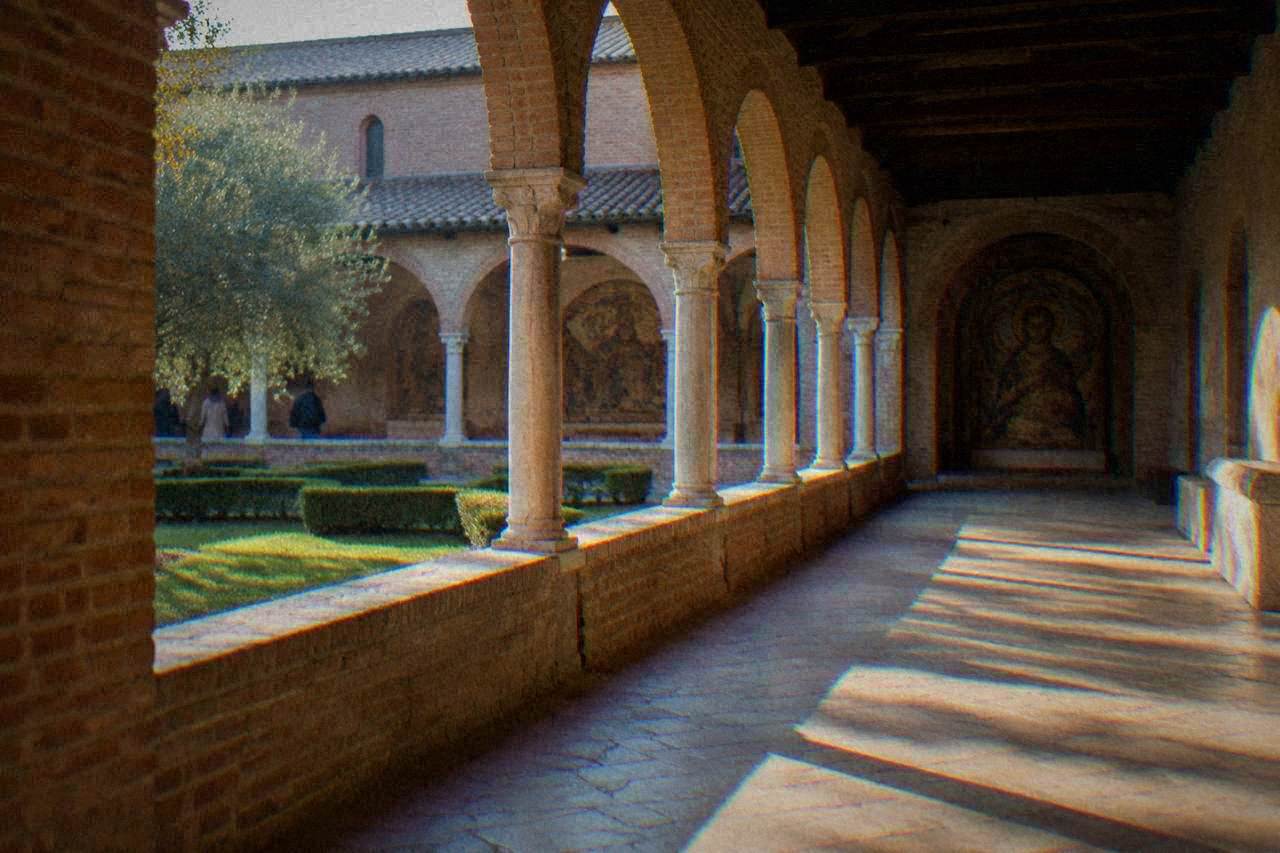
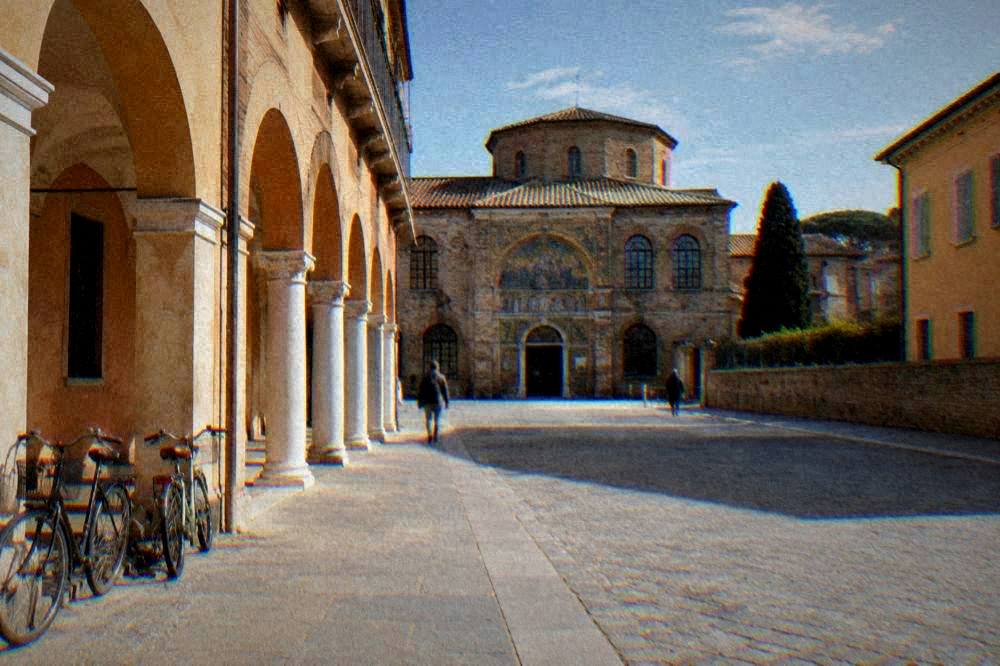
Tamo, whose full name was "Tutta l'Avventura del Mosaico", was Ravenna's dedicated temporary-exhibition venue for mosaic art, housed in the cloister and halls of the former monastery of San Nicolò, a short walk from the city's basilica cluster, and it presented themed shows on ancient and contemporary mosaic rather than a fixed collection of its own. Local reporting on the closure describes it as a museum of the mosaic in all its forms, one of several venues that made Ravenna a mosaic destination beyond the eight UNESCO monuments themselves. The monastery setting mattered: brick arcades around a green courtyard, exhibition rooms off the cloister, a location close enough to the basilica of San Vitale and the mausoleum of Galla Placidia that a visitor could fit it into the same morning. Its role was always the complementary one, the place that explained the craft, the workshops and the contemporary scene while the churches held the gold-ground masterpieces.
The important point for a visitor planning a trip now is that this venue is gone. The closure is reported by Ravenna e Dintorni, the local news outlet that covered the story in December 2023, and the transfer of the collection to Classis Ravenna is stated in the same coverage. No reopening has been announced since.
Where Did The Tamo Collection Go After The 2023 Closure?
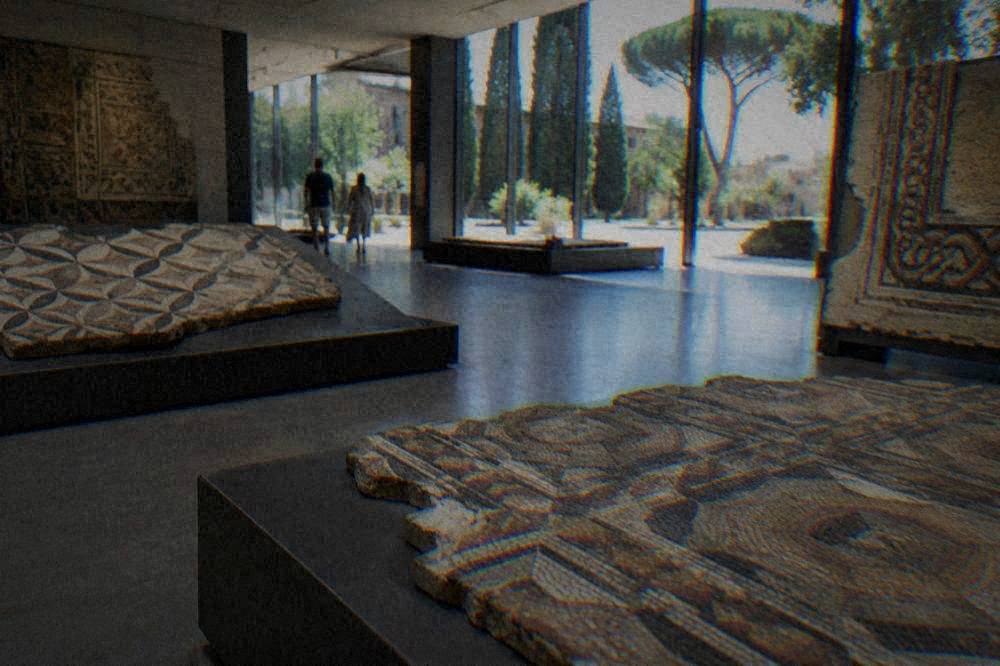
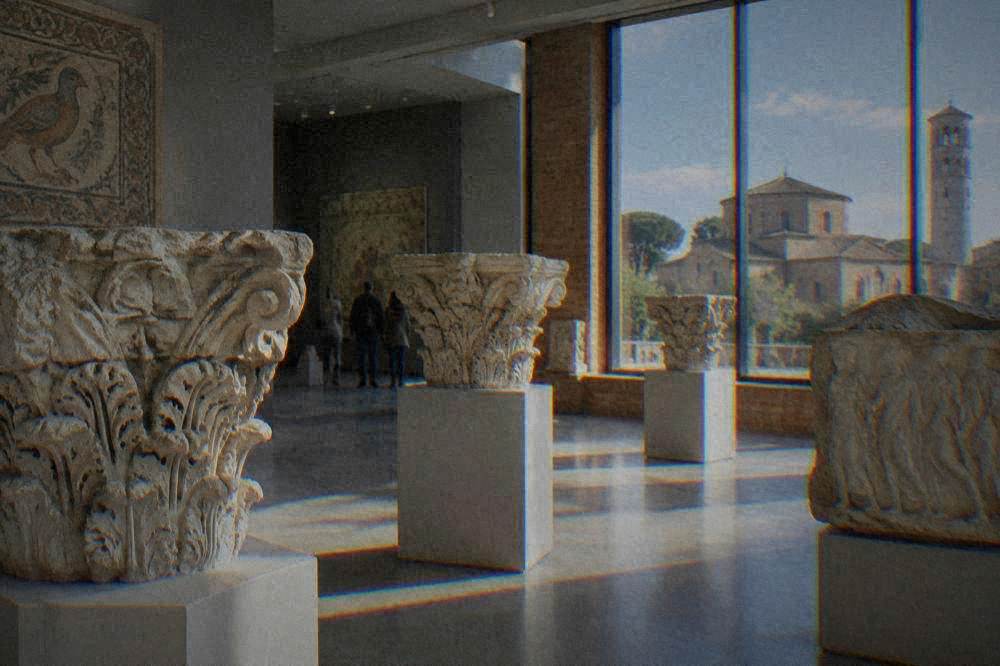
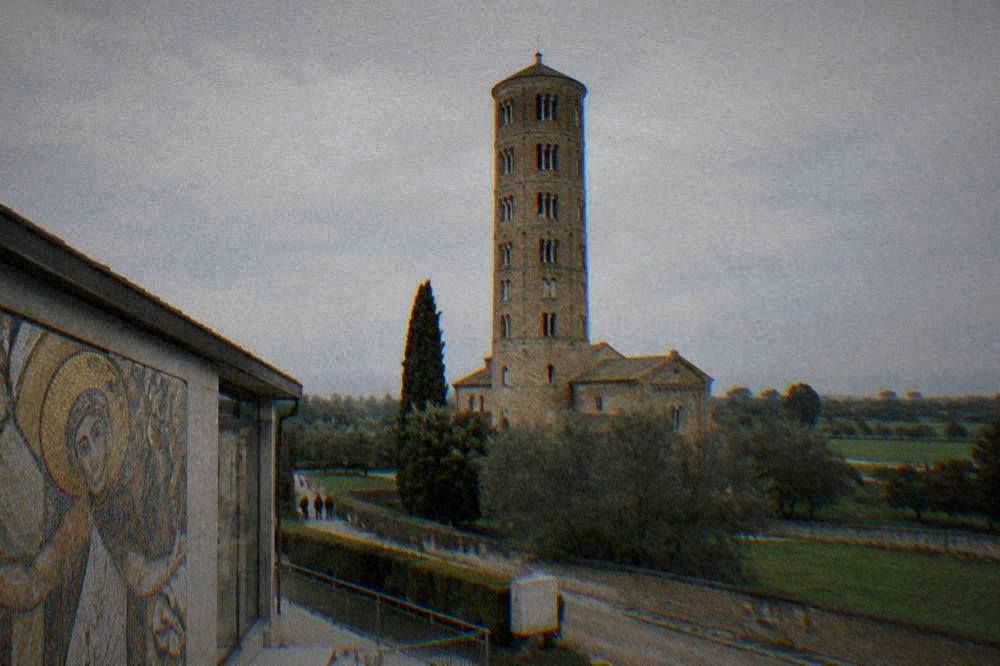
The Tamo collection moved to Classis Ravenna, the Museo della Città e del Territorio, which stands beside the basilica of Sant'Apollinare in Classe in the Classe area south of the historic centre, and Classis is now the museum that holds and displays the transferred material. Classis is a large purpose-built museum on the site of the ancient Roman port city of Classis, and its galleries cover the whole arc of Ravenna's history from Roman port through late antiquity. The Tamo material sits inside that narrative rather than in a separate venue, which is the practical difference for a visitor: there is no longer a standalone "mosaic museum" to visit, and the mosaic story is told across the basilica of Sant'Apollinare in Classe next door, the Classis galleries, and the UNESCO monuments in the centre.
The closure also reshuffled how a mosaic-focused day looks. The Ravenna Mosaici combined ticket, which covers the monument cluster in the centre, does not include Classis Ravenna, and Classis does not participate in that combined ticket either; the two are separate purchases at separate desks. The Visit Ravenna pages for Classe describe the museum and basilica as a pair, and the Sant'Apollinare in Classe listing on the culture ministry's site gives the basilica's own hours and prices separately.
For a visitor weighing how to spend a first day, the shape is now clear: the monuments in the centre carry the Byzantine mosaics, and a trip out to Classe combines the basilica with the museum that inherited the Tamo collection. A timed early or late visit to the monuments themselves, such as the sunrise or sunset mosaics experience, fits around the museums' daytime hours; Check availability if that framing appeals.
What Can You See At Classis Ravenna Today?
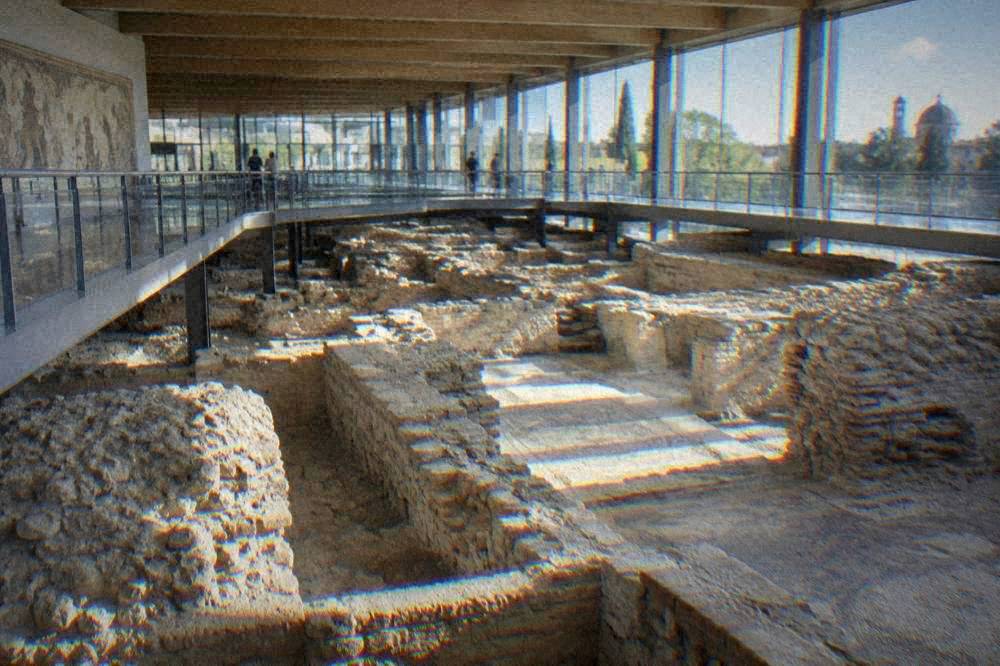
Classis Ravenna is open daily 10:00 to 17:00 with last entry 50 minutes before closing, closed 25 December, with tickets at EUR 8 full and EUR 6 reduced according to its own site, and its galleries walk through Ravenna's history from Roman port to early medieval capital on the excavated ground of the ancient city. The building occupies the excavated area of the port city that made Ravenna important long before the mosaics: brick foundations, warehouse traces and harbour finds under one roof, with the basilica of Sant'Apollinare in Classe standing beside it. The museum's own FAQ notes a winter schedule from October to January, a summer schedule from March to September, and possible maintenance closures in January and February, so the calendar should be checked before a winter trip.
What a visitor actually sees falls into three broad layers. First, the archaeology of the port, including the finds that establish Classe as the commercial engine of the late Roman city. Second, the late antique and early medieval material, where the transferred Tamo holdings and the mosaic tradition sit. Third, the story of the territory, the pinewood, the coast and the slow silting that moved the shoreline away from the city. The pineta di Classe, the coastal pine forest that begins near the museum grounds, is part of that same story and makes a natural walk after a visit.
The combination of basilica plus museum is the single best substitute for what Tamo once offered. A day that pairs the UNESCO monuments in the centre with an afternoon in Classe covers both the masterpieces and the explanation, which is roughly the division of labour Tamo and the churches had before 2023.
How Do Ravenna's Other Museums Cover The Mosaic Story?
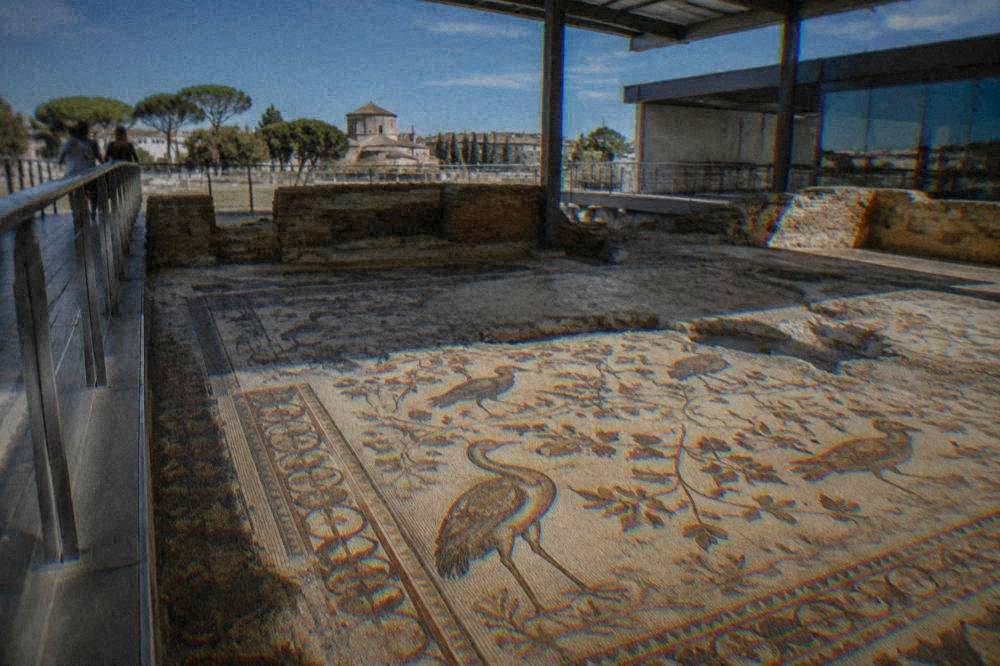
Ravenna's mosaic narrative is now shared by the National Museum, the Archiepiscopal Museum, the Domus dei Tappeti di Pietra and Classis Ravenna, with the National Museum at EUR 7 full and EUR 2 reduced, the Archiepiscopal Museum included in the Ravenna Mosaici combined ticket, and the Domus's hours varying by season with prices to be confirmed on its own page. None of these is a replacement for a single dedicated mosaic museum, but together they hold the material that tells the story Tamo used to stage in exhibitions.
The National Museum of Ravenna, in the former monastery attached to the basilica of San Francesco, holds archaeological material and collections tied to the city's late antique churches. The culture ministry's listing gives EUR 7 full and EUR 2 reduced, closed Mondays, with hours that shift by day and change with the season, so the official page is the place to confirm before going. The Archiepiscopal Museum, next to the cathedral, holds chapel mosaics and is part of the five-monument combined itinerary rather than a separate ticket. The Domus dei Tappeti di Pietra, a excavated Byzantine residence with floor mosaics, publishes hours that differ by season, and conflicting price information means the ticket price is best confirmed on the official page at the time of booking.
A useful way to see the division of labour is in table form:
| Venue | What it holds | Ticket position |
|---|---|---|
| Classis Ravenna | Transferred Tamo collection, port archaeology, city history | Own ticket, EUR 8 full / EUR 6 reduced |
| National Museum | Archaeological and late antique collections | EUR 7 full / EUR 2 reduced, closed Monday |
| Archiepiscopal Museum | Chapel mosaics and treasury material | Included in the 5-monument Ravenna Mosaici itinerary |
| Domus dei Tappeti di Pietra | In-situ Byzantine residence floor mosaics | Own ticket, hours vary by season, price confirmed on site |
| Basilica of Sant'Apollinare in Classe | UNESCO mosaics in situ | EUR 6 full / EUR 2 reduced |
The state museums and monuments are reported to be free on the first Sunday of the month, which is a planning detail worth holding alongside the table above.
What Hours And Tickets Apply To Ravenna's Mosaic Monuments?
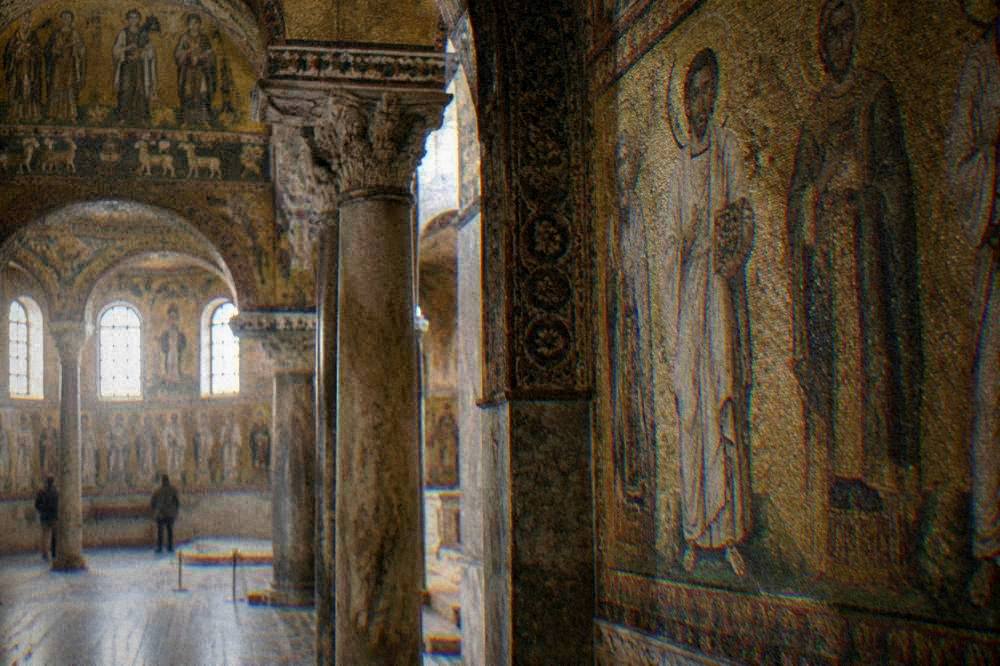
The Ravenna Mosaici combined ticket runs from EUR 9.50 reduced for two monuments up to EUR 13.50 reduced for five, is valid one week with one admission per monument and a booked entry time for each, and the winter hours from 3 November 2026 to 6 March 2027 are 10:00 to 17:00 daily, closed 25 December and 1 January. The full-price figures are published on the Ravenna Mosaici ticket page, which is where a visitor should read them before buying. Reduced rates apply to students, non-accredited journalists and paying groups over 20, and entry is free for children up to 10, Ravenna residents, ICOM members, licensed guides, and visitors with a disability plus one companion.
For the timed entries each monument needs, book a mosaic entry ticket here.
The combined ticket is built in steps, and the steps matter because two of the monuments need booked entry times and short stays:
| Itinerary | Monuments covered | Reduced fare |
|---|---|---|
| 2 monuments | Sant'Apollinare Nuovo, San Vitale | from EUR 9.50 |
| 4 monuments | Adds Galla Placidia and the Neonian Baptistery | from EUR 11.50 |
| 5 monuments | Adds the Archiepiscopal Museum and Chapel of St Andrew | from EUR 13.50 |
Galla Placidia and the Neonian Baptistery take visitors in timed slots with stays of a few minutes each, and San Vitale admits in slots as well, so the booking step is not optional bureaucracy but the mechanism that keeps the small spaces circulating. The summer hours, 8 March to 2 November 2026, run 9:00 to 19:00, and the winter schedule shortens everything to 17:00 with earlier last admissions. The Ravenna combo ticket guide on this site breaks the choice down further.
The Classe-area sites run on their own clocks:
| Site | Hours | Ticket |
|---|---|---|
| Sant'Apollinare in Classe | Monday to Saturday 8:30 to 19:00, Sunday 13:30 to 19:00 | EUR 6, EUR 2 reduced |
| Classis Ravenna | Daily 10:00 to 17:00, last entry 50 minutes before closing | EUR 8, EUR 6 reduced |
| Mausoleum of Theodoric | Daily 8:30 to 17:30, last admission 30 minutes before | EUR 6, EUR 5 concession, EUR 2 ages 18 to 25 |
| Arian Baptistery | Monday to Thursday mornings, Friday to Sunday mornings and afternoons | EUR 3 |
The Arian Baptistery hours come from the local monument listings and differ across the week, and the mausoleum figures come from the Visit Ravenna page for the site. The combined ticket covering the mausoleum of Theodoric, the Arian Baptistery and the Palace of Theodoric is EUR 7.
Is A Tamo-Focused Plan Still Possible In Ravenna?
Yes, in the sense that everything Tamo exhibited now lives inside Classis Ravenna and the wider museum network, so a "Tamo plan" simply becomes a Classe plan: the basilica of Sant'Apollinare in Classe and the Classis museum in one outing, ideally by bus, bike or car since Classe sits outside the walkable centre. The Classe area is reachable with the Start Romagna buses that serve the Ravenna area from the station, and the same network continues toward the coastal resorts of Marina di Ravenna and beyond; the current winter timetable booklet covers the routes. A car makes the pairing easier, and the ZTL rules that protect the historic centre do not apply out at Classe.
A day built this way has a natural rhythm. Morning in the centre for the monument cluster, with booked slots for Galla Placidia and the Neonian Baptistery and unhurried time in San Vitale and Sant'Apollinare Nuovo. Early afternoon out to Classe for the basilica, whose green apse mosaics differ in character from anything in the centre, then the museum next door for the port city story and the transferred material. Late afternoon back in the centre for Dante's tomb, which is free and open into the evening, 10:00 to 19:00 in the April to October period and 10:00 to 18:00 from November to March, closed 25 December.
The food side of the region pairs well with this plan. A hands-on Romagna cooking class covers the pasta traditions of the area in a single session, and a private day tour with lunch on the beach combines the historic centre with the coast. Both are bookable experiences whose current prices and times sit on the operator's live listing.
What Else Sits Near The Old Tamo Site In The Historic Centre?
The former monastery of San Nicolò sits in the historic centre close to the basilica of San Francesco, Dante's tomb and the cathedral quarter, so the walk that once included Tamo is still a worthwhile circuit of free and ticketed stops, even with the cloister itself off the visitor map. The basilica of San Francesco stands steps away, and Dante's tomb is beside it, free to enter. The Ravenna cathedral and the Archiepiscopal Museum complete the cluster, and the whole area is flat, compact and walkable in the way the Po plain allows.
South of that quarter, Piazza del Popolo holds the city's civic rooms and café tables, and the walk from there to the San Vitale cluster passes the bookshops and mosaic workshops that keep the craft alive in the present tense. Those workshops, scattered through the centre, are the living continuation of what Tamo's exhibitions used to document: studios where smalti and gold leaf are still cut and set by hand. A private walking tour that ends in a working mosaic workshop is among the bookable options that connect the monuments to the craft.
For visitors arriving from Bologna who want the beach added to the equation, a private day tour that pairs Ravenna's monuments with lunch on the coast is one way to cover both in one day, since the beaches begin about 8 km from the centre and need a bus, a bike or a car to reach.
How Does The Tamo Closure Change A Ravenna Itinerary?
The closure removes one indoor stop from the centre and adds weight to Classe, so a two-day plan now splits cleanly: day one for the centre's monuments, museums and Dante sites, day two for Classe, the basilica, Classis Ravenna and the pinewood, with the coast as an add-on if the season allows. A one-day visitor loses little, because the UNESCO monuments were always the substance of a short stay and the combined ticket covers five of them on one purchase. A longer visitor gains, because Classis Ravenna is a bigger, deeper museum than the exhibition venue it replaced, and the Classe outing now carries a full morning or afternoon on its own.
The seasonal calendar shapes the choice. From 3 November 2026 the centre monuments close at 17:00, so winter days are shorter and the museum hours matter more; Classis keeps its 10:00 to 17:00 schedule through the October to January winter period, with possible maintenance closures in January and February flagged in its own FAQ. The Ravenna Festival's autumn trilogy, "Mozart 1791", runs 13 to 17 November 2026 at the Teatro Alighieri for anyone pairing the mosaics with an evening performance.
Common Questions About The Tamo Mosaic Museum
Is The Tamo Mosaic Museum In Ravenna Still Open?
No. Local reporting from December 2023 states that Tamo closed permanently that year and that its collection was transferred to Classis Ravenna, the city and territory museum in the Classe area. There is no reopened venue under the Tamo name.
Where Can I See The Tamo Collection Now?
At Classis Ravenna, beside the basilica of Sant'Apollinare in Classe, which is open daily 10:00 to 17:00 with last entry 50 minutes before closing, closed 25 December, tickets EUR 8 full and EUR 6 reduced.
What Was Tamo Ravenna?
Tamo, "Tutta l'Avventura del Mosaico", was a dedicated mosaic venue in the cloister of the former monastery of San Nicolò in the historic centre, staging themed exhibitions on ancient and contemporary mosaic work rather than a permanent collection.
Is Classis Ravenna Included In The Ravenna Mosaici Combined Ticket?
No. The Ravenna Mosaici combined ticket covers the monument cluster in the centre, from EUR 9.50 reduced for two monuments to EUR 13.50 reduced for five, valid one week. Classis Ravenna sells its own ticket at its own desk.
How Do I Get To Classis Ravenna From The Centre?
The Classe area lies outside the walkable historic centre, south of the city. Start Romagna buses serve it from the Ravenna station area, and a car or bike also works; the flat terrain makes cycling a practical option. Confirm the current timetable before travelling.
The Tamo chapter of Ravenna's museum story is closed, but the material it held is not lost, and the itinerary that replaces it is in several ways richer: a purpose-built museum on the ground of the ancient port, the basilica next door, and a centre whose monuments still do the work no exhibition ever could.