Po Delta National Park
The Po Delta National Park begins within reach of Ravenna, an inland Po-valley city about 8 km from the Adriatic coast. Salt pans with flamingos, flooded forest, marsh hides and boat channels sit alongside the city's Byzantine mosaics, and this page sets out what the official pages say about hours, access and tours.
Short answer
The Po Delta National Park stretches across the Emilia-Romagna coast near Ravenna. The Cervia salt pans visitor centre at Via Bova 61 opens weekends and holidays, and the Punte Alberete and Valle Mandriole marshes sit north of the city. Reach the area by Start Romagna bus or car, or join a guided day trip.
Ravenna sits inland on the flat Po plain of Emilia-Romagna, about 8 km from the Adriatic, and one of the largest wetland parks in Italy begins at the edge of its province. The Po Delta National Park covers river branches, lagoons, salt pans and pine woods spread across a wide coastal plain, and several of its key areas, the Cervia salt pans, the Punte Alberete flooded forest and the Valle Mandriole marsh, lie within an easy day trip of the mosaic churches. This page from the Ravenna Travel Guide editorial desk sets out what the official park pages and tourism listings say about each area, how the seasons change the visit, and which guided options cover the lagoons when you would rather not drive.
What Is The Po Delta National Park Near Ravenna?
The Po Delta National Park is a protected wetland region spanning river branches, lagoons, salt pans and pinewoods along the Emilia-Romagna and Veneto coast, and the areas closest to Ravenna are the Cervia salt pans to the south and the Punte Alberete, Valle Mandriole and Pineta di San Vitale reserves just north of the city. The park is a place of water, birds and slow travel rather than monuments, which makes it a natural counterweight to Ravenna's mosaic interiors.
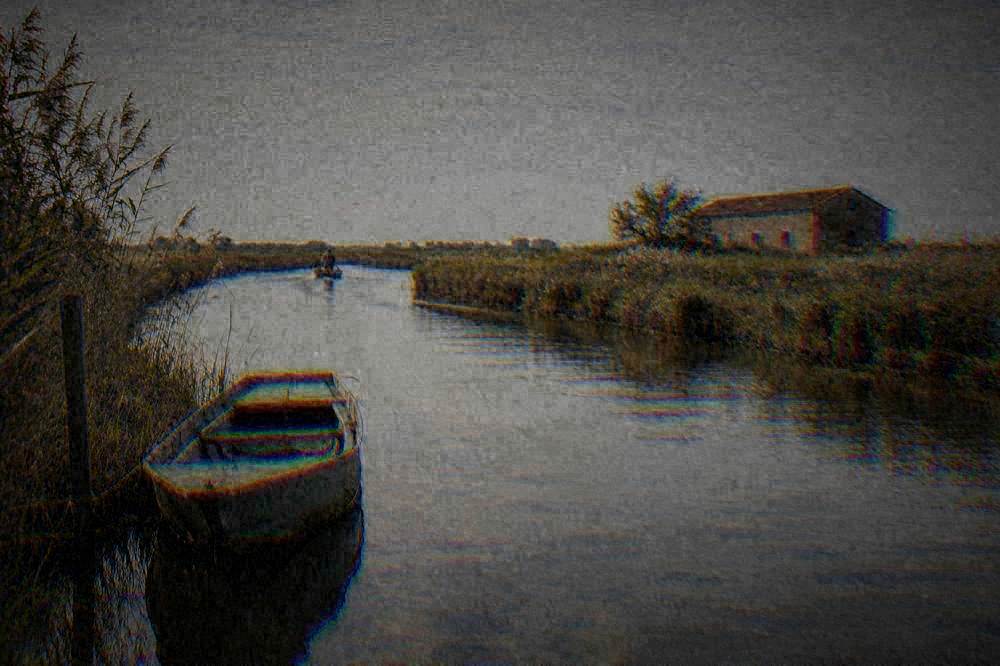
The park protects the delta where Italy's longest river meets the Adriatic. Around Ravenna the landscape flattens into a checkerboard of reclaimed land, canals, lagoons called "valle" in the local dialect, and pine woods planted to stabilise the dunes. The distances look small on the map, but everything moves at the speed of a boat or a bicycle here. The Parco del Delta del Po official site lists visitor centres and itineraries, and it is the page to check before any trip, because openings shift with the seasons and with the bird calendar.
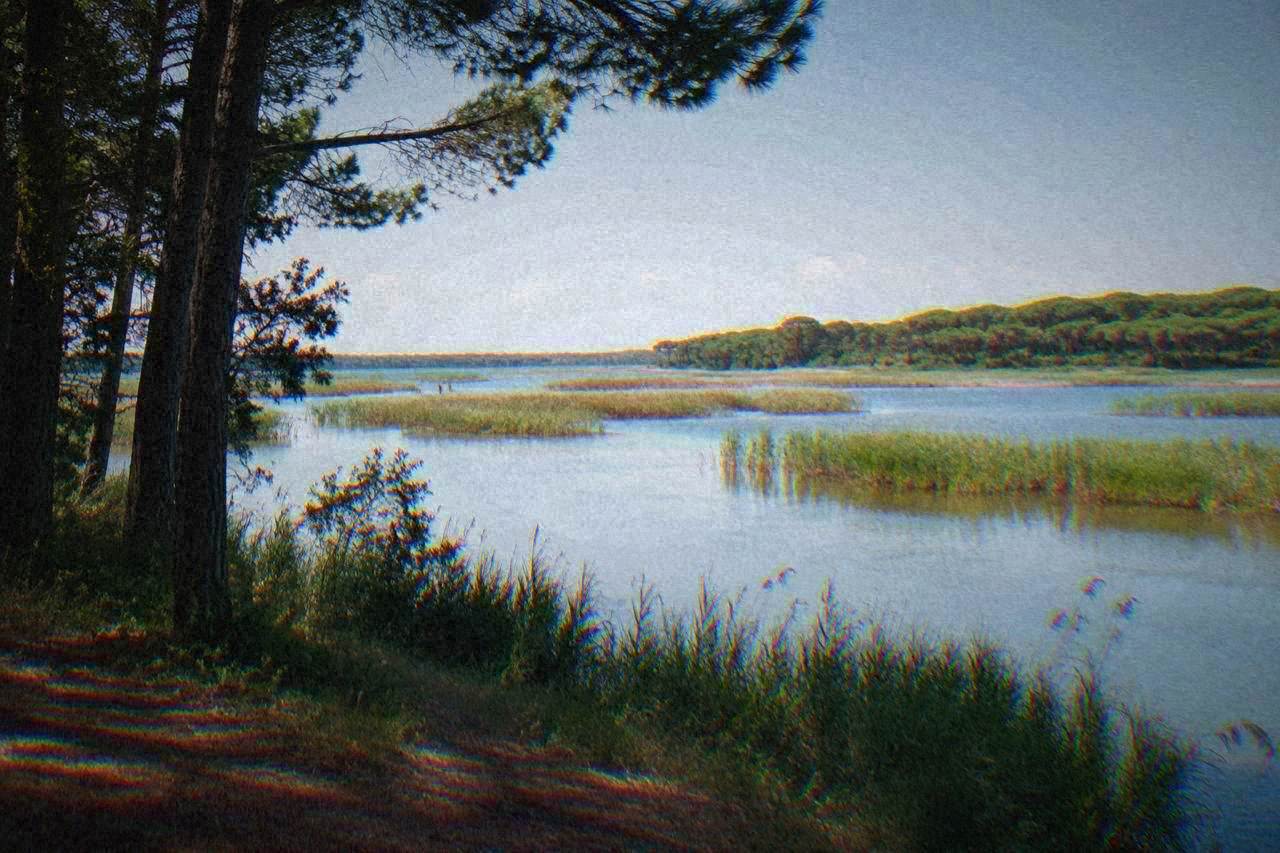
The areas near Ravenna split neatly into two groups. South of the city lie the Cervia salt pans, a working salina with a visitor centre and, in the warmer months, electric boat itineraries. North of the city sit the quieter reserves of Punte Alberete and Valle Mandriole, flooded woodland and open marsh, together with the Pineta di San Vitale, a coastal pinewood threaded with walking and cycling routes. Further north still, the Comacchio lagoons in the Veneto section of the delta hold the region's large flamingo colony.
| Area | Character | Direction from Ravenna |
|---|---|---|
| Cervia salt pans | Working salt pans, visitor centre, boat itineraries | South, towards Cervia |
| Punte Alberete | Flooded forest, boardwalks, bird hides | North of the city |
| Valle Mandriole | Open reed marsh, birdwatching | North of the city |
| Pineta di San Vitale | Coastal pinewood, walking and cycling | North of the city |
| Comacchio lagoons | Lagoon town, flamingo colony, boat cruises | North, in the Veneto delta |
Each area deserves its own half day at least. A single day can combine the Cervia salt pans with a stop in the town of Cervia itself, which this site covers in its Cervia day trip guide, or pair the northern reserves with a visit to the basilica and lagoon landscape around Classe, where Ravenna's own pine belt begins.
What Can You See At The Cervia Salt Pans From Ravenna?
The Cervia salt pans hold a visitor centre, the Centro Visite Saline di Cervia at Via Bova 61, which the park's official page lists as open on weekends and holidays, with September to November hours of 10:00 to 12:30 and 14:30 to sunset. Flamingos are reported in the salt pans in every season, and electric boat itineraries across the salina are scheduled through October 2026.
The salt pans are the easiest part of the delta to reach from Ravenna, lying just inland of Cervia, the seaside town south of Ravenna's own stretch of lidos. Salt has been harvested here for centuries, and the shallow pans draw wading birds across the year. The park's page for the visitor centre gives the weekend-only rhythm plainly, and it is the pattern to plan around: a weekday visit outside holiday periods may find the centre closed even when the pans themselves, visible from the roadside, remain open country.
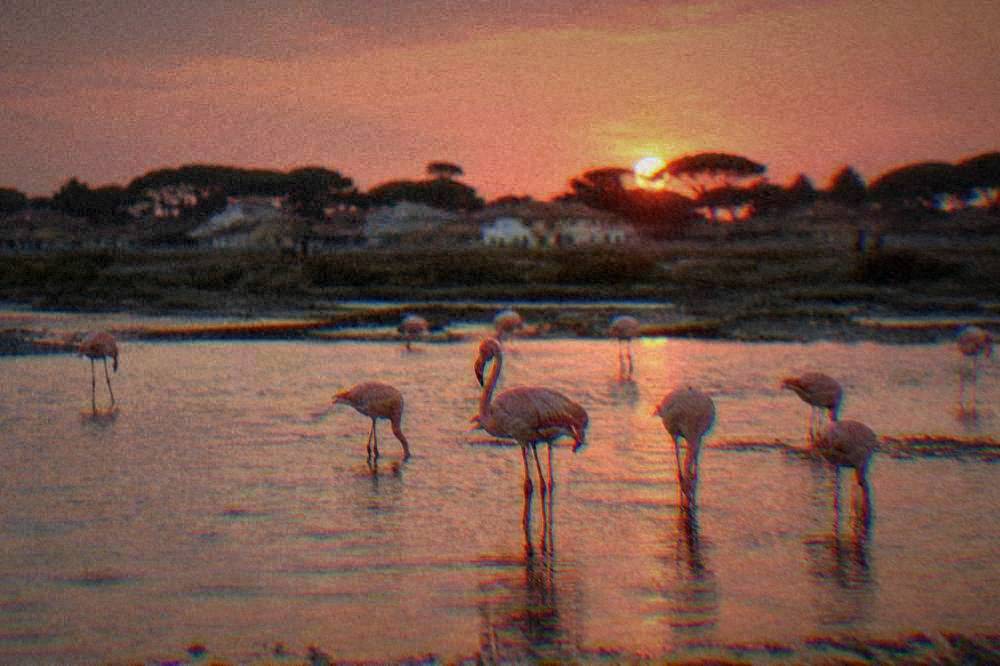
The flamingos are the headline. Reports from the Cervia and Comacchio areas describe flamingos present year-round, including winter, which is not the case everywhere in Italy. Alongside them, the pans and the neighbouring wetlands hold herons and the usual delta cast of waders and waterfowl. The park's materials do not publish a species count, and neither does this page; what the listings do promise is a landscape of white salt flats, pink birds and working salt warehouses, quite unlike anything in Ravenna's historic centre.
Boat tours run on a seasonal schedule. The Cervia tourism pages list electric boat nature itineraries across the salina with Saturday and Sunday departures into late October 2026, and the listings carry no confirmed schedule for the December to March window. If a winter trip hinges on the boat, check the operator's page first. On foot, the visitor centre itself explains the salt-harvesting cycle and the ecology of the pans, and it anchors a short visit well.
| Period | Centro Visite Saline di Cervia opening | Notes |
|---|---|---|
| September to November | Saturday, Sunday and holidays, 10:00 to 12:30 and 14:30 to sunset | Hours from the park's official page |
| Other seasons | Weekends and holidays | Check the park page for the current listing |
| Boat itineraries | Scheduled through October 2026, weekends | No confirmed December to March schedule |
Pairing the salt pans with the coast itself is natural: the beach resorts of Marina di Ravenna and the Cervia littoral sit between the city and the salina, so a single day can move from mosaics to salt water to sand. The Ferrara and Comacchio day tour below also crosses delta country, with a boat component, when a guided frame suits better than self-driving.
Where Are The Best Birdwatching Spots Around Ravenna?
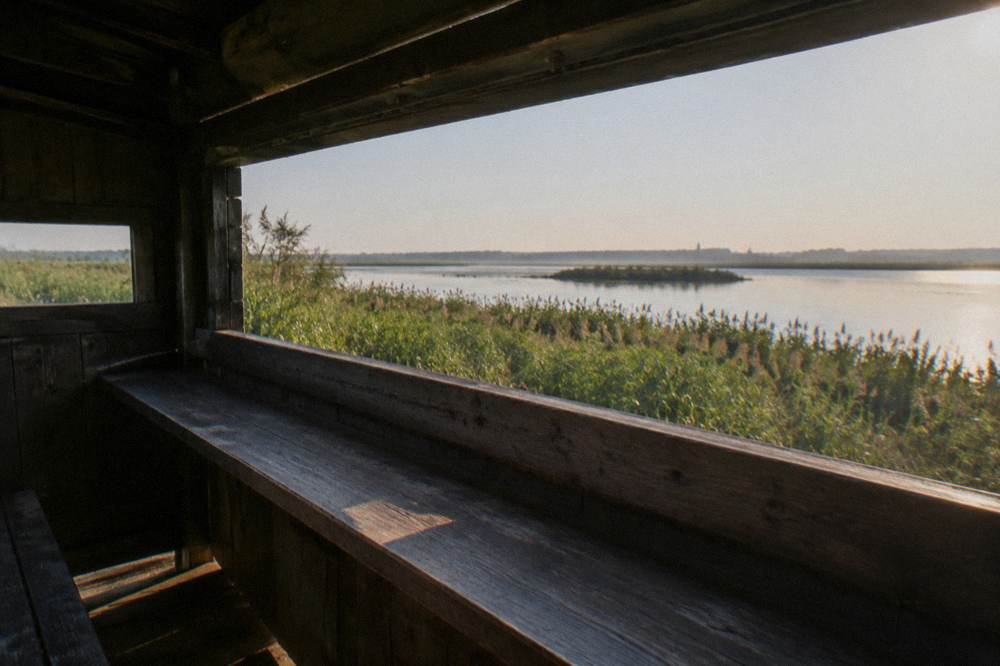
The core birdwatching areas near Ravenna are Punte Alberete, a flooded forest with hides, Valle Mandriole, an open reed marsh, and the Pineta di San Vitale pinewood, all north of the city and served by the Ca' Vecchia visitor centre, from which the Anello Dolce Salato loop of about 4 km runs. Birding is described as viable year-round, with hides and guided tours available across the seasons.
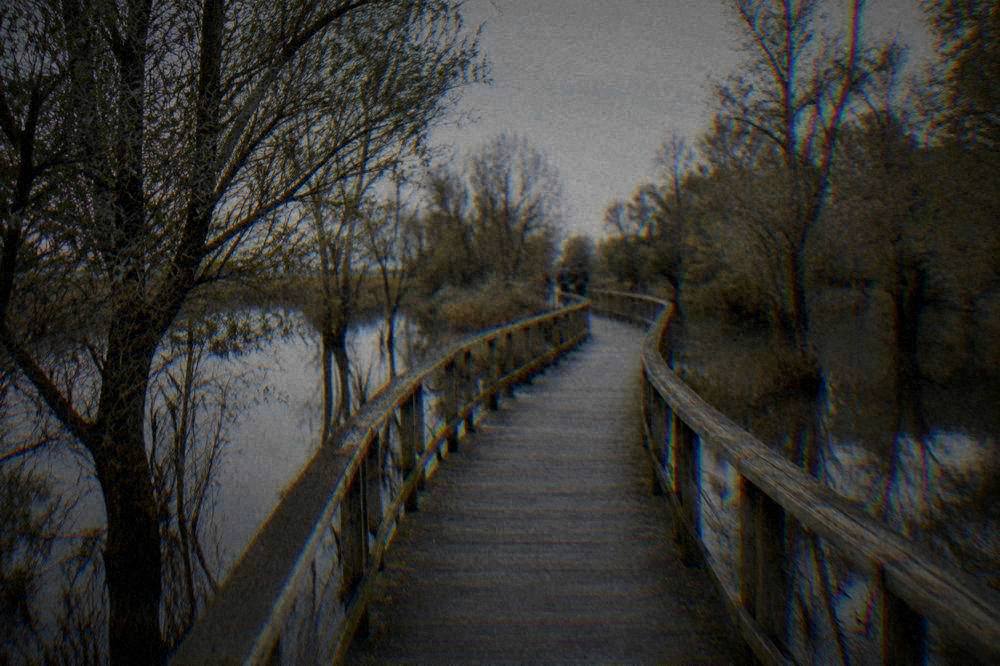
Punte Alberete is the jewel of the northern reserves. It is a hygrophilous forest, flooded for much of the year, where a boardwalk route passes through sunken woodland to observation hides over the water. Herons nest in the canopy, and in spring the understorey fills with passerines. Valle Mandriole sits next door, a broad expanse of reed and open water, quieter and more exposed, good for marsh birds and for the heronry that the park's itineraries page highlights. The Pineta di San Vitale wraps around both, a planted pinewood whose sandy tracks link the reserves to the coast at Marina Romea.
The Ca' Vecchia visitor centre is the practical anchor for all three. The park lists it as the access point for the itineraries around Punte Alberete, and the Anello Dolce Salato, a loop of about 4 km, is the marked route that stitches the woodland and the wetland together. Bring binoculars rather than expectations of a specific bird: the park publishes no species guarantee on its own pages, and the birds shift with the month.
For visitors who want a guide's eyes, a dedicated birdwatching excursion runs from Ravenna itself, listed on this site's tour pages.
The operator's listing carries the current price, the meeting point and the calendar, so check availability there before planning the day around it. Beyond the guided option, the reserves are free to walk, and the hides do the work once you are seated and still.
| Site | Habitat | Access point | What the park says |
|---|---|---|---|
| Punte Alberete | Flooded forest, hides | Ca' Vecchia visitor centre | Boardwalk itineraries, heronry |
| Valle Mandriole | Reed marsh, open water | Ca' Vecchia visitor centre | Birding itineraries listed |
| Pineta di San Vitale | Coastal pinewood | Tracks from the reserves | Walking and cycling routes |
| Anello Dolce Salato | Loop trail, about 4 km | From Ca' Vecchia | Marked loop through wood and wetland |
How Do You Get From Ravenna To The Po Delta?
There is no single park entrance, because the Po Delta is a spread of separate reserves, and the practical routes from Ravenna are the Start Romagna buses that serve the coast from the railway station, a car for the northern reserves around Punte Alberete and Comacchio, or a guided day tour that handles the transfers. The Cervia salt pans sit south of the city behind Cervia, while Punte Alberete and the Pineta di San Vitale lie north towards the coast road.
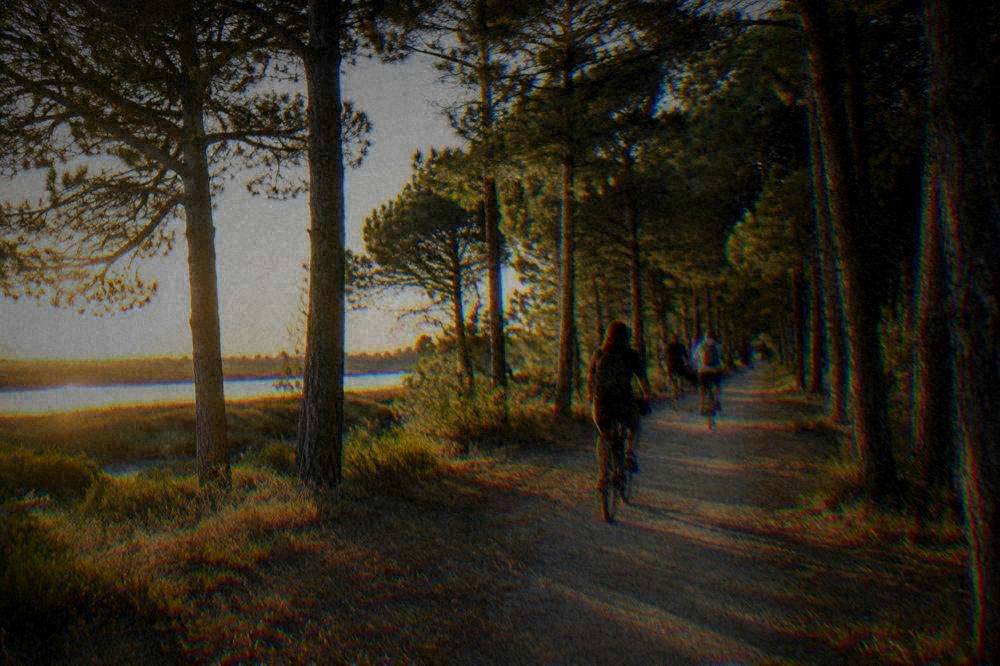
The bus is the car-free answer for the southern half. Start Romagna runs the coastal services from Ravenna's station, and the winter timetable booklet lists the routes serving the lidos and the towns of the coast, Cervia included. The bus suits the salt pans and the beach towns, but the northern reserves are sparser: Punte Alberete and Valle Mandriole have limited service, and the birding day usually runs smoother with a car or a bicycle. Ravenna is famously flat, and cyclists reach the Pineta di San Vitale on the quiet roads that thread the pine belt behind the beaches.
For the Veneto section, Comacchio and the northern lagoons, driving is simplest, and the Comacchio day trip guide on this site covers the town itself, the canals and the ferry-era lagoon architecture that earns it the "little Venice" nickname. The train does not serve the reserves, so the rail option matters mainly for pairing the delta with other stops, as the pairing table further down shows.
A guided excursion removes the routing question entirely. The e-bike option below covers the Ravenna end of the delta country, history and nature together, with the operator's listing carrying the current details.
| Mode | Best for | Practical notes |
|---|---|---|
| Start Romagna bus | Cervia salt pans, coastal towns | Services run from Ravenna station; check the current timetable |
| Car | Punte Alberete, Valle Mandriole, Comacchio | Reserves are spread out; parking at the visitor centres |
| Bicycle | Pineta di San Vitale, coast roads | Flat terrain throughout the pine belt |
| Guided day tour | Comacchio lagoons, boat itineraries | Transport and timings handled by the operator |
One Ravenna-specific caution: the city's own historic centre is a limited traffic zone with camera-enforced gates, so if you collect a car for the delta and return to sleep in the centre, arrange parking with your accommodation. The parking and access details sit on this site's Ravenna transport pages, and the ZTL rules apply year-round at some gates.
What Does A Guided Po Delta Day Trip From Ravenna Include?
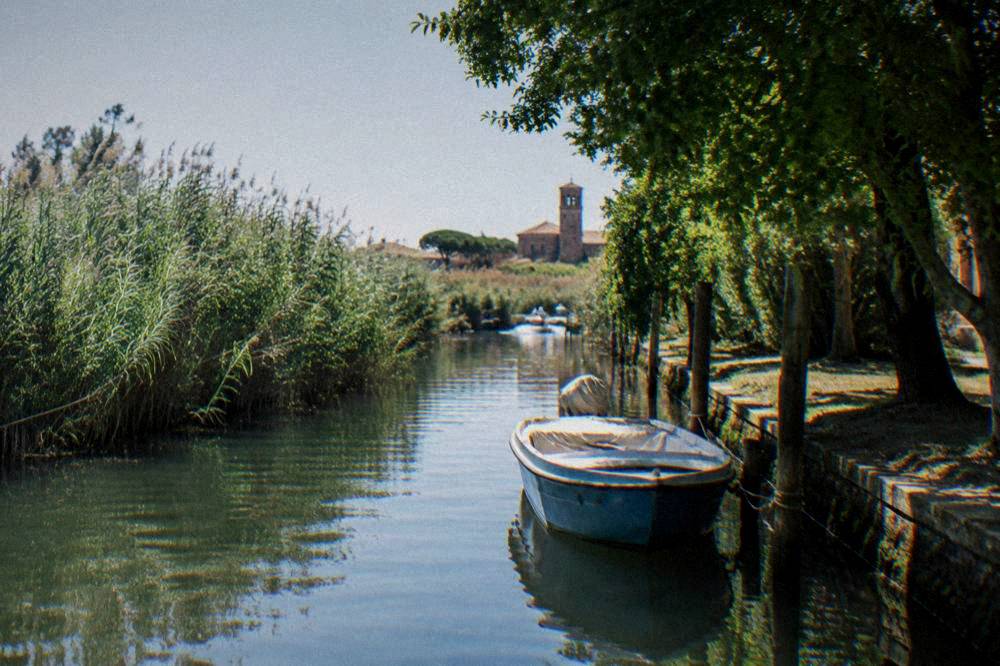
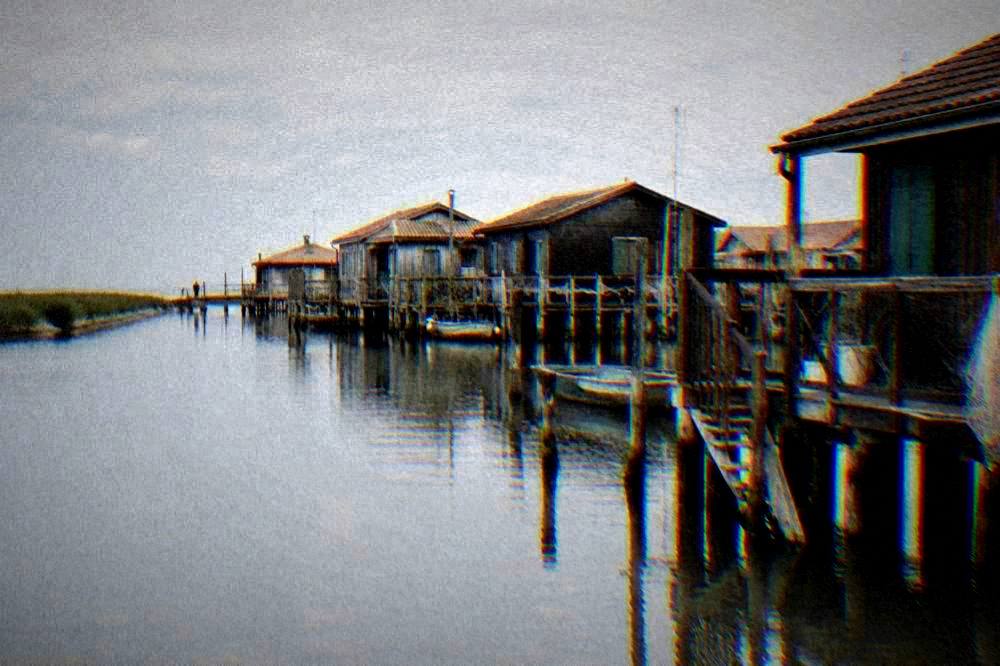
A guided delta day trip from Ravenna typically bundles the Comacchio lagoons with the surrounding wetland sights, covering the town's canals, a boat cruise among the flamingos and the historic casoni, the lagoon dwellings of the salt workers, with transport from Ravenna arranged by the operator. The Ferrara and Comacchio day tour listed on this site follows exactly that shape, pairing the delta with a Renaissance city stop.
The appeal of the guided frame is simple: the delta's best moments, the flamingo rafts, the boat channels, the slow water, sit at the end of small roads and short piers that reward local knowledge. The Ferrara and Comacchio tour covers both in one day, Ferrara for the Renaissance city break covered in its own guide, and Comacchio for the lagoon town and the water. The listing carries the price, the calendar and the inclusions, and the button below shows live availability.
Want the towns and the lagoons without the driving? Book a Ferrara and Comacchio day tour here.
Self-guided, the same day is buildable with a car. Comacchio's old town is walkable once parked, boat cruises among the flamingos and the casoni operate from the lagoon edge, and the reports gathered for this site describe the flamingo colony as present year-round. The trade-off is timing: boat departures cluster on weekends in the shoulder season, and a midweek self-drive may find the water quiet.
When Is The Best Time Of Year To Visit The Po Delta From Ravenna?
The most reliable window for the delta near Ravenna runs spring through October, when the Cervia visitor centre holds its weekend hours, the boat itineraries are scheduled and the birdlife is at its busiest, while winter visits remain possible for the flamingos and the walking reserves, with the park's own pages noting seasonal hour reductions at visitor centres from October to March. Migration peaks in spring and autumn, and the listings describe winter birding as viable.
Spring brings the nesting season to Punte Alberete and the heronry to Valle Mandriole, and the reeds fill with song. Summer shifts the day towards the water: the boat itineraries run at their fullest, the salt pans shimmer, and the early morning and evening hours beat the midday flatness. Autumn is the connoisseur's season, with migration moving birds through the marshes, the salt harvest in evidence at Cervia, and the September-to-November weekend hours at the visitor centre published in advance. Winter strips the schedule back, but the flamingo reports hold, and the flooded forest keeps its strange, still character.
The Ravenna events calendar gives the delta visitor one more card: October's Notte d'Oro, when monuments across the historic centre open free in the evening, lets a delta morning and a mosaic evening share a single day. The festival autumn trilogy at the Teatro Alighieri in November 2026, "Mozart 1791", from 13 to 17 November, gives the same shape to a late-autumn trip.
| Season | Delta conditions | What runs |
|---|---|---|
| Spring | Nesting herons, migrant songbirds | Visitor centre weekend hours, walking trails |
| Summer | Full boat schedules, salt pans active | Electric boat itineraries, park itineraries |
| Autumn | Migration peak, salt harvest | Cervia centre open Sat, Sun and holidays to sunset, boats into late October |
| Winter | Flamingos reported present, quiet trails | Reduced hours at some visitor centres, October to March |
Whatever the season, build the day around one water experience and one walk. The delta rewards slow hours in a hide far more than a rushed circuit of all five areas.
Which Other Day Trips Pair With The Po Delta From Ravenna?
The natural pairings are Comacchio, inside the delta itself, Cervia, on the doorstep of the salt pans, and Ferrara, which sits on the road north and combines with the lagoons in a single loop, while Bologna, Rimini and Faenza work as separate days on regional trains from Ravenna station, with the Bologna run taking about an hour to an hour and twenty minutes by direct regional train over about 84 km.
The geography makes the combinations easy. Cervia pairs with the salt pans by definition, and the town's canal port and salt warehouse museum round out the salina visit. Comacchio pairs with the northern lagoons and, for a long day, with Ravenna's own UNESCO mosaic circuit. Ferrara sits inland on the route towards the Veneto delta, which is why the guided tours bundle it. Bologna, the region's capital, is a straightforward train day and carries the mosaics' biggest counter-attraction, the medieval city and its towers. Faenza, closer and quieter, is the ceramics town, and Rimini and the coast to the south hold the Roman arch and the beach resorts.
| Destination | Connection from Ravenna | Pairs with |
|---|---|---|
| Cervia and the salt pans | Start Romagna bus or car | Cervia town, coastal lidos |
| Comacchio | Car or guided day tour | Northern lagoons, flamingo colony |
| Ferrara | Car or train via the region, or guided tour | Comacchio loop, Renaissance city |
| Bologna | Direct regional train, about 1 hour to 1 hour 20 | A full city day |
| Faenza | Regional train | Ceramics museums, quiet half day |
A two-base trip works well for the delta proper: nights in Ravenna for the mosaics and the restaurants covered in the site's food pages, with one or two delta days bolted on. Families get a further option in Mirabilandia, the amusement park whose 2026 season runs to 1 November, sitting on the coast road between Ravenna and the delta's southern edge.
For travellers who prefer the food half of the delta's identity, the Romagna table deserves its own day. The home cooking class below covers the Emilian and Romagna repertoire, piadina, cappelletti and the rest, in a Ravenna kitchen, and the beach lunch tour pairs a coastal table with the littoral scenery south of the city.
The delta's food culture is part of the park's story: eels from Comacchio, salt from Cervia and the flatbread of the Romagna countryside all come off this same wet landscape. A market morning in Ravenna followed by a cooking class turns the delta day into dinner.
What Should You Pack For A Po Delta Day Trip From Ravenna?
Pack for flat, open country and water glare: binoculars, sun protection and water for the hides, shoes that can take damp boardwalks at Punte Alberete, layered clothing for the boat wind, and a mosquito repellent for the warmer months, since the marshes are exactly the habitat mosquitoes want, and the reserves offer little shade across the middle of the day.
The hides at Punte Alberete and the paths around Valle Mandriole are gentle walks, but the surfaces mix gravel, boardwalk and, after rain, soft ground. The boat itineraries on the salt pans and at Comacchio are sedate, yet the open water carries a wind that the inland temperature does not suggest. In summer the sun on white salt flats and open water is strong, and in the shoulder seasons the evening boat runs can end cool. A daypack with layers covers every version.
Photographers should bring the longest lens they own. The flamingos keep their distance, and the hides are the one place where a static subject comes to you. A phone will capture the landscape and the casoni, but the birds reward reach.
Practical closing notes: the visitor centres hold the current hours, the boat operators hold the live schedules, and the guided listings hold the prices, so confirm each element with its own page or at booking. Done that way, a Po Delta day gives Ravenna's mosaic visit its wide, wet, bird-haunted mirror image, and the two halves of the province make a trip that neither makes alone.
Common Questions About The Po Delta National Park
Is the Po Delta National Park worth visiting from Ravenna?
Yes, if wetland nature, birdwatching or boat travel appeals. The park is the natural counterpart to Ravenna's mosaic churches, and the areas closest to the city, the Cervia salt pans and the Punte Alberete reserves, work as half or full days. The park's own pages list the itineraries and visitor centres.
Can you see flamingos near Ravenna?
Reports for the Cervia salt pans and the Comacchio lagoons describe flamingos present year-round, including winter. Boat cruises among the flamingos operate from Comacchio, and the Cervia electric boat itineraries are scheduled on weekends through October 2026.
How do you get to the Po Delta without a car?
Start Romagna buses run from Ravenna's station towards the coast and Cervia, which suits the southern salt pans. The northern reserves around Punte Alberete and the Comacchio lagoons are harder by public transport, and a guided day tour that includes transport is the usual car-free answer.
When is the Cervia salt pans visitor centre open?
The Centro Visite Saline di Cervia at Via Bova 61 opens on weekends and holidays, with the park listing September to November hours of 10:00 to 12:30 and 14:30 to sunset. Check the park's page for the current listing before a weekday visit.
Are there guided tours of the Po Delta from Ravenna?
Yes. A birdwatching excursion, an e-bike history-and-nature tour and the Ferrara and Comacchio day tour all run from the Ravenna area, and this site's tour pages carry the live prices and calendars through the booking buttons on this page.
What is the best season for birdwatching in the Po Delta?
Spring and autumn hold the migration peaks, with nesting herons at Punte Alberete and Valle Mandriole in spring. The listings describe winter birding as viable, and the flamingo reports hold across the year, so the choice is between bird activity and the fuller boat and visitor-centre schedules of the warmer months.