Ravenna To Cervia
Cervia sits on the Adriatic coast south of Ravenna and pairs a working salt-pan landscape with a flat, cycleable town. This guide sets out what the official sources say about the salt pans, the visitor centre and the birdlife, and how the trip fits a Ravenna stay.
Short answer
Cervia is a coastal day trip from Ravenna known for its historic salt pans, year-round flamingos and a visitor centre that opens weekends and holidays. Trains and buses link the coast; the salt pans visitor centre at Via Bova 61 opens Saturdays, Sundays and holidays.
Cervia is the seaside town on the Adriatic coast south of Ravenna, in Emilia-Romagna, and its salt pans are the reason it appears on this site's day-trip list. Ravenna itself is an inland Po-valley city about 8 km from the sea, so a Cervia outing is the natural way to add water, birdlife and flat walking to a mosaic-heavy stay. The park authority's page for the Cervia salt pans visitor centre is the primary source for opening details on this page, and the fresh reporting on the area's flamingos fills in the rest.
Why Visit Cervia On A Day Trip From Ravenna?
A Cervia day trip trades mosaic interiors for open sky, water and birdlife, and it is the closest place to Ravenna where flamingos stand in salt water all year. The park authority's visitor-centre page lists weekend and holiday openings at the Saline di Cervia, and the fresh nature reporting places flamingos in the pans in every season, which means the trip works outside the summer beach months when Ravenna's own lidos quieten down.
The contrast is the point. Ravenna's eight UNESCO Early Christian monuments, listed by UNESCO since 1996, are dark, enclosed and covered in gold-ground glass mosaic; Cervia is a horizon of shallow ponds, pink at the right hour, with a flat town behind it. The two fill a two-day stay neatly: monuments in the morning, coast the day after.
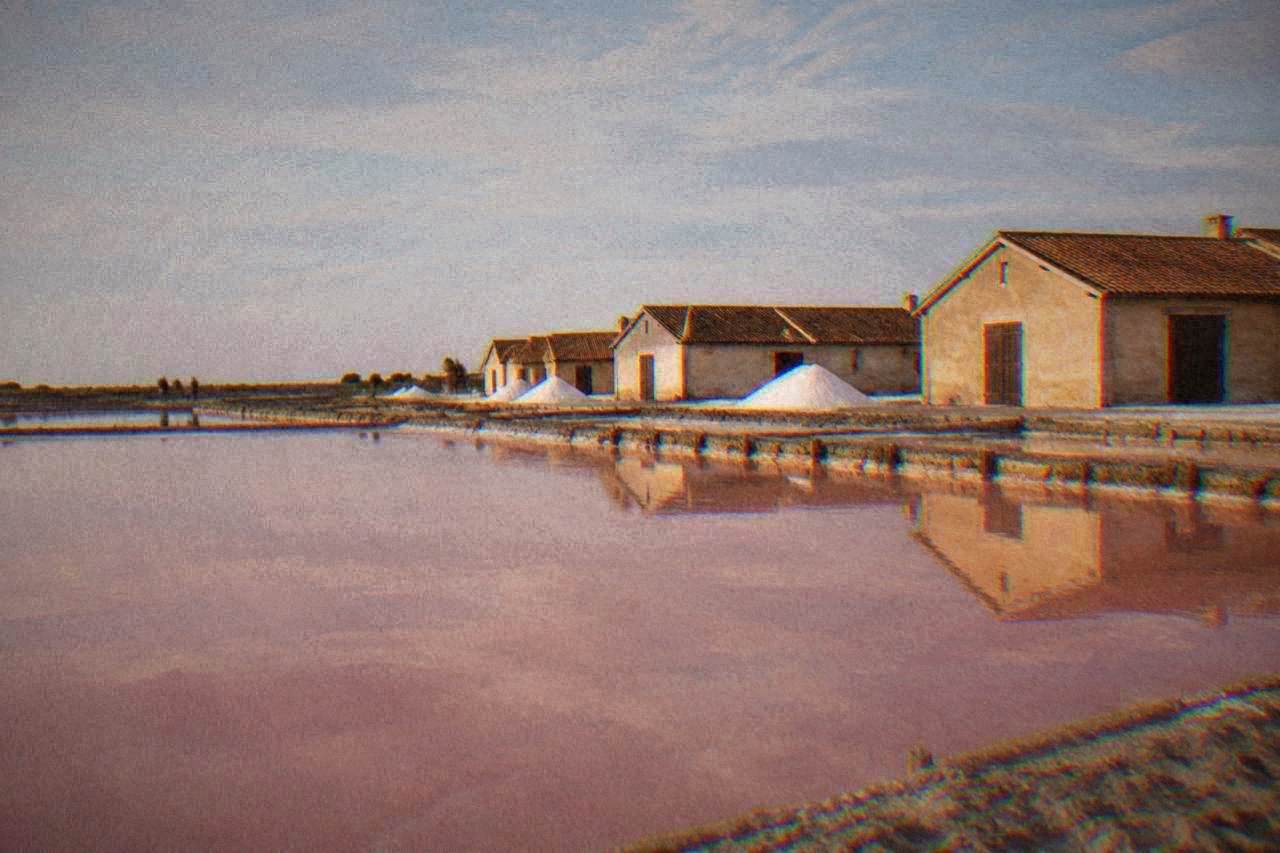
The salt pans also give the trip a focus that a generic beach stop lacks. Salt production shaped Cervia for centuries, the warehouses and canal geometry survive, and the Parco del Delta del Po treats the pans as a managed nature zone with a visitor centre rather than as a museum piece. Birdwatchers get the strongest pull: the fresh reporting on the Po Delta names the Cervia salt pans alongside the Comacchio valleys and the Piallassa della Baiona as a flamingo site, with herons and other waterbirds present through the year.
What Is Cervia Known For?
Cervia is known for its salt pans, which still produce salt and now double as a nature zone with year-round flamingos, and for a flat seaside town built alongside them. The park authority's page gives the visitor centre at Via Bova 61 with weekend and holiday openings, and the seasonal nature reporting describes electric-boat trips on the pans scheduled through October 2026.
Salt is the town's identity. The Saline di Cervia sit at the northern edge of the Parco del Delta del Po, and the park runs a visitor centre, the Centro Visite Saline di Cervia at Via Bova 61, whose openings the park's own page sets out. For September to November the listed hours are Saturday, Sunday and holidays, 10:00 to 12:30 and 14:30 to sunset. Outside that window the pattern is weekends and holidays, and the park's page carries the current detail.
| Period | Visitor Centre Opening | Hours |
|---|---|---|
| September to November | Saturday, Sunday, holidays | 10:00 to 12:30 and 14:30 to sunset |
| Other periods | Weekends and holidays | Hours on the park's page |
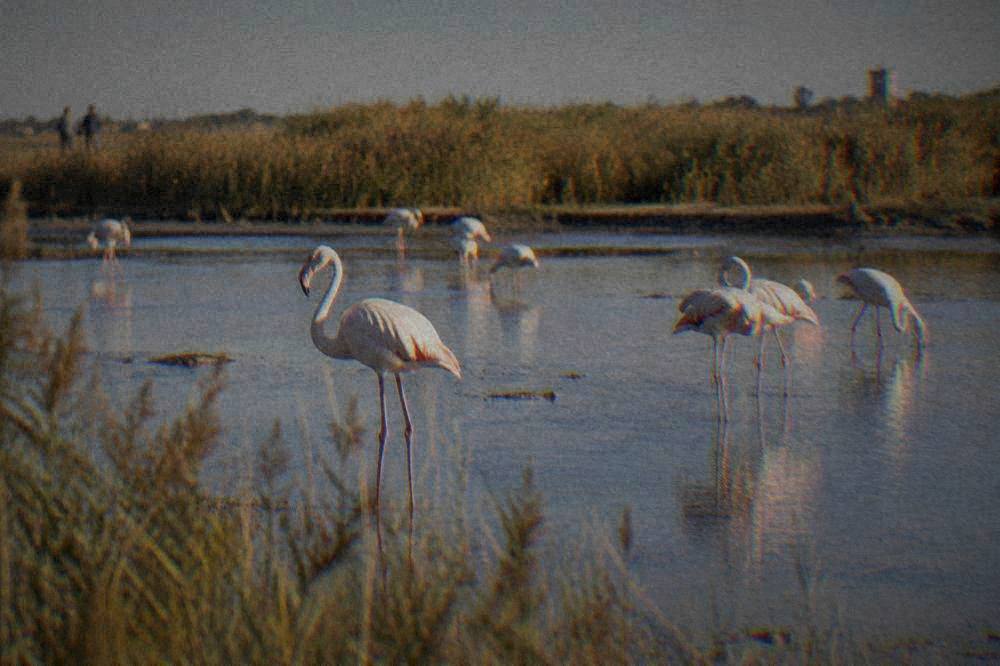
The birdlife is the second draw. The fresh sweep of Po Delta reporting states that flamingos are present year-round in both the Cervia salt pans and the Comacchio salt pans, with the Comacchio colony the larger and visible from guided boat and walking tours. Cervia's pans are noted for birdwatching in every season. Herons and other waterbirds share the habitat, and hides and guided outings run through the year across the delta, with the migratory peaks the busiest windows and winter still viable.
Third, there is the town itself: a grid of low streets, a canal basin where the salt was shipped, and a beach resort strip that belongs to summer. In the cooler months the salt pans and the pinewoods carry the visit, and the resort part closes down. That rhythm suits a Ravenna-based traveller, who can time the trip for birds and open sky rather than for sunbathing.
A guided walk in Ravenna pairs well with the day before. The mosaic tours guide covers the options, and a guided monuments tour can be booked before you leave for the coast.
How Do You Get From Ravenna To Cervia?
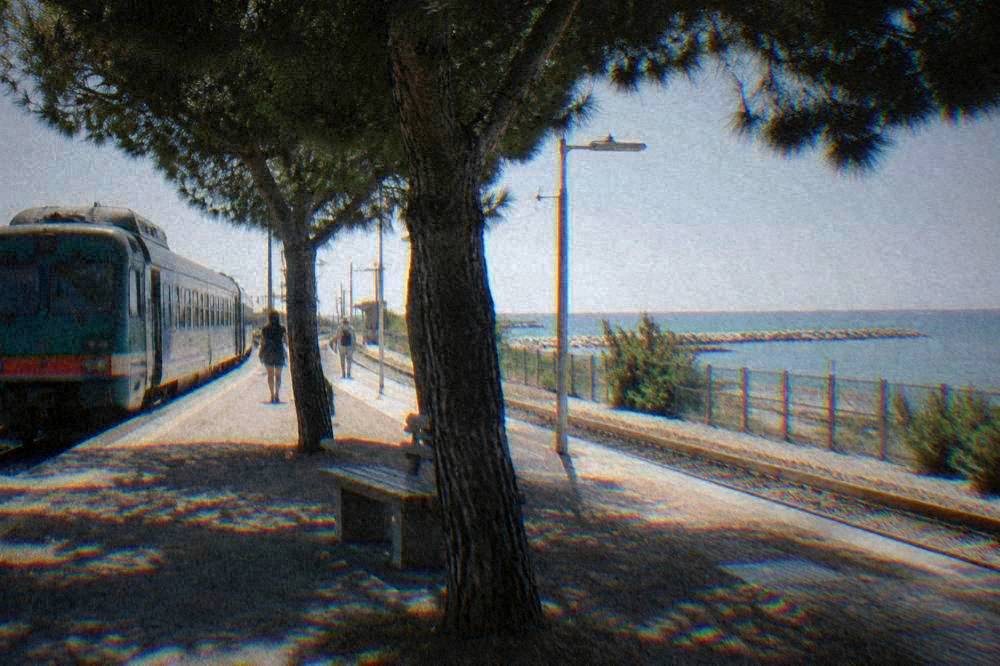
Cervia is reached from Ravenna along the coast toward Rimini by regional train or by the Start Romagna coastal buses, and the railway station sits a short distance from the salt pans and the town centre. The site's transport facts give the coast corridor and the operator, Start Romagna, whose winter timetable booklet runs to June 2027, but live journey times and fares are on the operator's timetable, so check them the day you travel.
The route itself is simple: Cervia lies on the coastal strip between Ravenna and Rimini, the same corridor the regional timetable serves. Ravenna's station is a short walk from the historic centre, as the site's station guide describes, and the coast resorts south of the city all hang off that one line. The regional rail timetable is the authority for the running pattern, and Start Romagna's bus network covers the beaches where the train does not stop.
Two planning notes come straight from the fresh transport reporting. First, the Ravenna to Rimini railway line carried bridge maintenance in October 2026, with weekend trains replaced by buses on two dates and temporary timetable adjustments after; nothing equivalent is announced for later in the period, but the operator's notices are the live check. Second, Start Romagna's winter timetable runs from mid-September 2026 to early June 2027, and Ravenna's city Line 1 is free all day through that window, which covers the station-to-centre hop before a coast departure.
| Leg | Mode | What To Check |
|---|---|---|
| Ravenna station to centre | On foot | A short walk, flat terrain |
| Ravenna to Cervia | Regional train toward Rimini | Regional rail timetable for times |
| Ravenna to coast by bus | Start Romagna coastal routes | Winter timetable booklet, to about June 2027 |
| Cervia station to salt pans | Walk or local bus | Local map at the station |
Cruise passengers have a different geometry, and the cruise-port pages cover it: the terminal at Porto Corsini is about 15 km from the centre and the Visit Ravenna shuttle runs the transfer in about 30 minutes during the 2026 season. A Cervia outing from a ship call is tight but possible; the cruise port day guide sets out the sequencing.
What Can You See At The Cervia Salt Pans?
The Cervia salt pans offer a visitor centre at Via Bova 61, open weekends and holidays with September-to-November hours of 10:00 to 12:30 and 14:30 to sunset, plus seasonal electric-boat nature trips on the pans, which the fresh reporting schedules through October 2026, and flamingos present in every season. Winter boat schedules are limited, so confirm before travelling in the December-to-March window.
The visitor centre is the anchor. The Parco del Delta del Po page for the Centro Visite Saline di Cervia gives the address, Via Bova 61, and the openings above, and it is the place where the pans' salt-making story, the wildlife and the guided outings are organised. Arriving on a Saturday maximises what is running, and a holiday Monday can match it.
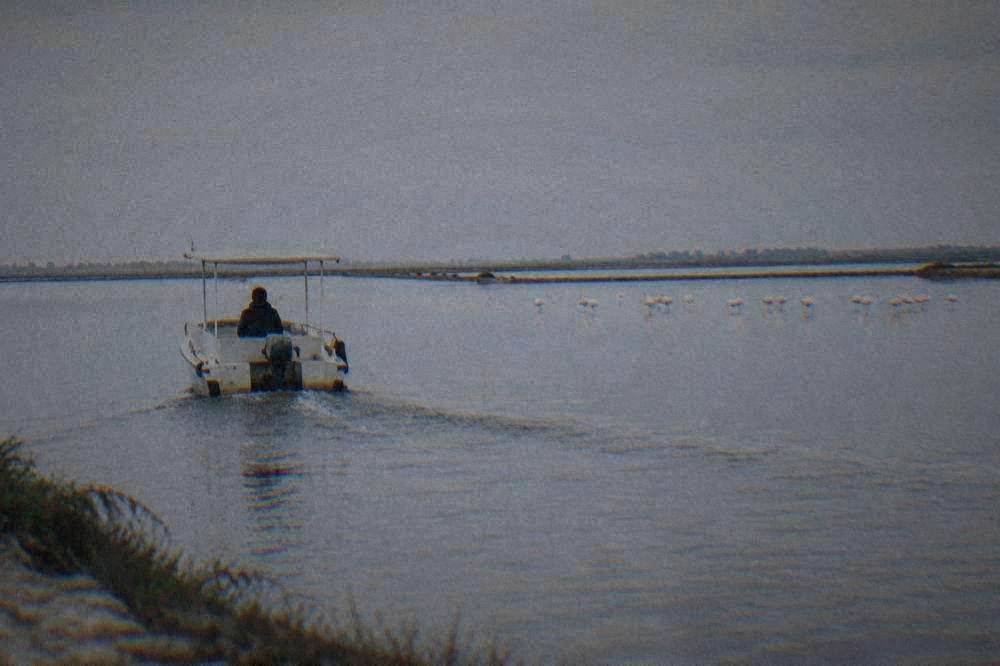
The boat trips are the best way into the pans themselves. The Cervia tourism pages list electric-boat naturalistic itineraries on the saltpan with scheduled dates into late October 2026, typically weekends, and the fresh sweep notes that verified winter schedules are thin: December to March operations are not confirmed anywhere in the reporting. The practical rule is to treat the boat as a September-to-November and spring-to-early-autumn activity and check the Cervia tourism listings for the date you have in mind.
The birdlife needs no booking to enjoy. Flamingos stand in the shallow pans year-round per the nature reporting, and the pans' hides and paths let you watch without a guide. Bring binoculars, go early or late in the day for the light on the water, and give the salt warehouses by the canal a slow look, since that is where the town's working history shows itself.
A birdwatching outing with a guide is the alternative for visitors who want the delta's waterbirds with transport and expertise attached, and the listing carries what the trip covers. For the Cervia pans themselves the visitor centre remains the official starting point.
| Salt Pans Activity | Season Reported | Source Detail |
|---|---|---|
| Visitor centre, Via Bova 61 | Weekends and holidays | Park page, hours above |
| Electric-boat saltpan trip | Scheduled through October 2026 | Cervia tourism listings |
| Flamingo watching | Year-round | Nature reporting on the pans |
| Winter boat trips | Limited or unconfirmed | Check the tourism listings |
Where Are The Best Birdwatching Spots Around Ravenna And Cervia?
The birding map around Ravenna runs from the Cervia salt pans in the south through Punte Alberete, Valle Mandriole and the Pineta di San Vitale just north of the city, to the Comacchio valleys and the Piallassa della Baiona in the Po Delta, with flamingos recorded year-round at both Cervia and Comacchio and hides and guided tours available through the year across the delta.
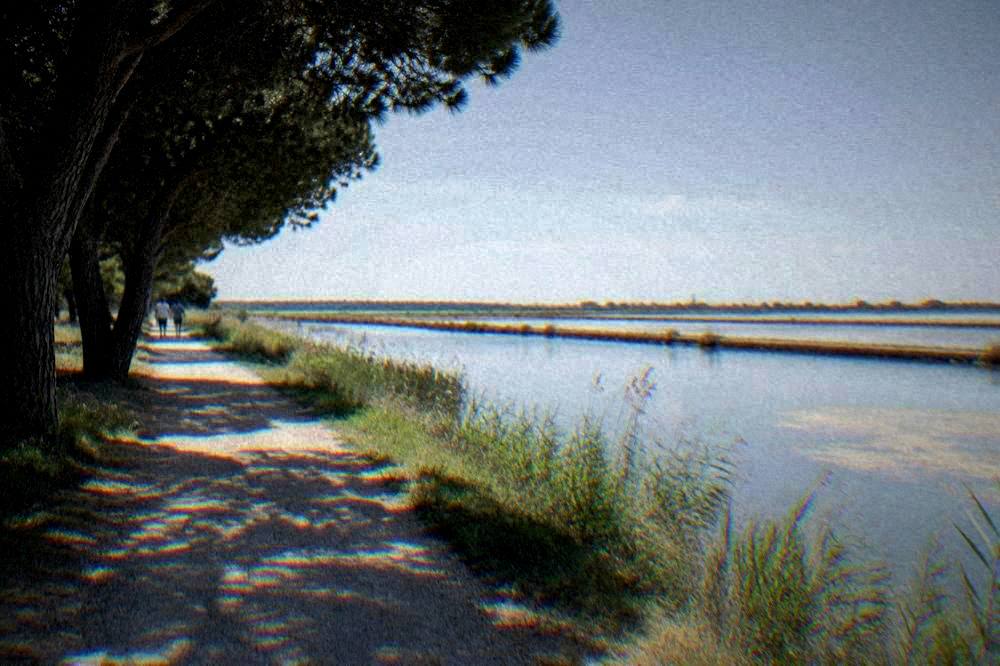
Punte Alberete and Valle Mandriole are the closest to Ravenna: flooded forest and freshwater marsh north of the city, reached with the Ca' Vecchia visitor centre as the access point, and crossed by the Anello Dolce Salso, a loop of about 4 km. The Pineta di San Vitale, the coastal pinewood, sits alongside them. None of the three needs a boat, and all three are flat walking on ground barely above sea level, very much the same terrain as Cervia.
| Site | Character | Access Point |
|---|---|---|
| Saline di Cervia | Salt pans, flamingos year-round | Centro Visite, Via Bova 61 |
| Punte Alberete | Flooded forest, marsh birds | Ca' Vecchia visitor centre |
| Valle Mandriole | Reed marsh | Ca' Vecchia visitor centre |
| Pineta di San Vitale | Coastal pinewood | Paths from the same area |
| Comacchio salt pans | Major flamingo colony | Guided boat and walking tours |
The Comacchio option, covered in the Comacchio day-trip guide, is the larger flamingo spectacle: the fresh reporting describes a major colony in the Comacchio salt marsh visible from guided boat and walking tours among the historic casoni, the traditional salt-workers' houses. Cervia is the nearer and lighter version of the same idea, which is exactly why it suits a short outing from Ravenna.
The wider Po Delta, treated in its own Po Delta guide, strings all of this together for a full day. For a half-day, pick one: the Cervia pans with their visitor centre, or the Punte Alberete loop with its about-4 km walk. Both deliver waterbirds and open country within a short distance of Ravenna's mosaic churches.
What Else Is There To Do In Cervia?
Beyond the salt pans, Cervia offers its canal-side salt warehouses, a flat historic core worth an hour, a long sandy beach front, and the surrounding pinewoods, with the town's market and food life concentrated in the centre and the beach strip fully alive only in the warmer months. Mirabilandia, the large theme park, sits in the Ravenna-Cervia area and closes its 2026 season on 1 November.
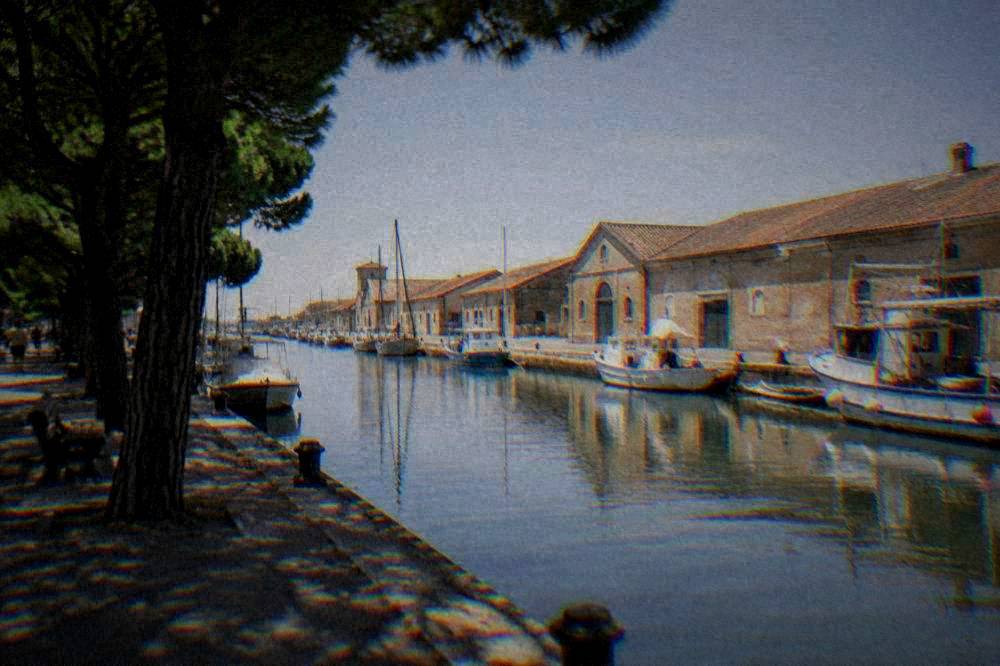
The town itself is small and level. The canal basin, where salt was loaded for shipping, and the row of salt warehouses give Cervia its working-harbour character, and the centre's streets fill the gap between a morning at the pans and a return train. Food is Romagna food: the piadina romagnola guide describes the flatbread that appears on every counter here as it does in Ravenna, and the coast adds fish to the usual cappelletti and grilled meats.
Mirabilandia is the family wildcard. The 2026 season runs to Sunday 1 November, per the secondary reporting on the park, with autumn openings concentrated on weekends and Halloween events in late September and October, including extended hours on 31 October. No 2027 dates are published, so a spring visit needs the park's own page for confirmation; the Mirabilandia guide collects what the site holds.
| Cervia Area Attraction | Best Season | Notes |
|---|---|---|
| Salt pans visitor centre | Autumn and spring weekends | Hours on the park page |
| Salt warehouses and canal | Year-round | Walking visit |
| Beach front | Summer | Resort services seasonal |
| Pinewoods walks | Spring to autumn | Flat trails |
| Mirabilandia | To 1 November 2026 | 2027 dates unpublished |
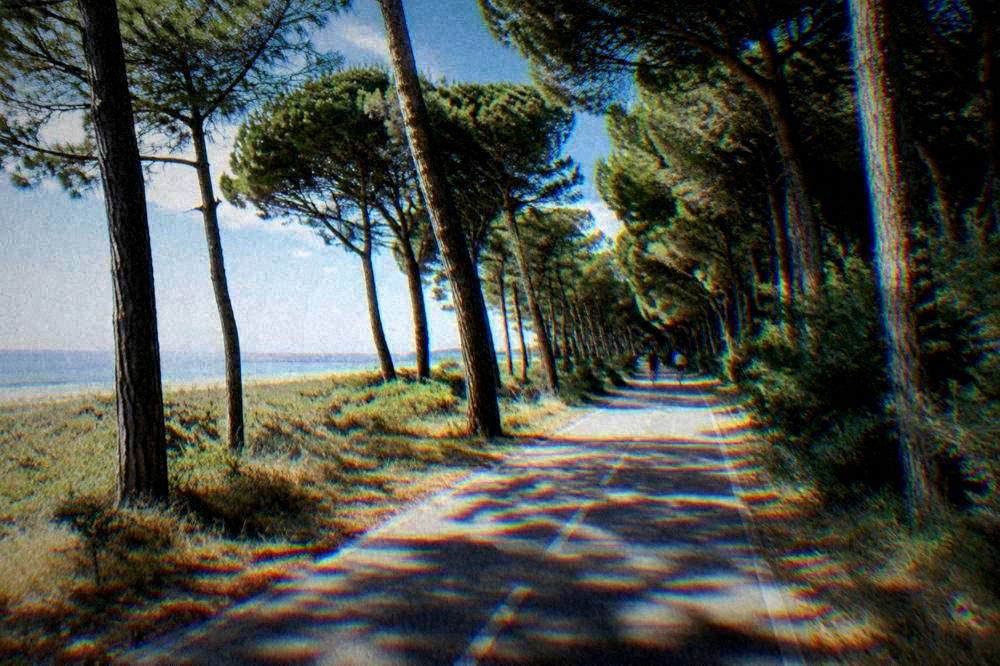
Cyclists have the best terrain of all. The whole Ravenna-Cervia corridor is dead flat, the pinewoods carry tracks, and the coast road links the resort towns. The site prints no bike-rental price and names no operator; ask at your accommodation in Ravenna or at the Cervia visitor centre for the current local options.
If you'd rather ride the flats with a guide, book a guided e-bike tour here.
How Does A Cervia Day Trip Compare With Other Ravenna Day Trips?
Cervia is the shortest, lightest outing on this site's day-trip list: a coastal nature-and-town half-day, against Bologna and Florence for cities, Comacchio and the Po Delta for water and birds, and San Marino for hills, with Rimini splitting city and beach in one trip. Cervia wins on proximity and birdlife, and it is the one that changes character most between summer and the off-season.
The comparison table below uses only what this site's guides hold, and each destination has its own page with the fuller treatment.
| Day Trip From Ravenna | Character | Strongest For |
|---|---|---|
| Cervia | Salt pans, flamingos, beach town | Nature close to the city |
| Comacchio | Lagoon town, flamingo colony | Boats and birdlife |
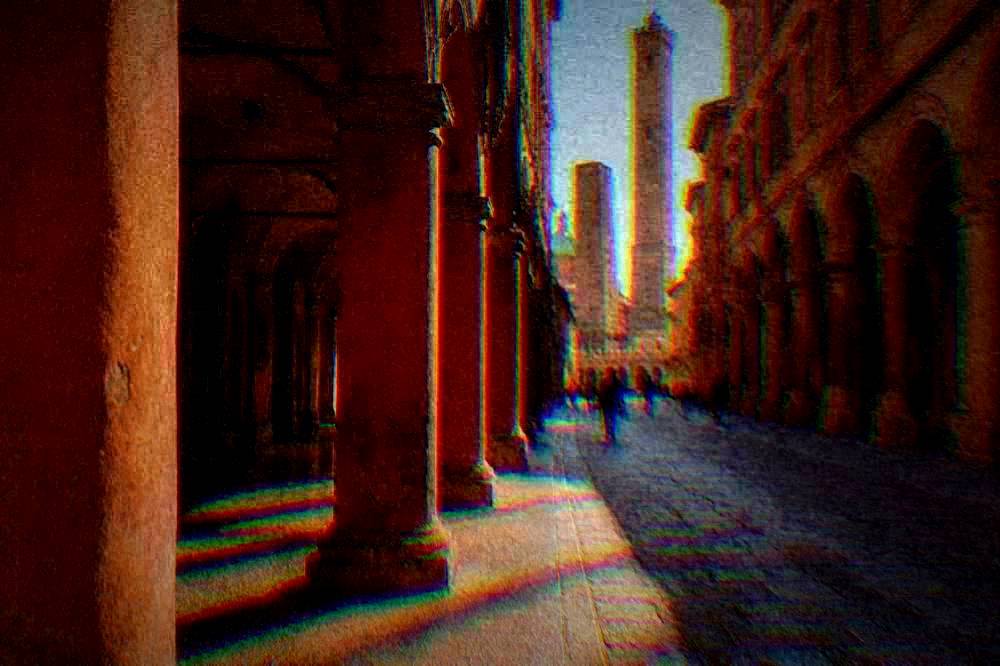
| Bologna | Big city, food, arcades | City energy |
| Rimini | Beach resort plus Roman core | Mixed city and sand |
| San Marino | Hilltop republic | Views and a novelty state |
| Florence | Renaissance capital | Art, longest journey |
The pattern is simple. If the mosaics have filled two mornings, Cervia or Comacchio resets the eye with water and birds. If the weather turns wet, the indoor options swing back toward Bologna or Ravenna's own museums, and the rainy-day guide lists them.
A private half-day walk in Ravenna works as the bookend to a Cervia day: mosaics with a guide on day one, salt pans on day two.
What Should You Know Before You Go?
Plan around three things: the visitor centre's weekend-and-holiday openings, the boat season that the reporting confirms only through October 2026, and the flat, exposed terrain, which asks for sun protection in the warmer months and layers near the water in the cooler ones. Trains and Start Romagna buses cover the coast corridor, the euro is the currency, and 112 is the emergency number in Italy.
Timing matters more here than on a city day trip. Midweek in the off-season, the pans are still viewable from paths and hides, but the visitor centre and the guided boats may not run. A Saturday or a holiday Monday is the safe structure: centre in the morning, boat or path at midday, town and canal in the afternoon, return train before dark in winter.
Money is simple. No entry figure for the pans is carried on this page beyond the visitor centre's free-to-visit pattern; check locally for any guided-outing fee. In Ravenna itself, the monument combo tickets run from EUR 9.50 reduced for two monuments, EUR 11.50 for four and EUR 13.50 for five on the Ravenna Mosaici ticket page, valid one week with one admission per monument and a booked entry time for each. The tourist tax, where your accommodation applies it, is charged per night at rates from about EUR 1 to EUR 4 depending on the hotel category, confirmed at booking.
On safety and comfort, the same rules as Ravenna apply: petty crime such as pickpocketing around tourist sites and on public transport is the noted risk, so keep a bag zipped and held in front on a crowded train. The terrain is flat, the shade is limited on the pans, and the nearest facilities cluster at the visitor centre and in town.
Weather is the last check. Ravenna's climate table, modelled ERA5 normals for 1991 to 2020, gives November as the wettest month at 78.3 mm and July the driest at 38.1 mm, with about 674 mm across the year, so an autumn Cervia trip carries a real chance of showers and a waterproof earns its place in the bag. The same table puts January's mean at 5.1 C and July's at 25.2 C, which frames how different the pans feel across the year without a single sea-temperature figure being needed.
Common Questions About A Ravenna To Cervia Day Trip
How far is Cervia from Ravenna?
Cervia lies on the coast south of Ravenna, between the city and Rimini, and the regional train or the Start Romagna coastal buses cover the trip. This page prints no distance or journey time for the Ravenna to Cervia leg; the operator's timetable holds the live figures.
Are there flamingos at the Cervia salt pans in winter?
Yes. The nature reporting on the Po Delta places flamingos at the Cervia salt pans year-round, with the larger colony at the Comacchio salt pans visible from guided boat and walking tours.
When is the Cervia salt pans visitor centre open?
The Centro Visite Saline di Cervia at Via Bova 61 opens weekends and holidays; in September to November the park's page lists Saturday, Sunday and holidays, 10:00 to 12:30 and 14:30 to sunset.
Can you take a boat trip on the Cervia salt pans?
Electric-boat nature itineraries on the saltpan are listed by the Cervia tourism pages with scheduled dates through October 2026. Winter dates are not confirmed in the reporting, so check the listings for your travel date.
Is Cervia worth visiting outside summer?
Yes, for the salt pans, the flamingos and the canal-side town, all of which run outside the beach season. The resort strip quietens down, but the pans, the visitor centre on weekends and the flat walking keep the trip worthwhile, and the winter sand barrier that the Comune builds along parts of the Ravenna coast is a coastal-management feature rather than a closure.
What should you combine with a Cervia day trip?
A morning of Ravenna's mosaics pairs well, using a combo ticket that runs from EUR 9.50 reduced and stays valid one week, so a two-day stay can hold monuments on one day and the salt pans on the next.
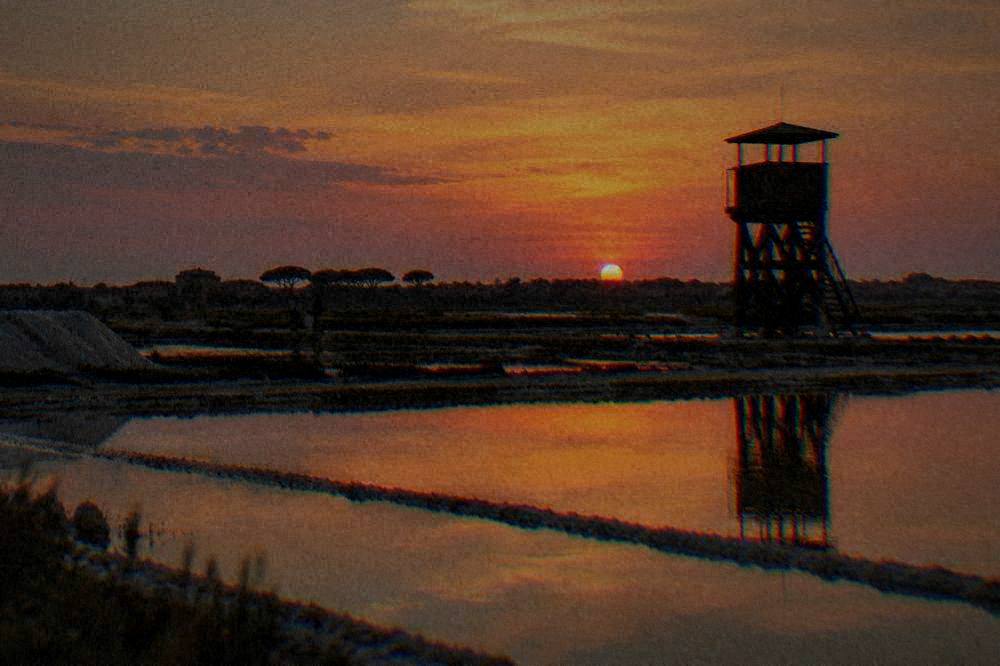
The shape of the trip, then, is settled by the calendar. Pick a weekend between September and November and the visitor centre, the boat and the flamingos all line up; go midweek in deep winter and the pans and the town still deliver a half-day of open sky, with the live timetable and the tourism listings as the two checks to make before you leave Ravenna. The Ravenna Travel Guide holds the full set of day-trip pages, from Bologna to Comacchio, for planning the rest of the week.