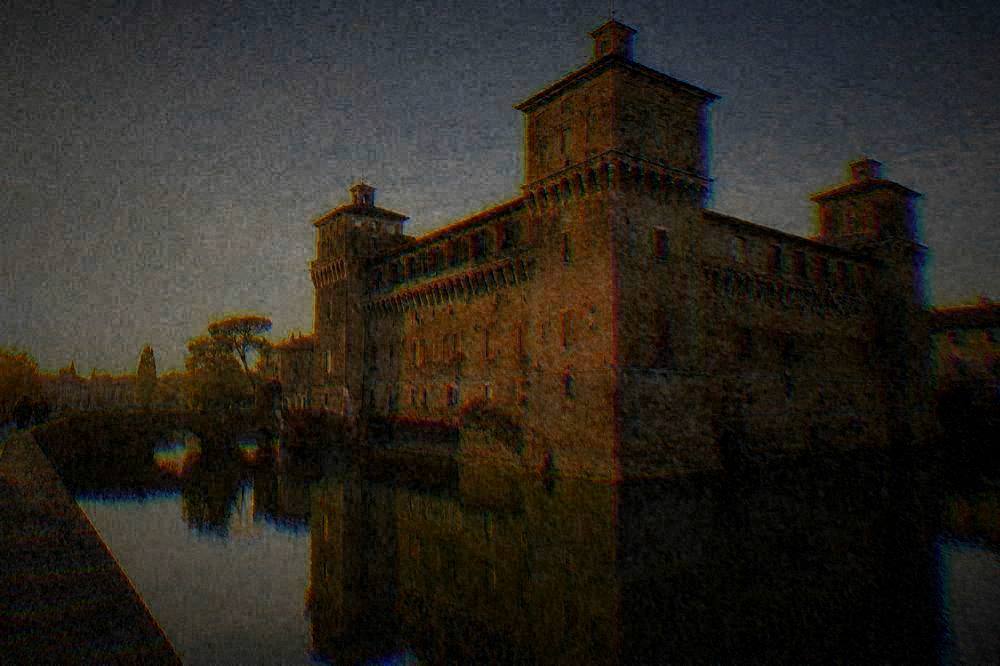
Ravenna To Ferrara
Ferrara is one of the easiest day trips from Ravenna, a walled Renaissance city on the flat Po plain that pairs naturally with Ravenna's Byzantine mosaics. This guide covers how the journey works, what a guided day trip includes, and how to plan the day.
Short answer
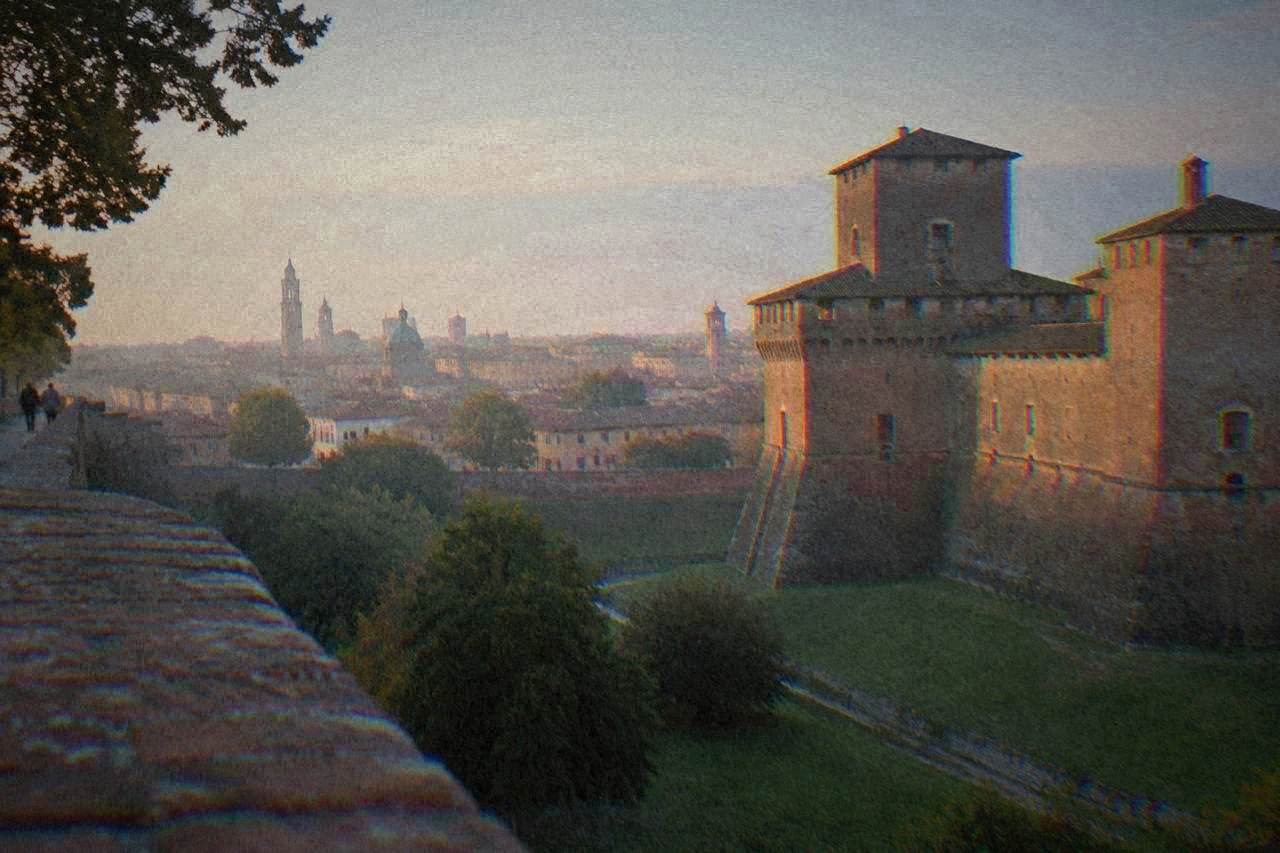
Ferrara sits north of Ravenna on the Po plain and is reached by regional rail with a change at Bologna Centrale; the regional rail timetable gives the current connection times. A guided day trip that pairs Ferrara with Comacchio also runs from Ravenna, and Ravenna itself is an inland mosaic city about 8 km from the Adriatic coast.
Ravenna, the inland mosaic city of Emilia-Romagna about 8 km from the Adriatic coast, sits on the same flat Po plain as Ferrara, and the two cities make a natural pairing: one holds eight UNESCO Early Christian monuments with gold-ground Byzantine mosaics, the other is a walled Renaissance city built for a ducal court. This guide from the Ravenna Travel Guide editorial desk sets out how the Ravenna to Ferrara day trip works, what the train journey involves, what a guided day tour covers, and how to fit the day around Ravenna's own monuments.
How Do You Get From Ravenna To Ferrara?
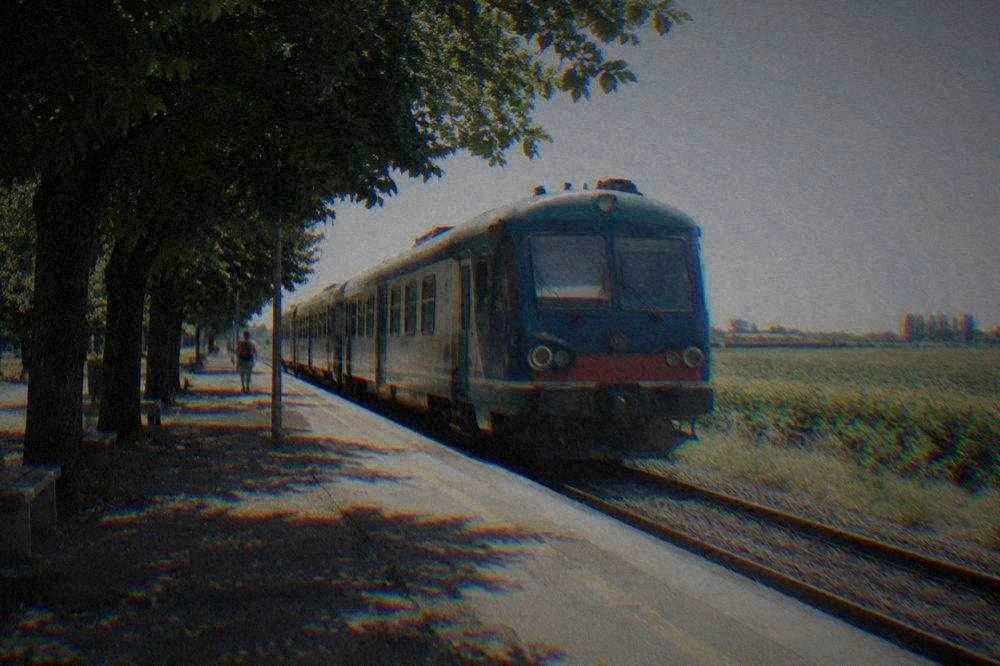
Ferrara is reached from Ravenna by regional rail with a connection at Bologna Centrale, and the regional timetable gives the current journey times, so treat any single quoted duration as a snapshot. Ravenna to Bologna Centrale is a direct regional train via Castelbolognese, about 84 km, fastest about 57 to 60 minutes and typically 1 hour to 1 hour 20, and Bologna to Ferrara is a short onward regional leg on the same network. No through fare is published here, so check the operator's site for the live price.
The practical rhythm of the day matters more than the exact minutes. Trains from Ravenna station, a short walk from the historic centre, run as regular regional services toward Bologna, and the Ferrara leg is a standard regional connection from Bologna Centrale. The regional rail timetable gives the current departure pattern; the site does not print a frequency claim beyond "regular regional services", because timetables shift between the summer and winter schedules.
Two Ravenna-specific points are worth carrying into the plan. First, Ravenna's historic centre is a limited-traffic zone enforced by cameras, with some gates active 7:30 to 20:30 and others 24 hours, so arriving by train rather than car removes a layer of planning. Second, Ravenna station is also the hub for the Start Romagna buses that serve the coast, so a Ferrara day and a beach day use the same starting point but point in opposite directions.
Buying tickets deserves a small note of its own. Regional tickets in Italy are typically validated before boarding, and a ticket bought for a regional service generally holds no seat reservation, which is what makes the through-plan flexible: a missed connection at Bologna Centrale costs waiting time rather than a rebooking fee. The live fares and validation rules sit with the operator, and the site prints none of them, so confirm at the point of purchase. On strike days, which the national calendar announces in advance, guaranteed service windows usually keep a skeleton regional service running in the early morning and evening.
| Rail leg | Route character | Time detail on file |
|---|---|---|
| Ravenna to Bologna Centrale | Direct regional via Castelbolognese, about 84 km | Fastest about 57 to 60 minutes, typically 1 hour to 1 hour 20 |
| Bologna Centrale to Ferrara | Onward regional connection | Times on the regional timetable |
| Ravenna to Rimini (for comparison) | Direct regional | About 42 to 58 minutes |
For a fuller treatment of the first leg of the trip, the site's own Ravenna to Bologna day trip guide covers the Bologna corridor in detail, and the Ravenna train station guide describes the station itself, its walk to the centre and its bus connections.
What Makes Ferrara Worth The Trip From Ravenna?
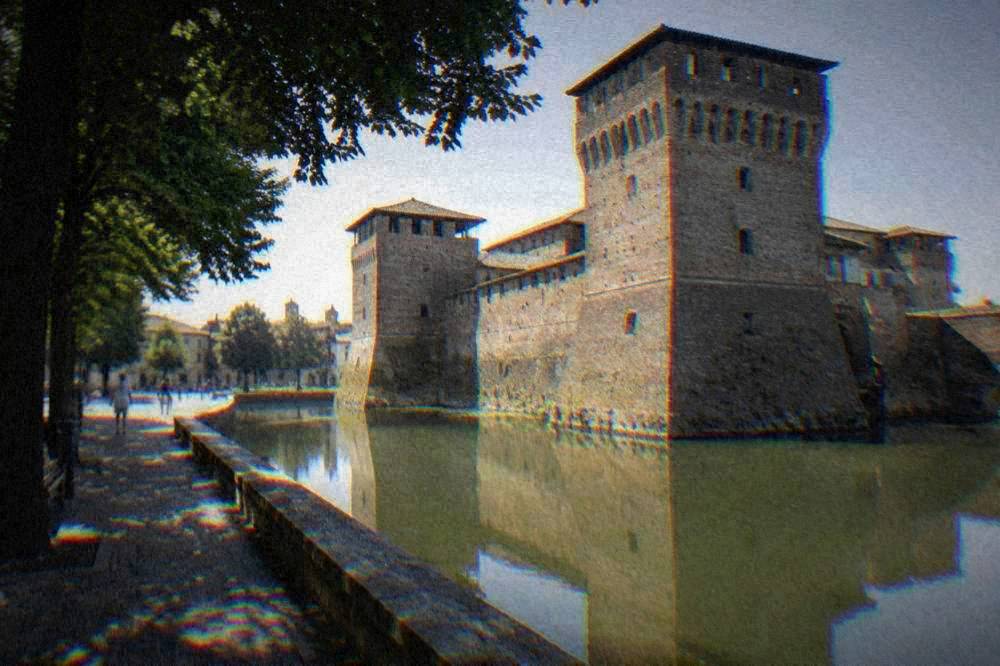
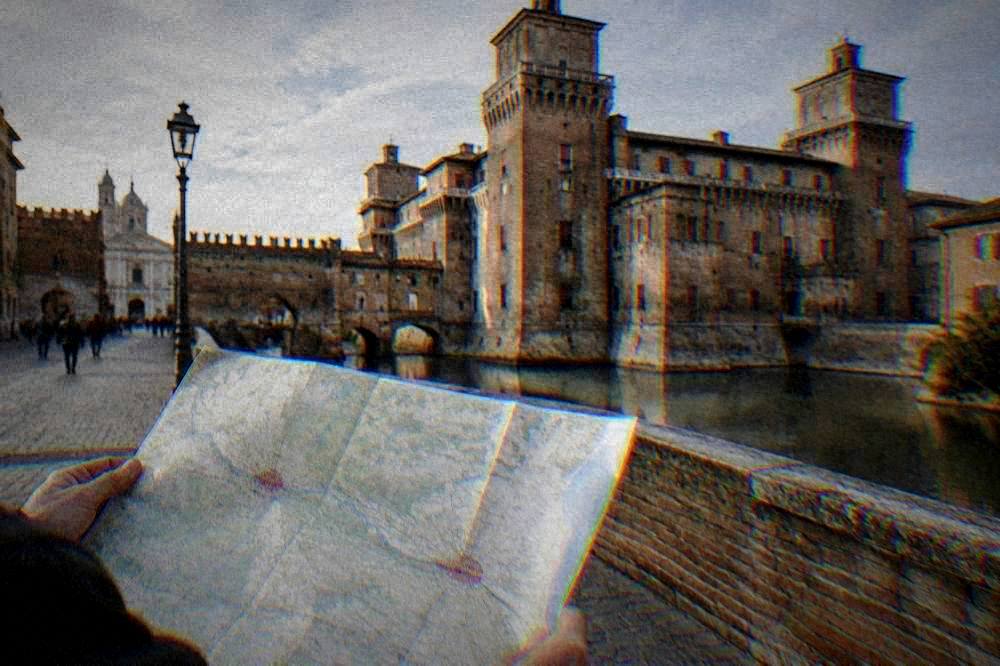
Ferrara is a compact walled Renaissance city whose entire historic centre is a UNESCO-listed ensemble, and it contrasts cleanly with Ravenna: Ravenna's fame rests on its Early Christian mosaics across eight UNESCO monuments, while Ferrara's rests on a planned ducal city of broad streets, a brick moated castle and a circuit of walls you can walk or cycle. Neither city involves hills, so the day is easy on foot.
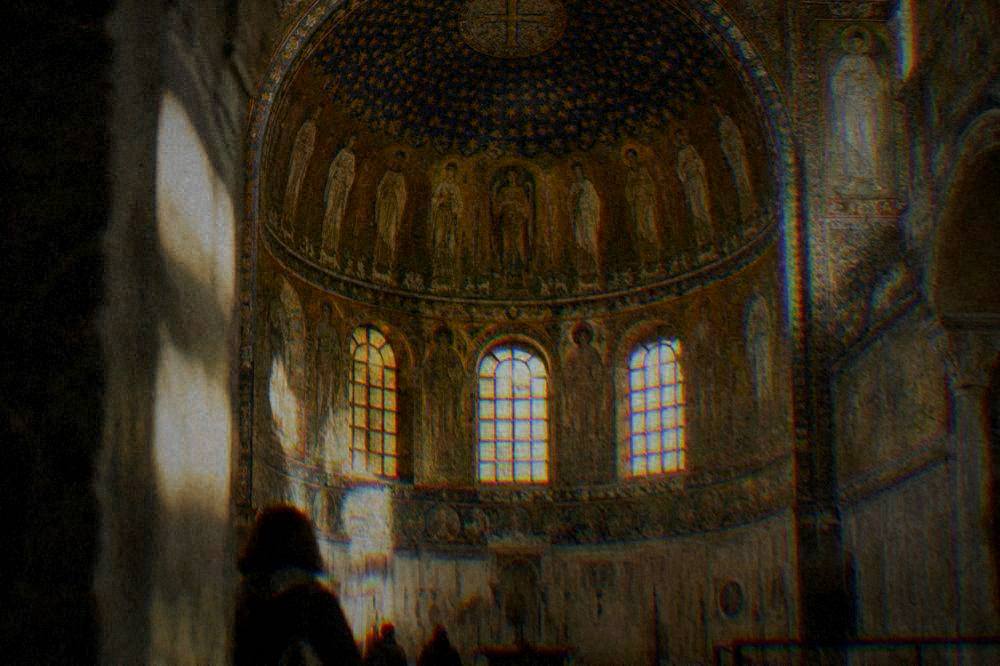
The comparison is the reason to go. Ravenna rewards looking inward and downward, at mosaic vaults and domed baptisteries like the Neonian Baptistery and San Vitale. Ferrara rewards looking outward and along straight lines: the castle at the centre, the wide streets radiating from it, and the wall circuit enclosing the whole. A visitor who has spent a morning under Ravenna's gold mosaics usually finds the change of scale refreshing rather than redundant.
Ferrara also works as a food stop. The city sits in Emilia-Romagna, the same region as Ravenna, so the bread-and-meat culture the Ravenna food guide describes, piadina, cappelletti and Romagna wines, follows you there, with Ferrara adding its own pasta traditions. No restaurant is named here and no price is quoted: posted menus are the check.
One more contrast worth planning around is pace. Ravenna's monuments enforce it for you, since Galla Placidia and the Neonian Baptistery take visitors in timed entries of a few minutes each, while San Vitale admits in slots. Ferrara imposes no such metering; the walls alone can absorb an unhurried hour, and the castle quarter rewards wandering without a ticket time. The two cities teach different kinds of patience.
If the do-it-yourself rail plan feels like too much structure for one day, a guided option exists that covers the ground with someone else handling the logistics:
The Ferrara and Comacchio listing appears again below, because it is the one product in the roster built around exactly this corridor.
Can You Take A Guided Ferrara Day Tour From Ravenna?
Yes, a guided day tour from Ravenna covers Ferrara together with Comacchio, the lagoon town known as the little Venice, in one organised trip, and the listing carries the current price, dates and cancellation terms. Doing it independently by train is the alternative, and both work: the tour trades flexibility for logistics, while the rail plan leaves you to manage the connection at Bologna Centrale yourself.
The guided route suits visitors on a short stay. Ravenna's own sights, from Dante's tomb to the Archiepiscopal Chapel, can absorb a full day on their own because the combo ticket runs across one week with one admission per monument, so a day trip that is fully organised protects the rest of the itinerary. The tour pairs Ferrara with Comacchio, which is hard to reach efficiently by public transport in the same day as Ferrara, since Comacchio sits out in the Po Delta wetlands east of the region's rail spine.
Check availability on the operator's live listing, and read the inclusions there before deciding. The listing is the authority on what is covered.
Want Someone Else To Handle The Ravenna Sightseeing Too?
Yes, and the roster carries private guided walks of Ravenna's own monuments for exactly this, so the base city can be organised the same way as the Ferrara day. A private guide covers the top sights and monuments in one structured walk, which matters in Ravenna specifically because the mosaic circuit's timed entries and one-week combo ticket reward a guide who already knows the sequencing. The listing shows the price, group basis and cancellation terms.
If the Ferrara day is booked and the Ravenna half of the trip still feels unstructured, a private guided walk of Ravenna's own monuments is the complement:
What Should A One-Day Ferrara Itinerary From Ravenna Look Like?
A sensible day puts an early regional train out of Ravenna, a morning in Ferrara's castle and cathedral quarter, a long lunch, an afternoon on the walls or in the museum quarter, and a return leg in the early evening, with the connection at Bologna Centrale padded by at least one spare departure's worth of time. The regional timetable gives the exact departures to lock the plan to.
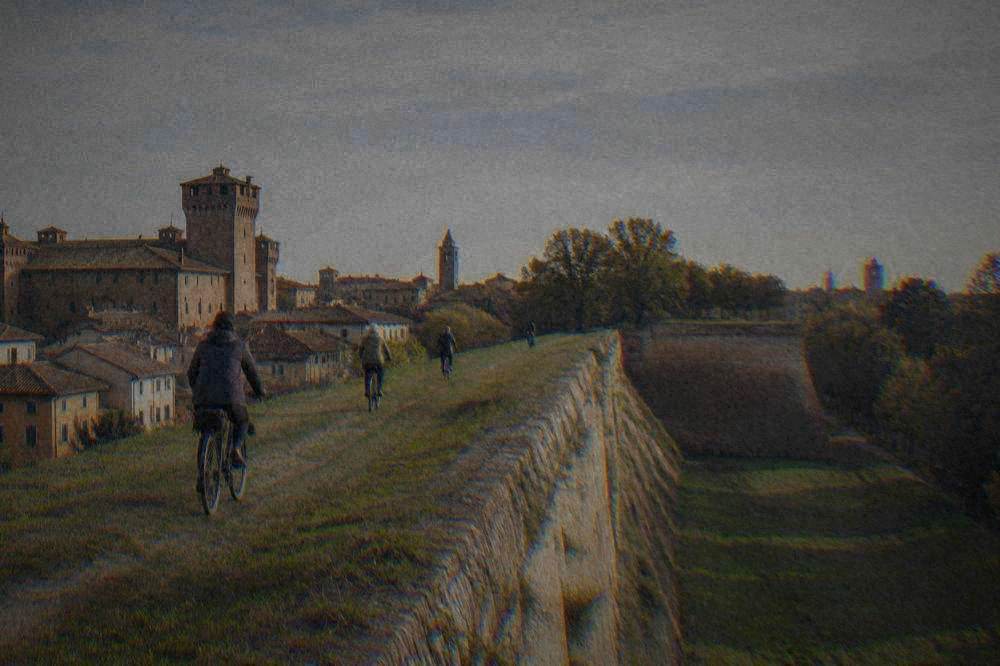
The shape of the day is simple because Ferrara is compact and flat. The castle and the cathedral face each other in the centre; the streets between them and the main axis are short. The wall circuit is the afternoon activity: it is walkable and cyclable, and it frames the city from outside in the same way Ravenna's Piazza del Popolo frames Ravenna's civic life, though on a military rather than a mosaic scale.
Lunch is the hinge of the day. Ferrara's own pasta traditions sit beside the Romagna standards, and a sit-down lunch in the old quarter costs less daylight than it would in a bigger city because everything is close. A cover charge, the coperto, is legal when printed on the menu, and tipping is not obligatory; the itemised bill is the check. No dish price is quoted here.
Timing against Ravenna's own monuments matters. The Ravenna Mosaici sites run summer hours 9:00 to 19:00 from 8 March to 2 November 2026, and winter hours 10:00 to 17:00 from 3 November 2026 to 6 March 2027, closed 25 December and 1 January, per the official ticket page. If the Ferrara day eats a whole daylight block, the mosaics need their own full day; the two do not combine comfortably into one.
| Ravenna monument | Printable hours on file | Notes |
|---|---|---|
| Ravenna Mosaici circuit (San Vitale, Sant'Apollinare Nuovo, Archiepiscopal Museum) | Winter 10:00 to 17:00, last admission 16:30 | Summer 9:00 to 19:00 to 2 November 2026 |
| Galla Placidia and Neonian Baptistery | Winter 10:00 to 17:00, last admission 16:45 | Timed entry, a few minutes inside |
| Mausoleum of Theodoric | Daily 8:30 to 17:30 | Last admission 30 minutes before closing |
| Sant'Apollinare in Classe | Monday to Saturday 8:30 to 19:00, Sunday 13:30 to 19:00 | Outside the centre, in Classe |
| Dante's tomb | November to March 10:00 to 18:00; April to October 10:00 to 19:00 | Free entry |
A practical note on ticketing in Ravenna before or after the Ferrara day: reduced fares on the Ravenna Mosaici combo start at EUR 9.50 for two monuments, EUR 11.50 for four and EUR 13.50 for five, and the full prices sit on the official page. The combo runs one week, one admission per monument, with an entry time booked per monument.
Can You Combine Ferrara And Comacchio In One Day Trip From Ravenna?
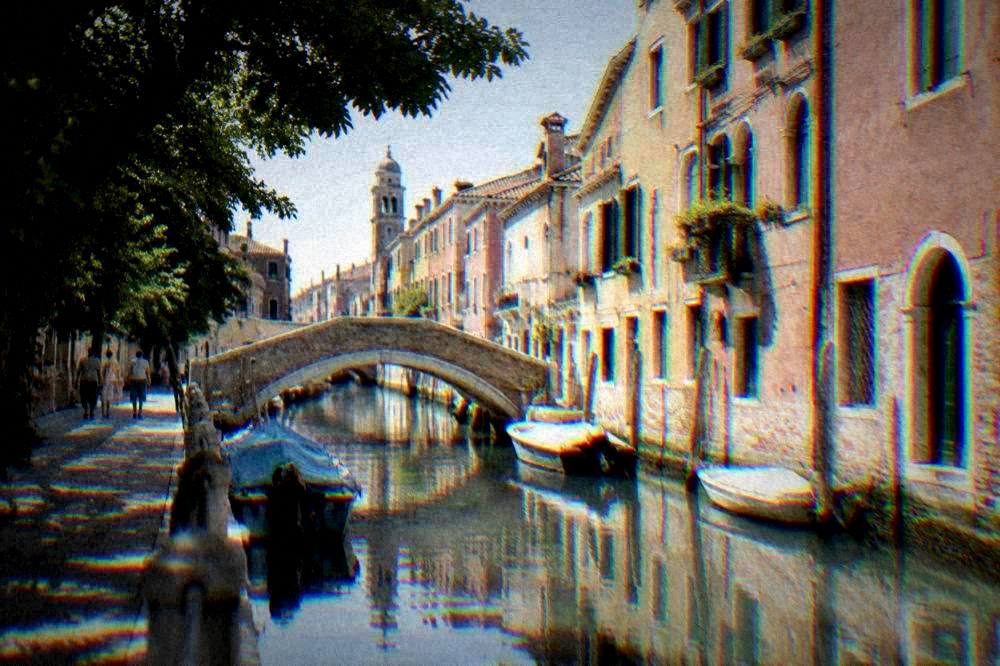
Yes, and the guided product in this site's roster is built exactly around that pairing: Ferrara for the Renaissance city and Comacchio, the lagoon town crossed by canals and bridges, for the wetland atmosphere, with the Po Delta's flamingo-holding salt pans nearby. Doing both independently in one day by public transport is the harder version, because Comacchio is not on the direct Ravenna to Ferrara rail axis.
Comacchio is the wildcard that makes this corridor special. The town sits in the Po Delta park, where the Cervia salt pans visitor centre pattern repeats: wetland habitat, birdlife including flamingos present year-round, and slow-traffic lanes. The Comacchio day trip guide covers the town in detail; the point here is that the guided Ferrara day folds it in without a second booking.
Birdlife is the quiet headline of the wetland half. Flamingos are present year-round in the Comacchio salt pans, which host a major colony, and the wider Po Delta offers herons and hides across the seasons. The Po Delta National Park guide maps the rest of the habitat.
Check availability if the two-town version appeals, since it is the only roster listing that covers this exact pairing.
What Do Ravenna And Ferrara Have In Common?
Both are flat Po-plain cities of Emilia-Romagna whose historic centres are UNESCO-listed, both are walked rather than driven, and both belong to the same food region of piadina, cappelletti and Romagna wines. The difference is era and material: Ravenna's inscription, dated 1996 on the UNESCO listing, covers eight Early Christian monuments of mosaic, while Ferrara's covers its Renaissance city plan and walls.
That difference is the itinerary. Ravenna's eight, the Mausoleum of Galla Placidia, the Neonian Baptistery, Sant'Apollinare Nuovo, the Arian Baptistery, the Archiepiscopal Chapel, the Mausoleum of Theodoric, San Vitale and Sant'Apollinare in Classe, are interior experiences of gold-ground glass mosaic. Ferrara's is an exterior experience of brick, water and geometry. A two-day plan, one city each, covers both world-heritage stories without overlap.
| Ravenna | Ferrara | |
|---|---|---|
| Setting | Inland historic centre, about 8 km from the Adriatic | Walled city on the Po plain, north of Ravenna |
| UNESCO inscription | Eight Early Christian monuments, 1996 | Renaissance city and walls |
| What you look at | Gold-ground Byzantine mosaics in church interiors | Castle, cathedral, streetscape, wall circuit |
| Terrain | Flat, walkable centre | Flat, walkable and cyclable |
| Food region | Emilia-Romagna: piadina, cappelletti, Romagna wines | Same region, plus its own pasta traditions |
| Best paired with | A second Ravenna day for the monuments | Comacchio and the Po Delta wetlands |
When Is The Best Time Of Year For A Ravenna To Ferrara Trip?
Spring and autumn are the comfortable windows, and the Ravenna climate table, modelled 1991 to 2020 normals, shows why: July is the warmest month at a 25.2 C mean and also the driest at 38.1 mm, while November is the wettest at 78.3 mm and January the coldest at 5.1 C. The same table governs Ferrara a short way north on the same plain.
The seasonal detail that matters for this corridor sits on the coast rather than in either city. Each autumn a 25,000 cubic metre sand barrier is built at Punta Marina, Marina di Ravenna Sud and Lido di Savio and stays until spring 2027, which reshapes the beach resorts in winter, one reason to spend a cold-weather day inland at Ferrara rather than at the beaches near Ravenna.
| Month | Mean C | Precip mm |
|---|---|---|
| Jan | 5.1 | 43.8 |
| Mar | 9.4 | 54.9 |
| May | 17.9 | 58.2 |
| Jul | 25.2 | 38.1 |
| Sep | 20.3 | 57.9 |
| Nov | 10.6 | 78.3 |
The table is drawn from modelled 1991 to 2020 normals and no sunshine or sea-temperature figure is carried. Winter also changes Ravenna's monument hours to the 10:00 to 17:00 schedule noted above, which shortens the usable day for a two-city plan. Autumn brings compensations of its own on the Ravenna side: the October evening event with free monument access, the film festival at Teatro Rasi and the November opera trilogy all fall in the weeks around a late-season Ferrara day, so a shoulder-season trip loses daylight and gains a calendar.
How Does A Ferrara Day Fit Into A Wider Ravenna Itinerary?
Ferrara slots in as one leg of a radial itinerary: Ravenna as the base, with Ferrara and Comacchio to the north, Bologna and Florence west, Rimini and San Marino south, and Venice reachable on a longer day or as a shore excursion from the cruise port. The regional rail network and the tour roster both support the radial pattern, so the order of the days is a matter of pace rather than logistics.
The pairing logic is straightforward. Ferrara and Bologna sit on the same rail axis out of Ravenna, so a visitor with three or more days can take Bologna and Ferrara on separate days without repeating any ground. Venice is the outlier: the roster carries a deluxe Venice excursion from Ravenna, and the Venice day trip guide covers the independent version. For a shorter stay, the one day in Ravenna and two days in Ravenna plans show how much of the base city a Ferrara day displaces.
A sample week makes the radial pattern concrete. Day one and two stay in Ravenna for the mosaic circuit and Dante's tomb; day three takes Ferrara, on rail or the guided listing; day four takes Bologna; day five rests or returns to the coast resorts; day six reaches Rimini or San Marino to the south. Nothing in that order requires a car, and every leg starts from the station a short walk from the centre.
A last orientation note for cruise passengers: the port terminal at Porto Corsini is about 15 km from the centre, and the Visit Ravenna shuttle covers the distance in about 30 minutes, running 3 May to 26 October on the 2026 page. A Ferrara day from a ship call is tight; the cruise port day guide is the better template for that scenario.
Common Questions About The Ravenna To Ferrara Day Trip
How do you get from Ravenna to Ferrara?
Regional rail with a connection at Bologna Centrale. Ravenna to Bologna Centrale is a direct regional train via Castelbolognese, about 84 km, typically 1 hour to 1 hour 20, and the onward regional leg to Ferrara follows. Check the regional timetable for the current departures.
Is Ferrara a good day trip from Ravenna?
Yes. It is a compact, flat, walled Renaissance city on the same Po plain, with a castle, a cathedral and a walkable wall circuit, and it contrasts cleanly with Ravenna's mosaic interiors. A guided day tour also pairs it with Comacchio.
Can you visit Ferrara and Comacchio in one day from Ravenna?
Yes, most easily on the guided day tour listed on this page, which covers both. Doing both independently in one day by public transport is harder, because Comacchio is not on the direct rail axis between Ravenna and Ferrara.
How long is the train ride from Ravenna to Ferrara?
The published legs on file cover Ravenna to Bologna Centrale, about 57 to 60 minutes fastest and typically 1 hour to 1 hour 20, plus an onward regional connection. The regional timetable gives the full door-to-door time for your chosen departure.
Do you need a car for a Ravenna to Ferrara day trip?
No. The regional rail route covers it, and skipping the car avoids Ravenna's camera-enforced limited-traffic zone, where some gates run 7:30 to 20:30 and others 24 hours and a daily permit is bought at the parcometers.
Should you choose Ferrara or Bologna from Ravenna?
Both sit on the same rail axis and work as separate days. Bologna is the bigger city break; Ferrara is the calmer, walled one. With three or more days in Ravenna, the two do not compete.
Ferrara gives a Ravenna stay its change of register: after the dim interiors and gold mosaics, a day of brick walls, straight streets and canal-side Comacchio rounds out the Po-plain picture, and whether it runs on rail tickets or a guided listing, the plan above keeps the base city's monuments intact for their own full day.