Does Ravenna Have A Train Station?
Yes, Ravenna has a train station a short walk from the historic centre, with direct regional trains to Bologna, Rimini, Ferrara and beyond. Here is what to expect on arrival.
Ravenna, the inland Po-valley city in Emilia-Romagna whose eight UNESCO Early Christian monuments draw travellers from across the region, has exactly one railway station, and it sits a short walk from the edge of the historic centre. The station is the city's rail hub for the whole area: regional trains run from here towards Bologna and Rimini, the Start Romagna bus network uses the station as its main interchange for the coast, and the Visit Ravenna cruise shuttle picks up about 300 m away on its way to the Porto Corsini terminal. This page answers the question directly, then covers where the station is, which cities you can reach from it, how the airport connection works and how the centre relates to it on foot.
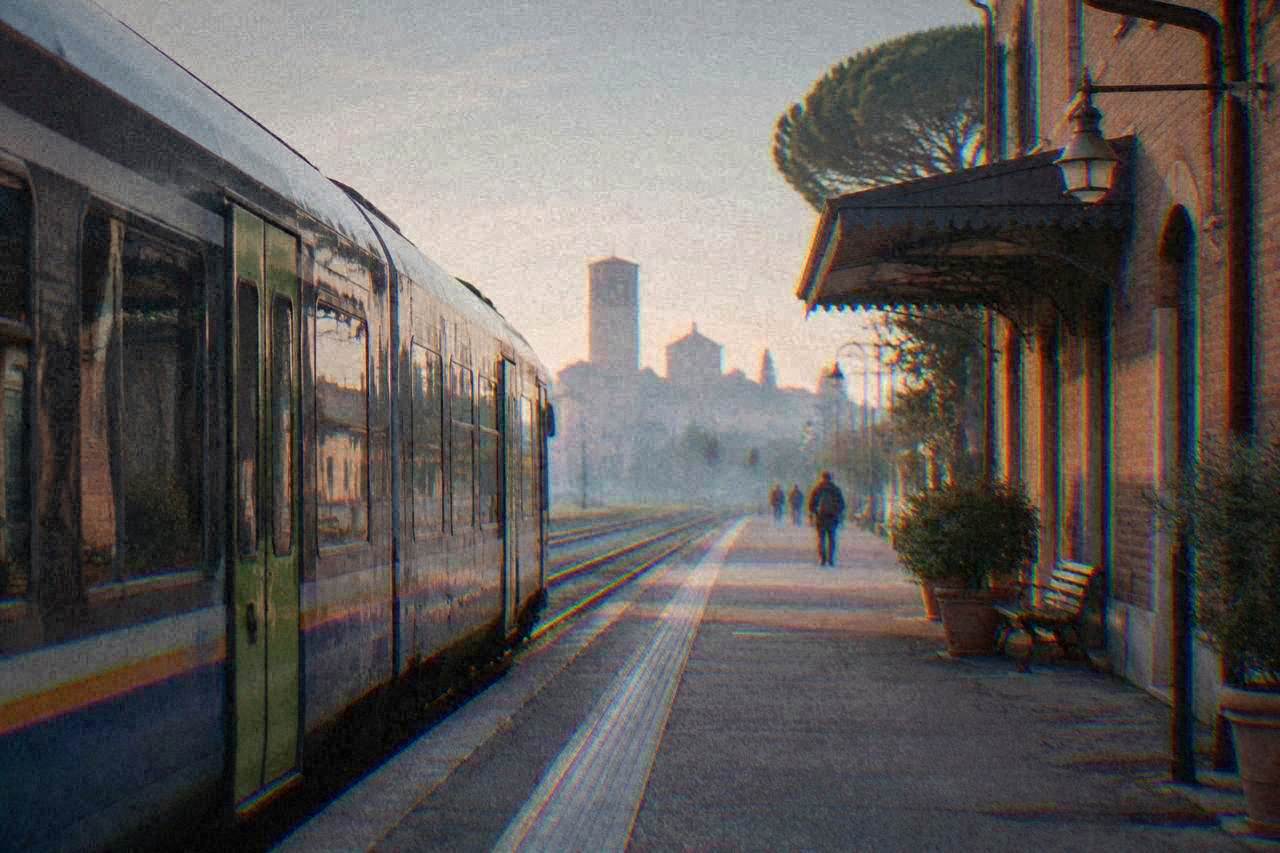
Does Ravenna Have A Train Station?
Yes, Ravenna has one railway station, Ravenna station, and it is a working terminus for the city's regional rail network. The station lies just outside the historic centre, and the walk from its forecourt to the first of the mosaic monuments is short. The regional rail timetable gives direct regional services from here to Bologna Centrale, Rimini and Ferrara, and the Start Romagna bus network connects the station to the Adriatic beach resorts.
That single sentence settles the practical question, but a few details are worth adding because the station shapes how almost every visitor arrives. Ravenna station is a terminus rather than a through station on a high-speed line, so the trains serving it are regional services. There is no high-speed platform here; travellers coming from Rome, Milan or Naples change at Bologna Centrale or at Ferrara onto a regional train for the final leg. The regional rail timetable lists the Ravenna to Bologna Centrale connection as a direct regional train via Castelbolognese, covering about 84 km, with the fastest runs at about 57 to 60 minutes and typical journeys of 1 hour to 1 hour 20.
The station building itself is modest by Italian standards, with a ticket hall, a few platforms and a forecourt where the Start Romagna buses line up. Because the historic centre is compact and flat, the station's position matters more than its size: the walk into the centre passes quickly, and the whole UNESCO circuit is reachable on foot from the forecourt. The dedicated guide to Ravenna train station covers the layout, the ticket options and the bus interchange in detail.
For anyone comparing arrival options, the table below puts the station in context.
| Arriving in Ravenna | How it works | Where you arrive |
|---|---|---|
| Regional train from Bologna Centrale | Direct service via Castelbolognese, about 84 km, typically 1 hour to 1 hour 20 | Ravenna station, a short walk from the centre |
| Regional train from Rimini | Direct regional service, about 42 to 58 minutes | Ravenna station |
| Bologna airport (BLQ) | Marconi Express to Bologna Centrale, then regional train, about 2 to 2.5 hours door to door | Ravenna station |
| Cruise ship at Porto Corsini | Visit Ravenna shuttle from the centre and near the station, about 30 minutes | Porto Corsini terminal, about 15 km from the centre |
Where Is The Ravenna Train Station And How Far Is The Centre?
The station stands at the north-western edge of Ravenna's historic centre, and the distance from the platform to the first mosaic monument is a short walk on flat ground. The municipal tourism pages treat the station as a central-city interchange rather than an out-of-town stop, and the Start Romagna bus network routes its coastal services through the station forecourt. Nothing at the station requires a taxi to reach the old streets.
Ravenna's centre is small and pedestrian friendly, and that is the practical point. The station's address places it on the ring of streets just outside the pedestrianised core, so arriving travellers cross a handful of blocks and are among the lanes that hold the UNESCO monuments, Dante's tomb and Piazza del Popolo. The terrain is flat Po-plain throughout, with no hill between the platform and the basilicas.
Two neighbouring facts help place the station in the wider picture. First, the Visit Ravenna shuttle to the cruise terminal at Porto Corsini picks up in the centre and near the station, about 300 m from the forecourt, and runs about 30 minutes to the terminal, which lies about 15 km away. The 2026 page gives the shuttle operating window as 3 May to 26 October. Second, the beaches of Marina di Ravenna, Punta Marina, Lido Adriano, Lido di Classe and Lido di Savio have no rail link of their own; the Start Romagna buses from the station are the scheduled public connection, running under the winter timetable booklet in force from 15 September 2026 to about 6 June 2027. The guide to getting around Ravenna unpacks the bus network in full.
Ravenna also rewards travellers who use the station as a base for the surrounding region. The question page on what you can see and do in Ravenna in one day shows how close the monuments cluster, and the Ferrara and Comacchio day tour below is one of the trips that departs from this city rather than requiring a different base.
Which Cities Have Direct Trains From Ravenna?
The regional timetable gives direct regional trains from Ravenna to Bologna Centrale, Rimini and Ferrara, with the Ravenna to Bologna run covering about 84 km via Castelbolognese in typically 1 hour to 1 hour 20 and the Ravenna to Rimini run in about 42 to 58 minutes. Beyond those, connections at Bologna or Ferrara open the national network. Regular regional services, not high-speed trains, are what serve this station.
Bologna is the principal gateway. It is the closest major city, and the answer page on how long the train ride from Bologna to Ravenna is covers the timing question directly. From Bologna Centrale the high-speed network runs to Florence, Milan, Rome and Venice, so a trip to Ravenna from any of those cities is a two-leg journey. Florence and Venice have no direct train to Ravenna; the Florence connection and the Venice journey both route through Bologna or Ferrara.
Rimini, to the south-east, is the other frequent direct run, and the page on getting a train from Rimini to Ravenna gives the details. Rimini matters for two reasons: it is the rail access point for the Adriatic coast south of Ravenna, and it is the usual jumping-off point for San Marino. Ferrara, reached by regional services in the Ferrara direction, is the northern leg that also carries connections towards the Po Delta and Comacchio territory.
| Route from Ravenna station | Type of service | What the timetable gives |
|---|---|---|
| Ravenna to Bologna Centrale | Direct regional via Castelbolognese | About 84 km, fastest about 57 to 60 minutes, typically 1 hour to 1 hour 20 |
| Ravenna to Rimini | Direct regional | About 42 to 58 minutes |
| Ravenna to Ferrara | Regional services in the Ferrara direction | Regular regional services |
| Ravenna to Florence | No direct train | Change at Bologna Centrale or Ferrara |
| Ravenna to Venice | No direct train | Change at Bologna Centrale or Ferrara |
A note on fares: the site prints none, because no official per-journey price for these routes sits in the sources. The live fare is shown at booking on the operator's ticket pages and machines. Train strikes are an Italian reality and the autumn 2026 calendar included stoppages affecting Emilia-Romagna regional services in late October; guaranteed service windows typically apply, and checking the operator's notices on the day is the sensible habit.
One engineering detail worth knowing from the local coverage: bridge maintenance on the Ravenna to Rimini line in October 2026 suspended trains on two weekends, with regional services replaced by buses and one long-distance service trimmed at Rimini. That kind of weekend replacement is normal maintenance practice, and the operator's journey planner carries the live picture.
How Do You Get From Bologna Airport To Ravenna By Train?
Bologna airport (BLQ) has no direct bus to Ravenna listed, so the rail route is the Marconi Express people mover from the airport to Bologna Centrale, about 7 to 8 minutes, followed by a regional train to Ravenna, giving about 2 to 2.5 hours door to door. The Marconi Express runs daily from 05:40 to midnight, with a night bus substitute in the small hours. There is no airport closer with a listed Ravenna connection in the sources this site holds.
The two-leg shape of that journey is the whole story. The Marconi Express connects the airport terminal to the railway station with frequent departures through the day, and Bologna Centrale is where the regional platform for Ravenna is found. The dedicated answer on getting a train from Bologna airport to Ravenna walks through the steps, and the page on which airport you fly into for Ravenna compares the options. What the site does not print is a fare for any leg, a distance from the airport in kilometres or a taxi price: those figures belong to the operators' live pages.
For cruise travellers the logic inverts: you arrive by sea at Porto Corsini and the question becomes the shuttle, which the pages on getting to the cruise port and the station-to-port distance answer in detail. The port expects 111 calls and about 390,000 passengers across the 2026 season, and the new terminal at Porto Corsini is reported for inauguration in spring 2027.
Can You Manage Without A Car Once You Arrive By Train?
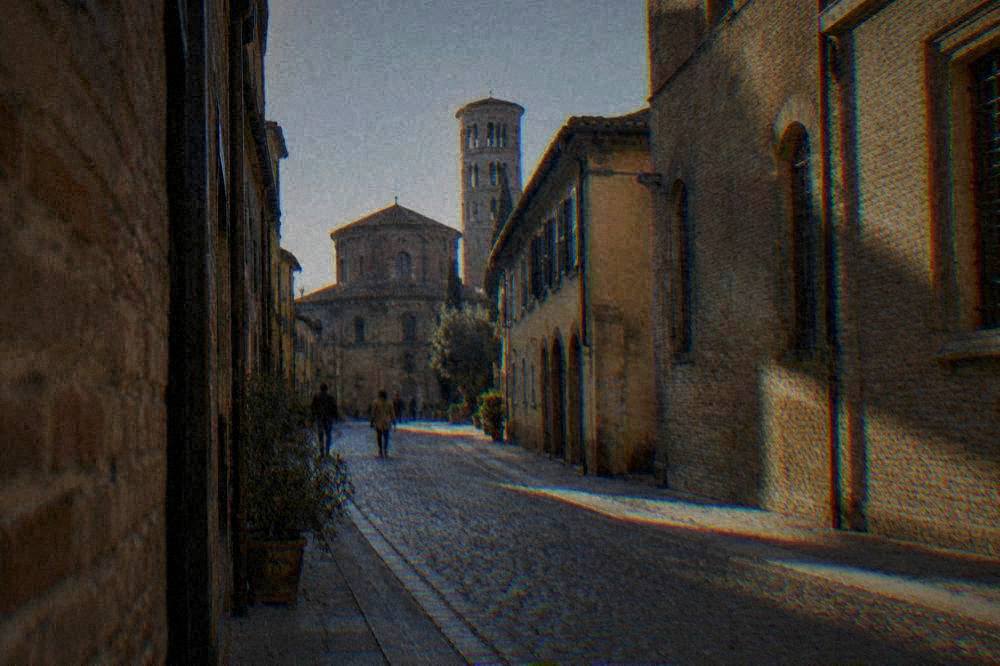
Yes, the historic centre of Ravenna is walkable from the station, and the scheduled public transport covers the two things legs cannot reach: the Adriatic beaches and the Classe area with Sant'Apollinare in Classe. Start Romagna buses run from the station forecourt to Marina di Ravenna and the other lidos, and Line 1 is listed as fully free across the winter timetable period. Sant'Apollinare in Classe lies outside the centre and is reached by bus or a short drive.
The car-free case rests on geography. The centre is flat, compact and largely pedestrianised, and the eight UNESCO monuments sit inside it or at Classe. The station feeds the centre on foot. The beaches, strung along about 35 km of coast at Marina di Ravenna, Punta Marina, Lido Adriano, Lido di Classe and Lido di Savio, are 8 km or more from the centre, so a bus, a bike or a car is needed for sand; the page on whether Ravenna has a beach explains the geography plainly.
Drivers should note one caution before being tempted by the centre: the ZTL, a camera-enforced limited-traffic zone whose gates differ, some operating 7:30 to 20:30 and some 24 hours. A daily permit is bought at the 24-hour parcometers, hotels can issue guest authorisation, and the parking and ZTL guide holds the detail. Arriving by train sidesteps the whole question, which is part of why the rail answer matters here.
For a sense of what fills the days between the mosaics, the Ravenna Travel Guide homepage maps the full range of monuments, museums, food and day trips, and the page on what Ravenna is famous for gives the short version.
What Runs From Ravenna Station Towards Day Trips?
The station is the natural base for day trips to Bologna, Ferrara, Rimini, Faenza and farther afield, all of which begin with a regional train from the same forecourt, and guided day tours depart from Ravenna itself for the lagoon and hill towns the rail map serves thinly. Comacchio, the Po Delta and Brisighella sit beyond easy direct rail, which is where guided and private options earn their place.
The rail-served day trips are the simple ones: Bologna for the arcades and food, Ferrara for its castle streets, Rimini for the coast, Faenza for ceramics, each reached by the regional services already tabled above. Guided tours that start from Ravenna cover the places where a train plus a walk does not quite work. Comacchio, the lagoon town sometimes called the little Venice of the Po Delta, sits among flamingo-haunted salt pans whose visitor centres run weekend openings, and its boat tours among the casoni have published schedules only into late October in the current listings, so a guided day trip carries the logistics.
The related tour below is exactly that kind of trip, a guided day from Ravenna to Ferrara and Comacchio together, and its listing shows the current dates and price.
If a mosaic-first visit is the priority, a private guided walk of the UNESCO monuments pairs well with the arrival-by-train plan, since everything begins and ends within walking distance of the platform.
Common Questions About Ravenna Train Station
Does Ravenna have a train station?
Yes. Ravenna has one railway station, a terminus for regional services, sitting a short walk from the historic centre with direct regional trains to Bologna, Rimini and Ferrara.
How far is Ravenna train station from the historic centre?
The station stands just outside the pedestrianised core, and the walk to the first monuments is short on flat ground. The station guide covers the layout and the walking routes.
How do I get from Bologna airport to Ravenna?
Take the Marconi Express people mover from the airport to Bologna Centrale, about 7 to 8 minutes, then a regional train to Ravenna. The whole journey runs about 2 to 2.5 hours door to door.
Can I reach the beaches by train from Ravenna?
No. The beach resorts lie 8 km or more from the centre and have no rail link; the Start Romagna buses from the station forecourt are the scheduled public connection.
How do I get from Ravenna station to the cruise port?
The Visit Ravenna shuttle picks up in the centre and about 300 m from the station and runs about 30 minutes to the Porto Corsini terminal, about 15 km away. The 2026 page gives the operating window as 3 May to 26 October.
Arriving by train is the simplest way into Ravenna: one station, flat streets, the mosaics within a short walk and the buses to the coast waiting at the forecourt.