How Do I Get A Train From Rimini To Ravenna?
Regional trains link Rimini and Ravenna in well under an hour. Here is how the Rimini to Ravenna train works, where it arrives, and what to do with the day once you are there.
Ravenna, the inland Po-plain city in Emilia-Romagna whose eight UNESCO Early Christian monuments make it one of the great mosaic cities of Europe, sits on a direct regional rail line from Rimini, the Adriatic resort town that anchors the Romagna coast. The two cities are close neighbours on the flat coastal plain, and the regional timetable gives the journey as about 42 to 58 minutes direct. There is no high-speed train on the route and none is needed: the distance is short, the trains are frequent regional services, and Ravenna's station sits a short walk from the historic centre. This page sets out how the connection works, what the timetable summaries say, where you arrive, and how to spend the day once the train pulls in.
How Do I Get A Train From Rimini To Ravenna?
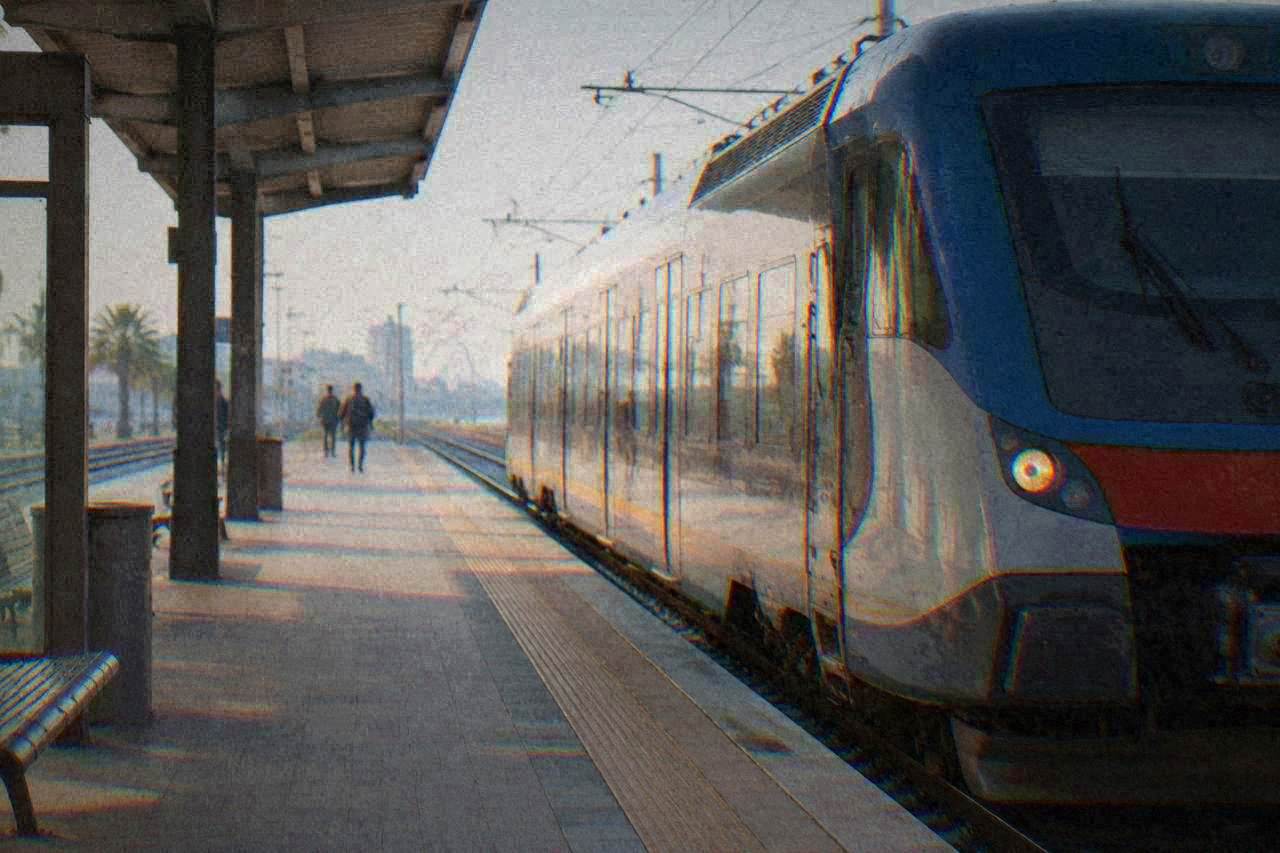
You take a direct Trenitalia regional train from Rimini station to Ravenna station, a journey the timetable and aggregator summaries give as about 42 to 58 minutes, with no change of train required. Regional services run regularly along this Emilia-Romagna coast line, tickets go on sale through the operator's own channels, and no fare is fixed on this page because the live price belongs to the operator's ticket system.
The route is a straightforward regional connection on the flat plain between the coast and the city. Rimini's station is the region's principal coastal rail hub, and Ravenna is the terminus of the line that runs up the coast plain through the smaller towns between them. Because both cities sit on low ground with no hills or tunnels of note between them, the run is quick and the timetable summaries describe it as a direct regional service throughout.
Buying a ticket follows the standard Italian regional-train procedure. Tickets for regional services are sold at station machines, at ticket counters and through the operator's app, and a regional ticket must be validated before boarding where paper tickets are used. The fare for this journey is set by the operator and changes with its own pricing rules, so check the live price at the station or in the app rather than relying on any figure quoted second-hand. Seat reservations are not part of the Italian regional system: you buy a ticket for the route, take any free seat, and the train runs on the published timetable.
One practical note for anyone riding the line in late 2026: the regional rail summaries carried news of bridge maintenance on the Ravenna to Rimini line across two weekends in October 2026, with regional trains replaced by buses on those dates. That work belongs to a specific window and is not a permanent feature of the route, but it is a reminder that weekend engineering works appear on Italian regional lines and that the operator's journey planner is the place to check the day before you travel.
Where Does The Rimini To Ravenna Train Arrive, And Is The Station Central?
The train arrives at Ravenna station, which sits at the edge of the compact historic centre, and the walk from the platform to the first UNESCO monuments is a short one on flat ground. The station is also the hub for Start Romagna buses to the beach resorts and for the cruise-port shuttle, so it works as the single arrival point for a mosaic visit, a beach day or a cruise transfer alike.
Ravenna's historic centre is small and walkable, and the station sits a short walk from its western edge. That geography shapes every visit: you step off the Rimini train, leave the station forecourt, and the streets of the centre run ahead of you with the major monuments strung among them. There is no need for a taxi or a bus to reach the mosaics, and the flat Po-plain terrain means the whole walk is level.
The station is also where the region's other connections converge. Direct regional trains run from here to Bologna Centrale via Castelbolognese, a route of about 84 km that takes about 1 hour to 1 hour 20, and the same station serves the coast line you have just arrived on. The municipal transport page confirms that the Visit Ravenna shuttle to the Porto Corsini cruise terminal picks up near the station as well as in the centre, running about 30 minutes to the port in the 2026 season page, which covered 3 May to 26 October. If Rimini was the start of your trip and Ravenna is a stage rather than the destination, the station is the natural base.
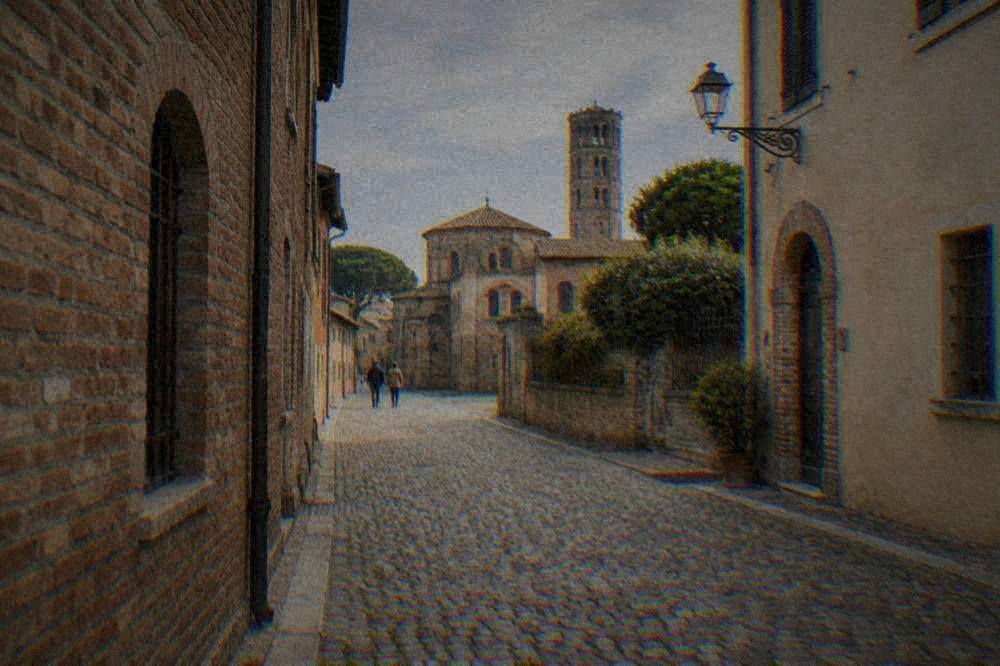
The question of how long to give the city after the train arrives has its own answer, and the site's planning page on how many days to spend in Ravenna covers it in detail. The short version: the historic centre's monument cluster is tight enough that a focused day reaches the headline sights, while a second day adds Sant'Apollinare in Classe, the Classe area museums and the quiet streets around Dante's tomb. Travellers weighing the two cities against each other can also read the site's comparison in which is better, Ravenna or Rimini, which sets the mosaic city beside the resort town on museums, beaches and atmosphere.
What Can You See In Ravenna On A Day Trip From Rimini By Train?
A day trip by train gives you Ravenna's eight UNESCO Early Christian monuments, of which the Mausoleum of Galla Placidia, the Neonian Baptistery, San Vitale, Sant'Apollinare Nuovo, the Arian Baptistery, the Archiepiscopal Chapel and the Mausoleum of Theodoric all sit in or beside the centre, with Sant'Apollinare in Classe a short ride away. Dante's tomb is free to enter, and the Ravenna Mosaici combo ticket covers the main church group with reduced fares from EUR 9.50.
The UNESCO listing, inscribed in 1996, names exactly eight monuments, and a day visitor should treat that list as the spine of the itinerary. The basilica of San Vitale and the Mausoleum of Galla Placidia stand next to each other and form the visual heart of any visit, with gold-ground glass mosaic covering the walls and vaults. The Neonian Baptistery sits a few streets away, and Sant'Apollinare Nuovo lines a quiet street with processional mosaics running its full length. The Ravenna Mosaici ticket page ties these together: the 2-monument combo covers Sant'Apollinare Nuovo and San Vitale from EUR 9.50 reduced, the 4-monument version adds Galla Placidia and the Neonian Baptistery from EUR 11.50 reduced, and the 5-monument version adds the Archiepiscopal Museum and Chapel of St Andrew from EUR 13.50 reduced. The ticket is valid one week, allows one admission per monument, and requires a booked entry time for each one, with a timed stay of a few minutes inside Galla Placidia and the Neonian Baptistery.
Beyond the UNESCO core, the ticketed sights carry their own prices, all published on their official pages. The Mausoleum of Theodoric costs EUR 6, with a concession at EUR 5 and EUR 2 for ages 18 to 25, or EUR 7 combined with the Arian Baptistery and Theodoric's Palace. The Arian Baptistery alone is EUR 3. Sant'Apollinare in Classe, in the Classe area outside the centre, is EUR 6 full and EUR 2 reduced. Dante's tomb is free, open 10:00 to 18:00 in the November to March period and 10:00 to 19:00 from April to October, and closed 25 December. The MAR art museum is EUR 8 full, EUR 6 reduced and EUR 3 for students.
| Sight | Position | Ticket | Notes from the official pages |
|---|---|---|---|
| San Vitale and Mausoleum of Galla Placidia | Adjacent, central | Ravenna Mosaici combo | Timed entry, a few minutes inside each |
| Neonian Baptistery | Central | Ravenna Mosaici combo | Timed entry, reduced from EUR 11.50 on the 4-monument ticket |
| Sant'Apollinare Nuovo | Central | Ravenna Mosaici combo | Covered from the 2-monument ticket |
| Mausoleum of Theodoric | North of the centre | EUR 6, EUR 5 concession | EUR 7 combined with the Arian Baptistery and Theodoric's Palace |
| Sant'Apollinare in Classe | Classe area, outside the centre | EUR 6, EUR 2 reduced | Reached by bus or bike, not on foot |
| Dante's tomb | Central | Free | Closed 25 December |
Planning the day around these openings matters. The Ravenna Mosaici hours page gives 9:00 to 19:00 for the summer period running to 2 November 2026, then 10:00 to 17:00 from 3 November 2026 to 6 March 2027, with 25 December and 1 January closed. An early train from Rimini therefore buys more monument time than a late one, and in winter the last admissions come in the late afternoon. Anyone arriving off a cruise ship rather than a train has a different clock again, and the site's page on what to see in Ravenna in one day breaks the ordering down hour by hour.
Is The Train From Rimini To Ravenna Better Than Driving Or The Bus?
The direct regional train is the simplest link between the two cities because it runs into Ravenna station beside the historic centre, avoids the camera-enforced limited traffic zone that guards the old streets, and removes any search for parking. A car wins only if the day plan includes Sant'Apollinare in Classe, the Po Delta or the beach resorts, which sit outside the walkable core; the bus network covers those too, but with timetables to check rather than a rail frequency.
Ravenna's historic centre is protected by a ZTL, a limited traffic zone enforced by cameras at gates that differ in their hours, some running 7:30 to 20:30 and some around the clock. A daily permit is bought at the 24-hour parcometers, and hotels can issue a guest authorisation, but for a day visitor arriving from Rimini the cleaner answer is simply not to bring a car into the centre at all. The train removes that whole calculation, and the station's position a short walk from the monuments means the car would sit unused all day anyway. The rest of the planning pages sit on Ravenna Travel Guide.
The counter-case is geography. Ravenna is an inland city about 8 km from the coast, and its beach resorts, Marina di Ravenna, Punta Marina, Lido Adriano, Lido di Classe and Lido di Savio, are strung along about 35 km of shoreline reached by Start Romagna buses from the station. Sant'Apollinare in Classe and the Classis Ravenna museum sit in the Classe area outside the centre. If the Rimini day trip is meant to mix mosaics with marshes, pinewoods or the Po Delta, a car or the bus network does that work better than the rail line, which stops at the city. The site's fuller treatment of the connection, including the comparison with driving, sits in the Rimini to Ravenna guide, and readers heading the other way for the mountain republic can follow the separate question of getting to San Marino from Rimini.
For a pure city visit, the rail answer holds. The regional timetable describes regular services, the journey runs about 42 to 58 minutes, and the arrival point could hardly be better placed. One arrival detail worth knowing in advance is covered in the site's answer on whether Ravenna has a train station, which describes the station and its surrounding block in more detail than a timetable can.
What Should You Know About Regional Trains, Strikes And Timetables On This Route?
Regional trains in Emilia-Romagna run on fixed published timetables, tickets are validated before boarding, and strikes are announced in advance with guaranteed service windows, so the practical advice is to check the operator's journey planner the day before travel. The Ravenna to Rimini line saw weekend replacement buses for bridge works in October 2026, which shows why a last-minute check matters more on regional lines than on high-speed routes.
The mechanics of an Italian regional journey are simple once stated. Buy the ticket, validate it if it is paper, board any car, and take a free seat. Regional trains carry no seat reservations, and the ticket is for the route rather than a specific departure, which gives flexibility on the return leg: a day visitor who decides Ravenna deserves one more monument can take a later train without touching the ticket. The one caveat is validation, because an unvalidated paper ticket can draw a fine from the on-board inspector.
Strikes follow a published pattern. The October 2026 listings included a 24-hour Start Romagna bus strike on 9 October affecting Ravenna, Forlì-Cesena and Rimini, and national rail strikes at the end of that month, with guaranteed service windows typically protecting early-morning and evening departures. None of this is specific to the Rimini line, and none of it should scare anyone off the train. It simply means the journey planner deserves a look the evening before, and the station departure board deserves a look on the day.
| Connection from Ravenna station | Service | Time given by the timetables and summaries |
|---|---|---|
| Ravenna to Rimini | Direct regional train | About 42 to 58 minutes |
| Ravenna to Bologna Centrale | Direct regional train via Castelbolognese | Fastest about 57 to 60 minutes, typically 1 hour to 1 hour 20 |
| Ravenna station to historic centre | On foot | A short walk |
| Ravenna station to Porto Corsini cruise terminal | Visit Ravenna shuttle | About 30 minutes, 3 May to 26 October in the 2026 page |
| Ravenna station to the beach resorts | Start Romagna bus | Timetables published per line, winter booklet in force |
Weather barely affects the decision. Ravenna's climate is the flat Po-valley and Adriatic-coast type, with hot humid summers, cold damp winters that can bring fog, and mild springs and autumns, and the train runs through all of it. Fog can slow road traffic on the plain more than it slows the rail line, which is one more quiet argument for the train in the colder months.
Should You Book A Guided Tour Of Ravenna After Arriving By Train?
A guided tour is worth booking if the day is short and the mosaics are the point, because the monuments reward explanation and the combo ticket's timed entries take planning, and a guided walk handles both. Tours that include admission remove the ticket-booking step entirely, private walks let a family or group set the pace, and the operator's live listing holds the current price, rating and availability for each option.
The choice between going alone and going guided comes down to time and appetite for context. The mosaics of San Vitale and Galla Placidia are visually immediate, but their programmes carry meaning that a guide unpacks, and the ticketing rules, one entry time per monument, a few minutes inside two of the most visited spaces, reward someone who has done it before. A guided walk bundles the ordering problem and the commentary into one purchase.
The related tour above is a guided tour of the mosaics that can start from Bologna or from Ravenna itself, so a Rimini day-tripper arriving on the regional train can join the Ravenna start rather than backtracking. The listing describes what the walk covers and carries its own live price and rating. The trio of options shown higher up this page, the same mosaics day trip, a private city walk of the top sights and monuments, and a budget private walking tour with mosaics, spans the range from shared guiding to private groups, and every price and review figure renders from the listings themselves. Anyone wanting to compare the guided options against plain entry tickets can read the site's answer on where to buy tickets for the Ravenna mosaics before choosing.
Common Questions About The Rimini To Ravenna Train
How do I get a train from Rimini to Ravenna?
Catch a direct regional train from Rimini station to Ravenna station. The timetable and aggregator summaries give the journey as about 42 to 58 minutes, with regular regional services on the route and no change of train needed.
How long is the train ride from Rimini to Ravenna?
About 42 to 58 minutes on the direct regional service, according to the timetable and aggregator summaries. It is a short coast-plain run with no high-speed trains on the route.
How much does the Rimini to Ravenna train cost?
The fare is set by the operator and is not fixed on this page. Check the live price at the station machines, the ticket counter or the operator's app when you buy, since regional fares belong to the operator's own ticket system.
Is Ravenna train station close to the centre?
Yes. The station sits at the edge of the compact historic centre, and the walk to the first UNESCO monuments is a short one on flat ground. No bus or taxi is needed to reach the mosaics.
Can I do Ravenna as a day trip from Rimini?
Yes. A morning regional train, a day among the eight UNESCO monuments and Dante's tomb, and an evening train back is a workable shape for the visit, and the combo ticket's one-week validity with booked entry times helps the ordering.
Do I need to book Ravenna mosaic tickets in advance?
The Ravenna Mosaici system requires a booked entry time for each monument on the combo ticket, and Galla Placidia and the Neonian Baptistery operate timed stays of a few minutes, so booking ahead is the practical default in busy periods.
The regional line between Rimini and Ravenna is one of the easier rail days in Emilia-Romagna: a direct train, a sub-hour run, and an arrival point a short walk from eight UNESCO monuments and the tomb of Dante. Check the operator's journey planner the evening before, buy the ticket from the operator's own channels, and let the rest of the day belong to the mosaics.