What Can I See And Do In Ravenna In One Day?
A one-day plan for Ravenna: the eight UNESCO mosaic monuments, Dante's tomb, the food of Romagna, and the wetlands and coast just outside the city.
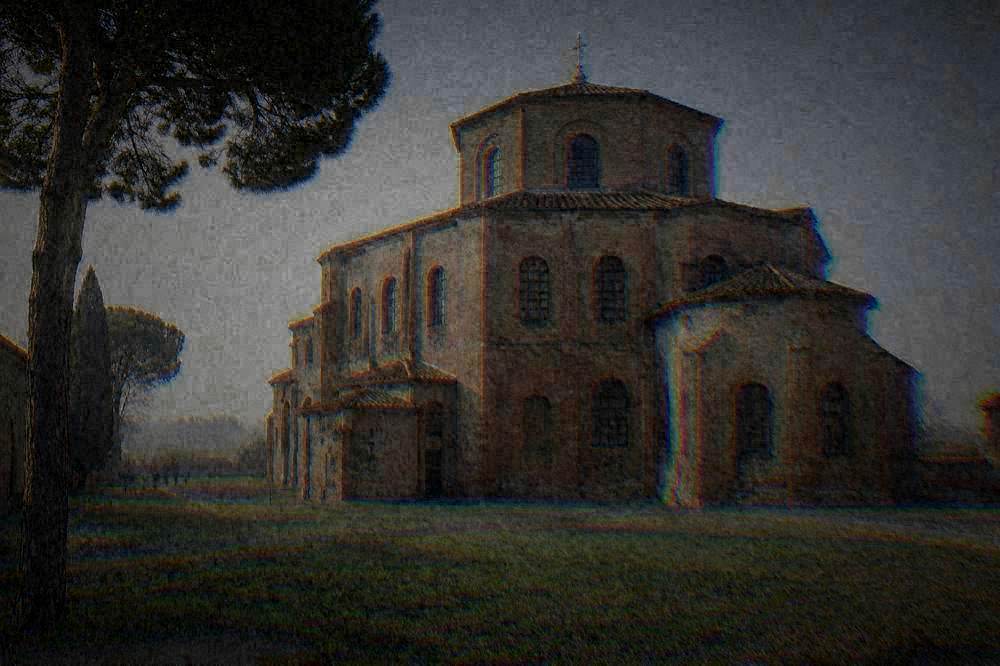
Ravenna, in Emilia-Romagna, is a flat Po-valley city whose historic centre sits inland, about 8 km from the Adriatic beaches at Marina di Ravenna and Punta Marina. A single day is enough for what the city is known for: the eight UNESCO Early Christian monuments with their Byzantine mosaics, listed by UNESCO since 1996, plus Dante's tomb, which the municipal page confirms is free to enter. The centre is compact and walkable, the railway station is a short walk from the main sights, and the Ravenna Mosaici combo ticket groups the mosaic churches into one purchase valid one week, though one day is enough to use it. For a fuller itinerary breakdown, see the one-day Ravenna itinerary and the wider things to see and do in Ravenna page.
What Can I See And Do In Ravenna In One Day?
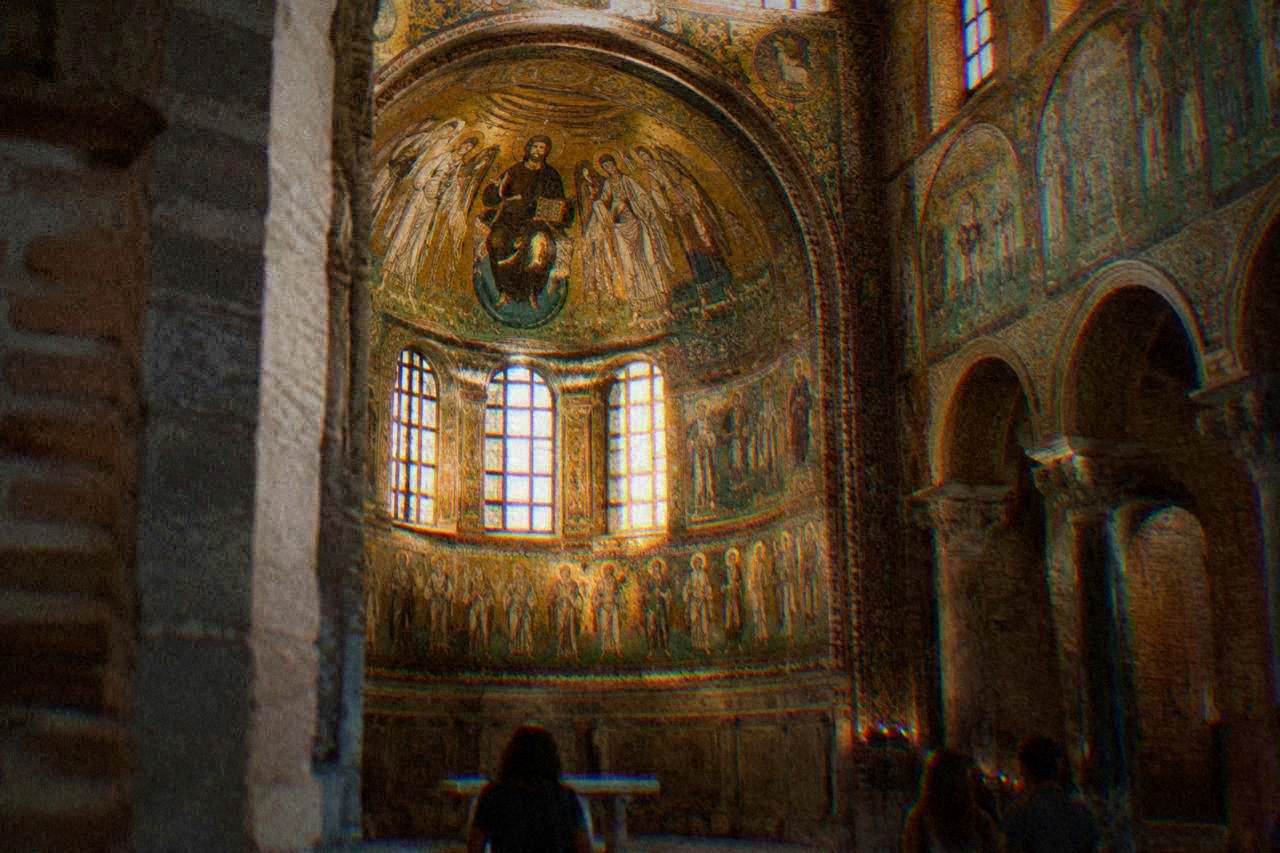
In one day you can see San Vitale, the Mausoleum of Galla Placidia, the Neonian Baptistery, Sant'Apollinare Nuovo and the Archiepiscopal Museum on the Ravenna Mosaici combo ticket, then walk to Dante's tomb, which the municipal page lists as free, and still have an afternoon for the Mausoleum of Theodoric or a food-focused stroll. Sant'Apollinare in Classe, one of the eight, sits outside the centre and needs a bus or taxi, so a one-day plan usually pairs it with a second visit.
To visit the monuments on that circuit, book a mosaic entry ticket here.
That is the honest shape of a single day. Five of the eight UNESCO monuments cluster within a few minutes' walk of each other inside the historic centre, which is why Ravenna rewards short stays better than cities twice its size. The remaining three, the Arian Baptistery, the Archiepiscopal Chapel and Sant'Apollinare in Classe, spread slightly wider, and the chapel is reached through the Archiepiscopal Museum on the same combo ticket. Details on how the ticket works and what it costs are on the Ravenna mosaic ticket buying page.
Timing matters more than distance. The Ravenna Mosaici official page gives summer hours of 9:00 to 19:00 from 8 March to 2 November 2026, and winter hours of 10:00 to 17:00 from 3 November 2026 to 6 March 2027, with the whole circuit closed on 25 December and 1 January. Galla Placidia and the Neonian Baptistery require a booked entry time and allow only a few minutes inside, a rule the ticket terms state plainly, so those two should be booked early in the day and used as fixed appointments around which everything else flows.
How Long Do The Ravenna Mosaics Take, And In What Order?
The mosaic circuit takes roughly half a day at a steady pace, and the order that works on the official hours is San Vitale first, then Galla Placidia and the Neonian Baptistery on their booked slots, then Sant'Apollinare Nuovo and the Archiepiscopal Museum. The combo ticket is valid one week with one admission per monument, so nothing forces a single-day rush, and the timing question has its own detailed answer elsewhere on this site.
The how long the mosaics take page carries the fuller breakdown of timings per monument. The reduced combo fares start at EUR 9.50 for two monuments, Sant'Apollinare Nuovo and San Vitale, rising to EUR 11.50 for four and EUR 13.50 for five on the Ravenna Mosaici prices page, which also states the full prices and who qualifies for reductions: students, non-accredited journalists and paying groups over 20, with free entry for children 0 to 10, Ravenna residents, ICOM members, licensed guides, and disability plus companion. San Vitale admits visitors in scheduled slots, the page says, which keeps the flow moving even in busy months.
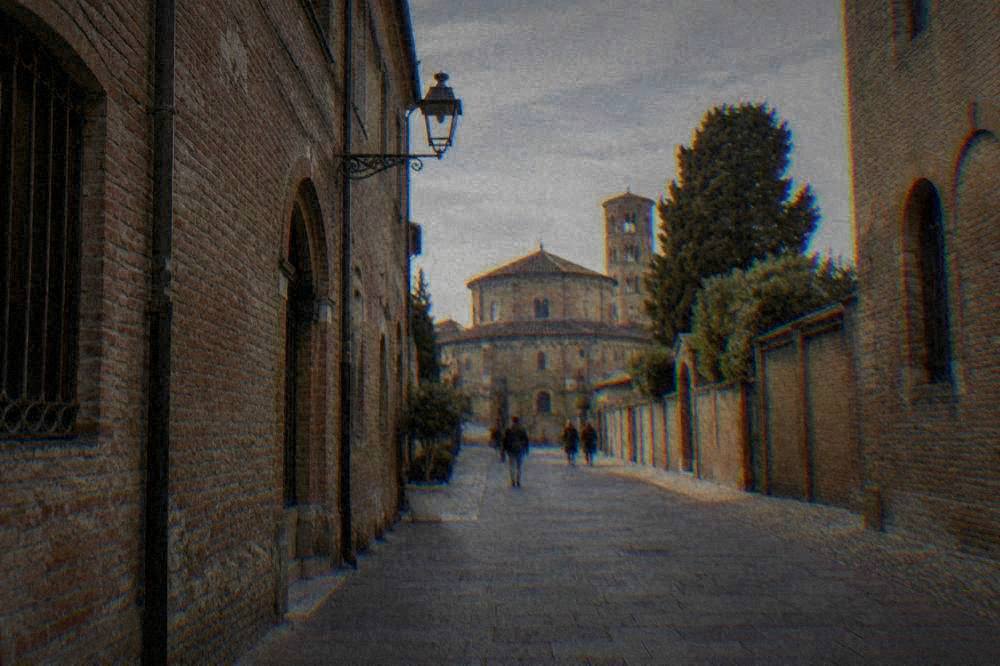
A practical morning looks like this. Book the earliest Galla Placidia slot available, use the waiting time in San Vitale next door, then cross to the Neonian Baptistery and the Archiepiscopal Museum, and finish at Sant'Apollinare Nuovo before lunch. That leaves the afternoon free for the outliers and the food stops described below.
| Monument | Ticket situation | Hours on the official page |
|---|---|---|
| San Vitale | Combo ticket, slot admission | Summer 9:00 to 19:00, winter 10:00 to 17:00 |
| Mausoleum of Galla Placidia | Combo ticket, booked entry time, a few minutes inside | Same circuit hours, last admission 16:45 in winter |
| Neonian Baptistery | Combo ticket, booked entry time | Same circuit hours |
| Sant'Apollinare Nuovo | Combo ticket | Same circuit hours |
| Archiepiscopal Museum and Chapel | Combo ticket | Same circuit hours |
| Mausoleum of Theodoric | EUR 6, EUR 5 concession, EUR 2 ages 18 to 25, or EUR 7 combined with the Arian Baptistery and Theodoric's Palace | 8:30 to 17:30 on the Visit Ravenna page |
| Sant'Apollinare in Classe | EUR 6, EUR 2 reduced | Monday to Saturday 8:30 to 19:00, Sunday 13:30 to 19:00 |
| Dante's tomb | Free | 10:00 to 19:00 April to October, 10:00 to 18:00 November to March |
Guided options compress the same circuit. The walks below are run by local operators and cover the monuments with a guide who explains the mosaics; prices, ratings and durations render on the listings themselves.
What Else Fills A Day In Ravenna Beyond The Mosaics?
Dante's tomb, the Tomba di Dante, is free and open 10:00 to 19:00 from April to October and 10:00 to 18:00 from November to March, and the attached Museo Dante costs EUR 5 with a EUR 3.50 reduced fare on the vivadante ticket page. Piazza del Popolo, the pedestrianised core around it, and the Classis Ravenna museum in the Classe area, EUR 8 full and EUR 6 reduced, fill the gaps between monuments.
Dante died and is buried in Ravenna, and the tomb sits a short walk from the mosaic circuit, so it slots into any one-day plan without transport. The Classis Ravenna museum, in the former sugar factory by the basilica in Classe, tells the city's story and absorbed the collection of the TAMO mosaic museum, which closed in 2023, so anyone researching older itineraries should note that TAMO no longer exists as a separate stop. Classis Ravenna is open daily 10:00 to 17:00 with last entry 50 minutes before closing, and it pairs naturally with Sant'Apollinare in Classe since both sit in the same area outside the centre. Everything else covered here is indexed on Ravenna Travel Guide.
Inside the centre, the MAR art museum charges EUR 8 full, EUR 6 reduced, EUR 3 for students, and the Museo Nazionale di Ravenna charges EUR 7 full and EUR 2 reduced, closed Mondays. One dated item from the events file: a Nicola Samori exhibition runs 17 October 2026 to 17 January 2027 at the MAR, so an autumn or winter one-day visit can add contemporary painting to the Byzantine gold. The Ravenna Festival's autumn trilogy, "Mozart 1791", runs 13 to 17 November 2026 at Teatro Alighieri for anyone planning a November day around an evening performance.
Where Does Food Fit Into One Day In Ravenna?
Lunch and an afternoon snack belong to piadina, the flatbread of Romagna, and to cappelletti, the filled pasta the Visit Ravenna food pages describe as a local staple, eaten in the centre between the morning mosaics and the afternoon outliers. A cover charge, the coperto, is legal when printed on the menu, and tipping is not obligatory, so the itemised bill is the thing to check rather than any rule of thumb.
Ravenna's food identity is Romagnola: piadina stretched and cooked on a terracotta disc, cured meats, squacquerone cheese, and cappelletti in brodo. The where to buy piadina page covers the bread's shops and kiosks, and the food-tour options on this site pair tastings with the monuments for anyone who wants both explained in one outing. No dish price belongs on this page; posted menus in the centre are the check to make.
The afternoon rhythm matters. The mosaic circuit's winter hours close at 17:00 and the summer hours at 19:00, so in winter the last monument slot lands before an early aperitivo, while in summer there is room for a museum, a walk in Piazza del Popolo, and a later dinner. The climate table, modelled ERA5 normals for 1991 to 2020, puts November as the wettest month at 78.3 mm and July the driest at 38.1 mm, which is worth weighing when the day depends on walking between churches.
Can You Add Nature Or The Coast To A One-Day Ravenna Visit?
The Po Delta wetlands sit close enough to Ravenna to fill a half day: Punte Alberete, Valle Mandriole and the Pineta di San Vitale are the birding marsh and pinewood areas, and the Cervia salt pans visitor centre on Via Bova 61 opens weekends and holidays, 10:00 to 12:30 and 14:30 to sunset from September to November. Flamingos are present year-round at both the Comacchio salt pans and Cervia.
The beaches, Marina di Ravenna, Punta Marina, Lido Adriano, Lido di Classe and Lido di Savio along about 35 km of coast, are reached by Start Romagna bus from the station, so a beach afternoon is possible but competes with the monuments for the same hours. A one-day visitor who wants both nature and mosaics usually picks the wetlands over the sand, because the marshes and the birds are the thing this flat landscape does that the coast resorts share with half of Romagna. Note one seasonal detail from the Comune press release: a 25,000 cubic metre sand barrier is built each autumn at Punta Marina, Marina di Ravenna Sud and Lido di Savio and stays in place until spring 2027, which changes the look of those beaches in the cooler months.
For a guided version, the operator below runs a birdwatching excursion into the wetlands with 40 species guaranteed on the listing. You can Check availability on the operator's live listing, and the birdwatching tour page on this site describes what the trip covers.
Cycling is the other way to reach the pinewoods and the coast, and a guided e-bike outing is one of the trio below.
Common Questions About One Day In Ravenna
What can I see and do in Ravenna in one day?
See San Vitale, Galla Placidia, the Neonian Baptistery, Sant'Apollinare Nuovo and the Archiepiscopal Museum on the combo ticket, walk to Dante's free tomb, eat piadina or cappelletti in the centre, and add either the Mausoleum of Theodoric, the Classis Ravenna museum, or a guided trip into the Po Delta wetlands.
Is one day enough for Ravenna?
One day covers five of the eight UNESCO monuments plus Dante's tomb comfortably, because the centre is walkable. Sant'Apollinare in Classe and the Classis museum sit outside the centre and need extra travel time, which is why the site's guidance on how many days you need in Ravenna suggests more when the outliers matter to you.
How much do the Ravenna mosaic monuments cost?
Reduced combo fares start at EUR 9.50 for two monuments, EUR 11.50 for four and EUR 13.50 for five, per the Ravenna Mosaici prices page, which lists the full prices and the free-entry categories, including children 0 to 10 and Ravenna residents.
What is free in Ravenna?
Dante's tomb is free, the state museums and monuments are free on the first Sunday of the month per the state museum listings, and children 0 to 10 enter the Ravenna Mosaici circuit free, as do Ravenna residents.
Can you visit the beach from Ravenna in one day?
Yes, by Start Romagna bus from the station to Marina di Ravenna or the other lidos, which sit 8 km or more from the centre. It works as a half-day add-on, but it competes with the mosaic hours, so choose the beach or the wetlands rather than both.
One day in Ravenna, planned around the combo ticket's booked slots and finished with Romagna food, delivers the core of what the city is known for, and the two-day itinerary is there when a second day becomes possible.