Is There Anything To Do In Ravenna?
Yes: Ravenna packs eight UNESCO mosaic monuments, Dante's tomb, museums, food traditions, beaches 8 km away and easy day trips into a small walkable centre. Here is what fills a visit.
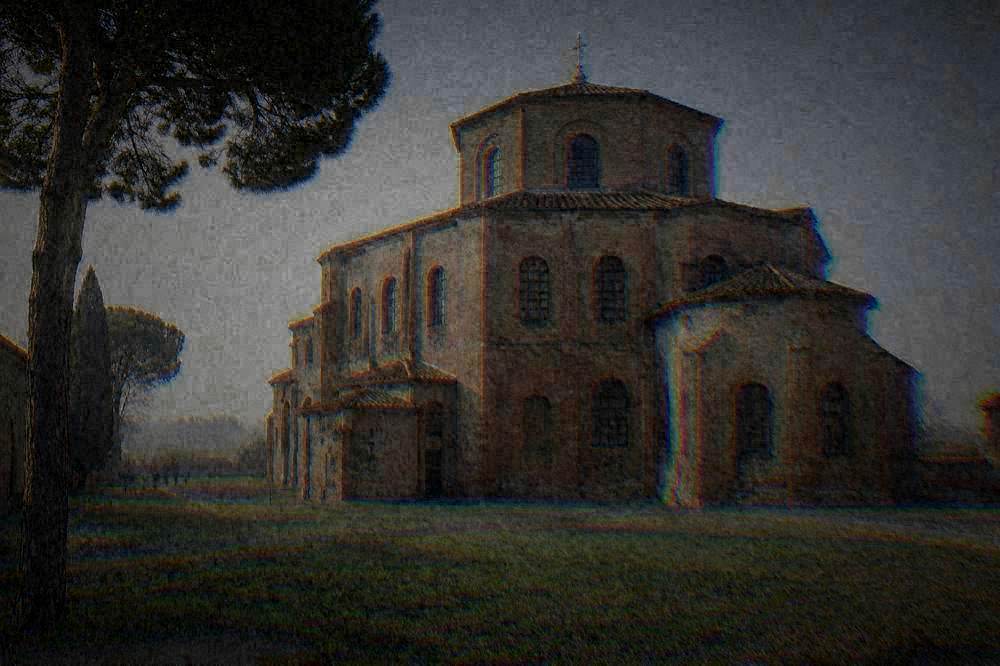
Ravenna, a flat Po-valley city in Emilia-Romagna whose historic centre sits inland about 8 km from the Adriatic, is one of the smallest cities in the world carrying eight UNESCO World Heritage monuments. UNESCO inscribed the Early Christian Monuments of Ravenna in 1996, and the listing names the Mausoleum of Galla Placidia, the Neonian Baptistery, Sant'Apollinare Nuovo, the Arian Baptistery, the Archiepiscopal Chapel, the Mausoleum of Theodoric, San Vitale and Sant'Apollinare in Classe. Add Dante's tomb, a compact pedestrian centre, a food tradition built on piadina and cappelletti, and beach resorts a bus ride away, and the question answers itself. This page lays out what actually fills the days, in the order a visitor would meet them, and points to the deeper pages on Ravenna Travel Guide for each.
Is There Anything To Do In Ravenna?
Yes, there is a great deal to do in Ravenna: the city holds eight UNESCO-listed Early Christian monuments with Byzantine mosaics, Dante's tomb, a free-entry basilica crypt, several museums, a food culture built on piadina and cappelletti, beaches 8 km away at Marina di Ravenna and the other lidi, and day trips to Bologna, Ferrara, Comacchio and the Po Delta. The historic centre is compact and walkable.
That is the honest inventory. The eight monuments alone take a full day when ticket times are booked properly, because the Ravenna Mosaici combo ticket is valid one week with one admission per monument and each monument needs an entry time reserved. The Visit Ravenna and Ravenna Mosaici pages carry the current hours and prices, and reduced fares start at EUR 9.50 for the two-monument combination covering Sant'Apollinare Nuovo and San Vitale. Beyond the monuments, the municipal tourism page lists museums, events and seasonal openings, so the programme fills whatever length of stay a visitor gives it. For a first cut of the possibilities, the things to do overview page sorts the options by interest, and the answer page on what Ravenna is famous for explains why the mosaics dominate every list.
What Are The Eight UNESCO Monuments And How Do You See Them?
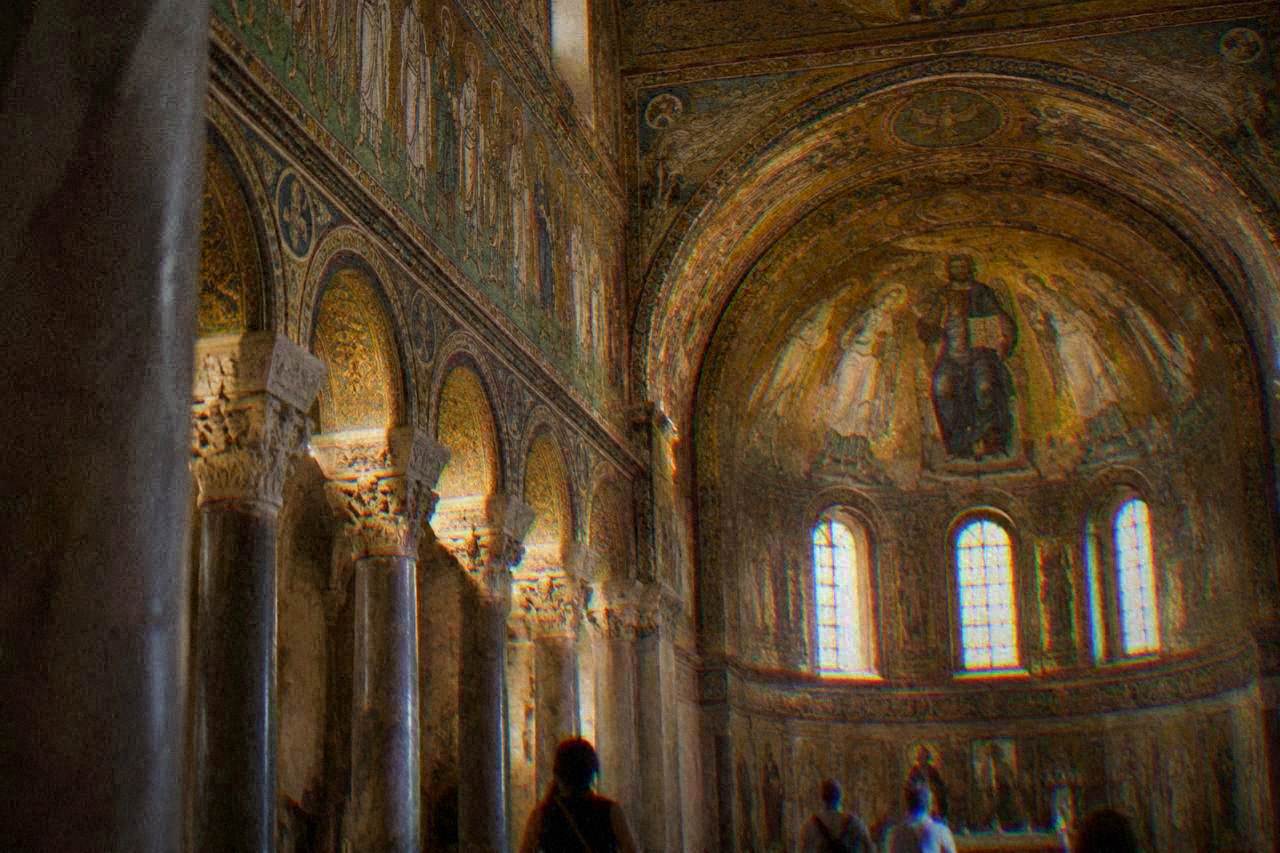
The eight UNESCO monuments are the Mausoleum of Galla Placidia, the Neonian Baptistery, Sant'Apollinare Nuovo, the Arian Baptistery, the Archiepiscopal Chapel, the Mausoleum of Theodoric, San Vitale and Sant'Apollinare in Classe. The Ravenna Mosaici combo covers five of them, reduced fares start at EUR 9.50 for two monuments, and the ticket is valid one week with one admission per monument.
The grouping matters for planning. The 2-monument combo covers Sant'Apollinare Nuovo and San Vitale; the 4-monument version adds Galla Placidia and the Neonian Baptistery; the 5-monument version adds the Archiepiscopal Museum and the Chapel of St Andrew. Galla Placidia and the Neonian Baptistery require a booked entry time and allow only a few minutes inside, and San Vitale admits in slots, so the monuments with timed entry shape the day more than the walking distances do. Reduced prices apply to students, non-accredited journalists and paying groups over 20, and entry is free for children 0 to 10, residents of Ravenna, ICOM members, licensed guides, and visitors with a disability plus companion, all stated on the official ticket page. Sant'Apollinare in Classe sits in the Classe area outside the centre, near the Classis Ravenna museum, and is ticketed separately at EUR 6 full and EUR 2 reduced.
| Monument group | What the combo covers | Reduced price (Ravenna Mosaici) | Notes from the official pages |
|---|---|---|---|
| 2 monuments | Sant'Apollinare Nuovo, San Vitale | from EUR 9.50 | one admission per monument |
| 4 monuments | adds Galla Placidia, Neonian Baptistery | from EUR 11.50 | timed entry, brief stays |
| 5 monuments | adds Archiepiscopal Museum, Chapel of St Andrew | from EUR 13.50 | valid one week |
| Mausoleum of Theodoric | separate state ticket, EUR 6, concession EUR 5, ages 18 to 25 EUR 2 | EUR 2 to 6 | combined with Arian Baptistery and Theodoric's Palace at EUR 7 |
| Sant'Apollinare in Classe | separate state ticket, EUR 6, reduced EUR 2 | EUR 2 to 6 | in Classe, outside the centre |
| Dante's tomb | free | free | 10:00 to 18:00 November to March |
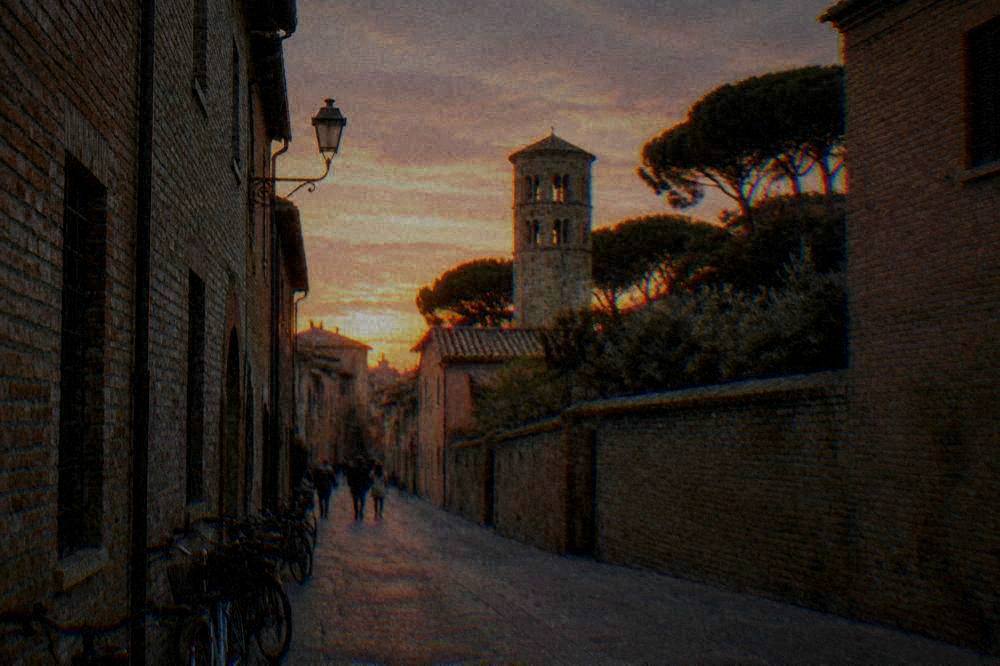
A guided walk stitches the monuments together and removes the ticket logistics entirely, which is why the guided options are the most-booked products on this site. The guided mosaics tour with admission included covers the highlights with tickets handled, and you can Check availability at the operator's live listing.
What Can You Do In Ravenna Beyond The Mosaics?
Beyond the mosaics, Ravenna offers Dante's tomb, which is free, the Museo Dante at EUR 5 reduced to EUR 3.50, the National Museum at EUR 7 and EUR 2 reduced, the MAR art museum at EUR 8 with EUR 6 reduced admission, the Classis Ravenna city museum at EUR 8 and EUR 6 reduced, Piazza del Popolo, the beach lidi 8 km away, and the Po Delta wetlands with year-round birdwatching.
Dante died and is buried in Ravenna, and the tomb is free to enter, open 10:00 to 18:00 from November to March and 10:00 to 19:00 from April to October. The Museo Dante, closed Mondays, carries the full story at EUR 5 with a EUR 3.50 reduced rate. The museums fill the gaps between monuments: the MAR hosts contemporary exhibitions alongside its permanent collection, the Classis Ravenna museum in the Classe area tells the city's story and absorbed the TAMO collection after that museum closed in 2023, and the National Museum's hours shift seasonally, so its official page is the place to confirm before a visit. The Cervia salt pans visitor centre on Via Bova 61 opens weekends and holidays, and flamingos are present there year-round, a detail few first pages of search results mention.
The coast is its own half day. The beach resorts of Marina di Ravenna, Punta Marina, Lido Adriano, Lido di Classe and Lido di Savio string along about 35 km of coast, reached by Start Romagna bus from the station, since the city itself is inland and offers no sea view from the centre. The answer page on whether Ravenna has a beach covers the transfer in detail.
Is There Anything To Do In Ravenna In The Evening And In Winter?
Ravenna keeps going after dark and through the winter: Teatro Alighieri runs an opera and dance season from December 2026, the Ravenna Festival autumn trilogy plays 13 to 17 November 2026, the Mariani association schedules eighteen concerts between October and May, and each October the Notte d'Oro opens monuments free in the evening. Winter monument hours run 10:00 to 17:00 from 3 November 2026.
The autumn trilogy "Mozart 1791" at Teatro Alighieri includes La clemenza di Tito and the Requiem, and the theatre's own season continues with Pagliacci in January 2027 and Death in Venice in February. The Nicola Samori exhibition runs at the MAR from 17 October 2026 to 17 January 2027, and a Theodoric-focused exhibition sits at the Biblioteca Classense from 10 October 2026 to 18 January 2027. None of this requires summer: the climate table's modelled 1991 to 2020 normals put November as the wettest month at 78.3 mm and July the driest at 38.1 mm, with a January mean of 5.1 C, so a coat and an umbrella answer the weather and the indoor programme answers the evening. Practical notes on the rainy-day angle are gathered on the site's guide to Ravenna in the rain.
| Season or slot | What is on | Where the dates come from |
|---|---|---|
| 13 to 17 November 2026 | Ravenna Festival autumn trilogy "Mozart 1791" | the festival's own programme |
| 17 October 2026 to 17 January 2027 | Nicola Samori exhibition | the MAR listing |
| 18 October to 20 December 2026 | Mariani Sunday chamber concerts, Sala Corelli | the association's season announcement |
| From December 2026 | Teatro Alighieri opera and dance season | the theatre's announced calendar |
| Each October | Notte d'Oro, free evening monument access | the municipal events page |
Food fills the remaining evenings. Piadina, the flatbread of Romagna, and cappelletti, the filled pasta served in broth, anchor the local tables, and the site's food answer page names the dishes worth ordering. A cover charge, the coperto, is legal when printed on the menu, and tipping is not obligatory, so the itemised bill is the thing to read.
What Day Trips Can You Take From Ravenna?
Day trips from Ravenna reach Bologna in about 1 hour to 1 hour 20 by direct regional train over about 84 km, Rimini on the coast, San Marino, Ferrara, Faenza, Cervia, Brisighella, Comacchio and the Po Delta, with Venice reachable as an organised excursion. Each is a separate destination, and the regional timetable governs the train options.
Bologna is the default trip, a regional ride with no change needed, and the fare sits on the operator's own pages rather than in any guide's memory. Faenza, the ceramics town, and Brisighella are shorter hops inside Romagna. Comacchio, the lagoon town with its own flamingo colony in the salt pans, pairs naturally with the Po Delta park, where birdwatching runs year-round. Venice, for cruise passengers and city-based visitors alike, is a full-day undertaking best done with a structured excursion, and the trio below includes the boat-and-gondola option that starts from the Ravenna port area. The day trips answer page breaks each one down by transport and time.
For visitors who prefer a private pace, or who want the mosaic story told to a small group, the private walk category covers both, and the focused option below is the one this site features for its combination of guidance and included admission.
Common Questions About Things To Fill A Ravenna Visit
Is there anything to do in Ravenna?
Yes. Eight UNESCO-listed monuments, Dante's free-entry tomb, four ticketed museums, a theatre and concert season, food traditions such as piadina and cappelletti, beaches 8 km away by bus, and day trips across Emilia-Romagna all sit inside or beside a walkable centre.
How many days do I need in Ravenna?
One full day covers the core monuments and Dante's tomb. Two days add the museums and Classe, and three allow a beach afternoon or a day trip. The site's page on how many days to spend sets out the pacing.
Can Ravenna be visited without a car?
Yes. The centre is walkable, the station sits a short walk from it, and Start Romagna buses run to the beaches and the Classe area from the station.
Is Ravenna worth visiting if you have already seen Rome and Florence?
The comparison is not architectural bulk but mosaic interiors of a kind found nowhere else in this concentration, which is what the UNESCO listing recognises. The site's page on whether Ravenna is worth visiting weighs the question directly.
Are the Ravenna monuments open in winter?
Yes. From 3 November 2026 to 6 March 2027 the Ravenna Mosaici sites open every day 10:00 to 17:00, closing only 25 December and 1 January, per the official hours page.
Ravenna answers the question with more than mosaics, but the mosaics are the reason the question gets asked, and one week of ticket validity means even a short stay can carry the full programme across several days.