What Are The Best Places To Stay In Ravenna, Italy?
Where to sleep in Ravenna: the historic centre, the area around the station, the Classe side of town and the beach lidos, with tourist tax figures and transport notes for each.
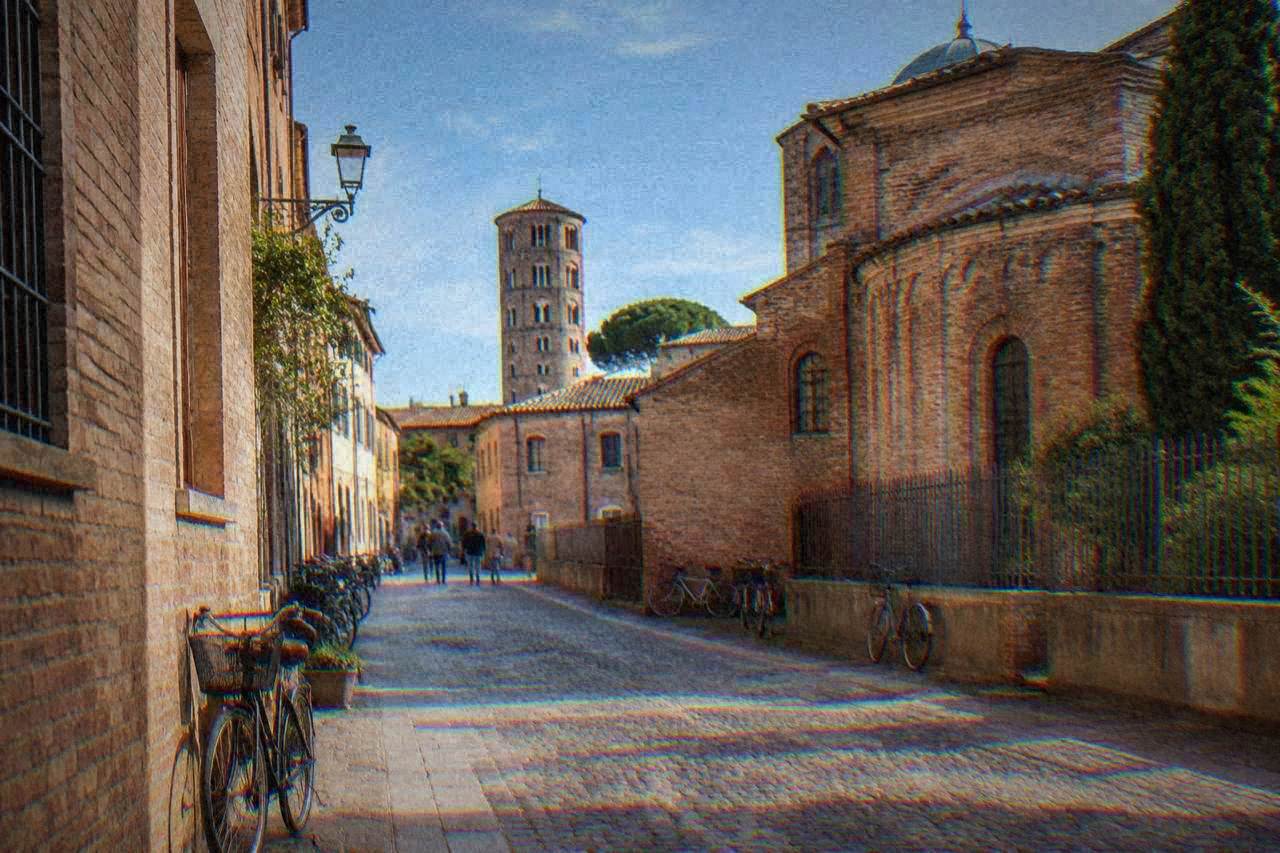
Ravenna is a small inland city on the flat Po plain of Emilia-Romagna, about 8 km from the Adriatic coast, and that geography settles most of the lodging question before any hotel is named. The historic centre holds the mosaics, Dante's tomb, the shops and the restaurants, all within a walkable core, and the railway station sits a short walk from that core. The beaches at Marina di Ravenna, Punta Marina, Lido Adriano, Lido di Classe and Lido di Savio are separate resorts strung along about 35 km of coast, reached by Start Romagna bus from the station, by bike or by car. Sleeping in the centre and visiting the coast is the arrangement the municipal tourism pages describe, and it is the one that costs the least travel time.
No hotel rate, nightly price or star-rated property name appears on this page, because those figures change constantly and belong to the booking pages. What the sources do give is structure: how the city lies, what each quarter offers a visitor, and what the overnight tourist tax adds to a bill. For a deeper area-by-area breakdown, the Ravenna neighbourhoods and lodging guide covers the same ground at greater length.
What Are The Best Places To Stay In Ravenna, Italy?
The best place to stay in Ravenna is the historic centre, inside the old street grid between the railway station and Piazza del Popolo, because every one of the UNESCO monuments except Sant'Apollinare in Classe is a short walk away and the station is a short walk from the edge of the centre. The second choice is the area around the station, useful for early trains and day trips. The coast is a third option, but the lidos are resorts 8 km or more from the centre and need a bus, a bike or a car for every mosaic visit.
To get to know the centre on foot, book a city highlights walking tour here.
That ranking is not a matter of taste, it is a matter of distance. The eight UNESCO Early Christian monuments listed by UNESCO are the Mausoleum of Galla Placidia, the Neonian Baptistery, Sant'Apollinare Nuovo, the Arian Baptistery, the Archiepiscopal Chapel, the Mausoleum of Theodoric, San Vitale and Sant'Apollinare in Classe, and seven of the eight stand inside or on the fringe of the centre. Sant'Apollinare in Classe is in the Classe area outside town, next to the Classis Ravenna museum, and is reached by bus or car. A visitor sleeping in the centre can walk to San Vitale, the Galla Placidia mausoleum, the Neonian Baptistery and Dante's tomb without crossing a single car park.
The centre also carries the practical weight of the visit. The Ravenna Mosaici ticket page shows winter hours of 10:00 to 17:00 from 3 November 2026 to 6 March 2027, and summer hours of 9:00 to 19:00 to 2 November 2026, and a short walk from bed to basilica makes an early timed entry at Galla Placidia or the Neonian Baptistery, both of which the ticket page says require booked entry times and allow only a few minutes inside, far easier to keep. The full Ravenna stay planning guide develops this comparison street by street.
Is The Historic Centre The Best Base For First-Time Visitors To Ravenna?
Yes, the historic centre is the best base for a first visit, because the mosaics, Dante's tomb, Piazza del Popolo, the shops and the restaurants are all inside one compact, flat, walkable grid, and the railway station sits a short walk from its edge. A visitor who sleeps in the centre never needs a bus, a taxi or a car to see the core sights, and the only UNESCO monument outside walking range, Sant'Apollinare in Classe, is a single bus or short drive away.**
The flatness matters more than it sounds. Ravenna sits on the Po plain, there is no hill anywhere in the centre, and the streets between San Vitale and Piazza del Popolo take minutes on foot. That is also why the centre fills with day visitors by late morning, then empties again in the evening, and the quietest hours in the mosaic churches belong to the people already sleeping inside the grid. The Archiepiscopal Museum, part of the five-monument combo ticket, closes at 17:00 in winter on the Ravenna Mosaici schedule, so a central bed buys an extra hour at the end of each day.
One car-related warning belongs here. The historic centre has a camera-enforced limited traffic zone, the ZTL, with gates that differ: some operate 7:30 to 20:30, others around the clock. A daily permit can be bought at the 24-hour parcometers, about EUR 8, and hotels inside the zone can issue a guest authorisation, so anyone driving to a central hotel should arrange access with the property before arrival. The Ravenna parking and ZTL guide and the transport pages carry the detail; the short version is that a central hotel plus no car is the simplest combination Ravenna offers.
Should You Stay Near Ravenna Station Instead?
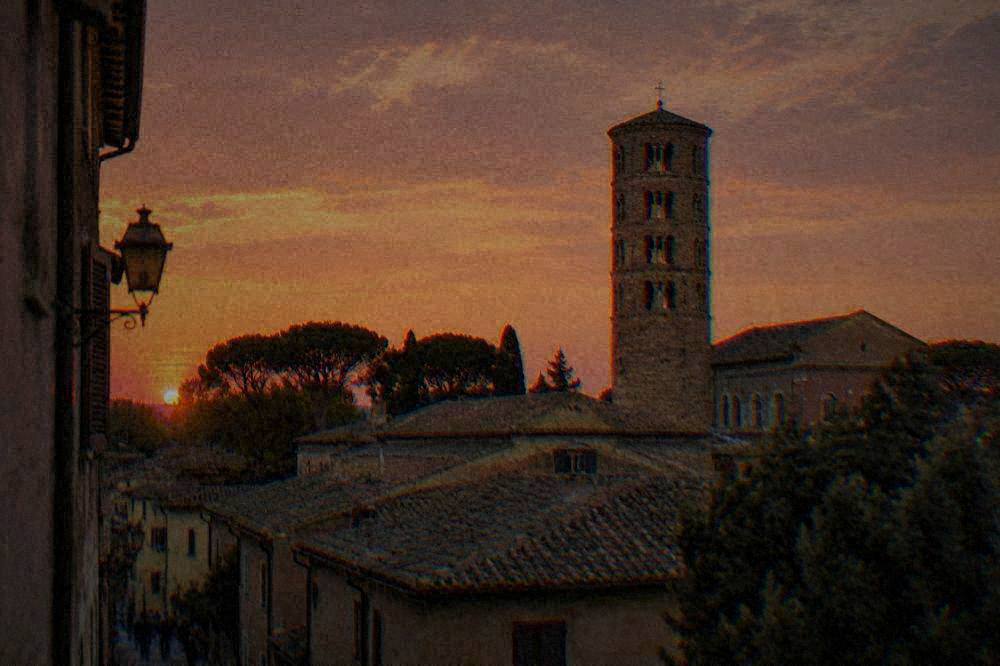
Staying near Ravenna station is the practical second choice: the station sits a short walk from the historic centre, so the penalty in sightseeing time is small, and the gain is easier handling of early trains, late arrivals and day trips to Bologna, Ferrara, Rimini or Faenza, which all run on direct regional services. The regional timetable gives about 1 hour to 1 hour 20 to Bologna Centrale, about 84 km away by direct regional train.**
The station quarter suits two kinds of traveller. The first is the day-tripper: anyone using Ravenna as a base for Bologna, Ferrara or the coast towns saves the walk across the centre twice a day. The day trips from Ravenna overview lists what is reachable by rail. The second is the cruise or ferry passenger: the Visit Ravenna shuttle to the Porto Corsini cruise terminal, about 15 km from the centre, picks up near the station and runs about 30 minutes, on the 2026 page from 3 May to 26 October.
What the station quarter does not offer is atmosphere. It is a working Italian station district, functional rather than pretty, and the restaurants cluster toward the centre rather than the platforms. The trade is simple: a few minutes more on foot each day in exchange for a quieter room rate profile and simpler logistics. Prices are never quoted here, check the booking pages for live rates.
Between sightseeing days, the food-side of Ravenna rewards a slow afternoon, and the Ravenna food guide covers the piadina stalls, the cappelletti and the Romagna wines by dish. A cooking or tasting session is also a way to fill the late-afternoon gap when the churches have closed.
Can You Stay On The Coast And Visit Ravenna?
You can, but the coast and the city are separate places: the beach resorts, Marina di Ravenna, Punta Marina, Lido Adriano, Lido di Classe and Lido di Savio, sit 8 km or more from the centre along about 35 km of shoreline, and every visit to the mosaics then needs a Start Romagna bus from the station area, a bike or a car. Ravenna itself is inland, on the flat Po plain, and no part of the historic centre has a sea view.**
The coastal option makes sense for a summer fortnight that is mainly a beach holiday with one or two mosaic days, or for travellers who want evening beach life that the quiet centre does not really provide. The Start Romagna winter timetable booklet shows the bus links from the station to the lidos, and the shuttle detail above covers the cruise side of the same coast. Two seasonal facts from the municipal press pages shape a winter coastal stay: a 25,000 cubic metre sand barrier is built each autumn at Punta Marina, Marina di Ravenna Sud and Lido di Savio and stays until spring 2027, so parts of those beaches carry a protective dune through the cold months, and the winter market at Marina di Ravenna runs on Piazza Dora Markus, sea side, on Wednesdays and Saturdays until 31 May. Other pages covering the same trip are gathered on Ravenna Travel Guide.
What the coastal option never becomes is a walk-to-the-mosaics option. Sant'Apollinare in Classe is itself outside the centre in the Classe area, so a coast-based visitor planning that basilica should expect a bus or a drive for it as well. The does Ravenna have a beach page treats the lidos one by one, and the general rule there applies to lodging: choose the coast for the beach, choose the centre for the mosaics, and do not expect one bed to serve both without a bus timetable.
How Much Is The Tourist Tax In Ravenna?
Ravenna charges an overnight tourist tax, the imposta di soggiorno, of about EUR 1 per person per night in hotels of 1 to 2 stars, about EUR 2 in 3-star hotels, about EUR 3 in 4-star hotels and about EUR 4 in 5-star hotels, about EUR 1.20 in hostels and about EUR 1.50 in B&Bs and rooms to let, under a tariff in force from 1 January 2023 that may have changed. The exact amount for a given property is confirmed at booking.**
The tariff matters because it scales with the property category, so a budget traveller's exposure is small and a five-star stay carries the top rate every night. It is per person, not per room, which families notice on a week-long booking. The table below collects the amounts in one place, each written with "about" as the sourcing requires.
| Lodging type | Approximate tax per person per night |
|---|---|
| Hotel, 1 to 2 stars | about EUR 1 |
| Hotel, 3 stars | about EUR 2 |
| Hotel, 4 stars | about EUR 3 |
| Hotel, 5 stars | about EUR 4 |
| Hostel | about EUR 1.20 |
| B&B and rooms to let | about EUR 1.50 |
Which Area Of Ravenna Suits Which Trip?
A one- or two-night first visit belongs in the historic centre, a base for rail day trips belongs near the station, a beach-first summer holiday belongs at one of the coastal lidos, and a quiet, cheaper, car-based stay works in the outer quarters or the Classe side of town. The table matches each trip shape to its area and the transport each one requires.**
| Trip shape | Best area | Transport needed for the mosaics |
|---|---|---|
| First visit, 1 to 3 nights | Historic centre | None, all walking |
| Rail day trips to Bologna, Ferrara, Rimini | Around the station | A short walk into the centre |
| Summer beach holiday | Marina di Ravenna, Punta Marina, Lido Adriano, Lido di Classe, Lido di Savio | Start Romagna bus, bike or car |
| Cruise or ferry departure | Centre or station quarter | Shuttle to Porto Corsini, about 30 minutes |
| Car-based touring | Outer quarters or Classe | Car, plus ZTL care in the centre |
Two seasonal notes refine the choice. Winter visitors get shorter monument hours, 10:00 to 17:00 on the Ravenna Mosaici winter schedule, so a central base that shortens the walk home at closing time has more value from November to March. Summer visitors get hours to 19:00 and long evenings, and the coast then competes seriously for the overnight stay, with the sand barrier the only visible sign of the winter defence works after it is removed in spring.
Common Questions About Staying In Ravenna
Is Ravenna walkable enough to stay anywhere in the centre?
Yes. The historic centre is a compact, flat grid, the railway station is a short walk from its edge, and the UNESCO monuments except Sant'Apollinare in Classe, Dante's tomb and Piazza del Popolo are all within walking range of any central address.
Can you walk from Ravenna station to the hotels in the centre?
Yes, the station sits a short walk from the edge of the historic centre, and the Ravenna train station guide covers the station itself, the bus links to the beaches and the shuttle pickup for the cruise terminal.
Is it better to stay in Ravenna or at the beach?
Stay in Ravenna for the mosaics and the food, stay at the lidos for a beach-first holiday. The coastal resorts are 8 km or more from the centre and every mosaic visit from them needs a Start Romagna bus, a bike or a car, so a split stay of centre then coast is the arrangement that costs the least travel time.
How much is the tourist tax in Ravenna?
About EUR 1 per person per night in 1 to 2 star hotels, about EUR 2 in 3-star, about EUR 3 in 4-star and about EUR 4 in 5-star hotels, about EUR 1.20 in hostels and about EUR 1.50 in B&Bs and rooms to let, under a tariff in force from 1 January 2023 that may have changed; the amount for a specific property is confirmed at booking.
Do you need a car to stay in Ravenna?
No. The centre is walkable, the station links Bologna, Ferrara, Rimini and Faenza by regional train, and the beaches run on Start Romagna buses. A car only earns its keep for the Classe basilica, the Po Delta and flexible coastal touring, and it brings the camera-enforced ZTL into play, where a daily permit of about EUR 8 exists and hotels inside the zone can issue guest authorisation.
How many days should you stay in Ravenna?
The length-of-stay guide works through the timings, and the short answer is that one full day covers the core mosaics while two days add Sant'Apollinare in Classe, the museums and a food experience without rushing.
A final practical note ties the whole choice together: beds inside the historic centre put the timed entries, the closing hours and the evening restaurants all on foot, beds at the station put the trains first, and beds on the coast put the sea first, so the best place to stay in Ravenna is simply whichever of those three things the trip is actually for.