What Is Special About Ravenna, Italy?
Ravenna, an inland city in Emilia-Romagna near the Adriatic coast, holds eight UNESCO monuments with Byzantine mosaics, Dante's tomb and a rich Romagna food tradition. Here is what makes it unusual.
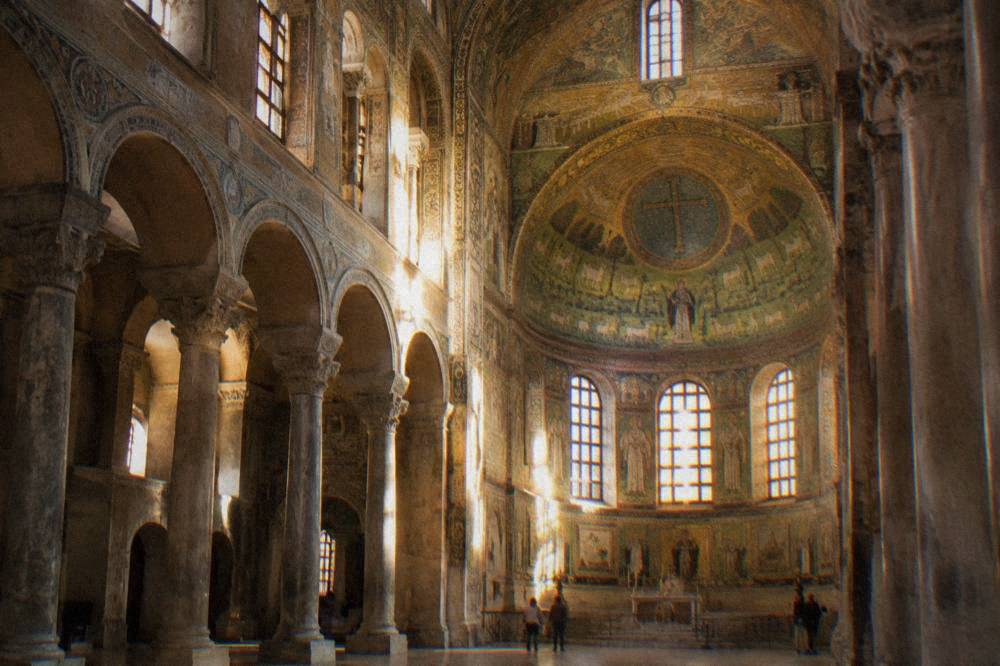
Ravenna is an inland city on the flat Po plain of Emilia-Romagna, Italy, about 8 km from the Adriatic coast, and what makes it special is concentrated in one small, walkable historic centre: eight Early Christian monuments inscribed by UNESCO, their gold-ground glass mosaics, the tomb of Dante Alighieri, and a Romagna food tradition that runs from piadina to Sangiovese. No other city of this size in Italy carries the same density of UNESCO-listed Byzantine mosaic interiors, and the municipal tourism pages present them as the core reason the city draws travellers. The historic centre itself is compact and largely pedestrian, which means the mosaics, Dante's tomb, the covered market and the café-lined squares all sit within a short walk of one another.
What Is Special About Ravenna, Italy?
Ravenna's distinction is a set of eight Early Christian monuments, inscribed by UNESCO in 1996, whose Byzantine mosaics cover entire interiors in gold-ground glass, together with the tomb of Dante, all inside a small inland historic centre about 8 km from the Adriatic. The UNESCO listing names the Mausoleum of Galla Placidia, the Neonian Baptistery, Sant'Apollinare Nuovo, the Arian Baptistery, the Archiepiscopal Chapel, the Mausoleum of Theodoric, San Vitale and Sant'Apollinare in Classe.
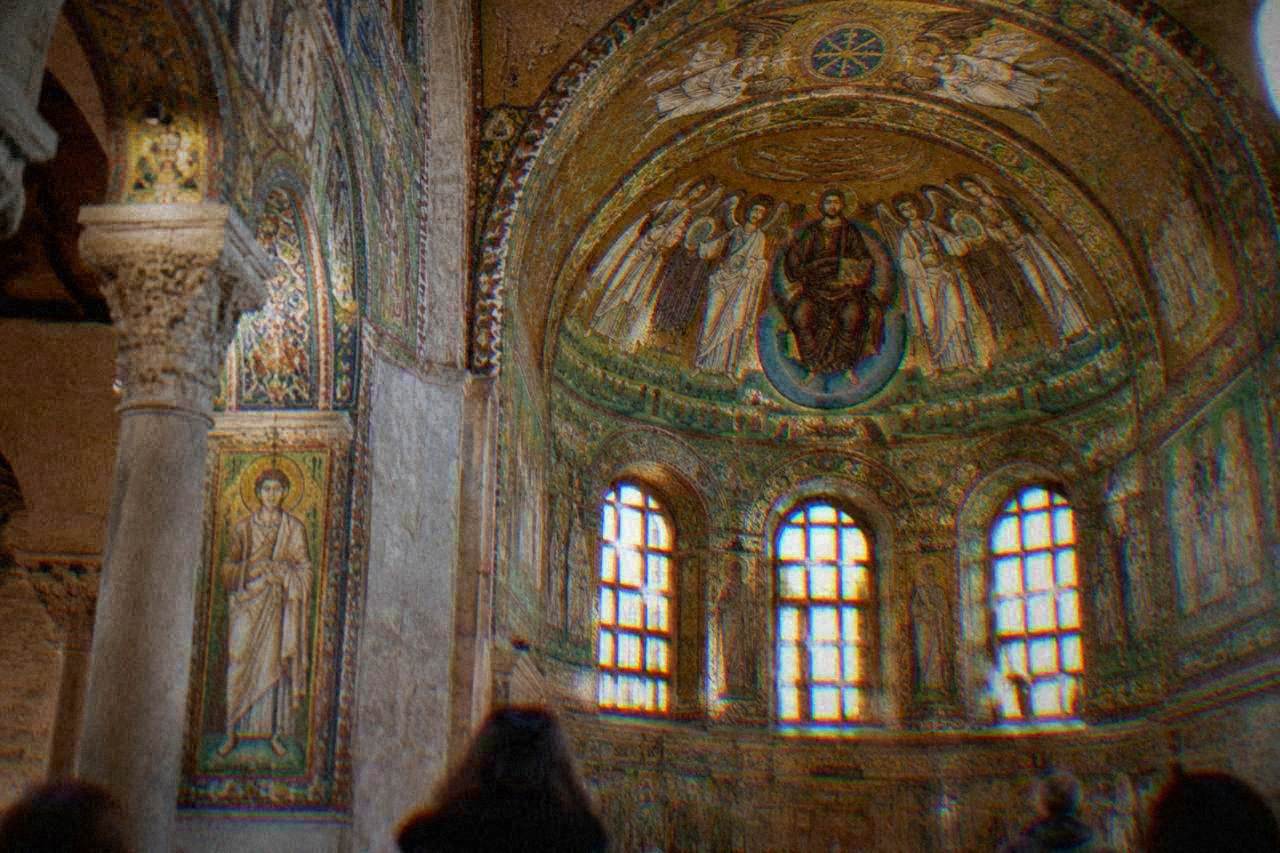
The mosaics are the headline. In San Vitale, mosaic figures process across the apse in a way few first-time readers of guidebooks expect from a city this size. Galla Placidia's little domed chapel holds a blue vault of stars so dense that the interior changes colour as the daylight moves. The Neonian Baptistery keeps a decorated dome over an ancient font. These are working interiors, not museum vitrines, and the Ravenna Mosaici ticket system treats them as one itinerary: combined tickets, reduced fares starting at EUR 9.50, valid one week with a booked entry time for each monument. Galla Placidia and the Neonian Baptistery ask for timed entry and short stays of a few minutes, so the crowd keeps moving.
Dante is the second pull. He died in Ravenna and is buried here, in a small tomb near the Basilica of San Francesco that the municipal page lists as free to enter, open 10:00 to 18:00 in the November to March period and 10:00 to 19:00 April to October. Each September, on the second Sunday of the month, the city receives oil from the Tuscan hills for the lamp that burns at the tomb, a ceremony the local press covers annually.
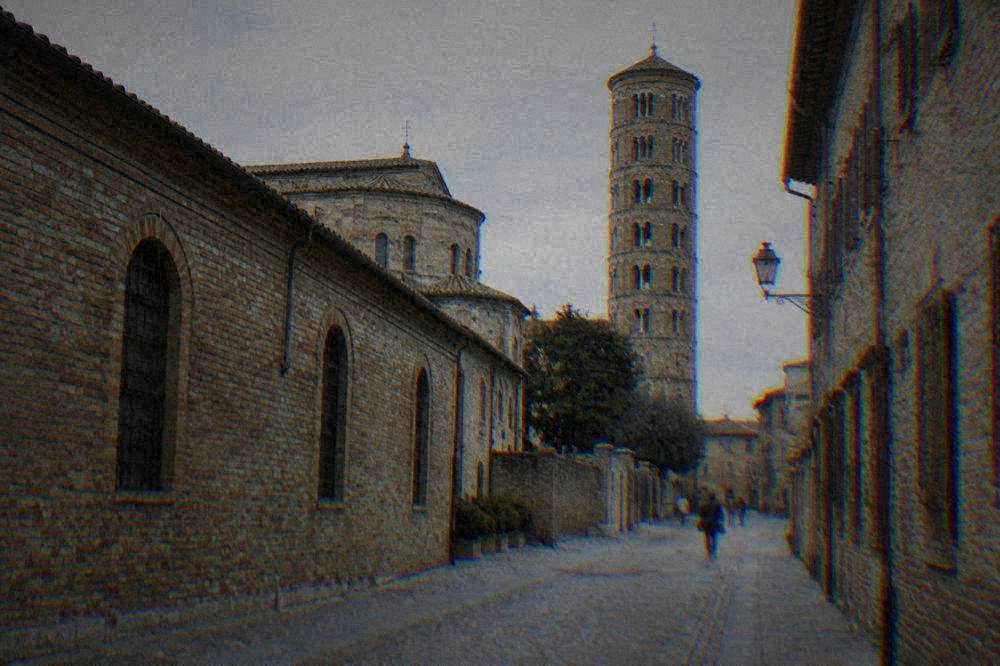
A third distinction is geography. Ravenna is not a seaside city: the beaches of Marina di Ravenna, Punta Marina, Lido Adriano, Lido di Classe and Lido di Savio lie along about 35 km of coast, reached by Start Romagna bus from the station. What Ravenna offers instead is an inland core of brick palaces, bell towers and quiet lanes, with the coast and the Po Delta wetlands a bus or bike ride away. The full overview of the city and a guide to everything on offer cover the practical side in more depth.
Eight UNESCO Monuments In One Walkable Centre
The eight UNESCO monuments are the Mausoleum of Galla Placidia, the Neonian Baptistery, Sant'Apollinare Nuovo, the Arian Baptistery, the Archiepiscopal Chapel, the Mausoleum of Theodoric, San Vitale and Sant'Apollinare in Classe, inscribed as a group in 1996. Five of them sit within a few minutes' walk of one another in the historic centre, and Sant'Apollinare in Classe stands in the countryside south of the city.
The Ravenna Mosaici combined ticket ties the central sites together: the 2-monument version covers Sant'Apollinare Nuovo and San Vitale, the 4-monument version adds Galla Placidia and the Neonian Baptistery, and the 5-monument version adds the Archiepiscopal Museum with the Chapel of St Andrew. Reduced fares start at EUR 9.50 and rise to EUR 13.50 for the five-monument itinerary, with reductions for students and paying groups over 20, and free entry for children 0 to 10, residents, ICOM members, licensed guides and visitors with a disability plus companion. Hours shift with the seasons: 9:00 to 19:00 in the summer period to 2 November 2026, then 10:00 to 17:00 from 3 November 2026 to 6 March 2027, closed 25 December and 1 January.
Beyond the eight, the city holds museums that deepen the picture. The Classis Ravenna museum in the Classe area tells the city's story, the MAR art museum hosts contemporary exhibitions, and the Museo Nazionale sits beside San Vitale. TAMO, the former mosaic museum, closed in 2023 and its collection moved to Classis Ravenna. The Mausoleum of Theodoric, with its great stone drum, costs EUR 6, or EUR 7 combined with the Arian Baptistery and Theodoric's Palace, per the Visit Ravenna page.
| Monument | Location | Ticket basis |
|---|---|---|
| Mausoleum of Galla Placidia | Historic centre | Ravenna Mosaici combo, timed entry |
| Neonian Baptistery | Historic centre | Ravenna Mosaici combo, timed entry |
| Sant'Apollinare Nuovo | Historic centre | Ravenna Mosaici combo |
| San Vitale | Historic centre | Ravenna Mosaici combo, slot entry |
| Arian Baptistery | Historic centre | EUR 3, or EUR 7 combined with Theodoric sites |
| Archiepiscopal Chapel and Museum | Historic centre | 5-monument combo |
| Mausoleum of Theodoric | Edge of centre | EUR 6, concession EUR 5, ages 18 to 25 EUR 2 |
| Sant'Apollinare in Classe | Classe area, south of city | EUR 6, EUR 2 reduced |
Seeing the mosaics with a guide is a different experience again, and the city has a deep bench of mosaic walks and private tours. A private option that includes a working mosaic workshop shows how the tesserae are still cut and set by hand today, a craft the city has never stopped practising. Check availability.
Dante, Food And The Romagna Table
Ravenna's second identity is literary and culinary: it is the city where Dante died and is buried, visited freely at a tomb open daily, and it sits in Romagna, a region whose table runs on piadina flatbread, cappelletti pasta in broth, grilled meats and Sangiovese wine. The Visit Ravenna pages present the city's food heritage as part of the same visit as the mosaics, not a separate excursion.
Want to pair the mosaics with the Romagna table? Book a guided walking tour with tastings here.
Dante's tomb is free, and the surrounding quarter of quiet streets and the nearby Museo Dante give the poet a permanent place in the city's fabric. The Museo Dante charges EUR 5, EUR 3.50 reduced, per the vivadante ticket page, and closes Mondays. The basilica next door, San Francesco, is part of the same walk. Other pages covering the same trip are gathered on Ravenna Travel Guide.
The food is distinctly Romagnol. Piadina, the flatbread cooked on terracotta or iron, is the everyday staple, and cappelletti, small filled pasta served in capon broth, is the festive one. Local wines lean on Sangiovese from the hills immediately south and west of the city, and several wineries within a short drive welcome visitors for tastings. A winery visit with wine and food tasting near the city is one of the bookable ways to sample that side of Romagna. Check availability.
For visitors who want both the heritage and the coast in one day, the related option on this page is a private day tour from Bologna that combines the city's history with lunch on the beach at the Adriatic resorts. Check availability.
Is A Guided Tour Or A Beach Day Right For You?
Not sure whether to build your day around mosaics, food or the coast? Free cancellation is standard on the listings below, so plans can change without penalty.
How Ravenna Compares With Bologna And Rimini
Ravenna is smaller, slower and more monument-focused than Bologna, and quieter and more historic than the beach city of Rimini: Bologna lies about 84 km away by direct regional train in roughly 1 hour to 1 hour 20, Rimini is under an hour by the same regional network, and both make easy comparisons or day trips. Ravenna's advantage is concentration, eight UNESCO interiors within a walkable centre, against cities that spread their sights wider.
Bologna brings the arcades, the university and the bigger food scene; Rimini brings the beach and Roman arch. Ravenna brings neither of those at scale, but no other city in the region has the mosaics. The comparison of Ravenna and Rimini and the guide to reaching the city by train cover those choices in detail.
When To Visit And What The Climate Table Shows
The climate table, modelled ERA5 normals for 1991 to 2020, shows July as the warmest month at a mean of 25.2 C and January the coldest at 5.1 C, with November the wettest month at 78.3 mm and July the driest at 38.1 mm across about 674 mm a year. That makes late spring and early autumn the comfortable middle: warm without the July peak, and outside the November rainfall maximum.
Summer visits pair the mosaics with the beach resorts, though the winter hours from November mean shorter monument days and, from 3 November, a 10:00 opening. Winter has its own draw: the city's cultural calendar keeps running, from the Teatro Alighieri opera and dance season starting in December to the Ravenna Festival autumn trilogy in November. Each October the Notte d'Oro opens monuments free in the evening, an annual event the tourism pages list.
| Month | Mean temperature | Precipitation |
|---|---|---|
| January | 5.1 C | 43.8 mm |
| April | 13.1 C | 66 mm |
| July | 25.2 C | 38.1 mm |
| October | 15.7 C | 66 mm |
| November | 10.6 C | 78.3 mm |
The beach season has its own rhythm. The resorts fill in summer, then thin out, and the winter sand barrier changes the shape of the shoreline at three of them until spring. Birdwatchers should note that flamingos stay year-round in the Comacchio salt pans and the Cervia salt pans, with the Cervia visitor centre on Via Bova 61 opening weekends and holidays, per the Po Delta park pages.
Common Questions About Ravenna
What is special about Ravenna, Italy?
Eight UNESCO-listed Early Christian monuments with Byzantine mosaics, the tomb of Dante and a strong Romagna food tradition, all in a small, walkable inland centre about 8 km from the Adriatic coast.
Is Ravenna worth a day trip from Bologna?
Yes. Direct regional trains cover the roughly 84 km in about 1 hour to 1 hour 20, and the core monuments cluster within walking distance of the station side of the centre. A dedicated one-day itinerary shows what fits.
Does Ravenna have a beach?
Not in the city itself. The historic centre is inland, and the resorts of Marina di Ravenna, Punta Marina, Lido Adriano, Lido di Classe and Lido di Savio are reached by Start Romagna bus from the station.
Where is Dante buried?
In Ravenna, in a small tomb near the Basilica of San Francesco. Entry is free, and the tomb keeps daily hours year-round, closing only on 25 December.
How long do the mosaics take to see?
The central monuments can be seen in a focused half day with timed entries, though the combined ticket is valid one week, which allows a slower pace and a trip out to Sant'Apollinare in Classe.
Ravenna rewards the traveller who comes for one thing, the mosaics, and leaves with three: the mosaics, the poet and the table.