Ravenna Festival
The Ravenna Festival is the city's principal performing arts season, staged at the Teatro Alighieri and other venues across the historic centre. This guide reports what the festival's own pages and the official monument pages say about the confirmed autumn 2026 programme, ticketing, opening hours and planning around a festival visit.
Short answer
The one fully confirmed Ravenna Festival event in the current season is the autumn trilogy Mozart 1791, running 13 to 17 November 2026 at the Teatro Alighieri, with La clemenza di Tito, L'ultimo incanto and the Requiem. Summer 2026 dates and any 2027 dates are not yet announced, so plan around the November trilogy and check the festival site for additions.
The festival's own home page carries the autumn trilogy "Mozart 1791", running 13 to 17 November 2026, while the summer 2026 dates and everything planned for 2027 do not appear in any verified source this desk can cite. What follows is a planning guide built entirely from what the festival, the municipal tourism pages and the monument operators publish: what is confirmed, how the city's mosaic monuments and museums operate in November, how to reach an inland Po-valley city about 8 km from the Adriatic coast, and which guided options pair sensibly with an evening at the theatre. For a broader answer about the event itself, see the site's dedicated page what the Ravenna Festival is, and for the wider sightseeing picture start with things to do in Ravenna.
What Is The Ravenna Festival?
The Ravenna Festival is the city's main annual performing arts festival, an opera, concert and dance season staged principally at the Teatro Alighieri in Ravenna's historic centre. Its 2026 autumn edition, the trilogy Mozart 1791, runs 13 to 17 November 2026 and comprises La clemenza di Tito, L'ultimo incanto and the Requiem, three works clustered around Mozart's final year. The festival is run from Ravenna and uses the city's theatres and churches as stages.
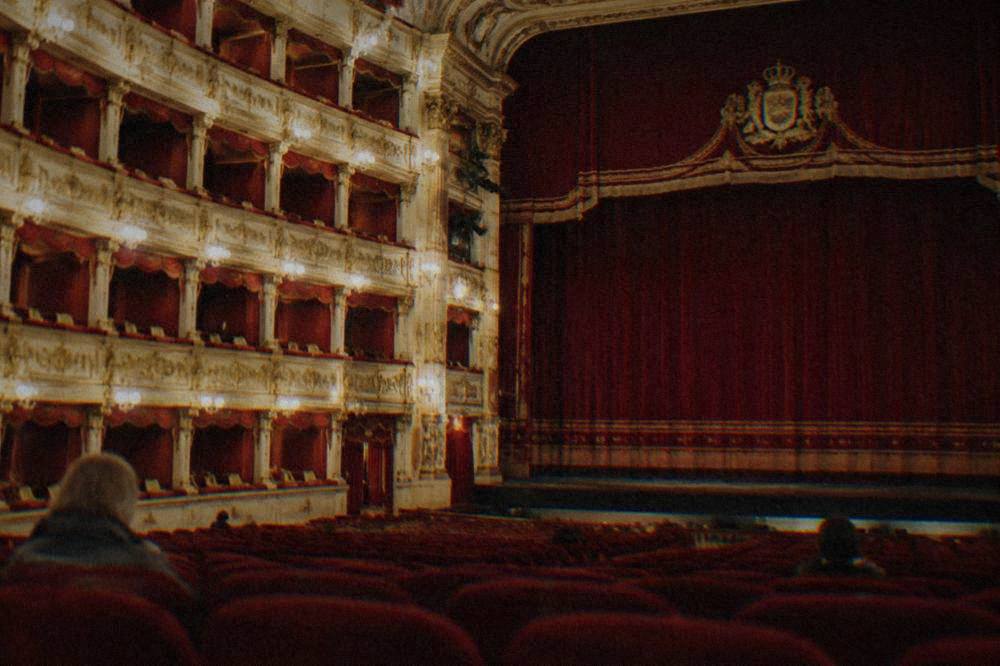
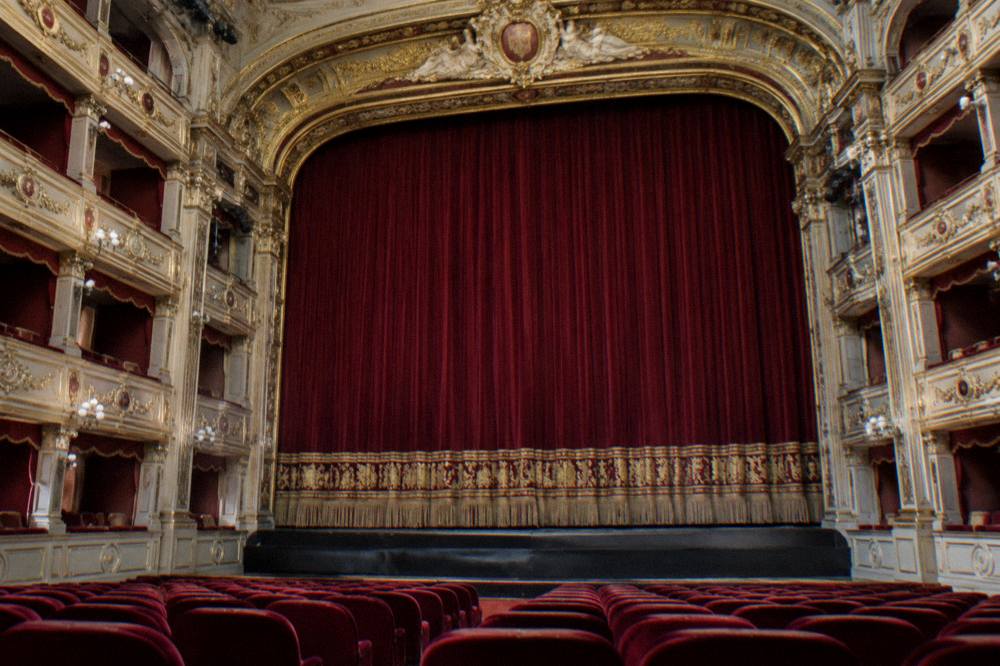
The Teatro Alighieri is the festival's principal venue, and it sits inside the historic centre, the same compact walkable district that holds the eight UNESCO Early Christian monuments with their Byzantine mosaics. That geography is the festival's quiet advantage: an evening performance and a day of mosaic churches fit into one stay without any transport beyond your own feet. The theatre also runs its own opera and dance season alongside the festival, so a November festival visitor arrives into a city whose stage stays busy through the winter months, and the theatre's own calendar is the place to see what else plays during a festival stay.
One caution on dates. The summer 2026 edition of the festival appears in secondary coverage with conflicting dates, and no 2027 programme has been published in any form this desk can cite. Only the November trilogy carries a confirmed date range, and only that range should anchor a booking. The municipal events calendar, which lists Notte d'Oro on 17 October 2026 with free evening access to palaces, museums and monuments, is the place to watch for additions.
| Element | What Confirmed Sources State |
|---|---|
| Festival name | Ravenna Festival |
| Principal venue | Teatro Alighieri, historic centre |
| Confirmed 2026 festival dates | 13 to 17 November 2026 |
| Confirmed programme | Mozart 1791 trilogy: La clemenza di Tito, L'ultimo incanto, Requiem |
| Ticket prices | Not published in confirmed sources, check the festival's own site |
| Summer 2026 and 2027 dates | Not published in confirmed sources |
What Does The Mozart 1791 Trilogy Include?
The trilogy Mozart 1791 runs 13 to 17 November 2026 at the Teatro Alighieri, with La clemenza di Tito on 13 and 16 November, L'ultimo incanto on 14 and 17 November, and the Requiem on 15 November, according to the festival's home page and its announcements. Five days, three works, one theatre: the structure gives a festival visitor two weekends of possible arrivals and one midweek window.
La clemenza di Tito is the opera of the three, the work Mozart completed for Prague in his final year. L'ultimo incanto is the festival's own concert staging, and the Requiem closes the trilogy in the work Mozart left unfinished. Ticket prices and casts do not appear in any confirmed listing this desk holds, so the festival's own site is the only place a booking decision can be completed, and the same applies to start times. What the calendar does settle is pacing: a visitor arriving Thursday 12 November can take in all three works across the five days and still spend two full days among the mosaics, which in November run on the winter timetable described below.
The November slot also lands the festival beside the rest of Ravenna's autumn cultural season. The MAR art museum stages a Nicola Samori solo exhibition, Supremalia, from 17 October 2026 to 17 January 2027, and Palazzo Rasponi dalle Teste holds an exhibition of nearly 70 works by Marcantonio from 11 October 2026 to 10 January 2027. The Biblioteca Classense contributes La Rotonda del Re, on the Mausoleum of Theodoric, from 10 October 2026 to 18 January 2027. A festival trip in mid-November therefore arrives into a city with three major exhibitions running, none of them more than a short walk from the theatre.
For visitors who want the mosaics explained rather than simply seen, guided options cover the same ground independently of the festival. The Bologna start, UNESCO monuments guided tour pairs the monuments with a guide and suits anyone travelling in from Bologna for the day, with live times and pricing on the operator's live listing, and Check availability shows current departures.
What Are The Monument Hours During Festival Week?
From 3 November 2026 to 6 March 2027, San Vitale, Sant'Apollinare Nuovo and the Archiepiscopal Museum open daily 10:00 to 17:00 with last admission at 16:30, while the Mausoleum of Galla Placidia and the Neonian Baptistery open 10:00 to 17:00 with last admission at 16:45, according to the Ravenna Mosaici opening times page. All close on 25 December and 1 January.
Festival week therefore runs on the winter timetable, which is shorter than summer but simpler: every combo-ticket monument keeps the same daily hours, with no weekly closure day. The practical consequence is that a matinee day of mosaics and an evening at the Teatro Alighieri stack cleanly, provided the last-admission times are respected. Galla Placidia and the Neonian Baptistery require a booked entry time on the combo ticket, with stays of a few minutes inside, and San Vitale admits in slots, so the ticketing page's booking step matters as much as the hours themselves.
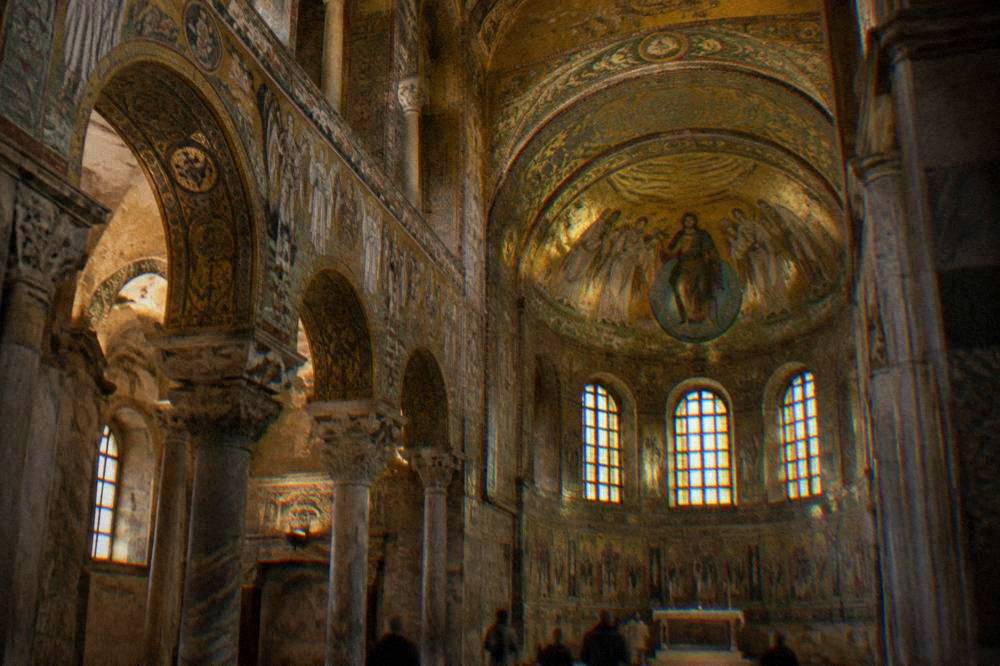
The combo ticket, sold through the Ravenna Mosaici system, comes in 2, 4 and 5 monument versions. Reduced fares start at EUR 9.50 for the 2-monument ticket covering Sant'Apollinare Nuovo and San Vitale, EUR 11.50 for the 4-monument version adding Galla Placidia and the Neonian Baptistery, and EUR 13.50 for the 5-monument version adding the Archiepiscopal Museum and the Chapel of St Andrew. The ticket is valid one week, allows one admission per monument, and requires a booked entry time for each monument. Reduced rates apply to students, non-accredited journalists and paying groups over 20, and entry is free for children aged 0 to 10, Ravenna residents, ICOM members, licensed guides, and visitors with a disability plus one companion. Full-price figures belong on the official page, which also carries the live booking calendar.
| Monument | Winter Hours 3 Nov 2026 To 6 Mar 2027 | Last Admission |
|---|---|---|
| San Vitale | Daily 10:00 to 17:00 | 16:30 |
| Sant'Apollinare Nuovo | Daily 10:00 to 17:00 | 16:30 |
| Archiepiscopal Museum and Chapel | Daily 10:00 to 17:00 | 16:30 |
| Mausoleum of Galla Placidia | Daily 10:00 to 17:00 | 16:45, timed entry |
| Neonian Baptistery | Daily 10:00 to 17:00 | 16:45, timed entry |
| All of the above | Closed 25 December and 1 January |
Visitors planning their own route can compare all eight monuments on the site's overview of Ravenna UNESCO sites, dig into the mosaics themselves in Ravenna mosaics, and handle ticket mechanics in Ravenna combo ticket.
How Do The Classe Sites And Dante Fit A Festival Trip?
Sant'Apollinare in Classe, about 8 km south of the centre in the Classe area, opens Monday to Saturday 8:30 to 19:00 and Sunday 13:30 to 19:00, with a EUR 6 ticket and EUR 2 reduced, while Dante's tomb in the centre is free and opens 10:00 to 18:00 from November to March, closed 25 December. The state museums and monuments are free on the first Sunday of the month.
Sant'Apollinare in Classe is the one UNESCO monument outside the historic centre, and its longer weekday hours make it a natural morning trip that still returns you to the centre well before a theatre curtain. The same Classe area holds the Classis Ravenna museum, the city and territory museum built into the former sugar factory site, open daily 10:00 to 17:00 with entry up to 50 minutes before closing and closed 25 December, at EUR 8 full and EUR 6 reduced. It also absorbed the collection of TAMO, the mosaic museum that closed permanently in 2023, so anyone reading an older guidebook that sends them to TAMO should redirect to Classe.
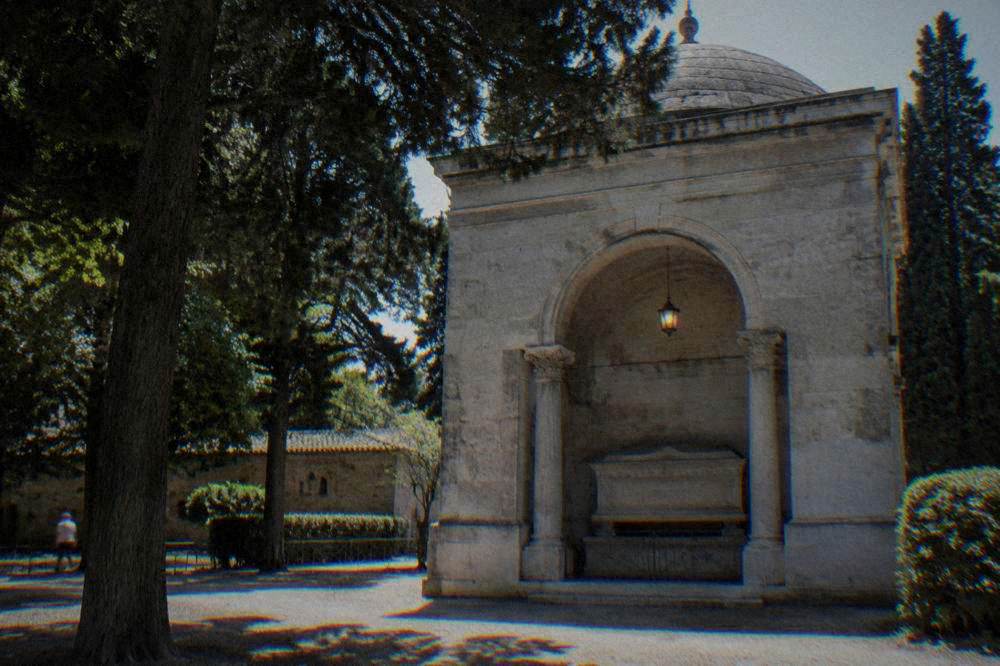
Dante's tomb needs no ticket at all. The small mausoleum near San Francesco is free to enter, and in November it runs on the 10:00 to 18:00 winter hours. The neighbouring Museo Dante is a separate paid museum, EUR 5 combined with Casa Dante and EUR 3.50 reduced, open Tuesday to Sunday 10:00 to 17:30 and closed Mondays and 25 December. The full picture of the city's museums, hours and prices sits in the site's museum coverage.
| Site | November Hours | Ticket |
|---|---|---|
| Sant'Apollinare in Classe | Mon to Sat 8:30 to 19:00, Sun 13:30 to 19:00 | EUR 6, EUR 2 reduced |
| Classis Ravenna museum | Daily 10:00 to 17:00, closed 25 Dec | EUR 8, EUR 6 reduced |
| Dante's tomb | Daily 10:00 to 18:00, closed 25 Dec | Free |
| Museo Dante | Tue to Sun 10:00 to 17:30, closed Mon | EUR 5, EUR 3.50 reduced |
| Mausoleum of Theodoric | Daily 8:30 to 17:30 | EUR 6, EUR 5 concession, EUR 2 ages 18 to 25 |
How Do You Get To Ravenna For The Festival?
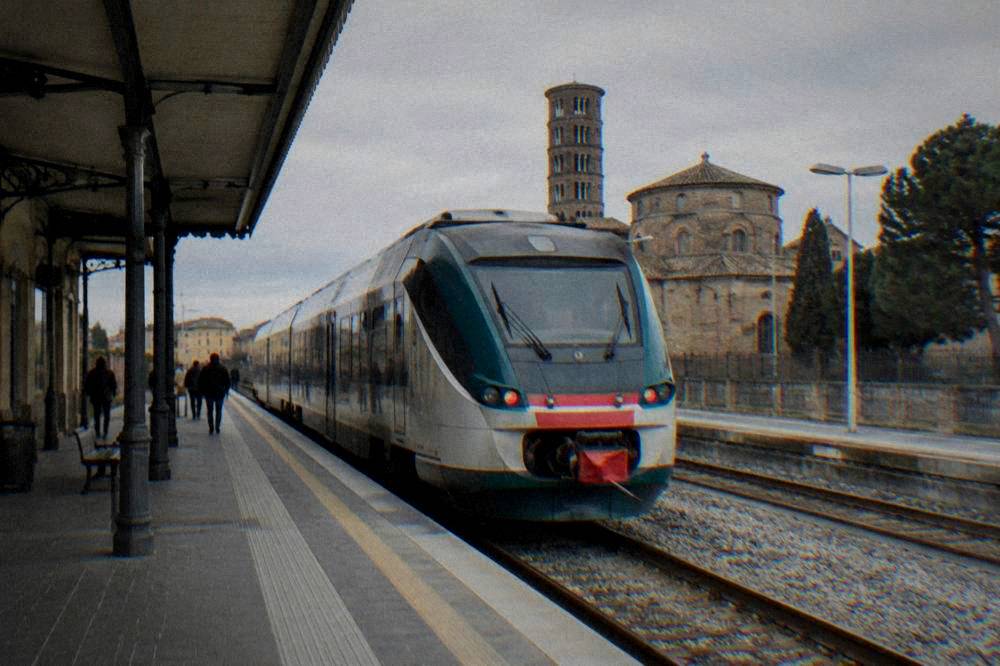
Ravenna's railway station is a short walk from the historic centre and the Teatro Alighieri, with direct regional trains to Bologna Centrale covering about 84 km in roughly 1 hour to 1 hour 20, and the regional timetable giving several departures a day. From Bologna airport the route is the Marconi Express to Bologna Centrale, then the regional train, about 2 to 2.5 hours door to door. Fares are shown at booking.
The train is the sensible answer for a festival trip because the theatre, the hotels and the mosaic monuments all sit within walking radius of the centre. Bologna Centrale is the main interchange, with direct connections onward toward Florence, Venice and Rome. Anyone flying into Bologna should follow the airport-to-city route described in Bologna airport to Ravenna, and the rail options are laid out in Bologna to Ravenna and the general how to get to Ravenna page. Drivers should read the ZTL rules before setting off: the historic centre's limited traffic zone is camera-enforced, gates operate on differing schedules with some running around the clock, a daily permit can be bought at the 24-hour parcometers for vehicles up to 5 tonnes at about EUR 8, and hotels can issue a guest authorisation.
Cruise passengers have a separate strand of interest, since the port at Porto Corsini is about 15 km from the centre and the Visit Ravenna shuttle covers the run in about 30 minutes; the detail sits in the site's Ravenna cruise port guide. A word on timing: rail works and strikes in the region are announced with only weeks of notice, so the Trenitalia and Start Romagna pages are worth a check in the days before travel.
What Is November Weather Like In Ravenna?
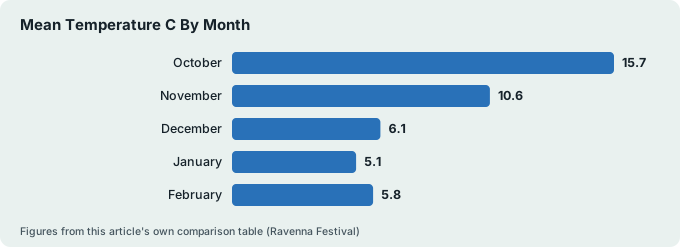
The climate table shows November as Ravenna's wettest month, at 78.3 mm of precipitation on modelled 1991 to 2020 normals, with a mean temperature of 10.6 C, against July's 38.1 mm as the driest month and a year total of about 674 mm. December follows at 63.7 mm and 6.1 C, so festival week sits in the cool, damp part of the year.
Those figures are modelled ERA5 reanalysis normals for 1991 to 2020, not a station record, and they carry the usual caveat: a normals table describes the average month, not the forecast. Practically, a November festival visitor packs for around 10 C and the possibility of rain, which suits the itinerary anyway, since the mosaics, the MAR exhibitions, the Teatro Alighieri and the restaurants of the historic centre are all indoor pleasures. The site's Ravenna weather and best time to visit Ravenna pages carry the full monthly table and the trade-offs month by month.
| Month | Mean Temperature C | Precipitation Mm |
|---|---|---|
| October | 15.7 | 66.0 |
| November | 10.6 | 78.3 |
| December | 6.1 | 63.7 |
| January | 5.1 | 43.8 |
| February | 5.8 | 56.4 |
The winter beach picture is worth one paragraph for completeness. A sand barrier of 25,000 cubic metres is built each autumn at Punta Marina, Marina di Ravenna Sud and Lido di Savio and stays in place until spring 2027, according to a Comune press release, so the coast in festival season is a construction-protected shoreline rather than a beach day. Ravenna is an inland city, about 8 km from the Adriatic, and the lidos need a Start Romagna bus, a bike or a car to reach, as the site's Ravenna beaches guide explains.
Where Should You Stay And Eat During The Festival?
The historic centre is the practical base for a festival trip, because the Teatro Alighieri, the UNESCO monuments and the principal restaurants sit within a short walk of one another, and the railway station is also a short walk out. Accommodation rates are shown at booking; the city's overnight tourist tax runs about EUR 1 per night at 1 and 2 star hotels, EUR 2 at 3 star, EUR 3 at 4 star and EUR 4 at 5 star, and should be confirmed at booking.
To wake within walking distance of the theatre, book a hotel in Ravenna here.
That tax, the imposta di soggiorno, is levied per night on the structure type, with hostels at about EUR 1.20 and bed and breakfast rooms at about EUR 1.50, under a tariff in force from 1 January 2023 that may have changed. Hotels and guesthouses collect it directly. The site's accommodation pages, where to stay in Ravenna and best hotels in Ravenna, map the districts; the area around the theatre and Piazza del Popolo keeps you inside the walkable core.
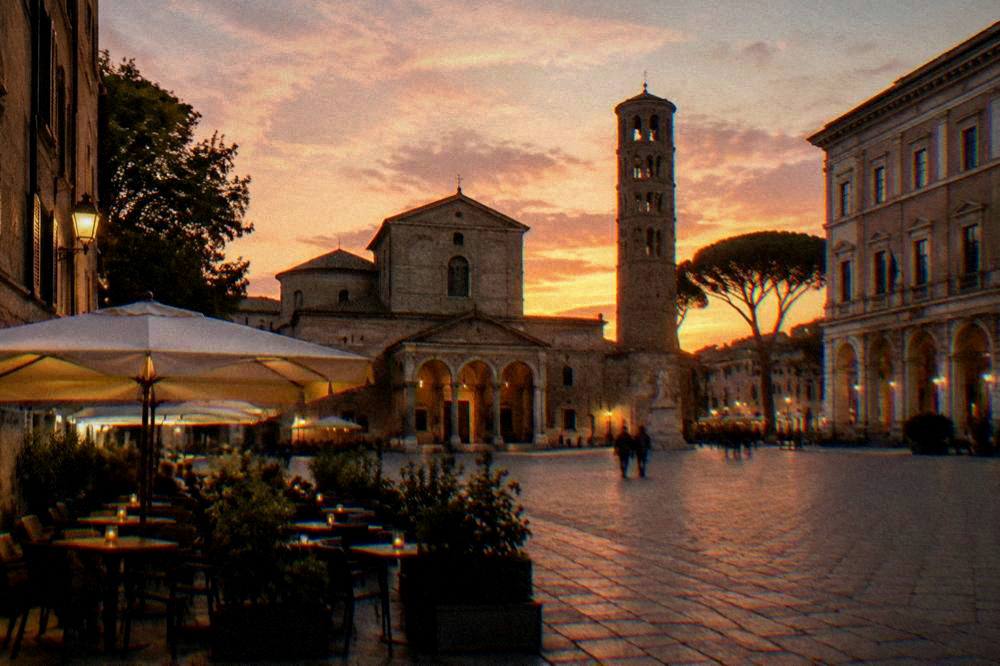
Food needs no festival planning beyond a reservation on performance nights. Ravenna's table is Romagna's table: piadina flatbread, cappelletti in brodo, and the cured meats and wines of the region, all covered in the site's Ravenna restaurants and Ravenna food guide pages. A cover charge, the coperto, is legal when printed on the menu, and tipping is not obligatory. On a festival evening the sensible pattern is an early sitting near the theatre, and the streets between Piazza del Popolo and the Teatro Alighieri hold the concentration of places.
Which Tours Pair Well With A Festival Visit?
Guided options that suit a November festival trip include a Bologna-based UNESCO monuments day trip for inbound visitors, a low-cost audio and written guide walk for independent travellers, and a private mosaics and highlights tour for anyone who wants a guide and a set itinerary. Prices, ratings and durations render on each operator's live listing, and this desk never types them into prose.
The reasoning is simple. Festival evenings are fixed, so daytime touring wants either a set departure that guarantees the monuments get seen, or a self-paced option that flexes around rehearsal times and exhibition visits. A day trip from Bologna suits travellers sleeping in Bologna or arriving through its airport. The audio and written guide walk suits a traveller who has the combo ticket already and wants commentary without a schedule. A private tour suits families and small groups who want the mosaics and the city highlights in one guided sweep, with the itinerary agreed with the guide.
Two further pairings deserve a mention. Food-led visitors can combine the monuments with tastings on a guided food walk, and cooking classes in piadina and gelato run in the city; both strands are covered in the site's Ravenna food tours and cooking classes companion where the site holds them, or through the general sightseeing page. Visitors with a free morning can also consider the sunrise and sunset mosaic visits that some operators list, since November's early dark makes an evening-lit basilica a realistic proposition, subject to the listing.
Is A Festival Trip Worth It Compared With Other Seasons?
A November Ravenna Festival trip trades the long summer monument hours and the beach season for a compact, inexpensive city break built around one confirmed opera trilogy, three running exhibitions, winter ticket prices at every site, and a walkable centre in the cool part of the year. The site's seasonal guidance and its worth-visiting assessment both weigh these trade-offs month by month.
The case for November is density. Within five days the city offers La clemenza di Tito, L'ultimo incanto and the Requiem at the Teatro Alighieri, the Supremalia exhibition at MAR, the Marcantonio exhibition at Palazzo Rasponi dalle Teste, La Rotonda del Re at the Biblioteca Classense, and the full UNESCO set on a ticket that costs less in absolute terms than the summer peak of demand suggests. The case against is the weather and the shorter daylight: 10.6 C mean and the wettest month of the year on the climate table, with last admissions in the late afternoon. The site's pages on is Ravenna worth visiting and how many days in Ravenna frame the decision, and this Ravenna Travel Guide holds the full set of monument, transport and food pages behind it.
| Planning Item | November Festival Trip | High Summer Trip |
|---|---|---|
| Confirmed festival dates | 13 to 17 Nov 2026 | Summer dates not published in confirmed sources |
| Monument hours | 10:00 to 17:00 daily | 9:00 to 19:00 daily |
| Mean temperature | 10.6 C | 25.2 C in July |
| Rainfall | 78.3 mm, the year's wettest month | 38.1 mm in July, the driest month |
| Coast | Sand barrier in place until spring 2027 | Beach season at the lidos |
Common Questions About The Ravenna Festival
What are the 2026 Ravenna Festival dates?
The only dates the festival's own pages carry for 2026 are the autumn trilogy Mozart 1791, 13 to 17 November 2026 at the Teatro Alighieri. Summer 2026 dates and any 2027 dates are absent from those pages, and the festival's own site is the place to check for additions.
What is on in the Mozart 1791 trilogy?
Three works across five days: La clemenza di Tito on 13 and 16 November, L'ultimo incanto on 14 and 17 November, and the Requiem on 15 November, all at the Teatro Alighieri.
How much do Ravenna Festival tickets cost?
Ticket prices do not appear on any page this desk holds. Check the festival's own site, which also carries casts and start times.
Are Ravenna's monuments open during the festival?
Yes. From 3 November 2026 to 6 March 2027 the combo-ticket monuments open daily 10:00 to 17:00, with last admission at 16:30 and 16:45 depending on the site, closing only on 25 December and 1 January.
Can you visit Ravenna as a day trip from Bologna for a festival evening?
Yes. Direct regional trains cover about 84 km in roughly 1 hour to 1 hour 20, and the station is a short walk from the historic centre and the theatre. Fares are shown at booking.
What else is on in Ravenna in November 2026?
Three exhibitions run through the festival window: Supremalia by Nicola Samori at MAR to 17 January 2027, Marcantonio at Palazzo Rasponi dalle Teste to 10 January 2027, and La Rotonda del Re at the Biblioteca Classense to 18 January 2027.
A festival trip to Ravenna in November 2026 is, in the end, a city break with an unusually good anchor: five days of Mozart in a theatre a short walk from eight UNESCO monuments, three exhibitions, a free tomb, and a table that serves piadina and cappelletti long after the curtain falls. Book the trilogy dates first, book the combo ticket's entry times second, and let the rest of the historic centre fill the daylight hours around them.