Which Is Better, Ravenna Or Rimini?
Ravenna and Rimini sit about an hour apart on the same regional rail line. This comparison breaks down mosaics versus beach, sightseeing pace and how to combine both in one trip.
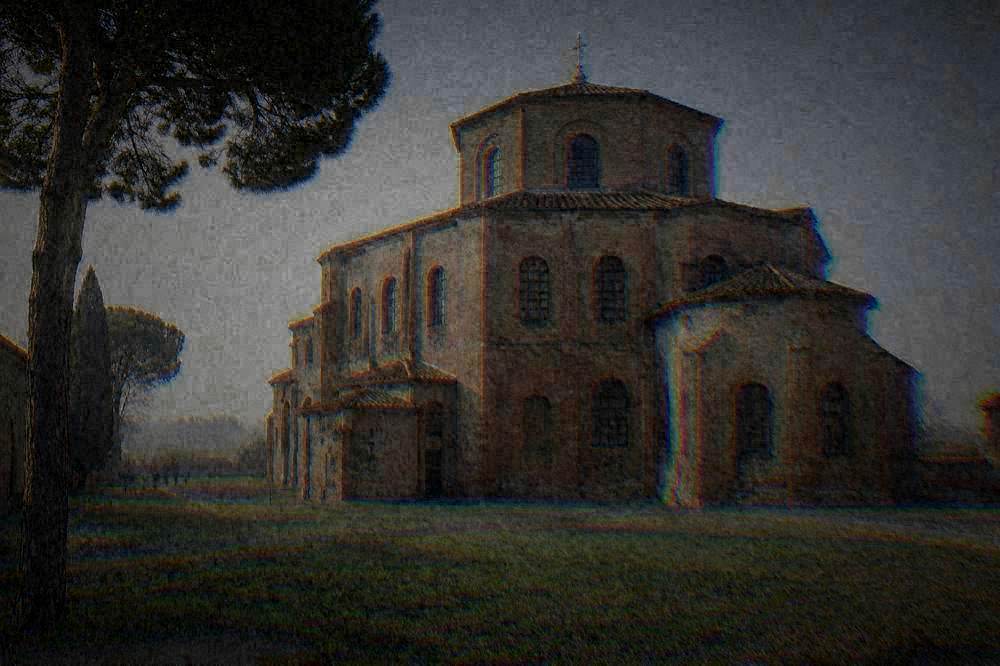
Ravenna, the inland mosaic capital of Emilia-Romagna, sits on the flat Po plain about 8 km from the Adriatic, while Rimini is the coast itself, strung along the sea about 42 to 58 minutes away by direct regional train. The two cities compete for the same holiday week but not for the same day. Ravenna holds eight UNESCO Early Christian monuments with Byzantine mosaics and Dante's tomb; Rimini holds a long sandy waterfront and a Roman past of its own. This page sets the two side by side using what the official pages and timetables actually say, so the choice becomes a planning decision rather than a coin flip.
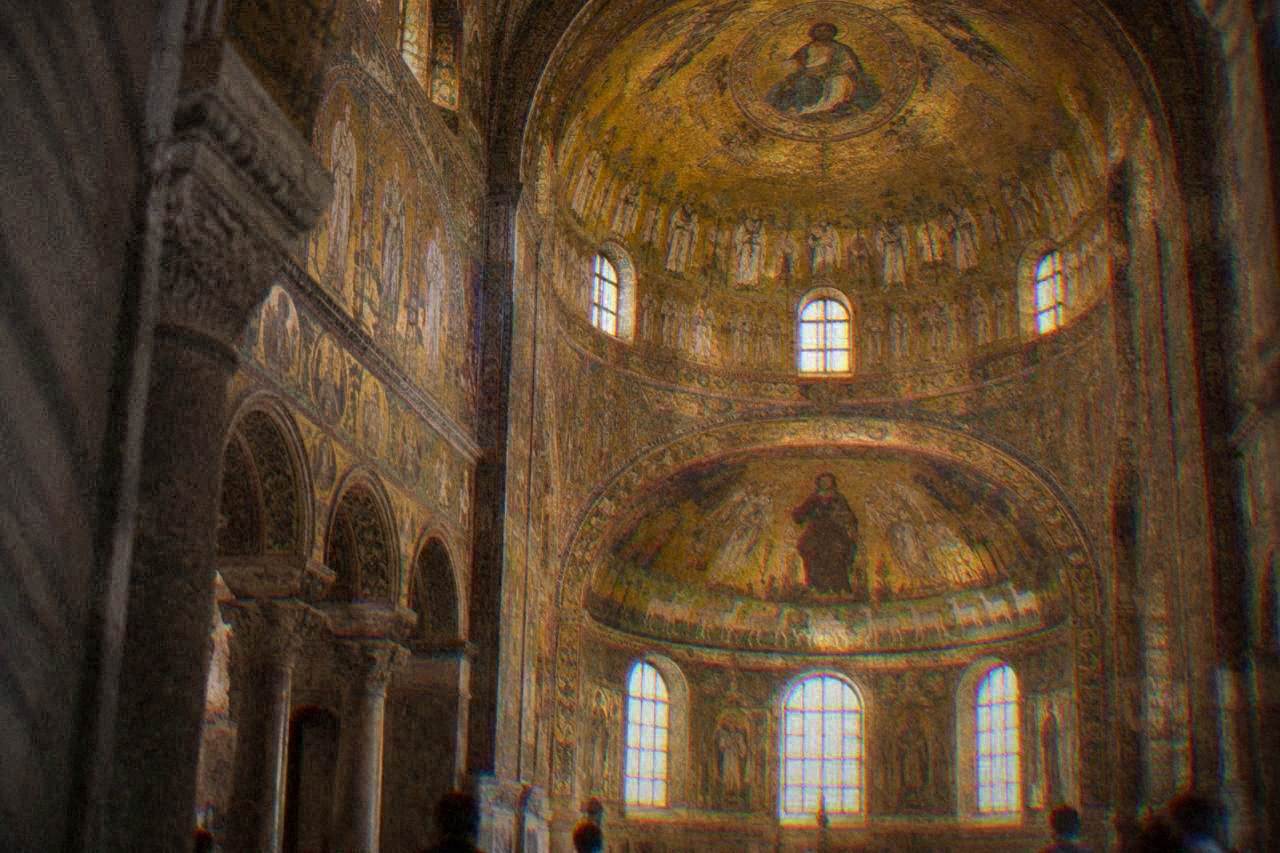
The short version: sightseers base themselves in Ravenna and ride to the coast, and beach-first travellers base themselves in Rimini and ride to Ravenna for a mosaic day. The train between them is direct and regional, so the pair works as one combined itinerary. The deeper comparison, including what each city does that the other cannot, follows below, and the full head-to-head lives in the Ravenna versus Rimini guide.
Which Is Better, Ravenna Or Rimini?
Ravenna is better for UNESCO-listed mosaics, Dante's tomb and a compact walkable historic centre, while Rimini is better as a beach base with a long seafront and quicker access along the Adriatic coast. The regional rail timetable gives about 42 to 58 minutes between them direct, so the honest answer is that the cities are complements, not rivals: sightseeing belongs to Ravenna, sand belongs to Rimini, and the train stitches them together.
Ravenna's core product is fixed and unmovable: the eight UNESCO Early Christian monuments inscribed in 1996, listed by UNESCO as the Mausoleum of Galla Placidia, the Neonian Baptistery, Sant'Apollinare Nuovo, the Arian Baptistery, the Archiepiscopal Chapel, the Mausoleum of Theodoric, San Vitale and Sant'Apollinare in Classe. Every one of those is inland in the historic centre or, in Classe's case, just outside it. None of it depends on the weather.
Rimini's core product is the reverse. Its economy and geography are built around the waterfront, and it serves as the standard gateway for the Romagna riviera. The municipal tourism pages for both cities describe themselves accordingly, Ravenna through its monuments and Rimini through its beach and its Roman remains, including the Arch of Augustus that opens the old Roman road.
A useful planning check is the Rimini day trip guide from this site, which treats Rimini as an outbound excursion from Ravenna, exactly the direction the train supports. Travellers coming the other way can follow the train from Rimini to Ravenna question.
| Question | Ravenna | Rimini |
|---|---|---|
| Headline sight | Eight UNESCO Early Christian monuments | Seafront and Roman Arch of Augustus |
| Setting | Inland historic centre, about 8 km from the coast | Directly on the Adriatic |
| Best for | Mosaics, Dante's tomb, museums | Beach holiday, nightlife, riviera access |
| Train link | Direct regional, about 42 to 58 minutes | Same line, same figures |
What Does Ravenna Do That Rimini Cannot?
Ravenna holds all eight of the region's UNESCO Early Christian monuments, including San Vitale, the Mausoleum of Galla Placidia and Sant'Apollinare in Classe, plus Dante's tomb, which is free to enter, and none of that heritage exists in Rimini. The Ravenna Mosaici ticket page shows a combined ticket valid one week, one admission per monument, so the mosaics are a structured visit rather than a stroll. That depth of listed heritage is Ravenna's alone.
The mosaic itinerary works as a circuit because the monuments cluster. The combo ticket covers Sant'Apollinare Nuovo and San Vitale at its base level, with Galla Placidia, the Neonian Baptistery and the Archiepiscopal Museum added at higher levels, and reduced fares start at EUR 9.50 per the official prices page. Galla Placidia and the Neonian Baptistery require a booked entry time and short stays of a few minutes each, which is the one operational detail that surprises people.
Dante's tomb sits free of charge in the centre, open 10:00 to 18:00 from November to March and 10:00 to 19:00 from April to October on the municipal page. Beyond the UNESCO eight, the Classis Ravenna museum in the Classe area and the MAR art museum round out the offer; TAMO closed in 2023 and its collection moved to Classis Ravenna.
Two questions on this site go deeper: why Ravenna has so many mosaics and where Dante is actually buried. For timing, the how many days in Ravenna answer covers how the monument circuit fits a stay.
A guided walk is the efficient way to absorb the mosaics, because the wall programmes reward explanation. The day trip that starts from Bologna also departs for travellers already in Ravenna, and the listing shows what the walk covers on the operator's live listing. A sunrise or sunset mosaic visit is the quieter variant, and an Emilian home cooking class pairs the monuments with the Romagna table.
What Does Rimini Do Better Than Ravenna?
Rimini sits directly on the Adriatic with a long equipped seafront, while Ravenna's historic centre is inland and its beaches at Marina di Ravenna, Punta Marina, Lido Adriano, Lido di Classe and Lido di Savio start about 8 km out and need a Start Romagna bus, a bike or a car. For a holiday organised around the sand itself, Rimini wins on geography alone, and it also anchors the riviera strip towards Riccione and Cattolica.
The key fact for the comparison is that Ravenna is not a coastal city, and this site's own does Ravenna have a beach answer covers the bus-and-bike logistics in detail. The Ravenna lido resorts are real and pleasant, but they are separate places, strung along about 35 km of coast, not neighbourhoods of the historic centre.
Rimini also serves as the jumping-off point for the republic of San Marino, which sits in the hills behind the coast; the practical route is covered in how to get to San Marino from Rimini. From Ravenna the same trip runs through Rimini first, since the Ravenna to Rimini regional train is the connecting leg.
Should You Stay In Ravenna Or Rimini?
Stay in Ravenna if the mosaics, the museums and Dante are the purpose of the trip, because the monument circuit, the restaurants and the station all sit in one walkable inland centre. Stay in Rimini if the trip is a beach holiday with a mosaic day attached, because the seafront is at the door and Ravenna is under an hour away by direct regional train. A split stay, coast first and city second, also works.
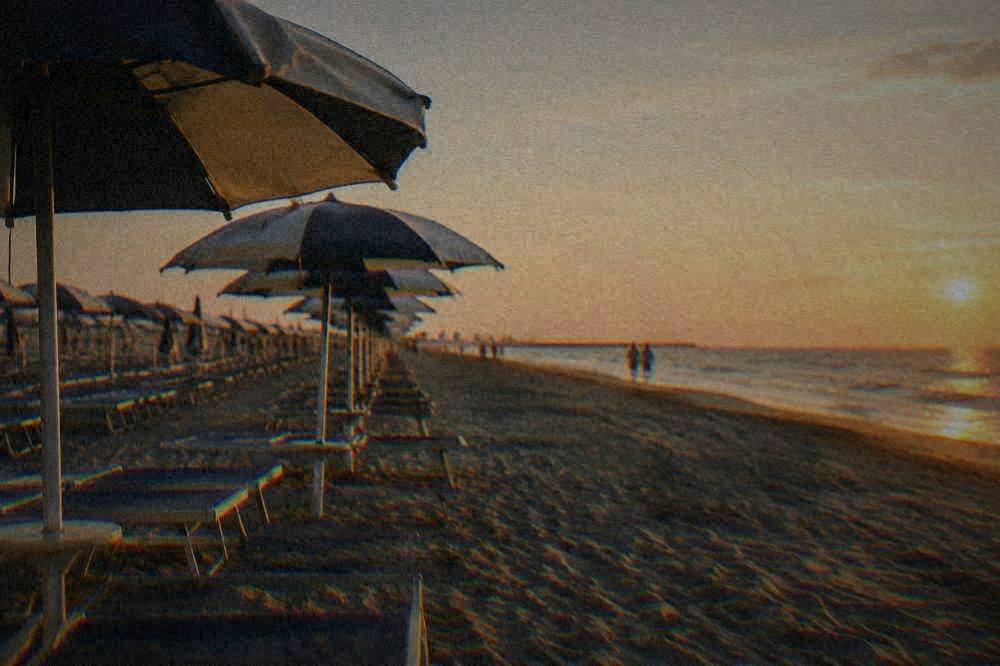
Ravenna's centre is compact and flat, with the railway station a short walk from the historic core, so a base there removes nearly all local transport questions. Rimini's accommodation is oriented to the waterfront, which puts the beach at the door and every cultural sight behind a train ride. The where to stay in Ravenna answer on this site maps the neighbourhoods for the Ravenna half of the decision.
One seasonal note from the Comune press releases: a 25,000 cubic metre sand barrier is built each autumn at Punta Marina, Marina di Ravenna Sud and Lido di Savio and stays until spring 2027, which changes the shape of Ravenna's own beaches in winter. Rimini's winter beach keeps its usual form. Check current conditions before booking a cold-season coastal stay.
| Trip type | Better base | Why |
|---|---|---|
| Mosaics and heritage first | Ravenna | All eight UNESCO monuments, museums and Dante within walking distance |
| Beach-first holiday | Rimini | Seafront at the door, riviera position |
| Split stay | Rimini then Ravenna | Train link of about 42 to 58 minutes direct makes the transfer simple |
| San Marino included | Rimini | The republic sits behind Rimini on the coast road |
How Do You Combine Ravenna And Rimini In One Trip?
Take the direct regional train between the two, which the timetable summaries put at about 42 to 58 minutes, and give Ravenna the mosaic days and Rimini the beach days rather than commuting daily. Regular regional services run on the line, so a two-centre stay needs no car, and the Ravenna station sits a short walk from the historic centre on the Ravenna end.
The practical shape depends on the season. In summer the coast fills and Ravenna's monument interiors stay cool, which argues for mornings in the churches and afternoons on the sand. In winter Ravenna's sites keep the shorter hours on the Ravenna Mosaici page, from 3 November 2026 to 6 March 2027 the combined-ticket monuments run 10:00 to 17:00, closed 25 December and 1 January, while Rimini quiets down to its winter market rhythm.
Cruise passengers get a version of this choice too: Ravenna's cruise terminal at Porto Corsini sits about 15 km from the centre, with the Visit Ravenna shuttle running about 30 minutes in season, covered in what to do from a cruise ship. The port's new terminal inauguration is reported for spring 2027.
For the deeper dive into what each city offers, start with what Ravenna is famous for and the root things to do in Ravenna page on this site, or read the full Ravenna Travel Guide comparison pieces, including what food Ravenna is famous for, since piadina and cappelletti belong to the Romagna table both cities share.
Whichever base wins, the mosaic day is the part worth locking in early, because timed entries at Galla Placidia and the Neonian Baptistery sell the day's shape in advance. Check availability on the operator's live listing before the itinerary settles.
Common Questions About Ravenna And Rimini
Which is better, Ravenna or Rimini?
Ravenna is better for the eight UNESCO mosaic monuments, Dante's tomb and a walkable inland centre; Rimini is better for a beach-base holiday. A direct regional train of about 42 to 58 minutes connects them, so combining both is usually the strongest plan.
Is there a direct train between Ravenna and Rimini?
Yes, a direct regional service runs between the two, with timetable summaries giving about 42 to 58 minutes for the journey. Fares are shown at booking on the operator's ticket channels.
Does Ravenna have beaches like Rimini?
Ravenna's beaches, at Marina di Ravenna, Punta Marina, Lido Adriano, Lido di Classe and Lido di Savio, begin about 8 km from the inland historic centre and are reached by Start Romagna bus, bike or car. Rimini's beach sits directly against the town.
Can you visit Ravenna as a day trip from Rimini?
Yes. The direct regional train makes a day trip practical, and the monument circuit is compact enough to complete between Ravenna's opening hours, with an entry time booked for Galla Placidia and the Neonian Baptistery in advance.
How many days does Ravenna need compared with Rimini?
The monument circuit fits one long day at a pace, though two days let the museums and Dante sites breathe. Rimini is usually planned around beach days rather than a sight count, so the ratio depends on whether the trip leads with heritage or with the sea.
Which city is closer to San Marino?
Rimini. The republic sits in the hills behind the Rimini coast, and the standard route runs through Rimini, which is also the rail connection from Ravenna.