Where Is Dante Actually Buried?
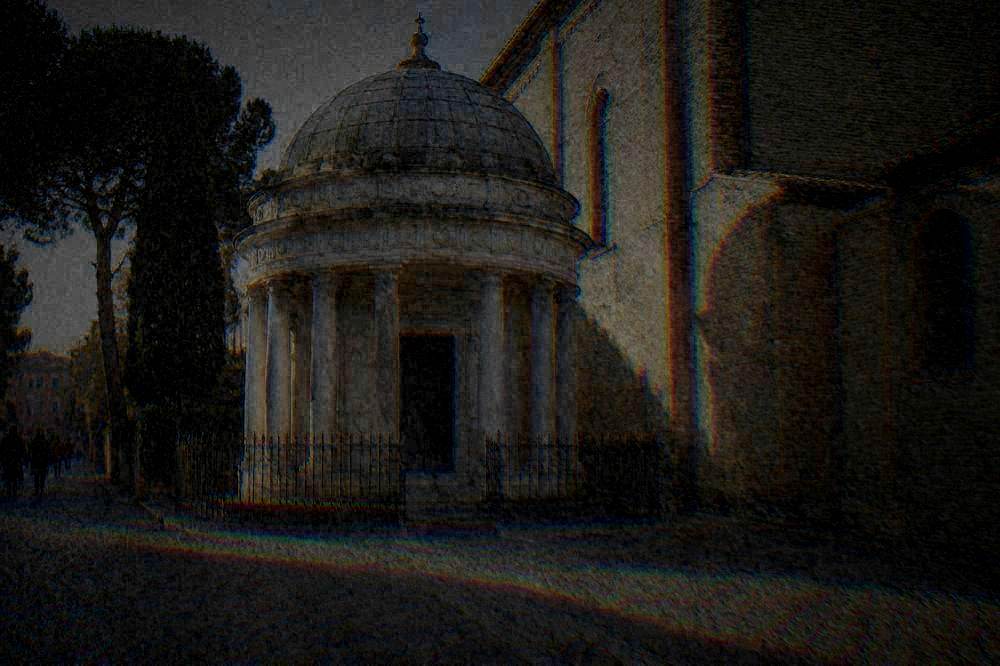
Dante is buried in Ravenna, in Emilia-Romagna, Italy, in a small tomb by the Basilica of San Francesco. Hours, prices, the Museo Dante and the annual oil offering explained.
Dante Alighieri, the author of the Divine Comedy, is buried in Ravenna, an inland city on the flat Po plain of Emilia-Romagna, Italy, about 8 km from the Adriatic beaches. His tomb is a small neoclassical structure attached to the Basilica of San Francesco, a short walk from Piazza del Popolo in the historic centre, and the municipal page for the tomb lists entry as free. The city that holds the eight UNESCO Early Christian monuments also holds Italy's most famous poet, and the two stories are told on the same streets. The comune di Ravenna page gives opening hours that shift twice a year, and the neighbouring museum adds a paid layer to the visit for anyone who wants more than the tomb itself.
Where Is Dante Actually Buried?
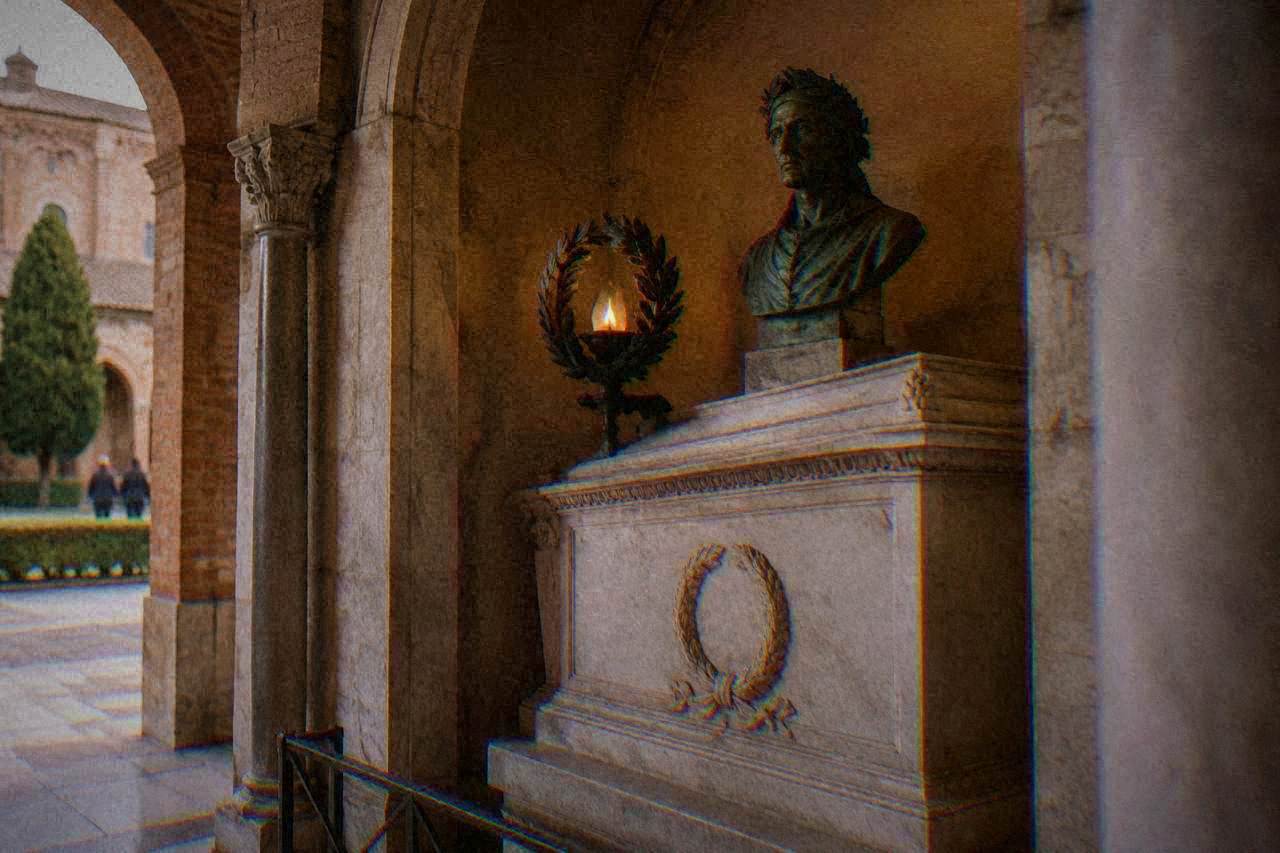
Dante is buried in Ravenna, in Emilia-Romagna, Italy, inside a small tomb attached to the Basilica of San Francesco in the historic centre. The comune di Ravenna's page for the tomb states that entry is free, with no ticket and no booking, and the site sits a short walk from Piazza del Popolo and from the railway station. He died in Ravenna and he is buried in Ravenna, and the tomb has been the city's signature sight ever since.
The tomb itself is modest, which surprises readers who expect a grand national monument. A marble sarcophagus holds the remains, raised above the floor, with a lamp burning nearby. The whole space is a single room, and visits are naturally brief because of it. The municipal page describes the setting beside the Basilica of San Francesco, one of the city's historic churches, and the surrounding quiet streets of the centre. Anyone planning a wider circuit can read what Ravenna is famous for to see how the tomb sits alongside the mosaics of San Vitale and the Mausoleum of Galla Placidia in a single walking day.
The burial question carries a long afterlife because Florence, Dante's birthplace, spent centuries asking for the remains back. Ravenna never gave them up. The full story of how the poet came to die here, and why he stayed, is covered in detail on why Dante is buried in Ravenna, and it is worth reading before a visit because it explains the odd touches around the tomb, including the inscription and the lamp.
What Are The Opening Hours And Entry Rules For Dante's Tomb?
The tomb is open daily, and entry is free. The comune di Ravenna page gives 10:00 to 18:00 from 1 November to 31 March and 10:00 to 19:00 from 1 April to 31 October, with two exceptions: it is closed on 25 December, and on 1 January it opens from 13:00. No ticket, no time slot and no booking appear anywhere in the official visiting information.
Those hours matter more than they look. The tomb sits on the standard mosaic circuit, and the UNESCO monuments keep their own seasonal schedule: the Ravenna Mosaici page shows winter hours of 10:00 to 17:00 from 3 November 2026 to 6 March 2027 for the mosaic sites, so a winter visitor can see the mosaics and still reach the tomb in its longer evening window. In summer the reverse holds, with monuments open to 19:00 and the tomb matching them.
| Item | Figure | Source note |
|---|---|---|
| Tomb entry | Free | comune di Ravenna page |
| Tomb hours, 1 Apr to 31 Oct | 10:00 to 19:00 | comune di Ravenna page |
| Tomb hours, 1 Nov to 31 Mar | 10:00 to 18:00 | comune di Ravenna page |
| Closed | 25 December | comune di Ravenna page |
| 1 January | Opens 13:00 | comune di Ravenna page |
| Museo Dante ticket | EUR 5 full, EUR 3.50 reduced | vivadante.it box-office page |
The table above is the whole practical picture. A visit needs nothing more than a walk and a sense of the closing time. The tomb is one of the few sights in the city that costs nothing, which makes it the natural endpoint of a budget day; the broader list of no-cost stops is on the free-things-to-do page of the main guide, and the tomb sits on every version of that route.
Beyond the tomb itself, Ravenna rewards being seen at a slower pace, and the flat Po-plain geography makes that easy. The historic centre is compact and walkable, but the pinewoods and wetlands that ring the city, the same landscape the poet knew, open up on two wheels. A guided e-bike outing is one way to cover both the monuments and the green edge of town in a single loop, and the listing shows what the route includes.
What Is The Museo Dante And What Does It Cost?
The Museo Dante, next to the tomb, is the paid companion sight, and the vivadante.it box-office page lists the ticket at EUR 5 full and EUR 3.50 reduced. The listing shows it open Tuesday to Sunday from 10:00 to 17:30, closed on Mondays and on 25 December. It holds the deeper Dante story that the free tomb cannot tell on its own walls.
The museum is the place where the burial question gets its context: manuscripts, prints and the centuries of dispute over the remains are the material a curious reader wants after standing in the small tomb chamber. Hours marked from the listing should be confirmed before a Monday-adjacent visit, since the museum keeps a different weekly rhythm from the tomb, which never closes on a weekday. The pair makes a natural sequence, tomb first for the fact of the burial, museum second for the why and the how.
For visitors pairing the Dante stops with the mosaic circuit, the practical split is simple: the five combined-ticket monuments cluster within a few minutes' walk of the tomb, and Sant'Apollinare in Classe sits outside the centre in the Classe area. A day plan that respects both opening schedules is set out on the Dante's Tomb attraction page, which collects the visiting details in one place.
Why Does Florence Send Oil To Ravenna Every September?
Each year, on the second Sunday of September, oil from the Tuscan hills is offered at Dante's tomb in Ravenna, a gift routed through the Comune di Firenze, Florence's own city administration. It is an annual act of tribute from the poet's birthplace to his burial city, and it continues the acknowledgment that Florence has made since accepting that the remains stay in Ravenna.
The oil offering is the strangest and most human detail of the whole burial story. Florence spent centuries formally requesting the return of the remains, and the tribute of oil stands as the living compromise: the birthplace honours the grave it cannot have. A visitor who happens to be in Ravenna on that second September Sunday may see the ceremony, which is tied to the annual Dante celebrations the city runs around that date. The municipal pages carry the ceremony in their events listings, and the date is stable enough to plan around, though the programme details change each year and should be checked on the city's events calendar.
The offering also explains the lamp beside the sarcophagus. Tuscan oil feeds it, so the birthplace literally keeps a light burning at the grave. For anyone building a trip around the date, September sits between the summer crowds and the winter hours, and the city's cultural calendar, from the Ravenna Festival's autumn trilogy at Teatro Alighieri in November to the Christmas village planning in Piazza del Popolo, gives the shoulder season its own weight.
How Does The Tomb Fit Into A Day In Ravenna?
The tomb fits into any Ravenna day without effort, because it stands in the historic centre, a short walk from Piazza del Popolo and from the mosaic monuments that draw visitors here. A one-day route covers San Vitale, the Mausoleum of Galla Placidia, the Neonian Baptistery and the tomb in a single loop on foot, ending with a free stop that needs no ticket. The only scheduling rule is the closing time, 19:00 in the warmer half of the year and 18:00 in the cooler half.
The railway station sits a short walk from the centre, which makes the tomb reachable even on a half-day stop. Travellers arriving by rail can follow the walk from the station through the centre, and the plan for a compressed visit is laid out on the guide to seeing Ravenna's mosaics in half a day, where the tomb appears as the closing stop. Cruise passengers with limited hours face a different calculation, since the port sits at Porto Corsini about 15 km away and the shuttle takes about 30 minutes, a situation covered on the page for arriving from the cruise port.
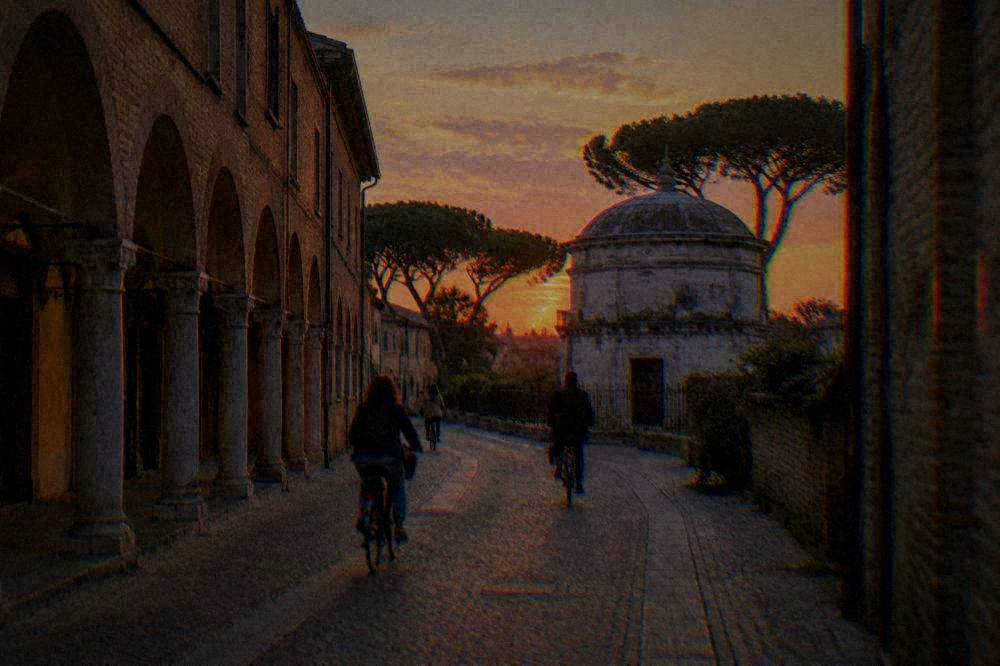
Round the day with food and the city reveals its other identity. Piadina, the flatbread of Romagna, cappelletti in brodo and the local Sangiovese wines are the everyday counterpoint to the gold-ground mosaics, and a food-focused walk or a cooking class turns a sightseeing day into a fuller one. The options below pair a guided ride through the city's history and nature with two of the food experiences the region is known for.
The gelato class in that list is a favourite with families, and the piadina class teaches the flatbread that appears in every bakery window within a few streets of the tomb. Anyone comparing Ravenna with its louder neighbour on the coast can read which is better, Ravenna or Rimini, where the tomb and the mosaics are the deciding argument for the inland city. For the essential background on this site's coverage, start with Ravenna Travel Guide and work outward from there.
Common Questions About Dante's Tomb In Ravenna
Where is Dante actually buried?
Dante is buried in Ravenna, in Emilia-Romagna, Italy, in a small tomb attached to the Basilica of San Francesco in the historic centre. Entry is free and the tomb is open daily.
How much does it cost to visit Dante's tomb?
Nothing. The comune di Ravenna page for the tomb lists entry as free, with no ticket required. The adjoining Museo Dante is the paid sight, at EUR 5 full and EUR 3.50 reduced on the vivadante.it box-office page.
When is Dante's tomb open?
Daily, 10:00 to 19:00 from 1 April to 31 October and 10:00 to 18:00 from 1 November to 31 March. It is closed on 25 December and opens from 13:00 on 1 January.
Is Dante's tomb near the mosaics?
Yes. The tomb stands in the historic centre, a short walk from the mosaic monuments on the combined ticket, including San Vitale, the Mausoleum of Galla Placidia and the Neonian Baptistery.
Why does Florence send oil to Ravenna?
Each year on the second Sunday of September, oil from the Tuscan hills is offered at the tomb through the Comune di Firenze, an annual tribute from Dante's birthplace to the city where he is buried.