Why Is Ravenna So Important?
Ravenna matters for three stacked reasons: eight UNESCO-listed Early Christian monuments with Byzantine mosaics, a run as a capital of the late Roman world, and Dante's tomb. This page explains each.
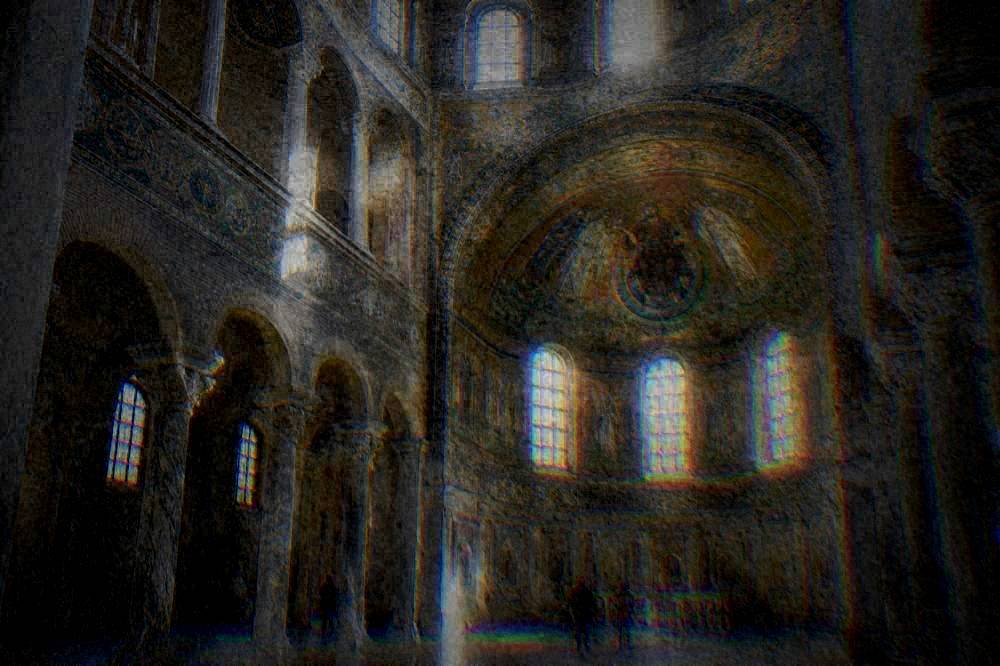
Ravenna, an inland city in Emilia-Romagna on the flat Po plain about 8 km from the Adriatic coast, is important for reasons that stack on top of each other. UNESCO inscribed eight of its Early Christian monuments on the World Heritage List in 1996, a concentration of gold-ground glass mosaic found nowhere else in this state of survival. The city served as a capital in the late Roman world, which is why those buildings exist here at all. And Dante, who died and is buried in Ravenna, gives the city a literary weight that draws visitors with no interest in mosaics at all. This page from the Ravenna Travel Guide desk lays out each reason with the figures the official pages carry.
Why Is Ravenna So Important?
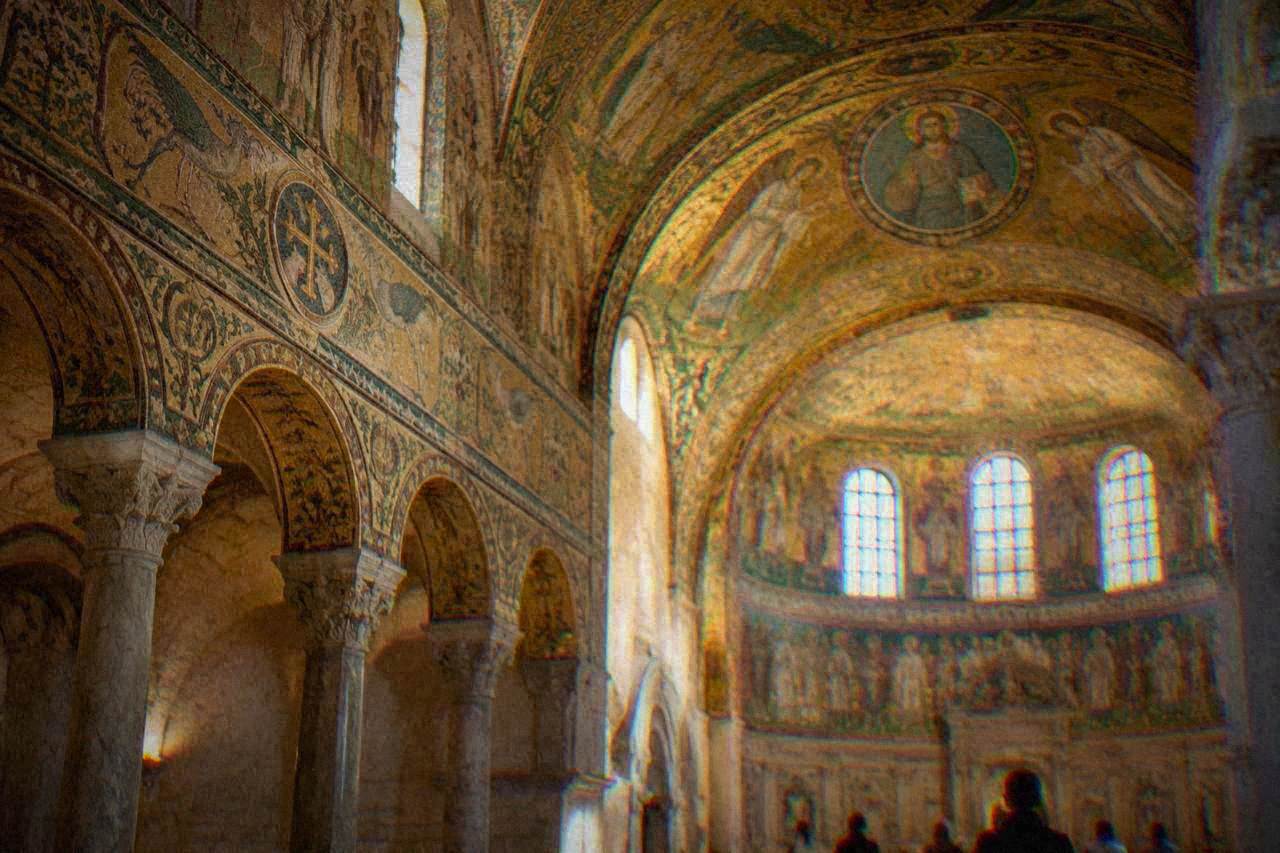
Ravenna is important because it holds eight monuments inscribed by UNESCO as a group in 1996, filled with Byzantine mosaics the listing itself describes as Early Christian art of outstanding quality, and because it served as an imperial capital whose buildings survived here rather than in Rome or Constantinople. Dante's tomb, free to enter, adds a literary layer. Few cities of this size carry three such claims together.
The UNESCO listing names the monuments individually: the Mausoleum of Galla Placidia, the Neonian Baptistery, Sant'Apollinare Nuovo, the Arian Baptistery, the Archiepiscopal Chapel, the Mausoleum of Theodoric, San Vitale and Sant'Apollinare in Classe. That is the full list of eight, and the site's page on the eight UNESCO sites in Ravenna goes through each one. What a visitor actually sees is consistent across them: gold-ground glass tesserae set into domes, apses and wall surfaces, a technique the UNESCO text treats as the reason the group was inscribed.
The survival is the quiet part of the story. Ravenna was a capital city at moments when Rome's power had moved away, and the buildings commissioned for that court stayed in place on the Po plain while grander structures elsewhere were rebuilt or lost. The listing exists because the ensemble survived as an ensemble.
Eight UNESCO Monuments And How The Combo Ticket Covers Them
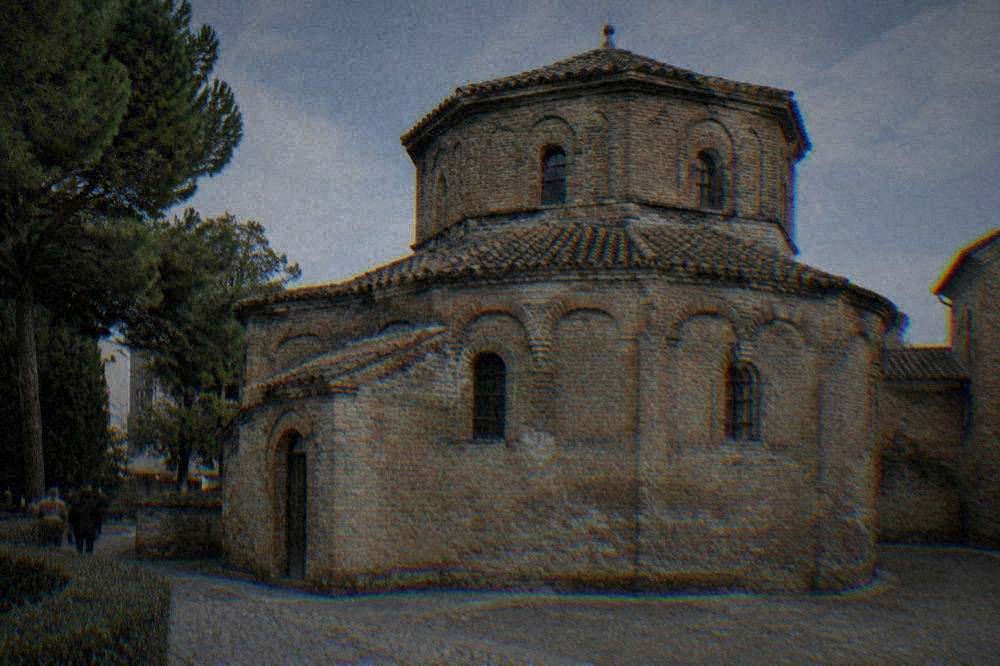
The Ravenna Mosaici combined ticket covers the monument group, with reduced fares starting at EUR 9.50 for two monuments, EUR 11.50 for four and EUR 13.50 for five, valid one week with one admission per monument and a booked entry time for each. The 2-monument combo covers Sant'Apollinare Nuovo and San Vitale; the 4-monument adds Galla Placidia and the Neonian Baptistery; the 5-monument adds the Archiepiscopal Museum and Chapel of St Andrew.
Those reduced figures come from the Ravenna Mosaici prices page; full prices sit on the same official page, so check it before buying. Reduced rates apply to students, non-accredited journalists and paying groups over 20, and entry is free for children 0 to 10, residents of Ravenna, ICOM members, licensed guides, and visitors with a disability plus one companion. Two monuments need particular planning: Galla Placidia and the Neonian Baptistery require a mandatory booked entry time and allow only a few minutes inside, attached to the monument ticket. The Ravenna combo ticket guide on this site's root page walks through the choices in more depth.
The winter schedule on the official page runs 10:00 to 17:00 from 3 November 2026 to 6 March 2027, closed on 25 December and 1 January. Beyond the eight, separate state sites have their own prices, shown in the table below from their official pages.
| Site | Ticket (official page) | Notes |
|---|---|---|
| Mausoleum of Theodoric | EUR 6, concession EUR 5, ages 18 to 25 EUR 2 | Combined EUR 7 with the Arian Baptistery and Theodoric's Palace; daily 8:30 to 17:30 |
| Arian Baptistery | EUR 3 | UNESCO monument, own ticket |
| Sant'Apollinare in Classe | EUR 6, reduced EUR 2 | In the Classe area outside the centre |
| Museo Nazionale | EUR 7, reduced EUR 2 | Closed Mondays |
| MAR art museum | EUR 8, reduced EUR 6, students EUR 3 | Closed Mondays |
| Museo Dante | EUR 5, reduced EUR 3.50 | Combined with Casa Dante |
| Dante's tomb | Free | 10:00 to 18:00 November to March |
A guided walk is one way to absorb the monuments without managing the entry-time bookings yourself, and the listings above show what each option covers.
Why Was Ravenna A Capital Of The Late Roman World?
Ravenna served as a capital of the late Roman world, and the court that ruled from here commissioned the buildings now on the UNESCO list, which is why mosaics of this quality sit on the Po plain rather than in Rome. Galla Placidia, Theodoric and Dante are the figures attached to the monuments; the architecture, not the chronology, is what the visitor inherits today.
The site's history guide keeps the detail in one place, but the shape is simple. Power moved to Ravenna, the court built churches, baptisteries and mausolea to match its status, and the city then declined into a quiet provincial role that left those buildings undisturbed. Marble and mosaic stayed on the walls. When the mosaics of Ravenna are counted today, the answer is that capital-city patronage built them and post-capital obscurity preserved them.
Visitors can read the story directly in the fabric: the gold-ground glass mosaic of the baptisteries, the brick drum of Theodoric's mausoleum, the domed chapel of Galla Placidia. The UNESCO listing inscribed the group in 1996 precisely because the buildings together document that transition.
What Does Dante Add To Ravenna's Importance?
Dante died in Ravenna and is buried here, in a tomb that is free to enter and open daily, 10:00 to 18:00 from November to March and 10:00 to 19:00 from April to October. His presence turns the city into a site of literary pilgrimage alongside the mosaic monuments, and Florence still supplies the oil for the lamp at his tomb, delivered each year on the second Sunday of September.
That oil offering, reported from the municipal pages, is the detail that never makes a generic guide: the city that exiled the poet sends oil for his grave, and Ravenna keeps the tomb. The question of why Dante is buried in Ravenna has its own page here, covering the tomb's history and what a visit involves. The Museo Dante, a short walk away, carries a EUR 5 combined ticket with Casa Dante, and the municipal page confirms the free tomb hours above.
For a traveller building a day around the centre, Dante's tomb sits within a short walk of San Vitale and Galla Placidia, which makes the literary and mosaic halves of Ravenna one continuous route rather than two separate trips.
How Does Ravenna's Position Shape Its Importance Today?
Ravenna's historic centre is inland on the Po plain, about 8 km from an Adriatic coast lined with resort towns, and its station sits a short walk from the centre with direct regional trains to Bologna in about 1 hour to 1 hour 20 over about 84 km. The cruise port at Porto Corsini, about 15 km out, plans 111 calls and about 390,000 passengers in 2026, with a new terminal inauguration reported for spring 2027.
That combination, a walkable monumental core, a working regional rail hub and a coast reached by Start Romagna bus, bike or car, is why Ravenna functions today as a base as well as a destination. Day trips to Bologna, Rimini, San Marino, Ferrara, Faenza, Cervia, Brisighella, Comacchio, the Po Delta, Florence and Venice all start from here. The day trips from Ravenna page lists them with the transport options for each.
The climate table, modelled ERA5 normals for 1991 to 2020, shows the practical rhythm: July is the driest month at 38.1 mm and the warmest at a 25.2 C mean, while November is the wettest at 78.3 mm, with about 674 mm across the year.
| Month | Mean temperature (C) | Precipitation (mm) |
|---|---|---|
| January | 5.1 | 43.8 |
| April | 13.1 | 66 |
| July | 25.2 | 38.1 |
| October | 15.7 | 66 |
| November | 10.6 | 78.3 |
One dated fact worth carrying: a 25,000 cubic metre sand barrier is built each autumn at Punta Marina, Marina di Ravenna Sud and Lido di Savio and stays until spring 2027, so the winter beach looks different from the summer one. The beach question has its own answer page.
A private walk that ends in a mosaic workshop connects the two halves of the city's identity: the historic monuments and the craft workshops that still cut and set tesserae by hand. The listing shows what the visit includes.
Common Questions About Ravenna
Why is Ravenna so important?
Ravenna holds eight UNESCO-listed Early Christian monuments with Byzantine mosaics, inscribed as a group in 1996, served as a capital of the late Roman world whose buildings survived intact, and holds Dante's tomb. Together those three facts give a city of modest size an outsized place in European history.
How many UNESCO monuments does Ravenna have?
Eight: the Mausoleum of Galla Placidia, the Neonian Baptistery, Sant'Apollinare Nuovo, the Arian Baptistery, the Archiepiscopal Chapel, the Mausoleum of Theodoric, San Vitale and Sant'Apollinare in Classe. Other museums in the city, such as the MAR and Classis Ravenna, are not part of the UNESCO group.
How much do the Ravenna monument tickets cost?
Combined Ravenna Mosaici tickets start at EUR 9.50 reduced for two monuments, EUR 11.50 for four and EUR 13.50 for five, valid one week with one admission per monument. Full prices are shown on the official Ravenna Mosaici page, which is where to check before booking.
Is Dante really buried in Ravenna?
Yes. Dante died in Ravenna and is buried here in a tomb that is free to enter, open 10:00 to 18:00 from November to March and 10:00 to 19:00 from April to October, closed on 25 December. Florence supplies the oil for the tomb lamp each year on the second Sunday of September.
Is Ravenna on the coast?
No. The historic centre is inland on the Po plain, about 8 km from the Adriatic. The beach resorts, Marina di Ravenna, Punta Marina, Lido Adriano, Lido di Classe and Lido di Savio, are reached by Start Romagna bus, bike or car from the station.
Can Ravenna be a base for day trips?
Yes. Direct regional trains reach Bologna in about 1 hour to 1 hour 20, and the station sits a short walk from the centre. Bologna, Rimini, Ferrara, Faenza, Comacchio, the Po Delta, San Marino, Cervia, Brisighella, Florence and Venice are all written up as day trips from here.