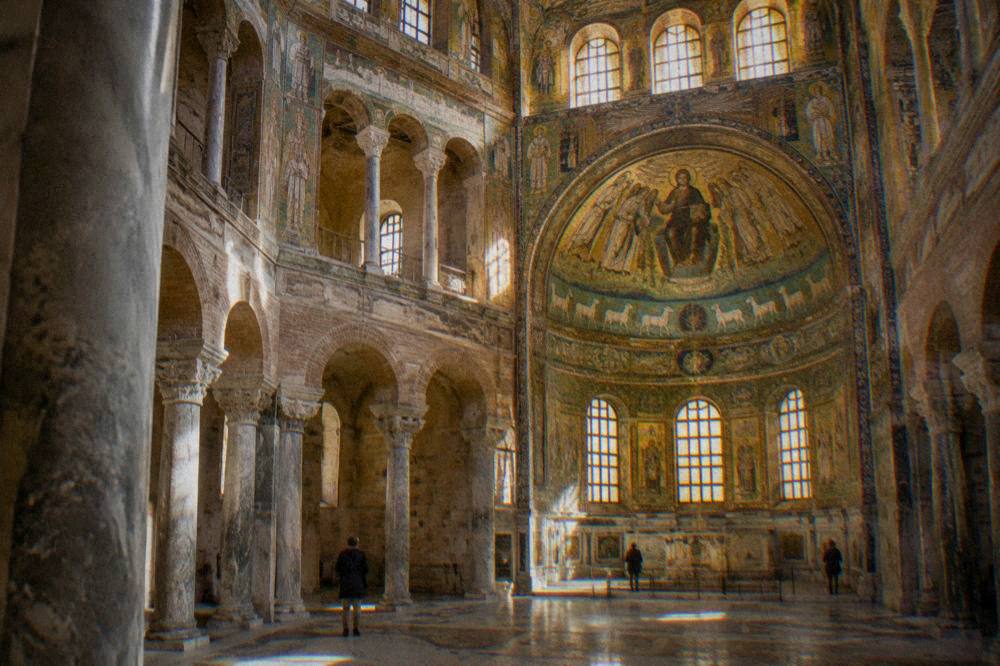
Mausoleum Of Galla Placidia
The Mausoleum of Galla Placidia is the small brick chapel beside Ravenna's Basilica of San Vitale, holding blue and gold mosaics that UNESCO lists among the eight Early Christian monuments of the city. Here is what the official pages say about tickets, timed entry and hours.
Short answer
The Mausoleum of Galla Placidia in Ravenna is one of the city's eight UNESCO Early Christian monuments. It is covered by the Ravenna Mosaici combined ticket from EUR 11.50 reduced for the four-monument option, with mandatory timed entry and a stay of a few minutes inside. Summer hours are 9:00 to 19:00 and winter hours 10:00 to 17:00.
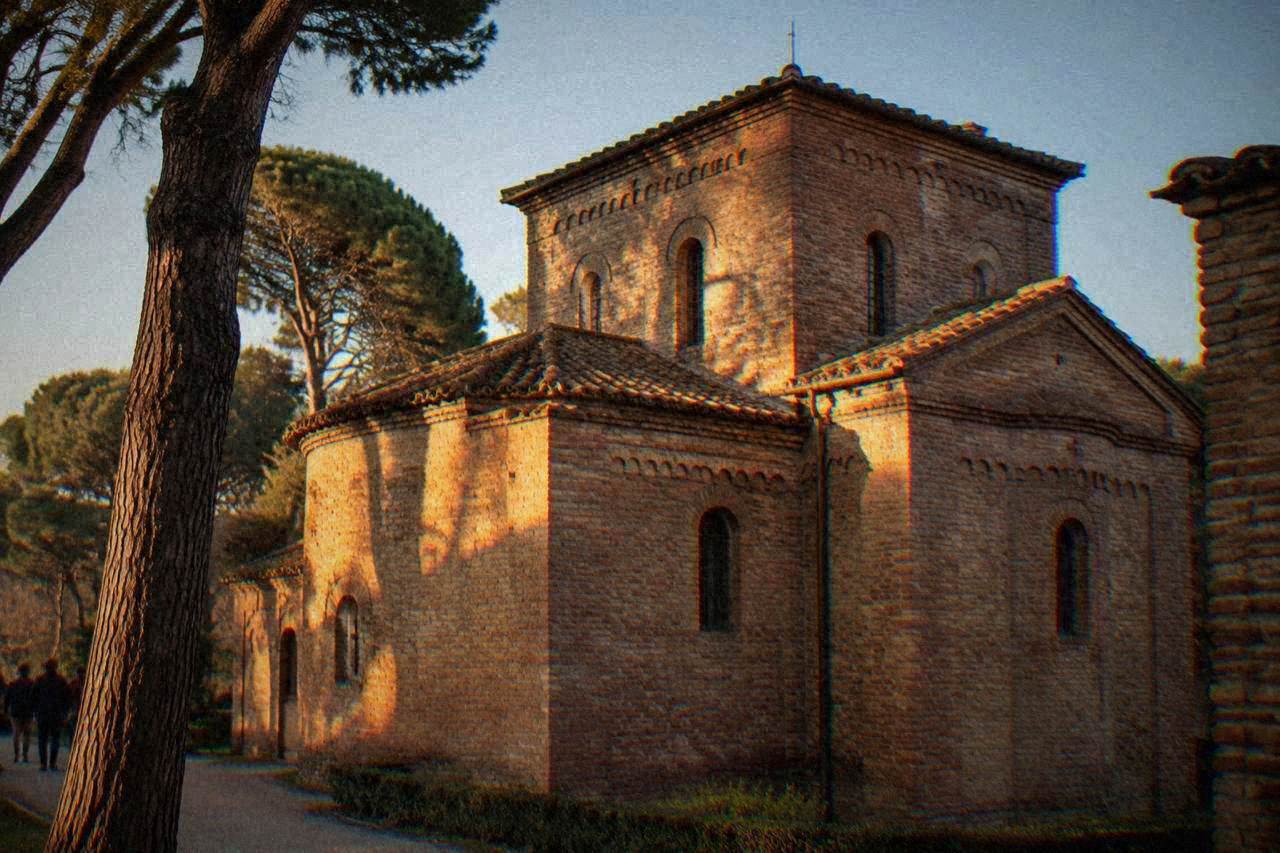
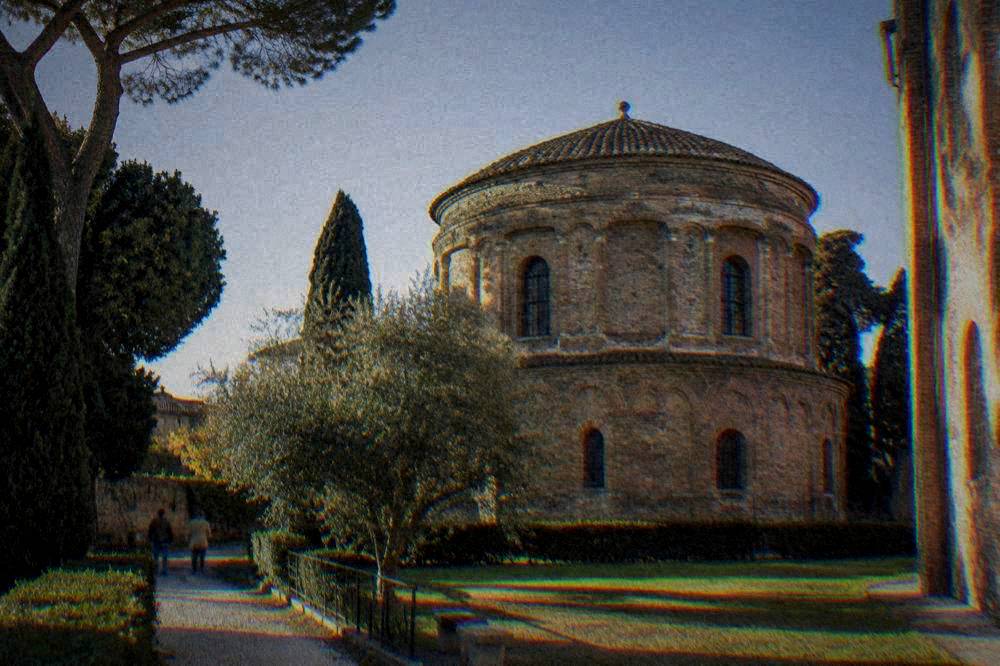
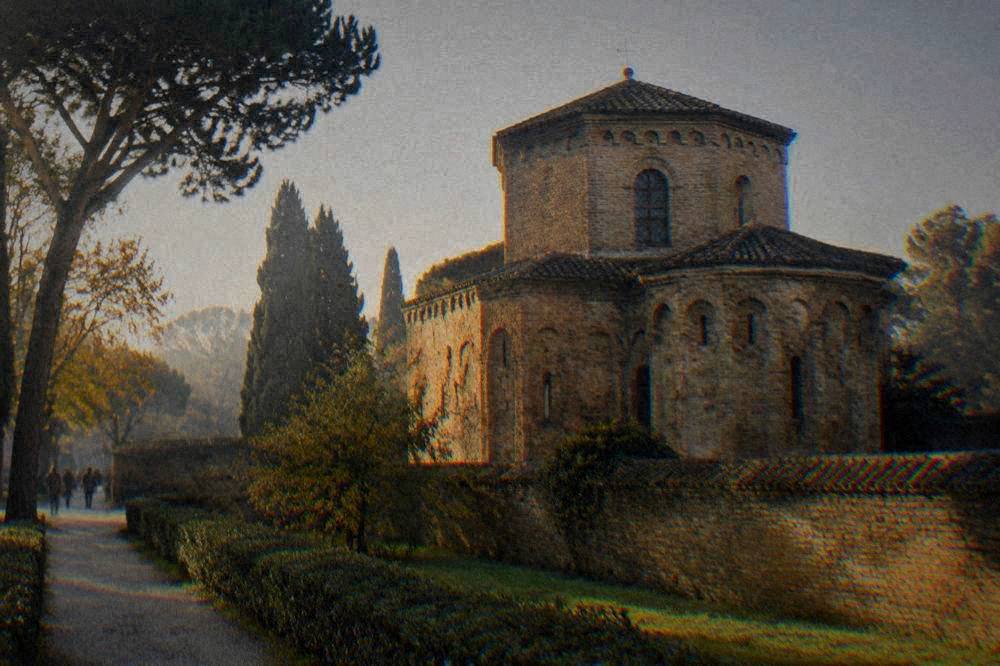
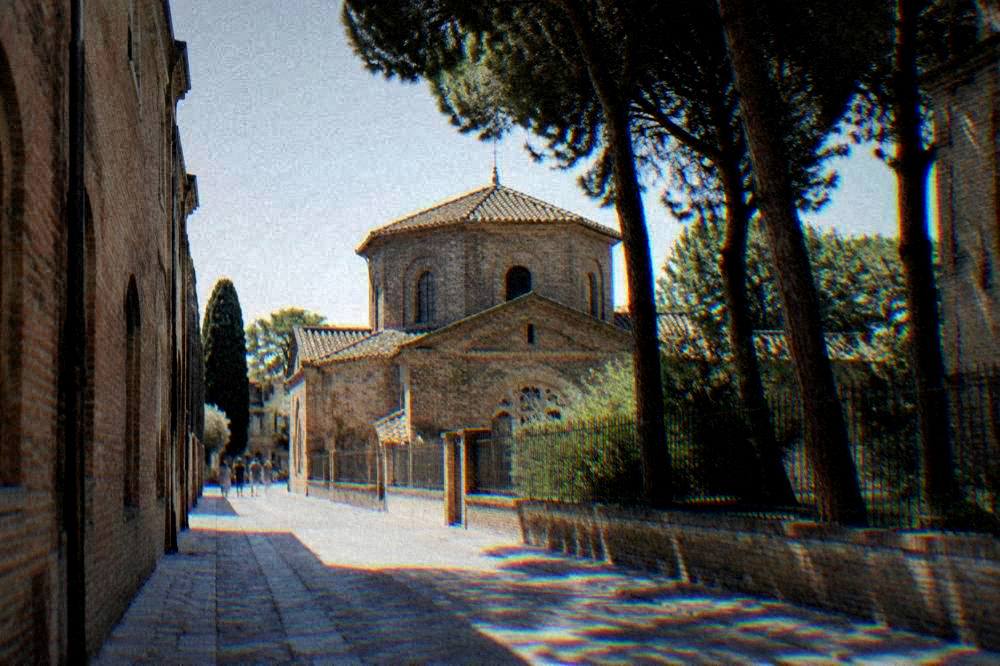
The Mausoleum of Galla Placidia stands in the garden of Ravenna's Basilica of San Vitale, a plain brick box barely ten paces long that UNESCO, inscribing it in 1996 as one of the eight Early Christian monuments of Ravenna, places among the finest mosaic ensembles anywhere. Ravenna itself is an inland Po-valley city in Emilia-Romagna, about 8 km from the Adriatic coast, and this little chapel, not a grand basilica, is the reason many mosaic lovers put the city on a route at all. The interior is covered floor to vault in glass tesserae on a deep blue ground, and the official Ravenna Mosaici pages govern every practical detail of a visit: the combined ticket, the mandatory timed entry and the short stay.
This page collects what the official pages state: what the monument is, what a ticket costs and covers, how the timed entry works, what you actually look at once inside, and how it fits with the other seven UNESCO monuments around the historic centre. Where a live figure lives on an operator's page rather than in the sources here, the text says so and sends you there.
What Is The Mausoleum Of Galla Placidia?
The Mausoleum of Galla Placidia is a small cruciform brick chapel in Ravenna, one of the eight monuments in the UNESCO Early Christian Monuments of Ravenna inscription, whose interior is entirely sheathed in Byzantine mosaics on a night-blue ground. The UNESCO listing names Galla Placidia in the site's title, and the Ravenna Mosaici pages place it beside the Basilica of San Vitale, on the same garden plot in the historic centre.
UNESCO's inscription, read on the World Heritage list, names eight monuments: the Mausoleum of Galla Placidia, the Neonian Baptistery, Sant'Apollinare Nuovo, the Arian Baptistery, the Archiepiscopal Chapel, the Mausoleum of Theodoric, San Vitale and Sant'Apollinare in Classe. Galla Placidia appears among them as a name tied to the monument's title, and the site facts carry no biography beyond that name. What a visitor sees, not who commissioned it, is what the sources describe: a low brick drum and pediments, a crossing covered by a dome, and mosaic decoration that the UNESCO wording calls Byzantine and Early Christian.
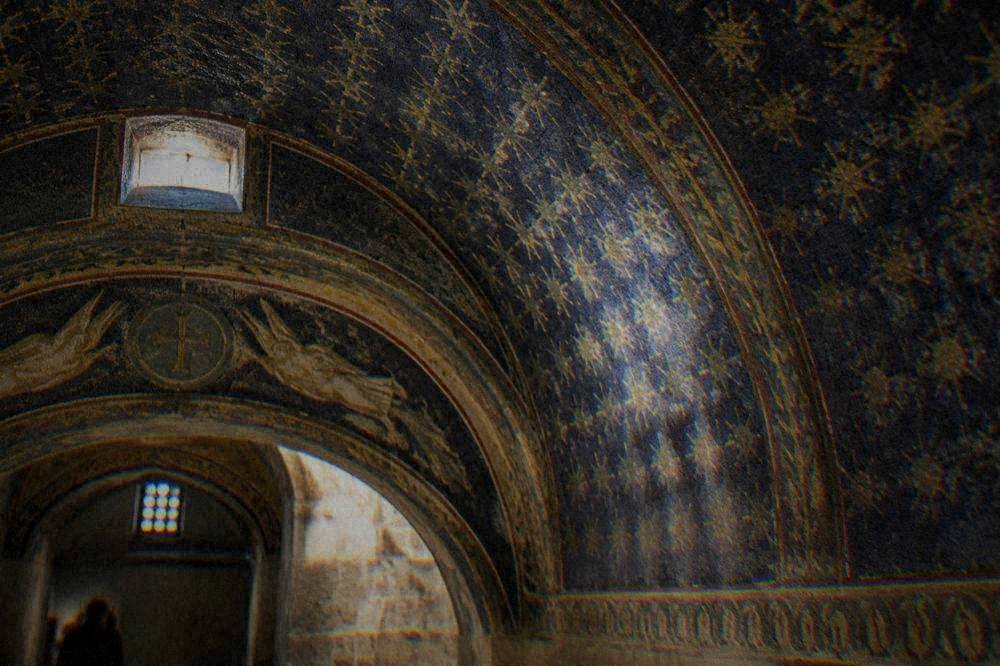
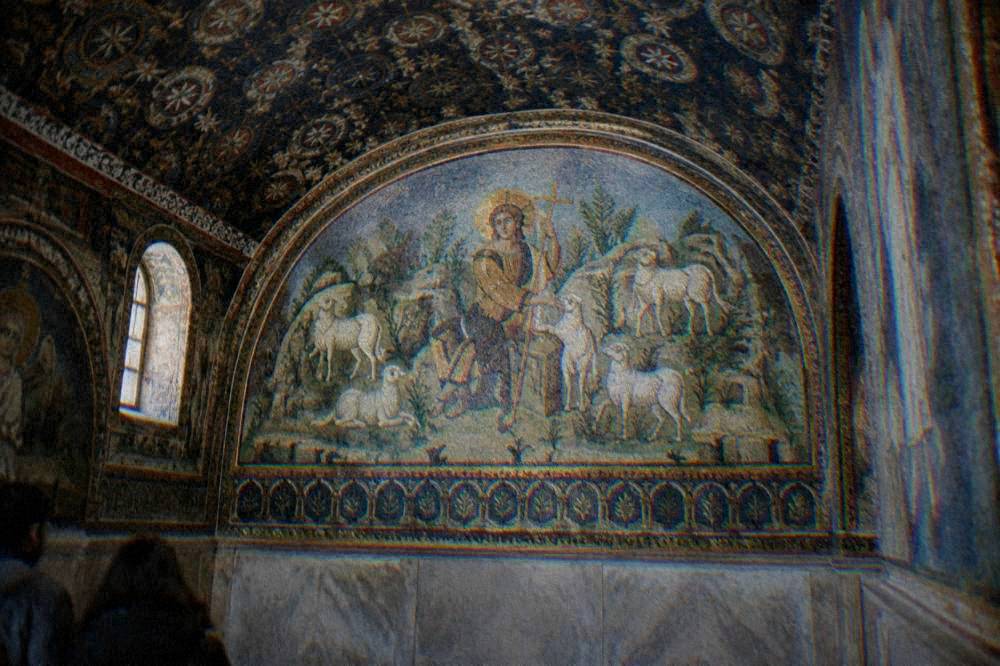
The scale surprises people who have only seen photographs. The building is a single small interior, and the mosaics sit close enough to study individual tesserae, gold-ground glass cubes set against deep blue. The Good Shepherd in the lunette above the entrance is the image reproduced on posters across the city, and the vault above it carries a star field that has been copied on everything from book covers to the lira coins of an older Italy, though the sources here say nothing of the coins and only the mosaics matter.
For background questions, the site's own answer pages cover what the mausoleum of Galla Placidia is and why it was built in more depth, and the Ravenna Travel Guide homepage frames the whole city.
How Much Do Mausoleum Of Galla Placidia Tickets Cost?
The Mausoleum of Galla Placidia has no standalone ticket on the Ravenna Mosaici scheme: it enters the combined ticket at the four-monument level, from EUR 11.50 reduced, which adds it to Sant'Apollinare Nuovo and San Vitale with the Neonian Baptistery. The five-monument option, from EUR 13.50 reduced, adds the Archiepiscopal Museum and the Chapel of St Andrew.
Ready to pick your time slot? Book an UNESCO mosaics entry ticket here.
The Ravenna Mosaici prices page lists the combined options in reduced fares: EUR 9.50 reduced for two monuments (Sant'Apollinare Nuovo and San Vitale), EUR 11.50 reduced for four (adding Galla Placidia and the Neonian Baptistery) and EUR 13.50 reduced for five (adding the Archiepiscopal Museum and Chapel of St Andrew). The full fares sit on the same official page, which is where to read them before buying. Reduced rates apply to students, non-accredited journalists and paying groups over 20; children 0 to 10, residents of Ravenna, ICOM members, licensed guides, and visitors with a disability plus companion enter free.
Two conditions shape every purchase. The ticket is valid one week, one admission per monument, and an entry time must be booked for each monument separately. Galla Placidia and the Neonian Baptistery additionally carry mandatory timed entry with short stays of a few minutes inside, which the terms of purchase page spells out, and San Vitale admits in slots. In practice that means the mausoleum is a timed event inside a week-long ticket, not a place to linger at will.
| Ravenna Mosaici option | Monuments covered | Reduced fare |
|---|---|---|
| 2 monuments | Sant'Apollinare Nuovo, San Vitale | EUR 9.50 |
| 4 monuments | Adds Mausoleum of Galla Placidia, Neonian Baptistery | EUR 11.50 |
| 5 monuments | Adds Archiepiscopal Museum, Chapel of St Andrew | EUR 13.50 |
If a guided walk suits the visit better than self-managed time slots, several bookable options include the monuments, and the operator's live listing carries the current price and inclusions.
A private alternative, Check availability for the private Byzantine mosaics tour, keeps the group to your own party; the listing shows what the from-price covers.
What Are The Opening Hours At The Mausoleum Of Galla Placidia?
The Mausoleum of Galla Placidia keeps the Ravenna Mosaici hours: 9:00 to 19:00 in summer, 8 March to 2 November 2026, with last admission 18:45, and 10:00 to 17:00 in winter, 3 November 2026 to 6 March 2027, with last admission 16:45. The monument closes on 25 December and 1 January, and the official page lists any one-off changes.
Those bands apply to all the Ravenna Mosaici sites together, with one nuance: last admission at Galla Placidia and the Neonian Baptistery runs to 18:45 in summer and 16:45 in winter, fifteen minutes later than the 18:30 and 16:30 cutoffs at San Vitale, Sant'Apollinare Nuovo and the Archiepiscopal Museum. That is the whole difference, and it exists because the two small buildings turn visitors through quickly on timed slots.
| Season | Dates | Hours | Last admission |
|---|---|---|---|
| Summer | 8 March to 2 November 2026 | 9:00 to 19:00 daily | 18:45 |
| Winter | 3 November 2026 to 6 March 2027 | 10:00 to 17:00 daily | 16:45 |
| Closed | 25 December and 1 January | closed all day | none |
Planning around the clock matters less than planning around the queue for slots: the timed entry exists precisely because the interior holds few people at once, so an early or late slot on the booking page is worth taking whatever the season. Check the official Ravenna Mosaici entrance page close to your date for any single-day change.
What Will You See Inside The Mausoleum Of Galla Placidia?
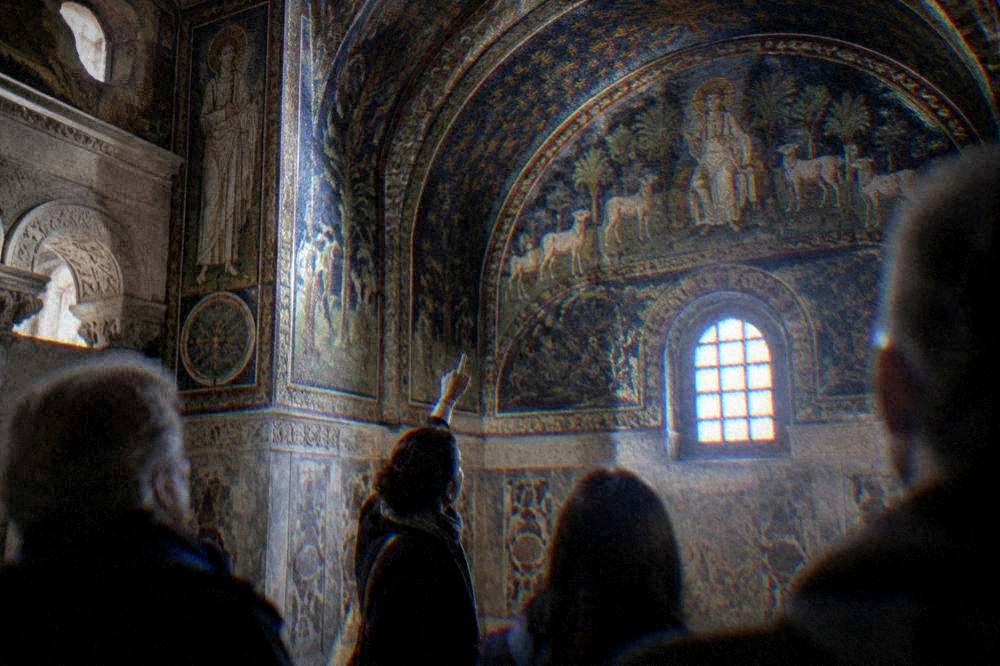
Inside, the Mausoleum of Galla Placidia presents a single cruciform room fully covered in mosaics: the Good Shepherd in the entrance lunette, apostles and doves in the barrel vaults, a star-filled cross-vault over the crossing, and marble sarcophagi along the walls. The Ravenna Mosaici and UNESCO listings describe the ensemble as among the earliest and finest Byzantine mosaics in the city.
The mosaics are the content, and they reward slow looking even in a short stay. The blue ground dominates, cut by golden stars in the vault and by green pasture in the Good Shepherd scene. The shepherd figure, young and beardless, sits among sheep in a rocky landscape that the UNESCO description treats as a high point of Early Christian art. Above, the cross-vault's star field gives the interior its nickname among guides, though the official pages use no nickname and describe the decoration soberly.
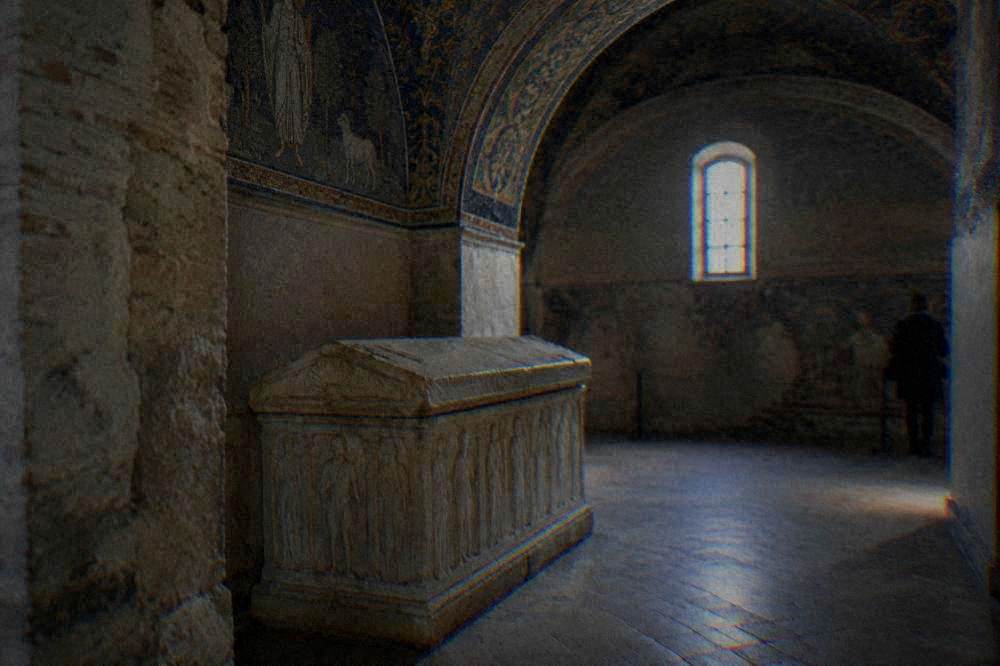
Three stone sarcophagi rest in the arms of the cross. The sources here say nothing certain about who occupied them, and this site does not add to what the official texts state: the monument's title carries Galla Placidia's name, and the building itself is what you see. Light enters through small alabaster-window openings, which is why the gold tesserae flicker the way they do in photographs taken without flash.
A practical note from the terms of purchase: the stay inside is deliberately short, a few minutes, because the timed entry rotates small groups continuously. Going in with a fixed list of what to look at, the vault first while your eyes adjust, then the lunettes, then the sarcophagi, makes the minutes count. Visitors who want longer with the mosaics often pair the mausoleum with a guided walk that contextualises each panel; the decision-name walk below focuses exactly on these interiors, and the listing states what is included.
How Does The Mausoleum Of Galla Placidia Compare To Ravenna's Other UNESCO Monuments?
The Mausoleum of Galla Placidia is the smallest of Ravenna's eight UNESCO monuments and the only one whose whole interior is a single mosaic-lined room on a blue ground, where the Neonian Baptistery offers a dome of figures, San Vitale a grand imperial basilica and Sant'Apollinare in Classe a processional nave outside the centre. The eight names come from the single UNESCO inscription of 1996.
Each monument answers a different question, and the differences are physical, not just art-historical labels the site avoids. The mausoleum is intimate and dark. The Neonian Baptistery, a short walk away, centres on a domed ceiling of apostles around a font. The Basilica of San Vitale, whose garden the mausoleum shares, is the largest mosaic interior in the city, and the two are visited together by default. The Basilica of Sant'Apollinare Nuovo lines two long walls with processions; the Arian Baptistery is a second, smaller baptistery a few streets south; the Archiepiscopal Chapel sits inside the Archiepiscopal Museum; the Mausoleum of Theodoric stands apart on its own ground with its own ticket; and the Basilica of Sant'Apollinare in Classe lies in the Classe area outside the centre.
| UNESCO monument | Setting | Ticket route |
|---|---|---|
| Mausoleum of Galla Placidia | Garden of San Vitale | Ravenna Mosaici 4 or 5 monument combo |
| Neonian Baptistery | Historic centre, near the cathedral | Ravenna Mosaici 4 or 5 monument combo |
| Sant'Apollinare Nuovo | Historic centre | Ravenna Mosaici combo, all options |
| San Vitale | Historic centre | Ravenna Mosaici combo, all options |
| Archiepiscopal Chapel and Museum | Historic centre | Ravenna Mosaici 5 monument combo |
| Arian Baptistery | Historic centre | Separate entry, EUR 3, or Theodoric combined ticket |
| Mausoleum of Theodoric | Own grounds, south of the centre | EUR 6, or EUR 7 combined with Arian Baptistery and Theodoric's Palace |
| Sant'Apollinare in Classe | Classe, outside the centre | EUR 6, EUR 2 reduced |
The Visit Ravenna page for the Mausoleum of Theodoric lists its EUR 6 ticket, a EUR 5 concession, EUR 2 for ages 18 to 25, and a EUR 7 combined ticket with the Arian Baptistery and Theodoric's Palace, which is how those three non-combo sites are bought. The state museums and monuments are free on the first Sunday of the month, a point the state pages carry, and worth holding in mind for a long stay. The Classis Ravenna museum and the other city museums sit outside the UNESCO eight entirely, useful for a second day rather than a substitute for the monuments.
Can You Visit The Mausoleum Of Galla Placidia On A Guided Tour?
Yes, several bookable Ravenna tours include the Mausoleum of Galla Placidia among their monument stops, from group mosaic walks to private Byzantine-focused itineraries, and some options bundle the entry tickets while others expect you to hold your own combined ticket. The operator's live listing states, tour by tour, which arrangement applies and what the from-price covers.
The choice matters more here than at a big church, because a guide cannot extend your minutes inside the mausoleum, the timed stay governs everyone, but a guide can set up every panel before you enter so the short visit lands. Private options suit travellers who want the mausoleum read in depth; ticket-inclusive walks suit anyone who would rather not manage bookings across four monuments.
The related pick on this page, the private Byzantine mosaics tour, fits the mausoleum-first visitor; the walk below carries a ticket-inclusive arrangement that removes the slot-booking chore. Either way the monuments themselves open on the Ravenna Mosaici hours above, and no tour changes the timed entry at Galla Placidia itself.
When Is The Best Time To Visit The Mausoleum Of Galla Placidia?
The climate table gives Ravenna a July mean of 25.2 C and a January mean of 5.1 C, with November the wettest month at 78.3 mm and July the driest at 38.1 mm, so late spring and early autumn pair comfortable walking weather with full summer opening hours, 9:00 to 19:00 until 2 November 2026. Winter brings 10:00 to 17:00 hours and the smallest crowds at the slot booking page.
Those figures are modelled ERA5 normals for 1991 to 2020, the only climate dataset the site holds, and they describe the city, not the monument: the mausoleum itself is an interior visit of a few minutes in any season. What the seasons actually change is the ticketing. Summer hours give evening slots; the switch to winter hours on 3 November 2026 cuts the day shorter and moves last admission to 16:45; and the period around Notte d'Oro, each October, has brought free evening access to monuments in past editions, which the municipal events programme confirms year by year.
| Period | Hours at Galla Placidia | Climate context (ERA5 1991 to 2020) |
|---|---|---|
| March to early June | 9:00 to 19:00 from 8 March 2026 | Means 9.4 C in March rising to 17.9 C in May |
| July and August | 9:00 to 19:00 | Means 25.2 C and 25.0 C, driest months |
| September and October | 9:00 to 19:00 to 2 November | Means 20.3 C and 15.7 C, rain rising |
| November to early March | 10:00 to 17:00 from 3 November 2026 | Wettest month November at 78.3 mm, coldest January at 5.1 C |
Whatever the month, book the earliest available slot of your day. The mausoleum sits beside San Vitale, and doing the small dark interior first, while attention is fresh, then crossing the garden into the basilica, is the order the layout invites.
How Does A Visit Fit Into One Day In Ravenna?
The Mausoleum of Galla Placidia anchors the San Vitale end of a one-day Ravenna route: book a morning slot for the mausoleum and San Vitale together, then walk to the Neonian Baptistery, Sant'Apollinare Nuovo and Dante's tomb, all within the compact historic centre, and add the Archiepiscopal Museum if you hold the five-monument ticket. Sant'Apollinare in Classe needs separate travel to the Classe area.
The centre is flat and walkable, and the distances between the monuments are a few streets, so the day is organised around bookings rather than travel. Dante's tomb is free, open 10:00 to 19:00 in the April to October period and 10:00 to 18:00 November to March, closed 25 December. The site's day-plan pages cover the sequencing in detail: one day in Ravenna, a weekend in Ravenna and the mosaics-focused half-day plan, plus the overview at things to do in Ravenna.
Two warnings the official pages themselves make. First, the combo ticket's one week of validity tempts spreading the monuments over days, but each monument allows one admission only, so do not burn the Galla Placidia slot early if you might return with a guide. Second, the city is inland and the beaches are 8 km or more away at Marina di Ravenna and the other lidi, reached by Start Romagna bus from the station, so a beach afternoon is a real add-on but never a stroll after the mosaics.
A mosaic-focused small-group walk can hold the day together for visitors who prefer not to self-direct; the final pick below covers the celebrated interiors in one itinerary.
For a broader comparison of the guided options across the city, the Ravenna mosaic tours page lines up the categories, and the entry-tickets page answers the buying questions in one place on the guide to the Ravenna combo ticket.
Common Questions About The Mausoleum Of Galla Placidia
Is the Mausoleum of Galla Placidia included in the Ravenna combined ticket?
Yes. On the Ravenna Mosaici scheme it enters at the four-monument level, from EUR 11.50 reduced, together with Sant'Apollinare Nuovo, San Vitale and the Neonian Baptistery. The five-monument option from EUR 13.50 reduced adds the Archiepiscopal Museum and Chapel of St Andrew.
How long can you stay inside the Mausoleum of Galla Placidia?
The terms of purchase page sets mandatory timed entry with a short stay of a few minutes, rotating small groups continuously. Book a slot, arrive at it, and use the minutes deliberately.
Is the Mausoleum of Galla Placidia open in winter?
Yes. From 3 November 2026 to 6 March 2027 the Ravenna Mosaici hours are 10:00 to 17:00 daily, last admission 16:45 at Galla Placidia, closed 25 December and 1 January.
Is the Mausoleum of Galla Placidia one of the UNESCO sites in Ravenna?
Yes, it is one of the eight monuments in the single UNESCO Early Christian Monuments of Ravenna inscription, alongside the Neonian Baptistery, Sant'Apollinare Nuovo, the Arian Baptistery, the Archiepiscopal Chapel, the Mausoleum of Theodoric, San Vitale and Sant'Apollinare in Classe.
Where is the Mausoleum of Galla Placidia located?
In the garden of the Basilica of San Vitale, in Ravenna's historic centre, a short walk from the railway station and the pedestrian streets around Piazza del Popolo.
Do children pay to enter the Mausoleum of Galla Placidia?
Children 0 to 10 enter the Ravenna Mosaici monuments free, as do residents of Ravenna, ICOM members, licensed guides and visitors with a disability plus one companion, per the official prices page.
The blue vault and the Good Shepherd take minutes to see and stay in memory far longer, and with the slot booked and the combined ticket in hand, the mausoleum is the easiest of Ravenna's great mosaic interiors to fit into any day in the city.