Rimini To Ravenna
Ravenna sits inland on the flat Po plain of Emilia-Romagna, a short regional train ride from Rimini, and the journey connects the Adriatic resort coast with the city of eight UNESCO monuments and Dante's tomb.
Short answer
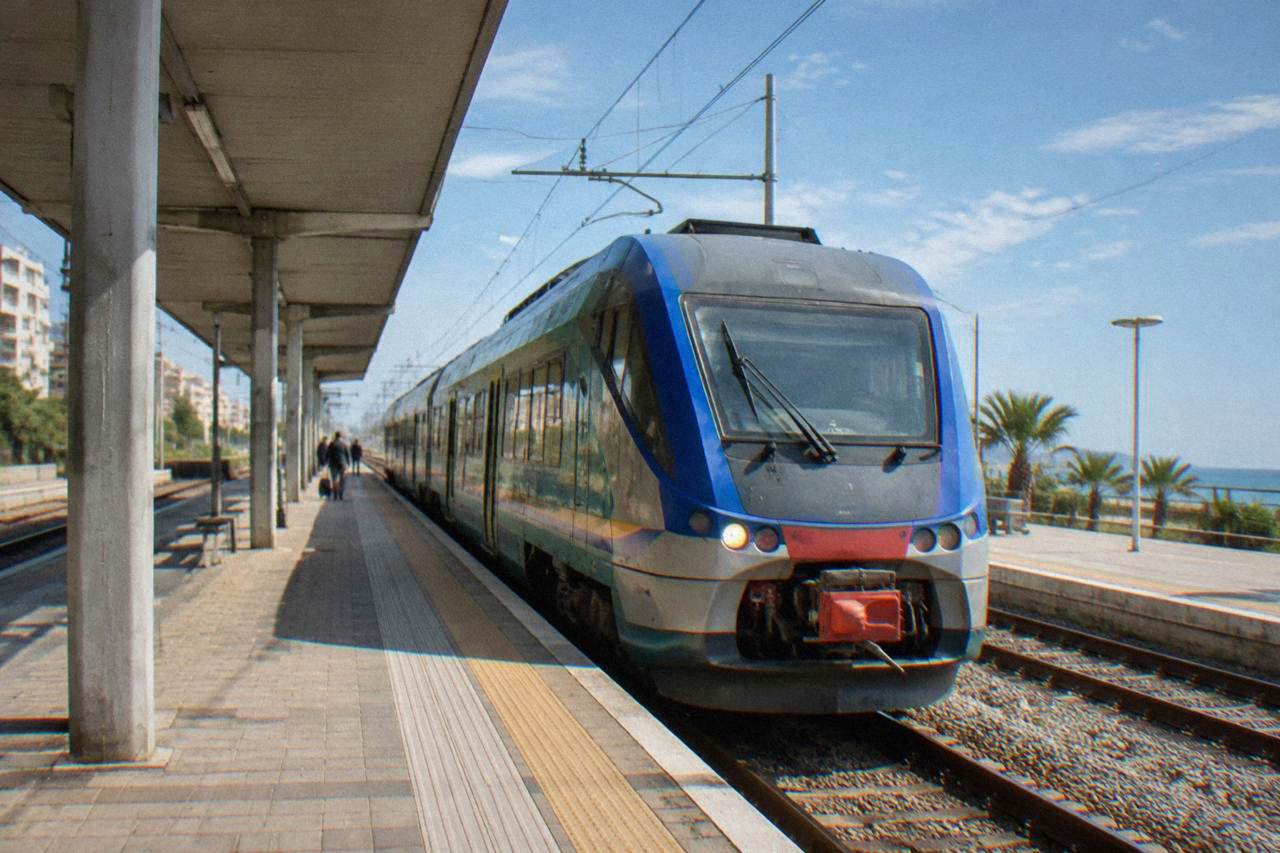
Ravenna is about 42 to 58 minutes from Rimini by direct regional train, and the historic centre is a short walk from the station, making Rimini one of the easiest bases for a Ravenna day trip.
Ravenna, the inland mosaic capital of Emilia-Romagna, lies on the flat Po plain about 8 km from the Adriatic coast, and Rimini is the nearest of the big resort cities on that coast. The two are linked by a direct regional rail line, and the journey between them is one of the simplest city-to-city hops in the region. Rimini brings the beach, Ravenna brings the eight UNESCO Early Christian monuments with their Byzantine mosaics and the tomb of Dante, and a traveller based in Rimini can move between the two worlds in under an hour.
This guide sets out what the sources say about the Rimini to Ravenna route, what the journey involves, how the two cities compare, and what to plan for once the train pulls in. The regional rail timetable gives the headline figure, the Ravenna Mosaici ticket page holds the monument hours and reduced fares, and the municipal tourism pages cover the practical details of arriving in a small, walkable, camera-enforced historic centre.
How Do You Get From Rimini To Ravenna?
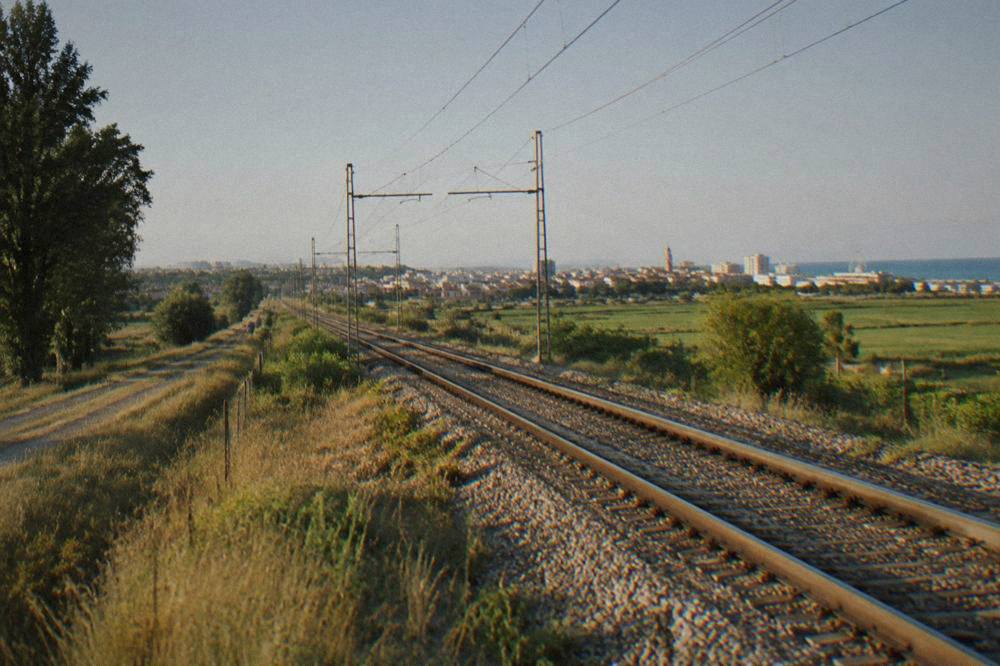
The route from Rimini to Ravenna is a direct regional train along the coast-hugging line between the two cities, taking about 42 to 58 minutes according to the regional timetable summaries, with no change required. The train arrives at Ravenna station, which sits a short walk from the historic centre, so the whole journey is rail from start to finish with no bus leg.
Regional services run the line, and the timetable summaries describe the connection as regular regional services rather than high-speed rail, which is worth knowing when planning: there is no need to book a seat weeks ahead the way a high-speed service sometimes rewards. The train from Rimini also serves travellers heading the other way, and the Rimini day trip guide covers what the resort city offers for Ravenna visitors making the reverse journey.
The live rail fare for the journey is shown at booking on the operator's own channel. Nothing else is needed for the crossing between the cities: no ferry, no transfer, no airport. Rimini's own airport options are outside what this site's sources support, so a reader weighing flights should confirm routes independently.
For context on the wider rail network, Ravenna also connects inland. The regional timetable gives Ravenna to Bologna Centrale as a direct regional train via Castelbolognese, about 84 km, fastest about 57 to 60 minutes and typically 1 hour to 1 hour 20. The Bologna to Ravenna guide covers that corridor in full, and the how to get to Ravenna guide pulls all the approaches together.
| Rail route from Ravenna | Type of service | Typical journey time | Change required |
|---|---|---|---|
| Rimini | Direct regional | About 42 to 58 minutes | No |
| Bologna Centrale | Direct regional via Castelbolognese | Fastest about 57 to 60 minutes, typically 1 hour to 1 hour 20 | No |
| Bologna airport (BLQ) | Marconi Express then regional train | About 2 to 2.5 hours door to door | Yes, at Bologna Centrale |
How Long Is The Rimini To Ravenna Train, And How Often Does It Run?
The Rimini to Ravenna train takes about 42 to 58 minutes as a direct regional service, per the timetable and aggregator summaries this site reports, and services run regularly through the day as regional trains rather than as a scarce high-speed connection. The journey distance and both duration figures are the only numbers the sources attach to this exact route.
Those durations are secondary-source figures, so the regional rail timetable remains the place to confirm a specific departure on a specific day. That matters more than usual on this line in autumn 2026: bridge maintenance work suspended trains between Ravenna and Rimini over two weekends in October 2026, with regional trains replaced by buses on those days. Engineering works of that kind are announced by the operator, so checking the timetable the day before travel is the habit worth building.
Once the train arrives, Ravenna station is a short walk from the historic centre, which is itself small and flat. The station also connects outward: Start Romagna buses leave from the station for the beach resorts of Marina di Ravenna, Punta Marina, Lido Adriano, Lido di Classe and Lido di Savio along about 35 km of coast. Ravenna is not a seaside city, and the beaches are reached by bus, bike or car rather than on foot from the centre.
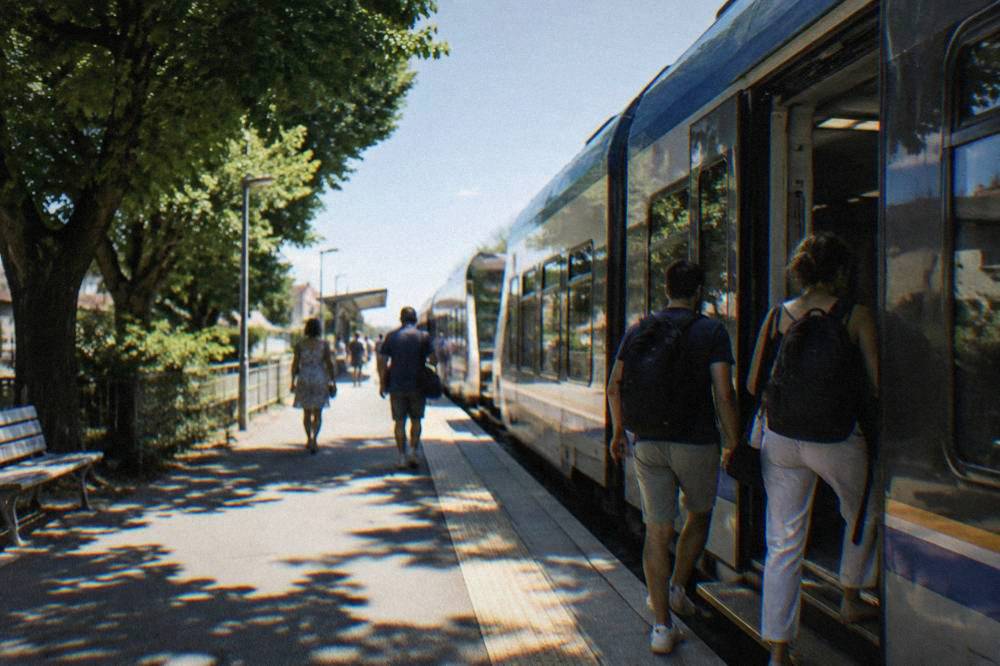
A day trip from Rimini works precisely because the return leg is short and late departures exist in both directions on a regular regional pattern. The dedicated answer page on getting a train from Rimini to Ravenna carries the question in full, and the Ravenna train station guide describes the arrival end in detail.
For travellers who would rather not self-plan the day at all, booked experiences remove the timetable puzzle. The options below cover a full-day escorted excursion and two city-based walks and classes.
Is Ravenna Worth The Trip From Rimini?
Yes, and the comparison is unusually clean: Ravenna holds eight UNESCO Early Christian monuments inscribed in 1996, listed by UNESCO as the Mausoleum of Galla Placidia, the Neonian Baptistery, Sant'Apollinare Nuovo, the Arian Baptistery, the Archiepiscopal Chapel, the Mausoleum of Theodoric, San Vitale and Sant'Apollinare in Classe, plus Dante's tomb, while Rimini's identity runs through its beach resorts.
The two cities are not really competitors. Rimini is the Adriatic resort machine, with a beach economy and its own Roman monuments in the centre. Ravenna is inland, quiet by comparison, and organised around gold-ground glass mosaics, brick drums and domed chapels that a visitor walks between on foot. The full comparison lives in the Ravenna vs Rimini guide, and the question is put head to head in which is better, Ravenna or Rimini.
What makes Ravenna worth the train fare is density. The monuments named above sit inside or beside a compact historic centre, with only Sant'Apollinare in Classe out in the Classe area south of the city. The mosaics are the draw, and the Ravenna mosaics guide explains what a visitor actually sees at each site.
Since the mosaics are the draw, book a guided mosaic tour here.
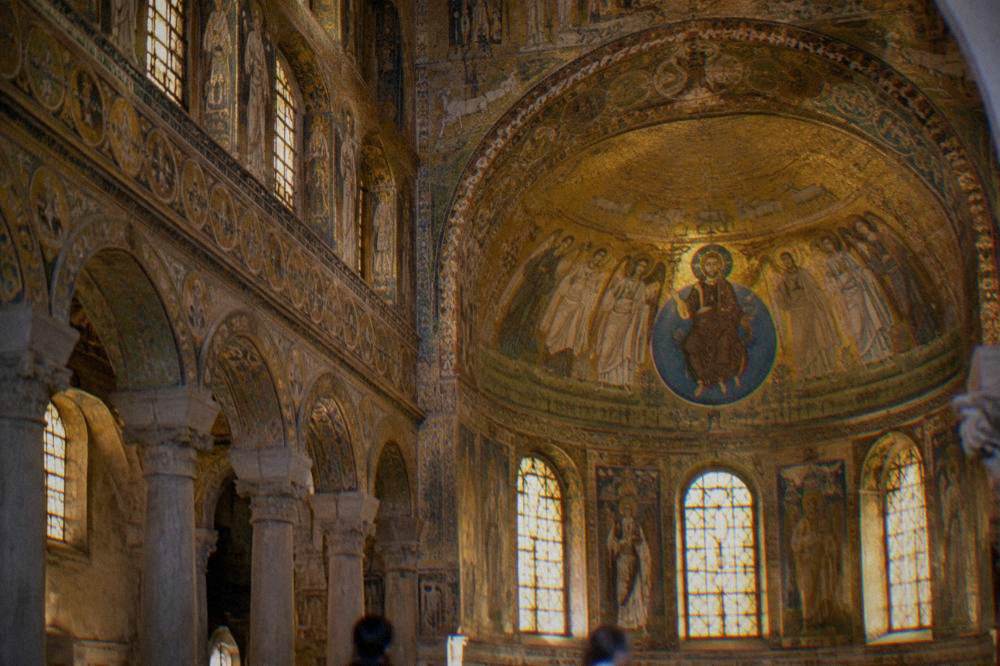
Is a single day enough? The how many days in Ravenna page answers that in detail, and the short version is that one well-planned day covers the central monuments, while a second day adds Classe, the museums and the coast. A Rimini-based visitor can sample the first day easily and come back by train for the second. For anyone who would rather hand the whole day to an operator, the box below gathers the site's featured pick for this route in one place.
| Ravenna monument | Part of the UNESCO inscription | Ticket situation |
|---|---|---|
| Mausoleum of Galla Placidia | Yes | Ravenna Mosaici combo, timed entry, a few minutes inside |
| Neonian Baptistery | Yes | Ravenna Mosaici combo, timed entry, a few minutes inside |
| Sant'Apollinare Nuovo | Yes | Covered by the 2-monument combo |
| Arian Baptistery | Yes | EUR 3 individual, per the cultura.gov.it listing |
| Archiepiscopal Chapel | Yes | Part of the 5-monument combo with the museum |
| Mausoleum of Theodoric | Yes | EUR 6, concession EUR 5, EUR 2 ages 18 to 25, per Visit Ravenna |
| San Vitale | Yes | Ravenna Mosaici combo, admission in slots |
| Sant'Apollinare in Classe | Yes | EUR 6, EUR 2 reduced, per cultura.gov.it |
How Do Ravenna Ticket Prices And Opening Hours Work For A Day Trip?
The Ravenna Mosaici combo covers the main mosaic monuments on one purchase, with reduced fares starting at EUR 9.50 for two monuments, EUR 11.50 for four and EUR 13.50 for five, per the official ticket page, and the ticket is valid one week with one admission per monument and a booked entry time for each. Full prices are shown on the official page at purchase.
The structure rewards planning. The 2-monument combo covers Sant'Apollinare Nuovo and San Vitale; the 4-monument combo adds Galla Placidia and the Neonian Baptistery; the 5-monument combo adds the Archiepiscopal Museum and the Chapel of St Andrew. Galla Placidia and the Neonian Baptistery carry mandatory timed entry with a stay of a few minutes, and San Vitale admits in slots, so a day-tripper arriving from Rimini should book entry times that fit the train arrival. Reduced rates apply to students, non-accredited journalists and paying groups over 20, and entry is free for children 0 to 10, residents of Ravenna, ICOM members, licensed guides, and disability plus companion.
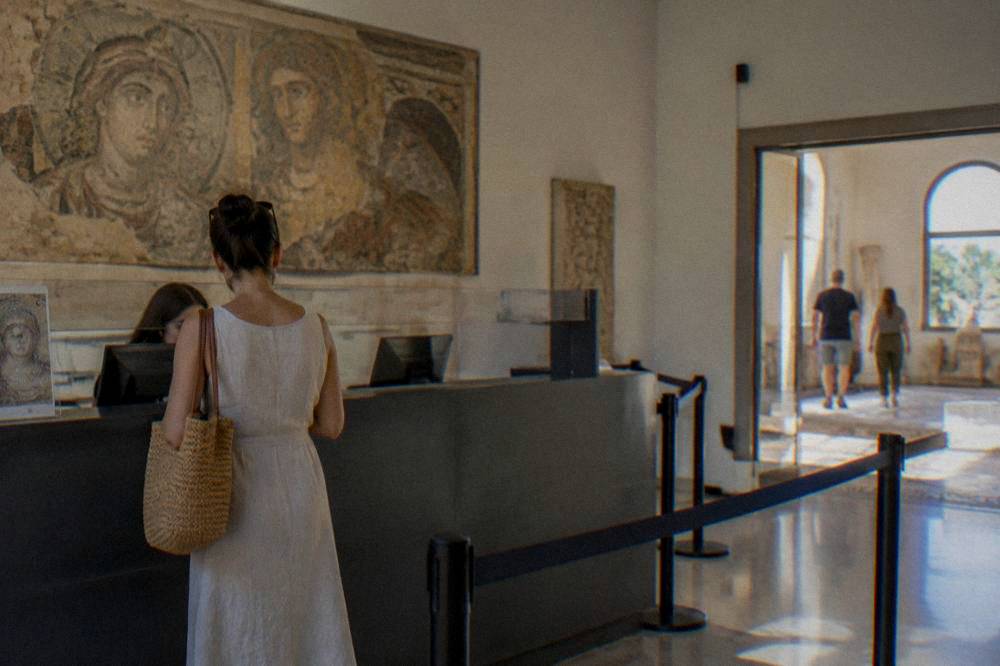
Hours matter for the return train. The official page gives summer hours of 9:00 to 19:00 from 8 March to 2 November 2026 for the main sites, and winter hours of 10:00 to 17:00 from 3 November 2026 to 6 March 2027, with closure on 25 December and 1 January. Dante's tomb is free, open 10:00 to 18:00 November to March and 10:00 to 19:00 April to October. The Ravenna combo ticket guide and the UNESCO sites guide break all of this down monument by monument.
Want a guided walk instead of working the ticket system alone? A booked tour pairs the monuments with a guide who reads the mosaics, and the listing carries the live price and availability.
Should You Combine Ravenna With Comacchio Or Ferrara?
Yes, if the day allows it: Comacchio, the canal town known as the little Venice of the Po Delta, and Ferrara, the walled city to the north, both sit within day-trip range of Ravenna, and a booked excursion ties the three together so the logistics run on someone else's watch rather than on three separate timetables.
The attraction of a combined day is variety. Ravenna's interiors are dark and golden; Comacchio is lagoon light, bridges and flamingos in the salt pans year-round; Ferrara brings a castle street plan and a different food culture. Doing all three alone by train is possible but eats the day in connections, which is exactly the gap an escorted tour fills. The related excursion on this route is the Ferrara and Comacchio day tour from Ravenna, which pairs both towns in one outing.
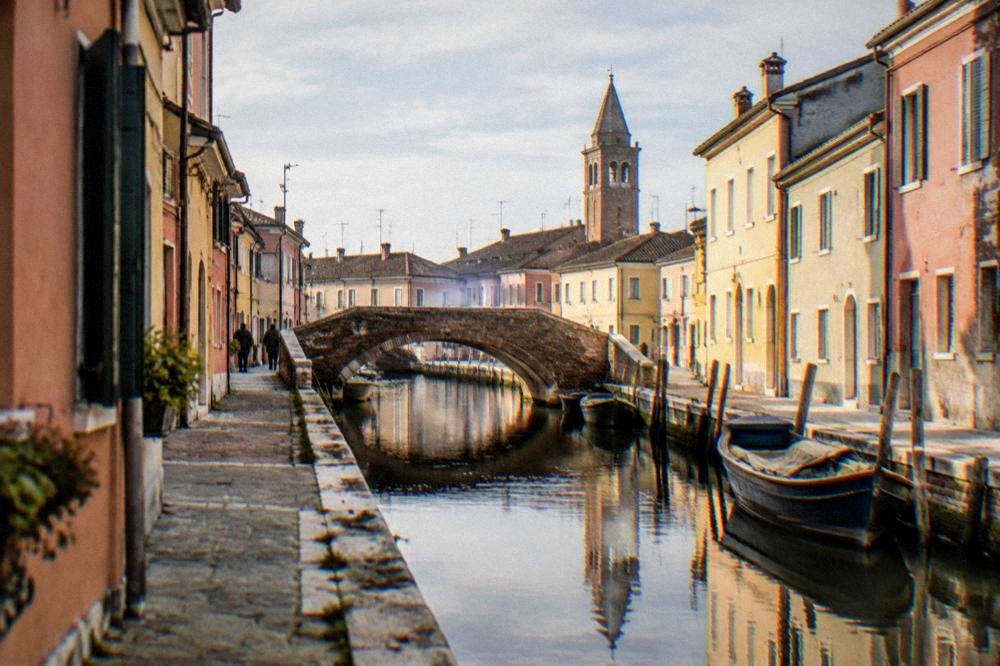
The independent alternative is the Comacchio guide and the Ferrara guide, both of which lay out the transport facts this site's sources carry. Birders should note the wider context: the Po Delta park, the Cervia salt pans and the Punte Alberete and Valle Mandriole marshes hold flamingos, herons and hides year-round, and the Cervia salt pans visitor centre on Via Bova 61 opens weekends and holidays. A dedicated birdwatching excursion from Ravenna is also bookable below.
What Should You Eat In Ravenna After The Train From Rimini?
Ravenna's table is Romagna's table: piadina flatbread, cappelletti pasta in broth, and the Romagna wines that go with them, all described on the Visit Ravenna food pages by dish rather than by restaurant, so a day-tripper eats by dish name and lets the menu boards do the choosing.
Piadina is the everyday bread of the coast and the plain, cooked flat and filled simply, and it travels well enough to be a train-snack candidate on the way back to Rimini. Cappelletti are the filled pasta of the region, served in broth the traditional way. The Ravenna food guide, the piadina page and the cappelletti page cover each dish, and the Ravenna restaurants guide covers where to look by area. Two practical notes the sources support: a cover charge, the coperto, is legal when printed on the menu, and tipping is not obligatory.
A food-forward way to spend part of the day is a class rather than a restaurant. A gelato-making session turns an afternoon into something a family can share, and the listing carries the current price and times.
What Should You Know Before Travelling Rimini To Ravenna?
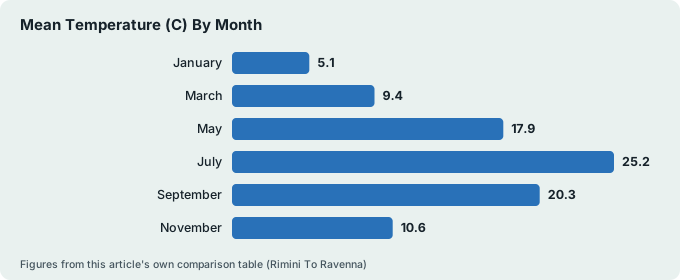
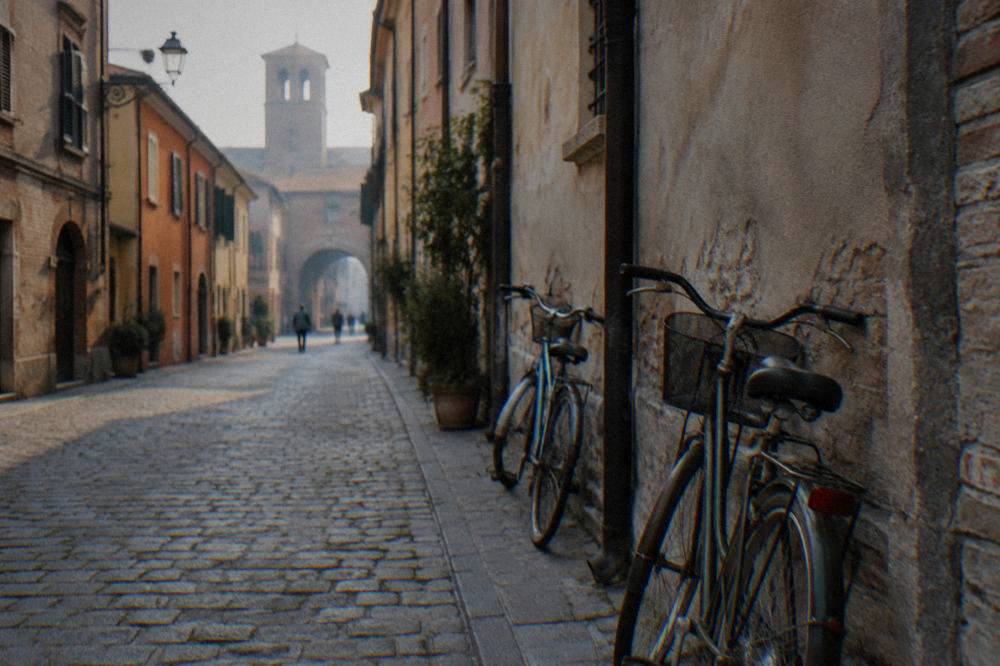
Four practical points stand out: Ravenna's historic centre is protected by a camera-enforced ZTL with gates running some hours and some 24 hours, entry to Galla Placidia and the Neonian Baptistery is timed with a stay of a few minutes, the city's tourist tax runs per night by accommodation category at rates from about EUR 1 to EUR 4, and November is the wettest month at 78.3 mm while July is the driest at 38.1 mm in the modelled 1991 to 2020 climate normals.
The ZTL deserves emphasis for anyone driving instead of taking the train. A daily permit of about EUR 8 is bought at the 24-hour parcometers, and hotels can issue a guest authorisation; the Ravenna parking and ZTL guide has the full picture, including which gates run which hours. Coming by train, as the Rimini route invites, sidesteps the whole question, and the station-to-centre walk is short.
The tourist tax, in force from a 2023 tariff that may have changed, runs about EUR 1 per night in 1 and 2 star hotels, EUR 2 in 3 star, EUR 3 in 4 star and EUR 4 in 5 star, with hostels at about EUR 1.20 and B&B accommodation at about EUR 1.50, always confirmed at booking. Weather-wise, the best time to visit guide and the Ravenna weather page hold the monthly detail, and the table below gives the modelled normals this site is allowed to print.
| Month | Mean temperature (C) | Precipitation (mm) |
|---|---|---|
| January | 5.1 | 43.8 |
| March | 9.4 | 54.9 |
| May | 17.9 | 58.2 |
| July | 25.2 | 38.1 |
| September | 20.3 | 57.9 |
| November | 10.6 | 78.3 |
Safety on the route is ordinary city caution: petty crime such as pickpocketing occurs around tourist sites and on public transport, so a bag zipped and held in front on a crowded train is the standard check. Emergency services across Italy answer on 112.
Rimini To Ravenna, Or Ravenna As The Base?
Ravenna as the base rewards the longer stay: the city holds the eight UNESCO monuments, Dante's tomb, the museums and the coast buses within one walkable centre, while Rimini works best when the beach is the point of the trip, so the decision comes down to whether the holiday is built on sand or on mosaics, and the two cities remain under an hour apart either way.
Staying in Ravenna puts the where to stay in Ravenna question first, and the best hotels in Ravenna page carries the detail. From a Ravenna base, Rimini itself becomes the day trip, and San Marino rides on Rimini's bus links as the San Marino from Rimini answer explains. From a Rimini base, Ravenna is the culture day, and the trains run both ways.
Whichever end the trip starts from, the practical core of this page is short: a direct regional train of about 42 to 58 minutes, a station a short walk from the centre, a combo ticket with booked entry times, and a historic centre that asks for comfortable shoes and nothing else. More on the whole picture is in the site's own Ravenna Travel Guide hub, the is Ravenna worth visiting page, and the master list at things to do in Ravenna.
If a guided structure appeals for any part of the stay, these are the experiences this site highlights for the corridor and the city.
Common Questions About Travelling From Rimini To Ravenna
How long is the train from Rimini to Ravenna?
About 42 to 58 minutes on a direct regional service, per the timetable and aggregator summaries. Confirm the specific departure on the regional rail timetable, as engineering works occasionally replace trains with buses on weekends.
How much does the Rimini to Ravenna train cost?
The fare is shown at booking. The live price is shown at booking on the operator's own channel, and regional tickets in Italy are typically bought at the station or in the operator's app on the day.
Is Ravenna walkable from the station?
Yes. The historic centre is small, flat and a short walk from Ravenna station, and the eight UNESCO monuments cluster inside it, with only Sant'Apollinare in Classe out in the Classe area to the south.
Can you do Ravenna as a day trip from Rimini?
Yes. The short direct train each way leaves a full day for the monuments. Book the Ravenna Mosaici combo with entry times that match the arrival, and note that Galla Placidia and the Neonian Baptistery allow only a few minutes inside on timed entry.
Does Ravenna have a beach?
Not in the city itself. Ravenna is inland on the Po plain, about 8 km from the coast. The beach resorts of Marina di Ravenna, Punta Marina, Lido Adriano, Lido di Classe and Lido di Savio are reached by Start Romagna bus from the station.