Ravenna 2 Day Itinerary
Two days is enough to see all eight UNESCO monuments in Ravenna, stand at Dante's tomb, eat well in Emilia-Romagna and still leave room for a basilica outside the walls in Classe. This itinerary lays out the order, the ticket logic and the hours that the official pages publish.
Short answer
Day one covers the five monuments inside the historic centre on the Ravenna Mosaici combo ticket plus Dante's tomb and Piazza del Popolo. Day two covers Sant'Apollinare in Classe, the Classis Ravenna museum, the Mausoleum of Theodoric and the Arian Baptistery, with an afternoon for food, shopping or a first taste of the coast.
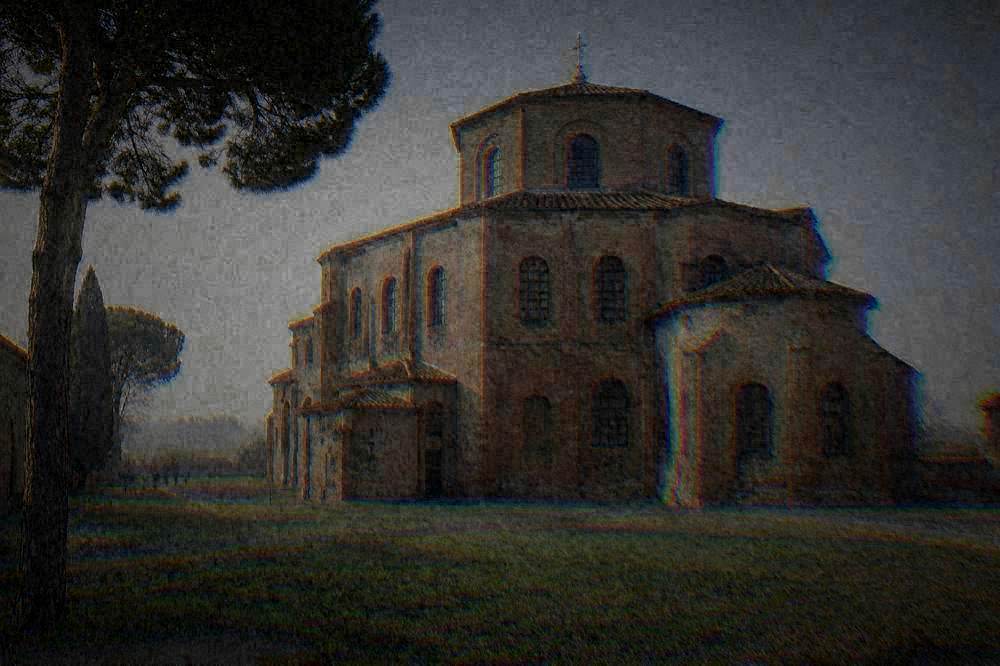
Two days is the length at which Ravenna stops being a rush and starts giving up its full hand. The city, an inland Po-valley seat in Emilia-Romagna whose historic centre sits about 8 km from the Adriatic, holds eight Early Christian monuments inscribed by UNESCO in 1996, the free tomb of Dante, and a food tradition that runs from piadina to cappelletti. One day covers the core; a second day adds Classe, Theodoric's mausoleum and the breathing room the mosaics deserve. This itinerary reports what the official ticket pages, the municipal pages and the climate table actually say, so the plan holds up against the sources rather than against memory.
How Should You Shape Two Days In Ravenna?
The shape that works is centre first, outskirts second: day one walks the five monuments inside the historic walls on the Ravenna Mosaici combo ticket, day two takes the short hop out to Classe for Sant'Apollinare in Classe and the Classis Ravenna museum, then returns for the Mausoleum of Theodoric and the Arian Baptistery. The Ravenna Mosaici ticket page shows combo fares from EUR 9.50 reduced, valid one week, one admission per monument, so the split also matches how the tickets are sold.
The reason for the split is geography. San Vitale, the Mausoleum of Galla Placidia, the Neonian Baptistery, Sant'Apollinare Nuovo and the Archiepiscopal Museum and Chapel sit within a compact, walkable core. Sant'Apollinare in Classe and the Classis Ravenna museum are out in the Classe area, and the Mausoleum of Theodoric sits toward the edge of town. Grouping them on day two avoids criss-crossing the city twice.
A note on timing inside the monuments. The Ravenna Mosaici terms page states that Galla Placidia and the Neonian Baptistery require a booked entry time and allow only a short stay of a few minutes each, and San Vitale admits in slots. That is not a problem, it is the system: the ticket is valid one week with one admission per monument, and an entry time must be reserved for each one. Book the two small monuments early in the day and let the larger basilicas absorb the rest.
If two days is more than you have, the one day in Ravenna itinerary distils this to the essentials, and the Ravenna mosaics in half a day plan is tighter still. If two days is not enough, three days in Ravenna adds the coast and a slow day trip.
What Should Day One In Ravenna Look Like?
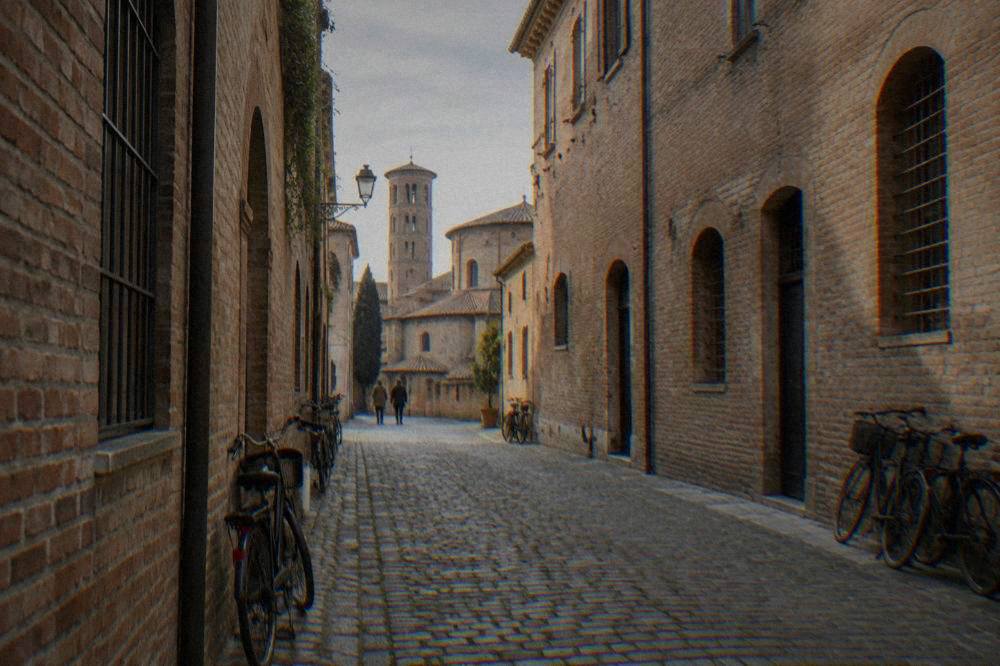
Day one is a walking day through the historic centre: San Vitale and the Mausoleum of Galla Placidia in the morning, the Neonian Baptistery and the Archiepiscopal Museum and Chapel either side of lunch, then Sant'Apollinare Nuovo, Dante's tomb and Piazza del Popolo in the afternoon and evening. All five ticketed sights sit on the combo ticket, and Dante's tomb is free, so the whole day is one purchase plus a short walk between stops.
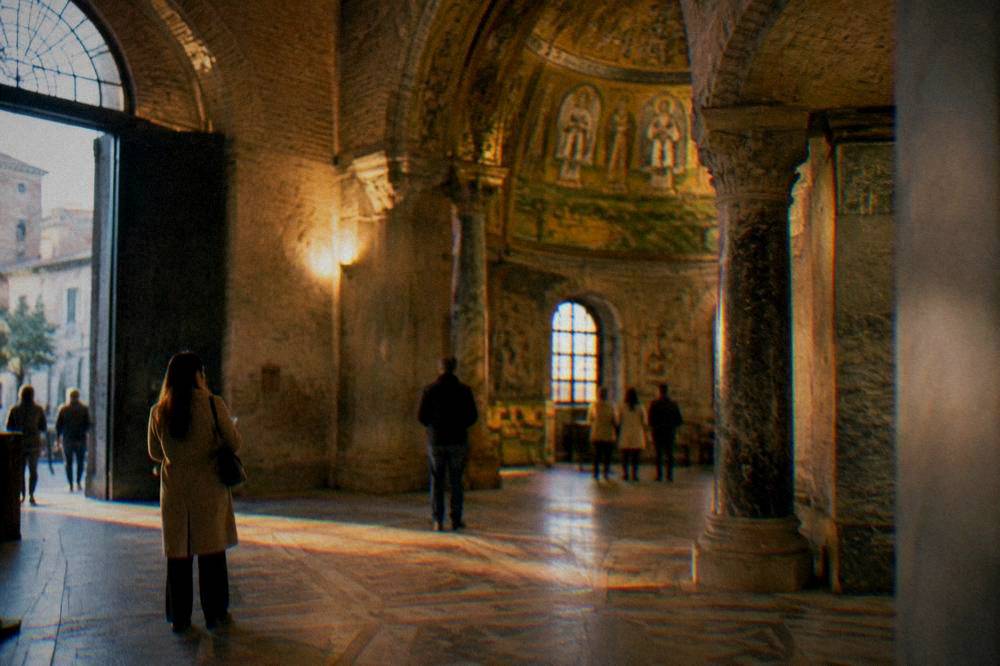
Start where the mosaics are densest. The Basilica of San Vitale and the Mausoleum of Galla Placidia stand in the same complex, a few minutes apart on foot, and they carry the gold-ground glass mosaic work the UNESCO listing describes. Galla Placidia runs on booked entry times with a short stay, so slot it first while energy and light are at their best, then give San Vitale the long look, since it admits in slots and rewards standing still.
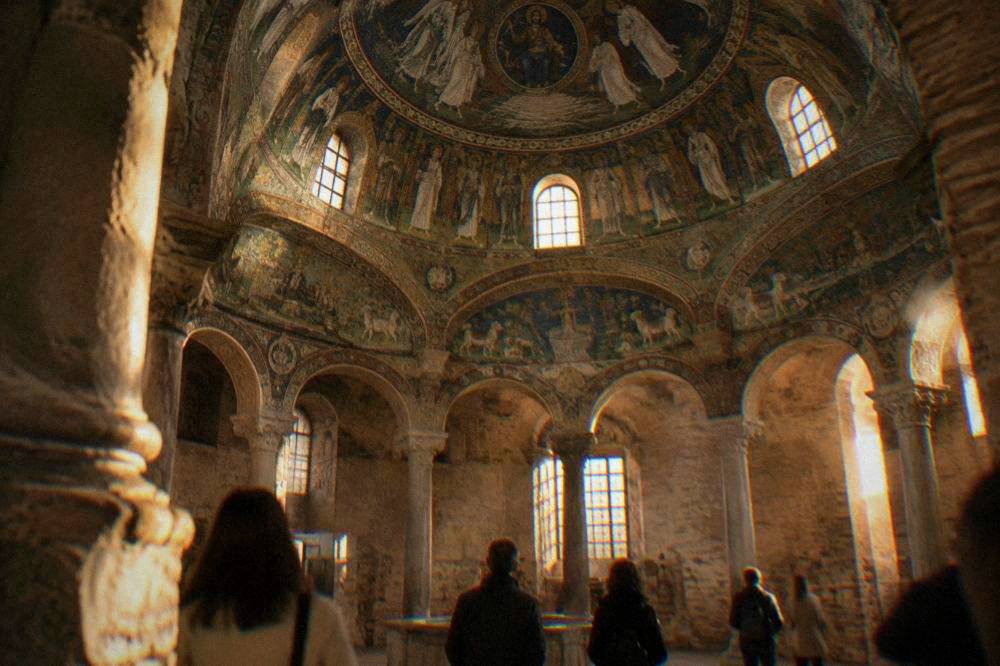
The Neonian Baptistery sits a short walk from the station side of the core, an octagonal brick drum with its mosaic programme in the dome. Like Galla Placidia it works on a timed, brief-entry basis. Between baptistery and basilica, the Archiepiscopal Museum and Chapel completes the five-monument combo: the chapel of St Andrew and the museum around it are the fifth stop on the ticket the Ravenna Mosaici page sells.
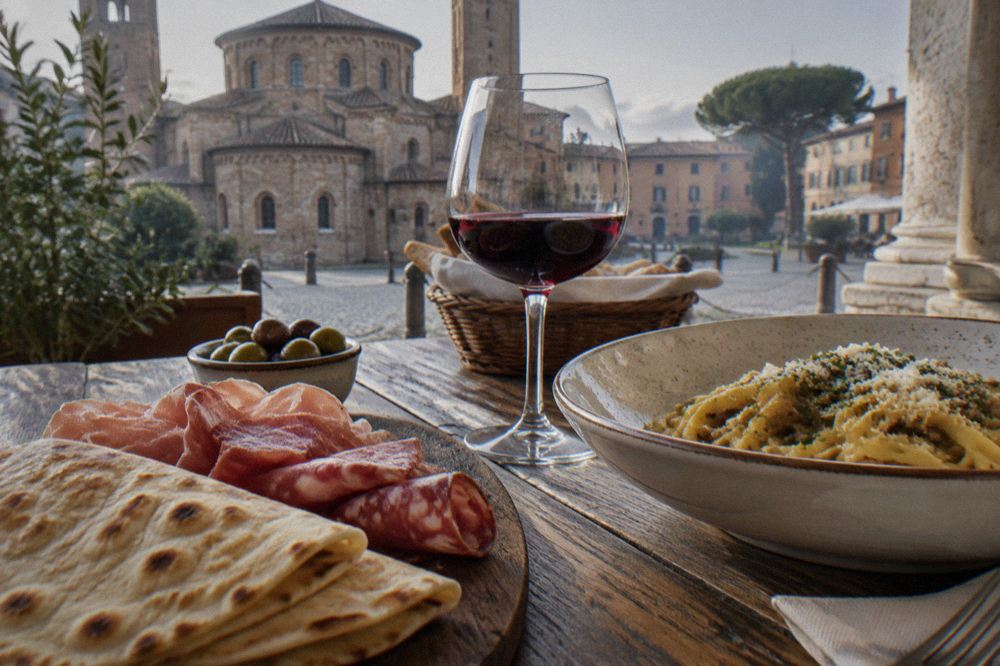
Lunch belongs to the centre. The city's food pages describe piadina, the flatbread of Romagna, and cappelletti in broth as the local anchors, and the Ravenna food guide on this site maps them dish by dish. Prices vary by restaurant and are worth reading off the posted menu, including the coperto, the cover charge that is legal when printed.
The afternoon swings west. The Basilica of Sant'Apollinare Nuovo, with its procession friezes running down the nave, is on the combo ticket. A few streets away, Dante's tomb is free to enter and open 10:00 to 19:00 in the April to October season, 10:00 to 18:00 November to March, closed 25 December. End the day in Piazza del Popolo, the main square, where the cafe tables and the municipal buildings frame the evening.
A guided walk is worth considering for this first day, because the mosaic programmes are dense with figures and inscriptions a guide can decode on the spot. The site's Ravenna mosaic tours overview compares the options, and the tour below is the one this itinerary pairs with day one.
Where Does Day Two In Ravenna Take You?
Day two leaves the walls: Sant'Apollinare in Classe and the Classis Ravenna museum in the Classe area in the morning, then back into town for the Mausoleum of Theodoric, the Arian Baptistery and the Palazzo di Theodoric combined ticket at EUR 7, with the late afternoon free for food, mosaics seen twice, or a first look at the coast. Sant'Apollinare in Classe costs EUR 6 full, EUR 2 reduced, per the cultura.gov.it listing.
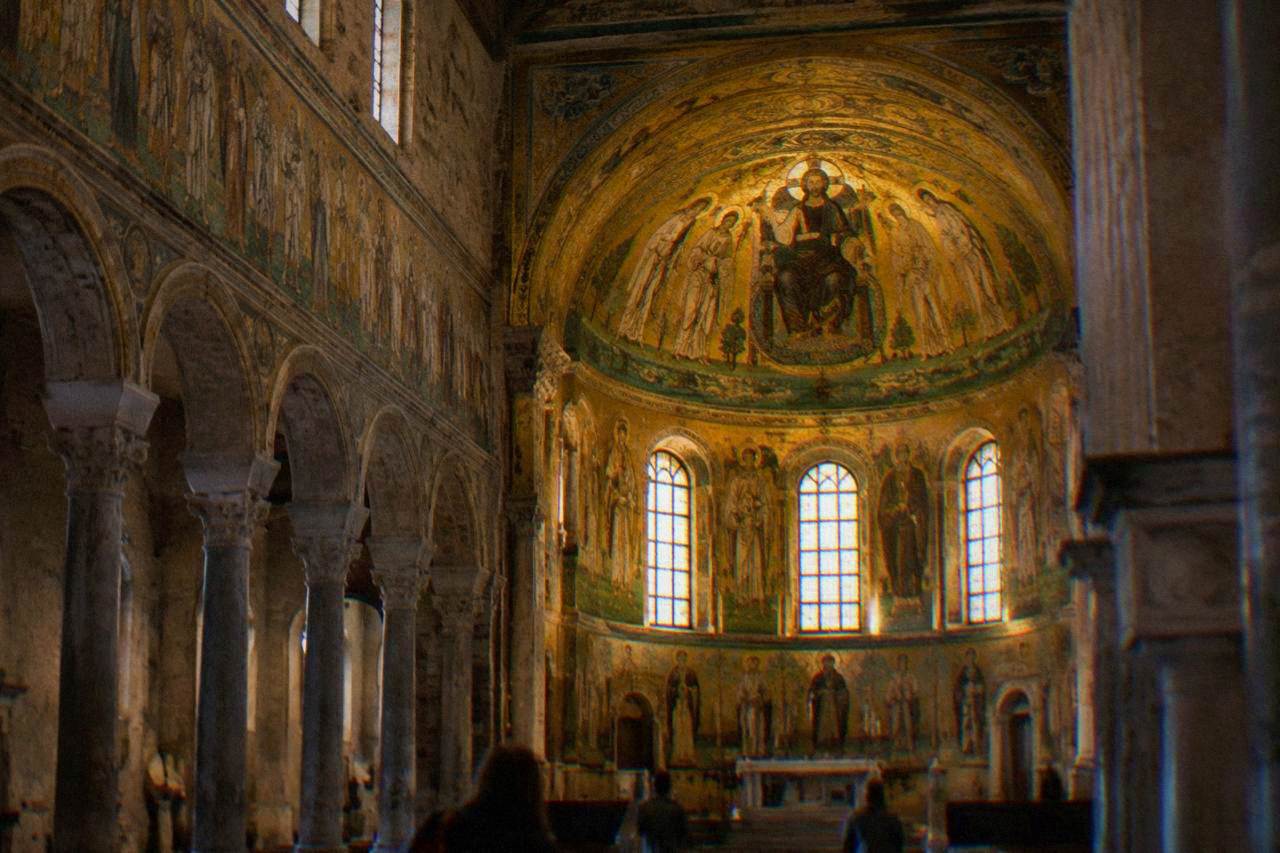
Sant'Apollinare in Classe is the one UNESCO monument most day-trippers miss, and it is the reason a second day exists. The basilica's green-meadow apse mosaic and its forest of marble columns sit among the pines of the Classe area, and the cultura.gov.it listing gives Monday to Saturday 8:30 to 19:00 and Sunday 13:30 to 19:00. Next door, the Classis Ravenna city museum carries EUR 8 full and EUR 6 reduced and opens daily 10:00 to 17:00, closed 25 December; its collection absorbed the TAMO mosaic holdings after that museum closed in 2023.
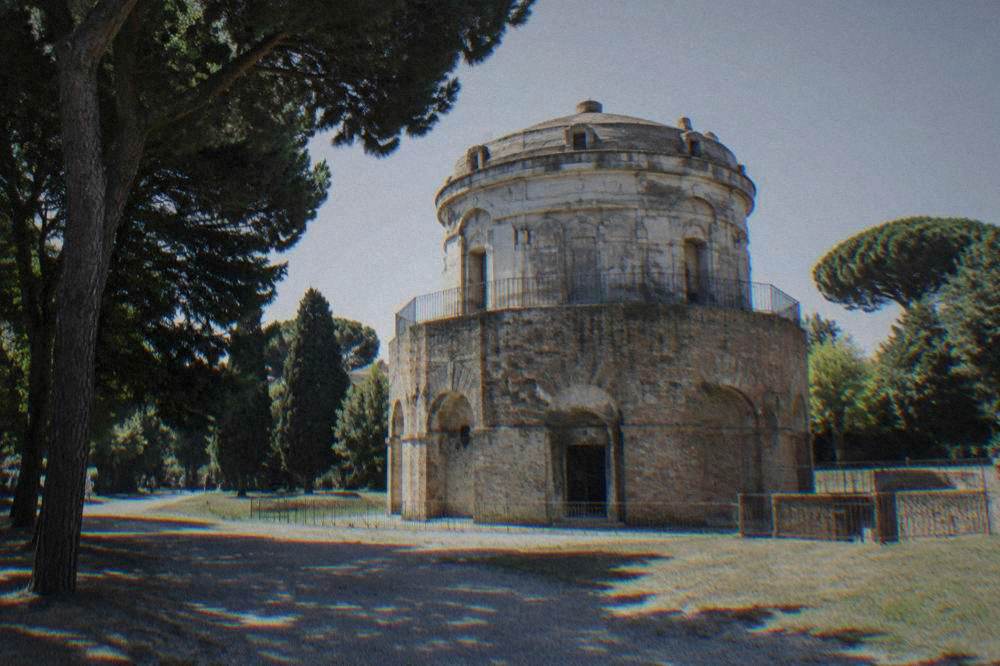
Back in the city, the Theodoric cluster is its own ticket world. The Visit Ravenna page for the Mausoleum of Theodoric lists EUR 6 entry, EUR 5 concession, EUR 2 for ages 18 to 25, and a combined EUR 7 ticket that adds the Arian Baptistery and the Palace of Theodoric. The mausoleum opens 8:30 to 17:30 with last admission 30 minutes before closing, closed 25 December and 1 January. The Arian Baptistery, a small domed chapel, is EUR 3 on its own.
For the late afternoon, three honest options. One: return to San Vitale at a different hour and simply look longer. Two: eat, since Romagna's table rewards a whole evening. Three: ride out toward the shore, remembering the centre is inland and the beaches, Marina di Ravenna and its neighbours, are 8 km or more away by Start Romagna bus, bike or car. The Ravenna and the coast itinerary covers that properly.
What Do Ravenna Tickets And Opening Hours Actually Say?
The Ravenna Mosaici page sells combined tickets from EUR 9.50 reduced for two monuments, EUR 11.50 reduced for four and EUR 13.50 reduced for five, valid one week with one admission per monument and a booked entry time each, while the Theodoric cluster sells separately at EUR 7 combined and Classe separately at EUR 6 full. Full fares are on the official page; the reduced fares apply to students, non-accredited journalists and paying groups over 20.
The combo ladder matters for planning. The two-monument ticket covers Sant'Apollinare Nuovo and San Vitale. The four-monument ticket adds Galla Placidia and the Neonian Baptistery. The five-monument ticket adds the Archiepiscopal Museum and Chapel of St Andrew. Free entry applies to children 0 to 10, residents of Ravenna, ICOM members, licensed guides, and visitors with a disability plus companion. The winter schedule, 3 November 2026 to 6 March 2027, runs 10:00 to 17:00 across the circuit; summer, to 2 November 2026, runs 9:00 to 19:00.
| Ticket or sight | Price the official page shows | Key condition |
|---|---|---|
| Ravenna Mosaici combo, 2 monuments | From EUR 9.50 reduced | Sant'Apollinare Nuovo + San Vitale, valid one week |
| Ravenna Mosaici combo, 4 monuments | From EUR 11.50 reduced | Adds Galla Placidia + Neonian Baptistery |
| Ravenna Mosaici combo, 5 monuments | From EUR 13.50 reduced | Adds Archiepiscopal Museum + Chapel of St Andrew |
| Mausoleum of Theodoric | EUR 6, concession EUR 5, EUR 2 ages 18 to 25 | Last admission 30 minutes before closing |
| Theodoric combined ticket | EUR 7 | Mausoleum + Arian Baptistery + Palace of Theodoric |
| Sant'Apollinare in Classe | EUR 6 full, EUR 2 reduced | Sunday opens 13:30 |
| Classis Ravenna museum | EUR 8 full, EUR 6 reduced | Last entry 50 minutes before closing |
| Dante's tomb | Free | 10:00 to 19:00 April to October, 10:00 to 18:00 November to March |
Two museums complete the picture for a rainy stretch or a third visit. The National Museum of Ravenna is EUR 7 full, EUR 2 reduced, closed Mondays, and the MAR art museum is EUR 8 full, EUR 6 reduced, EUR 3 students, open Tuesday to Saturday 9:00 to 18:00 and Sunday afternoons. The Museo Dante is EUR 5 combined with Casa Dante. State museums and monuments are reported free on the first Sunday of the month; arrive early on those days. The Domus dei Tappeti di Pietra's hours vary by season and its pricing is not stated here, so check its own page before going.
How Do You Get Around Ravenna Without A Car?
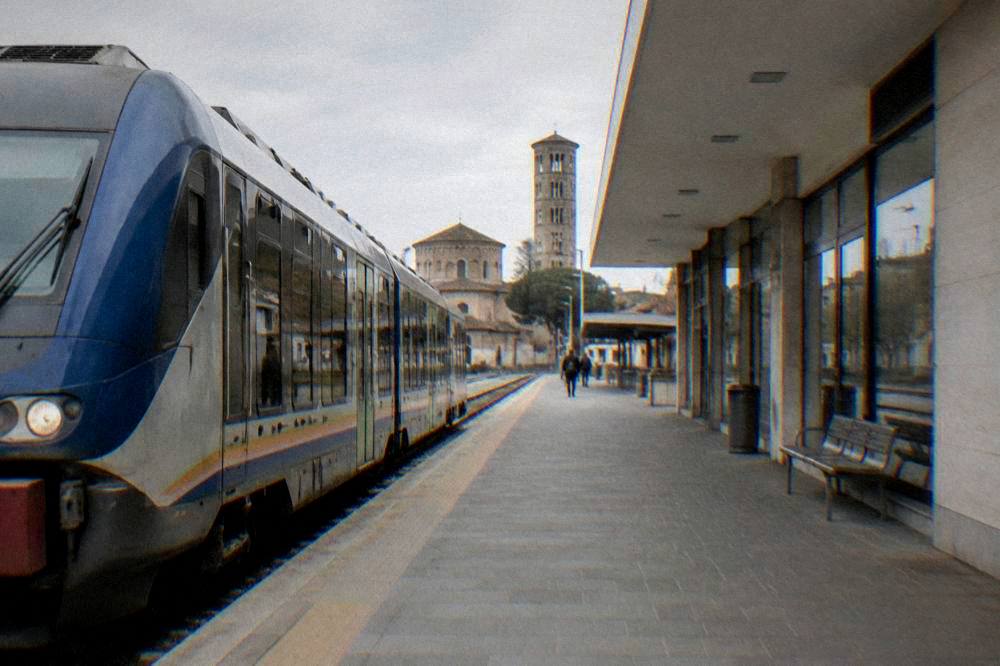
Ravenna's historic centre is flat, compact and entirely walkable, with the railway station a short walk from the core, so two days need no car at all: the Classe sights and the beaches are the only trips that need the Start Romagna bus, and the cruise port at Porto Corsini is about 15 km out with a shuttle that the Visit Ravenna page says runs about 30 minutes. Every monument in day one is reached on foot.
Staying central keeps the whole plan on foot. Book a hotel here.
The one segment that needs wheels is the morning of day two. Classe is a short bus or taxi hop from the station area, and the Start Romagna network covers it; its winter timetable booklet covers the routes. Buses also run to Marina di Ravenna, Punta Marina, Lido Adriano, Lido di Classe and Lido di Savio along the roughly 35 km of coast, so The full index of guides sits on Ravenna Travel Guide.
From Bologna airport, the airport's own page lists no direct bus to Ravenna: the route is the Marconi Express people-mover to Bologna Centrale, then the regional train, about 2 to 2.5 hours door to door.
| Journey | What the sources say | How |
|---|---|---|
| Station to historic centre | A short walk | On foot |
| Any day-one monument to another | A few minutes each | On foot |
| Centre to Classe | Start Romagna bus routes from the station | Bus |
| Centre to Marina di Ravenna | Start Romagna bus, 8 km or more | Bus, bike or car |
| Ravenna to Bologna Centrale | About 84 km, about 1 hour to 1 hour 20 | Direct regional train |
| Bologna airport to Ravenna | About 2 to 2.5 hours door to door | Marconi Express + regional train |
| Centre to Porto Corsini terminal | About 15 km, shuttle about 30 minutes | Visit Ravenna shuttle |
Drivers face the ZTL, the camera-enforced limited traffic zone over the historic centre, with gates active either 7:30 to 20:30 or 24 hours. A daily permit for vehicles up to 5 tonnes is bought at the 24-hour parcometers, at about EUR 8, and hotels can issue a guest authorisation. The full gate list is on the Visit Ravenna ZTL page, and the Ravenna parking and ZTL guide walks through it step by step.
What Food Should You Build Two Days Around?
Build the two days around piadina, the Romagna flatbread, cappelletti in broth or with ragu, and the Sangiovese-based wines of Romagna, with lunch on day one in the centre and dinner somewhere the menu prints the coperto openly, because a cover charge is legal when printed and tipping is not obligatory in Italy. The Visit Ravenna food pages describe these dishes as the city's anchors, and no restaurant prices are stated here.
Romagna's table is rustic and specific. Piadina is the everyday bread, folded around squacquerone cheese and cured meats. Cappelletti, the small filled pasta of the region, traditionally arrives in capon broth; the site's cappelletti guide covers how it is made and where the tradition sits. Alongside them come Romagna wines, above all Sangiovese, which the site's Romagna wines page maps from the hills around Faenza and Brisighella down to the plain.
For structure, put the long lunch on day one, when the walking splits neatly around it, and reserve day two's food moment for the evening after Classe. If eating and learning together appeals, a food-focused walk or a cooking class pairs the sights with tastings; the Ravenna food tours and cooking classes guide lays out the options, and the tasting walk below fits neatly into a second evening.
| Meal slot | Day one | Day two |
|---|---|---|
| Early | Coffee at a Piazza del Popolo cafe | Coffee before the bus to Classe |
| Lunch | Centre trattoria, piadina or cappelletti | Near Classis Ravenna or back in the centre |
| Afternoon | Gelato between monuments | Late mosaic revisit or the MAR |
| Dinner | Romagna menu, Sangiovese | Tasting walk or a slow trattoria evening |
What If It Rains, Or A Month Changes The Plan?
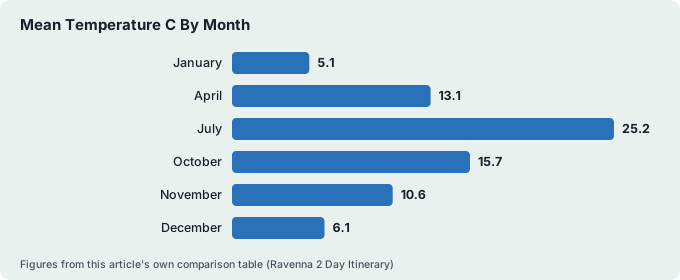
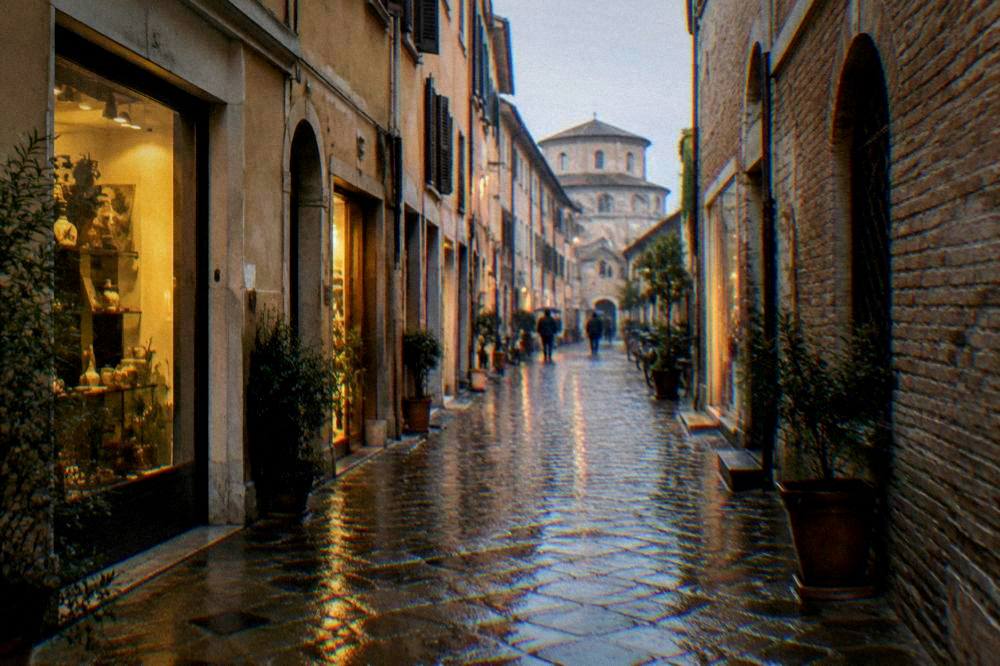
Rain barely dents this itinerary because every day-one monument is indoors and the day-two core is too, so the honest wet-weather answer is to swap the coast idea for the National Museum, the MAR or the Classis Ravenna museum, all indoors; by season, winter hours from 3 November 2026 cut the circuit to 10:00 to 17:00, and November is the wettest month on the climate table at 78.3 mm of modelled 1991 to 2020 normals.
The climate table, modelled ERA5 normals for 1991 to 2020, shows the shape of the year: July is the driest month at 38.1 mm and the warmest at a 25.2 C mean, January the coldest at 5.1 C, and the year totals about 674 mm spread with an autumn peak. None of that argues against visiting. Ravenna's mosaic interiors are the point, and the Ravenna in the rain itinerary turns a wet forecast into a full programme of domes, museums and covered streets.
| Month | Mean temperature C | Precipitation mm |
|---|---|---|
| January | 5.1 | 43.8 |
| April | 13.1 | 66.0 |
| July | 25.2 | 38.1 |
| October | 15.7 | 66.0 |
| November | 10.6 | 78.3 |
| December | 6.1 | 63.7 |
Seasonal notes that matter for a two-day plan: the winter monument schedule (10:00 to 17:00) shrinks each afternoon, so book Galla Placidia and the Neonian Baptistery slots early; the state sites are reported free on the first Sunday of the month, which is either a saving or a crowd, depending on your patience; and the Ravenna Festival's autumn trilogy, Mozart 1791, runs 13 to 17 November 2026 at the Teatro Alighieri if an evening performance suits day two. Mirabilandia's 2026 season ends on 1 November, and no 2027 dates are published, so the park belongs in a summer plan only.
What Could You Swap Into A Ravenna 2 Day Itinerary?
The swaps that earn their place are a half-day on the coast at Marina di Ravenna or Punta Marina, a full day trip to Bologna, Venice or Florence by rail, or a nature morning in the Po Delta wetlands near Comacchio and Cervia, where flamingos are present year-round; each replaces a block of the plan rather than adding to it, because two days in Ravenna itself is already full.
The coast swap is the easiest. The beaches are 8 km or more out and reached by Start Romagna bus, so a beach afternoon slots in after the Classe morning, and the site's beach guides cover each resort from Marina di Ravenna to Lido di Savio. Remember that the sea is not visible from the centre, and that in winter a sand barrier of 25,000 cubic metres stands at Punta Marina, Marina di Ravenna Sud and Lido di Savio until spring 2027, reshaping those beaches.
The day-trip swap replaces day two entirely. Bologna is about 1 hour to 1 hour 20 away by direct regional train, Venice and Florence are longer rail journeys that swallow a whole day, and the day trips from Ravenna guide lists Ferrara, Faenza, Comacchio and the Po Delta as slower, closer options. Cruise passengers on a single day should follow the dedicated Ravenna cruise port day itinerary instead of this one.
The nature swap suits birders. Punte Alberete, Valle Mandriole and the Pineta di San Vitale are the marsh and flooded-forest reserves north of the city, the Cervia salt pans visitor centre on Via Bova 61 opens weekends and holidays, and flamingos are present year-round in both the Cervia and Comacchio salt pans. A guided birdwatching outing or an e-bike ride between history and nature covers this terrain without a car.
| Swap | Replaces | Time needed |
|---|---|---|
| Beach afternoon at Marina di Ravenna | Day two late afternoon | Half day, bus each way |
| Day trip to Bologna | All of day two | Full day by regional train |
| Day trip to Venice or Florence | All of day two | Full day by rail |
| Po Delta and Cervia nature morning | Day two morning | Half day, transport arranged |
| Second mosaic day with a private guide | Solo wandering both days | Flexible |
Whichever swaps you take, keep the spine intact: the combo ticket's five centre monuments on day one, Classe and Theodoric on day two, Dante's free tomb somewhere in between. Two days in Ravenna, planned against the official hours and the ticket ladder, is enough to see every UNESCO monument properly and still eat like the Romagnoli.
Common Questions About A Ravenna 2 Day Itinerary
Is two days enough for Ravenna?
Yes for the eight UNESCO monuments, Dante's tomb and the main museums. Two days covers the five centre monuments on the combo ticket, Sant'Apollinare in Classe, the Classis Ravenna museum, the Mausoleum of Theodoric and the Arian Baptistery, with time left for food. A third day adds the coast or a day trip.
How many UNESCO monuments can I see in two days in Ravenna?
All eight. Day one takes the five inside the historic centre, San Vitale, Galla Placidia, the Neonian Baptistery, Sant'Apollinare Nuovo and the Archiepiscopal Chapel and Museum. Day two takes Sant'Apollinare in Classe, the Mausoleum of Theodoric and the Arian Baptistery. The combo ticket is valid one week with one admission per monument.
What does a 2 day Ravenna itinerary cost in tickets?
Counting only the figures the official pages show: the Ravenna Mosaici combo from EUR 9.50 reduced depending on the monument count, the Theodoric combined ticket at EUR 7, Sant'Apollinare in Classe at EUR 6 full, EUR 2 reduced, Classis Ravenna at EUR 8 full, EUR 6 reduced, and Dante's tomb free. Full combo fares are on the official page, and the tourist tax of about EUR 1 to EUR 4 per night by hotel category is confirmed at booking.
Should I book Ravenna mosaic tickets in advance?
Yes for Galla Placidia and the Neonian Baptistery, where the Ravenna Mosaici page makes an entry-time booking mandatory and stays are short, and for San Vitale, which admits in slots. Each monument needs its own booked entry time on the combo ticket.
Can you visit Ravenna's beach on a 2 day trip?
Yes, as a half-day add-on. The centre is inland and the beaches, Marina di Ravenna, Punta Marina, Lido Adriano, Lido di Classe and Lido di Savio, are 8 km or more away, reached by Start Romagna bus, bike or car. Treat it as a bonus afternoon, not part of the mosaic days.
Is Ravenna walkable in two days?
The historic centre is flat, compact and fully walkable, with every day-one sight a few minutes from the next and the station a short walk from the core. Only Classe, the Theodoric cluster edge of town and the coast need a bus, taxi or bike.