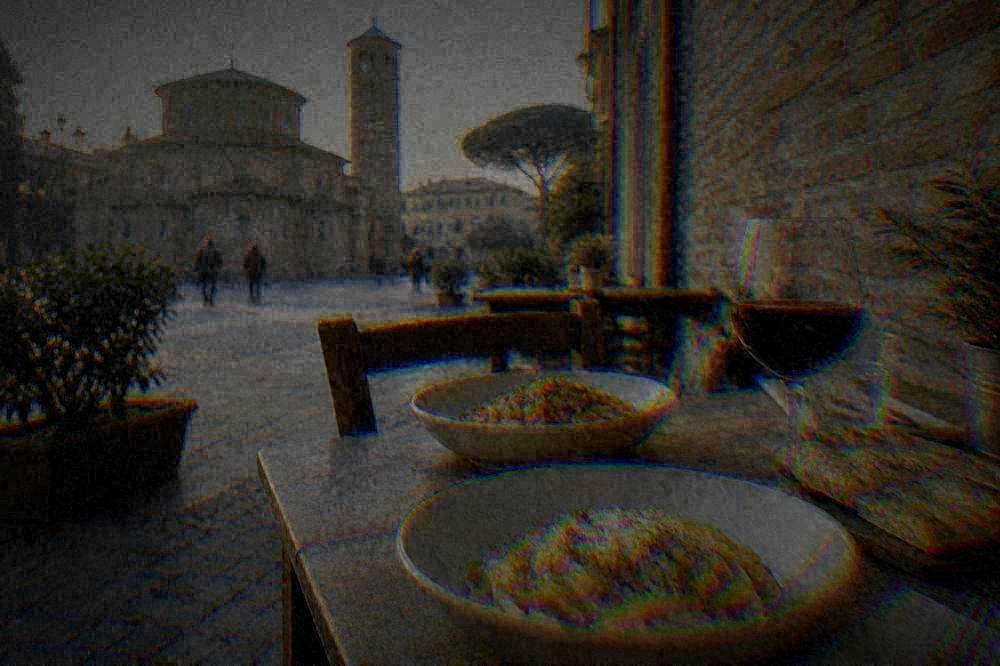
Ravenna Food Tour
Ravenna, in Emilia-Romagna, pairs eight UNESCO monuments with the plain cooking of the Romagna plain: piadina flatbread, cappelletti pasta and Sangiovese wine. This guide lays out the food tours, tasting walks and cooking classes you can book, what each one covers, and how the food fits a mosaic visit.
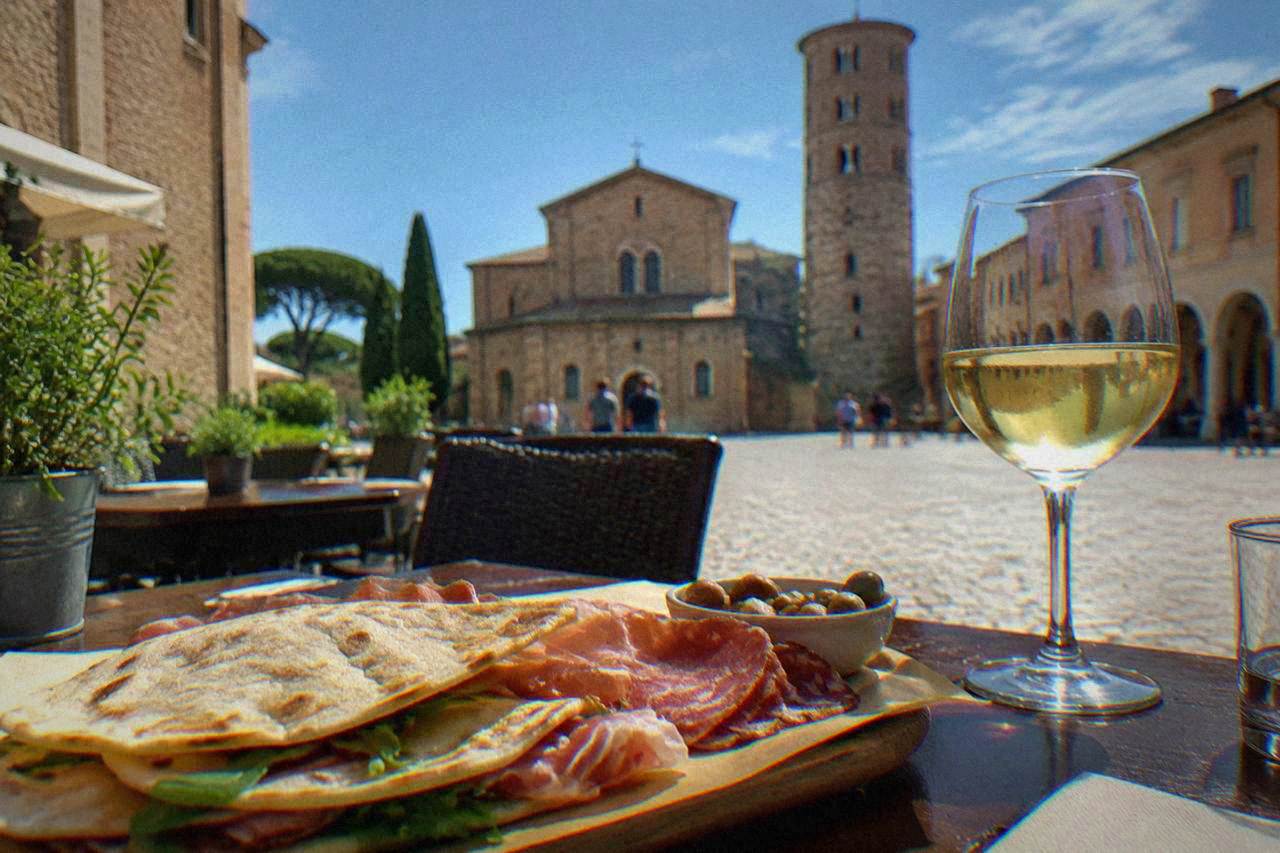
Short answer
A Ravenna food tour is a guided walk or class built around Romagna staples: piadina, cappelletti, passatelli, squacquerone cheese and local Sangiovese. Tasting walks run in the historic centre, cooking classes teach pasta and gelato, and several tours pair food stops with the UNESCO mosaics. Prices and ratings render live on each tour card on this page.
Ravenna sits inland on the flat Po plain of Emilia-Romagna, about 8 km from the Adriatic resorts, and its cooking belongs to the Romagna tradition rather than to the seaside: piadina cooked on a terracotta slab, cappelletti in brodo, passatelli, squacquerone cheese and the local Sangiovese. The same compact historic centre that holds the eight UNESCO monuments also holds the bakeries, markets and trattorie where that food is made, which is why a food tour here rarely needs more than a pair of comfortable shoes. This guide from the Ravenna Travel Guide editorial desk sets out what a Ravenna food tour actually covers, which tours and classes you can book, and how the food fits alongside the mosaics, using only what the official pages and the tour listings state.
What Does A Ravenna Food Tour Actually Cover?
A Ravenna food tour is a guided walk or a hands-on class built around the cooking of the Romagna plain: piadina flatbread, cappelletti and other fresh pasta, squacquerone cheese, cold cuts, gelato and local wine. Tasting walks move between food stops in the compact historic centre, while cooking classes put you at a work surface with a local cook. Several listed tours add mosaic monuments to the route, so the food and the UNESCO sites come as one outing.
The distinction matters when you book. A tasting walk keeps you moving: the listing for each tour states which stops and tastings are included, and the card on this page shows what the operator covers. A cooking class is stationary and participatory, you make the pasta or the gelato and then eat what you produced. A hybrid tour strings monuments and food stops together, which suits a first visit when the mosaics and the lunch both matter.
If a taste of both appeals, book a market tour and cooking class here.
The dishes themselves come out of a specific agricultural landscape. Romagna cooking is a plain-and-hills tradition: wheat for the pasta and the piadina, dairy for the squacquerone and the ragù, pigs for the cured meats, and vines on the first hills toward the Apennines for the Sangiovese and the albana. The Visit Ravenna food pages describe the dishes by name and tradition, and that is what a good guide narrates between stops.
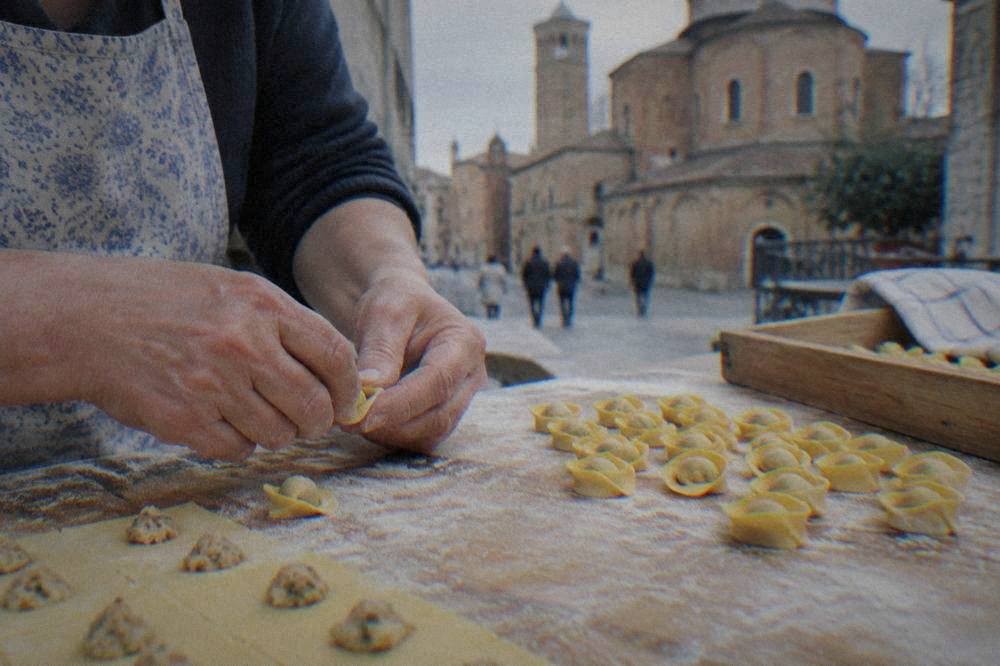
Which Ravenna Food Tours And Cooking Classes Can You Book?
The bookable options on this page fall into four groups: guided tasting walks in the historic centre, cooking classes for pasta, piadina and gelato, tours that pair food with the UNESCO mosaics, and private day trips that add a beach lunch or a winery visit outside the city. Each card below renders its live from-price, rating and review count from the operator's own listing, so the figures stay current without this page guessing at them.
The first group is the classic food tour: a walk with a guide, several tasting stops, and the story of each dish. The second group is the class, where the listing states the dishes taught and whether the meal is included. The third group is Ravenna's own specialty, the mosaic-and-food combination, which answers the question of how to see gold-ground Byzantine mosaics and still eat properly in one morning. The fourth group leaves town: wineries, the coast and the hills of Romagna.
A quick orientation to what the roster holds, without any figure this page is not allowed to type:
| Tour type | What the listing covers | Where it runs |
|---|---|---|
| Tasting walk | Guided walk, food and tastings as listed, historic-centre stops | Ravenna centre |
| Mosaics and food walk | UNESCO monuments plus food tastings on one route | Ravenna centre |
| Pasta cooking class | Hands-on pasta making, meal as listed | Ravenna centre |
| Gelato class | Hands-on gelato making in a gelateria | Ravenna |
| Piadina cooking class | Piadina dough and fillings, Emilia-Romagna style | Ravenna area |
| Winery visit | Cellar visit with wine and food tasting | Near Ravenna |
| Beach lunch day trip | Private tour with history stops and a beach lunch | Coast and Ravenna |
Every card above carries an inline check of live availability, and free cancellation up to 24 hours before departure applies on the eligible listings, which the card states when it applies.
What Food Is Ravenna Famous For?
Ravenna's table is the Romagna table: piadina, the thin flatbread cooked on a terracotta or iron slab and folded around squacquerone and cured meats; cappelletti, the small stuffed pasta served in capon brodo; passatelli, bread-and-parmesan dumplings in broth; and grilled meats with Sangiovese wine. The Visit Ravenna food pages present these as the city's signature dishes, and a food tour in Ravenna will put at least piadina and a pasta in front of you.
Piadina is the everyday one. The Visit Ravenna pages trace its story as the bread of the Romagna countryside, cooked quickly and eaten warm, and the answers page on what food Ravenna is famous for breaks the dish down further. Squacquerone, the soft, fresh, mildly tangy cheese, is its usual partner, with prosciutto crudo on top when the combination goes by its Romagna name.
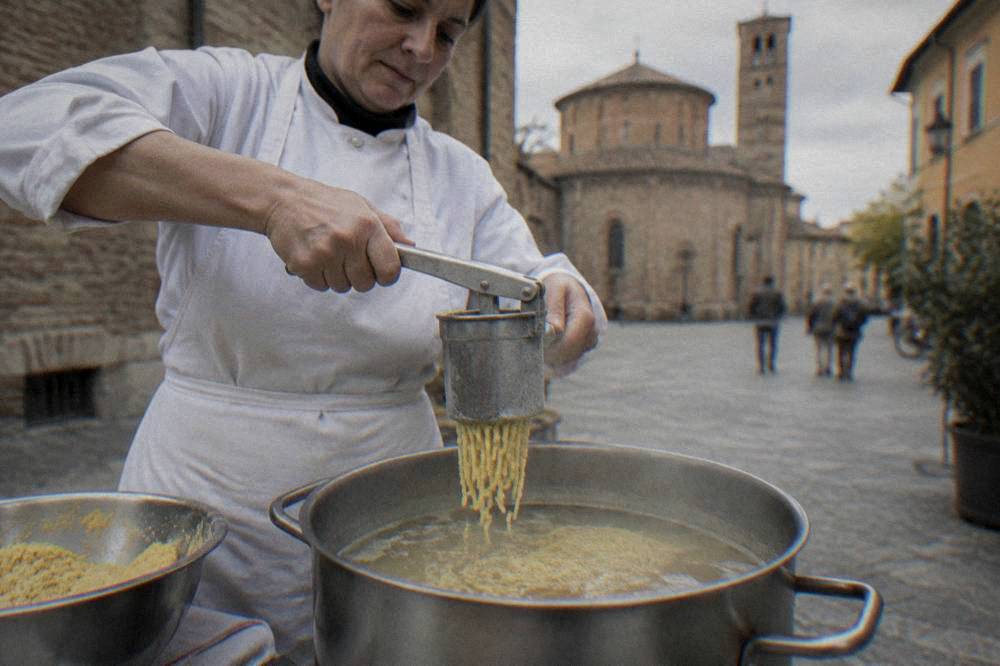
Cappelletti are the festive pasta, small closed parcels whose filling varies from family to family, served most traditionally in broth. Passatelli are the other broth pasta, pressed from a dough of breadcrumbs, parmesan and eggs. Around them sits the wider Romagna larder: grilled sausage and meats, garden vegetables, piadina-based street snacks, and the gelato culture that every Italian town shares but that a class in Ravenna lets you actually make.
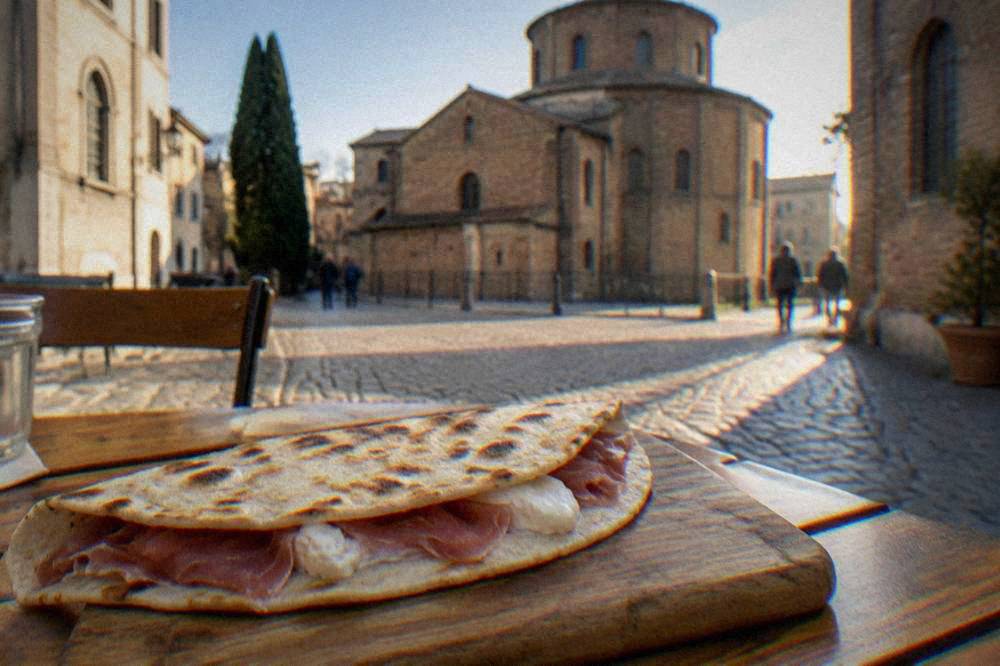
The wine side comes from the Romagna hills: Sangiovese in red, albana in white, both grown within day-trip distance of the city. The winery visit in the roster above covers exactly that pairing, a cellar near Ravenna with wine and food served together, and the Ravenna food guide covers the dishes in depth for readers who want the full inventory.
Can You Combine Mosaics And Food On One Ravenna Tour?
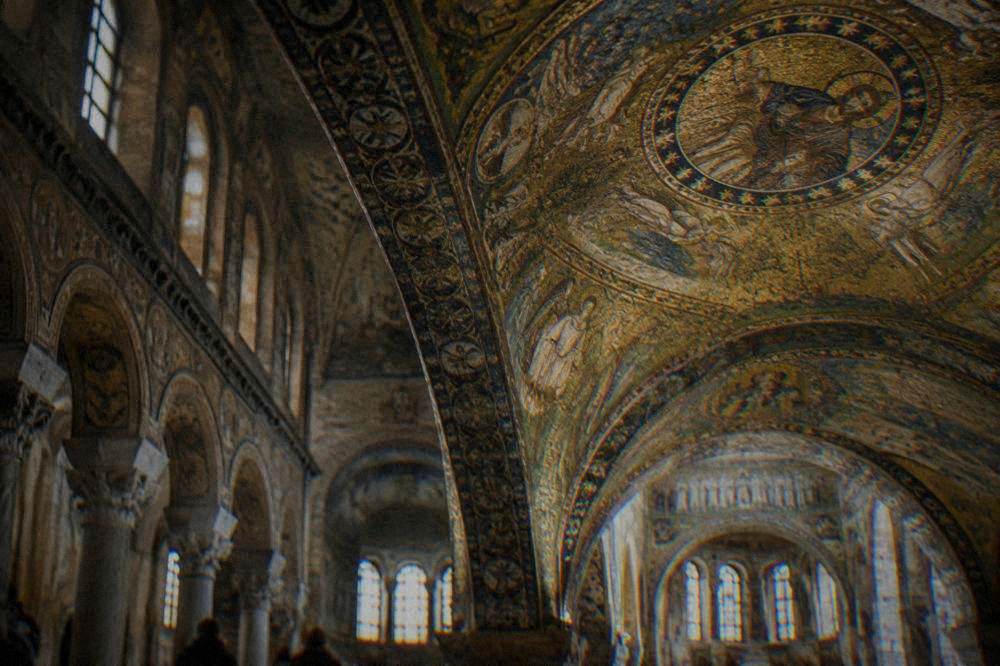
Yes, and it is Ravenna's most practical combination, because the food stops and the mosaic monuments sit in the same compact historic centre. Several listed tours visit UNESCO monuments such as San Vitale or the Mausoleum of Galla Placidia and then continue to tastings, and one full-day private option pairs the city's history with a lunch on the coast. The combined listing states which monuments and which tastings are included.
The combination works because of geography. The mosaic circuit is walkable, the Ravenna Mosaici ticket page shows the five central monuments within a short walk of one another, and the bakeries and trattorie sit between them. A morning of gold-ground mosaics followed by a piadina stop is not a compromise, it is how the city is built to be visited.
The private day trip takes the idea further. The featured tour on this page, a history and beach lunch private tour from Ravenna, moves from the city's heritage out to the coast for the meal, which suits travellers who want the Adriatic lidos and the mosaics in a single day. It is a private, per-group booking, and its card below shows the live figures.
For readers planning the mosaic half, the Ravenna combo ticket guide explains how the combined monument ticket works: reduced fares start at EUR 9.50 for two monuments, the ticket is valid one week with one admission per monument, and Galla Placidia and the Neonian Baptistery require a booked entry time with a stay of a few minutes each.
Which Cooking Classes In Ravenna Suit A First-Time Visitor?
The beginner-friendly classes in the roster are the piadina cooking class, the traditional Emilian home cooking class and the gelato making classes, all of them hands-on with no prior skill needed, because the listing for each one teaches a single technique from scratch. The small-group market tour and cooking class adds a market visit before the stove. Each card states what is cooked and whether the meal follows.
Piadina is the simplest entry point: dough, fillings, a hot slab, and a dish you can reproduce at home the following week. The gelato classes run inside a working gelateria, which means the equipment is professional and the result is immediate. The Emilian home cooking class sits in a domestic kitchen tradition, teaching the fresh pasta techniques that carry Romagna cooking.
What each class type offers, as the listings describe them:
| Class | Dishes or skills taught | Setting |
|---|---|---|
| Piadina cooking class | Piadina dough, cooking on the slab, fillings | Class in the Ravenna area |
| Emilian home cooking class | Fresh pasta and home dishes of the Emilian tradition | Home kitchen setting |
| Gelato making class | Gelato base, churning, flavouring | Working gelateria |
| Artisan gelato class in a gelateria | Artisan gelato technique | Local gelateria |
| Small-group market tour and cooking class | Market shopping followed by cooking | Market and kitchen |
The choice between them is really a choice of souvenir: piadina for a replicable weeknight dish, pasta for technique, gelato for the pleasure of the machine and the tasting spoon. None of them requires Italian, and the listings state the language in which each runs.
How Do Ravenna Food Tours Handle Diets, Kids And Groups?
The tour listings handle diets and groups at booking rather than on the street: each operator's page carries a dietary field where vegetarian, allergy and other needs are declared before payment, and the private tours in the roster are per-group bookings that a family or a party can take as a single unit. One private walking tour variant is listed specifically for kids and families. Cancellation terms, where offered, are the 24-hour free window stated on eligible cards.
The practical advice is to declare the diet when booking, not at the meeting point, because the tastings are bought in advance by the operator. A vegetarian traveller is well placed in Romagna, where piadina with squacquerone, garden vegetables and the cheese-and-egg pasta tradition cover a week of meals without meat. Nut and gluten questions belong in the booking field, and the operator answers them directly.
For groups, the private options change the economics: a per-group price divided across a family often undercuts several per-person tickets, and the itinerary bends to the group's pace. The kids-and-family private walk in the roster is built around that logic, and its card shows the per-group from-price rendered live.
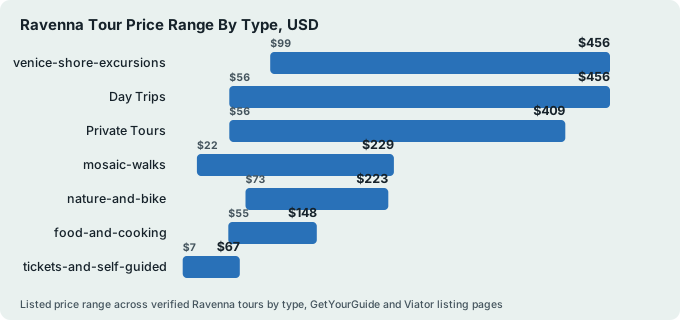
What Does A Ravenna Food Tour Cost, And What Is Included?
Every price, rating and review count on this page renders from the tour cards themselves, which read the operator's live listing, so the figures you see are the figures on sale today rather than a stale print. What varies between tours is scope: a tasting walk covers the stops and tastings listed, a class covers instruction plus the meal as stated, and a private tour covers the whole group at the per-group price shown. Check the card for what your fare includes.
The one thing worth checking before payment is the ticket question on mosaic-plus-food tours. Some listings include monument admission, the Highlights and Mosaics tours in the roster name their tickets in the title, while others expect you to hold your own Ravenna Mosaici combo. The monument side has its own arithmetic: reduced combo fares start at EUR 9.50 for two monuments and rise to EUR 13.50 for five, children 0 to 10 and Ravenna residents enter free, and the ticket runs one week with one admission per monument.
| Booking | Usually included | Usually separate |
|---|---|---|
| Tasting walk | Guide, listed tastings | Monument tickets, unless the listing says otherwise |
| Mosaics and food tour | Guide, tastings, and admission where the title says tickets included | Extra food and drinks beyond the list |
| Cooking class | Instruction, ingredients, meal as listed | Transport to the venue |
| Private day trip | Private guide or driver, itinerary, lunch where stated | Personal purchases |
Dietary declarations, meeting points and language all sit on the operator's page at the moment of booking, and the button on every card reads Check availability, which is the honest action: availability and price are confirmed there, not promised here.
Where Should You Eat In Ravenna When The Tour Ends?
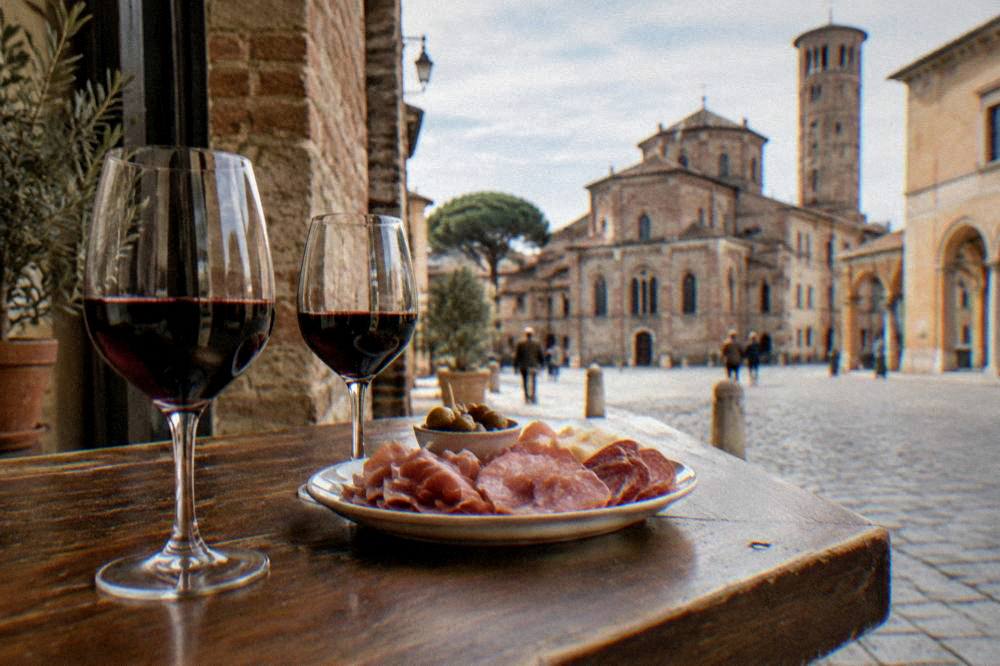
When the tour ends, the historic centre holds the answer: the streets around Piazza del Popolo and the market quarter carry the trattorie and piadinerie of the city, and the covered market tradition supplies the cheese, cured meats and bread for a self-assembled picnic. A cover charge, the coperto, is legal when printed on the menu, and tipping is not obligatory in Italy.
The full inventory of places sits in the Ravenna restaurants guide, which works through the centre eating by eating. The desk advice here is procedural rather than a list of names. Read the posted menu before you sit, because the coperto must appear there to be charged, and check the itemised bill against it. Lunch service in Emilia-Romagna runs later than northern visitors expect, and the piadinerie fill the gap in the afternoon. For self-catering, the food shops around the centre sell squacquerone by the piece and piadina by the stack, which is the cheapest possible souvenir of the region.
One Ravenna habit worth adopting is the standing coffee at the bar, priced below the seated table service and taken in a minute. It pairs with the gelato culture, and after a gelato class you will know exactly what to look for in the cabinet: dense texture, covered steel pans, and short flavour lists.
When Is The Best Season For A Ravenna Food Tour?
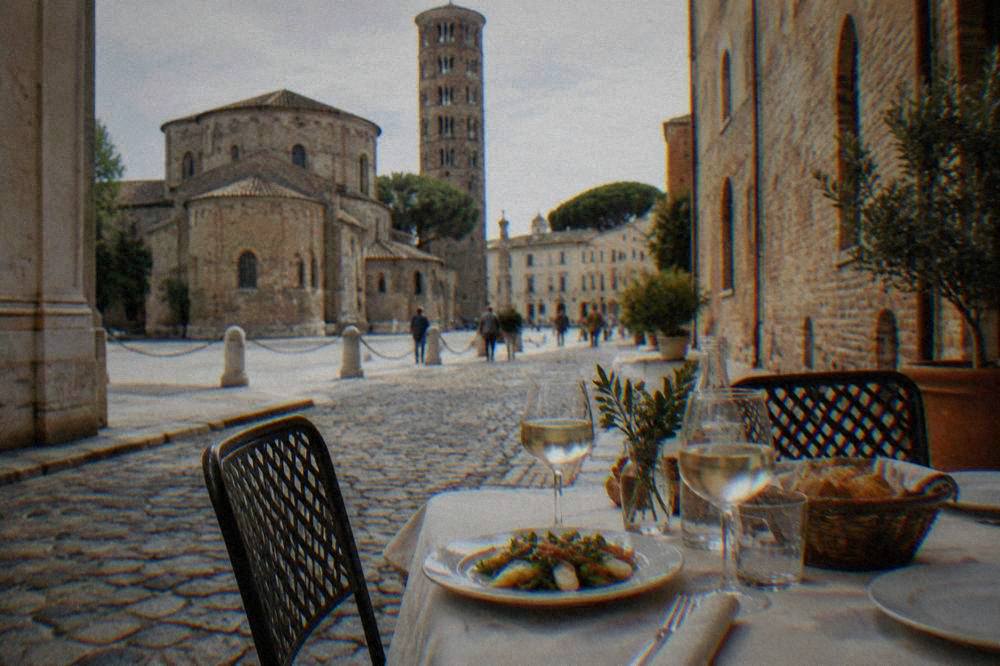
Any season works, because the food is indoor food and the historic centre is compact, but the shape of the visit changes: spring and autumn give comfortable walking weather for combined mosaic-and-food routes, summer pushes the eating toward the coast resorts and the evening, and winter pairs the tours with the city's concert and exhibition season. The monuments switch to winter hours, 10:00 to 17:00, from 3 November 2026, which sets the rhythm for a food-and-mosaics day.
The winter case is stronger than visitors expect. The Ravenna Festival autumn trilogy, Mozart 1791, runs 13 to 17 November 2026 at Teatro Alighieri, the Nicola Samori exhibition at MAR runs 17 October 2026 to 17 January 2027, and the smaller musical seasons run concert series through the cold months. A tasting walk between a morning of mosaics and an evening concert is a full day that never depends on the weather. The best time to visit guide works through the seasons in detail.
Summer shifts the weight toward the evening and the coast. The lidos, Marina di Ravenna and its neighbours, host the seafood side of the regional table, reached by the Start Romagna bus from the station, and the beach-lunch day trips in the roster exist precisely for that combination. Note the seasonal engineering on the coast: a 25,000 cubic metre sand barrier is built each autumn at Punta Marina, Marina di Ravenna Sud and Lido di Savio and stays until spring, which reshapes the winter beach.
| Season | Food tour shape | What else is running |
|---|---|---|
| Spring | Full-day mosaic and food routes | Monument hours extend toward summer |
| Summer | Evening walks, coast lunches at the lidos | Cruise season and beach resort life |
| Autumn | Centre walks plus concerts | Mozart 1791 trilogy, 13 to 17 November 2026, Teatro Alighieri |
| Winter | Class-heavy itineraries, indoor tastings | MAR exhibition to 17 January 2027, monument hours 10:00 to 17:00 |
Can You Take A Food Day Trip From Ravenna?
Yes, and the roster carries the two directions that matter: a winery visit with wine and food tasting near Ravenna for the Romagna hills, and a Ferrara and Comacchio day tour for the lagoon and the eel-cooking tradition of the valle, plus private beach-lunch trips from both Ravenna and Bologna. Each is listed as a day trip, runs outside the city, and renders its own price and availability on its card.
Ferrara and Comacchio make the strongest food-motivated pairing. Comacchio, the town called the little Venice, sits in the lagoon of the Po Delta where the saltpan and eel traditions define the cooking, and flamingos stay in the salt pans all year. Faenza, closer in, adds the ceramics rather than a distinct meal, while Brisighella and the hills carry the olive oil and the Sangiovese country that the winery visit samples.
For travellers arriving from the regional capital, the Bologna-start tours in the cards above bring the mosaic city and its cooking into reach without a self-drive, and the Bologna to Ravenna guide covers the rail route, a direct regional train over about 84 km. The airport arrival route is covered separately in the Bologna airport to Ravenna guide.
Common Questions About Ravenna Food Tours
What food is Ravenna famous for?
Ravenna's signature dishes are the Romagna staples: piadina flatbread with squacquerone cheese, cappelletti in broth, passatelli, grilled meats and local Sangiovese wine, with gelato as the everyday sweet.
How long does a Ravenna food tour last?
Durations are set by each operator and render on the tour card, not in prose here. Check the card on this page, which shows the live listing details, including the schedule and what is covered.
Do Ravenna food tours include the mosaic monuments?
Some do. Tours with admission in the title include monument tickets, others expect you to hold your own Ravenna Mosaici combo, and the listing states which applies. Reduced combo fares start at EUR 9.50 for two monuments.
Are Ravenna cooking classes suitable for beginners?
Yes. The piadina, gelato and Emilian home cooking classes in the roster teach single techniques from scratch, with ingredients and the meal included as the listing describes.
Is tipping expected on a Ravenna food tour?
Tipping is not obligatory in Italy. A cover charge, the coperto, is legal when printed on the menu, so check the posted prices before sitting down and read the itemised bill.
Can you do a food tour from a Ravenna cruise call?
Yes, the historic centre is a short transfer from the Porto Corsini terminal, with the Visit Ravenna shuttle running about 30 minutes on its 2026 schedule. The cruise port guide covers the timing in full.
A food tour in Ravenna is the easiest way to turn a mosaic day into a full experience of the city, and the cards on this page keep their prices and availability live so you can compare a tasting walk, a class and a beach-lunch day trip in one place before you book anything.