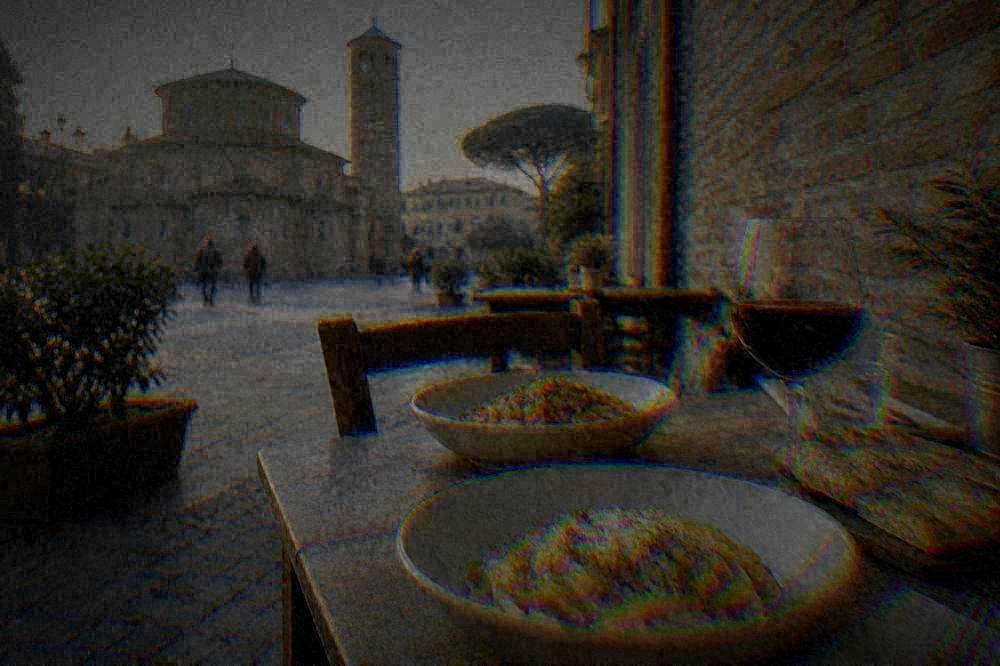
Where Do Locals Eat In Ravenna, Italy?
How eating in Ravenna actually works: the dishes locals order by name, the streets and squares where everyday meals happen, and what to expect on the bill.
Ravenna, an inland Po-valley city in Emilia-Romagna about 8 km from the Adriatic coast, runs on a food culture that belongs to the whole Romagna plain. Everyday eating here is not a tourist product: it is piadina bought warm from a counter, cappelletti served at family lunch, and small osterias tucked into the streets around Piazza del Popolo. The city centre is compact and walkable, and the railway station sits a short walk from it, so the eating geography is easy to read once you know the dishes and the habits that order the day. This page lays out both: what the tables order, and where the everyday meals actually happen.
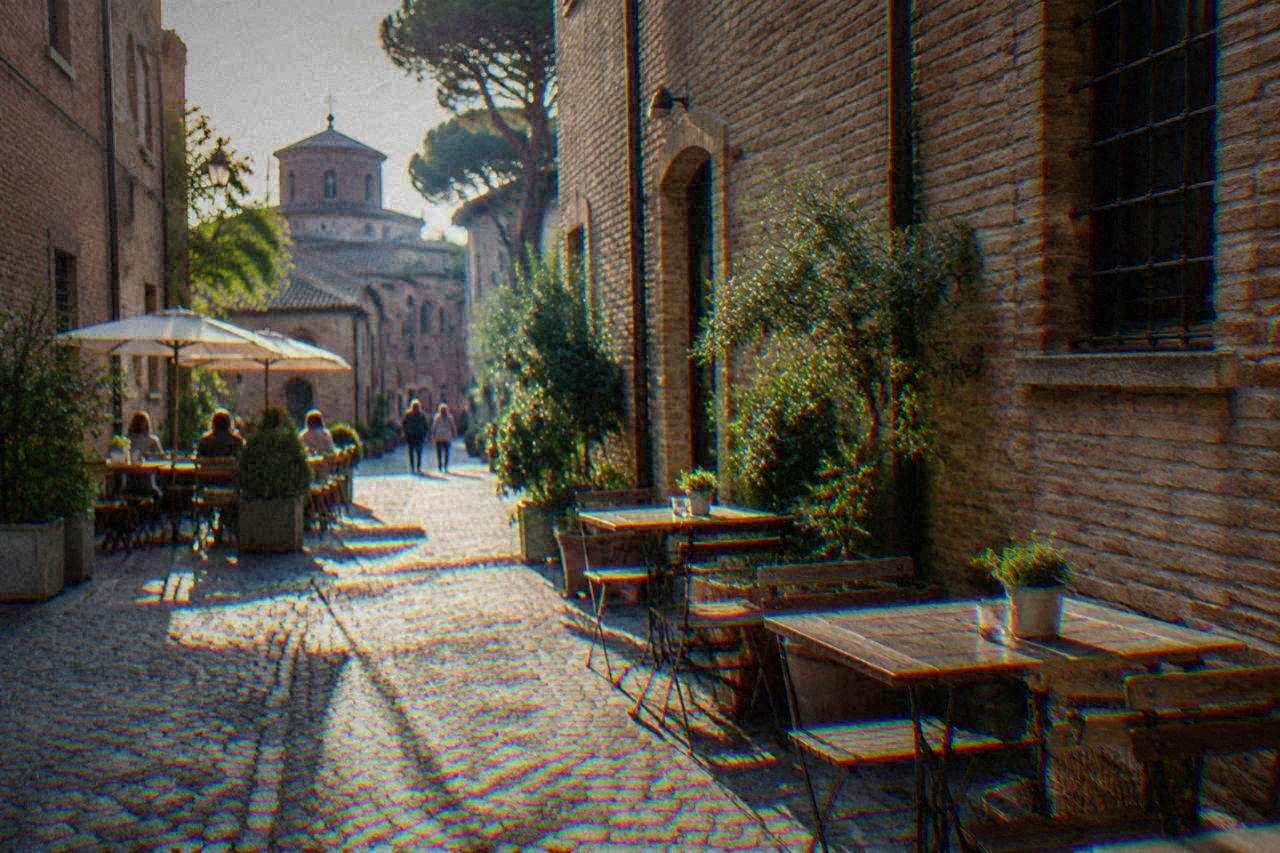
Where Do Locals Eat In Ravenna, Italy?
Locals in Ravenna eat in the small osterias, piadinerie and trattorias of the historic centre around Piazza del Popolo and the streets behind it, plus the cafes near the market streets, and in the beach towns of Marina di Ravenna and Punta Marina in the warmer months. The centre is small enough that a normal evening out is a short walk, not a trip. The municipal tourism pages describe a food scene built around Romagna dishes: piadina, cappelletti, passatelli and grilled meats, served in modest rooms rather than showcase restaurants.
The pattern worth knowing is that Ravenna eating splits by time of day. Mornings belong to the bar, where a coffee and a pastry stand at the counter. Midday is piadina time, a flatbread filled with squacquerone cheese and cured meats, eaten quickly and without ceremony. Evening and Sunday lunch are when the trattorias fill, and that is when the fresh pasta dishes come out. A visitor who follows that rhythm eats the way the city eats, without changing anything about where they are.
None of this requires insider access. The places locals use are the ones with posted menus, a short list of dishes, and a dining room that does not look designed for photographs. The Visit Ravenna food pages describe the city's tables in exactly those terms, built around a few dishes done properly.
Which Dishes Do Ravenna Tables Order By Name?
At a Ravenna table, the order goes out by name: piadina romagnola first, then cappelletti in brodo, passatelli, and tagliatelle al ragu, with grilled or roasted meats close behind, and squacquerone cheese plus Sangiovese wine from the Romagna hills rounding out the meal. The Visit Ravenna food pages present piadina as the everyday bread of the region and cappelletti as the festive pasta, the one that appears at Sunday lunch. These are not speciality dishes for visitors; they are the regular menu of the city.
Piadina deserves its own sentence, because it is the one food that structures the day. It is a thin flatbread cooked on a terracotta or metal surface, folded around cheese and cured meat, and sold by weight or by the piece. The piadina guide on this site covers its ingredients and history in detail, including what the name means in Italian. Locals buy it from the same counter for years, and the choice of filling is a matter of firm personal habit.
Cappelletti are the pasta of the long lunch. They are small folded parcels, filled and served in capon broth or with a ragu, and the Visit Ravenna pages treat them as the signature Sunday dish of the area. The cappelletti guide explains what goes into the filling and how the Romagna version differs from the similar-sounding tortellini of Bologna. Passatelli, a breadcrumb-and-parmesan dough pressed into short strands, sit in the same broth tradition.
| Dish | What It Is | When It Is Eaten |
|---|---|---|
| Piadina romagnola | Thin flatbread folded around squacquerone and cured meats | Midday, any day, eaten by hand |
| Cappelletti in brodo | Small filled pasta parcels in capon broth | Sunday lunch and festive meals |
| Passatelli | Short strands of breadcrumb, egg and parmesan dough in broth | Cooler months and long lunches |
| Tagliatelle al ragu | Ribbon pasta with slow meat sauce | Evening trattoria meals |
| Grilled and roasted meats | Mixed grills and Romagna-style cuts, often with Sangiovese | Weekend dinners |
The wine that goes with all of this is Romagna Sangiovese, the red of the hills immediately behind the coast, and the Visit Ravenna pages list it as the regional pour. This site carries a fuller Romagna wines guide for readers who want the denominations and the pairing logic. Nothing about this menu is hidden: a printed trattoria menu in Ravenna reads almost exactly like the table above.
Where In The Historic Centre Does Everyday Eating Happen?
Everyday eating in Ravenna clusters in the historic centre: the lanes around Piazza del Popolo, the streets between the Basilica of San Vitale and the covered market area, and the strip of bars and osterias on the walk from the railway station into town. The municipal tourism pages describe the centre as compact, and it is: the whole eating quarter fits between Piazza del Popolo, Via Cavour and the streets around the Dante area. Nothing listed here is more than a short walk from anything else.
Piazza del Popolo is the social hinge of the centre, the old city square now lined with cafes under arcades, and this site's Piazza del Popolo guide covers the square itself. The eating logic of the square is simple: the bars and cafes facing it are where the evening passeggiata pauses, an aperitivo before dinner rather than dinner itself. The trattorias sit a street or two back, in the lanes where rents are lower and the menus shorter.
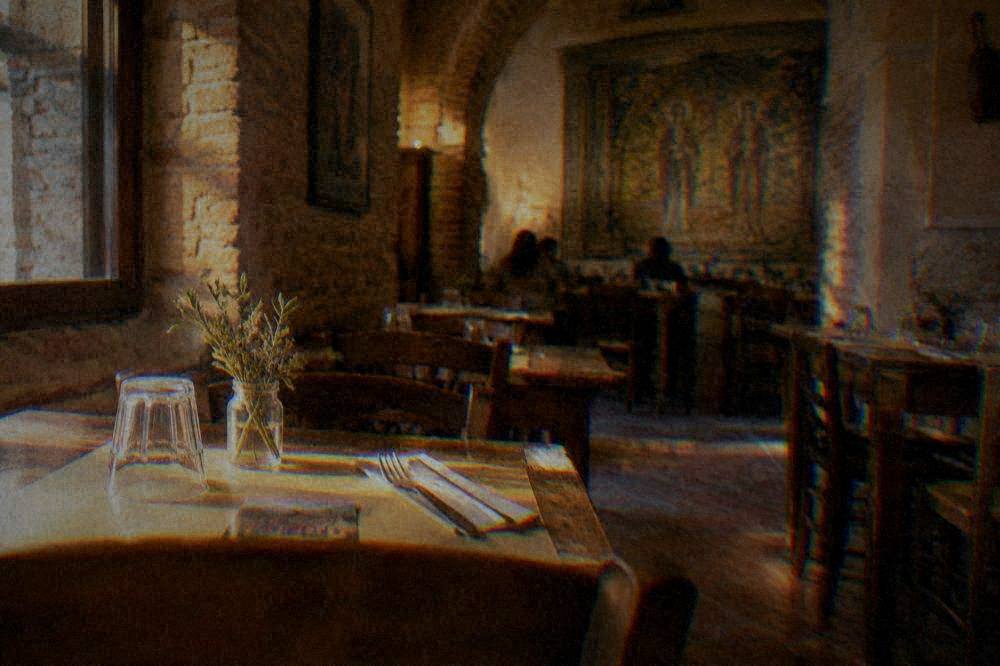
Two practical points shape the centre. First, the ZTL, the camera-enforced limited traffic zone, covers the historic core, with gates active either 7:30 to 20:30 or around the clock depending on the street; drivers should confirm access with their accommodation before planning dinner by car. Second, opening hours follow the Italian rhythm: many kitchens close one afternoon a week, and the serious lunch service starts around 12:30 and ends by 14:30. Arriving at 18:00 hungry will not work; the aperitivo hour fills that gap. More of these guides are collected on Ravenna Travel Guide.
What About The Beach Towns And Marina Di Ravenna?
In the warmer months a large share of Ravenna's eating moves to the coast: Marina di Ravenna, Punta Marina, Lido Adriano, Lido di Classe and Lido di Savio, strung along about 35 km of shoreline and reached by Start Romagna bus from the station. Ravenna itself is not a seaside city; the historic centre sits inland on the flat Po plain. The beach towns are separate places, and their food scene runs on fish, grilled on the spot, plus the same Romagna staples.
Marina di Ravenna is the closest and the liveliest of them, and this site's Marina di Ravenna guide covers the resort in full. Its Darsena, the old canal dock area, is the part locals talk about: restaurants and bars along the water, busy from late spring through summer. The winter shape of the coast is different, and a municipal press release describes the current arrangement: a sand barrier of 25,000 cubic metres was built in autumn 2026 at Punta Marina, Marina di Ravenna Sud and Lido di Savio to protect the shoreline, and it stays in place until spring 2027. A winter market also runs in Marina di Ravenna on Piazza Dora Markus, sea side, on Wednesdays and Saturdays, as the Comune's notice states.
The fish tradition deserves the trip on its own. Adriatic catch, grilled eel from the nearby valleys, and clams served with pasta all appear on coastal menus, and the Visit Ravenna pages list seafood among the coast's draws. Getting there without a car means the Start Romagna buses that leave from the station, using the winter or summer timetable depending on season; this site's guide to getting around Ravenna explains the network.
How Do Markets And Shops Feed The City?
Markets and shops feed Ravenna through the everyday channels that keep the city running: the bar counters, the piadinerie, the bakery and cheese shops, and the municipal market streets. These are the places where the city's regular food supply circulates, and they are also where a visitor sees Ravenna actually eating rather than serving visitors. The bar is the first food stop of the day by a wide margin: coffee and cornetto standing at the counter, priced on a tariff that is posted, with sitting at a table costing more than standing. That posted price list is a real check any reader can make in the first bar they enter.
Want to shop and cook like a local? Book a market tour and cooking class here.
The piadineria is the midday equivalent, and the where to buy piadina answer on this site goes deeper into the city's food identity. Cheese counters selling squacquerone and cured meats by the portion, bread bakeries, and small grocery shops holding regional wines complete the picture. None of these shops advertise; their business is repetition, the same orders from the same customers.
Sunday changes the rhythm. That is the day of the long family lunch, cappelletti in broth at the centre of it, eaten at home or in a trattoria, and the city goes quiet in the morning while it prepares. Visitors who book a Sunday lunch table are eating at the most local hour of the whole week.
| Eating Moment | Where It Happens | What Is On The Table |
|---|---|---|
| Morning | Bar counter, centre and neighbourhoods | Espresso or cappuccino, cornetto |
| Midday | Piadineria, bakery, market streets | Piadina with squacquerone and cured meats |
| Aperitivo hour | Bars around Piazza del Popolo | A glass of Sangiovese, olives or small snacks |
| Dinner | Trattorias and osterias in the centre lanes | Fresh pasta, passatelli, grilled meats |
| Sunday lunch | Home or a trattoria | Cappelletti in brodo and the full long meal |
What Should Visitors Know About Bills, Coperto And Tipping?
Visitors in Ravenna should check the menu for a coperto, a cover charge that is legal in Italy only when printed on the menu, and should know that tipping is not obligatory: rounding up the bill or leaving small change is the local habit when service has been good. The itemised bill, conto, lists each dish and the coperto separately, and reading it before paying is the practical check. Nothing about the coperto is hidden if you read the menu first, because a printed menu is the legal condition for charging it.
Hours are the other practical point. Kitchens close between lunch and dinner, typically reopening around 19:00, and several restaurants take a full day off each week, most often Sunday evening or Monday. Reservations matter on weekends and on any evening when Teatro Alighieri has a performance, because the theatre sits inside the eating quarter and the nearby rooms fill before curtain. A one-line booking in the afternoon secures the table.
Beyond the city, the food of the wider plain is worth a day of its own. Faenza, a short regional train ride away, is the ceramics town with its own table traditions, and Brisighella holds the hill-country version of the same cuisine. This site covers both in its Faenza and Brisighella guides, and the broader food guide to Ravenna collects the city's dishes, markets and dining habits in one place.
Common Questions About Eating Like A Local In Ravenna
Where do locals eat in Ravenna, Italy?
Locals eat in the small osterias and trattorias of the historic centre around Piazza del Popolo, at piadinerie and bars through the day, and in the beach towns such as Marina di Ravenna during the warmer months.
Is it expensive to eat out in Ravenna?
This site prints no restaurant prices, and menus vary by house. Every restaurant posts its menu with prices outside or at the door, and the bar tariff is displayed at the counter, so the real figures can be read before committing to anything.
What is a coperto and do I have to pay it?
A coperto is a per-person cover charge for bread and table setting. It is legal when printed on the menu, and the itemised bill must show it as a separate line. If it is not on the menu, ask before paying.
Do I need to tip in Ravenna restaurants?
Tipping is not obligatory in Italy. Leaving small change or rounding the bill up after good service is the ordinary local habit, and nothing more is expected.
When do restaurants open for dinner in Ravenna?
Dinner service generally starts around 19:00, after the aperitivo hour, and kitchens close between lunch and dinner. Weekend tables and theatre evenings at Teatro Alighieri are worth booking ahead.
Can you eat well in Ravenna without eating fish?
Yes. The inland Romagna tradition is meat and pasta: piadina with cured meats and squacquerone, cappelletti, passatelli, tagliatelle al ragu and mixed grills. Fish is strongest on the coast, a bus ride away at the beach towns.
The short version of eating like a local in Ravenna is to order what the menu is proudest of, eat piadina at midday, book a table on a Sunday, and read the bill line by line. The city's tables reward exactly that much attention, and nothing more is required.