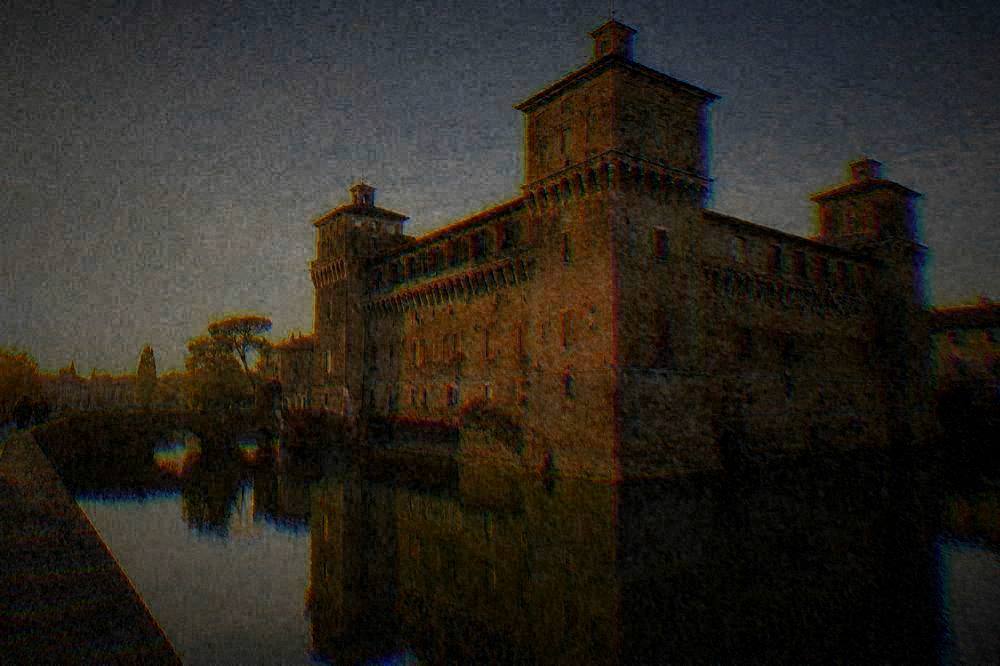
Brisighella
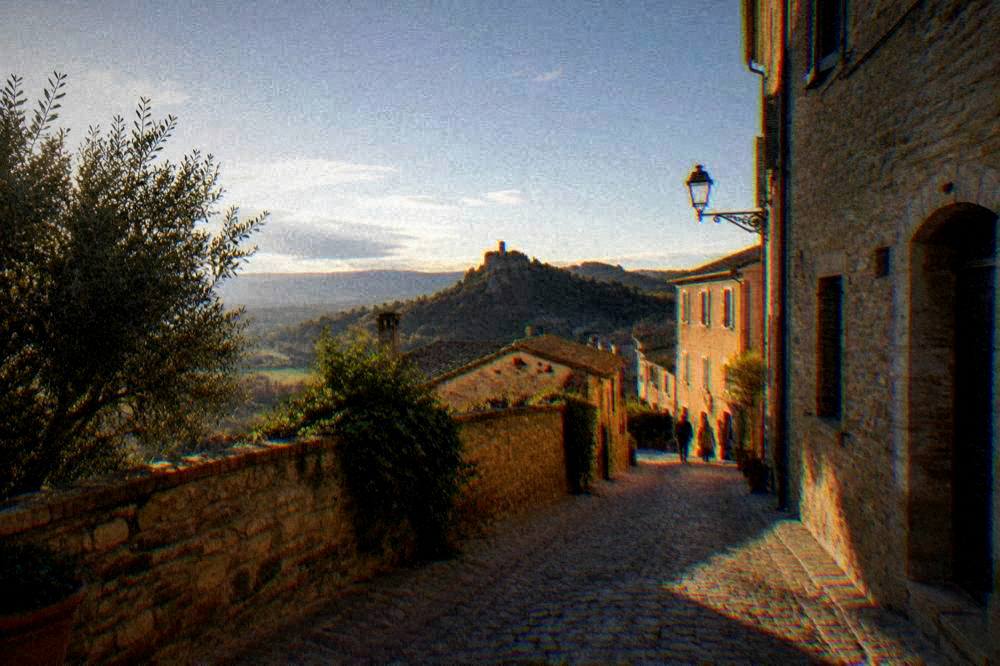
Brisighella sits on the first rise of the Apennine foothills south of the Ravenna plain, a walled hill town of pale selenite crags, covered walkways and olive terraces that makes an easy contrast with the flat mosaic city of Ravenna.
Short answer
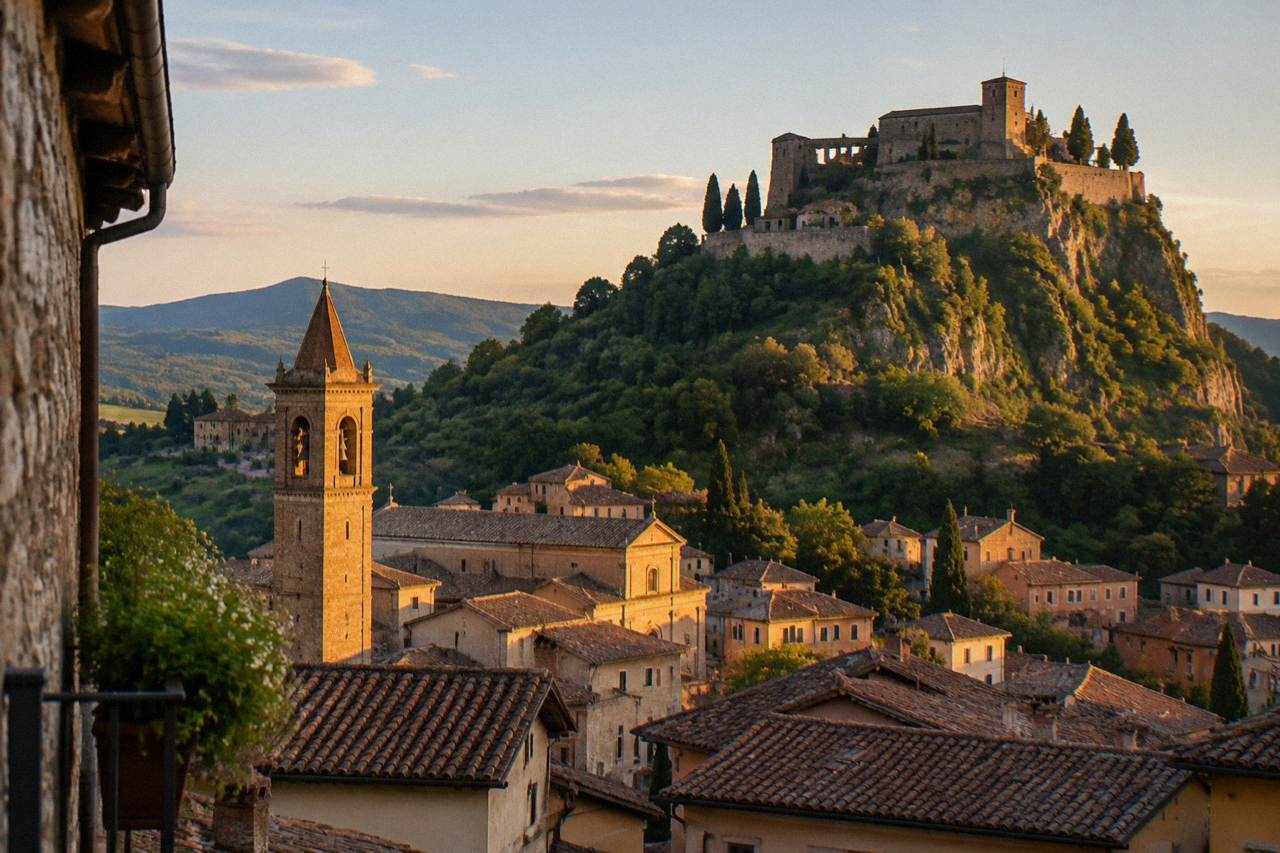
Brisighella is a small hill town in Emilia-Romagna, roughly an hour south of Ravenna by rail via Faenza, known for its fortress-crowned crags, the covered Via dell'Asino walkway and its olive oil tradition.
Brisighella answers a question Ravenna cannot: what does the landscape look like when the Po plain finally ends? Ravenna, in Emilia-Romagna, Italy, is a flat inland city of Byzantine mosaics and brick domes, about 8 km from the Adriatic coast, and everything around it is level. Head south instead, towards the Apennine foothills, and the ground lifts into a valley of olives and chalk-white crags where Brisighella sits wedged between three rocky outcrops, a walled medieval town with a fortress on top and a covered walkway running along the cliff face. It is one of the classic day trips from Ravenna, usually paired with nearby Faenza, and it gives a mosaic-weary visitor exactly the opposite of what the UNESCO churches give: silence, altitude and views.
This guide lays out what Brisighella is, how the rail route from Ravenna works, what to see on the crags and in the lanes, what the local table offers, and how to fold the town into a longer itinerary. Where a live figure belongs, train times, opening hours at the fortress, the price of anything, the reader is pointed to the official page that holds it, because timetables and museum schedules change with the season and this desk does not print a number it cannot source.
What Is Brisighella And Why Visit From Ravenna?
Brisighella is a small medieval hill town in the Emilia-Romagna Apennine foothills, built along a ridge of pale selenite crags in the Lamone valley south of Faenza, and it makes a natural day trip from Ravenna because it is the closest place where the flat Ravenna plain turns into rock, olive terraces and fortress walls. The town is known in the region for three things: the crags themselves, the fortress and towers standing on them, and a long tradition of olive oil pressed from groves on the valley slopes. It is also a slow-food kind of place, with covered arcades, quiet lanes and a reputation built on local produce rather than on nightlife.
Ravenna's own treasures are all indoors and all flat: the eight UNESCO Early Christian monuments listed by UNESCO since 1996, the mosaics of San Vitale and Galla Placidia, Dante's tomb on a quiet street. After a day or two of gold-ground mosaics viewed in dim chapels, a hill town works as a palate cleanser. The light is different, the walking is vertical, and the reward at the top of the crag is a panorama over the valley rather than a ceiling.
The town pairs naturally with Faenza, the ceramics city on the plain below the hills, and the two are usually done together on one rail ticket because the trains between them run along the same valley line. The Faenza day-trip guide covers the ceramic museums and workshops; Brisighella covers the climb.
How Do You Get From Ravenna To Brisighella?
The rail route from Ravenna to Brisighella runs south along the Faenza line, with a change at Faenza onto the valley line towards the hills, and the whole journey is a regional-train trip of about an hour to an hour and a half once the connection is made. The regional timetable gives the Ravenna to Faenza leg as a direct regional service, and the Faenza to Brisighella leg as the continuation up the Lamone valley. Fares, exact journey times and the day's departures belong to the live timetable, so check Trenitalia or the regional operator's page for the date of travel rather than relying on any printed figure here.
For the rail legs of the journey, book a train ticket here.
A few practical points the timetable does not always make obvious. Brisighella's station sits below the old town, and the walk up to the centre is short but uphill, so travel light. Trains up the valley line are less frequent than the Ravenna to Bologna services, so it is worth checking the last return departure before committing to a long dinner. In autumn 2026, the Ravenna area saw rail strikes and weekend engineering works on other lines, so the day-before check is not paranoia, it is the difference between a hill town at sunset and a taxi negotiation.
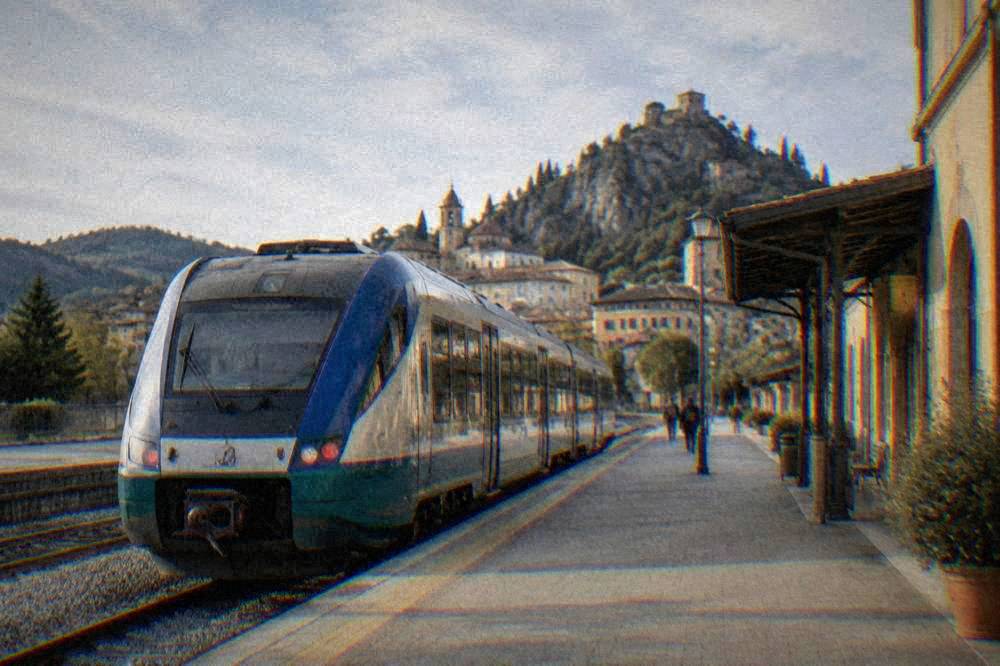
Driving is the alternative, and the hills reward it if a loop through the valley villages is the plan, but parking in Brisighella's old centre is limited and the town is compact once you are in it. For anyone based in Ravenna without a car, the train is the simpler instrument, and the Ravenna train station guide explains how the station relates to the historic centre. For contrast, the Bologna day trip covers the bigger northern city about 84 km away by direct regional train, if a hill town feels too quiet.
For travellers who would rather not manage timetables at all, a private day tour is the other route into the region's smaller towns, and the operator's live listing carries the current itinerary and price.
What Are The Sights In Brisighella?
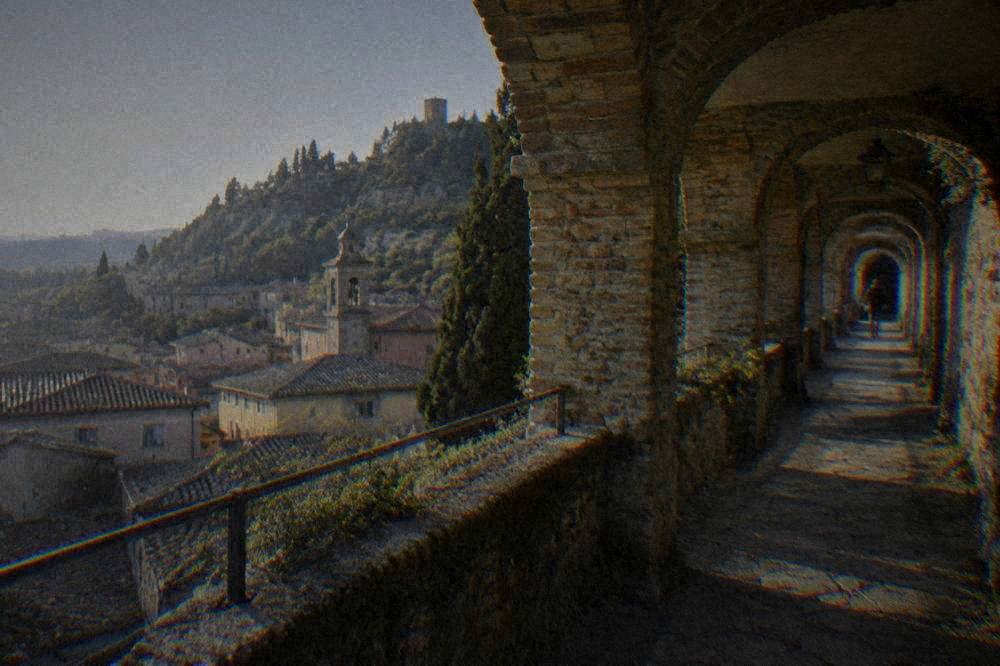
The three sights that define Brisighella are the fortress on the central crag, the clock tower on its own spur, and the Via dell'Asino, a covered medieval walkway bolted along the cliff face that links the lower town to the upper ridge, and together they form one walkable loop of roughly an hour with views over the Lamone valley at each stage. The fortress, the Rocca, holds a small museum interior and terraces over the valley; the tower below it gives the town its skyline. The Via dell'Asino, the donkey path, is the part people remember, a vaulted gallery with arched openings cut into the rock, built so goods and people could move between levels sheltered from the weather.
None of these carries a printable price or set of hours in this desk's sources, so check the town's official tourism page for the fortress opening times and the current entry arrangement before setting out. What can be said is structural: the walk up is stepped, exposed in places, and closed shoes serve better than sandals on a warm afternoon.
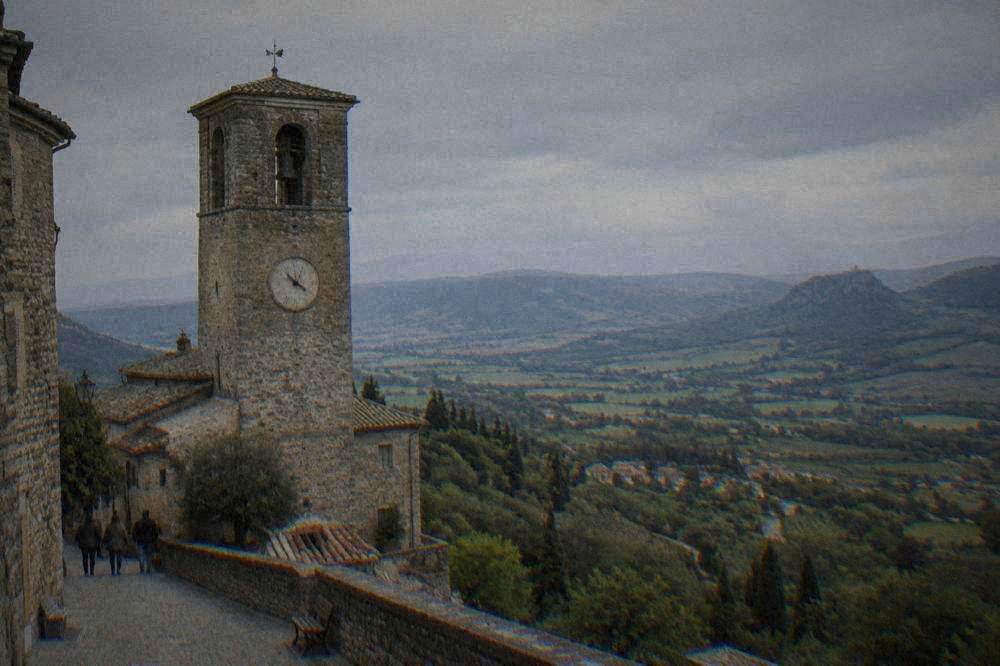
Below the crags, the old town runs along a single main axis of arcaded lanes, with the parish church and quiet squares off it. The town is small enough that a map is unnecessary and unhurried enough that a wrong turn is the point. Half a day covers the loop with a long lunch; a full day allows the olive-oil producers and the valley paths around the town.
For anyone using Brisighella as one stop in a wider week, the region holds alternatives at every register. The Rimini day trip and the San Marino day trip point south-east to the coast and the mountaintop republic, while the Ferrara day trip keeps to the plain. The full list of possibilities in the city itself sits on the things to do in Ravenna page, which links every monument, museum and itinerary this site covers.
Where Do You Eat In Brisighella?
Eating in Brisighella means the Romagna table adapted to the hills: hand-rolled pasta such as cappelletti and tagliatelle, grilled meats, chestnut and olive-based dishes, and the town's own olive oil poured over almost everything, with the trattorias of the old lanes serving the same repertoire Ravenna's restaurants serve but in a stone-village setting. The site's Ravenna food guide and the page on cappelletti describe the dishes in detail; in Brisighella the difference is emphasis, with more hill produce, more oil, and menus that change with the chestnut season.
This desk does not print restaurant names or prices, and no figure for a meal in Brisighella appears in its sources. The practical guidance is the same as for Ravenna: the coperto cover charge is legal when printed on the menu, tipping is not obligatory, and the posted menu outside the door is the contract. A lunch on the terrace after the crag walk is the rhythm the town suggests, and the trains up the valley allow it.
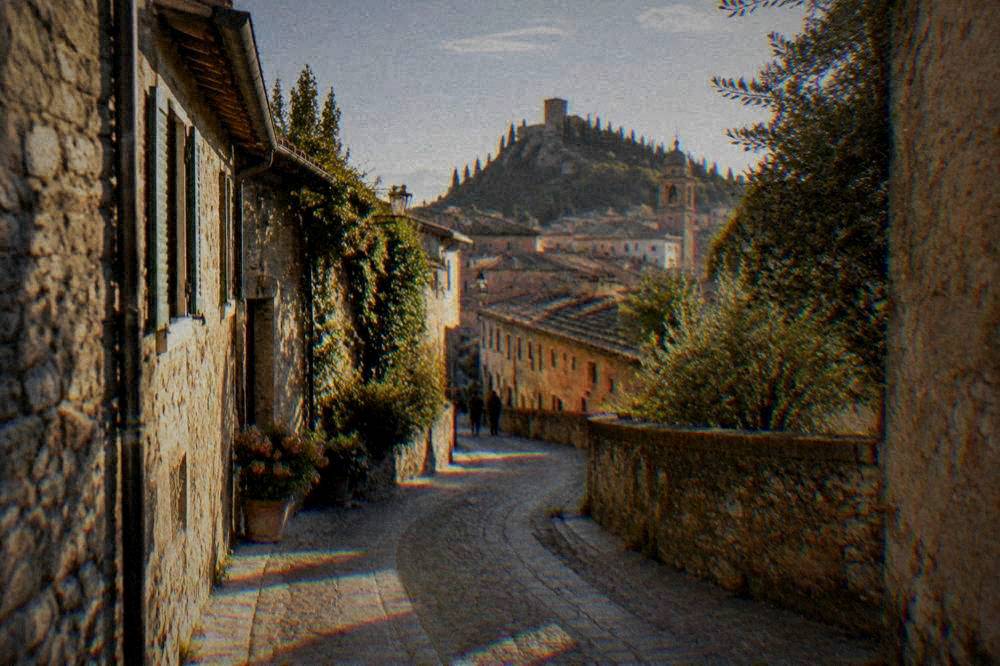
The olive oil deserves a note of its own. Brisighella's oil comes from groves on the terraced slopes around the town, and the local producers sell at source, which means a bottle in the rucksack is a legitimate souvenir of the valley. Ask at the tourism office which producers are receiving visitors on the day, because opening arrangements at small farms change with the season and the harvest.
When Is The Best Time Of Year For A Brisighella Day Trip?
Spring and autumn are the best seasons for Brisighella because the crag walk and the valley paths are the point of the trip, and both are hard going in the summer heat, while the Ravenna climate table shows why: July averages 25.2 C and August 25 C as modelled 1991 to 2020 normals, against 13.1 C in April and 15.7 C in October. The same table puts November as the wettest month at 78.3 mm and July as the driest at 38.1 mm, which argues for a dry autumn day over a wet one for a town whose main attraction is a cliff-side walkway.
The table below carries the modelled ERA5 monthly normals, 1991 to 2020, for Ravenna on the plain. Brisighella sits higher, so treat these as the baseline for planning the rail journey and assume the hills run a degree or two cooler.
| Month | Mean temperature (C) | Precipitation (mm) |
|---|---|---|
| Jan | 5.1 | 43.8 |
| Feb | 5.8 | 56.4 |
| Mar | 9.4 | 54.9 |
| Apr | 13.1 | 66 |
| May | 17.9 | 58.2 |
| Jun | 22.6 | 45.6 |
| Jul | 25.2 | 38.1 |
| Aug | 25 | 44.7 |
| Sep | 20.3 | 57.9 |
| Oct | 15.7 | 66 |
| Nov | 10.6 | 78.3 |
| Dec | 6.1 | 63.7 |
Seasonal notes matter less in Brisighella than in the coastal resorts, because the hill town does not shut in the way a beach lido does. The Ravenna-area beaches, covered in the Marina di Ravenna guide, compress into a summer season, and the Comune press release records a 25,000 cubic metre winter sand barrier built each autumn at Punta Marina, Marina di Ravenna Sud and Lido di Savio until spring 2027. The hill towns simply slow down. Confirm locally what is open between November and March, particularly the fortress and any producers you hope to visit.
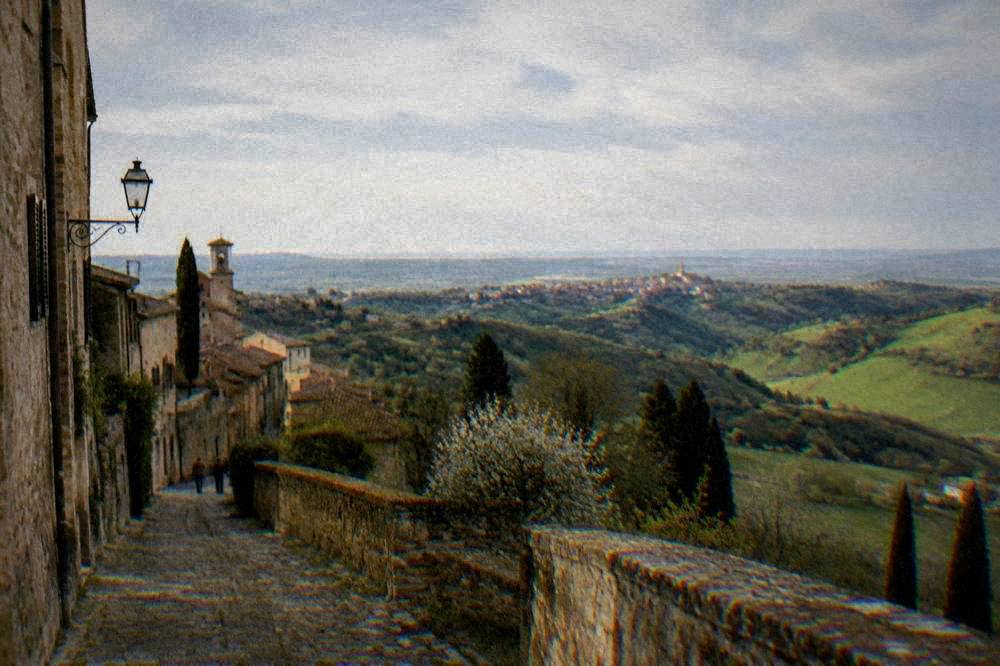
How Do You Combine Brisighella With Faenza?
The standard pairing is Faenza in the morning and Brisighella in the afternoon, using the same valley rail line: Faenza, the ceramics city on the plain, fills the earlier hours with its museums and workshops, and Brisighella takes the afternoon and the walk up the crags, with the return rail leg bringing you back to Ravenna the same evening. The two towns sit on one line, so the connection is a single change at Faenza in each direction, and the whole day runs on regional trains.
What each town gives is a study in contrasts, and the table sums it up.
| Faenza | Brisighella | |
|---|---|---|
| Setting | Flat plain city | Hill town on selenite crags |
| Signature | Ceramics, museums and workshops | Fortress, towers, covered walkway |
| Terrain | Level, arcaded streets | Stepped, uphill lanes |
| Best hours | Morning museums and workshops | Afternoon crag walk and views |
| Rail role | Junction and change point | Valley terminus for the day tripper |
The Ceramics and more in Faenza day trip page carries the detail on the Faenza half. Anyone extending the idea into a two-day loop through Emilia-Romagna's smaller cities can chain Faenza and Brisighella with the Ferrara day trip or push further to the Comacchio day trip and the Po Delta National Park day trip for the wetlands east of the city.
What Should You Know Before The Trip?
The practical baseline is the same as for any day trip out of Ravenna: Italy uses the euro, the emergency number is 112, the country is in the Schengen area, and the Ravenna tourist tax, about EUR 1 to EUR 4 per night depending on the hotel's star rating under the tariff in force from 1 January 2023 and possibly changed since, is a city-stay matter rather than a day-trip one, so confirm it at booking. Petty crime such as pickpocketing exists around tourist sites and on public transport, so a bag zipped and held in front on a crowded regional train is the simple precaution.
On the monument side of the ledger, anyone returning to Ravenna for an evening visit should know what the official pages state, and the table collects the printable figures this desk holds.
| Monument or museum | Price | Source note |
|---|---|---|
| Ravenna Mosaici combo, 2 monuments | from EUR 9.50 reduced | official ticket page |
| Ravenna Mosaici combo, 4 monuments | from EUR 11.50 reduced | official ticket page |
| Ravenna Mosaici combo, 5 monuments | from EUR 13.50 reduced | official ticket page |
| Mausoleum of Theodoric | EUR 6, EUR 5 concession, EUR 2 ages 18 to 25 | Visit Ravenna page |
| Arian Baptistery | EUR 3 | cultura.gov.it |
| Sant'Apollinare in Classe | EUR 6, EUR 2 reduced | cultura.gov.it |
| Dante's tomb | free | municipal page |
The combo ticket is valid one week, one admission per monument, with an entry time booked for each; the Ravenna combo ticket guide explains the mechanics. Full, non-reduced combo prices belong to the official page. The Ravenna Mosaici hours run 9:00 to 19:00 in the summer period to 2 November 2026 and 10:00 to 17:00 from 3 November 2026 to 6 March 2027, closed 25 December and 1 January, per the official page.
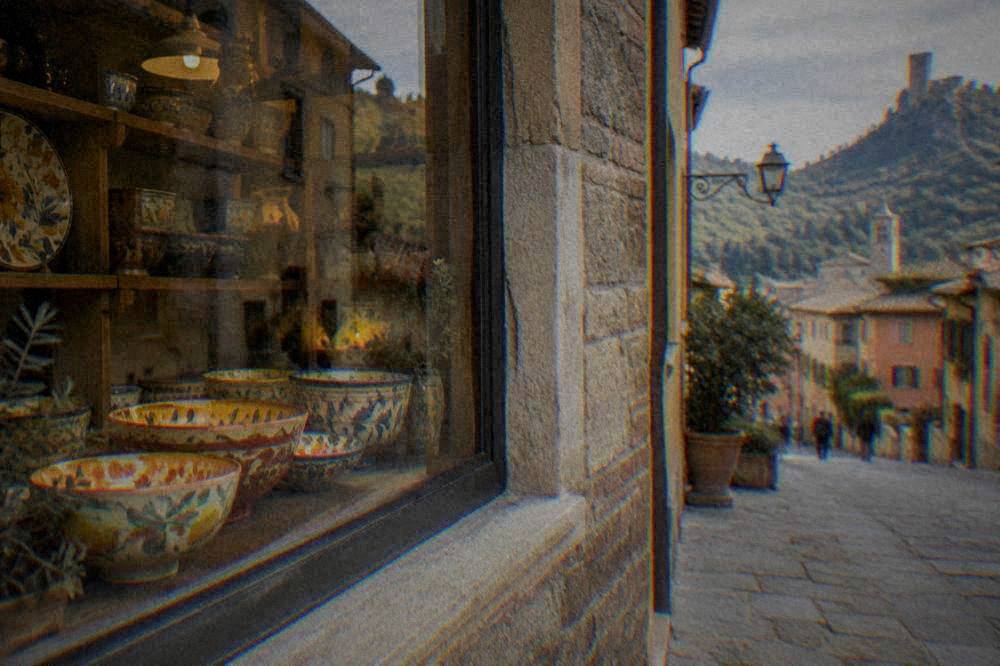
Two more Ravenna-centred pointers close the practical set. If the day trip is part of a cruise-port stay, the Ravenna cruise port day guide covers the port at Porto Corsini, about 15 km from the centre, with the Visit Ravenna shuttle taking about 30 minutes in the 2026 page. And if the weather turns against the hills, the Ravenna in the rain guide lists the indoor alternatives back in the city.
Is A Brisighella Day Trip Better Than A Second Day In Ravenna?
A Brisighella day trip is the better choice once the eight UNESCO monuments are already covered, because Ravenna's core offer is those mosaics plus Dante's tomb and a handful of museums, and after two days the marginal hour in the city buys less than a fortress crag in the hills, while a first-time visitor with only one or two days should stay in Ravenna and see the mosaics. The decision rule is coverage: the one day in Ravenna and two days in Ravenna itineraries show how much the city itself holds, and the how many days in Ravenna question is answered there in detail.
The comparison table places Brisighella among the main regional day trips by what each offers.
| Day trip | What it delivers | Best for |
|---|---|---|
| Brisighella | Hill town, crags, fortress, olive country | Landscape and slow walking |
| Faenza | Ceramics city, museums, workshops | Craft and design |
| Bologna | Big regional capital, about 84 km by regional train | Food and city scale |
| Ferrara | Renaissance walls and castle on the plain | History by bike |
| Comacchio and Po Delta | Lagoons, flamingos, wetland nature | Birds and boats |
Whichever way the day is framed, the guided options below cover the same territory with the logistics handled, and their live listings carry the current itineraries and prices.
Brisighella, in the end, is the day trip that answers a geographical question: what is at the edge of the plain Ravenna sits on. The answer is rock, olives and a covered walkway hanging off a cliff, an hour's regional train from the mosaic city, and it earns its place on any Ravenna itinerary of three days or more. This Ravenna Travel Guide page collects the sourced facts for the trip; the live figures, trains, fortress hours, producer openings, sit on the official pages named above, and they are the last check before the day itself.
Common Questions About A Brisighella Day Trip
How do you get from Ravenna to Brisighella?
Take a regional train from Ravenna to Faenza and change onto the valley line towards Brisighella. The journey is an about one hour to one and a half hour regional-trip depending on the connection. Check the live timetable for fares and the day's departures.
What is Brisighella known for?
Brisighella is known for its three selenite crags, the fortress and clock tower on them, the covered Via dell'Asino walkway, and its olive oil tradition in the Lamone valley.
Can you visit Brisighella and Faenza in one day from Ravenna?
Yes. Faenza is the rail junction for the valley line, so the standard pairing is Faenza's ceramics museums in the morning and the Brisighella crag walk in the afternoon, returning to Ravenna by regional train in the evening.
What should you eat in Brisighella?
The Romagna table: cappelletti, tagliatelle, grilled meats and dishes built on the town's olive oil. The coperto is legal when printed on the menu, and tipping is not obligatory.
When is the best time to visit Brisighella?
Spring and autumn, when the crag walk is comfortable. The modelled 1991 to 2020 climate table for the plain shows July at 25.2 C mean and November as the wettest month at 78.3 mm, so a dry shoulder-season day serves the hills best.
How long do you need in Brisighella?
Half a day covers the fortress loop, the Via dell'Asino and a walk through the old lanes with lunch; a full day allows the valley paths and olive-oil producers around the town.