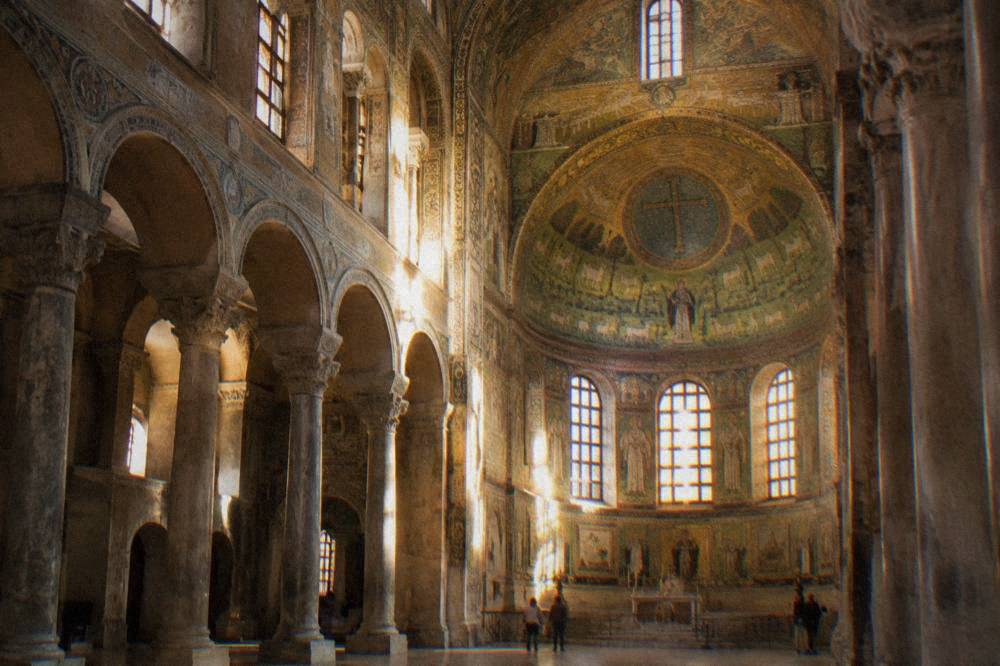
Ravenna Mosaic Tour
A Ravenna mosaic tour is the practical way into the eight UNESCO Early Christian monuments of this inland Emilia-Romagna city, where the gold-ground glass mosaics sit behind timed-entry slots and a shared combo ticket. This guide lays out what the tour types cover, what the official ticket page charges, and how the timed-entry rules shape a visit.
Short answer
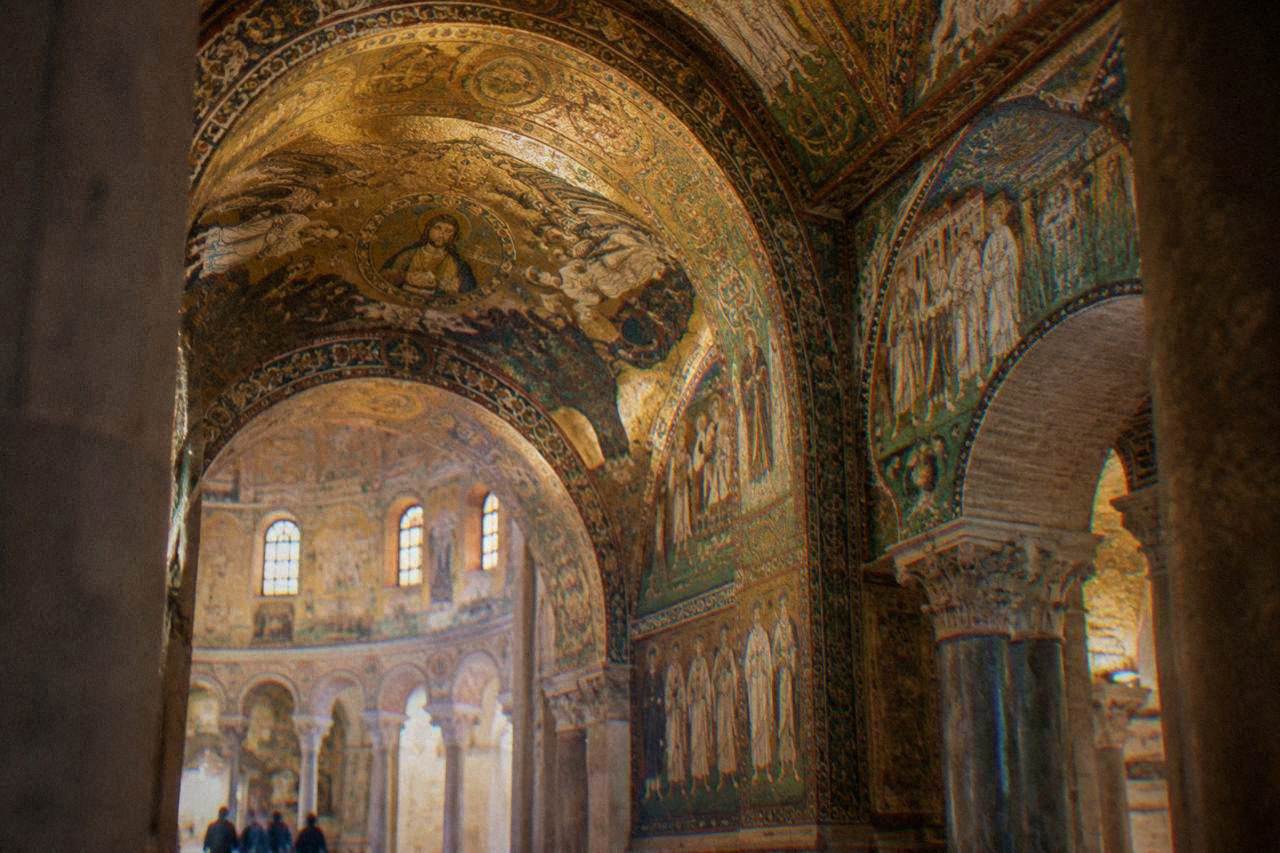
A Ravenna mosaic tour is a guided walk or a ticket-and-audioguide product covering the UNESCO mosaic monuments, mainly San Vitale, the Mausoleum of Galla Placidia, Sant'Apollinare Nuovo, the Neonian Baptistery and Sant'Apollinare in Classe. Guided walks start around USD 31 per person on the operator listings, entry-only tickets from USD 14, and the official Ravenna Mosaici combo starts at EUR 9.50 reduced.
Ravenna, in Emilia-Romagna, Italy, holds eight Early Christian monuments inscribed by UNESCO in 1996, and the mosaics inside them are the reason the city appears on nearly every serious Italy itinerary. The monuments are close together in a compact, walkable, inland centre, but the ticketing is not simple: five of the sites sit on one shared Ravenna Mosaici combo ticket with mandatory booked entry times at two of them, Sant'Apollinare in Classe lies outside the centre, and Dante's tomb, free to enter, is a different system again. A Ravenna mosaic tour, whether a guided walk, a ticket-included group tour or an entry-only product, is one way to compress that planning into a single decision, and this guide from the Ravenna Travel Guide editorial desk sets out what each type covers and what the official pages charge.
What Is A Ravenna Mosaic Tour, And What Does One Cover?
A Ravenna mosaic tour is a guided or self-guided product built around the city's UNESCO mosaic monuments, typically San Vitale, the Mausoleum of Galla Placidia, the Neonian Baptistery, Sant'Apollinare Nuovo and, on the longer itineraries, Sant'Apollinare in Classe and the Archiepiscopal Museum. Some tours include the monument tickets, others expect you to buy the Ravenna Mosaici combo yourself, and a few start from Bologna rather than in Ravenna.
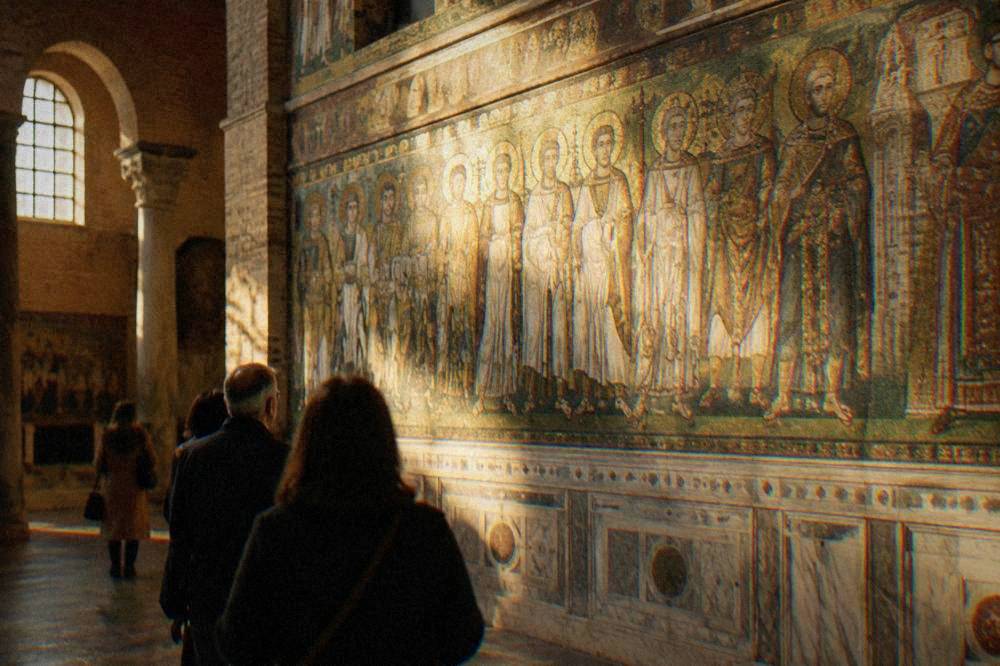
The guided-walk products concentrate on reading the mosaics: a licensed guide walks the group monument to monument and explains the imagery, the gold-ground glass technique and the stories the panels tell. The ticket-included products add the Ravenna Mosaici combo to the guide cost, which matters because the combo requires an entry time to be booked per monument, and a tour operator that holds the tickets handles that booking step for the group. Entry-only products skip the guiding altogether and sell the combo with a chosen time slot, which suits visitors who prefer to move at their own pace with a written or audio guide.
What no tour changes is the physical constraint inside the monuments. The Ravenna Mosaici terms of purchase state that the ticket is valid one week, admits once per monument, and that an entry time must be booked for each one; Galla Placidia and the Neonian Baptistery carry mandatory timed entry with short stays of a few minutes, and San Vitale admits in slots. A tour groups those visits efficiently, but it cannot lengthen a timed stay.
For the monuments themselves in depth, see the site's dedicated pages, starting with Ravenna's UNESCO Sites Explained and The Ravenna Mosaics Guide, and for the hands-on alternative, Ravenna Mosaic Workshops, where you cut and set tesserae yourself.
Which Ravenna Monuments Do The Mosaic Tours Actually Enter?
The core five are San Vitale, the Mausoleum of Galla Placidia, the Neonian Baptistery, Sant'Apollinare Nuovo and the Archiepiscopal Museum with its Chapel of St Andrew, because those are the monuments on the Ravenna Mosaici combo ticket. Sant'Apollinare in Classe, the Arian Baptistery and the Mausoleum of Theodoric sit on separate or partly combined state tickets, so only some tours include them. Dante's tomb is free and needs no tour at all.
The distinction matters when comparing listings. The Ravenna Mosaici ticket page structures its combos in tiers: the 2-monument combo covers Sant'Apollinare Nuovo and San Vitale, the 4-monument combo adds Galla Placidia and the Neonian Baptistery, and the 5-monument combo adds the Archiepiscopal Museum and the Chapel of St Andrew. A tour described as "UNESCO monuments" is usually drawing on that first group of five, with reduced fares starting at EUR 9.50 for two monuments, EUR 11.50 for four and EUR 13.50 for five on the official page.
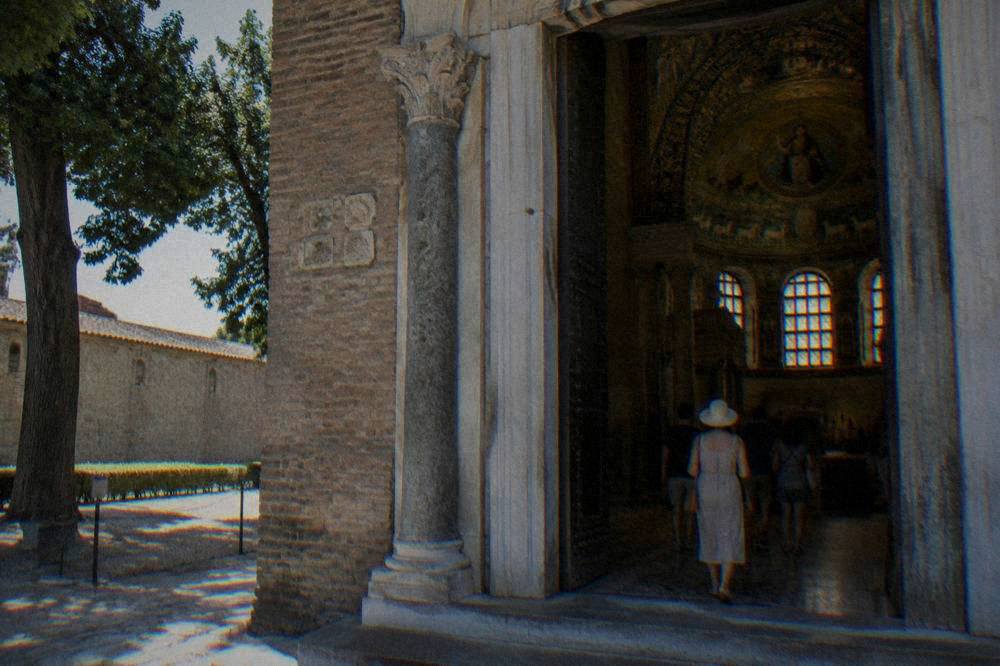
Sant'Apollinare in Classe is a separate case. The basilica stands in the Classe area outside the centre, near the Classis Ravenna museum, and its own state ticket is EUR 6 full and EUR 2 reduced, with hours of Monday to Saturday 8:30 to 19:00 and Sunday 13:30 to 19:00 on the cultura.gov.it listing. Tours that include Classe therefore cost more and run longer, and the ones that stay in the centre do not include it. The Classis Ravenna museum itself, EUR 8 full and EUR 6 reduced per its own page, is not one of the eight UNESCO monuments, though the TAMO collection moved there when TAMO closed in 2023.
The table below separates the ticketing systems so the listings can be read against them.
| Monument | Ticket system | Included in Ravenna Mosaici combo | Timed entry |
|---|---|---|---|
| San Vitale | Ravenna Mosaici | Yes (2-monument tier and up) | Admits in booked slots |
| Sant'Apollinare Nuovo | Ravenna Mosaici | Yes (2-monument tier and up) | Entry time booked per visit |
| Mausoleum of Galla Placidia | Ravenna Mosaici | Yes (4-monument tier and up) | Mandatory, short stay |
| Neonian Baptistery | Ravenna Mosaici | Yes (4-monument tier and up) | Mandatory, short stay |
| Archiepiscopal Museum and Chapel of St Andrew | Ravenna Mosaici | Yes (5-monument tier) | Entry time booked |
| Sant'Apollinare in Classe | State ticket, EUR 6 / EUR 2 reduced | No | No |
| Arian Baptistery | EUR 3 | No | No |
| Mausoleum of Theodoric | EUR 6, concession EUR 5, EUR 2 ages 18 to 25; combined with Arian Baptistery and Theodoric's Palace EUR 7 | No | No |
| Dante's tomb | Free | No | No |
Guided Walk, Ticket-Included Tour Or Entry Tickets: Which Ravenna Mosaic Tour Fits You?
A guided walk suits a first visit and anyone who wants the mosaics explained, a ticket-included group tour suits visitors who want the slot-booking handled end to end, and entry-only tickets suit independent travellers happy to follow an audio or written guide. Private tours cover the same monuments at a group price and fit families and short stays, and from Bologna the day-trip tours bundle the transfer with the guiding.
If you would rather have the guide to yourselves, book a private mosaics walking tour here.
The decision usually comes down to two variables: whether the monument tickets are included, and whether you are starting in Ravenna or arriving from another city. The listing for the Mosaics Day Trip from Bologna covers the transfer question directly, since the product runs from Bologna or from Ravenna depending on the option chosen, and its live listing shows the current per-person price and rating. Inside Ravenna, the Entry Tickets Only product is the self-guided route, while the Mosaic Highlights, Tickets Included option is the one-step choice.
The comparison below holds no product figures, since prices, ratings and durations render from the listings themselves, but it separates what each type does and does not do.
| Tour type | Tickets included | Guiding | Best fit | Watch for |
|---|---|---|---|---|
| Guided mosaic walk | Varies by listing | Licensed guide, group | First visit, context on the mosaics | Check whether the combo is included or bought separately |
| Ticket-included group tour | Yes | Licensed guide | One-booking visits, no slot planning | Group pace is fixed by the operator |
| Entry tickets only | Yes | Audio or written guide | Independent travellers, repeat visitors | You book your own entry times |
| Private tour | Varies by listing | Private licensed guide | Families, photographers, short stays | Priced per group, not per person |
| Day trip from Bologna | Varies by listing | Licensed guide | Travellers based in Bologna | Transfer time sits outside the walking time |
| Food-and-mosaic combination | Varies by listing | Licensed guide | Visitors wanting tastings with the sights | Food stops shorten the monument count |
What Does A Ravenna Visit Cost Beyond The Tour Price?
The official Ravenna Mosaici combo starts at EUR 9.50 reduced for two monuments, EUR 11.50 reduced for four and EUR 13.50 reduced for five, on the official ticket page, with the reduced rate applying to students, non-accredited journalists and paying groups over 20. Children 0 to 10, Ravenna residents, ICOM members, licensed guides and visitors with a disability plus companion enter free, and the state monuments charge separately.
Those reduced figures are the ones the official page prints openly, and the full-price figures are shown at booking on the same page. The reduction terms matter for students in particular, since a valid student document moves a visitor onto the reduced tier for the combo. The separate state sites keep their own prices: the Mausoleum of Theodoric at EUR 6 with its EUR 7 three-site combined ticket, the Arian Baptistery at EUR 3, Sant'Apollinare in Classe at EUR 6 and EUR 2 reduced, the Museo Nazionale at EUR 7 and EUR 2 reduced, MAR at EUR 8 with EUR 6 reduced and EUR 3 students, the Museo Dante at EUR 5 with EUR 3.50 reduced, and Classis Ravenna at EUR 8 and EUR 6 reduced. Dante's tomb is free. The state museums and monuments are free on the first Sunday of the month, though that day also draws the largest crowds, and Domus dei Tappeti di Pietra hours vary by season, so that site's own page holds the current times and price.
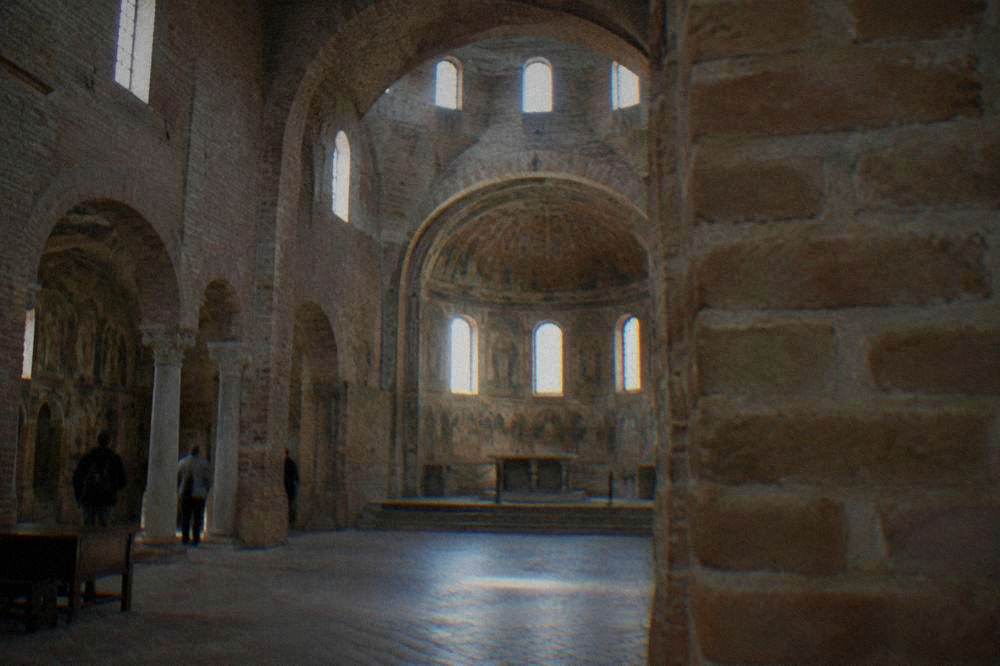
The combo's one-week validity rewards spreading the visits. A traveller in the city for two or three days can book Galla Placidia and the Neonian Baptistery for one morning, when their timed short stays run back to back, and leave San Vitale and Sant'Apollinare Nuovo for a slower afternoon. The Ravenna Combo Ticket Guide walks through that sequencing in detail, and How Many Days In Ravenna frames the wider stay.
How Do Timed Entry And The Short Stays At Galla Placidia Work On A Tour?
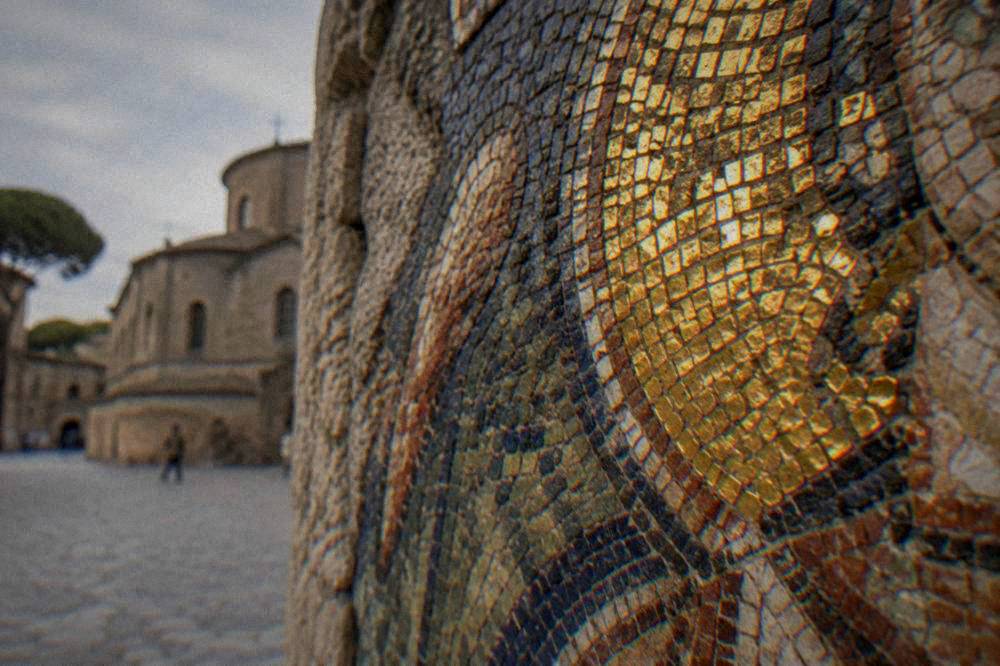
Galla Placidia and the Neonian Baptistery require a booked entry time and allow only a short stay of a few minutes each, because both are small domed spaces, and San Vitale admits visitors in slots, all on the Ravenna Mosaici terms. A guided tour absorbs this by holding the whole group's reservations, while independent visitors booking entry tickets choose their own times and must keep to them.
This is the part of a Ravenna visit that catches unprepared travellers. The two small monuments are breathtaking and brief: the Ravenna Mosaici page states the timed-entry requirement plainly, and the stays are short enough that a photographer should decide the shot list before stepping inside. A tour that includes the tickets arranges consecutive slots for the group, which is why ticket-included products cost more than entry-only ones and why they sell out on peak days.
| Monument | Entry rule on the official page | Practical effect |
|---|---|---|
| Mausoleum of Galla Placidia | Mandatory booked time, short stay | Arrive at the slot, not before |
| Neonian Baptistery | Mandatory booked time, short stay | Pairs naturally with Galla Placidia |
| San Vitale | Admission in slots | Queue moves in waves |
| Sant'Apollinare Nuovo | Entry time booked per visit | Longest interior, least pressure |
| Archiepiscopal Museum and Chapel | Entry time booked | Small rooms, quick circuit |
| Combo overall | Valid one week, one admission per monument | No re-entry to the same site |
Can You Take A Ravenna Mosaic Tour From Bologna Or The Cruise Port?
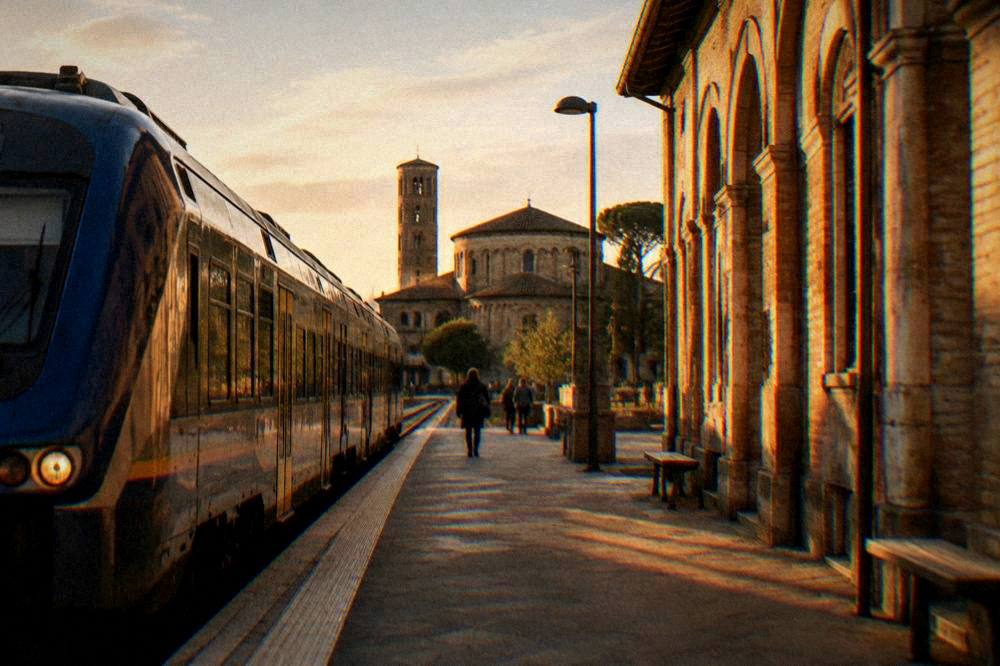
Yes. Day-trip tours run from Bologna to the Ravenna mosaics, with the regional train covering about 84 km in roughly 1 hour to 1 hour 20 as the alternative, and cruise passengers at the Porto Corsini terminal reach the centre on the Visit Ravenna shuttle, which runs about 30 minutes and is timed to ship calls. From Bologna the tour products bundle the transfer with the guiding, which removes the rail planning entirely.
The Bologna-start products suit travellers staying in the region's capital who want the mosaics without relocating. The Bologna To Ravenna guide covers the rail route in full, including the point that no fare figure is published on an official page for that line, and the day-trip listings price the guided version with the transfer included. Bologna airport arrivals follow the same logic with one extra leg, described in Bologna Airport To Ravenna.
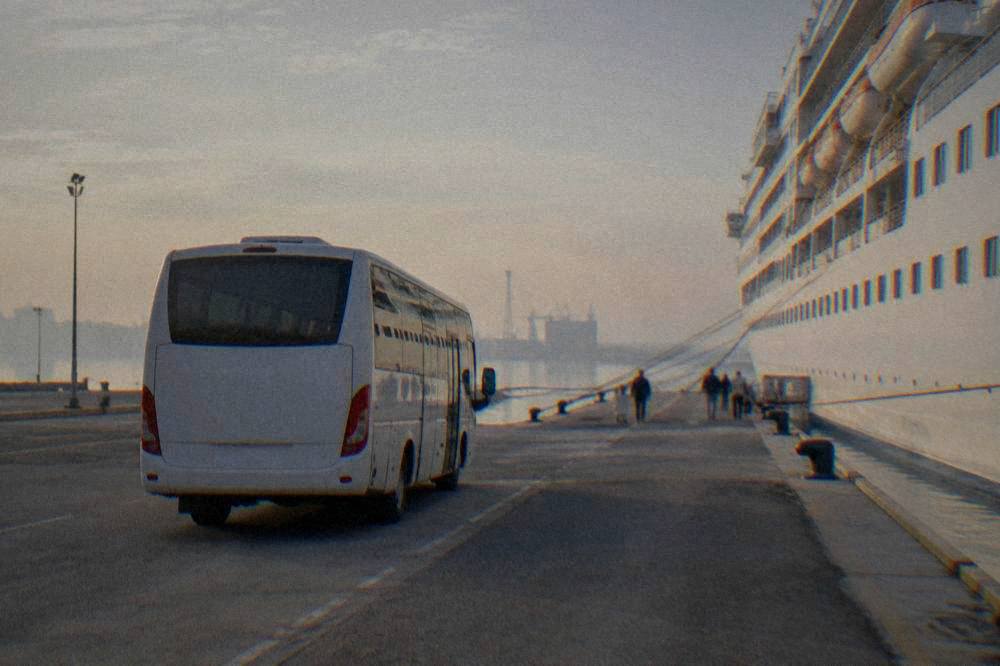
Cruise passengers have a tighter calculation. The Porto Corsini terminal sits about 15 km from the centre, and the Visit Ravenna shuttle page shows the service running from the centre and from near the station between 3 May and 26 October in the 2026 schedule, which covers the main cruise season. A shore day that misses the shuttle can still reach the mosaics by taxi, though no fare is published here, and the Ravenna Cruise Port and Ravenna Cruise Port To Venice guides lay out the full options, including the Venice excursions for passengers who prefer a big-city day.
When Is The Best Time Of Year For A Ravenna Mosaic Tour?
The mosaic monuments are open year round, with summer hours of 9:00 to 19:00 from 8 March to 2 November 2026 and winter hours of 10:00 to 17:00 from 3 November 2026 to 6 March 2027, closed only on 25 December and 1 January, so the choice is about crowds and light rather than access. Late autumn and winter bring shorter hours but thin groups, while spring and autumn balance the two.
The climate table's modelled 1991 to 2020 normals show November as the wettest month at 78.3 mm and July as the driest at 38.1 mm, with about 674 mm across the year, but the mosaics are an indoor activity and rain matters little to them: the site's Ravenna In The Rain coverage makes the same point. What the seasons do change is the visiting pressure. Winter's 10:00 to 17:00 window compresses the day, and last admissions at 16:30 and 16:45 arrive quickly, so a winter visit should book the two timed monuments for the morning. The Best Time To Visit Ravenna guide develops this across the year.
One seasonal event rewards October visitors. Notte d'Oro, held each October, opens monuments and museums free in the evening, and the Ravenna Festival's autumn trilogy "Mozart 1791" runs 13 to 17 November 2026 at Teatro Alighieri for anyone pairing the mosaics with a concert evening. Neither replaces a tour, but both change how a two-day stay feels.
| Season | Ravenna Mosaici hours | Entry times | Notes for tour planning |
|---|---|---|---|
| Spring | 9:00 to 19:00 | Book ahead for Galla Placidia | Comfortable walking weather |
| Summer | 9:00 to 19:00, to 2 November 2026 | Peak demand for slots | Longest days, fullest groups |
| Autumn | 9:00 to 19:00, then 10:00 to 17:00 from 3 November 2026 | Easing after October | Notte d'Oro each October |
| Winter | 10:00 to 17:00, to 6 March 2027 | Short queues at most sites | Last admissions 16:30 and 16:45; closed 25 December and 1 January |
How Do You Choose Between The Individual Ravenna Mosaic Tour Listings?
Compare each listing on four points only: whether the Ravenna Mosaici combo is included, which monuments the itinerary names, whether the start point is Ravenna or Bologna, and the group size, and read the price, rating and review count from the operator's live listing rather than from any third page. Everything else, from the meeting point to the cancellation window, is printed on the listing itself.
The roster on this site holds over forty Ravenna products across mosaic walks, ticket-included tours, private tours, food combinations and day trips, and the three shown above are the ones this desk points first-time visitors to, because they map cleanly onto the three decisions: transfer, guiding depth and independence. Beyond them, the private tours price per group and suit visitors who want the itinerary shaped around photography or children, and the food combinations add piadina, pasta and gelato tastings between monuments, described dish by dish in the Ravenna Food Guide.
A final practical note on the day itself. The historic centre is compact and flat, and the railway station sits a short walk from it, so the walking between monuments is never the constraint; the timed entries are. Whatever the listing, the operator's live page holds the current price, the rating and the free-cancellation terms, and the button below answers availability for the date in question.
Common Questions About Ravenna Mosaic Tours
Do Ravenna mosaic tours include the monument tickets?
Some do and some do not. Ticket-included products bundle the Ravenna Mosaici combo, while guided walks and entry-only products vary; the listing states it explicitly, and the combo itself starts at EUR 9.50 reduced on the official page.
Can you book a Ravenna mosaic tour from Bologna?
Yes. Day-trip products run from Bologna to the Ravenna mosaics with the transfer and guiding bundled, and the regional train covers about 84 km in roughly 1 hour to 1 hour 20 as the independent alternative.
How long do you spend inside Galla Placidia on a tour?
The Ravenna Mosaici terms set mandatory timed entry with a short stay of a few minutes at both Galla Placidia and the Neonian Baptistery, and a tour holds consecutive group slots but cannot extend the stay.
Is Sant'Apollinare in Classe included in mosaic tours?
Only on the longer itineraries. The basilica stands outside the centre on its own state ticket of EUR 6 full and EUR 2 reduced, and it is not part of the Ravenna Mosaici combo.
Do Ravenna mosaic tours run in winter?
The monuments are open in winter, from 10:00 to 17:00 between 3 November 2026 and 6 March 2027, closed 25 December and 1 January, and tours run through that window with the shorter hours factored in.
Are the Ravenna mosaics accessible without a tour?
Yes. The Ravenna Mosaici combo can be booked directly on the official page with an entry time per monument, and entry-only ticket products handle the same booking for visitors who prefer a packaged version.