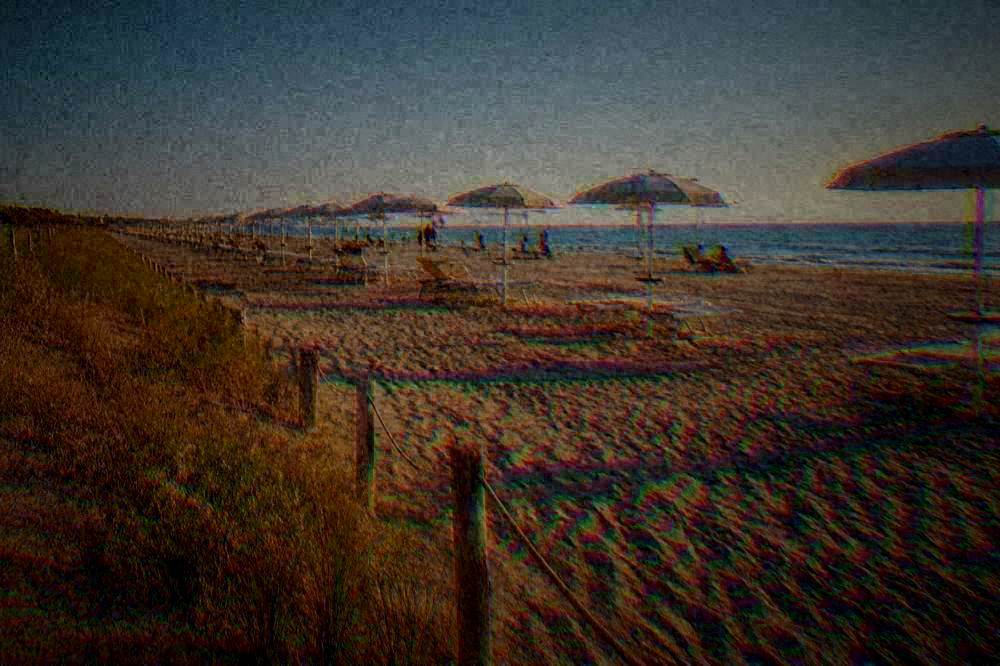
Ravenna Beach And Mosaics
Ravenna's historic centre sits inland on the flat Po plain, about 8 km from the Adriatic, so a trip that pairs the eight UNESCO mosaic monuments with a beach afternoon is entirely practical, and this guide sets out how the distances, tickets and buses actually work.
Short answer
Yes, you can combine Ravenna's mosaics and the beach in one trip: the historic centre is inland but only about 8 km from the nearest resort, Marina di Ravenna, reached by Start Romagna bus from the station, and the Ravenna Mosaici combined ticket is valid for one week, so monuments and coast can be split across days rather than rushed into one.
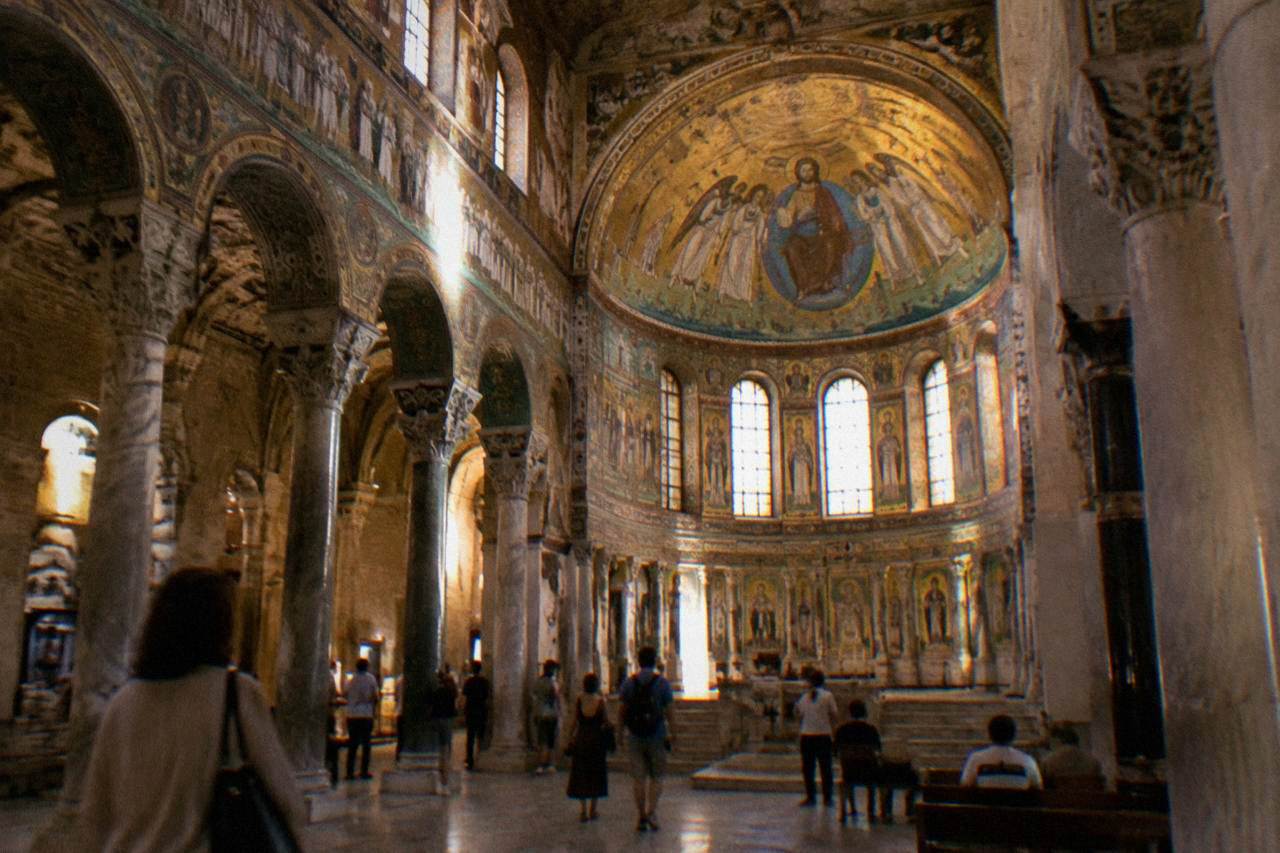
Ravenna, in Emilia-Romagna, Italy, is a flat Po-valley city whose historic centre stands inland, about 8 km from the Adriatic coast, and that geography is exactly what makes a beach-and-mosaics trip work. The centre holds eight UNESCO Early Christian monuments with Byzantine mosaics within walking distance of each other, while a string of beach resorts, Marina di Ravenna, Punta Marina, Lido Adriano, Lido di Classe and Lido di Savio, runs along about 35 km of coast, all reachable by the Start Romagna bus network from the station. This guide lays out how the two halves of that combination fit together: distances, tickets, seasons and a day-by-day plan.
The city's monument core is compact and walkable, which is the first thing to understand when planning. The Ravenna Mosaici combined ticket, sold on the official Ravenna Mosaici site, covers San Vitale, the Mausoleum of Galla Placidia, the Neonian Baptistery, Sant'Apollinare Nuovo and the Archiepiscopal Museum with its Chapel of St Andrew, and it is valid for one week with one admission per monument, provided an entry time is booked for each one. That one-week validity is the structural reason a coastal afternoon or two can be slotted between monument visits without wasting the ticket. For a fuller orientation to the monuments themselves, see the site's Ravenna mosaics overview and the answer to does Ravenna have a beach.
How Far Is Ravenna From The Beach?
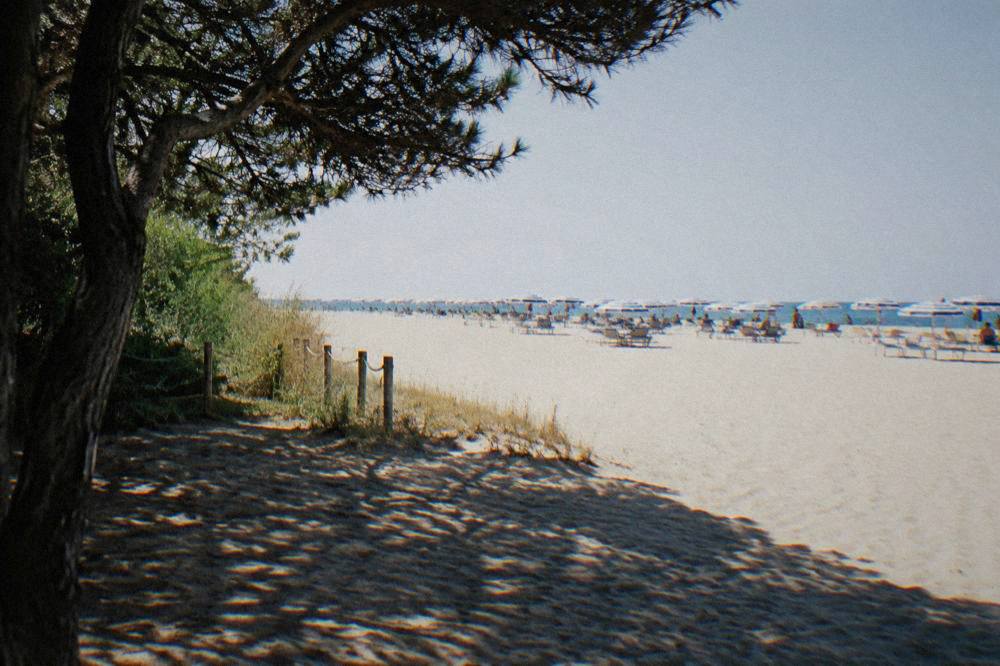
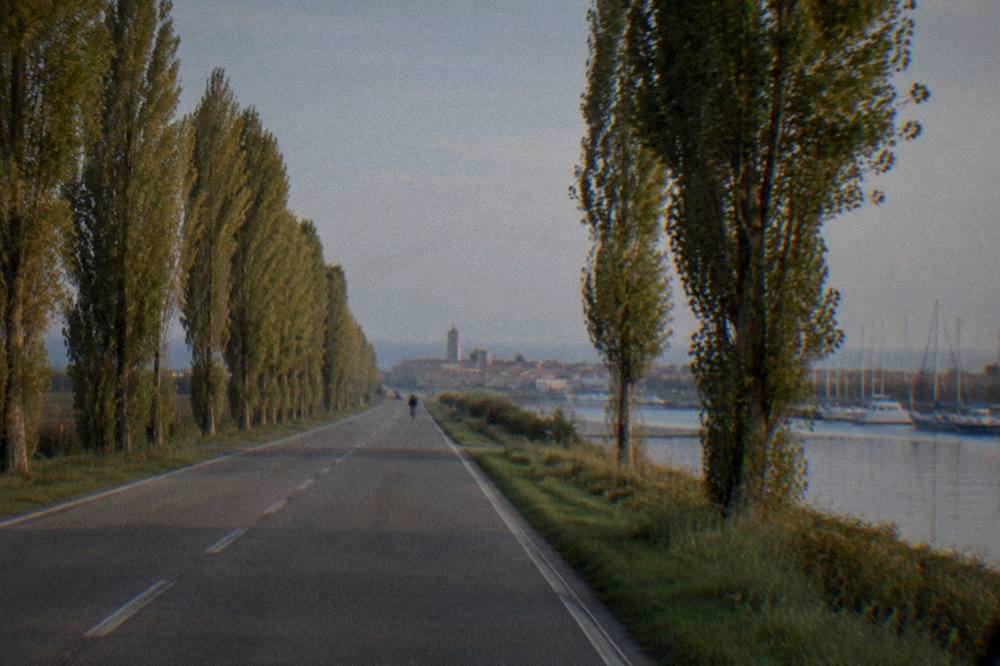
The historic centre of Ravenna is about 8 km from the nearest beach resort, Marina di Ravenna, and the coast runs about 35 km in total through Punta Marina, Lido Adriano, Lido di Classe and Lido di Savio. Ravenna is not itself a coastal city: the centre is inland on the Po plain, and every beach trip starts with a bus, a bike or a car. There are no sea views from the centre, and none from the monument quarter.
The Start Romagna bus network connects the railway station with the resorts, and its winter timetable booklet lists the coastal routes. No lido entrance fee, sunbed price or beach-club rate is published on this site, so confirm those directly with the establishment you plan to use, or check prices posted at the beach itself. The resort strip is genuinely varied: Marina di Ravenna is the closest and the one with the busiest seafront, Punta Marina is the quieter family resort immediately south of it, and the three Lidi, Lido Adriano, Lido di Classe and Lido di Savio, string south towards Cervia with progressively more room between establishments.
One seasonal detail matters for anyone travelling outside summer. A winter sand barrier of 25,000 cubic metres is built each autumn at Punta Marina, Marina di Ravenna Sud and Lido di Savio, and it stays in place until spring 2027, so the beach you see between late autumn and spring is a protective construction shape rather than the summer shoreline. The Comune di Ravenna announced the project in August 2026, and the barrier is rebuilt every year, so an off-season visit meets a working coastal defence, not a postcard beach.
| Resort | Distance character | What the resort offers |
|---|---|---|
| Marina di Ravenna | Closest resort, about 8 km from the centre | Seafront promenade, beach clubs, restaurants |
| Punta Marina | Just south of Marina di Ravenna | Quieter family beach, pinewood backdrop |
| Lido Adriano | Mid-way along the 35 km strip | Long sandy beach, residential and holiday feel |
| Lido di Classe | Southern part of the strip | Wide beach beside the Pineta di Classe pinewood |
| Lido di Savio | Southernmost Ravenna resort, near Cervia | Calmest stretch, close to the Cervia salt pans |
Can You See The Mosaics And The Beach In One Day?
A single day can hold both halves, but only in a specific order: monuments in the morning, when the mosaic interiors are at their quietest and the Ravenna Mosaici sites run 9:00 to 19:00 in summer or 10:00 to 17:00 in winter, then a bus to the coast for the late afternoon. The combined ticket requires a booked entry time per monument, so the morning must be planned rather than drifted into. Two days is the comfortable shape.
The one-day version works like this. Book the first monument entry for opening time and walk the monument cluster in the centre: San Vitale, the Mausoleum of Galla Placidia and the Neonian Baptistery sit within a few minutes of each other, with Galla Placidia and the Neonian Baptistery operating short timed stays of a few minutes each because the spaces are small. Sant'Apollinare Nuovo is a short walk away on the same ticket. After a late lunch, catch the Start Romagna bus from the station to Marina di Ravenna for the beach evening, and return the same way. The site's half-day mosaics itinerary covers the monument sequencing in detail, and how long it takes to see the mosaics answers the timing question directly.
The two-day version is better if mosaic fatigue is a risk, and it is a real risk: the gold-ground glass of San Vitale and the domed Neonian Baptistery reward slow looking, and the timed entries impose their own rhythm. Split the monuments across two mornings, take the coast each afternoon, and keep Sant'Apollinare in Classe for the second morning since it lies outside the centre in the Classe area and pairs naturally with the Classis Ravenna museum and the Pineta di Classe. The two days in Ravenna itinerary gives the full framework.
A guided walk can absorb the monument half of the day in one organised block. The mosaic day trip from Bologna covers the principal mosaics with a guide and runs from Ravenna as well as from Bologna, which suits a visitor who wants the monuments explained and the afternoon left free for the beach; Check availability on the operator's live listing. For a self-paced alternative, the audio and written guide walk lets you set your own speed between monuments, and Check availability before locking your entry times.
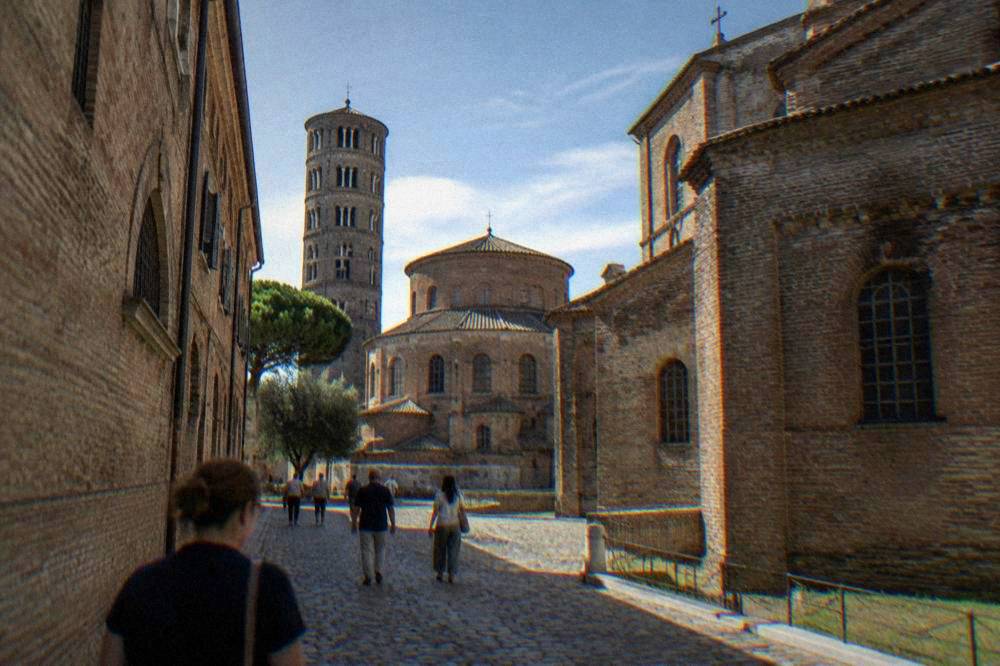
Which Ravenna Monuments Belong On A Beach-Combined Trip?
The five Ravenna Mosaici monuments, San Vitale, Galla Placidia, the Neonian Baptistery, Sant'Apollinare Nuovo and the Archiepiscopal Museum, form the core, with reduced fares starting at EUR 9.50 for two monuments, EUR 11.50 for four and EUR 13.50 for five on the official ticket page. Sant'Apollinare in Classe costs EUR 6 full and EUR 2 reduced and sits near the coast road, making it the monument that pairs best with a beach day.
That pairing is the one insight worth planning around. Sant'Apollinare in Classe lies in the Classe area outside the centre, in the direction of the coast, with opening hours of Monday to Saturday 8:30 to 19:00 and Sunday 13:30 to 19:00 according to the cultura.gov.it listing. A morning bus to Classe for the basilica, followed by the nearby Classis Ravenna museum at EUR 8 full and EUR 6 reduced, then the short remaining hop to Lido di Classe, is the most efficient geographic combination on the whole trip. The basilica of Sant'Apollinare in Classe page covers the building itself.
In the centre, the monument cluster rewards a fixed sequence. The reduced combined fares apply to students, non-accredited journalists and paying groups over 20, while children 0 to 10, Ravenna residents, ICOM members, licensed guides and visitors with a disability plus companion enter free, per the official terms. Galla Placidia and the Neonian Baptistery require mandatory timed entry with brief stays, and San Vitale admits in slots. The state monuments outside the combined ticket include the Mausoleum of Theodoric at EUR 6, with a concession at EUR 5 and EUR 2 for ages 18 to 25, and a EUR 7 combined option adding the Arian Baptistery and Theodoric's Palace; the Arian Baptistery alone is EUR 3. Where ticket prices for other sites are not stated here, check the official pages before visiting.
| Monument group | Ticket basis | Reduced fare stated | Notes |
|---|---|---|---|
| 2-monument combo (Sant'Apollinare Nuovo, San Vitale) | Ravenna Mosaici | EUR 9.50 | Valid one week, one admission each |
| 4-monument combo (adds Galla Placidia, Neonian Baptistery) | Ravenna Mosaici | EUR 11.50 | Timed entry mandatory for the two small sites |
| 5-monument combo (adds Archiepiscopal Museum and Chapel) | Ravenna Mosaici | EUR 13.50 | Entry time booked per monument |
| Sant'Apollinare in Classe | State ticket | EUR 2 | In Classe, near the coast road |
| Mausoleum of Theodoric | State ticket | EUR 5 concession, EUR 2 ages 18 to 25 | Combined EUR 7 with Arian Baptistery and palace |
| Dante's tomb | Municipal | Free | 10:00 to 19:00 April to October, 10:00 to 18:00 November to March |
For a deeper look at the individual interiors, see the pages for the basilica of San Vitale, the mausoleum of Galla Placidia, the Neonian Baptistery and basilica of Sant'Apollinare Nuovo. The question of where the best mosaics in Ravenna are has a longer answer, and the guide to the most famous mosaics names them one by one.
How Do You Get From Ravenna Centre To The Coast?
Start Romagna buses run from Ravenna's railway station to the beach resorts, and the station itself is a short walk from the historic centre, so the whole transfer is one bus ride without changing. In summer, services run frequently; in winter, the timetable thins and the winter booklet applies.
The practical detail is where to board. The station's bus terminus is the hub for coastal routes, and the winter 2026-2027 timetable booklet lists the route numbers and frequencies. Cycling is the other real option: the terrain is dead flat, the distance to Marina di Ravenna is short, and the Pineta di San Vitale pinewood offers a shaded approach to the coast from the northern edge of the city. No bike-rental price or operator is named here, so ask at your accommodation for the nearest hire point. The rest of the planning pages sit on Ravenna Travel Guide.
Driving brings the ZTL, the camera-enforced limited traffic zone around the historic centre, into play. Some gates operate 7:30 to 20:30 and others 24 hours; a daily permit of about EUR 8 can be bought at the 24-hour parcometers for vehicles up to 5 tonnes, and hotels can issue a guest authorisation. From autumn, a seasonal winter ZTL with emission limits applies on weekdays in the centre. None of this affects the coast road itself, but it governs where a car can be parked overnight, so factor it in before assuming a hire car simplifies the beach half of the trip. The site's parking and ZTL coverage sits elsewhere; here the short version is: bus or bike for the coast, feet for the centre.
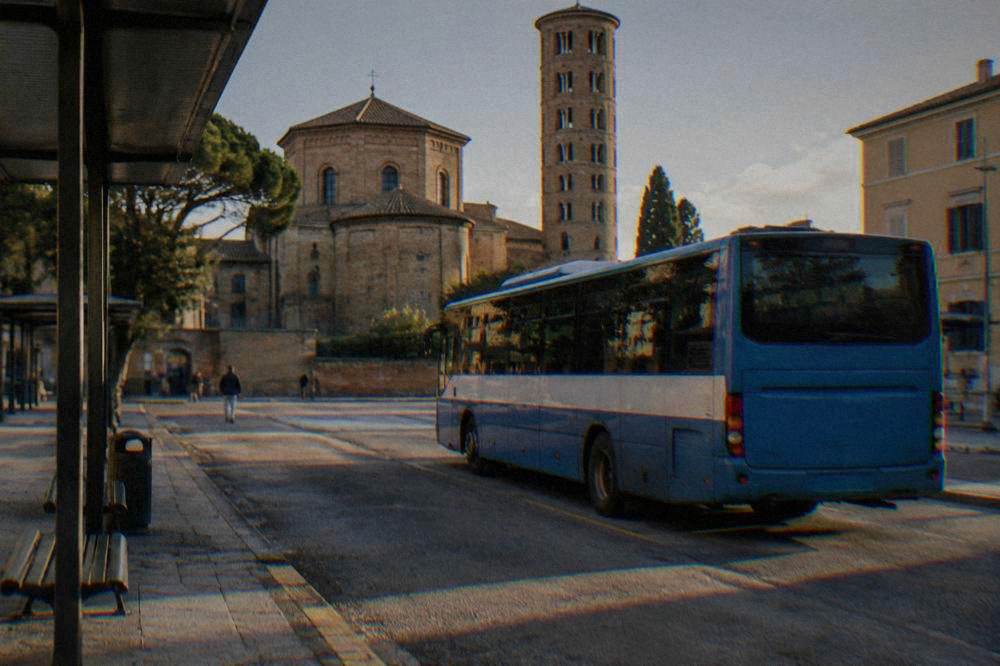
What Does The Climate Mean For Combining Beach And Mosaics?
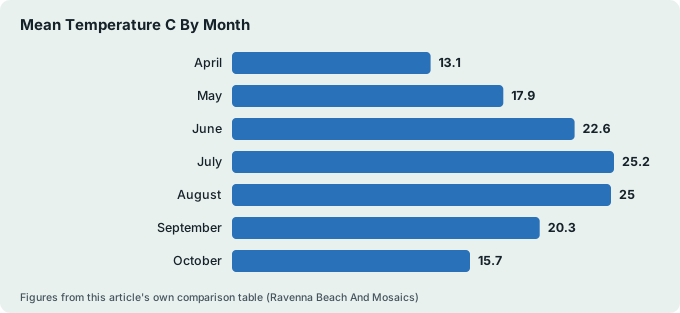
The climate table shows July as the warmest month at a 25.2 C mean and the driest at 38.1 mm of rain, while November is the wettest at 78.3 mm, on modelled ERA5 normals for 1991 to 2020. That makes summer the beach-and-mosaics season proper, with spring and autumn better balanced toward the monuments, and the sea itself is not warm enough for swimming outside the summer months by any figure this site carries.
The mosaic interiors are unheated churches, cool in every season, which is a genuine advantage in July and August: a 10:00 entry at San Vitale is a refuge from the afternoon heat before the beach. Rain, concentrated in the November to March half of the year, matters less than you might expect because the monuments are a short walk apart, and the site maintains a dedicated Ravenna in the rain itinerary for exactly those days. No sunshine-hours figure and no sea-temperature figure is carried on this site, so plan the swimming window around the summer months rather than a stated water temperature.
| Month | Mean temperature C | Precipitation mm | Beach or mosaics bias |
|---|---|---|---|
| April | 13.1 | 66.0 | Mosaics, first warm afternoons |
| May | 17.9 | 58.2 | Both, beach season opening |
| June | 22.6 | 45.6 | Both |
| July | 25.2 | 38.1 | Beach first, mosaics as refuge |
| August | 25.0 | 44.7 | Beach first, mosaics as refuge |
| September | 20.3 | 57.9 | Both, quieter coast |
| October | 15.7 | 66.0 | Mosaics, seafront walks |
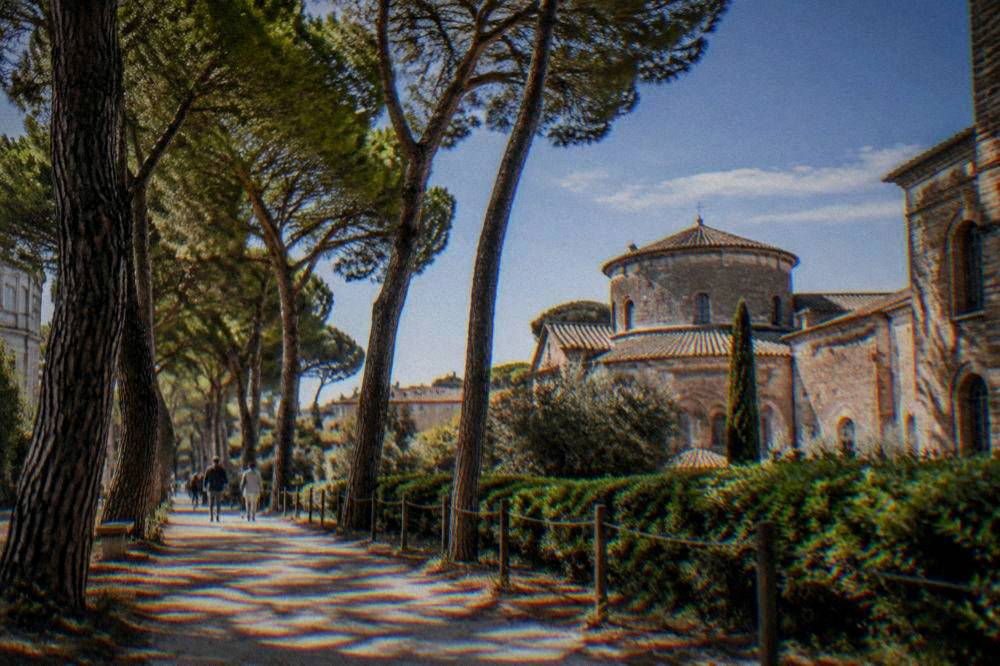
What Should A Two-Day Ravenna Beach And Mosaics Itinerary Look Like?
Day one belongs to the centre: San Vitale, Galla Placidia, the Neonian Baptistery, Sant'Apollinare Nuovo and the Archiepiscopal Museum on the combined ticket, plus Dante's free tomb, with a Piazza del Popolo break and a piadina lunch. Day two heads to Classe for Sant'Apollinare in Classe and the Classis Ravenna museum, then continues to Lido di Classe or Marina di Ravenna for the beach afternoon.
Day one in more detail: open with the 9:00 or 10:00 slot depending on season at San Vitale, whose gold-ground mosaics are the city's headline interior, then take the short walk to Galla Placidia, remembering the timed stay of a few minutes inside. The Neonian Baptistery is next, also timed, and the Archiepiscopal Museum and its Chapel of St Andrew complete the 5-monument ticket. After lunch, Sant'Apollinare Nuovo on the same ticket, Dante's tomb on Via Dante, and the evening in Piazza del Popolo. The one day in Ravenna itinerary compresses this further if your time is shorter.
Day two starts with the bus toward Classe. Sant'Apollinare in Classe, with its green meadow mosaic apse, is the monument furthest from the centre and the one that pairs with the coast. The Classis Ravenna museum, open daily 10:00 to 17:00 with last entry 50 minutes before closing, holds the former TAMO collection after that museum closed in 2023. From Classe the coast is close: Lido di Classe and its pinewood, or a longer ride to Marina di Ravenna for the fullest seafront. Return to the centre for dinner. The three days in Ravenna itinerary stretches the same logic, and the Ravenna weekend plan adds the pacing for a Friday-to-Sunday stay.
| Day | Morning | Afternoon | Evening |
|---|---|---|---|
| Day 1 | San Vitale, Galla Placidia, Neonian Baptistery (timed entries) | Archiepiscopal Museum, Sant'Apollinare Nuovo, Dante's tomb | Piazza del Popolo, dinner in the centre |
| Day 2 | Bus to Classe: Sant'Apollinare in Classe, Classis Ravenna museum | Lido di Classe pinewood and beach, or Marina di Ravenna seafront | Return bus, dinner near the station or centre |
| Optional day 3 | Mausoleum of Theodoric, Arian Baptistery, MAR | Cervia salt pans or Punta Marina | Winter market at Marina di Ravenna, Wednesdays and Saturdays to 31 May |
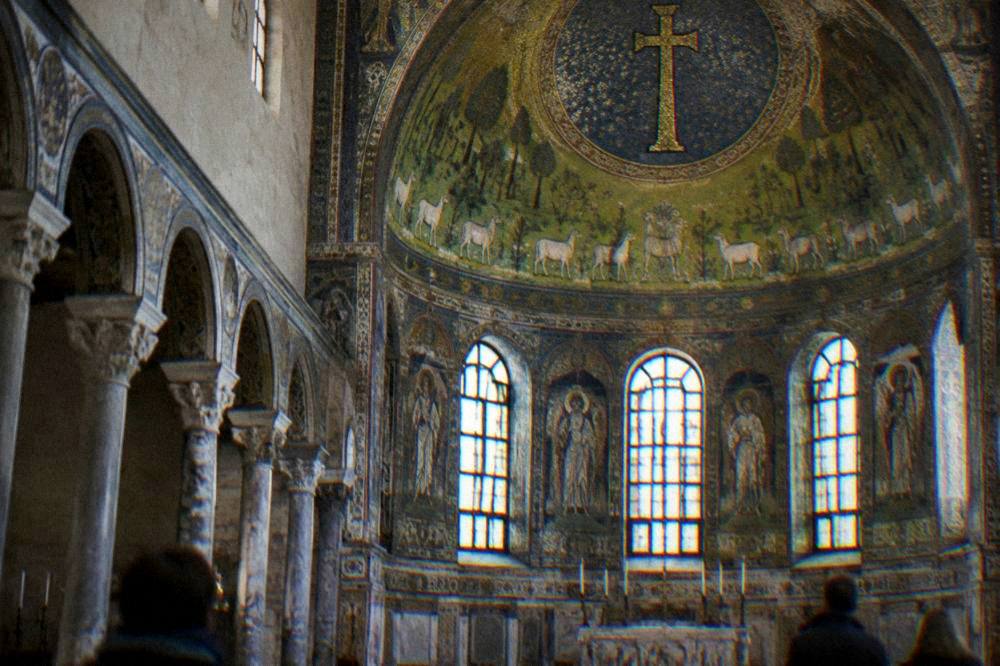
What Does A Ravenna Beach And Mosaics Trip Cost To Plan?
Planning costs fall into four bands: monument tickets from EUR 9.50 reduced for the 2-monument combo upward, food described by dish rather than price, beach costs confirmed at the establishment, and a tourist tax of about EUR 2 per night at a 3-star hotel, EUR 3 at 4 stars and EUR 4 at 5 stars, confirmed at booking.
The monument side is the most predictable. The reduced combined fares of EUR 9.50, EUR 11.50 and EUR 13.50 are stated on the Ravenna Mosaici page; full-price figures should be read on that page at the moment of purchase. The state sites carry their own tariffs as tabled above. Free entry days exist: the state museums and monuments are free on the first Sunday of the month, and Notte d'Oro, held each October, opens monuments free in the evening, with the 2026 edition on 17 October. On the food side, Ravenna's table is piadina, cappelletti and Romagna wines, described on this site by dish; the Ravenna food guide and the page on where locals eat hold the detail.
Accommodation splits between the centre and the coast, and the choice shapes the trip. Staying central keeps the monuments on the doorstep and makes the beach a bus outing; staying at the coast reverses it. The site's guidance on where to stay in Ravenna, the beach hotels page and the beach clubs page cover both halves without quoting a nightly rate, which is confirmed at booking. Tipping is not obligatory in Italy, and a cover charge, the coperto, is legal when printed on the menu, so read the bill's first lines rather than assuming a hidden charge.
Still weighing centre against coast for your stay. Book a hotel here.
When Is The Best Time Of Year For This Combination?
Late May to early July and September are the balanced seasons, when the climate table shows means of 17.9 C to 25.2 C falling to 20.3 C and rainfall below the November peak of 78.3 mm, and both the monuments and the beach are workable. July and August suit a beach-first trip with mosaics as the cool midday stop. October to March is a mosaics-and-pinewood season with the beach in its protective winter shape.
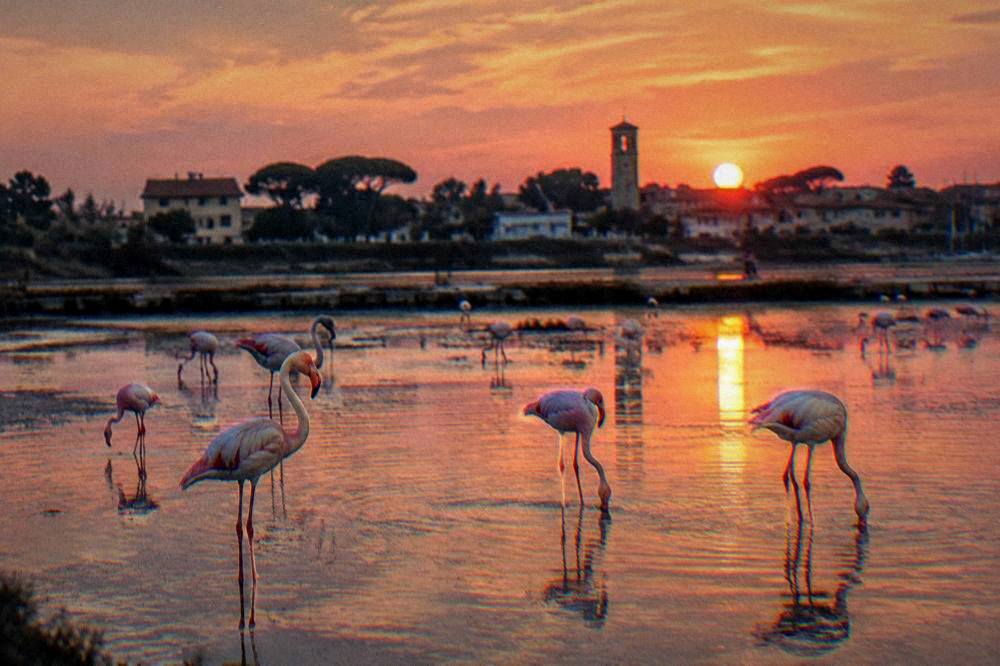
The off-season coast is not empty, it is different. Flamingos stay year-round in the Cervia salt pans and the Comacchio valleys, and the Cervia salt pans visitor centre at Via Bova 61 opens weekends and holidays with guided visits, so a birdwatching afternoon can stand in for a swimming afternoon from autumn through spring. The Pialassa della Baiona and the Punte Alberete and Valle Mandriole marshes north of the city are the inland birding equivalent, reachable on the same flat terrain. A dedicated birdwatching tour runs locally, and the Cervia guide and the Po Delta guide cover the natural side of the coast.
Autumn also brings the cultural calendar that makes a non-beach Ravenna trip full. The Ravenna Festival's autumn trilogy, "Mozart 1791", runs 13 to 17 November 2026 at Teatro Alighieri, and the Teatro Alighieri's opera and dance season opens in December. Mirabilandia, the theme park inland of the coast, ends its 2026 season on 1 November, so families combining park and beach should plan around that closing date. Cruise visitors get their own version of this pairing: the Ravenna cruise port day itinerary squeezes monuments into a call, and the port's shuttle to the centre runs about 30 minutes, with the 2026 service operating 3 May to 26 October per the Visit Ravenna page.
Between the two halves of the trip, a private guide is the third workable format: the private mosaics and highlights tour covers the monuments and the city's sights with a local guide at your own pace, which suits a family splitting a week between centre and coast; Check availability for your dates. For answers to common questions about the city as a whole, the things to do in Ravenna page is the site's root guide.
Common Questions About Ravenna Beach And Mosaics
Can you do Ravenna mosaics and the beach in one day?
Yes, if the monuments are booked for the morning and the beach afternoon starts after lunch. The Ravenna Mosaici sites run 9:00 to 19:00 in summer and 10:00 to 17:00 in winter, and the Start Romagna bus from the station reaches Marina di Ravenna, the closest resort, directly. Two days is the more comfortable shape.
How far is Ravenna from the sea?
The historic centre is about 8 km inland from the nearest resort, Marina di Ravenna, and the resort strip runs about 35 km in total. Ravenna is not a coastal city, and every beach trip involves a bus, a bike or a car from the centre or the station.
Which Ravenna beach is closest to the centre?
Marina di Ravenna, about 8 km away and reached by Start Romagna bus from the railway station. Punta Marina lies just south of it and is quieter; the three Lidi stretch further south towards Cervia.
Do I need to book Ravenna mosaic tickets in advance?
Yes for the timed sites. The combined ticket requires an entry time booked per monument, and entry at Galla Placidia and the Neonian Baptistery is mandatory timed with brief stays. The guide to where to buy tickets covers the purchase options in full.
Is the Ravenna combined ticket valid over several days?
It is valid for one week with one admission per monument, which is exactly why a beach-and-mosaics split works: monuments on two or three mornings, the coast in between, all on one ticket.
When is Ravenna Festival held?
The site's coverage confirms the autumn trilogy "Mozart 1791" from 13 to 17 November 2026 at Teatro Alighieri. For the summer edition, check the festival's own page, whose current dates are not stated here.
The combination this page describes is the one Ravenna does quietly well: a UNESCO monument quarter and a 35 km beach strip, 8 km apart on flat ground, joined by a bus route and a one-week ticket. Book the timed entries, let the afternoons run long, and the coast will do the rest.