What Is Ravenna, Italy Known For?
Ravenna is known for eight UNESCO Early Christian monuments with Byzantine mosaics, Dante's tomb, and a flat Po-valley centre about 8 km from the Adriatic coast.
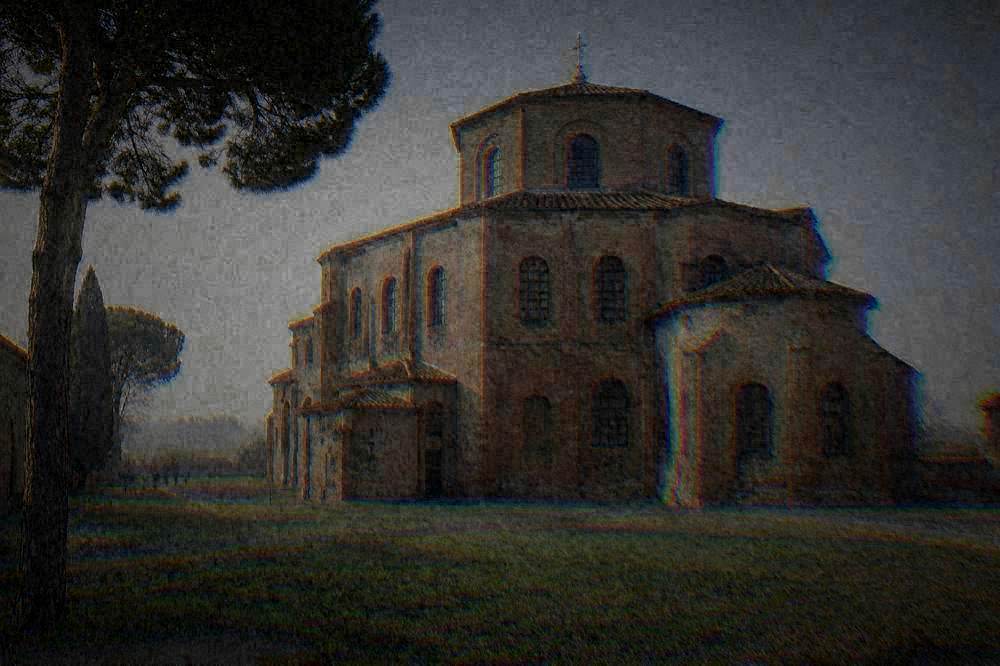
Ravenna, in Emilia-Romagna in northern Italy, is a flat Po-valley city whose compact historic centre sits inland, about 8 km from the Adriatic coast. The city holds eight Early Christian monuments inscribed on the UNESCO World Heritage list, decorated with gold-ground Byzantine mosaics that the UNESCO listing describes in its own words, and it is also the place where Dante died and is buried. The municipal tourism pages, the Ravenna Mosaici ticket site and the UNESCO listing itself are the sources behind everything on this page, and they describe a city whose fame rests almost entirely on what survives inside its churches.
What Is Ravenna, Italy Known For?
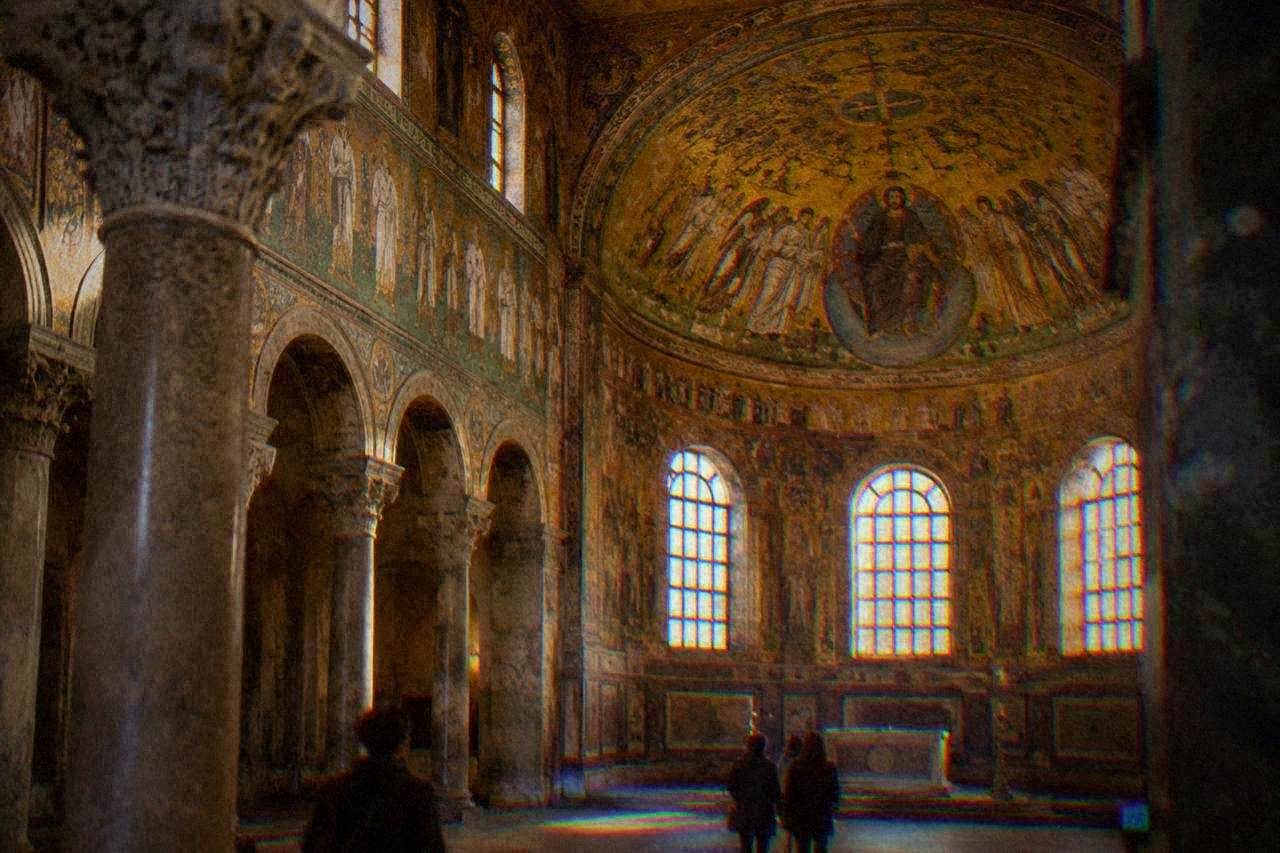
Ravenna is known for eight Early Christian monuments inscribed by UNESCO in 1996, each decorated with Byzantine mosaics on a gold ground, and for the tomb of Dante, which the municipal page confirms is free to enter. The UNESCO list names the Mausoleum of Galla Placidia, the Neonian Baptistery, Sant'Apollinare Nuovo, the Arian Baptistery, the Archiepiscopal Chapel, the Mausoleum of Theodoric, San Vitale and Sant'Apollinare in Classe as one serial site.
That single list is the core of the city's international reputation. The UNESCO listing itself uses the wording "Early Christian Monuments of Ravenna" and "Byzantine mosaics", and both phrases are the listing's own. Beyond the eight monuments, Ravenna is known as the resting place of Dante, whose tomb the Comune di Ravenna page describes as open daily with free entry, and as a working base for day trips to Bologna, Ferrara, San Marino, Comacchio and the Po Delta.
The city is small and walkable, and the railway station is a short walk from the historic centre, which is why a question about what Ravenna is known for usually becomes a question about how the mosaics fit into one or two days. For a first orientation, the full things to do in Ravenna page collects the sights by area, and the is Ravenna worth visiting answer weighs the trip itself.
For a first visit, book a guided tour with tickets here.
Which Eight UNESCO Monuments Make Ravenna Famous?
The eight UNESCO monuments are the Mausoleum of Galla Placidia, the Neonian Baptistery, Sant'Apollinare Nuovo, the Arian Baptistery, the Archiepiscopal Chapel, the Mausoleum of Theodoric, San Vitale and Sant'Apollinare in Classe, listed as one World Heritage site. The Ravenna Mosaici combined ticket links the central monuments, with reduced fares starting at EUR 9.50 for two monuments, EUR 11.50 for four and EUR 13.50 for five.
The combined ticket is valid for 7 days with one admission per monument, and the ticket terms require an entry time to be booked for each monument. The Ravenna Mosaici page states that Galla Placidia and the Neonian Baptistery require mandatory timed entry with stays of about 5 minutes, and that San Vitale admits visitors in slots. Reduced fares apply to students, non-accredited journalists and paying groups over 20, while children 0 to 10, Ravenna residents, ICOM members, licensed guides, and visitors with a disability plus companion enter free.
| UNESCO monument | Location | Ticket arrangement |
|---|---|---|
| Mausoleum of Galla Placidia | Historic centre | 4 or 5 monument combo, timed entry |
| Neonian Baptistery | Historic centre | 4 or 5 monument combo, timed entry |
| Sant'Apollinare Nuovo | Historic centre | 2, 4 or 5 monument combo |
| Arian Baptistery | Historic centre | Separate ticket, EUR 3, or combined EUR 7 with Theodoric sites |
| Archiepiscopal Chapel | Historic centre, museum complex | 5 monument combo |
| Mausoleum of Theodoric | North of the centre | EUR 6, EUR 5 concession, EUR 2 ages 18 to 25 |
| San Vitale | Historic centre | 2, 4 or 5 monument combo, slot admission |
| Sant'Apollinare in Classe | Classe area, outside the centre | EUR 6, EUR 2 reduced |
Sant'Apollinare in Classe and the Mausoleum of Theodoric sit outside the walkable core, which is the detail that catches out travellers who plan a single morning. The what are the 8 UNESCO sites in Ravenna answer breaks down each monument in detail. For visitors who prefer a guide to the ticket machinery, the guided options below cover the monuments with a licensed expert walking the same rooms.
The guided walk this site features on this topic is the Guided Tour of Mosaic Tiles in Ravenna, which concentrates on the mosaic surfaces themselves rather than on general city history. Availability and current pricing sit on the operator's live listing: Check availability.
Why Is Dante's Tomb In Ravenna?
Dante died in Ravenna and is buried there, and his tomb on Via Dante Alighieri is free to enter, with the municipal page listing daily hours of 10:00 to 18:00 from November to March and 10:00 to 19:00 from April to October. The tomb is closed on 25 December, and the neighbouring Museo Dante, which the vivadante box office prices at EUR 5 with a EUR 3.50 reduced rate, tells the story around it.
The city marks its Dante connection each year with an oil offering on the second Sunday of September, when oil from the Tuscan hills is presented courtesy of the Comune di Firenze, a ceremony the local reporting describes as continuing the ancient tribute. The why is Dante buried in Ravenna answer covers the exile and the burial in full.
Around the tomb, the quiet streets of the centre hold Piazza del Popolo, the city's main square, and the Basilica of San Francesco next to Dante's resting place. None of this is large: the whole historic core is walked end to end without transport, which is what makes a Dante stop easy to fold into a mosaics day.
Is Ravenna A Beach Destination?
Ravenna is not a seaside city: the historic centre is inland, about 8 km from the Adriatic, and the beach resorts of Marina di Ravenna, Punta Marina, Lido Adriano, Lido di Classe and Lido di Savio are strung along about 35 km of coast and reached by Start Romagna bus from the station, by bike or by car. No Blue Flag or bathing-water claim belongs on this page, and the municipal pages carry the current beach information.
The coast is a genuine amenity, but it is a separate trip from the mosaics. The does Ravenna have a beach answer explains the bus routes and the resort towns, and the beach resorts each have their own character, from family lidos at Lido di Savio to the pine-backed sands near Marina di Ravenna.
One coastal fact worth knowing comes from the Comune press release: each autumn a 25,000 cubic metre sand barrier is built at Punta Marina, Marina di Ravenna Sud and Lido di Savio to protect the shoreline over winter, and it stays in place until spring 2027. The winter beach therefore looks different from the summer one, which is worth setting expectations before a cold-season visit. More of these guides are collected on Ravenna Travel Guide.
What Else Is Ravenna Known For Beyond The Mosaics?
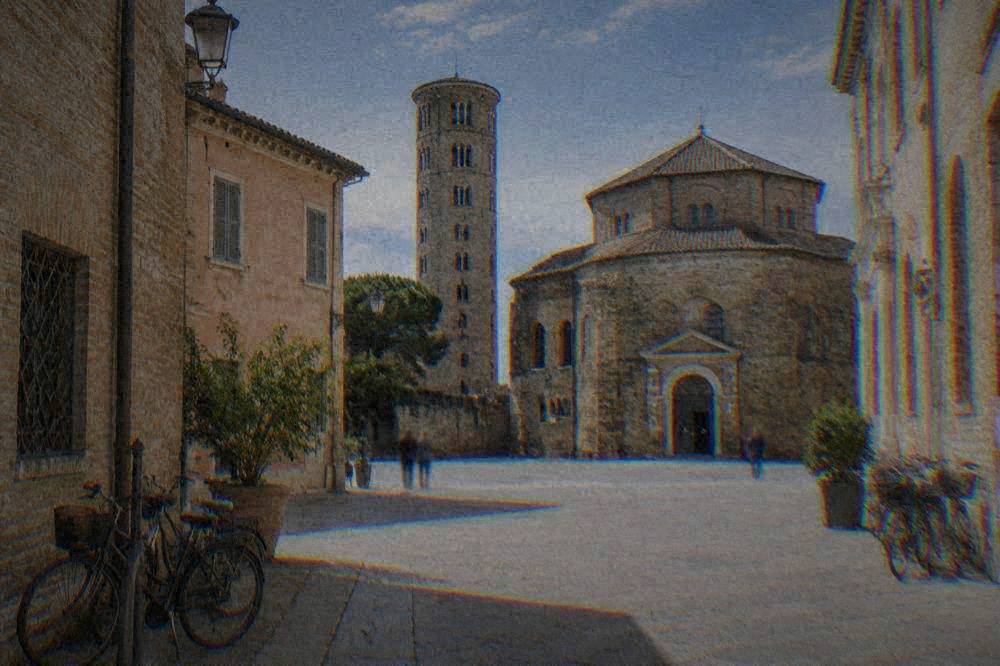
Beyond the eight monuments, Ravenna is known for its museums and food: the MAR art museum at EUR 8 full price, the Classis Ravenna city museum at EUR 8 full and EUR 6 reduced, and the dishes of the Romagna tradition, piadina flatbread and cappelletti pasta, which the Visit Ravenna food pages describe by dish. The city is also a cruise port, with 111 calls and about 390,000 passengers planned for 2026.
The museum layer matters because TAMO, the former mosaic museum, closed permanently in 2023 and its collection moved to Classis Ravenna, so travellers following older guidebooks land at a closed door. The Museo Nazionale di Ravenna, at EUR 7 full and EUR 2 reduced, sits beside San Vitale and holds the artefacts stripped from the monuments over the centuries. The Ravenna Festival brings opera and concerts to the Teatro Alighieri, and its autumn trilogy "Mozart 1791" runs 13 to 17 November 2026.
The food of the province is Romagna food: piadina cooked on a terracotta plate, cappelletti in broth, and the wines of the Romagna hills. No dish price appears on this page because the food pages describe each dish and send the reader to the posted menu, where the coperto cover charge is legal when printed. The what food is Ravenna famous for answer works through the plates one by one.
For travellers arriving without a guide at all, the entry-tickets-only option below covers the monument admissions while leaving the commentary to the reader.
When Should You Visit Ravenna?
The climate table, modelled ERA5 normals for 1991 to 2020, shows July as the warmest month at a mean of 25.2 C and January the coldest at 5.1 C, with November the wettest month at 78.3 mm and July the driest at 38.1 mm, in a year that totals about 674 mm of rain. Monument hours shift for winter: from 3 November 2026 to 6 March 2027 the main mosaic sites run 10:00 to 17:00, against 9:00 to 19:00 in summer.
| Month | Mean temperature (C) | Precipitation (mm) |
|---|---|---|
| January | 5.1 | 43.8 |
| April | 13.1 | 66.0 |
| July | 25.2 | 38.1 |
| October | 15.7 | 66.0 |
| November | 10.6 | 78.3 |
Those normals are modelled reanalysis means, not a station record, and the site prints no sunshine or sea-temperature figure because none is sourced. The practical planning point is the hours split: winter visitors get a shorter window at Galla Placidia and the Neonian Baptistery, and last admission lands 30 minutes before closing at the latest sites. The best time to visit question and the how many days do I need in Ravenna answer help size the trip against those hours.
A late-autumn visit has one clear draw: Notte d'Oro, each October, gives free evening access to monuments across the centre, and the Ravenna Festival trilogy fills the Teatro Alighieri in mid-November. The state museums and monuments are also free on the first Sunday of the month, which pairs neatly with a short winter break.
Common Questions About What Ravenna Is Known For
What is Ravenna, Italy known for?
Ravenna is known for its eight UNESCO-listed Early Christian monuments with Byzantine mosaics, inscribed in 1996, and for the free-entry tomb of Dante. The city centre is inland on the Po plain, about 8 km from the Adriatic coast.
Are Ravenna's mosaics worth the trip on their own?
The UNESCO listing treats the eight monuments as a single World Heritage site, and the Ravenna Mosaici combined ticket links the central ones with reduced fares from EUR 9.50, so a one- or two-day trip built around the mosaics is the standard pattern the official pages support.
What food is Ravenna famous for?
Piadina romagnola and cappelletti are the dishes the Visit Ravenna food pages highlight, alongside the wines of the Romagna hills. Menus carry the prices, and a coperto cover charge is legal when printed on the menu.
Can you see the sea from Ravenna's centre?
No. The historic centre is about 8 km inland, and the beach resorts of Marina di Ravenna, Punta Marina, Lido Adriano, Lido di Classe and Lido di Savio are reached by Start Romagna bus from the station, by bike or by car.
How do you get to Ravenna?
Direct regional trains run to Bologna Centrale, about 84 km away, in about 1 hour to 1 hour 20, and the how do I get to Ravenna by train answer covers the routes in detail. The what airport do you fly into for Ravenna answer covers arrival by air.
Ravenna's fame is unusually concentrated: one World Heritage inscription, one poet's tomb, one flat walkable centre that holds both. The monuments are the reason the guidebooks come, the food and the coast are the reasons trips stretch past a single day, and the official pages linked across this site carry the live hours and fares that decide how any particular visit actually runs.