Ravenna Hotels
Ravenna's hotel stock sits almost entirely in and around a small, walkable, inland historic centre, about 8 km from the Adriatic beaches, and the right area to book depends on whether the trip is about mosaics, the cruise port or the coast.
Short answer
Stay inside or just outside the historic centre for the UNESCO monuments, everything on foot and the railway station within a short walk; stay at Marina di Ravenna or the other lidos only for a beach holiday; the cruise terminal at Porto Corsini is about 15 km away and is not a hotel area.
Ravenna, in Emilia-Romagna, Italy, is a flat Po-valley city whose historic centre stands inland, about 8 km from the Adriatic coast, and that single geographic fact shapes every hotel decision here. The eight UNESCO Early Christian monuments with their Byzantine mosaics, plus Dante's tomb, all sit inside or on the edge of a compact centre that is walked, not driven, and the railway station is a short walk from it. The beach resorts, Marina di Ravenna, Punta Marina, Lido Adriano, Lido di Classe and Lido di Savio, are separate places along about 35 km of coast, reached by Start Romagna bus from the station. This guide from the Ravenna Travel Guide desk lays out where the hotels actually cluster, what the tourist tax adds to a bill, how the camera-enforced ZTL treats hotel guests, and which stay suits a mosaic trip, a cruise embarkation or a beach week.
Where Should You Book A Hotel In Ravenna?
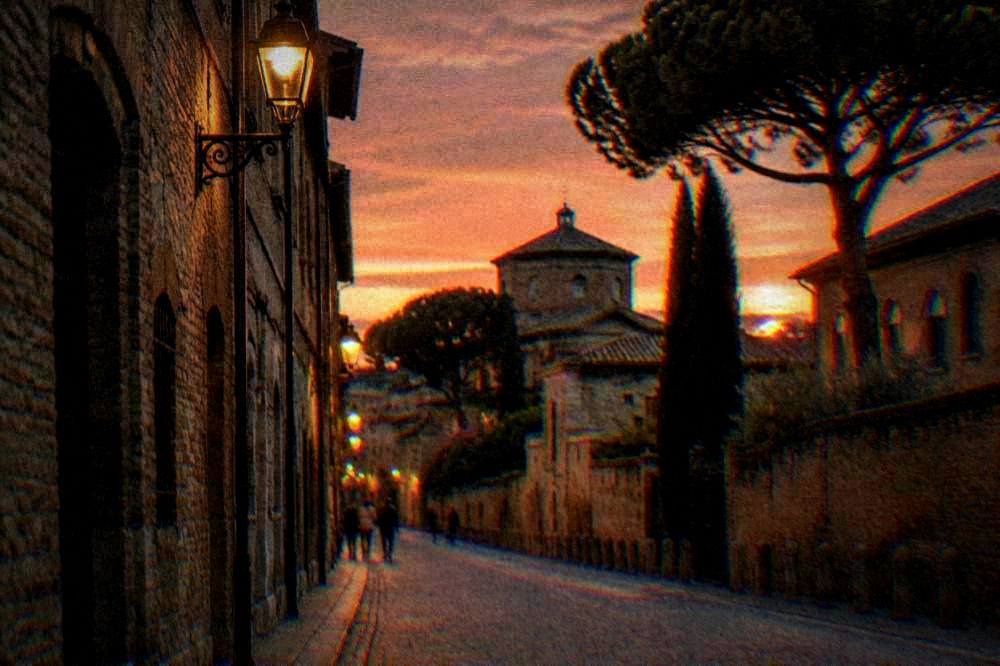
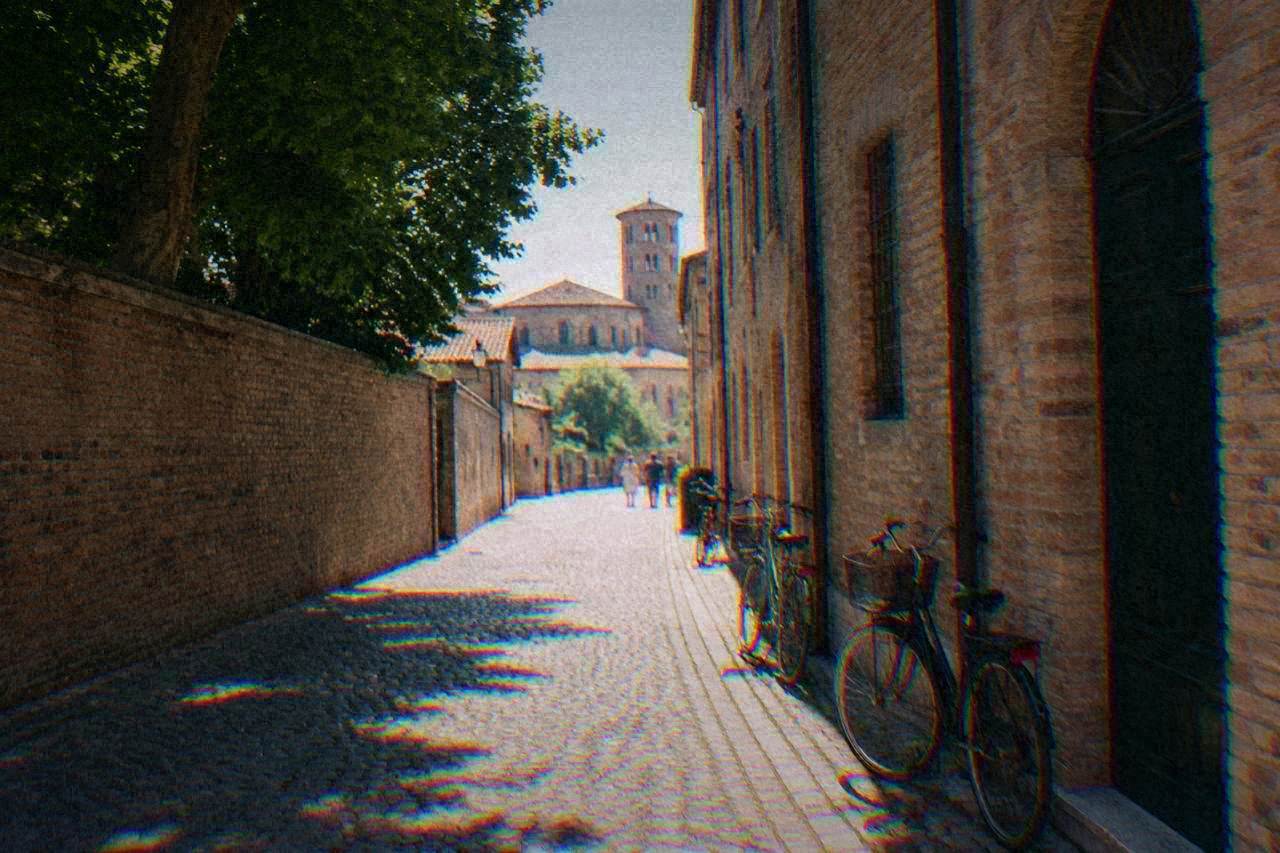
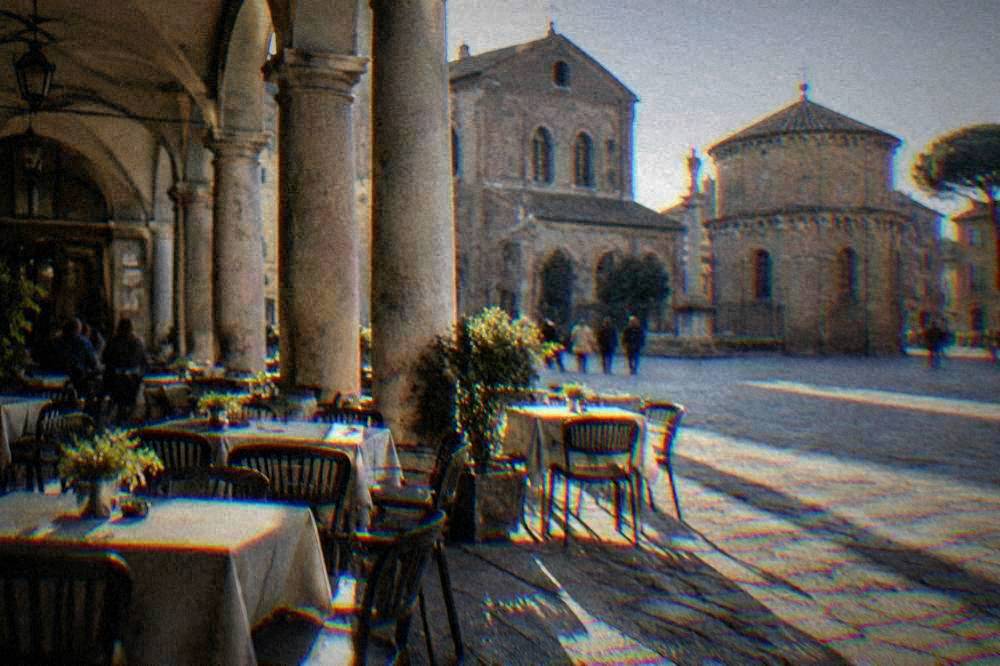
The practical answer for a first stay is the historic centre itself or its immediate ring, because the eight UNESCO monuments, Dante's tomb, the pedestrian streets and the railway station all sit within a short walk of each other, and nothing inside the centre needs a car. The centre is small and walkable, which is the whole argument for staying in it: San Vitale, the Mausoleum of Galla Placidia, the Neonian Baptistery, Sant'Apollinare Nuovo and the Arian Baptistery are strung through a few blocks, and the Ravenna Mosaici combo ticket, valid one week with one admission per monument, rewards a base you can return to on foot. Visitors who choose the coast instead should treat it as a separate holiday.
The centre's own geography is worth a sentence more. Piazza del Popolo is the main square, the historic streets around it carry the bulk of the dining, and the station sits at the northern edge, so almost any central address puts both the mosaics and an evening walk within reach. There is no "wrong" side of a centre this size, though the blocks between the station and Piazza del Popolo cut walking distances most.
A good companion read is the full area-by-area stay guide, and the question of how long to base here is covered in how many days to spend in Ravenna.
Which Area Of Ravenna Suits Which Kind Of Trip?
Match the area to the purpose of the trip: the historic centre for the mosaics and Dante, the station quarter for train-borne arrival and day trips, the Classe side for Sant'Apollinare in Classe and the Classis Ravenna museum, and the lidos for a beach holiday reached by Start Romagna bus rather than on foot. Ravenna is not a seaside city and the centre has no sea view to sell, so a beach stay means a different address, about 8 km or more out, and a bus, a bike or a car for every trip back to the monuments. Cruise passengers embarking at Porto Corsini, about 15 km from the centre, generally sleep centrally the night before and take the shuttle.
The table below is the short version of that logic.
| Area | Character | Best suited to |
|---|---|---|
| Historic centre (inside the ring) | Brick lanes, the UNESCO circuit, dining around Piazza del Popolo, no car needed | First-time visitors, short mosaic breaks, anyone without a car |
| Station quarter | Northern edge of the centre, a short walk from the platforms | Train arrivals, day trips to Bologna, Rimini and Ferrara |
| Immediate outskirts (outside the ZTL gates) | Easier parking, still walkable or a short bus in | Drivers, families, longer stays |
| Marina di Ravenna and the lidos | Beach resorts 8 km or more from the centre, linked by Start Romagna bus | Beach holidays, summer stays |
| Porto Corsini | Industrial and cruise port area, about 15 km out, served by the shuttle | Embarkation logistics only, not a stay in themselves |
For beach-area lodging specifically, the Ravenna beach hotels guide goes deeper, and the cruise-port side is covered in the port guide, including the port-area options question in the FAQ below.
What Does The Tourist Tax Add To A Ravenna Hotel Bill?
Ravenna charges an overnight tourist tax, the imposta di soggiorno, of about EUR 1 per person per night in 1 and 2 star hotels, about EUR 2 in 3 star hotels, about EUR 3 in 4 star hotels and about EUR 4 in 5 star hotels, with about EUR 1.20 in hostels and about EUR 1.50 in B&Bs and rooms to let, under a tariff in force from 1 January 2023 that may have changed, so confirm the exact amount at booking. The tax is declared and paid quarterly by the accommodation, collected from guests, and applies year-round in Ravenna. It is small, but on a family week it is real money, and it is the one lodging cost this desk can state with figures, because nightly room rates are live market prices shown at booking.
| Lodging type | Approximate tax per person per night |
|---|---|
| Hotel, 1 to 2 stars | about EUR 1 |
| Hotel, 3 stars | about EUR 2 |
| Hotel, 4 stars | about EUR 3 |
| Hotel, 5 stars | about EUR 4 |
| Hostel | about EUR 1.20 |
| B&B and rooms to let | about EUR 1.50 |
Every amount above carries "about" for a reason: the tariff dates from 1 January 2023, and municipal tariffs move. Ask the property for the current figure when you book, and expect it itemised on the final bill rather than folded into the room rate.
Beyond the tax, budget in the qualitative terms a desk can honestly use: Ravenna is a modestly priced provincial city by Emilia-Romagna standards, cheaper to sleep in than Venice or Florence, with the usual seasonal peak around summer and around festival and event windows. Room rates themselves are live figures; the price shown at booking is the only one that counts.
Can You Drive To A Ravenna Hotel, And How Does The ZTL Work?
Yes, but the historic centre is a camera-enforced limited traffic zone, the ZTL, with some gates active 7:30 to 20:30 and others 24 hours, and hotel guests are handled through a system the municipal tourism page sets out: a daily permit bought at the 24-hour parcometers for vehicles up to 5 tonnes, at about EUR 8, or a special authorisation that hotels can issue for their guests. The cameras read plates at the gates, so "just quickly dropping bags" is exactly the manoeuvre that generates a fine, and the amount of any fine is not a figure this desk states. The safe sequence is to confirm with the hotel before arrival, follow the authorisation route the hotel gives, and park where the hotel says to park.
Practically, three patterns work. Central hotels inside the gates will tell you which gate to enter, whether their authorisation covers you, and where their garage or agreement lot is. Hotels on the immediate outskirts sit outside the gates entirely and keep the whole question off your plate. Drivers planning day trips to Bologna, Rimini, Ferrara or the coast often prefer that second pattern, parking once and walking or bussing in.
The full rules, gate list and permit mechanics are laid out in the parking and ZTL guide, and drivers arriving from the north will find the approach routes in getting to Ravenna by car and train. The parcometers and the official page carry the live figures.
Is It Better To Stay Near The Station Or In The Middle Of The Centre?
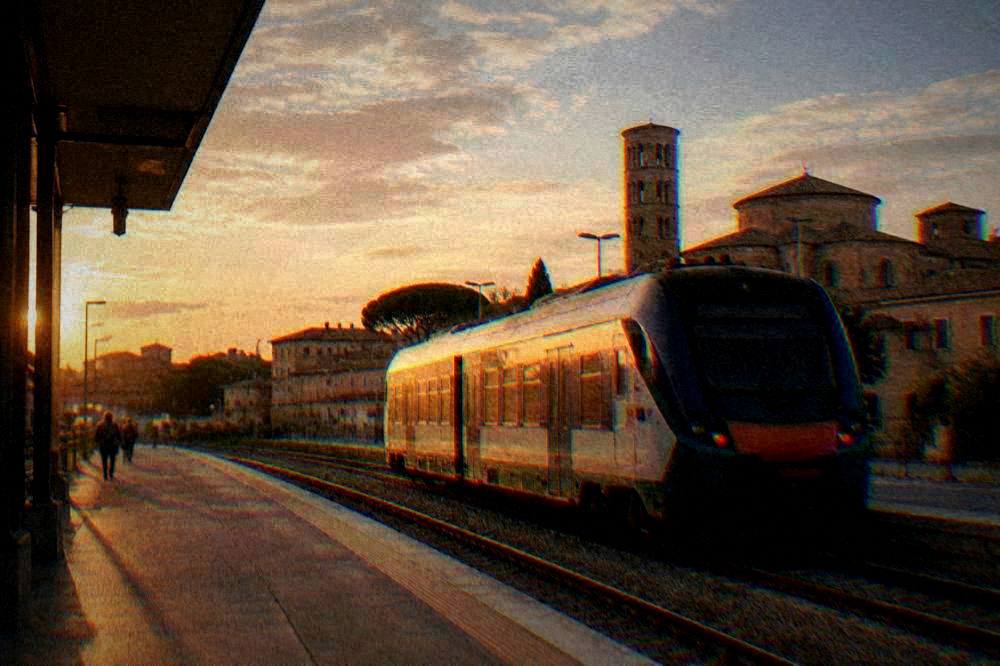
For a car-free visit the difference is smaller than the map suggests, because the railway station sits a short walk from the historic centre, so a "station" hotel still puts San Vitale and Piazza del Popolo within walking range, while a core address trades a quieter night and a shorter platform walk for being inside the dining streets. The regional timetable gives direct trains to Bologna Centrale over about 84 km, with the fastest runs about an hour and typical journeys about 1 hour to 1 hour 20, which makes a station-side base genuinely convenient for Bologna day trips or for the airport connection via Bologna.
The trade-offs worth weighing:
| Factor | Station quarter | Centre core |
|---|---|---|
| Walk to the mosaics | Short walk, a few blocks further | Everything within a few minutes on foot |
| Morning train to Bologna or Rimini | Platform at the door | A short walk with luggage |
| Evening atmosphere | Quieter | The dining streets and Piazza del Popolo |
| Driving and parking | Easier, at or outside the ZTL edge | Gate and permit logistics |
| Best for | Day-trippers, early departures | First visits, short breaks |
Guests combining Ravenna with a departure from the cruise port should read how the port transfer works: the Visit Ravenna shuttle picks up in the centre and near the station, running about 30 minutes to Porto Corsini on its seasonal schedule.
When Is The Best Time Of Year To Book A Ravenna Hotel?
The mild shoulder months, spring and early autumn, are the comfortable booking windows for a mosaic-focused stay, because the monuments run their longer summer hours until 2 November 2026 and the winter schedule from 3 November 2026 shortens days to 10:00 to 17:00, while July and August bring the hot, humid Po-valley summer, and the climate here runs to cold, damp, fog-prone winters. Ravenna's climate is a flat Po-valley and Adriatic-coast one: hot humid summers, cold damp winters with fog, mild springs and autumns. The qualitative picture is what a planner needs anyway.
Event windows matter as much as weather. The Ravenna Festival autumn trilogy, Mozart 1791, runs 13 to 17 November 2026 at Teatro Alighieri, and the theatre's own season fills December with ballet and opera, so those dates tighten central availability. Each October the Notte d'Oro opens monuments free in the evening, another busy night. The full calendar is in the events guide, and the seasonal arguments are weighed in the best time to visit Ravenna and the weather year.
| Period | What it means for a stay |
|---|---|
| Spring | Mild, walking weather, summer monument hours from 8 March 2026 onward in the 2026 schedule |
| July and August | Hot and humid, full summer hours 9:00 to 19:00 at the mosaic circuit, beach season at the lidos |
| September and October | Mild, festival and theatre season begins, summer hours run to 2 November 2026 |
| November to March | Winter hours 10:00 to 17:00 from 3 November 2026, fog possible, quieter streets, Christmas programme |
Which Ravenna Hotels Work For A Beach Holiday?
For a beach holiday the stay belongs at one of the lidos, Marina di Ravenna, Punta Marina, Lido Adriano, Lido di Classe or Lido di Savio, strung along about 35 km of coast and linked to the city by Start Romagna buses from the station, because Ravenna's centre is 8 km or more inland and no central hotel doubles as a beach hotel. A coast base with day trips inward works well in summer, when the monuments run their 9:00 to 19:00 summer schedule and an early bus gets you ahead of the timed entries at Galla Placidia and the Neonian Baptistery, where entry times are mandatory and stays are a few minutes.
Two seasonal notes from the coastal record. Through the 2026 season the cruise shuttle and the summer beach economy both run at full pitch; from autumn, a 25,000 cubic metre sand barrier is built at Punta Marina, Marina di Ravenna Sud and Lido di Savio and stays until spring 2027, reshaping those beaches for winter, and a winter market runs in Marina di Ravenna on Wednesdays and Saturdays. None of this is hidden, but it is the difference between the postcard coast and the working one, and it is why the beach guide exists separately.
| Resort | Position on the coast | Getting there from the centre |
|---|---|---|
| Marina di Ravenna | The closest lido, north of the canal port | Start Romagna bus from the station |
| Punta Marina | North of Marina di Ravenna | Start Romagna bus |
| Lido Adriano | South of the port | Start Romagna bus |
| Lido di Classe | Further south, near Classe | Start Romagna bus |
| Lido di Savio | The southernmost of the five | Start Romagna bus |
No entrance fee, sunbed or umbrella price is printed for any beach, and none is stated on this site: ask at the beach establishment. The coastal picture, including Classe itself, is the place to compare the five.
Where Should Cruise Passengers Stay Before Or After A Ravenna Departure?
Cruise passengers should sleep in the historic centre the night before sailing, because the terminal at Porto Corsini is about 15 km from the centre, the Visit Ravenna shuttle links the centre and the station area to the terminal in about 30 minutes, and the port area itself is a working industrial zone rather than a lodging district. The 2026 schedule runs 111 calls and roughly 390,000 passengers, all through the current terminal, with the new terminal's inauguration reported for spring 2027, so the logistics described here hold for this season and the next.
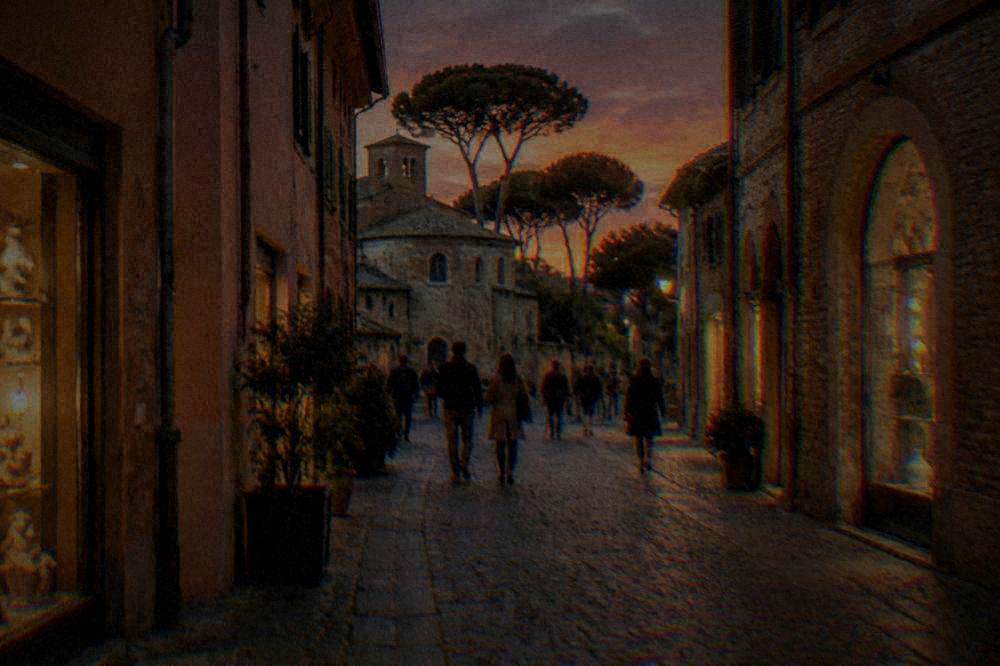
A pre-cruise night in the centre does double duty. You walk to San Vitale and the Neonian Baptistery in the evening light, eat in the lanes around Piazza del Popolo, and take a morning shuttle rather than a dawn drive. Passengers flying into Bologna should budget the whole corridor: no direct bus from Bologna airport to Ravenna is listed, the route is the Marconi Express to Bologna Centrale and then a regional train, about 2 to 2.5 hours door to door, which argues for the central hotel the night before rather than a same-day race. The mechanics are in the airport transfer guide.
For the Venice-bound, the Venice route from Ravenna covers the port-to-Venice shore excursion logic, and the port-area lodging question is answered directly in the dedicated port hotels piece.
How Do Ravenna Hotels Compare With B&Bs, Apartments And Hostels?
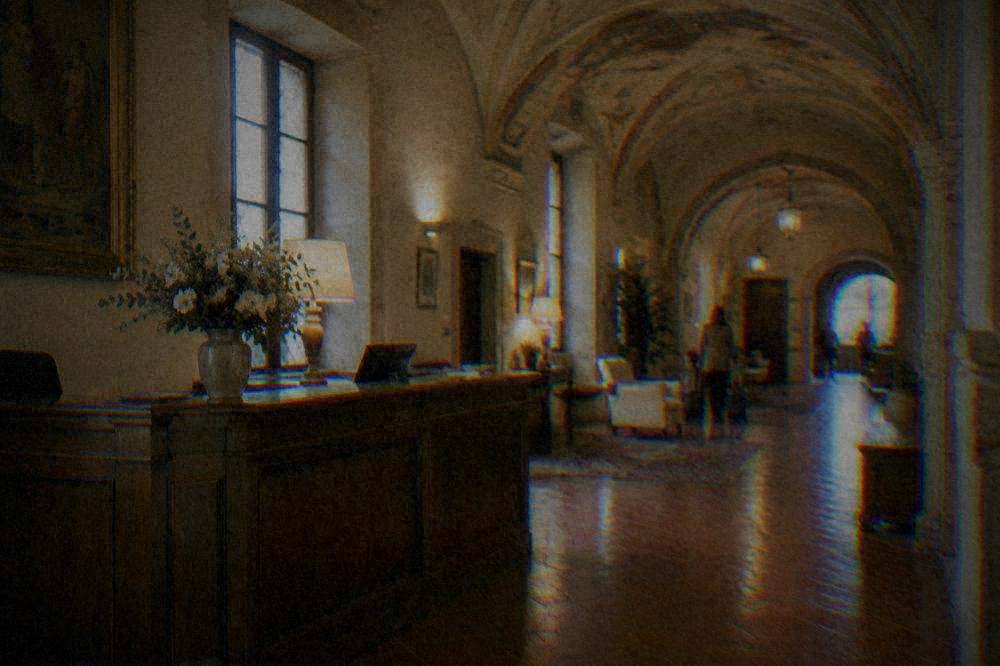
Ravenna's stock spans full-service hotels, small B&Bs and rooms to let inside the historic centre's palazzi, apartments suited to longer stays and families, and hostels, and the honest differentiators are the tourist tax bands, about EUR 4 at 5 stars down to about EUR 1.20 in hostels, parking access, and whether you want a desk that handles the ZTL authorisation for you. A hotel inside the gates can issue the guest authorisation and tell you which gate to use; a B&B in the same lanes may do the same at a lower price band with fewer services; an apartment trades reception for space and a kitchen, which suits a family week built around the food guide and market shopping.
Choosing between them:
| Lodging type | Strengths | Watch for |
|---|---|---|
| Hotel, central | ZTL authorisation, luggage help, concierge for monument bookings | Highest tourist tax band |
| B&B and rooms to let | Central palazzo buildings, lower tax band, breakfast often included | Fewer rooms, earlier check-out norms |
| Apartment | Space, kitchen, cost for longer stays and families | No reception, self-managed arrival |
| Hostel | Lowest tax band, sociable | Limited stock, book early in event windows |
| Outskirts hotel or motorway-side | Easy parking, no ZTL at all | Bus or drive into the centre each day |
Whatever the roof, the packing logic stays constant: comfortable shoes, because the centre is walked, and a plan for the combo ticket, whose one-week validity and one-admission-per-monument rule rewards a central base. The ticket mechanics are explained in the combo ticket guide.
What Should You Do From A Ravenna Hotel Base?
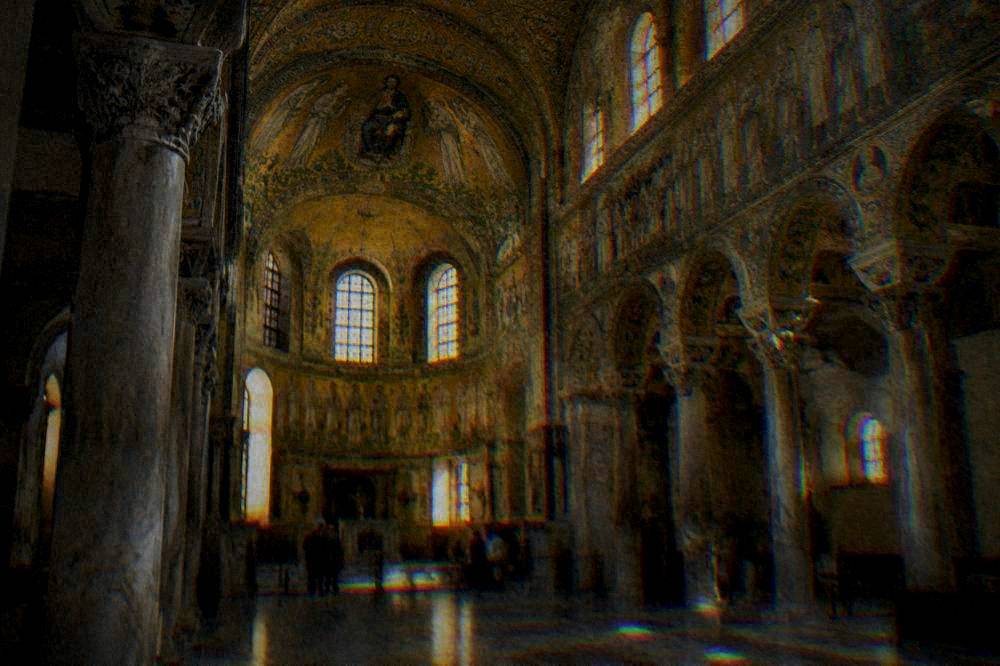
From any central hotel the eight UNESCO monuments are the agenda: San Vitale, the Mausoleum of Galla Placidia, the Neonian Baptistery, Sant'Apollinare Nuovo, the Arian Baptistery, the Archiepiscopal Chapel and Museum, the Mausoleum of Theodoric, and Sant'Apollinare in Classe, inscribed by UNESCO in 1996, with Dante's tomb free and open daily, plus day trips by regional train toward Bologna, Rimini and Ferrara. The full things to do in Ravenna page carries the whole menu, the UNESCO sites guide orders the eight, and the mosaics overview explains what you are looking at.
Want those monuments explained rather than just entered? Book a guided mosaic tour here.
Opening hours, from the official Ravenna Mosaici page, are the planner's spine:
| Site group | Summer, 8 March to 2 November 2026 | Winter, 3 November 2026 to 6 March 2027 |
|---|---|---|
| San Vitale, Sant'Apollinare Nuovo, Archiepiscopal Museum | 9:00 to 19:00 | 10:00 to 17:00, last admission 16:30 |
| Galla Placidia, Neonian Baptistery | 9:00 to 19:00, last admission 18:45, timed entry | 10:00 to 17:00, last admission 16:45, timed entry |
| Mausoleum of Theodoric | Daily 8:30 to 17:30, last admission 30 minutes before closing | Same, per the Visit Ravenna page |
| Sant'Apollinare in Classe | Monday to Saturday 8:30 to 19:00, Sunday 13:30 to 19:00 | Same hours listed |
| Dante's tomb | 10:00 to 19:00, April to October | 10:00 to 18:00, November to March, closed 25 December |
All the mosaic-circuit sites close on 25 December and 1 January. Reduced combo fares start at EUR 9.50 for two monuments, and the live full prices sit on the official page. Guests who prefer a guide to a queue can compare the mosaic tour options, and anyone tempted to try the craft themselves should read the mosaic workshop guide.
Is A Ravenna Hotel A Good Base For Day Trips?
Yes, and it is one of the city's underrated strengths: direct regional trains put Bologna about an hour to 1 hour 20 away over about 84 km, Rimini roughly 42 to 58 minutes, and Ferrara, Faenza and the Comacchio and Po Delta country within easy reach, so a single Ravenna base can carry a week of mosaic mornings and a different town every afternoon. Bologna is the trunk route, a direct regional train via Castelbolognese, with Rimini a similar short hop to the south, Ferrara and Faenza reachable with at times a change, and Classe itself a local bus or short drive out to Sant'Apollinare in Classe. The day trip from Bologna or Ravenna guided option also runs in the other direction for visitors sleeping in Bologna, with Check availability shown live.
Train fares are live figures shown at booking, and this desk prints none. Strike calendars and engineering works are checked on the operator's pages before any day you cannot afford to miss.
What About Food, Safety And Practical Details Around Ravenna Hotels?
Around any central hotel the practical picture is benign and legible: petty crime such as pickpocketing around tourist sites and on public transport is the risk to manage, a cover charge, the coperto, is legal when printed on the menu, tipping is not obligatory, the currency is the euro, the emergency number is 112, and Italy's Schengen membership plus the EES system operational from 10 April 2026 govern the border formalities. The centre's lanes stay busy into the evening, and the ordinary precautions, a bag zipped and held in front on a crowded bus, valuables out of back pockets, are the whole of the local playbook. The safety picture is unpacked in is Ravenna safe.
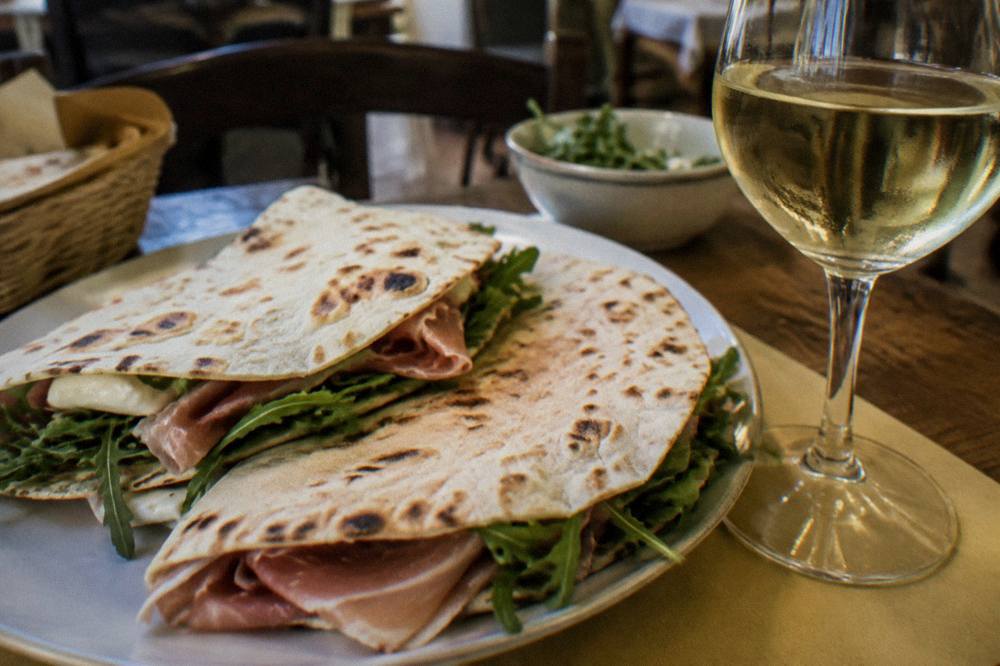
Food around the hotels needs no car. The lanes near Piazza del Popolo and the streets toward the station hold the city's dining, and the restaurant guide maps it dish by dish, from piadina to cappelletti. The food tour and cooking class options are worth a look for a rainy afternoon, and the question of whether the city justifies the trip at all is argued in is Ravenna worth visiting.
Common Questions About Ravenna Hotels
Are there hotels near the Ravenna cruise port?
The Porto Corsini terminal is about 15 km from the centre in a working port area, and cruise passengers generally stay in the historic centre and use the Visit Ravenna shuttle, about 30 minutes. The port-area options are covered on this site's port hotels page.
How much is the tourist tax in Ravenna hotels?
About EUR 1 per person per night in 1 and 2 star hotels, about EUR 2 in 3 star, about EUR 3 in 4 star and about EUR 4 in 5 star, with about EUR 1.20 in hostels and EUR 1.50 in B&Bs, under a tariff from 1 January 2023. Confirm the exact current amount at booking.
Can I drive to my hotel inside Ravenna's historic centre?
Yes, with the right paperwork. The ZTL is camera-enforced, some gates run 7:30 to 20:30 and others 24 hours, a daily permit costs about EUR 8 at the 24-hour parcometers, and hotels can issue a guest authorisation. Confirm the entry route with the hotel before you arrive.
Is it better to stay in Ravenna or at the beach?
Stay in Ravenna for the mosaics, Dante and day trips; stay at Marina di Ravenna or the other lidos for a beach holiday. The centre is inland, 8 km or more from the coast, and the lidos link to it by Start Romagna bus.
How far is the Ravenna train station from the hotels?
The station sits at the northern edge of the small, walkable historic centre, a short walk from the core, so even the deepest central addresses are reached on foot with luggage.
When should I book for the Ravenna Festival?
The autumn trilogy Mozart 1791 runs 13 to 17 November 2026 at Teatro Alighieri, and the theatre season fills December, so book central rooms early for those windows.
The short version of everything above: pick the historic centre for a mosaic trip, the station quarter for train-based touring, the outskirts for driving, the lidos for sand, and let the hotel's desk handle the ZTL paper. The where to stay guide narrows the choice street by street, and a night or two here is enough to understand why this small inland city keeps visitors longer than they planned.