Ravenna Parking
Ravenna's historic centre is small, flat and walkable, and it sits inside a camera-enforced limited traffic zone. This guide explains what the ZTL means for drivers, where the gates apply, what a daily permit costs, and when arriving by train beats bringing a car at all.
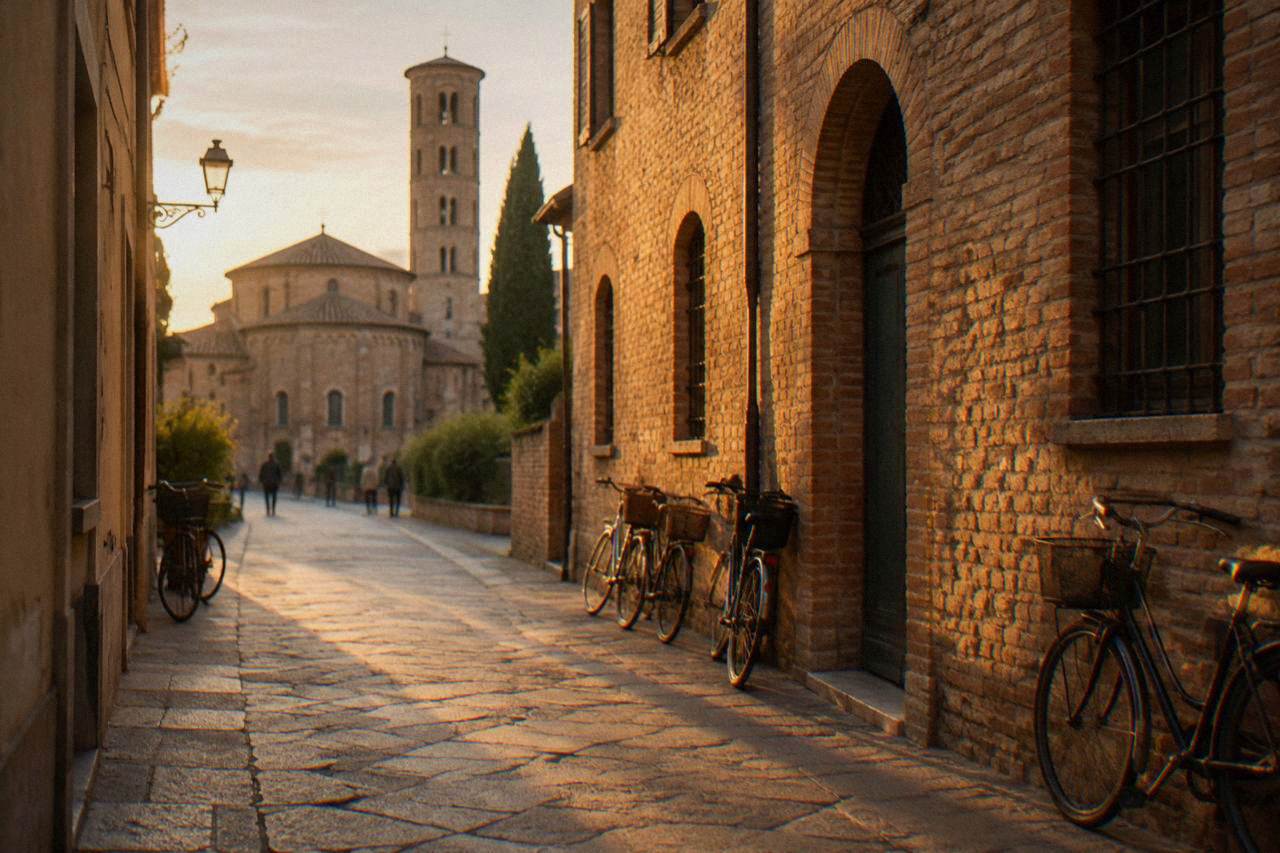
Short answer
Park outside Ravenna's limited traffic zone or buy a daily permit, about EUR 8, at a 24-hour parcometro. Some ZTL gates apply 7:30 to 20:30, others 24 hours. Hotels can issue guest authorisation. The centre is compact and the station is a short walk away, so a car is often unnecessary.
Ravenna, in Emilia-Romagna, is a flat Po-valley city whose historic centre is entirely walkable, and that single fact shapes every parking decision a visitor makes. The centre sits inside a camera-enforced limited traffic zone, the ZTL, which the municipal tourism page describes in detail: some gates enforce 7:30 to 20:30, others run 24 hours a day, and a daily permit for vehicles up to 5 tonnes is bought at the 24-hour parcometers. This guide reports what the official pages say about parking in Ravenna, how the zone works, and why the train, the bus and a pair of shoes often do the job better.
Where Can You Park In Ravenna Without A Fine?
The safe rule for parking in Ravenna is to leave the car outside the limited traffic zone and walk in, because the centre's gates are camera-enforced and the fines are set nationally, not locally. The Visit Ravenna page on the ZTL states that a daily permit for vehicles up to 5 tonnes can be bought at the 24-hour parcometers, and reports the permit at about EUR 8. Hotels inside the zone can issue a special authorisation for guests.
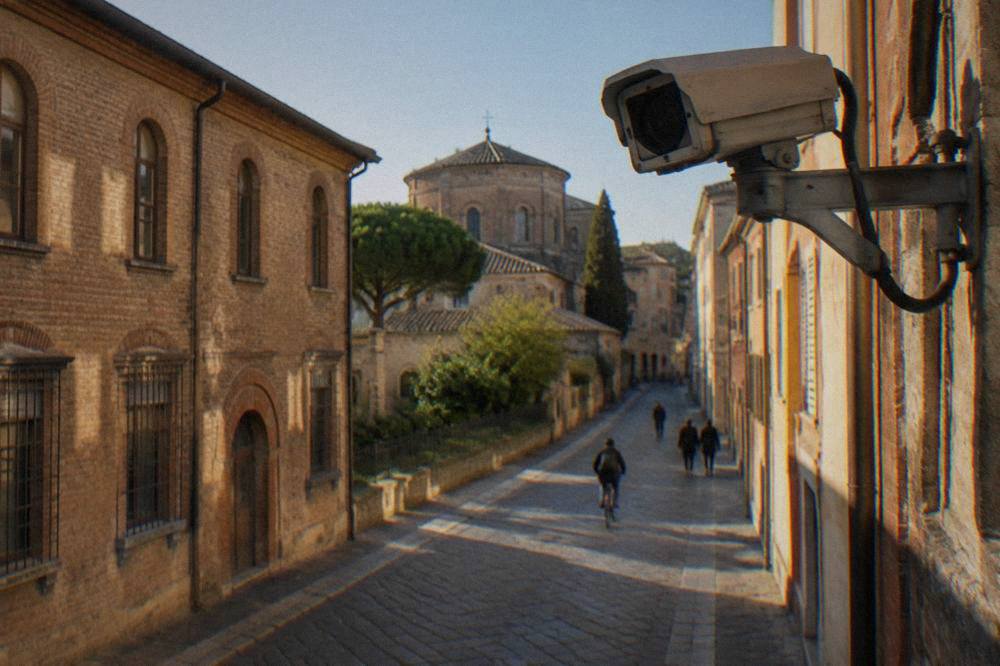
The ZTL is not a wall. It is a ring of cameras on the streets that feed the old centre, and a car that crosses a camera line without authorisation is photographed automatically. The municipal tourism page lists the gate streets and their enforcement windows, and it is the page to check before driving in, because gate hours differ from street to street. If you are staying at a hotel inside the ring, the practical sequence is to tell the hotel your plate number on arrival, let the hotel register it, and only then move the car inside. If you are visiting for the day, the simpler answer is a car park or street space outside the ring and a short walk: Ravenna's eight UNESCO monuments and Dante's tomb all sit within a compact area that crosses on foot easily.
For orientation, the railway station lies a short walk from the historic centre, and the ring roads that circle the centre give several approach routes. The guide to getting around Ravenna on this site covers the wider city, while this page stays on the car.
How Does The Ravenna ZTL Work, And Which Gates Apply When?
The Ravenna ZTL is enforced by cameras at named gates: Via Mariani, Via Guerrini and Via Matteucci apply 7:30 to 20:30, while gates in the Via Ponte Marino area apply 24 hours, according to the Visit Ravenna page on the zone. A daily permit for vehicles up to 5 tonnes is bought at the 24-hour parcometers, at about EUR 8, and hotels can register guest plates.
The two enforcement windows matter because they change the risk by hour. A gate that applies 7:30 to 20:30 is open to unauthorised traffic overnight, so a late arrival can drive to a hotel that coordinates the permit. A 24-hour gate never opens. The division of gates is given on the municipal page, and the table below restates it as the page lists it.
| ZTL gate | Enforcement window | Source wording |
|---|---|---|
| Via Mariani | 7:30 to 20:30 | Visit Ravenna ZTL page |
| Via Guerrini | 7:30 to 20:30 | Visit Ravenna ZTL page |
| Via Matteucci | 7:30 to 20:30 | Visit Ravenna ZTL page |
| Via Ponte Marino area | 24 hours | Visit Ravenna ZTL page |
Permits are bought at the parcometers, which the page says operate 24 hours, so an evening arrival is not locked out of the option. The permit applies to vehicles up to 5 tonnes, which covers every hire car and camper van a tourist is likely to drive. Fine amounts are set outside the municipal page and are not reproduced here; the cameras issue them automatically, and the way to avoid one is authorisation, not argument.
The winter season adds a second layer reported in local coverage: a seasonal anti-smog regime runs roughly 1 October to 31 March, Monday to Friday 08:30 to 18:30, with emission limits by fuel and Euro class, and ecological Sundays on scheduled dates. Drivers of older petrol or diesel cars should check the municipal notices in winter before planning a driving day. Between the ZTL cameras and the seasonal emission rules, the honest summary is that Ravenna rewards visitors who park early and walk.
The mosaic monuments that draw the crowds sit inside the zone, and their tickets are covered in the site's Ravenna combo ticket guide, which explains the one-week validity and the mandatory timed entry at Galla Placidia and the Neonian Baptistery. A walking plan and a parking plan go together, because the combo ticket spreads visits over days and a car parked outside the ring can simply stay there.
Is A Car Even Worth Having In Ravenna?
For Ravenna itself, a car is more burden than tool, because the historic centre is compact and flat, the railway station is a short walk from it, and the beaches at Marina di Ravenna and the other lidi are reached by Start Romagna bus from the station. The car earns its keep for the day trips, to Bologna, Ferrara, Comacchio or the Po Delta, where trains and buses run thinner.
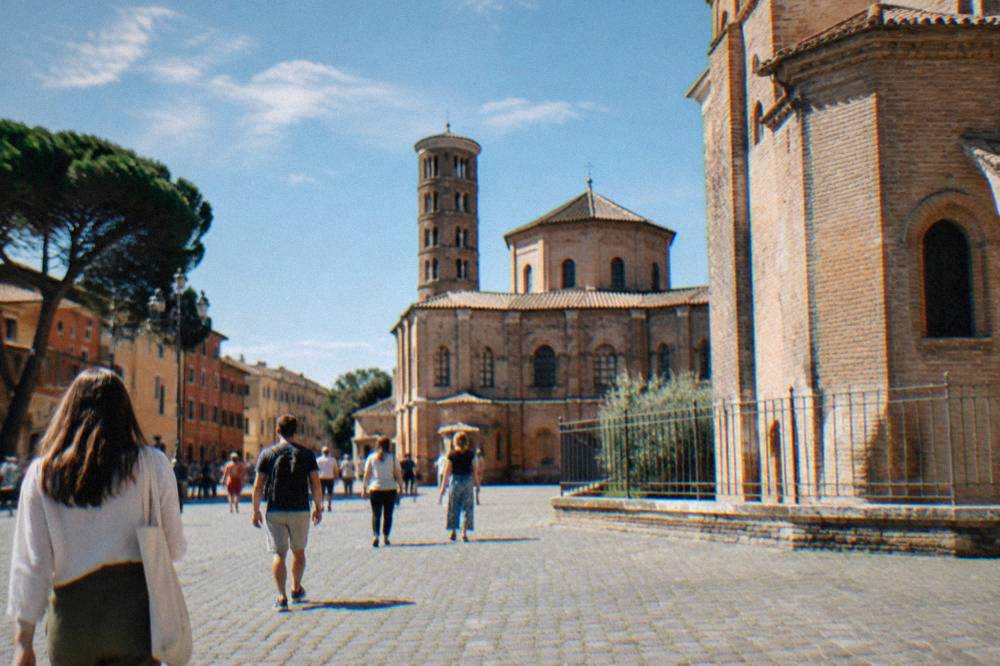
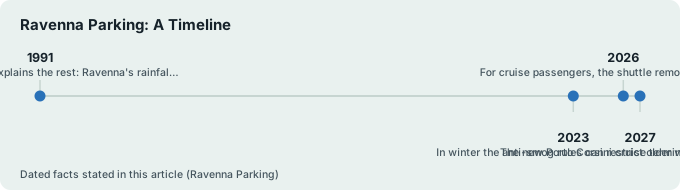
Consider the arithmetic of a mosaic day. The five central monuments on the Ravenna Mosaici combo sit within a few hundred metres of each other, the Archiepiscopal Museum included, and the only UNESCO site that needs transport is Sant'Apollinare in Classe, out in the Classe area. The climate table explains the rest: Ravenna's rainfall peaks in November at 78.3 mm and bottoms in July at 38.1 mm, modelled 1991 to 2020 normals, so for much of the year the walk between monuments is dry and short. The site's one day in Ravenna itinerary shows how little ground a visitor actually covers.
Where a car or a driver genuinely helps is the ring of day trips. A private tour with a driver removes both the parking question and the ZTL question at once, and one option pairs the mosaics with lunch on the coast. For a self-guided alternative, the guide to getting to Ravenna covers the train lines from every direction.
Where Do The Practical Parking Situations Put You?
The three situations that decide your Ravenna parking plan are the hotel stay, where the hotel registers your plate, the day visit, where you park outside the ring and walk, and the cruise transfer, where the Visit Ravenna shuttle runs from the centre and the station to the Porto Corsini terminal, about 30 minutes, on the dates its page lists. Each has a different correct move, and none of them requires driving into the camera zone.
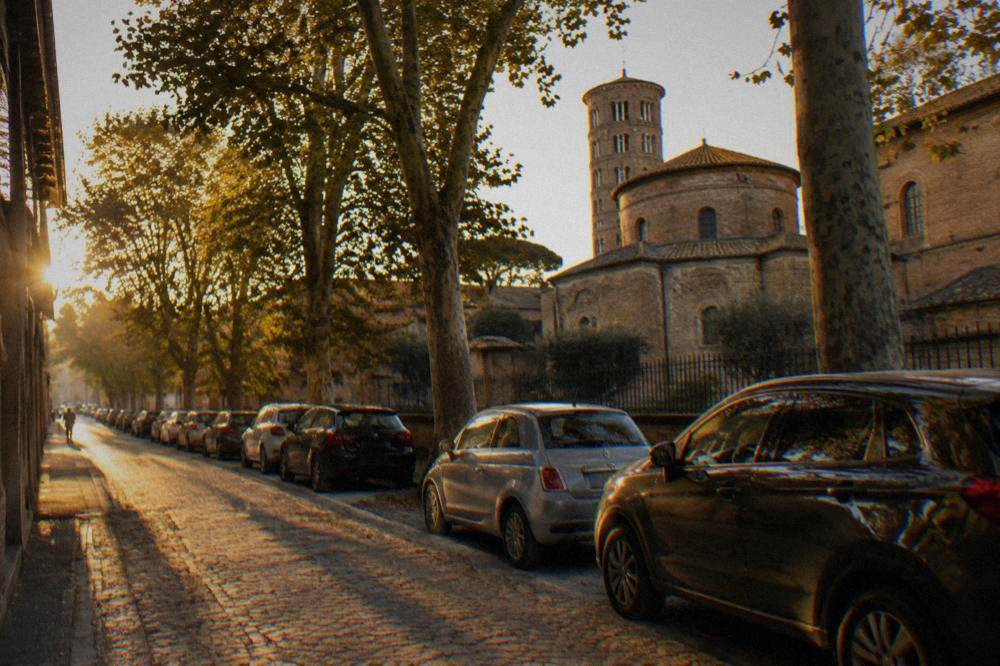
For hotel guests, the sequence is plate registration first, driving second. For day visitors, the station area and the ring roads offer the closest legal spaces, and the walk in is short. For cruise passengers, the shuttle removes the terminal from the parking equation entirely: Porto Corsini is about 15 km from the centre, and the shuttle runs on the days the 2026 page lists. The Ravenna cruise port guide covers that transfer in full.
| Situation | Correct parking move | Why |
|---|---|---|
| Hotel inside the ZTL | Hotel registers your plate, then drive in | Hotels can issue guest authorisation, per the Visit Ravenna page |
| Day visit to the mosaics | Park outside the ring near the station or ring roads, walk | Gates are camera-enforced; the centre is compact |
| Beach day at Marina di Ravenna | Leave the car in Ravenna, take the Start Romagna bus from the station | Buses serve the lidi along about 35 km of coast |
| Cruise departure from Porto Corsini | Use the Visit Ravenna shuttle from the centre or station | About 30 minutes, on the dates the shuttle page lists |
| Day trip to Bologna or Ferrara | Train from Ravenna station | Direct regional trains, about 1 hour to 1 hour 20 to Bologna |
The table's last row is the quiet argument of this whole page: Ravenna's rail links cover the big day trips, and the regional rail timetable gives direct trains to Bologna Centrale, about 84 km away, in about 1 hour to 1 hour 20. Fares live on the operator's own pages and are not reproduced here. The Bologna to Ravenna guide and the Bologna airport transfer guide cover those routes, including the Marconi Express connection from the airport to Bologna Centrale.
How Do You Drive Into Ravenna From Bologna, The Coast Or The Ports?
Drivers reach Ravenna on the plain's flat road network, with Bologna about 84 km away by direct regional train and the beach resorts strung along about 35 km of coast from Marina di Ravenna to Lido di Savio. The advice the official pages support is simple: approach from the ring roads, park outside the ZTL, and finish every trip on foot.
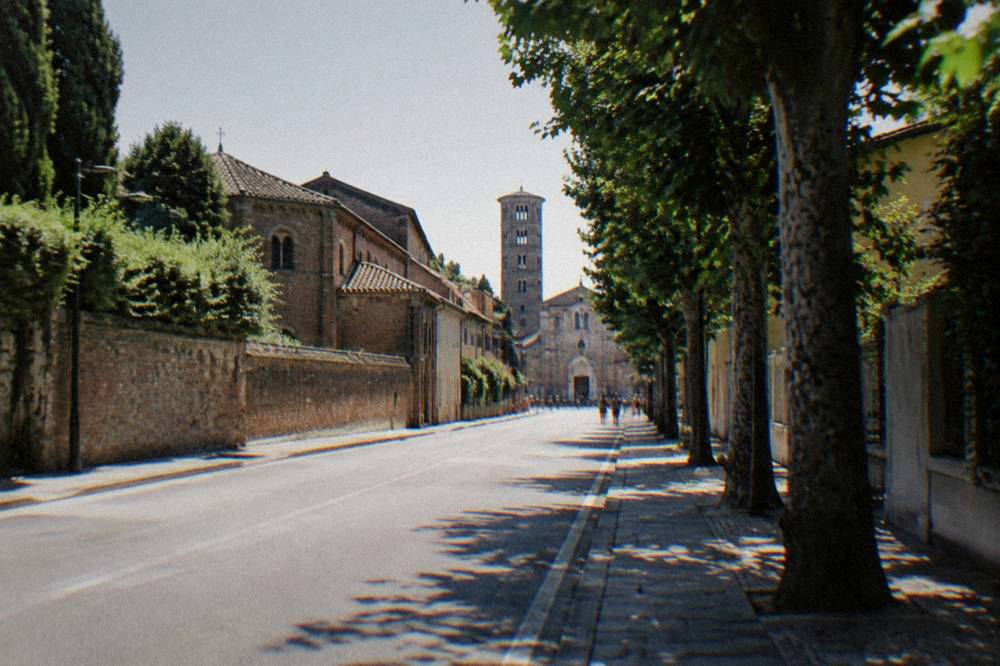
Ravenna is not a mountain city with switchback approaches. It sits on the Po plain, the driving is flat, and the difficulty is never the road, it is the last stretch into the centre. That is where the cameras sit. The rule worth internalising is that a destination inside the centre is a walking destination, and the car's job ends at the ring. Motorway tolls, fuel prices and car-hire rates are not carried on this page; the live figures sit with the operators and the fuel pumps. Other pages covering the same trip are gathered on Ravenna Travel Guide.
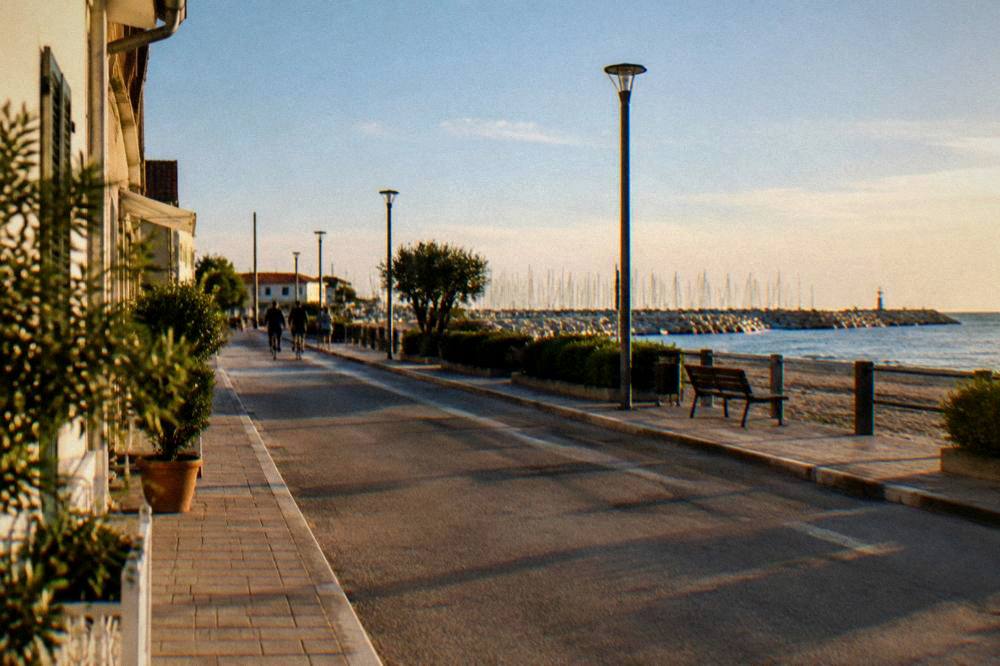
The coast runs on the same logic in reverse. The lidi are separate resort towns, 8 km or more from the centre, each with its own streets, and the Start Romagna bus network connects them to the station. The site's Ravenna beaches guide covers them, including the winter sand barrier, 25,000 cubic metres, built each autumn at Punta Marina, Marina di Ravenna Sud and Lido di Savio and removed in spring, which reshapes the shore in the cold months. A winter beach drive should expect machinery on the sand, not sunbeds.
| Route | Distance or time | Mode |
|---|---|---|
| Ravenna to Bologna | About 84 km, direct regional train, about 1 hour to 1 hour 20 | Train |
| Ravenna to Rimini | About 42 to 58 minutes, direct regional train | Train |
| Ravenna centre to Porto Corsini terminal | About 15 km, shuttle about 30 minutes | Shuttle bus |
| Ravenna to the lidi | About 35 km of coast served by Start Romagna buses from the station | Bus |
| Bologna airport to Ravenna | Marconi Express to Bologna Centrale, then regional train, about 2 to 2.5 hours door to door | Monorail and train |
The airport row deserves its note: there is no direct bus from Bologna airport to Ravenna listed on the airport's own page, so the route is the Marconi Express people mover to Bologna Centrale and a regional train onward. Anyone weighing that against a hire car should read the Venice and Ravenna transfer guide and the Florence route guide for the longer approaches.
What Should Drivers Know About Tourist Tax, Beach Trips And Winter Rules?
Drivers in Ravenna should add the overnight tourist tax to their budget, about EUR 1 per night at 1 and 2 star hotels, EUR 2 at 3 stars, EUR 3 at 4 stars and EUR 4 at 5 stars, with hostels at about EUR 1.20 and B&B rooms at about EUR 1.50, always confirmed at booking. In winter the anti-smog rules can restrict older vehicles on weekdays, and the beach towns are in their quiet season.
The tax is charged per person per night by accommodation type, on the tariff in force from 1 January 2023, and rates may have changed, so the confirmation belongs at booking, in the same message where you send the hotel your plate number for the ZTL. One email can settle both.
| Accommodation type | Tourist tax per night |
|---|---|
| Hotel 1 to 2 stars | About EUR 1 |
| Hotel 3 stars | About EUR 2 |
| Hotel 4 stars | About EUR 3 |
| Hotel 5 stars | About EUR 4 |
| Hostel | About EUR 1.20 |
| B&B and rooms | About EUR 1.50 |
Winter also changes what a car is for. Mirabilandia's 2026 season ends on 1 November, the beach clubs are closed, and the coastal defences stand on the sand until spring 2027. What stays open is the city itself: the Ravenna Mosaici monuments run winter hours from 3 November 2026 to 6 March 2027, 10:00 to 17:00, closed 25 December and 1 January, and Dante's tomb keeps its free 10:00 to 18:00 winter schedule. The climate table gives November as the wettest month at 78.3 mm and July as the driest at 38.1 mm, modelled 1991 to 2020 normals, so a winter driving trip should plan for rain on the flat roads and be pleasantly surprised otherwise. The best time to visit guide and the Ravenna weather guide carry the monthly detail.
A day tour with a driver is the version of the coast trip that removes parking from the plan altogether: the vehicle is handled by the operator, the lunch stop is part of the itinerary, and the return lands you back inside the walkable centre. For travellers who base themselves in Ravenna without a car at all, the shuttle-and-bus network covers the port and the beaches, and the rail network covers the cities. The car is the third option, not the first.
What Does A Sensible Ravenna Driving Day Look Like?
A sensible Ravenna driving day parks the car once, outside the ZTL, and never moves it until departure: arrive by a ring road, stop near the station or the ring, walk into the centre for the mosaics and Dante's tomb, and finish with a meal before collecting the car. The mistakes are all variations of driving in: crossing a camera gate unregistered, hunting a space inside the ring, or moving the car between monuments that sit a short walk apart.
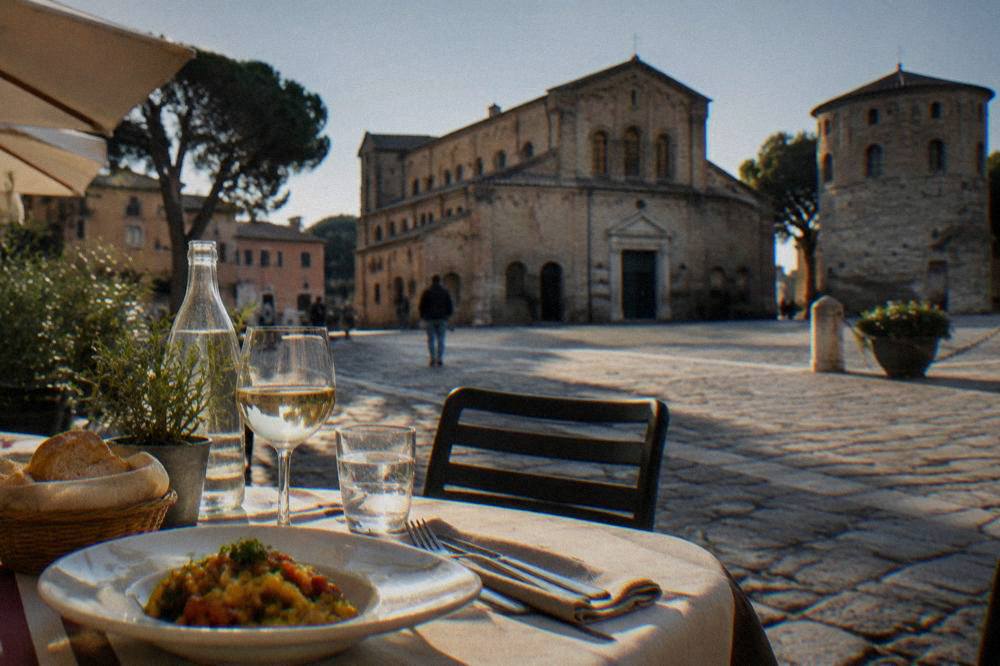
Build the day around the monument hours. In summer schedule, to 2 November 2026, the Ravenna Mosaici sites open 9:00 to 19:00; in winter, from 3 November, they open 10:00 to 17:00, with last admissions earlier. Galla Placidia and the Neonian Baptistery use mandatory timed entry with stays of a few minutes each, so the combo ticket's booking system sets the rhythm of the morning, and the walk between monuments fills the gaps. The Ravenna mosaics guide and the UNESCO sites overview map the sequence.
Sant'Apollinare in Classe, the one UNESCO monument outside the centre, is the one place a same-day drive makes sense: the basilica opens Monday to Saturday 8:30 to 19:00 and Sunday 13:30 to 19:00, the Classis Ravenna museum next to it opens daily 10:00 to 17:00, and both sit in the Classe area reachable by car or bus. Fit it before or after the centre, not between monuments.
Common Questions About Ravenna Parking And The ZTL
Can I drive into Ravenna's historic centre?
Only with authorisation. The centre is a camera-enforced ZTL: some gates apply 7:30 to 20:30, others 24 hours. A daily permit for vehicles up to 5 tonnes can be bought at the 24-hour parcometers, at about EUR 8, and hotels inside the zone can register guest plates.
How much does parking cost in Ravenna?
Street and car park tariffs are set by the municipality and are not carried on this page, so check the posted signs at the space. The one figure the official pages support is the ZTL daily permit, about EUR 8 at a parcometro. Confirm current tariffs on arrival.
Is Ravenna walkable without a car?
Yes. The historic centre is compact and flat, the station is a short walk from it, and the five central combo-ticket monuments cluster within easy walking distance. Only Sant'Apollinare in Classe, out in the Classe area, needs a bus, a bike or a car.
Where do I park for the Ravenna cruise terminal?
The terminal is at Porto Corsini, about 15 km from the centre, and the Visit Ravenna shuttle runs from the centre and the station in about 30 minutes on the dates its page lists, so cruise passengers can park in Ravenna and shuttle out rather than drive to the port.
Are there winter driving restrictions in Ravenna?
Local coverage reports a seasonal anti-smog regime running roughly 1 October to 31 March, Monday to Friday 08:30 to 18:30, with emission limits by fuel and Euro class and scheduled ecological Sundays. Drivers of older petrol or diesel cars should check the municipal notices before a winter trip.
Do I need a car for the Ravenna beaches?
No. Marina di Ravenna, Punta Marina, Lido Adriano, Lido di Classe and Lido di Savio are served by Start Romagna buses from the station, covering about 35 km of coast. A car helps mainly for reaching quiet stretches at odd hours; the site's Ravenna beaches guide has the detail.
The short version of Ravenna parking is that the city has already solved the problem for you: park at the ring, register with your hotel if you are inside it, and let your legs, the buses and the trains carry the rest. The cameras do not negotiate, the centre does not need them to, and the mosaics are closer together than any two parking spaces you would move a car between.