How To Get To Ravenna
Ravenna sits inland on the flat Po plain of Emilia-Romagna, reached by regional train, by car from the A14, or by shuttle from the Porto Corsini cruise terminal, and every option is explained here with the figures the official pages give.
Short answer
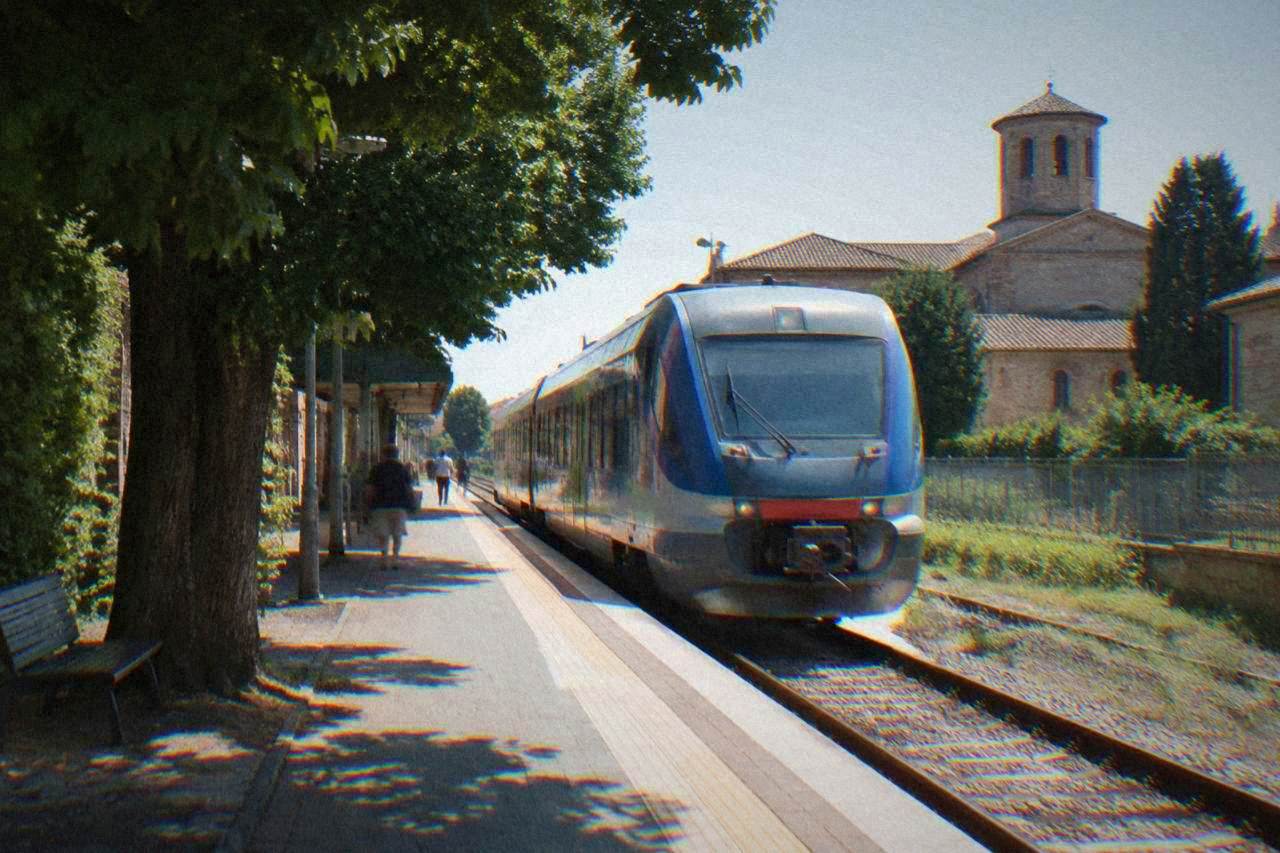
The regional rail network is the simplest way in: direct trains link Ravenna with Bologna Centrale in about an hour to an hour 20, and Bologna airport connects through Bologna Centrale in about 2 to 2.5 hours door to door. Drivers follow the A14 and must respect the camera-enforced ZTL in the historic centre.
Ravenna is an inland city on the flat Po plain of Emilia-Romagna, about 8 km from the Adriatic coast, and almost every arrival route funnels through two doors: the railway station on the edge of the historic centre, or the road network that ends at the ring of boulevards around it. The city has no airport of its own, no motorway junction inside the centre, and a camera-enforced limited traffic zone that catches drivers who guess. This page sets out each way in, with the hours, distances and rules that the official pages state, so the journey can be planned around what is actually printed rather than around guesswork.
How Do You Get To Ravenna By Train?
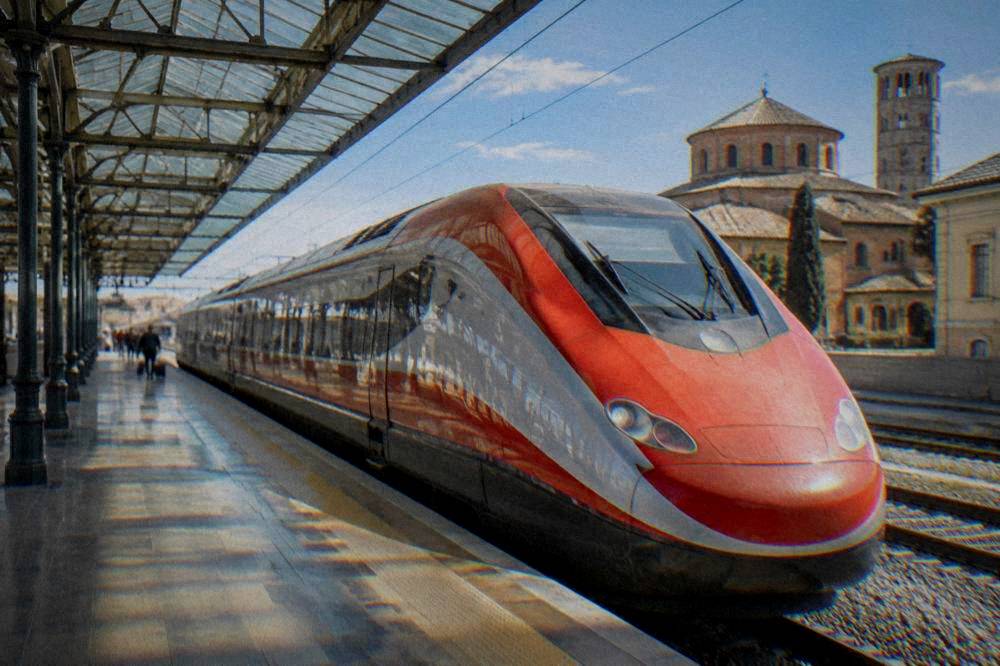
Ravenna is a terminus station on the regional network, reached by direct regional trains from Bologna Centrale in about an hour to an hour 20 over about 84 km, with connections onward from Bologna to the national high-speed network. The station sits a short walk from the historic centre, which is small and flat, so arriving by rail usually means arriving already inside walking distance of the mosaics.
That is the core of it. Ravenna's station is a regional hub rather than a high-speed stop, so long-distance travellers change at Bologna Centrale, which the regional timetable serves directly. The regional rail timetable gives the Ravenna to Bologna route via Castelbolognese, and the fastest trains cover it in roughly 57 to 60 minutes, with typical journeys running to about an hour 20. Train fares for the route are held on the operator's own pages, and the live figure is shown at booking.
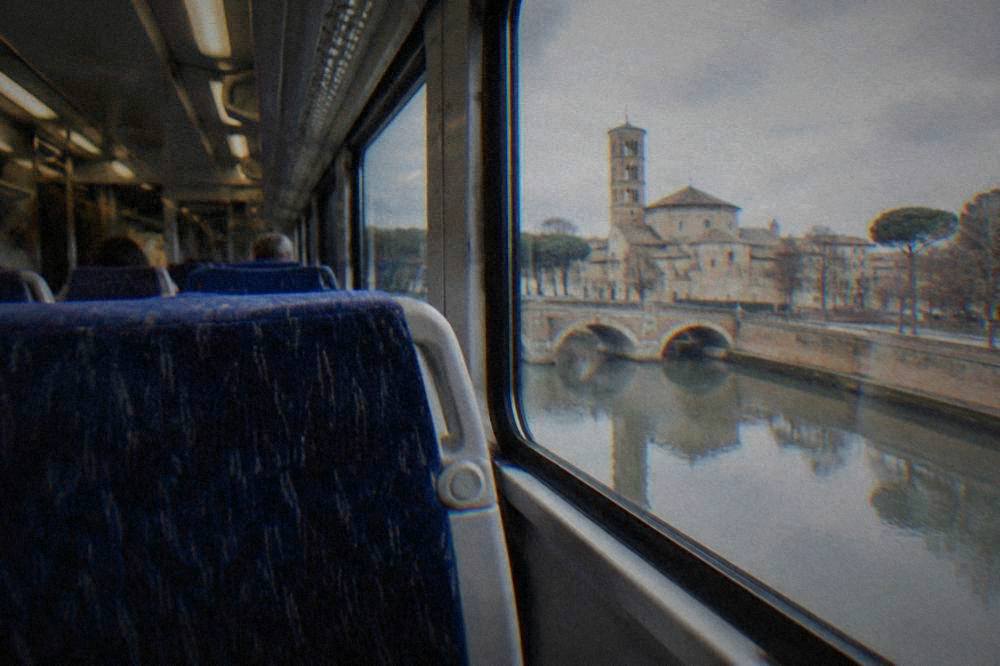
Rimini is the other useful rail anchor for the coast. The regional timetable gives a direct Ravenna to Rimini link of roughly 42 to 58 minutes, which is how beach-staying visitors and cruise-independent travellers move between the Adriatic strip and the mosaics. From Rimini the line continues down the coast toward the south.
| Route | Type | Typical time | Notes from the timetable |
|---|---|---|---|
| Ravenna to Bologna Centrale | Direct regional via Castelbolognese | about 1 hour to 1 hour 20 | About 84 km; fastest trains around 57 to 60 minutes |
| Ravenna to Rimini | Direct regional | about 42 to 58 minutes | Coastal line, serves the Adriatic strip |
| Ravenna to Ferrara | Regional, change may be needed | shown on the regional timetable | Connects toward Padua and Venice routes |
| Ravenna to Faenza | Direct regional | shown on the regional timetable | Short hop on the same Bologna corridor |
Two practical points from the timetable pages. First, regional trains in Italy do not sell out in the way long-distance services can, but seat reservations do not exist on them either, so a busy summer Sunday means standing room. Second, the station building opens onto Viale Farini, and the walk from the platform to the edge of the UNESCO zone passes shops and bars, all on the flat. The Bologna To Ravenna guide works through that corridor in more detail, including the return timings.
For anyone assembling a first itinerary, the station position matters as much as the trains: the eight monuments are strung through a compact centre, and the Ravenna UNESCO Sites page maps which ones cluster together. A rail arrival puts a visitor at the edge of that cluster within minutes of stepping off the train.
What Is The Best Route From Bologna Airport To Ravenna?
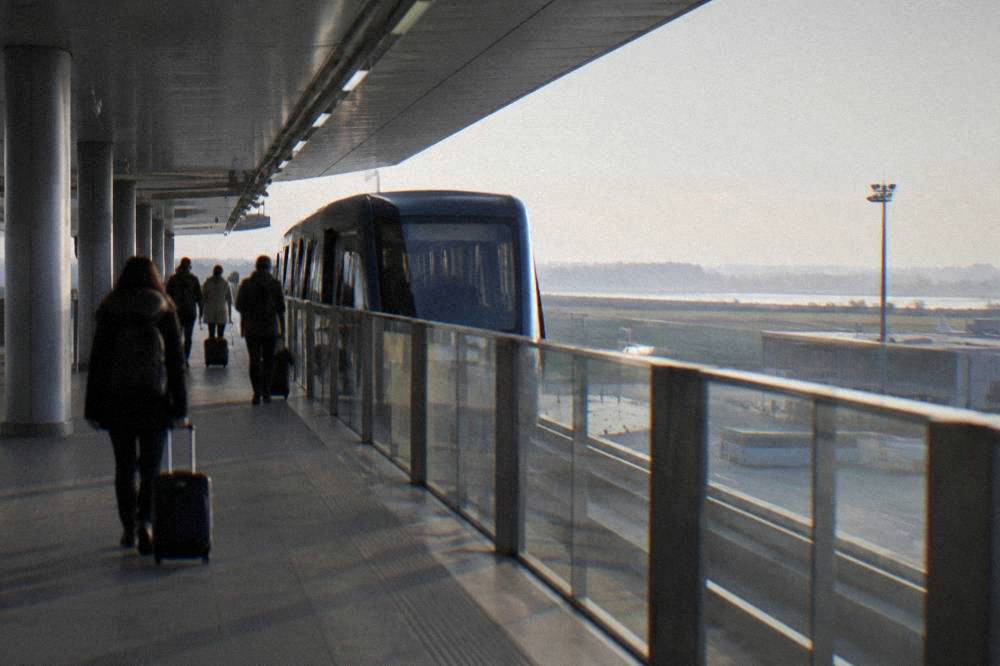
Bologna airport (BLQ) has no direct bus to Ravenna listed on its own transfer page, so the route is the Marconi Express people mover to Bologna Centrale, then a regional train to Ravenna, about 2 to 2.5 hours door to door. The Marconi Express runs daily from 05:40 to midnight with a night bus substitute in the small hours, and the train connection is the same direct regional service described above.
That figure, about 2 to 2.5 hours, is the honest planning number for the whole airport-to-mosaic journey, and it holds only if the train connection is made without a long wait. The Marconi Express covers the airport-to-Centrale leg with departures up to eight an hour at peak times, so the people mover is rarely the bottleneck; the wait at Bologna Centrale for the next Ravenna regional is what stretches the total.
If you would rather ride straight to your door, book a private airport transfer here.
| Step | Leg | What the official pages state |
|---|---|---|
| 1 | Bologna airport to Bologna Centrale | Marconi Express, daily 05:40 to midnight, night bus Q from 00:00 to 05:40 |
| 2 | Bologna Centrale to Ravenna | Direct regional train, about 1 hour to 1 hour 20 |
| 3 | Ravenna station to the historic centre | A short walk on flat ground |
| Total | Door to door | About 2 to 2.5 hours (GROK-sourced planning figure) |
The Bologna Airport To Ravenna page carries the fuller step-by-step, including what to do with luggage and tickets.
One planning note that belongs here rather than in any brochure: arriving by air into Bologna means passing through a Schengen-country airport, and the entry system is changing. EES, the electronic border registration scheme, is fully operational from 10 April 2026, while ETIAS, the travel authorisation for visa-exempt visitors, is not yet live and has no fixed start date. Anyone planning a 2027 trip should check the current status before flying, since these systems move on their own schedule.
Can You Drive To Ravenna, And How Does The ZTL Work?
Yes, Ravenna is reachable by car from the A14 motorway and the surrounding provincial roads, but the historic centre is protected by a camera-enforced ZTL: some gates are active 7:30 to 20:30 and others 24 hours, and a daily permit costs about EUR 8 from the 24-hour parcometers, while hotels can issue a guest authorisation. Ignoring the cameras is what turns a cheap arrival into a fine.
The Visit Ravenna ZTL page spells out the mechanics. The zone is enforced by cameras at named gates: Via Mariani, Via Guerrini and Via Matteucci operate in the 7:30 to 20:30 band, while gates in the Via Ponte Marino area run 24 hours. Permits for vehicles up to 5 tonnes are bought at the parcometers, which are themselves available around the clock, and accommodation providers inside the zone can register a guest's plate for the stay. The fine amount is held on the municipal page.
| ZTL detail | What the municipal page states |
|---|---|
| Enforcement | Camera-based at named gates |
| Gate hours, one group | 7:30 to 20:30 (Via Mariani, Via Guerrini, Via Matteucci) |
| Gate hours, second group | 24 hours (Via Ponte Marino area) |
| Daily permit | About EUR 8, from 24-hour parcometers, vehicles up to 5 t |
| Hotel guests | Hotels can issue a special authorisation |
Beyond the ZTL, drivers should know what Ravenna is not: it is not a coastal city, and the sat-nav route to the centre never crosses the seafront. The beach resorts, Marina di Ravenna, Punta Marina, Lido Adriano, Lido di Classe and Lido di Savio, are 8 km or more away along about 35 km of coast, and reaching them is a separate drive or a Start Romagna bus from the station. The tariff boards at each car park carry the live figures.
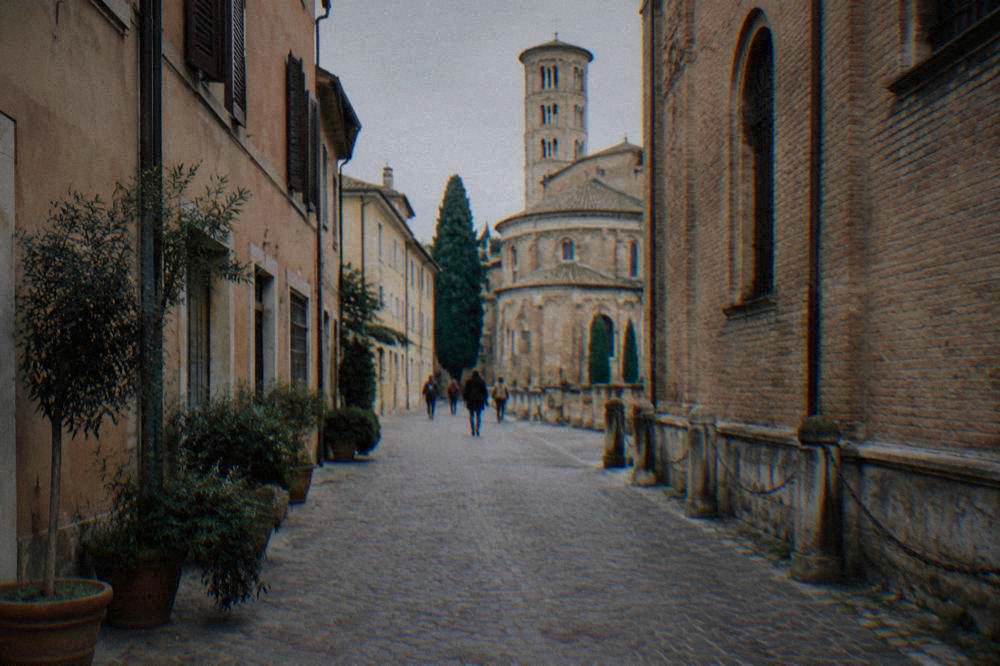
For visitors who want a car for one purpose, the coast, there is a halfway option: arrive by train, stay in the centre, and book a day tour that handles the driving. One such product links the city's history with a beach lunch, and Check availability on the operator's live listing to see the current itinerary. The same logic applies to the lidos, which the Ravenna Beaches guide covers stop by stop.
How Do You Reach Ravenna From Venice, Florence Or Rimini?
From Venice and Florence the standard route is a train to Bologna Centrale, then the direct regional to Ravenna; from Rimini a direct regional train runs in roughly 42 to 58 minutes along the coast. None of these cities has a through high-speed service to Ravenna, so Bologna is the exchange point for anything arriving from the north or west, and the Rimini line is the one direct coastal link.
The asymmetry is worth understanding before booking anything. Florence and Venice sit on high-speed corridors that bypass Ravenna entirely, so the journey is always in two parts: a fast leg to Bologna, then the regional hop. Rimini, by contrast, is on Ravenna's own coastal regional line, which is why the Ravenna to Rimini timing is short and the service direct. The regional timetable gives these figures, and fares are shown at booking. More of these guides are collected on Ravenna Travel Guide.
| Origin | Route shape | What the timetable gives |
|---|---|---|
| Venice | High-speed to Bologna, then regional to Ravenna | Two legs, exchange at Bologna Centrale |
| Florence | High-speed to Bologna, then regional to Ravenna | Two legs, exchange at Bologna Centrale |
| Rimini | Direct regional on the coastal line | About 42 to 58 minutes |
| Bologna airport | Marconi Express plus regional train | About 2 to 2.5 hours door to door |
The dedicated pages carry the detail for each: Venice To Ravenna, Florence To Ravenna and Rimini To Ravenna. Cruise passengers with a Venice-bound day should also read Ravenna Cruise Port To Venice, since that journey is usually run as an organised excursion rather than as an independent rail trip, given the port's position outside the city.
How Do Cruise Passengers Get From Porto Corsini To Ravenna?
The cruise terminal at Porto Corsini is about 15 km from Ravenna's centre, and the Visit Ravenna shuttle runs from the centre and from a pick-up 300 m from the station, taking about 30 minutes; in the 2026 page the shuttle operates 3 May to 26 October. The port logged 111 calls and about 390,000 passengers planned for 2026, and a new terminal with room for two ships at once is reported for inauguration in spring 2027.
That shuttle is the practical answer for anyone disembarking independently. The Visit Ravenna page gives the route, the pick-up points and the about-30-minute running time, and the seasonal window in the 2026 page runs 3 May to 26 October. Cruise passengers arriving outside that window, or preferring a guide to meet them, can book an excursion that starts at the port; the Ravenna Cruise Port page compares the options, and a shorter Cruise Port Day plan exists for a single ashore day.
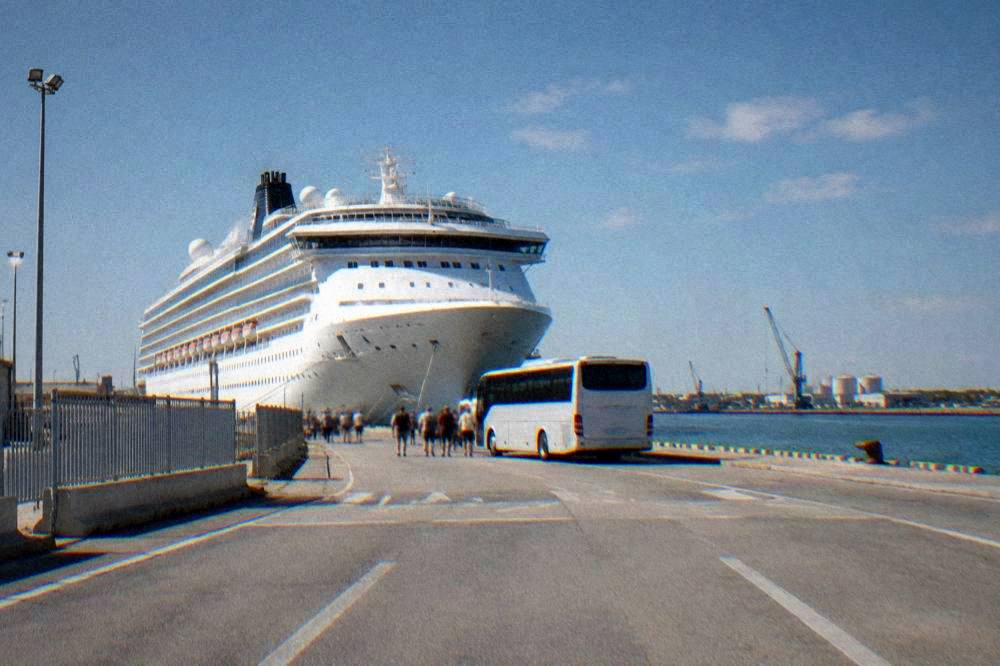
The terminal story has one moving part. The new Porto Corsini building, sized for about 7,000 passengers and two simultaneous ships, was first pencilled in for earlier in 2026, but reporting from October 2026 places its inauguration in spring 2027, with the current terminal handling the 2026 season. Nothing about this changes a passenger's day: whichever building the ship berths at, the distance to the centre and the shuttle remain the operative facts.
| Cruise fact | Figure | Source note |
|---|---|---|
| Terminal distance from centre | About 15 km | Visit Ravenna page |
| Shuttle running time | About 30 minutes | Visit Ravenna page |
| Shuttle season, 2026 page | 3 May to 26 October | Visit Ravenna page |
| 2026 calls | 111 planned | GROK, port reporting |
| 2026 passengers | About 390,000 planned | GROK, port reporting |
| New terminal | Spring 2027 inauguration reported | GROK, October 2026 reporting |
Do You Need A Car Once You Are In Ravenna?
No: the historic centre is small, flat and walkable, the station is a short walk from it, and the beaches 8 km or more away are served by Start Romagna buses from the station, so a car is only worth having for the lidos, the Po Delta or a multi-stop day trip. The winter bus timetable runs from 15 September 2026 to about 6 June 2027, and city Line 1 is fully free across that whole period.
That Line 1 detail comes from the municipal transport press pages: the line is free every day from first to last run for the entire winter period, and the operator reported a 25 percent rise in passengers in the first fortnight of the new timetable.
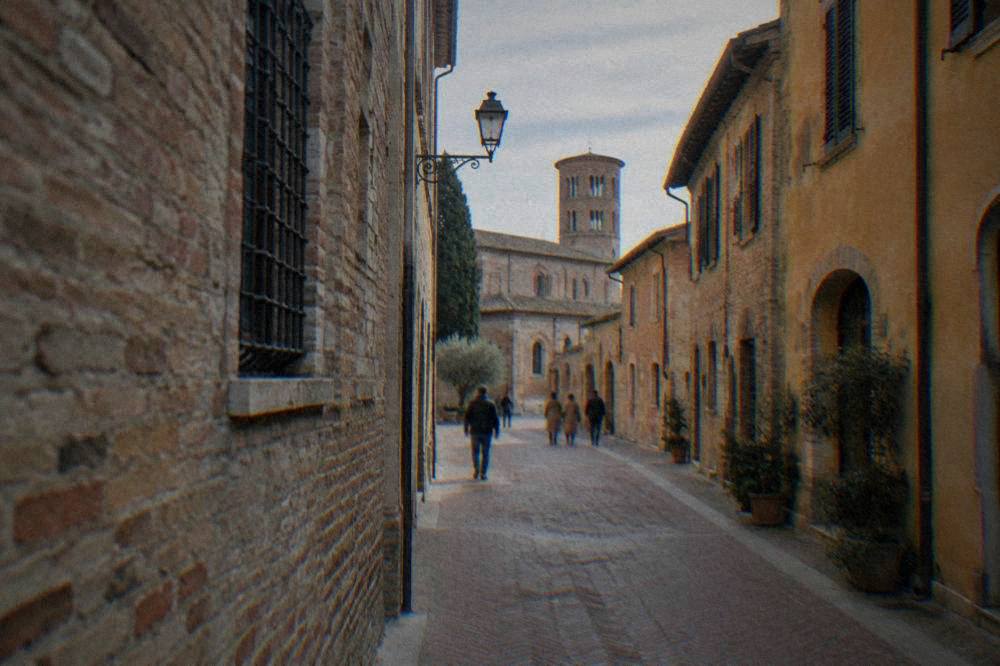
For the coast, the bus is the default. Marina di Ravenna, Punta Marina and the other lidos are strung along about 35 km of shoreline, and the Start Romagna network reaches them from the station forecourt with the winter booklet covering the 2026 to 2027 season. Cyclists have an easier time here than in most Italian cities, because the terrain is pancake-flat and the pinewoods toward Classe and the sea are laced with paths; no bike-rental price or operator is named here, so ask at your accommodation for the current options.
When Is The Smoothest Time Of Year To Arrive In Ravenna?
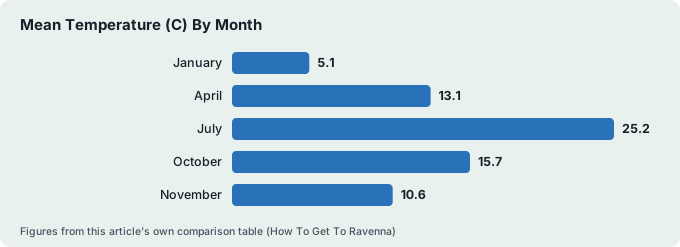
The climate table gives July as the driest month at 38.1 mm of rain against November's 78.3 mm as the wettest, with July also the warmest at a 25.2 C mean and January the coldest at 5.1 C, all from modelled 1991 to 2020 normals, so late spring and early autumn combine workable weather with the long 9:00 to 19:00 monument hours that run to 2 November 2026.
The hours matter as much as the rain. The Ravenna Mosaici page runs the summer schedule, 9:00 to 19:00, from 8 March to 2 November 2026, then switches to winter hours of 10:00 to 17:00 from 3 November 2026 to 6 March 2027, with the sites closed on 25 December and 1 January. A November arrival therefore trades the wettest month for shorter queues and shorter days; a July arrival trades heat for the driest month on the table.
| Month | Mean temperature (C) | Precipitation (mm) |
|---|---|---|
| January | 5.1 | 43.8 |
| April | 13.1 | 66.0 |
| July | 25.2 | 38.1 |
| October | 15.7 | 66.0 |
| November | 10.6 | 78.3 |
The Best Time To Visit Ravenna and Ravenna Weather pages expand on this, and the How Many Days In Ravenna page helps once the arrival is fixed. Travellers arriving between October 2026 and March 2027 should also note the seasonal ZTL arrangements: the winter air-quality measures in Emilia-Romagna run approximately 1 October to 31 March, with centre gates active on weekdays and emission limits by fuel type, so a diesel or older petrol car can face restrictions that a summer visitor never sees.
Common Questions About Getting To Ravenna
Does Ravenna have its own airport?
No. Ravenna has no commercial airport, and the standard arrival point is Bologna airport (BLQ), followed by the Marconi Express to Bologna Centrale and a direct regional train to Ravenna, about 2 to 2.5 hours door to door.
How far is Ravenna from Bologna?
About 84 km by direct regional train, with fastest journeys of roughly 57 to 60 minutes and typical times of about 1 hour to 1 hour 20. The fare is shown at booking on the operator's pages.
Is Ravenna a coastal city?
No. The historic centre is inland, about 8 km from the Adriatic. The beach resorts of Marina di Ravenna, Punta Marina, Lido Adriano, Lido di Classe and Lido di Savio are reached by Start Romagna bus, bike or car.
Can you drive into Ravenna's centre?
Only within the rules of the camera-enforced ZTL: some gates run 7:30 to 20:30 and others 24 hours, a daily permit costs about EUR 8 at the 24-hour parcometers, and hotels can authorise guests. Otherwise park outside the zone and walk in.
How do cruise passengers reach the centre from the port?
The Porto Corsini terminal is about 15 km out, and the Visit Ravenna shuttle runs about 30 minutes from the centre and from a stop 300 m from the station, with the 2026 page covering 3 May to 26 October.
Do you need a car for the Ravenna beaches?
No. Start Romagna buses run to the lidos from the station, and city Line 1 is free all day across the current winter timetable period. A car helps mainly for the Po Delta or a multi-stop day trip.
However the journey is built, the shape that keeps repeating is simple: land at Bologna, ride the people mover to Centrale, take the regional train, and walk in from the station. Once the mosaics are done, the same station hands the day back to the coast, to Rimini, or back to Bologna for the flight home, and a well-planned arrival on things to do in Ravenna starts with the train times rather than the motorway.