Ravenna Weather
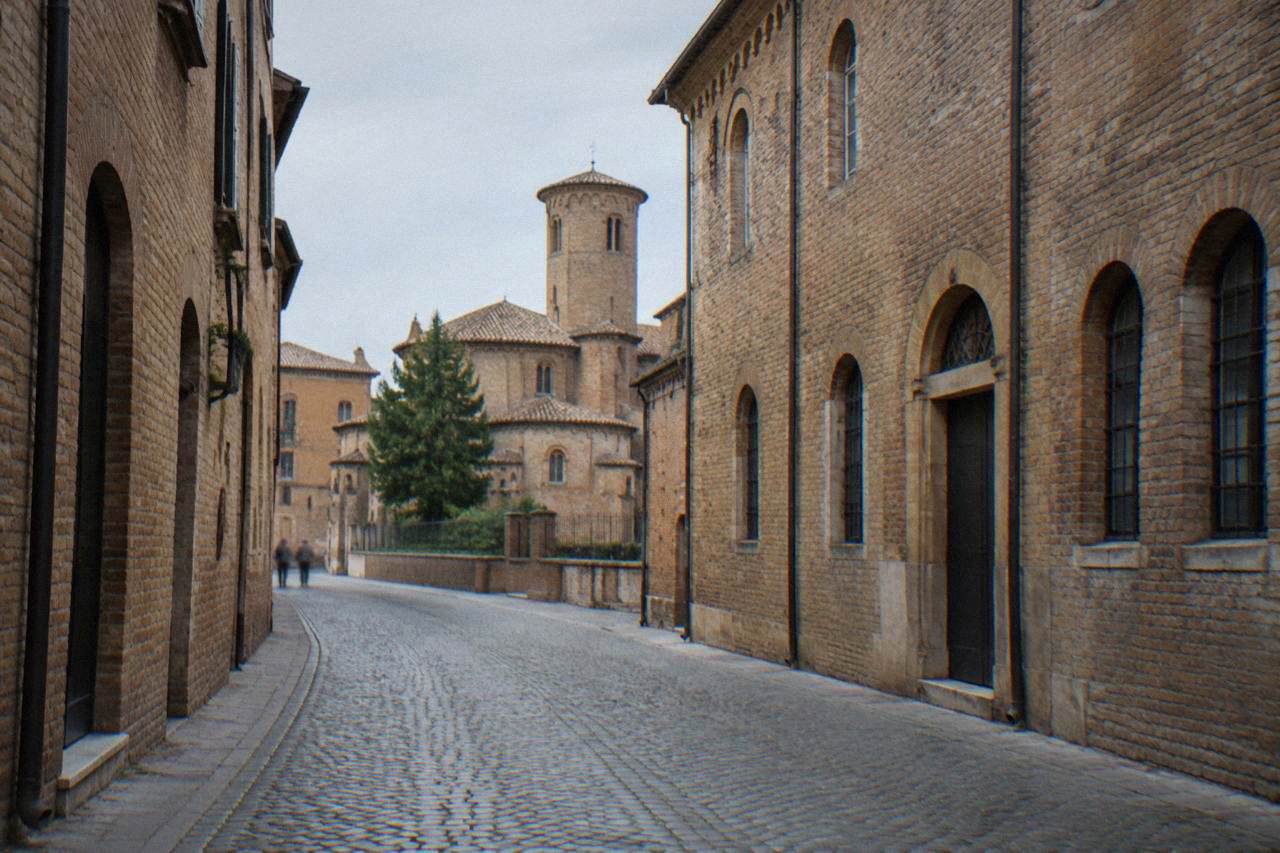
Ravenna sits on the flat Po plain of Emilia-Romagna, a few kilometres inland from the Adriatic coast, and its weather follows the classic rhythm of northern Italy's east: hot, humid summers, cold and often foggy winters, and mild shoulder seasons that suit walking. This guide explains what each season feels like, how the seasons change monument hours, and what to do when the sky turns grey.
Short answer
Ravenna has a humid subtropical Po-valley climate: hot, muggy summers, cold, damp and often foggy winters, and mild springs and autumns. The mosaic monuments move to shorter winter hours from 3 November 2026, so the shoulder seasons are the comfortable windows for a walking visit.
Ravenna is an inland city on the flat Po plain of Emilia-Romagna, about 8 km from the Adriatic coast, and its weather is the weather of the plain rather than the beach: hot, humid air in summer, cold, damp and frequently foggy conditions in winter, and long mild spells in spring and autumn. The historic centre is compact and walkable, which makes the forecast matter more here than in a city you cross by metro. Everything in this guide comes from what official pages and published schedules state, and where a live figure sits on an operator's or official page, this guide points you there instead of printing it.
What Is The Weather Like In Ravenna Through The Year?
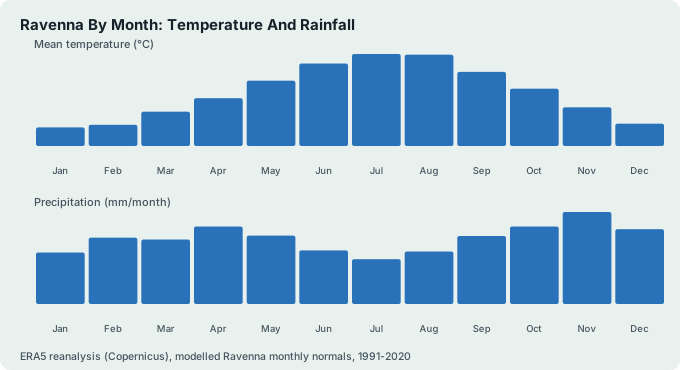
Ravenna has a flat Po-valley climate close to the Adriatic: hot and humid summers with temperatures often climbing well past 30 C, cold and damp winters when fog can settle over the plain for days, and mild, changeable springs and autumns in between. Rain falls in every season, with late autumn the greyest stretch. The city sits on low, level ground, so heat feels muggier and cold feels damper than the thermometer alone suggests.
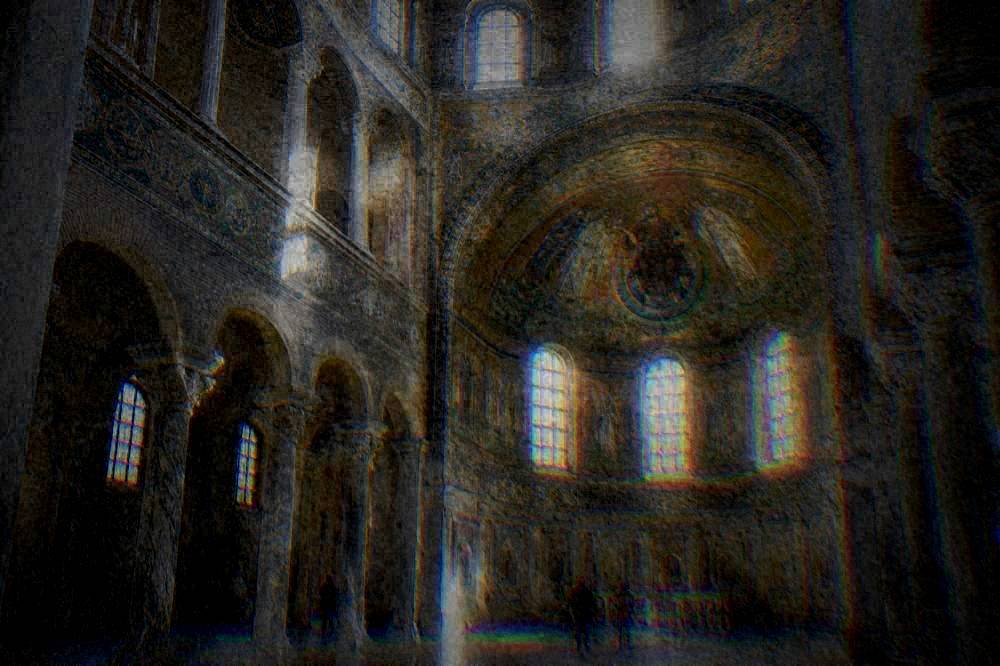
Spring arrives gradually. March can still feel raw, with grey skies and a chill in the air, but by late April and May the plain warms quickly, trees flower along the streets, and the light inside the mosaic monuments, lit by small windows and gold ground glass, takes on the warm tone the mosaic artists worked for. Summer is the season of heat and humidity: the Po plain holds moisture, so even a modest forecast temperature can feel heavy by early afternoon, and locals shift their day toward mornings and evenings. Autumn cools in stages, September often staying pleasantly warm, October turning crisp, and November settling into the grey, wet stretch that northern Italy knows well. Winter brings the plain's signature fog: mornings when visibility drops and the brick facades of the centre appear out of a white haze, conditions that usually lift by midday but sometimes hold all day.
Because the centre is flat and pedestrian, none of this is hostile weather. It simply rewards planning, and the seasons change the rhythm of the monuments, the beaches and the events. The rest of this guide works through what each season means in practice.
When Is The Best Time To Visit Ravenna For Comfortable Weather?
Late April to early June and September to early October are the comfortable windows: mild daytime temperatures, long daylight, and the mosaic monuments on their long summer opening schedule, 9:00 to 19:00 from 8 March to 2 November 2026 according to the Ravenna Mosaici entrance page. Spring brings the season's green edges and smaller crowds, while early autumn carries summer warmth with less humidity.
Shoulder-season visitors get two practical advantages beyond comfort. First, the summer opening hours, which the Ravenna Mosaici page states run to 2 November 2026, give late-afternoon entries when day-trippers have gone and the light through the windows of San Vitale turns the gold ground glass almost liquid. Second, the combined ticket is valid one week with one admission per monument, as the terms of purchase page states, so a mild-weather stay can spread the eight UNESCO sites across several days rather than rushing them into one.
| Season | Months | What the weather typically does | Best suited to |
|---|---|---|---|
| Spring | March to May | Warming in stages, changeable skies, occasional rain | Mosaic walking, day trips, garden-edge strolls |
| Summer | June to August | Hot and humid, strong afternoon heat, mainly dry | Early monument entries, beach days on the coast |
| Autumn | September to November | Warm start, cooling fast, grey and wet by November | Mosaics, food tours, autumn festival events |
| Winter | December to February | Cold, damp, frequent fog, shorter days | Museums, indoor mosaics, low-season quiet |
The one date that matters more than any forecast detail: winter hours begin 3 November 2026, when the Ravenna Mosaici page lists all the central monuments at 10:00 to 17:00, with last admission at 16:30 for San Vitale, Sant'Apollinare Nuovo and the Archiepiscopal Museum, and 16:45 for the Mausoleum of Galla Placidia and the Neonian Baptistery. Plan a November or February trip around those shorter windows. For a broader discussion of timing, see the best time to visit Ravenna guide, and for how long a visit needs, how many days in Ravenna.
Weather also shapes which guided experiences make sense. On a warm, clear shoulder-season day, a private day tour that pairs the city's history with lunch on the coast is the kind of plan the forecast can make or break, so it belongs to the mild months.
Does Rain Spoil A Ravenna Trip?
Rain rarely spoils Ravenna, because the city's core attractions are interiors: the eight UNESCO mosaic monuments, Dante's tomb, the museums and the covered arcades around Piazza del Popolo all sit indoors within a short walk of each other. The Ravenna Mosaici combo ticket covers five central monuments on one purchase valid one week, so a wet day can simply become the mosaic day.
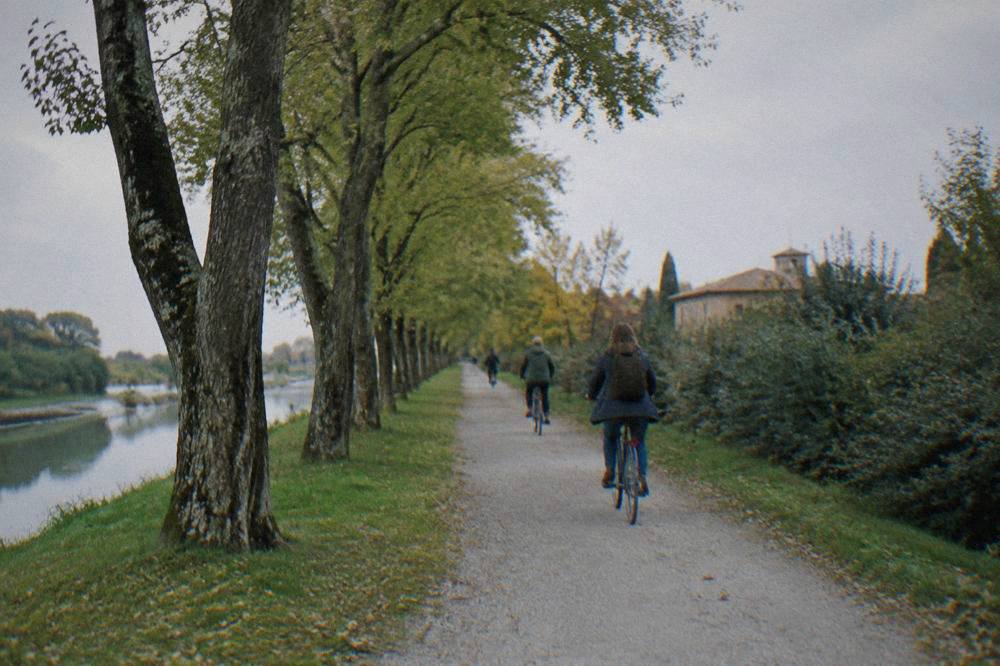
The practical point about rain in Ravenna is distribution across the year rather than any single month. Late autumn and winter bring the grey, wet stretches typical of the Po plain, with rain arriving in multi-day cloudy spells rather than sudden summer downpours. Summer rain, when it comes, tends to be brief and thundery, clearing to humidity. What the seasons never do is close the mosaics: the monuments run daily, closing only on 25 December and 1 January per the official page.
A wet-day plan almost writes itself. The 5-monument combo adds the Archiepiscopal Museum and Chapel of St Andrew to Sant'Apollinare Nuovo, San Vitale, Galla Placidia and the Neonian Baptistery, all within level walking distance. Dante's tomb is free, open 10:00 to 18:00 from November to March and 10:00 to 19:00 from April to October per the municipal page, and the Museo Dante beside it charges EUR 5, EUR 3.50 reduced, per the Vivadante box-office page. The Classis Ravenna museum in the Classe area, EUR 8 full and EUR 6 reduced, is an all-weather option reached by a short bus or car ride. There is a fuller wet-day itinerary in the site's guide to Ravenna mosaics and the overview at things to do in Ravenna.
How Hot Does Ravenna Get In Summer, And What Does That Mean For Planning?
Summer in Ravenna is hot and humid, the classic Po-plain pattern, with daytime temperatures regularly above 30 C and humidity that makes the middle of the day heavy. The sensible summer shape is early mornings at the monuments, long shaded lunches, and evenings outdoors, and the beaches at Marina di Ravenna and the other lidi, reached by Start Romagna bus from the station, sit about 8 km away on the coast.
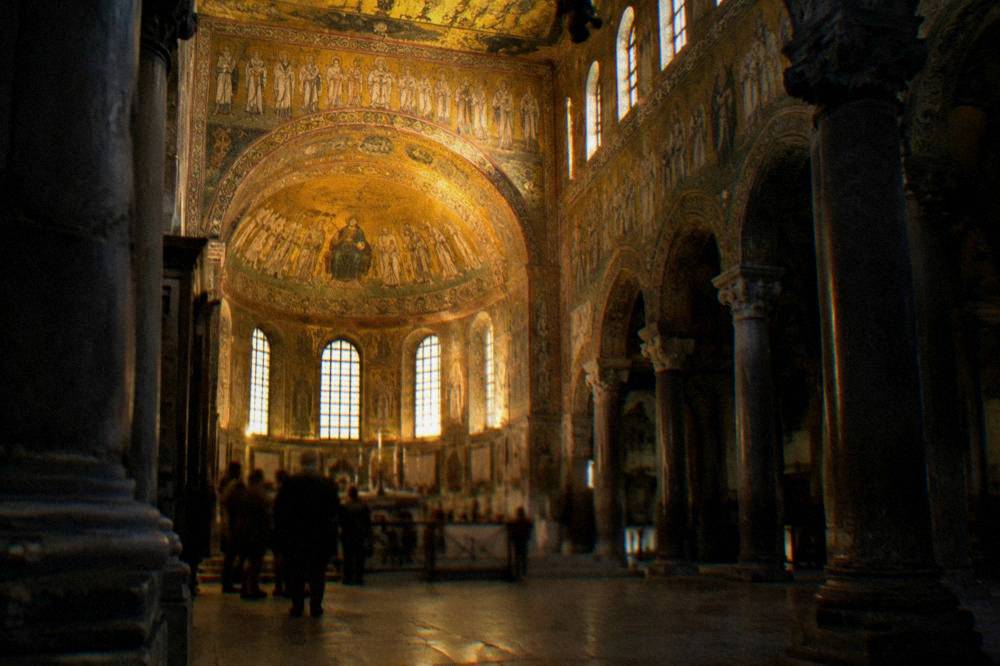
The summer opening schedule helps. The Ravenna Mosaici page lists 9:00 to 19:00 for the central monuments in the summer period running to 2 November 2026, with last admission 30 minutes before closing, so an entry near 9:00 beats both the heat and the crowds, and a 17:00 entry catches softer light. Two monuments need particular attention in summer planning: the Mausoleum of Galla Placidia and the Neonian Baptistery use mandatory timed entry with short stays of a few minutes, as the ticket page states, so they slot neatly into the cooler margins of the day.
Afternoons in summer belong to shade and water. The municipal tourism pages describe the coast resorts strung along about 35 km of shoreline, all served by Start Romagna buses from the station area, and summer is also the season of evening life in the centre, when Piazza del Popolo fills after the heat breaks. Note one seasonal fact for late-summer planning: Mirabilandia's 2026 season ends on Sunday 1 November, with autumn openings on weekends only, so an amusement-park day belongs to the summer or early-autumn calendar. More on the shoreline is in the Ravenna beaches guide.
For those using the summer for a coastal-and-history combination, the private history-and-beach-lunch day tour from Ravenna is built exactly for warm-weather months.
What Is Ravenna Weather Like In Winter, And Is It Worth Going?
Winter in Ravenna is cold, damp and often foggy, typical of the Po plain, with the historic centre quiet and the monuments on short hours, 10:00 to 17:00 from 3 November 2026 to 6 March 2027 per the official page. It is worth going for the low-season calm, free-entry sites such as Dante's tomb, and the chance to stand almost alone in front of the mosaics, provided you dress for damp cold rather than Alpine crispness.
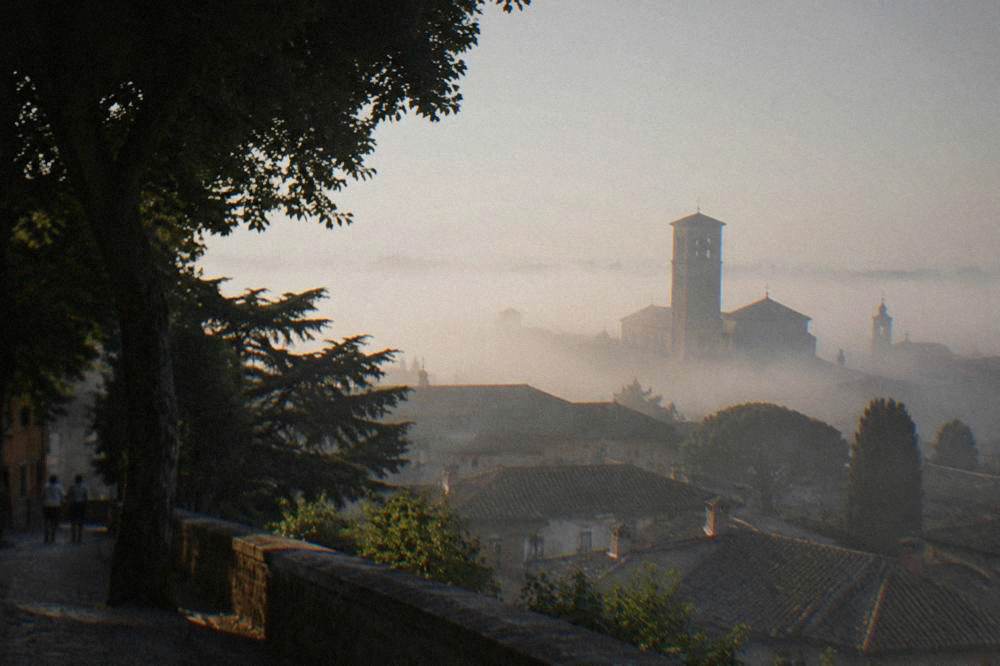
Fog is the defining winter feature of the plain. It is thickest at dawn and often burns off by late morning, which argues for a late start at the monuments and a walk afterwards. The winter hours concentrate sightseeing: with last admission at 16:30 for the main central sites, a winter day realistically holds three or four monuments plus a long lunch. The Ravenna Mosaici terms page notes the combo is valid one week with an entry time booked per monument, so a winter week can pace itself. The rest of the planning pages sit on Ravenna Travel Guide.
Winter also carries the calendar's indoor pleasures. The Teatro Alighieri hosts the Ravenna Festival's autumn trilogy, "Mozart 1791", on 13 to 17 November 2026, and the theatre's opera and dance season runs from December 2026 into spring. The MAR art museum, EUR 8 full and EUR 6 reduced per its ticket office, holds Tuesday to Sunday hours and closes Mondays, making it a reliable fog-day stop. The state museums and monuments are free on the first Sunday of the month, a winter bonus worth building a weekend around. For weighing the trade-offs, see is Ravenna worth visiting.
One more winter fact the municipal press releases state clearly: each autumn a sand barrier of 25,000 cubic metres is built along parts of the coast, at Punta Marina, Marina di Ravenna Sud and Lido di Savio, and it stays until spring 2027. Winter beach walks on those stretches meet a construction-scale dune, not an open shoreline.
How Do The Seasons Change Monument Opening Hours In Ravenna?
The Ravenna Mosaici page splits the year in two: summer hours, 9:00 to 19:00, run from 8 March to 2 November 2026, and winter hours, 10:00 to 17:00, run from 3 November 2026 to 6 March 2027, with all central monuments closed only on 25 December and 1 January. Last admissions fall 30 minutes before closing, or slightly later for Galla Placidia and the Neonian Baptistery.
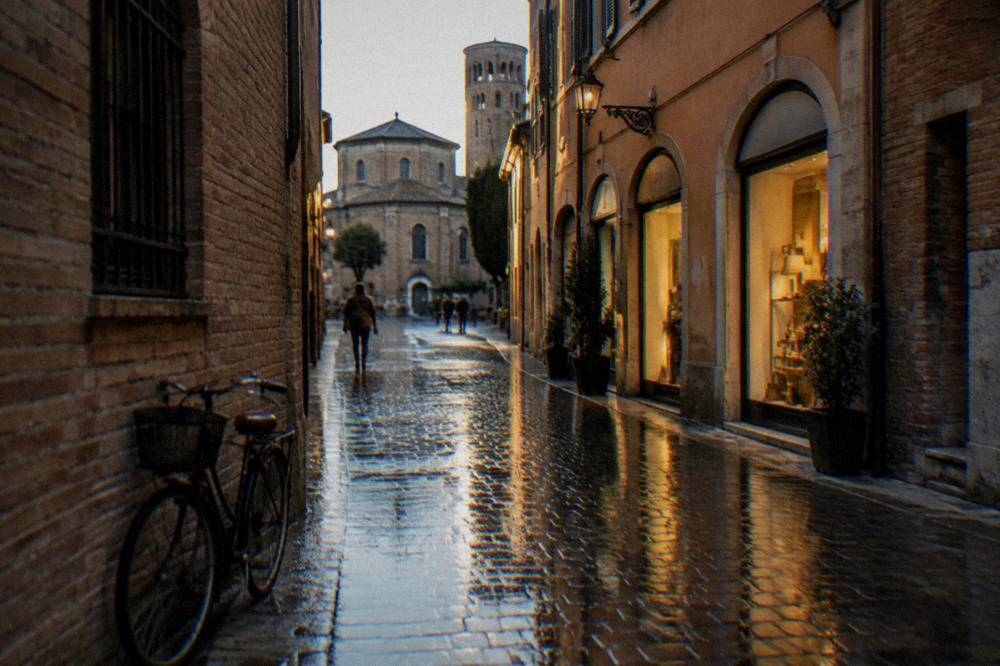
The two dates, 2 and 3 November, are the practical hinge of the Ravenna year for visitors. Before them, an October day holds eleven hours of monument access and evening light afterwards. After them, the day compresses, and the monuments that need timed entry, the Mausoleum of Galla Placidia and the Neonian Baptistery, must be booked into the shorter window. San Vitale admits visitors in slots, as the ticket page states, so winter visits there need a booked time too.
| Monument or site | Summer hours (to 2 Nov 2026) | Winter hours (3 Nov 2026 to 6 Mar 2027) | Ticket notes |
|---|---|---|---|
| San Vitale | 9:00 to 19:00 | 10:00 to 17:00 | In combo, slot admission |
| Mausoleum of Galla Placidia | 9:00 to 19:00 | 10:00 to 17:00 | In combo, timed entry, short stay |
| Neonian Baptistery | 9:00 to 19:00 | 10:00 to 17:00 | In combo, timed entry, short stay |
| Sant'Apollinare Nuovo | 9:00 to 19:00 | 10:00 to 17:00 | In combo |
| Archiepiscopal Museum and Chapel | 9:00 to 19:00 | 10:00 to 17:00 | In 5-monument combo |
| Sant'Apollinare in Classe | Mon to Sat 8:30 to 19:00, Sun 13:30 to 19:00 | Same schedule listed | EUR 6, EUR 2 reduced |
| Mausoleum of Theodoric | 8:30 to 17:30 daily | 8:30 to 17:30 daily | EUR 6, EUR 5 concession, EUR 2 ages 18 to 25 |
| Dante's tomb | 10:00 to 19:00 (Apr to Oct) | 10:00 to 18:00 (Nov to Mar) | Free |
The combo prices the official page prints are the reduced fares, from EUR 9.50 for the 2-monument ticket covering Sant'Apollinare Nuovo and San Vitale, EUR 11.50 for the 4-monument version adding Galla Placidia and the Neonian Baptistery, and EUR 13.50 for the 5-monument version adding the Archiepiscopal Museum and Chapel. Full fares are shown on the Ravenna Mosaici page at booking. Reduced rates apply to students, non-accredited journalists and paying groups over 20, and entry is free for children 0 to 10, Ravenna residents, ICOM members, licensed guides, and visitors with a disability plus companion, all per the official page. The full ticketing picture is in the Ravenna combo ticket guide.
What Should You Pack For Ravenna Weather?
Pack for the season and for damp rather than dry cold: in summer, light clothing, a sun hat and a refillable bottle for hot afternoons, and in winter, a warm layered jacket, a scarf and water-resistant shoes for fog and drizzle on cobbles. Shoulder seasons need layers and a compact umbrella, because a single spring or autumn day can move from sunshine to showers. Comfortable flat shoes matter year-round on the centre's paving.
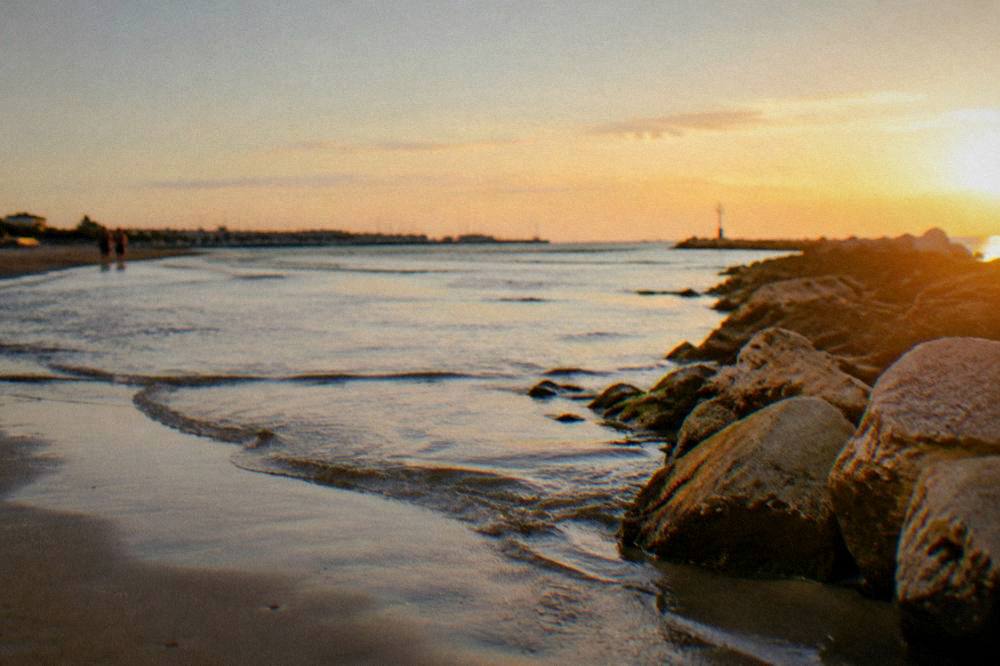
Two Ravenna-specific packing notes follow from the sightseeing itself. First, the timed-entry monuments, Galla Placidia and the Neonian Baptistery, allow only a few minutes inside, so there is no place for large bags in that rhythm; travel light on monument days. Second, several interiors are dim by design, the mosaics glowing against low light, so avoid heavy tinted lenses if you photograph, and give your eyes a moment to adjust at each threshold.
| Season | Clothing essentials | Extras worth carrying | Footwear |
|---|---|---|---|
| Spring (Mar to May) | Layers, light jacket | Compact umbrella | Comfortable flats |
| Summer (Jun to Aug) | Light, breathable clothing | Sun hat, water bottle, sunscreen | Sandals or breathable walkers |
| Autumn (Sep to Nov) | Layers, warm jacket by Nov | Umbrella, scarf | Water-resistant flats |
| Winter (Dec to Feb) | Warm coat, sweater, scarf, gloves | Tissues for fog-chilled walks | Warm, water-resistant shoes |
Visitors combining the city with the coast should remember the two wardrobes differ: a beach afternoon at Marina di Ravenna in July needs sun protection and swimwear, while the same day's monument morning in the centre still rewards covered shoulders, which several church sites appreciate as a matter of respect regardless of the thermometer.
What Can You Do In Ravenna When The Weather Turns?
When the weather turns, Ravenna answers with interiors: the five combo monuments, Dante's tomb and the Museo Dante, the MAR at EUR 8, the Classis Ravenna museum at EUR 8, and the National Museum at EUR 7, EUR 2 reduced, all reachable without leaving shelter for long. Food experiences, from piadina to gelato-making classes, fill the remaining hours, and the site's restaurant guide maps the indoor eating.
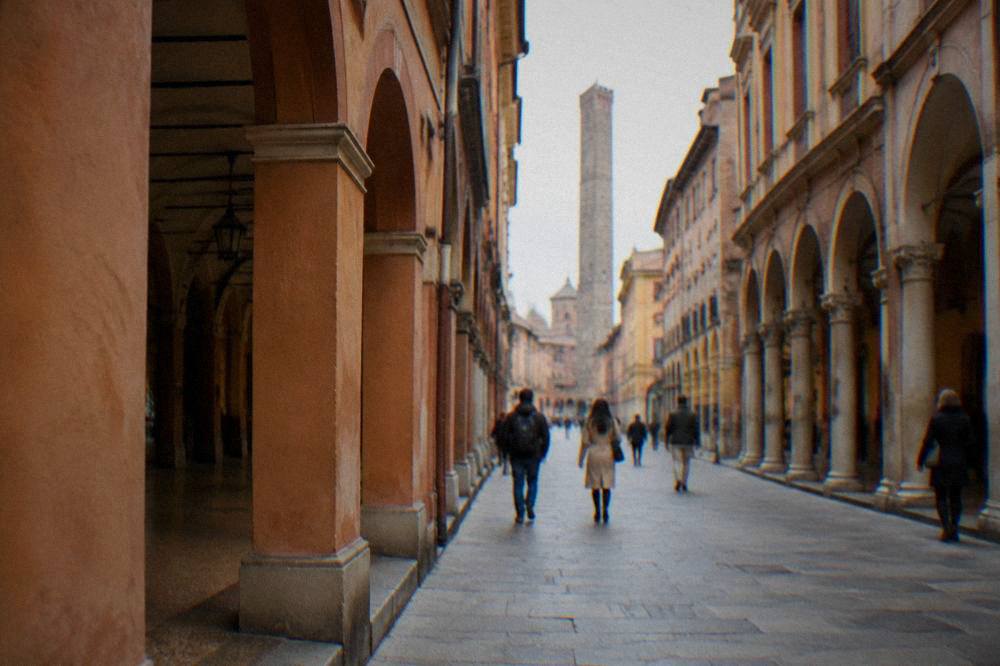
A grey-day structure works well when it alternates mosaics with food. The morning holds two or three central monuments on the combo, lunch runs long in a trattoria, and the afternoon takes a museum or a workshop, with the Ravenna restaurants guide pointing to the indoor options. The Museo Dante and the tomb sit together on one quiet street, so they pair naturally. The Classis Ravenna museum sits out at Classe beside Sant'Apollinare in Classe, which makes the two a single damp-day expedition by bus or car rather than two separate trips, and the museum also absorbed the collection of the former TAMO museum, which closed in 2023.
| Indoor option | Entry price | Hours basis | Weather role |
|---|---|---|---|
| Ravenna Mosaici 5-monument combo | From EUR 13.50 reduced | Daily, seasonal schedule | The core rain plan |
| Dante's tomb | Free | Daily except 25 Dec | Short, central, free |
| Museo Dante | EUR 5, EUR 3.50 reduced | Tue to Sun | Pairs with the tomb |
| MAR art museum | EUR 8, EUR 6 reduced | Tue to Sun | Central art stop |
| Classis Ravenna | EUR 8, EUR 6 reduced | Daily 10:00 to 17:00 | Half-day at Classe |
| National Museum | EUR 7, EUR 2 reduced | Closed Mondays | Central, near San Vitale |
Hands-on options stretch a wet afternoon further. A gelato-making class in a local gelateria is an indoor activity that children and adults both take to, and an e-bike tour between history and nature converts a dry grey day, when the pinewoods and wetlands are at their most atmospheric, into the day's highlight.
How Does Ravenna Weather Compare With Bologna And The Coast?
Ravenna's weather is close to Bologna's, both cities sharing the Po plain's hot summers and foggy winters, while the beach resorts 8 km and more east feel slightly more open and breezy in summer and rawer in winter winds. The practical difference is not the forecast but the plan: Ravenna rewards the same shoulder seasons as Bologna, and its coast is a warm-weather add-on reached by bus, not a year-round promenade.
The comparison matters for itinerary building. A spring or autumn trip that pairs the two cities by regional train, a journey of roughly 1 hour to 1 hour 20 on direct services over about 84 km, gets comfortable walking weather in both, and the Bologna to Ravenna guide covers the connection. In deep summer, the sensible split reverses: mornings in Ravenna's dim mosaic interiors, afternoons on the coast where the sea air takes the edge off the plain's humidity. In winter, the coast's sand barrier and shortened daylight argue for keeping the day in the centre, where the fog at least photographs beautifully against the brick.
Common Questions About Ravenna Weather
Does Ravenna have good weather in summer?
Summer is hot and humid, typical of the Po plain, with the monuments open 9:00 to 19:00 through 2 November 2026, so early and late entries beat the midday heat comfortably.
Is winter a bad time to visit Ravenna?
Winter is cold, damp and often foggy, with monuments on 10:00 to 17:00 hours from 3 November 2026, but the centre is quiet, Dante's tomb is free, and the theatre season fills the evenings.
When do the Ravenna monuments switch to winter hours?
The Ravenna Mosaici page lists winter hours, 10:00 to 17:00, from 3 November 2026 to 6 March 2027, with closures only on 25 December and 1 January.
What should I pack for Ravenna in spring or autumn?
Layers and a compact umbrella, because shoulder-season days swing between sunshine and showers, plus comfortable flat shoes for the centre's cobbles.
Can you visit the Ravenna beaches in bad weather?
The beach resorts sit 8 km or more from the centre and are a warm-season plan; in winter the municipal sand barrier stands at Punta Marina, Marina di Ravenna Sud and Lido di Savio until spring 2027, reshaping the shoreline.
Is Ravenna walkable in the rain?
Yes: the historic centre is flat and compact, and the main sights are interiors, so rain mostly shifts the plan toward the five combo monuments, the museums and long lunches.
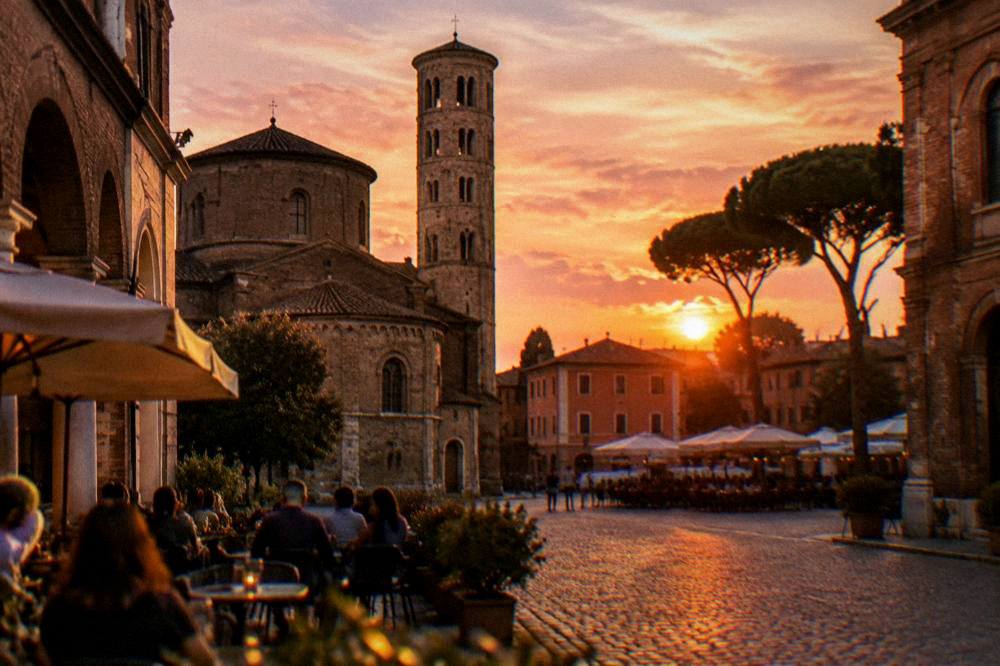
Whatever the forecast holds, the pairing of long summer hours or cosy winter interiors with a plan built on the official schedules gives Ravenna a workable shape in every season, and the Ravenna UNESCO sites guide is the natural next read for turning that shape into a full itinerary.