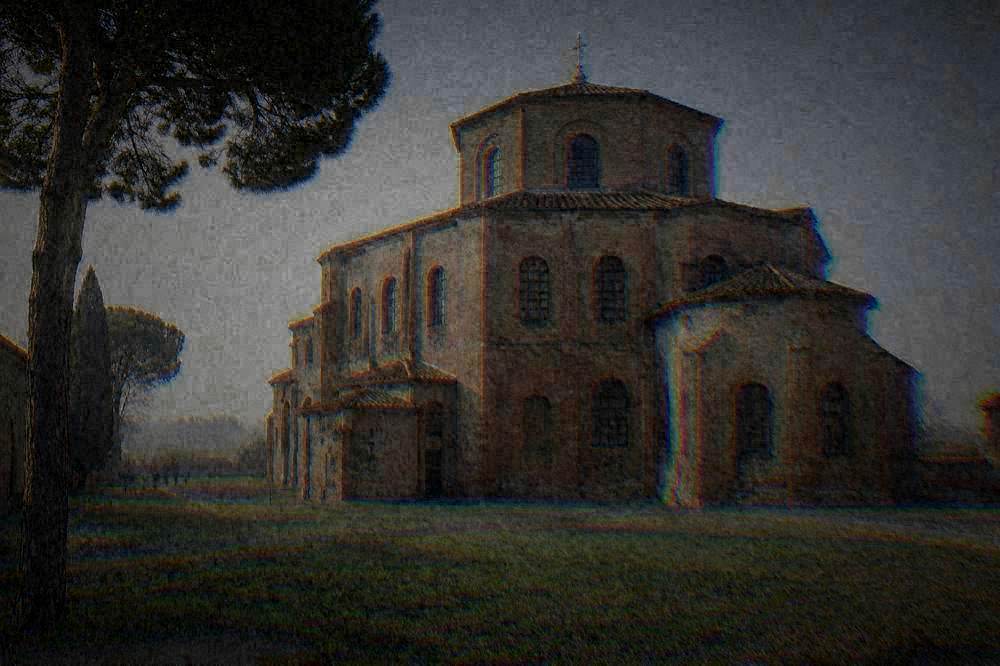
Best Time To Visit Ravenna
Ravenna rewards planning more than most Italian cities: its eight UNESCO monuments change hours and ticket arrangements with the seasons, its beaches sit 8 km from the centre, and its calendar shifts around festivals and exhibition seasons. Here is how the year breaks down.
Short answer
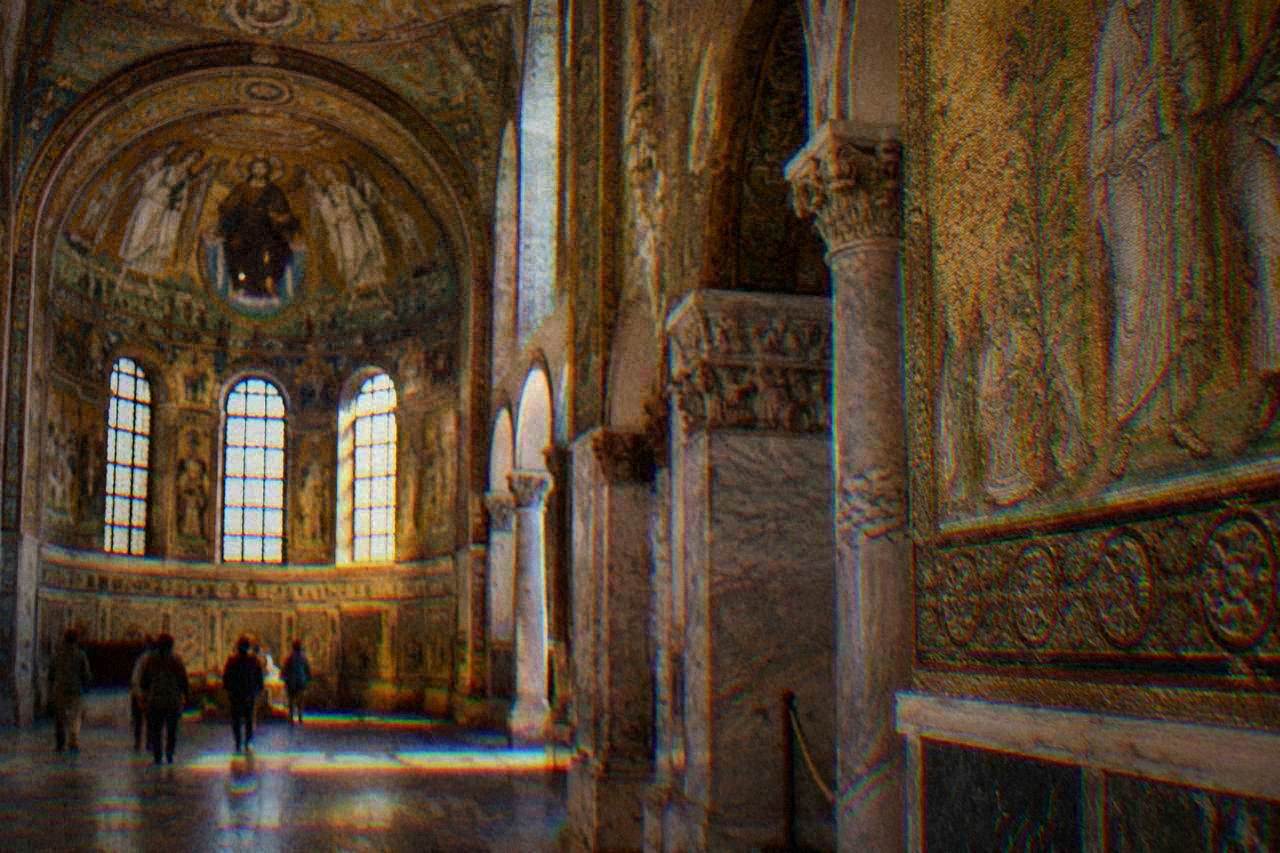
Spring and autumn are the best times to visit Ravenna: April to June and September to October bring mild Po-valley weather, full monument opening hours until 19:00, and room on the timed entries at Galla Placidia and the Neonian Baptistery. Winter is quiet and cheap but monuments close at 17:00; summer is hot and humid with the year's biggest crowds.
Ravenna, the inland Po-valley city in Emilia-Romagna whose eight UNESCO-listed Early Christian monuments hold the densest concentration of Byzantine mosaics anywhere, is a city where the timing of a visit changes what you get. Hours move from 19:00 summer closings to 17:00 in winter from 3 November. The beach resorts of Marina di Ravenna, Punta Marina, Lido Adriano, Lido di Classe and Lido di Savio, strung along about 35 km of coast roughly 8 km from the centre, live on a summer rhythm of their own. The climate is a flat Po-valley and Adriatic one: hot humid summers, cold damp winters with fog, and mild springs and autumns. This guide from the Ravenna Travel Guide editorial desk walks through the whole year, using the official hours and ticket pages as they stand for the 2026 to 2027 season.
When Is The Best Time To Visit Ravenna?
The best time to visit Ravenna is late April to June, or September to early October. In those months the Ravenna Mosaici monuments run their summer schedule, 9:00 to 19:00, the timed entries at the Mausoleum of Galla Placidia and the Neonian Baptistery are easier to book, and the flat-centre walking between sites stays comfortable before the humid Po-valley summer builds.
The theatre and exhibition season is also running, and the autumn Ravenna Festival trilogy lands in mid November for anyone who can stretch into the cooler weeks.
The logic is simple and it is mostly about hours and heat. Summer in Ravenna is genuinely hot and humid, and the walking route between the mosaic monuments in the historic centre, flat and compact as it is, offers little shade at midday. Winter is quiet, cheap and atmospheric, but every Ravenna Mosaici site closes at 17:00 from 3 November to 6 March, and last admissions come 30 to 45 minutes earlier, which compresses a mosaic day badly if you are also fitting in Dante's tomb and a long lunch.
Spring and autumn split the difference. The official entrance-times page keeps the 9:00 to 19:00 schedule until 2 November 2026, so an October visit still gets the full day, and the season's exhibition calendar, the Nicola Samori show at MAR from 17 October 2026 and the Theodoric displays at the Biblioteca Classense and Palazzo Rasponi dalle Teste, gives the city a second layer beyond the mosaics. For a first visit built around the monuments rather than the beach, the shoulder seasons win.
What Is The Weather Like In Ravenna Through The Year?
Ravenna has a flat Po-valley climate with an Adriatic influence: summers are hot and humid, winters are cold and damp with fog, and the shoulder seasons are mild. The city sits on level ground about 8 km from the sea, so humidity stays high even when temperatures drop, and autumn and winter mornings can carry fog across the whole plain. No month is hostile to sightseeing, but the comfort window for walking between monuments is widest from April to June and in September and October.
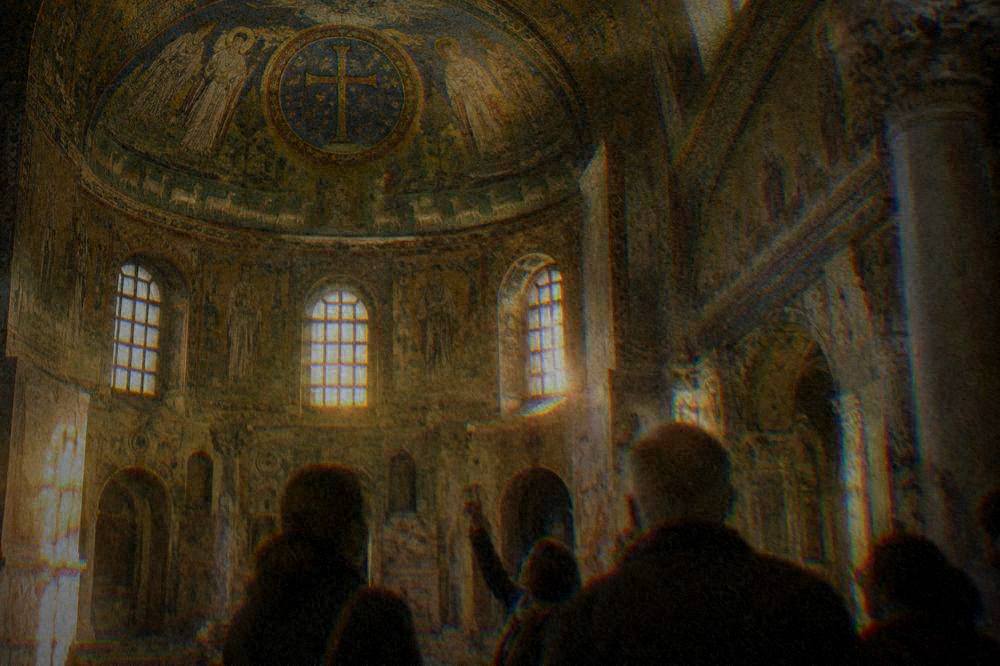
The summer heat is the main planning problem. July and August afternoons are the months when a mosaic itinerary works best split into an early start and a long shaded lunch, since the monuments themselves are cool, dim and crowded-close but the streets between them are not. The mosaics themselves, gold-ground glass set high in dim chambers, actually suit a bright day: the interior lighting and the gold tesserae play against strong exterior light.
Winter has its own character. Fog on the Po plain is a real feature of December and January mornings, and the light stays flat until late morning. What winter gives back is silence: the timed-entry bottleneck at Galla Placidia, where stays are a few minutes by rule, is far less pressured, and the combined ticket's one-week validity means a slow, spread-out visit is easy. If you want the practical layer of month-by-month figures and what they mean for packing, the companion page on Ravenna weather month by month carries the climate table in full.
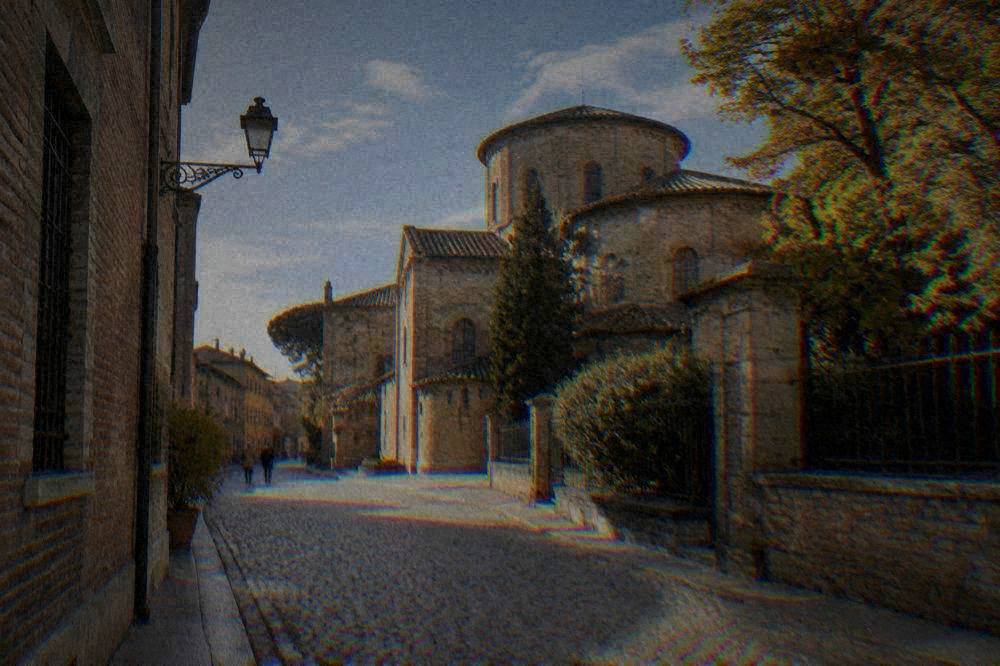
The seasonal shape of the year, at a glance:
| Season | Feel In Ravenna | Monument Hours | Best For |
|---|---|---|---|
| Spring (April to June) | Mild, increasingly warm | 9:00 to 19:00 from 8 March | Mosaics, walking, day trips |
| Summer (July to August) | Hot and humid | 9:00 to 19:00 | Early starts, beach afternoons |
| Autumn (September to October) | Mild, some rain | 9:00 to 19:00 until 2 November | Everything, plus exhibition season |
| Winter (November to March) | Cold, damp, fog | 10:00 to 17:00 from 3 November | Quiets, low crowds, theatre |
What Do Ravenna Monument Hours And Tickets Do Each Season?
The Ravenna Mosaici monuments run 9:00 to 19:00 from 8 March to 2 November 2026, then 10:00 to 17:00 from 3 November 2026 to 6 March 2027, closed 25 December and 1 January, according to the official entrance-times page. Combined tickets start from EUR 9.50 reduced for two monuments, EUR 11.50 for four and EUR 13.50 for five, each valid one week with one admission per monument and a booked entry time per monument.
Galla Placidia and the Neonian Baptistery take timed stays of a few minutes, and San Vitale admits in slots.
That winter switch on 3 November is the single most important date on the Ravenna planning calendar. A visitor who arrives in early November expecting long evenings inside San Vitale finds a 17:00 closing instead, with last admission at 16:30 and 16:45 for the two timed sites. The schedule suits a slow, two-day winter itinerary far better than a rushed one-day sprint, which is worth weighing if you are deciding how many days to spend in Ravenna.
The ticket structure does not change with the seasons, only the hours do. Reduced fares apply to students, non-accredited journalists and paying groups over 20; children 0 to 10, Ravenna residents, ICOM members, licensed guides, and visitors with a disability plus companion enter free. Full-price tickets are shown on the official ticket page, and the deeper mechanics, what each combo covers and how the timed entries work, are laid out in the guide to the Ravenna combined ticket.
| Ticket | Covers | Reduced Price | Validity |
|---|---|---|---|
| 2-monument combo | Sant'Apollinare Nuovo, San Vitale | EUR 9.50 | 7 days |
| 4-monument combo | Adds Galla Placidia, Neonian Baptistery | EUR 11.50 | 7 days |
| 5-monument combo | Adds Archiepiscopal Museum and Chapel of St Andrew | EUR 13.50 | 7 days |
The state monuments outside the combo follow the same seasonal logic. Sant'Apollinare in Classe, out in the Classe area beyond the centre, runs Monday to Saturday 8:30 to 19:00 and Sunday 13:30 to 19:00, at EUR 6 full and EUR 2 reduced. The Mausoleum of Theodoric is EUR 6, EUR 5 concession and EUR 2 for ages 18 to 25, open 8:30 to 17:30, with a EUR 7 combined ticket adding the Arian Baptistery and Theodoric's Palace. Dante's tomb is free, open 10:00 to 18:00 from November to March and 10:00 to 19:00 from April to October. The full monument-by-monument picture is in the guide to the eight UNESCO sites of Ravenna.
For anyone travelling in the shoulder months, a guided walk takes the timed-entry logistics off your plate, since entry arrangements are handled by the operator. The options are compared on the mosaic tours page.
Is Summer A Good Time To Visit Ravenna?
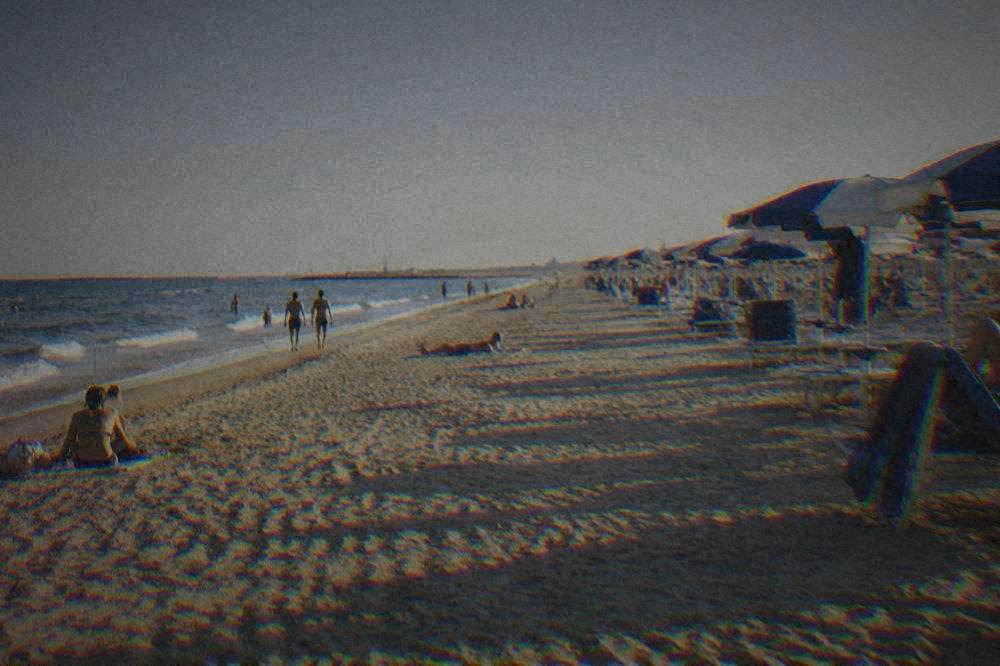
Summer works for Ravenna if you split the day: monuments from opening at 9:00 until early afternoon, then the beach. The beach resorts, Marina di Ravenna, Punta Marina, Lido Adriano, Lido di Classe and Lido di Savio, sit 8 km or more from the centre and are reached by Start Romagna bus from the station, so a summer day can pair mosaics with the Adriatic.
The trade-offs are heat and humidity in the flat centre, the year's biggest crowds at the timed monuments, and the busiest accommodation period of the year.
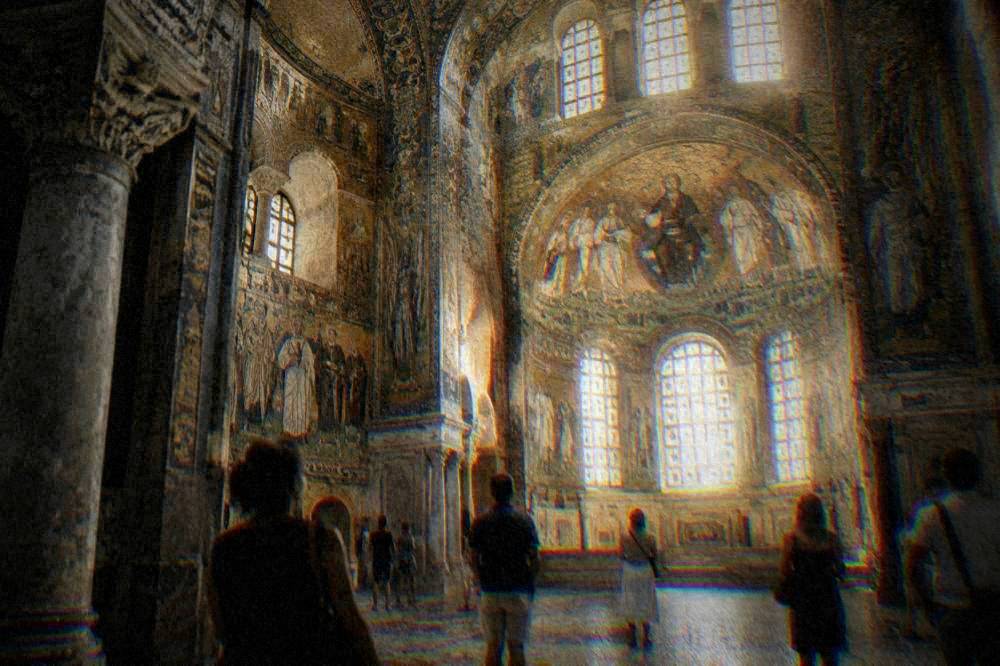
The mosaics themselves are a summer-proof activity. The interiors of San Vitale, Galla Placidia and the baptisteries are dim and cool, and the gold-ground glass reads beautifully against strong exterior light. The practical strain is the walking between them, roughly flat, mostly unshaded streets, and the timed stays at Galla Placidia and the Neonian Baptistery, which run a few minutes each by rule and can queue in July and August.
The beach half of a Ravenna summer is a bus ride away. Start Romagna runs the coastal routes from the station under its winter timetable from 15 September 2026 to about 6 June 2027, with the summer frequency bookets published before the season, and the resort towns hold the full lido infrastructure through the warm months. What the shoreline looks like across the year, and how the resort strip is structured, is covered in the guide to Ravenna's beaches. One coastal fact worth knowing if you are travelling late in the year: a 25,000 cubic metre sand barrier is built each autumn at Punta Marina, Marina di Ravenna Sud and Lido di Savio and stays in place until spring 2027, so the winter beach is a construction-shaped protective dune rather than the summer strip.
Is Winter A Good Time To Visit Ravenna?
Winter is a genuinely good time to visit Ravenna for the mosaics and almost nothing else. The monuments run 10:00 to 17:00, the timed-entry pressure at Galla Placidia and the Neonian Baptistery eases, hotel demand in the city drops, and the theatre season at the Teatro Alighieri is in full swing.
Against that: days are short and often foggy on the Po plain, the 25 December and 1 January closures wipe out two days, and the beaches 8 km away are in their protective-winter shape rather than swimwear shape.
The winter case rests on the mosaics being an indoor activity of the highest order. A cold, fog-wrapped December day in Ravenna still delivers San Vitale's gold vaults, the star-strewn dome of the Arian Baptistery at EUR 3, and Dante's tomb, free and open 10:00 to 18:00 in the November to March window. The state museums and monuments are also free on the first Sunday of the month, which lands neatly in a winter itinerary.
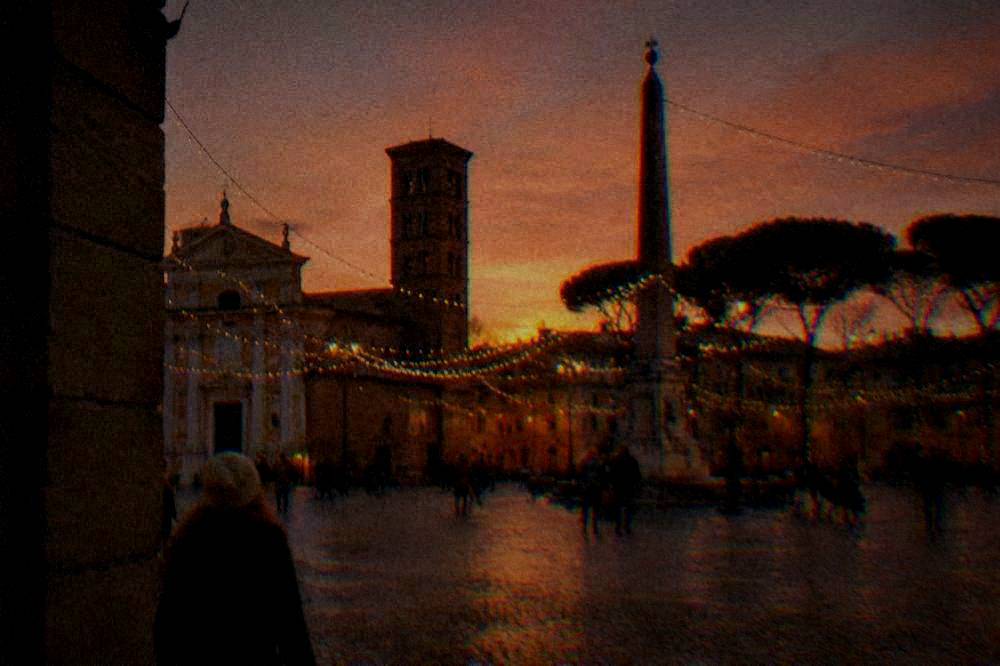
Winter 2026 to 2027 has a real cultural spine. The Ravenna Festival autumn trilogy, "Mozart 1791", runs 13 to 17 November 2026 at the Teatro Alighieri with La clemenza di Tito, a concert programme and the Requiem. The Teatro Alighieri opera and dance season starts in December 2026 with Swan Lake on 4 to 6 December and runs through spring, including Pagliacci in January and Death in Venice in February. The Nicola Samori exhibition at MAR runs to 17 January 2027, and the Theodoric exhibitions at the Biblioteca Classense and Palazzo Rasponi dalle Teste run into January as well. The Christmas village in Piazza del Popolo is indicatively planned for about 27 November 2026 to 6 January 2027, though the final programme is confirmed by the Comune closer to the season.
A winter caveat on the museums: hours shift. MAR runs Tuesday to Saturday 9:00 to 18:00 and Sunday 15:00 to 19:00, closed Mondays. The Museo Nazionale closes Mondays and runs a split day schedule that changes from 3 November. The Domus dei Tappeti di Pietra keeps seasonal hours that vary, so check the official page before going. TAMO, the former mosaic museum, closed permanently in 2023 and its collection moved to Classis Ravenna, which is open daily 10:00 to 17:00 at EUR 8 full and EUR 6 reduced. The fuller picture is in the Ravenna museums guide.
| Winter Site | Hours (3 Nov 2026 to 6 Mar 2027 Unless Noted) | Ticket |
|---|---|---|
| Ravenna Mosaici monuments | Daily 10:00 to 17:00, closed 25 Dec and 1 Jan | From EUR 9.50 reduced |
| Sant'Apollinare in Classe | Mon to Sat 8:30 to 19:00, Sun 13:30 to 19:00 | EUR 6, EUR 2 reduced |
| Mausoleum of Theodoric | Daily 8:30 to 17:30 | EUR 6, concession EUR 5 |
| Dante's tomb | Daily 10:00 to 18:00, closed 25 Dec | Free |
| MAR | Tue to Sat 9:00 to 18:00, Sun 15:00 to 19:00 | EUR 8, EUR 6 reduced |
| Classis Ravenna | Daily 10:00 to 17:00, closed 25 Dec | EUR 8, EUR 6 reduced |
What About Spring In Ravenna?
Spring is the strongest single season for a first Ravenna visit. The summer hours, 9:00 to 19:00 from 8 March, give long monument days, the Po-valley heat has not yet built, and the flat centre between the mosaic sites is at its most walkable. The 8 March switchover date matters: a visit in early March still runs on the winter 10:00 to 17:00 schedule, so the "spring" you are picturing only starts, in hours terms, in the second week of March.
April and May are the months when everything Ravenna offers is simultaneously available. The mosaics are on full hours, the coast is warming, and the day-trip radius, Bologna about 84 km away by direct regional train in about 1 hour to 1 hour 20, plus Ferrara, Faenza, Comacchio and the Po Delta, is comfortably reachable before summer timetables and crowds arrive. Easter-week visits should note the Sunday opening at Sant'Apollinare in Classe, which starts at 13:30 rather than the morning.
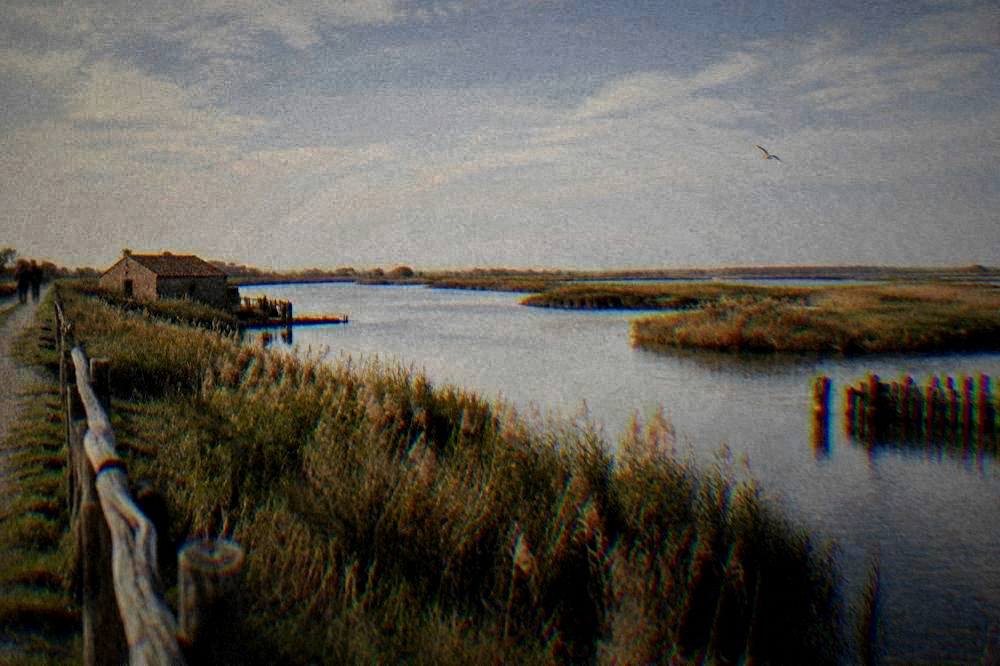
Spring is also the start of the birding year in the wetlands around the city. The Punte Alberete flooded forest, Valle Mandriole and the Pineta di San Vitale sit just north of the centre, and the Cervia salt pans visitor centre at Via Bova 61 opens weekends and holidays with September to November Saturday and Sunday hours. Flamingos are present year-round at both the Cervia salt pans and the Comacchio salt pans. For visitors building nature into a spring trip, a guided option such as the birdwatching tour below covers the Delta's species with a local expert.
What About Autumn In Ravenna?
Autumn, specifically September to 2 November, is the other peak-quality window: full 9:00 to 19:00 monument hours, mild walking weather, the exhibition season opening, and the sea still warm enough for a beach afternoon early in the season. Ravenna's autumn peaks culturally in October and November: Notte d'Oro brings free evening access to monuments each October, the Nightmare Film Fest runs at Teatro Rasi, and the Ravenna Festival trilogy lands at the Teatro Alighieri from 13 to 17 November 2026.
Notte d'Oro, dated 17 October in the 2026 edition, is the one evening in the year when palaces, museums and monuments open free after dark with shows and concerts across the historic centre, and it is a genuine reason to time a visit if the annual date is repeated. Around it, October 2026 carries the opening of the Samori exhibition at MAR, the Marcantonio exhibition at Palazzo Rasponi dalle Teste, and the Theodoric bicentenary-adjacent displays, so an October or November visit pairs the mosaics with a contemporary art layer that simply does not exist in summer.
Autumn is also the best season for the food-minded. This is Romagna's table season: cappelletti, piadina and the Sangiovese-based wines of the hills around Faenza and Brisighella all sit within day-trip range, and the cooler weather suits long lunches. The Ravenna food guide maps the dishes, and the cooking classes and tastings are compared on the food tours page.
One practical note for late-October and November travellers: the Ravenna to Rimini rail line carried weekend engineering works in October 2026, with trains replaced by buses on affected weekend days, so if a coastal or Rimini day trip is in your plan, check the regional timetable for your dates. The Ravenna to Bologna line had no equivalent works announced.
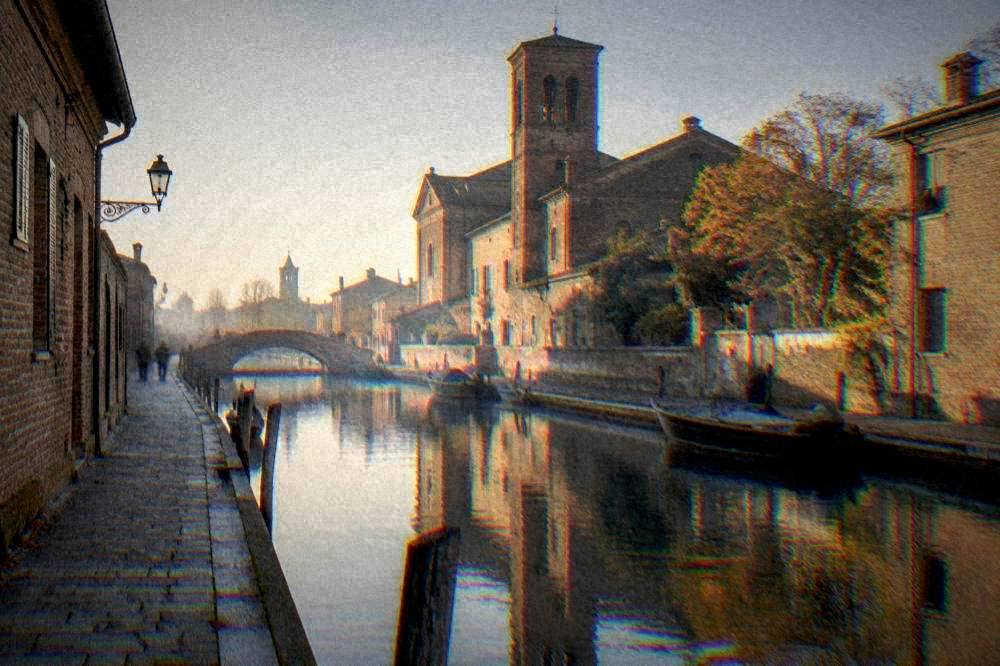
Autumn is also the season when the lagoon day trips shine. Comacchio, the "little Venice" of the Po Delta, and Ferrara make a natural pairing from Ravenna, and the guided day trip below handles both with transport and a local guide.
When Is Ravenna Most Crowded?
Crowds in Ravenna peak in July and August, and again around Easter and Italian public holidays, when the timed entries at Galla Placidia and the Neonian Baptistery and the slot admissions at San Vitale tighten up. The quietest months with full monument hours are late October and early November, before the 3 November switch to winter hours, plus February and early March, when the 10:00 to 17:00 schedule is in force but holiday traffic is minimal. Midweek visits are calmer than weekends in every season.
The structural reason Ravenna crowds behave differently from other Italian art cities is the timed-entry system. Because the 4-monument and 5-monument combos require a booked entry time per monument, and Galla Placidia and the Neonian Baptistery run stays of a few minutes each, peak pressure shows up as booked-out time slots rather than as physical queues. Booking the timed entries ahead in summer is not optional; in February it often is.
Cruise traffic adds a second rhythm. The port at Porto Corsini, about 15 km from the centre, has 111 calls and about 390,000 passengers planned for 2026, with the Visit Ravenna shuttle running about 30 minutes between the centre, the station area and the terminal through the season. Call days put groups into the core monuments in the middle of the day, so a independent visitor in summer does well to take the 9:00 opening at San Vitale or a late-afternoon slot. The dynamics of port days are covered in the Ravenna cruise port guide.
Accommodation pricing follows the same curve, quietest from November to March outside the holiday weeks. One fixed cost does not move with the seasons: the tourist tax, about EUR 1 per night at 1 and 2 star hotels, EUR 2 at 3 stars, EUR 3 at 4 stars, EUR 4 at 5 stars, EUR 1.20 at hostels and EUR 1.50 at B&Bs and rooms, under a tariff in force from 1 January 2023 that may have changed, so confirm the amount at booking. Where to base yourself is covered in where to stay in Ravenna.
Which Month Should You Pick For Your Trip?
Pick May or June for the best all-round visit: full hours, warm-but-not-hot walking weather, the coast open, and every day trip reachable. Pick late September or October for the same hours plus the exhibition and festival season and fewer families. Pick November to February for quiet monuments, theatre evenings and low accommodation demand, accepting 17:00 closings, fog and the 25 December closure. Pick July and August only if beach time is part of the plan and early starts are acceptable.
Month by month, the trade-offs look like this:
| Month | Monument Hours | Character | Watch For |
|---|---|---|---|
| March (from 8th) | 9:00 to 19:00 | Cool, quiet | Early March still winter schedule |
| April | 9:00 to 19:00 | Mild, Easter spikes | Easter-week crowds |
| May | 9:00 to 19:00 | Warm, everything open | Peak quality month |
| June | 9:00 to 19:00 | Warm to hot | Book timed entries ahead |
| July | 9:00 to 19:00 | Hot, humid, busiest | Midday heat, cruise-call days |
| August | 9:00 to 19:00 | Hot, holiday peak | Ferragosto week crowds |
| September | 9:00 to 19:00 | Warm, easing crowds | Ideal mix |
| October | 9:00 to 19:00 | Mild, cultural season | Notte d'Oro, 17 Oct 2026 edition |
| November (from 3rd) | 10:00 to 17:00 | Quiet, festival trilogy | Short days, fog |
| December | 10:00 to 17:00 | Fog, theatre, Christmas village | Closed 25 December |
| January | 10:00 to 17:00 | Quietest month | Closed 1 January |
| February | 10:00 to 17:00 | Cold, empty monuments | Some museum maintenance closures |
For a first-time visitor torn between two days and three, the season decides it: in summer or winter hours, two days is realistic for the core monuments plus Dante; in May, June or September, three days lets you add the coast, Classe and a day trip without rushing. The itinerary options are laid out in things to do in Ravenna and the is Ravenna worth visiting assessment.
What Are The Best Ravenna Day Trips By Season?
Spring and autumn are the day-trip seasons: Bologna (about 84 km, direct regional train, about 1 hour to 1 hour 20), Ferrara, Faenza, Brisighella, Comacchio and the Po Delta all sit inside a comfortable radius, and the weather suits both cities and wetlands. Winter day trips work best for the art cities, Ferrara, Bologna, Faenza, whose museums and palazzi are indoors, while the Delta's boat schedules thin out after late October. Rimini and San Marino pair well from spring through autumn.
The Delta deserves the seasonal note. Flamingos stay at Comacchio and Cervia year-round, but the electric-boat tours on the Cervia salt pans and the Comacchio lagoon cruises run confirmed schedules through October, with limited or unconfirmed winter operation, so a birding or boat day belongs to the warmer half of the year. The Cervia salt pans visitor centre keeps weekend and holiday hours, with September to November openings Saturday and Sunday 10:00 to 12:30 and 14:30 to sunset. A guided birdwatching option in the Delta, with 40 species guaranteed on the listing, is one way to lock the season in.
Bologna is the year-round workhorse, trains run daily on the regional line via Castelbolognese, and its arcaded streets are the best rainy-day answer in the region. Venice works as a long day trip or a shore excursion, and Florence and San Marino are the far ends of the radius. The full comparison lives in the how to get to Ravenna guide, and the Bologna leg is detailed in Bologna to Ravenna.
For visitors who would rather have the whole city interpreted than navigate it alone, a private walk with a local expert runs in every season and takes the winter hours into account in its route planning.
Common Questions About The Best Time To Visit Ravenna
What is the best month to visit Ravenna?
May and June are the strongest months: the Ravenna Mosaici monuments run 9:00 to 19:00, the walking weather is mild, the coast is open and every day trip is reachable. Late September and October match those hours and add the exhibition and festival season with thinner crowds.
Is Ravenna too hot in summer?
The Po-valley summer is hot and humid, and the flat centre between monuments offers little midday shade. The monuments themselves are dim and cool, so the working pattern is an early start, a long shaded lunch and, optionally, a bus to the beach resorts 8 km away in the afternoon.
Do the Ravenna monuments close in winter?
No, but they shorten. From 3 November 2026 to 6 March 2027 the Ravenna Mosaici sites run 10:00 to 17:00, with last admissions at 16:30 and 16:45, and everything closes on 25 December and 1 January. Dante's tomb keeps 10:00 to 18:00 through the November to March window.
When is Ravenna least crowded?
February and early March are the quietest months, followed by late November and January outside the holiday weeks. Midweek visits are calmer than weekends in every season, and early-morning or late-afternoon timed entries avoid the cruise-call groups in summer.
Can you swim in Ravenna?
Not in the city: Ravenna's historic centre is inland, about 8 km from the Adriatic. Swimming belongs to the resort towns of Marina di Ravenna, Punta Marina, Lido Adriano, Lido di Classe and Lido di Savio, reached by Start Romagna bus from the station, with the season running from late spring to early autumn.
Is Ravenna worth visiting in November?
Yes, with adjusted expectations. The monuments close at 17:00 and fog is common, but the Ravenna Festival autumn trilogy "Mozart 1791" plays the Teatro Alighieri from 13 to 17 November 2026, the autumn exhibitions are still open, crowds are thin and the timed entries at Galla Placidia and the Neonian Baptistery are easy to book.
Whatever month you choose, book the timed monument entries as soon as your dates are fixed, confirm the current hours on the official Ravenna Mosaici page, and the season will take care of itself.