Is Ravenna Safe
Ravenna is a small, walkable inland city in Emilia-Romagna whose main risks are ordinary city ones: pickpocketing near crowded monuments and on buses, and traffic rules that catch drivers out. Here is what the official pages say.
Short answer
Ravenna is considered a low-risk destination by the standard measures that apply across Italy: normal precautions, petty theft as the main noted risk, and a single emergency number, 112. The historic centre is compact and walkable, the beaches sit 8 km or more from the centre, and the ZTL camera zone is the main trap for drivers.
Ravenna, the small inland city in Emilia-Romagna whose eight UNESCO Early Christian monuments draw visitors from across the region, sits on the flat Po plain about 8 km from the Adriatic coast. Safety questions about it have short, dull answers, which is the point. Official advisories for Italy as a whole rate the country as normal with standard urban precautions, and the note that appears again and again for busy Italian tourist cities is petty theft, pickpocketing in crowded places and on public transport. Ravenna has no crime statistic this site can print and no neighbourhood ranking worth trusting, so this page reports what primary sources say: how the centre is laid out, how the traffic zone works, which number to call, and what the beaches and the cruise port involve. Practical planning pages such as things to do in Ravenna and how to get to Ravenna cover the rest of the visit.
Is Ravenna Safe For Tourists?
Yes, by the measures that apply across Italy. Ravenna is a normal-precautions destination: official advisories carry no specific warning for the city, and the standard note for busy Italian tourist areas is petty theft such as pickpocketing around monuments and on public transport. The emergency number is 112, valid everywhere in Italy. This site prints no crime statistic, because none from an official source is held for Ravenna.
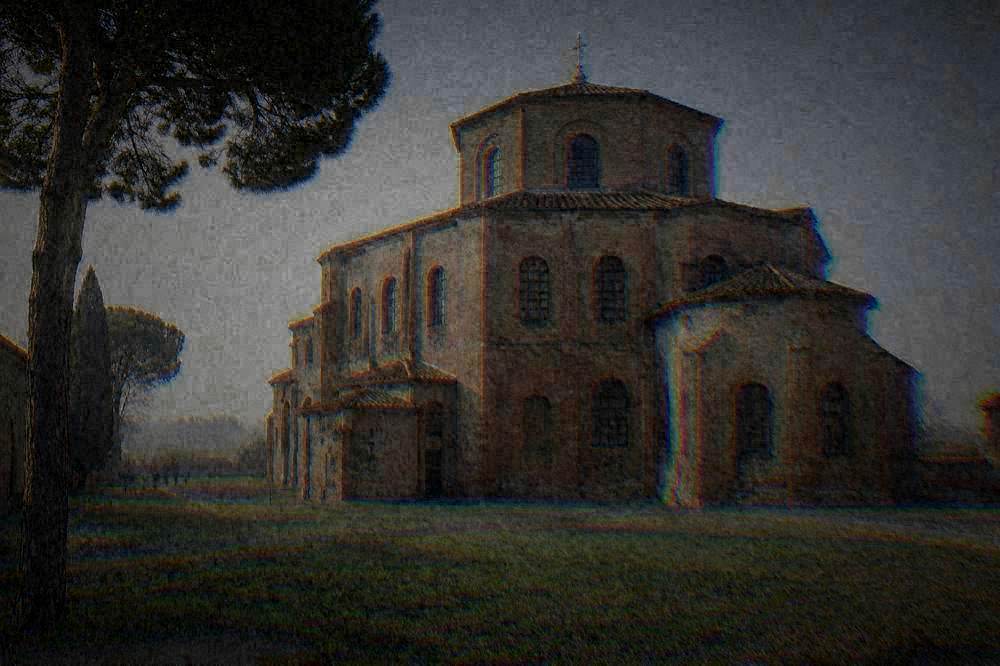
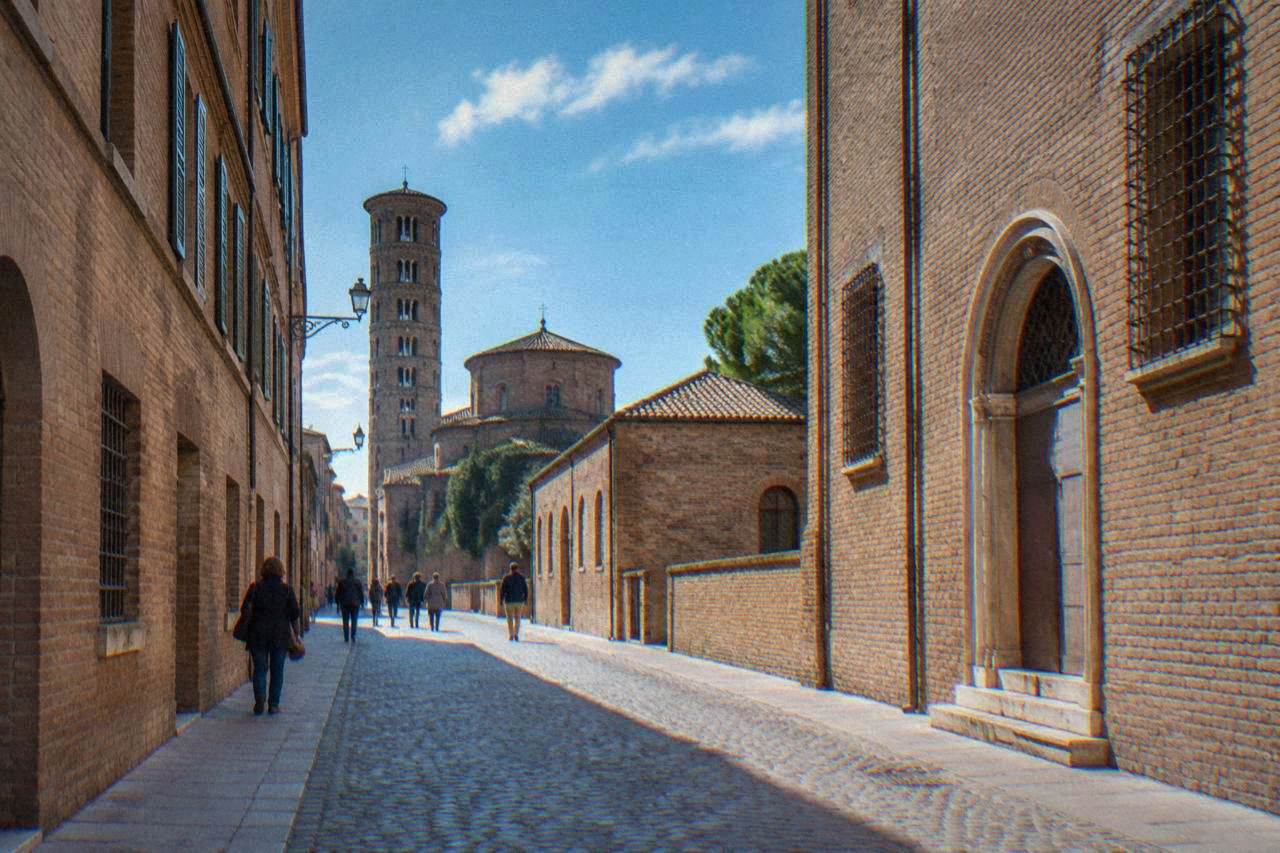
The city's shape does a lot of the safety work. The historic centre is small and walkable, the railway station sits a short walk from it, and the eight UNESCO monuments lie close together, so a visitor is rarely far from a populated street, a shop or a bar. That geography matters more than any ranking: the situations that produce petty theft, crowded queues and packed buses, are concentrated in a few predictable spots, at the entrance to San Vitale, at the Neonian Baptistery, and on the Start Romagna buses that run to the coast and to Classe.
Ravenna is also an inland city, and that affects the advice. The beach resorts, Marina di Ravenna, Punta Marina, Lido Adriano, Lido di Classe and Lido di Savio, are separate places 8 km or more from the centre, reached by bus, bike or car. A day that combines mosaics and a beach involves a deliberate journey, not a stroll to a seafront, and the practical safety notes for the two halves of that day differ. The sections below take them one at a time.
What Are The Main Safety Risks In Ravenna?
The risks are ordinary Italian city ones: petty theft such as pickpocketing around the tourist sites and on public transport, tourist-targeted overcharging in the rare case, and driving into the camera-enforced ZTL without a permit. No violent-crime pattern specific to Ravenna appears in any source this site holds. The practical defences are a zipped bag held in front, a check of the itemised bill, and reading the traffic-zone rules before bringing a car in.
Petty theft responds to habit, not gadgets. A bag zipped and carried in front on a crowded bus, a wallet not in a back pocket in a ticket queue, and valuables not left on a cafe table are the checks a reader can actually make. Queues at the two timed-entry monuments, the Mausoleum of Galla Placidia and the Neonian Baptistery, involve short stays of a few minutes inside, which keeps crowds moving through small spaces.
On the money side, Italian law is on the visitor's side in one specific way: a cover charge, the coperto, is legal only when it is printed on the menu. Tipping is not obligatory. If a bill looks wrong, the itemised copy is the document to query, calmly, on the spot.
The third risk is the one that costs the most money: driving into Ravenna's limited traffic zone, covered in full further down this page. Between those three, the risk picture is complete, and none of the three involves personal danger.
If a day outside the city appeals, a guided trip keeps navigation, timing and parking off your plate entirely: consider Check availability for the Ferrara and Comacchio day tour, or read more in the picks below.
How Safe Is Ravenna At Night?
Ravenna's centre stays populated into the evening year-round, and the safety notes that apply by day, mainly petty theft, do not change in kind after dark. The city's cultural calendar fills autumn and winter evenings: the autumn trilogy "Mozart 1791" runs 13 to 17 November 2026 at Teatro Alighieri, and the theatre's season continues into 2027. No source held here describes a night-time area to avoid, and this site publishes no such list.
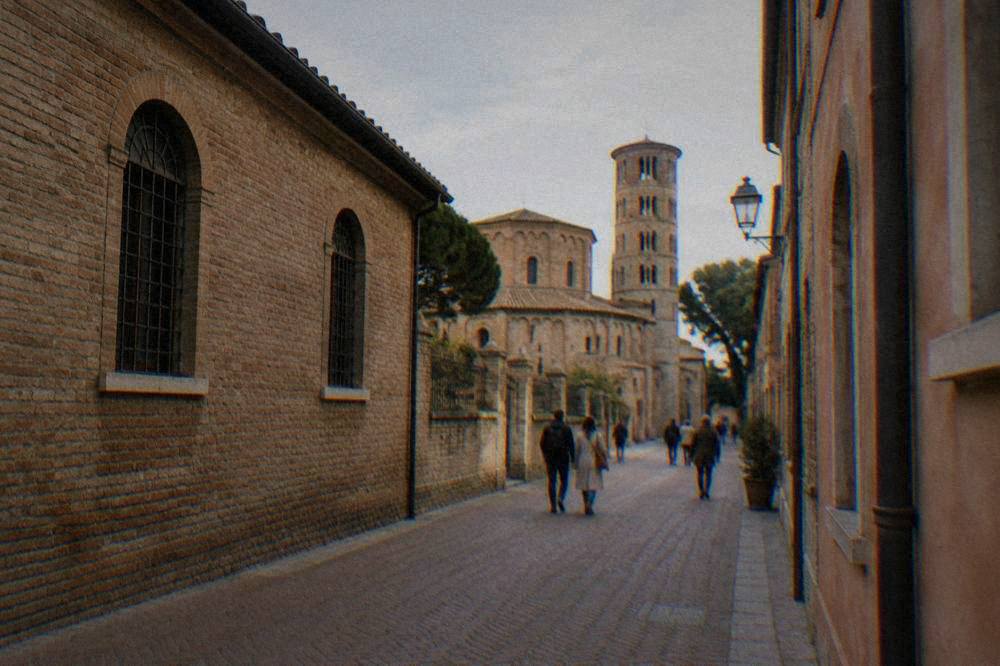
Evening visitors are usually walking between dinner, a concert and accommodation inside the same compact centre, which limits exposure. The streets between Piazza del Popolo and the theatre are the spine of that walk, and they carry foot traffic on performance nights. Standard city habits apply: stick to lit streets, keep a phone out of a back pocket, and use the taxi rank or a walk with companions if returning late to lodgings outside the centre.
The events calendar is a fair proxy for how lively, and therefore how peopled, evenings are. Beyond the November trilogy, the Teatro Alighieri programme lists opera and dance from December 2026 through spring 2027, and the MAR museum's Nicola Samori exhibition runs 17 October 2026 to 17 January 2027. An evening with a destination is an evening on streets with other people walking the same way.
Is Ravenna Safe For Solo Travellers And Families?
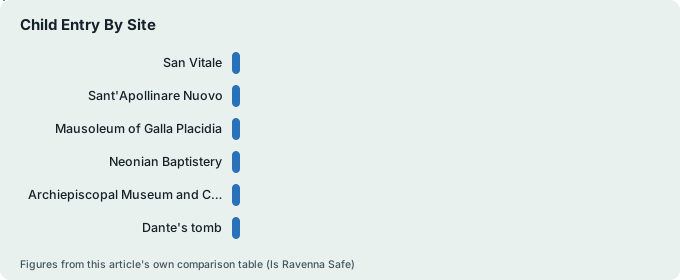
Solo travellers and families face the same single noted risk, petty theft, and the same single number, 112, in an emergency. Ravenna's compact centre suits both: distances between the monuments are short, the station is a walk from the core, and the combo ticket's rules, one admission per monument over one week, let families pace visits rather than rush them. Children 0 to 10 enter the Ravenna Mosaici sites free.
For a solo traveller, the practical notes are confidence notes. The historic centre needs no car, buses to the beaches and to Classe start at the station, and the Ravenna Mosaici itinerary ticket is bought per monument with a booked entry time, so the day can be structured in advance rather than negotiated on the street. A food walk or a cooking class adds a group structure to a solo day; the gelato and piadina classes below are the food-focused options this site carries.
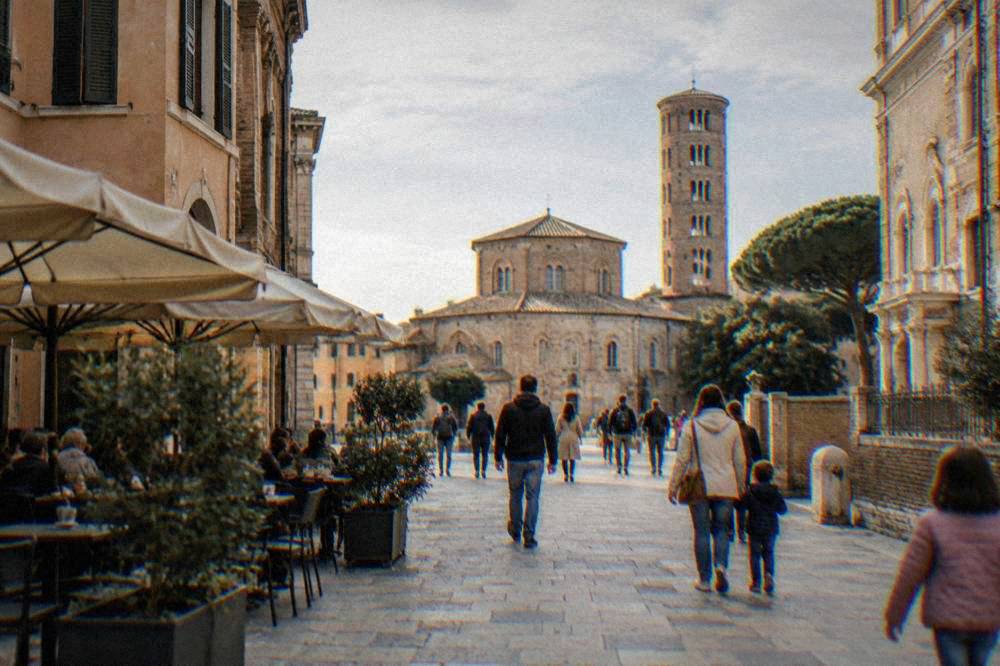
For families, the timed entries deserve a word of planning. Galla Placidia and the Neonian Baptistery allow short stays of a few minutes, which is enough for the mosaics but not for lingering with small children; San Vitale and Sant'Apollinare Nuovo take their time, and the 5-monument ticket spreads across a week by design. The Ravenna with kids angle extends to Mirabilandia, whose 2026 season ends 1 November 2026, after which the park's calendar is one to check on its own page.
A practical reference table for the sites families move between:
| Site | Entry Rule | Child Entry |
|---|---|---|
| San Vitale | Admission in slots | Free, ages 0 to 10 |
| Sant'Apollinare Nuovo | Time booked per monument | Free, ages 0 to 10 |
| Mausoleum of Galla Placidia | Timed entry, short stay | Free, ages 0 to 10 |
| Neonian Baptistery | Timed entry, short stay | Free, ages 0 to 10 |
| Archiepiscopal Museum and Chapel | Timed entry, 5-monument ticket | Free, ages 0 to 10 |
| Sant'Apollinare in Classe | Separate site in Classe, EUR 6 full | EUR 2 reduced tariff |
| Dante's tomb | Free for all | Free |
Solo or family, the ticket rules come from the Ravenna Mosaici pages, and the reduced fares start at EUR 9.50 for the 2-monument itinerary, with the full prices shown on the official ticket page.
What Emergency Numbers And Health Services Work In Ravenna?
The single emergency number in Italy is 112, which connects police, medical and fire services from anywhere, including Ravenna. The country operates the European 112 system alongside it. For non-emergency pharmacy and health questions, pharmacies display rosters, and accommodation desks hold local doctor information. This site holds no Ravenna-specific hospital or clinic listing, so ask at your accommodation or the pharmacy for the nearest point of care.
The numbers and bodies worth having before a problem:
| Situation | What To Use |
|---|---|
| Any emergency, police, medical, fire | 112 |
| Travel insurance line | The number on your own policy card |
| Lost or stolen cards | Your bank's number on the card back |
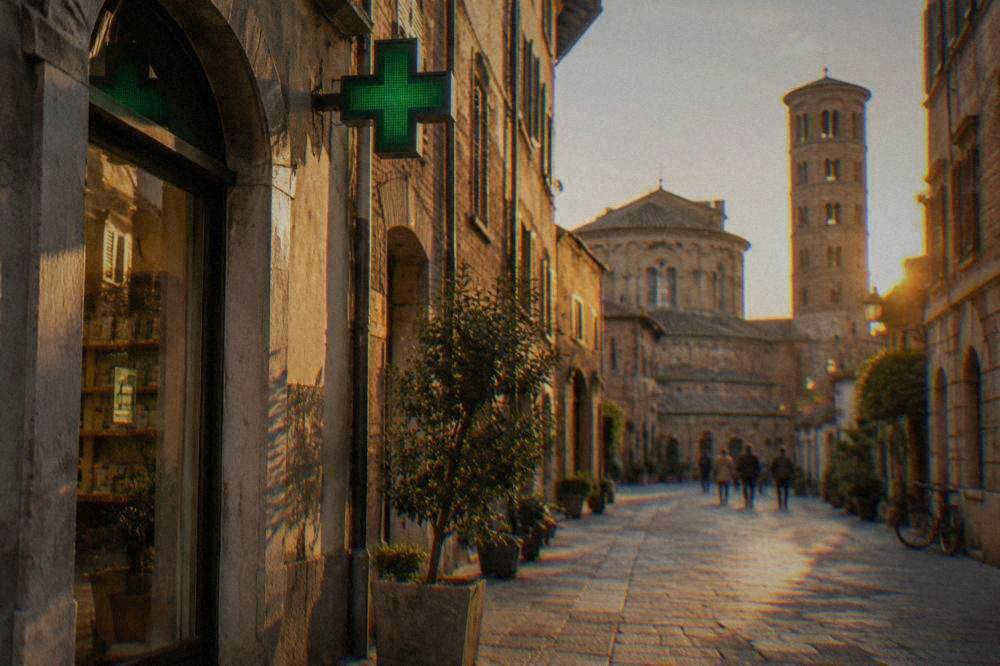
| Pharmacy questions and rosters | Any pharmacy, green cross sign |
| Non-urgent local care | Ask at accommodation or a pharmacy |
| Consular help | Your country's consulate in Italy |
Two habits make the numbers work. The first is carrying the insurance policy number offline, on paper or in a phone note reachable without data. The second is reporting any theft to the police if you need a report number for insurance, which means a visit to a police station rather than a phone call; your accommodation can point to the nearest one. Petty theft in a tourist city is an inconvenience handled with a report, not a crisis, provided documents and card details are replaceable.
Is Ravenna's Traffic And ZTL A Risk For Drivers?
The limited traffic zone, or ZTL, is Ravenna's main financial hazard for drivers. It is camera-enforced, gate hours differ, with some gates operating 7:30 to 20:30 and others 24 hours, and a daily permit of about EUR 8 is bought at the 24-hour parcometers. Hotels can issue a guest authorisation. The safe default is to park outside the zone and walk in, since the centre is small.
The mechanics matter more than the fine, whose amount this site does not state. Cameras read plates at the gates on streets such as Via Mariani, Via Guerrini and Via Matteucci, which run 7:30 to 20:30, while gates in the Via Ponte Marino area run around the clock. A driver who crosses a gate without authorisation or a permit is photographed, and the consequence arrives by post, often months later, through the rental company. The defence is procedural: either arrange the hotel authorisation before arriving, or buy the daily permit at a parcometer, or simply not drive inside the ring at all. The full index of guides sits on Ravenna Travel Guide.
| ZTL Detail | What Applies |
|---|---|
| Enforcement | Cameras read number plates at gates |
| Some gate hours | 7:30 to 20:30 (Via Mariani, Via Guerrini, Via Matteucci) |
| Other gates | 24 hours (Via Ponte Marino area) |
| Daily permit | About EUR 8, at 24-hour parcometers, vehicles up to 5 t |
| Hotel guests | Hotels can issue special authorisation |
| Safe default | Park outside the zone and walk |
Winter adds an emissions layer from October into spring under the regional air-quality plan, with restrictions tied to Euro classes on weekdays and on scheduled ecological Sundays; a driver with an older car should check the current rules with the municipality before a winter visit. Beyond the ZTL, driving in Ravenna is flat-city driving with cycling traffic, and the standard advice about not leaving valuables visible in a parked car applies as anywhere. For drivers arriving from Bologna, the Bologna to Ravenna and Bologna airport to Ravenna pages cover the route options, and the train is the option that removes the ZTL question entirely.
Is The Ravenna Cruise Port Area Safe?
The cruise terminal at Porto Corsini is about 15 km from the centre, and the Visit Ravenna shuttle links the terminal with the centre and the station in about 30 minutes, a service the 2026 page runs 3 May to 26 October. No safety warning specific to the port area appears in any source this site holds. The port is an industrial and working harbour, so the practical rule is to stay in passenger areas and use the shuttle or an organised excursion rather than walking the docks.
The 2026 season numbers give the scale: 111 calls and about 390,000 passengers planned for the year, with a new terminal at Porto Corsini reported for inauguration in spring 2027 and capacity for two ships at once. Until then, the current terminal handles the season. Cruise passengers planning a day around the mosaics will find the timing and transfer detail on the Ravenna cruise port page, and the Venice transfer options on the cruise port to Venice page.
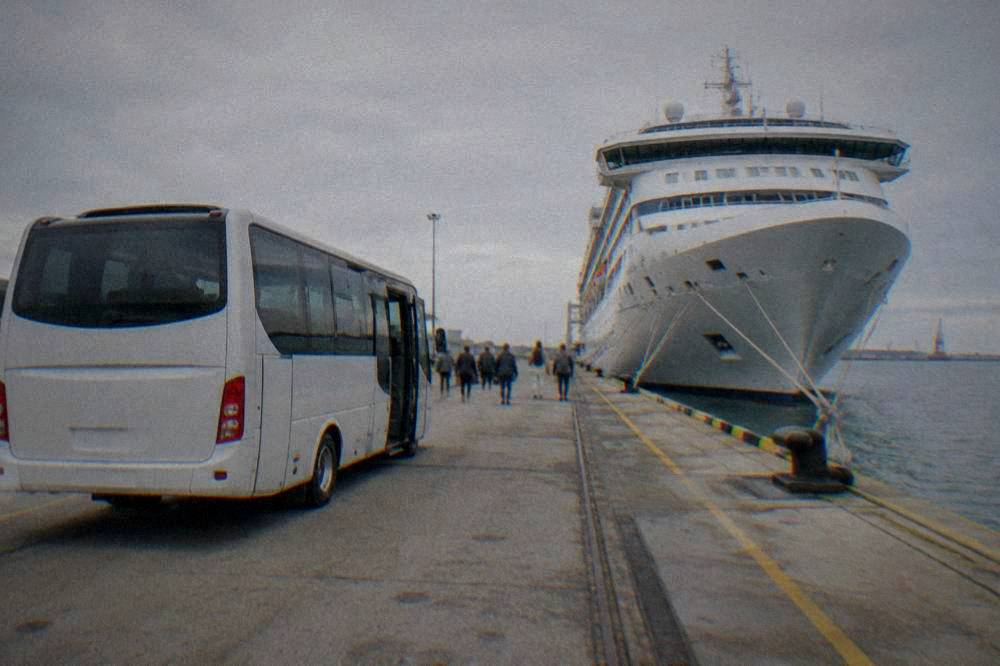
For a port day, the same two precautions that carry the whole city apply: keep the bag closed on the shuttle and in the monument queues, and book timed entries in advance, because Galla Placidia and the Neonian Baptistery admit by slot. A guided port-day option with tickets handled end to end is one way to remove the timing risk from a short call, and the listings below carry the current ones.
Are Ravenna's Beaches Safe To Visit?
The beach resorts, Marina di Ravenna, Punta Marina, Lido Adriano, Lido di Classe and Lido di Savio, are separate towns 8 km or more from the centre, reached by Start Romagna bus from the station, by bike or by car. No bathing-water rating or flag status is printed by this site for any of them, because none is held from an official source.
The winter coastline carries a visible safety feature: a 25,000 cubic metre sand barrier stands at Punta Marina, Marina di Ravenna Sud and Lido di Savio until spring 2027.
That barrier, built each autumn under the Comune's coastal-defence project and reported in the municipality's August 2026 press release, protects the shore against winter storms. It changes the look of those beaches between autumn and spring, and it is a physical structure to keep children off, not a dune to climb. In the swimming season the resorts operate as ordinary Italian lidos, with facilities whose prices this site does not carry; confirm sunbed and umbrella costs at the beach itself.
| Beach Resort | How It Relates To Ravenna |
|---|---|
| Marina di Ravenna | Resort about 8 km out, Start Romagna bus from the station |
| Punta Marina | Next resort south along the coast, winter sand barrier site |
| Lido Adriano | Further along the 35 km of coast, bus or car |
| Lido di Classe | Southern lido, bus or car, near the Classe basilica |
| Lido di Savio | Southernmost of the five, winter sand barrier site |
The bus is the low-stress link: the winter timetable runs to early June 2027, and Line 1 in Ravenna itself runs free through the whole winter period, a detail from the municipal announcement of October 2026. The beaches get their own treatment on the Ravenna beaches page, and the question of whether the city itself has a beach is answered plainly: it does not, the centre is inland.
How Does Weather Affect Safety In Ravenna?
Ravenna's weather is low-drama: the climate table shows November as the wettest month at 78.3 mm and July the driest at 38.1 mm, in modelled 1991 to 2020 normals, with July the warmest month at a 25.2 C mean and January the coldest at 5.1 C. The safety-relevant readings are heat in July and August, rain in October and November, and the flat terrain that makes flooding the region's known weather story, not a Ravenna-specific one.
| Month | Mean C | Precipitation Mm |
|---|---|---|
| January | 5.1 | 43.8 |
| April | 13.1 | 66.0 |
| July | 25.2 | 38.1 |
| October | 15.7 | 66.0 |
| November | 10.6 | 78.3 |
The figures are modelled ERA5 normals for 1991 to 2020, and they shape two habits. In summer, the monument circuit involves indoor gold-ground mosaics in un-airconditioned brick buildings, so water and a midday break matter in the warmest months. In late autumn, November's 78.3 mm makes an umbrella and water-resistant shoes the difference between a finished itinerary and an abandoned one, though the indoor monuments make Ravenna one of the better rainy-day cities in the region, as the rainy-day guide on this site sets out.
Winter visitors get the quieter, shorter-hours version of the city. From 3 November 2026 to 6 March 2027 the Ravenna Mosaici sites run 10:00 to 17:00 with last admissions at 16:30 and 16:45, closed only on 25 December and 1 January, which keeps every day of a winter visit bookable. The full planning view is on best time to visit Ravenna and Ravenna weather.
What Should You Keep An Eye On Around The Monuments?
Queues, timed entries and crowds are the practical pressure points at Ravenna's monuments, not anything threatening. The combo ticket is valid one week with one admission per monument, and an entry time must be booked for each site, with Galla Placidia and the Neonian Baptistery on mandatory timed visits of a few minutes and San Vitale admitting in slots. Reduced fares start at EUR 9.50 for the 2-monument itinerary; the full prices sit on the official page.
The queue discipline is the safety advice in miniature. A booked time means a known wait, a known crowd size and a bag that stays closed and in front rather than open and behind. The reduced-fare and free-entry rules, students, non-accredited journalists and groups over 20 on the reduced side, and children 0 to 10, Ravenna residents, ICOM members, licensed guides and visitors with a disability plus companion on the free side, all come from the Ravenna Mosaici ticket page. The state museums and monuments are free on the first Sunday of the month, which also means those days are busier and the pickpocketing-precaution advice applies doubly.
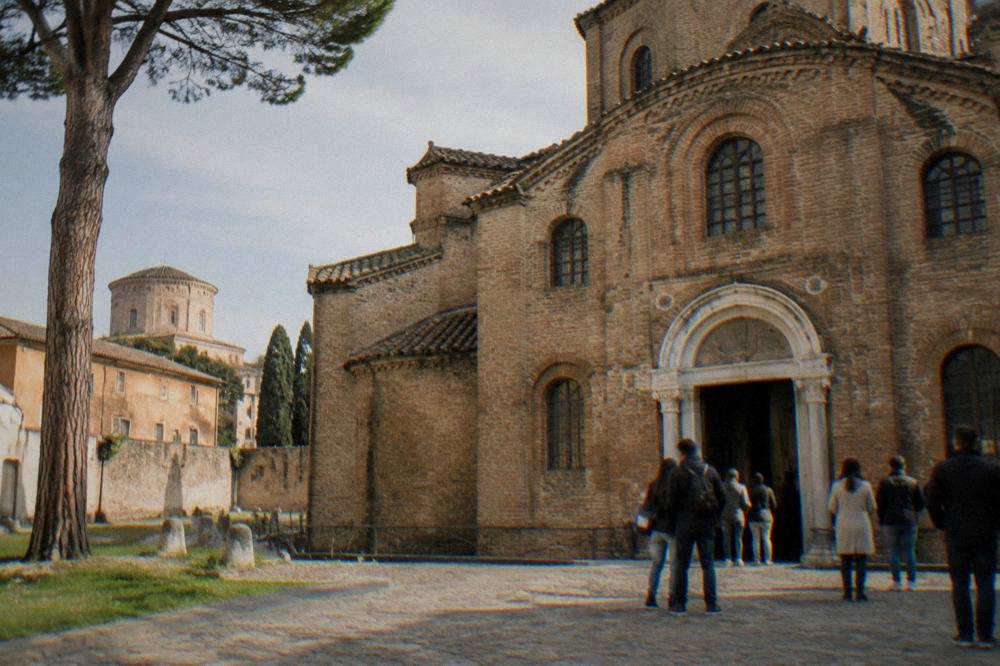
The sites outside the centre need a small amount of planning rather than any special caution. Sant'Apollinare in Classe and the Classis Ravenna museum sit in the Classe area, reached by bus, bike or car, with the basilica open Monday to Saturday 8:30 to 19:00 and Sunday from 13:30 to 19:00. The Mausoleum of Theodoric, EUR 6 full with concessions at EUR 5 and EUR 2 for ages 18 to 25, is open every day 8:30 to 17:30. A guided walk or a day tour that strings the outlying sites together removes the connection-timing from the day, and the picks below are the food and day-trip options this site carries.
How Do Common Scams And Overcharging Work In Ravenna?
The two charges a visitor can check are the coperto and the itemised bill. A cover charge is legal only when printed on the menu, tipping is not obligatory, and a bill that does not match the printed prices should be queried on the spot. No scam list specific to Ravenna is published on this site, because none is held from an official source; the honest answer is that ordinary price-checking habits cover the exposure.
Restaurant and market behaviour follows the national rules. Check that the coperto appears on the menu before ordering, keep an eye on whether pane e coperto is per person, and read the itemised bill against the menu before paying. At markets and shops, prices are posted; the posted price is the check. Around the monuments, the only recurring nuisance pattern in Italian tourist cities generally is unsolicited "help" with tickets or machines, and the plain response is to use the official ticket channels described on the Ravenna combo ticket page rather than accept help at a machine.
On transport, tickets for Start Romagna buses are bought before boarding and validated, and the fine for riding unvalidated is a transport matter, not a safety one, but it is the avoidable cost that catches visitors. Amounts are shown at purchase points. For the trains that link Ravenna with Bologna, about 84 km by direct regional train in about 1 hour to 1 hour 20, fares and live timetables belong to the operator's own pages, as the regional rail timetable gives.
Common Questions About Safety In Ravenna
Is Ravenna safe at night?
The centre stays populated into the evening, with theatre and concert events through autumn and winter, including the "Mozart 1791" trilogy from 13 to 17 November 2026 at Teatro Alighieri. Standard lit-street and zipped-bag habits apply. No source held here names a night-time area to avoid.
What is the emergency number in Ravenna?
112, the single European emergency number, reaches police, medical and fire services anywhere in Italy, including Ravenna.
Is pickpocketing a problem in Ravenna?
Petty theft such as pickpocketing around tourist sites and on public transport is the standard note for busy Italian cities, and Ravenna's crowded monument queues and buses are where it would occur. A zipped bag held in front is the practical defence. This site prints no crime statistic for the city.
Is Ravenna safe for solo female travellers?
The same normal precautions apply as for any solo traveller: the compact, walkable centre, populated streets and a clear emergency number, 112, make the practical picture straightforward. No source held here carries a specific warning for the city.
Are Ravenna's beaches safe?
The five resorts lie 8 km or more from the centre and work as ordinary Italian beach towns. No bathing-water rating is printed by this site. In winter a 25,000 cubic metre protective sand barrier stands at Punta Marina, Marina di Ravenna Sud and Lido di Savio until spring 2027, and it is a structure to keep off.
Will I get a ZTL fine driving in Ravenna?
Driving across a ZTL gate without authorisation is camera-recorded. Gate hours differ, some 7:30 to 20:30 and some 24 hours; a daily permit of about EUR 8 is bought at 24-hour parcometers, and hotels can issue guest authorisation. The fine amount is not stated here; check with the municipality. Parking outside the zone avoids the question.
The short version of all of it: Ravenna asks for ordinary city habits, a zipped bag, a read bill, a permit or a parking spot outside the ZTL, and 112 in the phone, and repays them with a walkable centre whose biggest hazards are timed queues and a fine for the unwary driver.