Venice To Ravenna
Ravenna sits inland on the Po plain, about 8 km from the Adriatic coast, and holds eight UNESCO-listed Early Christian monuments with Byzantine mosaics plus the tomb of Dante. This guide sets out how the journey from Venice works, what tickets and hours the official pages publish, and what to do on arrival.
Short answer
There is no ferry between Venice and Ravenna. The practical routes are the regional train via Bologna or, for cruise passengers, the shuttle from the Porto Corsini terminal, and the mosaic monuments run on timed combo tickets from EUR 9.50 reduced.
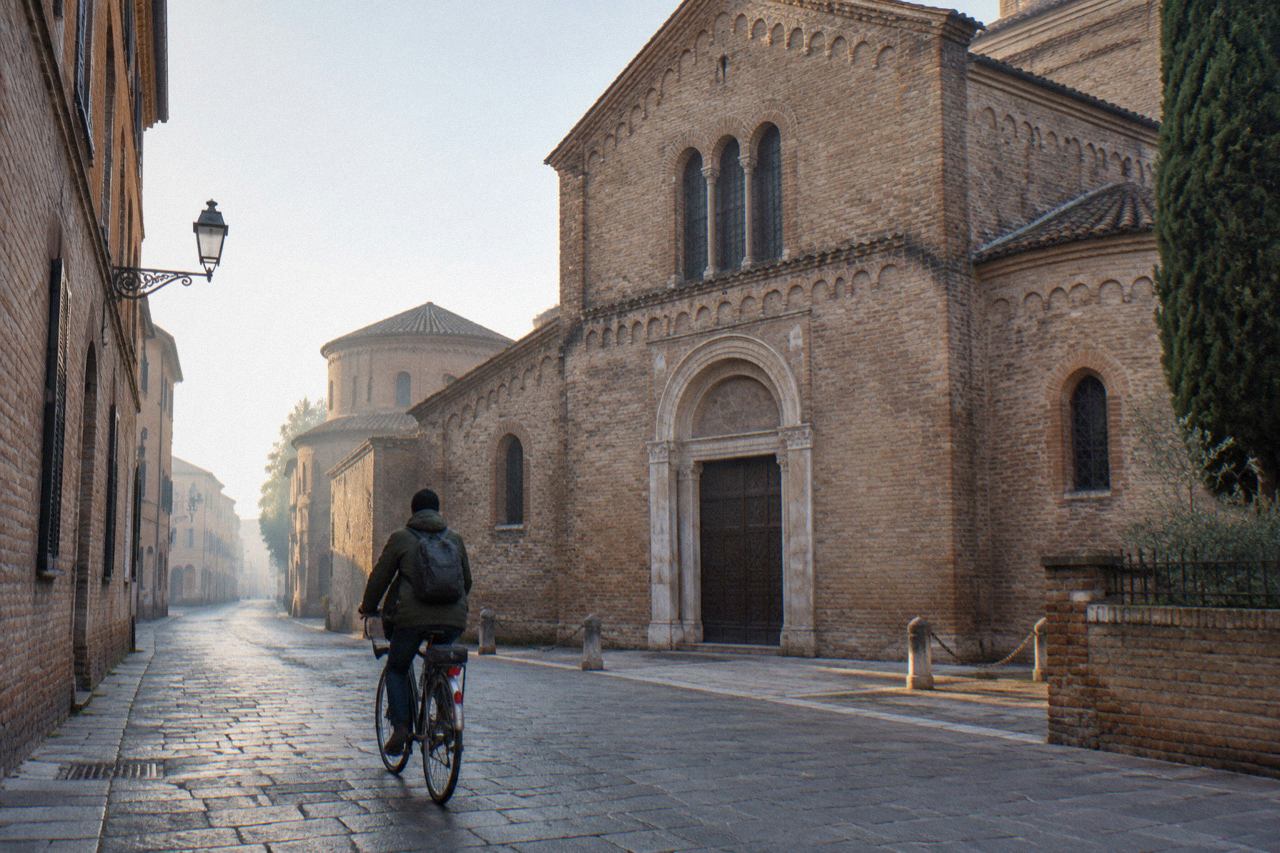
Ravenna, in Emilia-Romagna, is an inland city on the flat Po plain, roughly 8 km from the Adriatic beaches, and it is the one place on that plain where eight Early Christian monuments with Byzantine mosaics sit within walking distance of each other. Travellers coming from Venice usually arrive by regional train through Bologna, or by cruise ship calling at the Porto Corsini terminal about 15 km from the centre. The two cities rhyme in one odd way: Venice kept its lagoon, Ravenna kept its marshes, and the old lagoon city of Comacchio between them is nicknamed the little Venice. This guide reports what the official pages say about each route, the ticket prices the Ravenna Mosaici site publishes, and how to fit the mosaics into a day.
How Do You Get From Venice To Ravenna?
The two practical routes from Venice to Ravenna are the regional train, which runs through Bologna with a connection there, and, for cruise passengers, the ship call at Ravenna's Porto Corsini terminal with its shuttle bus into the city. There is no ferry or direct boat service between the two cities, a point the answer page on the ferry question states plainly. Driving is the third option, and the flat Po plain makes it an uncomplicated run.
The train is the route independent travellers use. The regional timetable gives Ravenna to Bologna Centrale as about 84 km by direct regional train, with the Venice leg feeding into Bologna from the north. The fare is not stated on this site, and the live price belongs to the operator's booking page. For the full picture of frequencies and connections, the site's answer page on how long the train journey from Venice to Ravenna takes carries the detail, and the wider Venice day trip guide covers the reverse direction for anyone based in Ravenna.
Cruise passengers arrive differently. The terminal at Porto Corsini lies about 15 km from the historic centre, and the Visit Ravenna shuttle page shows a shuttle from the centre and from the station area, running about 30 minutes, with the 2026 page covering 3 May to 26 October. The dedicated cruise port guide unpacks that arrival in full, and the cruise port to Venice page covers the shore-excursion traffic flowing the other way.
Docking at Porto Corsini with Venice on the horizon. Book a Venice shore excursion here.
How Long Is The Train Journey From Venice To Ravenna?
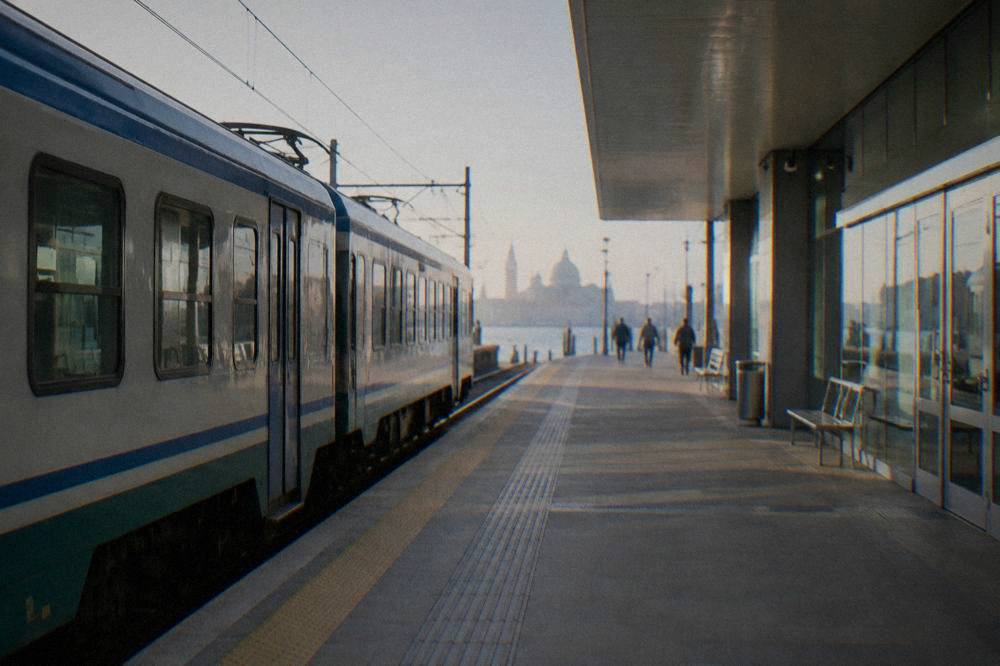
The Venice to Ravenna journey is a two-leg trip: the Venice to Bologna leg on the high-speed or regional network, then the Bologna to Ravenna leg, which the regional timetable gives as about one hour to one hour 20 on direct regional trains over about 84 km. Allow roughly half a day door to door with a connection, and check the operator's timetable for the day of travel.
The regional rail timetable is the source for the Bologna to Ravenna figures, and the answer page on the Venice to Ravenna train journey collects the connection patterns. Two practical points from the timetable structure are worth carrying. First, Bologna Centrale is the fixed transfer point, so a delay on the Venice leg eats into the connection margin. Second, Ravenna's station sits a short walk from the historic centre, so the last stage of the trip costs nothing in time or money.
For anyone who would rather not manage the connections alone, the ferried options include a day tour from Ravenna that reaches Ferrara and Comacchio, the lagoon town between the two cities. The Check availability link sits beside the site's own page for the Ferrara and Comacchio day tour, which describes the route in full.
Can You Take A Ferry From Ravenna To Venice?
No regular passenger ferry connects Ravenna and Venice, and the Adriatic between them carries cargo ships and cruise calls rather than a scheduled boat service. The answer page on the ferry question states this directly: the sea route exists for shipping, not for travellers. The functional equivalent of a boat trip is a Comacchio lagoon excursion or a Venice shore excursion from the cruise port.
That does not leave the water-loving traveller empty-handed. Comacchio, the lagoon town east of Ravenna, runs boat cruises among its flamingos and old eel-workers' houses, and the Cervia salt pans run electric boat itineraries on weekends into late October per the Cervia tourism page. For the Venice side of the fantasy, the shore-excursion listings from Porto Corsini include a deluxe Venice tour by boat and gondola, which the cruise port to Venice guide describes alongside the shuttle logistics. The dedicated answer page on whether you can take a ferry from Ravenna to Venice holds the short version.
What Does A Cruise Arrival From Venice Waters Look Like?
Cruise calls at Ravenna are growing: the port plans 111 calls and about 390,000 passengers for the 2026 season, and a new terminal with capacity for two ships at once is reported for inauguration in spring 2027. Until then the current Porto Corsini terminal handles the season, with the Visit Ravenna shuttle covering the about 15 km to the centre in about 30 minutes.
The shuttle detail matters because Ravenna is a working port, not a town-centre berth. The 2026 shuttle page gives the service dates as 3 May to 26 October, picking up near the station and in the centre, and the cruise port guide on this site maps the whole arrival. Once ashore, the UNESCO monuments, Dante's tomb and the food streets are all inside a compact, walkable centre, which is why the one day in Ravenna itinerary exists as a sibling page for port days.
What Should You See In Ravenna After The Journey?
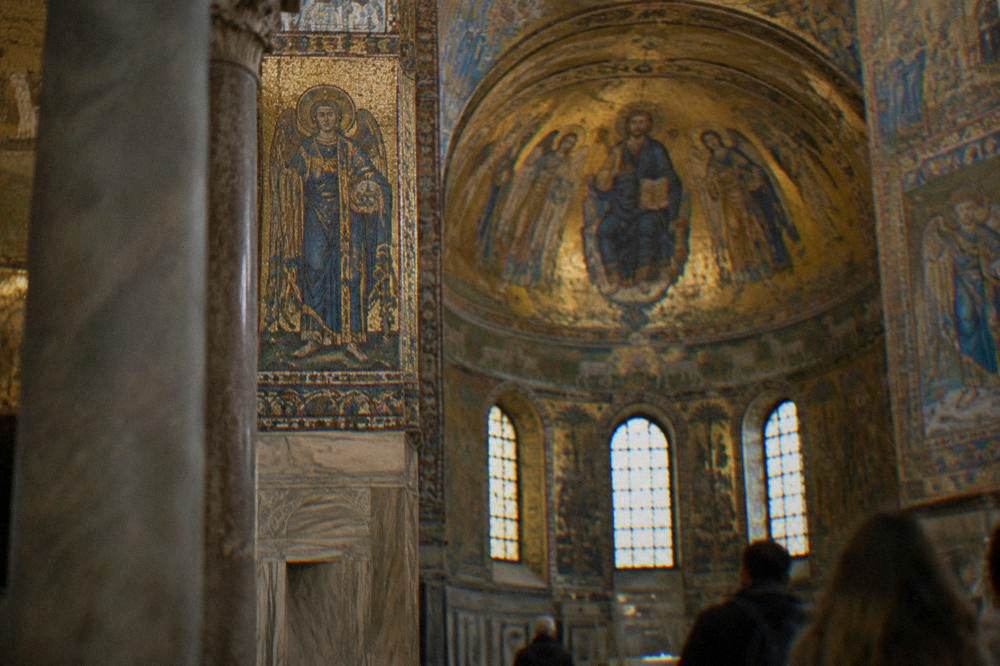
The core of a Ravenna visit is the eight UNESCO-listed Early Christian monuments, inscribed in 1996: the Mausoleum of Galla Placidia, the Neonian Baptistery, Sant'Apollinare Nuovo, the Arian Baptistery, the Archiepiscopal Chapel, the Mausoleum of Theodoric, San Vitale and Sant'Apollinare in Classe. Dante's tomb, free to enter, sits in the centre, and the Classis Ravenna museum tells the city story in the Classe area.
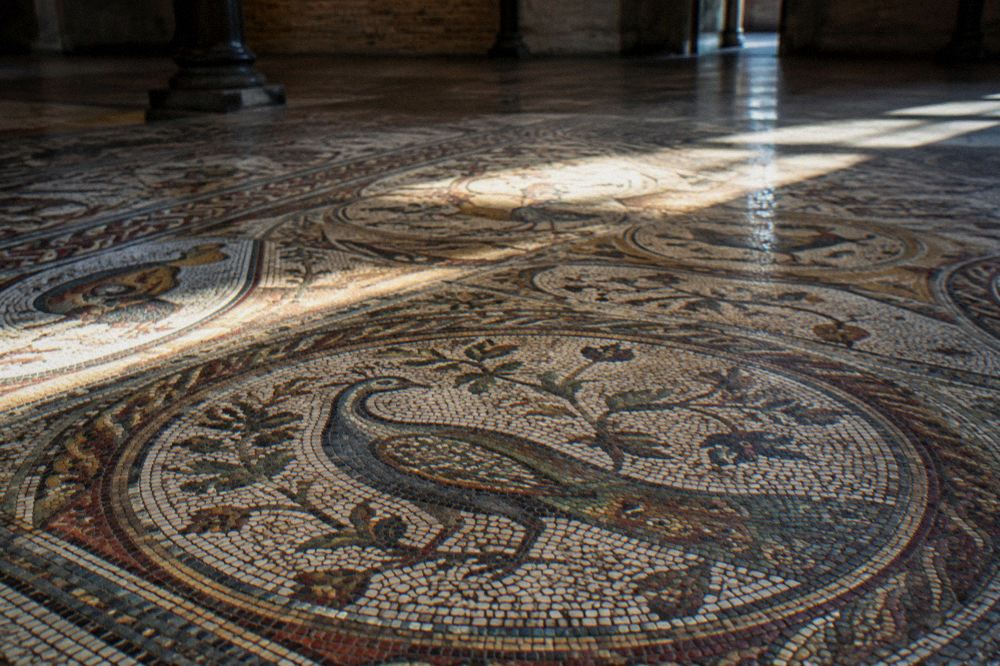
The UNESCO sites guide walks each monument, and the mosaics overview explains what the gold-ground glass work actually depicts. Sant'Apollinare in Classe and Classis Ravenna sit outside the centre in the Classe area, so they need a bus or a bike, a point the Classe area guide makes. The full sight list, including the food streets and Piazza del Popolo, lives in the root things to do in Ravenna page.
How Do The Ravenna Mosaic Tickets And Prices Work?
The Ravenna Mosaici combo ticket is the standard purchase: reduced fares start at EUR 9.50 for two monuments, EUR 11.50 for four and EUR 13.50 for five, valid one week with one admission per monument and a booked entry time for each. Galla Placidia and the Neonian Baptistery require mandatory timed entry with a few minutes inside each, and San Vitale admits in slots.
The reduced prices above are the figures printed on the official ticket page, and the full-price tiers are shown at booking there. Reduced rates apply to students, non-accredited journalists and paying groups over 20; entry is free for children 0 to 10, Ravenna residents, ICOM members, licensed guides, and visitors with a disability plus one companion. The 2-monument combo covers Sant'Apollinare Nuovo and San Vitale; the 4-monument adds Galla Placidia and the Neonian Baptistery; the 5-monument adds the Archiepiscopal Museum and the Chapel of St Andrew. The combo ticket guide shows how the tiers stack.
| Combo ticket | Monuments covered | Reduced price |
|---|---|---|
| 2 monuments | Sant'Apollinare Nuovo, San Vitale | EUR 9.50 |
| 4 monuments | Adds Mausoleum of Galla Placidia, Neonian Baptistery | EUR 11.50 |
| 5 monuments | Adds Archiepiscopal Museum and Chapel of St Andrew | EUR 13.50 |
The monuments outside the combo are priced separately, and the figures below come from the official pages named in each entry.
| Monument or museum | Published price | Source page |
|---|---|---|
| Mausoleum of Theodoric | EUR 6, concession EUR 5, ages 18 to 25 EUR 2 | Visit Ravenna monument page |
| Theodoric combined ticket (mausoleum, Arian Baptistery, Theodoric's Palace) | EUR 7 | Visit Ravenna monument page |
| Arian Baptistery alone | EUR 3 | cultura.gov.it listing |
| Sant'Apollinare in Classe | EUR 6, reduced EUR 2 | cultura.gov.it listing |
| Museo Nazionale di Ravenna | EUR 7, reduced EUR 2 | cultura.gov.it listing |
| MAR art museum | EUR 8, reduced EUR 6, students EUR 3 | MAR ticket office page |
| Museo Dante | EUR 5, reduced EUR 3.50 | vivadante ticketing page |
| Dante's tomb | Free | Comune di Ravenna page |
The state museums and monuments are free on the first Sunday of the month, per the state museum pages. The Domus dei Tappeti di Pietra's hours vary by season and its price should be checked on the official page before a visit. The rest of the planning pages sit on Ravenna Travel Guide.
When Are The Ravenna Monuments Open?
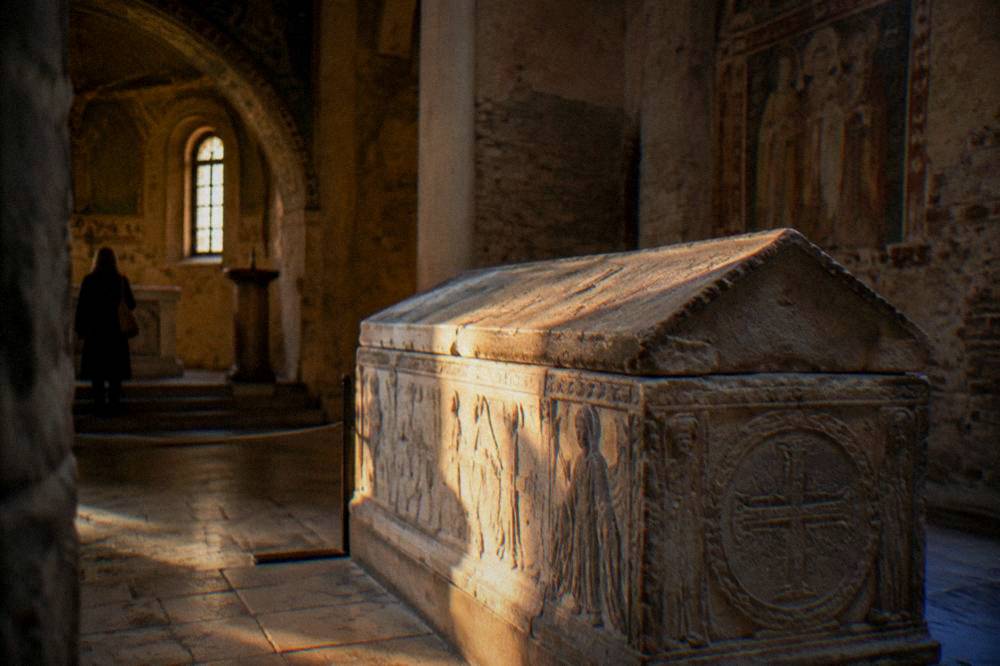
The Ravenna Mosaici season splits in two: from 8 March to 2 November 2026 the combo monuments run 9:00 to 19:00, and from 3 November 2026 to 6 March 2027 they open 10:00 to 17:00 daily, with last admission 30 minutes before closing and 16:45 at Galla Placidia and the Neonian Baptistery. All close on 25 December and 1 January.
The official hours page is the live authority, and the winter season is the one a late-autumn arrival from Venice meets. Dante's tomb keeps 10:00 to 18:00 from November to March and 10:00 to 19:00 from April to October, free both seasons. Sant'Apollinare in Classe runs Monday to Saturday 8:30 to 19:00 and Sunday 13:30 to 19:00, and the Mausoleum of Theodoric opens 8:30 to 17:30. Museo Nazionale hours shift through the year and are confirmed on its listing.
| Site | Summer to 2 Nov 2026 | Winter 3 Nov 2026 to 6 Mar 2027 |
|---|---|---|
| San Vitale, Sant'Apollinare Nuovo, Archiepiscopal Museum | 9:00 to 19:00 | 10:00 to 17:00, last entry 16:30 |
| Galla Placidia, Neonian Baptistery | 9:00 to 19:00 | 10:00 to 17:00, last entry 16:45 |
| Dante's tomb | 10:00 to 19:00 | 10:00 to 18:00 |
| Mausoleum of Theodoric | 8:30 to 17:30 | 8:30 to 17:30 |
| Sant'Apollinare in Classe | Mon to Sat 8:30 to 19:00, Sun 13:30 to 19:00 | Same schedule, closed 25 Dec |
For travellers who want interpretation rather than entry alone, the guided options include a UNESCO monuments walk with tickets handled by the operator, and the site's own mosaic tours guide compares the formats. A Check availability link sits next to that tour's page.
Is Ravenna A Good Alternative Base To Venice?
Ravenna works as a calmer, cheaper-feeling base than Venice for exploring Emilia-Romagna: the centre is compact and walkable, the station links to Bologna on direct regional trains over about 84 km, and the eight UNESCO monuments sit in a town that never floods its streets with high water. The trade-off is scale: Ravenna's nightlife and hotel stock are smaller, and the beaches sit 8 km or more away by bus.
The honest framing is that the two cities serve different trips. Venice is the destination; Ravenna is the depth charge, a place where a week of Italian history fits into a stroll. The is Ravenna worth visiting page weighs the case, the where to stay and hotels pages cover the practical base question, and how many days in Ravenna answers the length-of-stay question. Anyone splitting a trip between the two should budget at least a full day for the mosaics alone, since timed entries at Galla Placidia and the Neonian Baptistery pace the itinerary.
What About Comacchio, The Little Venice Between Them?
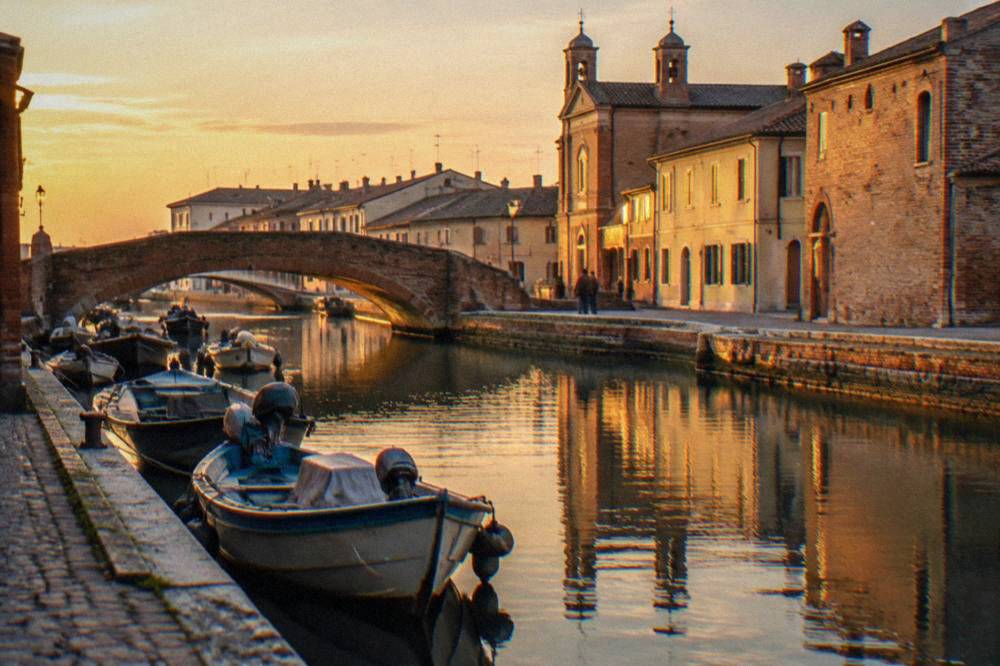
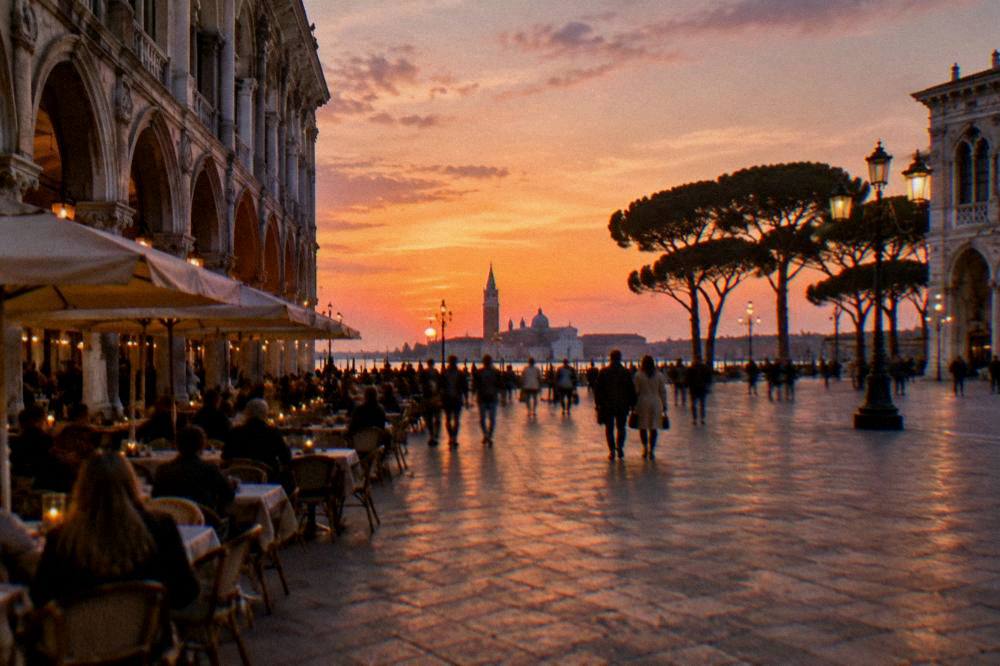
Comacchio, the lagoon town between Ravenna and Ferrara, is the natural midpoint stop on a Venice to Ravenna itinerary: its canals, brick bridges and flamingo-coloured salt pans earned it the nickname little Venice, and a day tour from Ravenna pairs it with Ferrara in one booking. The Po Delta park around it runs boat cruises and hides, with flamingos present year-round.
The Comacchio salt pans host a major flamingo colony visible on guided boat and walking tours, per the Comacchio tourism pages, and the Cervia salt pans visitor centre at Via Bova 61 opens weekends and holidays with flamingos noted in every season. The Comacchio day trip guide collection on this site, alongside the Po Delta park guide, lays out the birding and boat options. The site's featured tour for this route, the Ferrara and Comacchio day tour, is the bookable version of that midpoint idea.
When Is The Best Time To Make The Venice To Ravenna Trip?
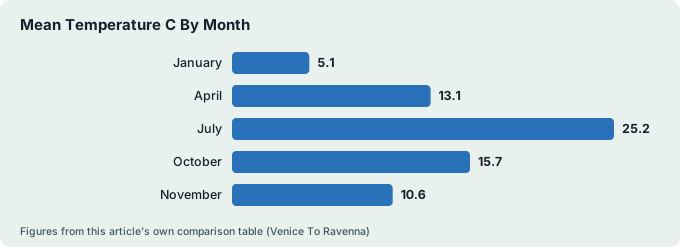
The climate table shows July as the warmest month at a 25.2 C mean and January the coldest at 5.1 C, with November the wettest month at 78.3 mm and July the driest at 38.1 mm, from modelled ERA5 1991 to 2020 normals. Late spring and early autumn combine mild means with the long 9:00 to 19:00 monument hours that run to 2 November.
The hours are the hidden variable. Arrive in the winter season from 3 November 2026 and every combo monument closes at 17:00, which compresses a mosaic day; arrive before 2 November and the same ticket buys evening light in San Vitale. The best time to visit and weather pages carry the full monthly table and the seasonal arguments.
| Month | Mean temperature C | Precipitation mm |
|---|---|---|
| January | 5.1 | 43.8 |
| April | 13.1 | 66.0 |
| July | 25.2 | 38.1 |
| October | 15.7 | 66.0 |
| November | 10.6 | 78.3 |
What Should You Eat On Arrival In Ravenna?
Ravenna's table is Romagna's table: piadina flatbread, cappelletti in broth, and Romagna wines such as Sangiovese and Albana, described on the Visit Ravenna food pages by dish rather than by restaurant. A guided food walk pairs the monuments with tastings, and the food tour listings include a walk that combines mosaics with tastings at local producers.
No restaurant is named on this page, and prices for food are not carried here; the restaurants and food guide pages hold the dish-by-dish detail, and the piadina and cappelletti pages explain the two signature dishes. One tip that carries no price: a cover charge, the coperto, is legal when printed on the menu, and tipping is not obligatory.
Common Questions About Venice To Ravenna Travel
Is there a ferry from Venice to Ravenna?
No. No scheduled passenger ferry connects the two cities; the sea route carries cargo and cruise traffic. The train via Bologna is the standard route, and the site's ferry answer page restates this with the alternatives.
How do I get to Ravenna by train from Venice?
Take a Venice to Bologna service, then a direct regional train from Bologna Centrale to Ravenna, a leg of about 84 km taking about one hour to one hour 20. The fare is shown at booking on the rail operator's page, and the Ravenna station is a short walk from the historic centre.
How long is the transfer from the Ravenna cruise port to the city centre?
The Porto Corsini terminal is about 15 km from the centre, and the Visit Ravenna shuttle covers it in about 30 minutes, with the 2026 service running 3 May to 26 October.
How much do the Ravenna mosaics cost to visit?
Reduced combo fares start at EUR 9.50 for two monuments, EUR 11.50 for four and EUR 13.50 for five, valid one week with one admission per monument. Full prices are shown on the official Ravenna Mosaici ticket page.
Can you visit Ravenna as a day trip from Venice?
It is possible by train via Bologna but tight, since the round trip with connections consumes much of the day. A overnight stay, or a cruise call at Porto Corsini, gives the timed entries at Galla Placidia and the Neonian Baptistery room to breathe.
Is Ravenna worth visiting compared to Venice?
The two are different products: Venice is a lagoon city built on water, Ravenna an inland Po-valley city with eight UNESCO monuments, Dante's tomb and a walkable centre. The is Ravenna worth visiting guide on this site makes the comparison in full.
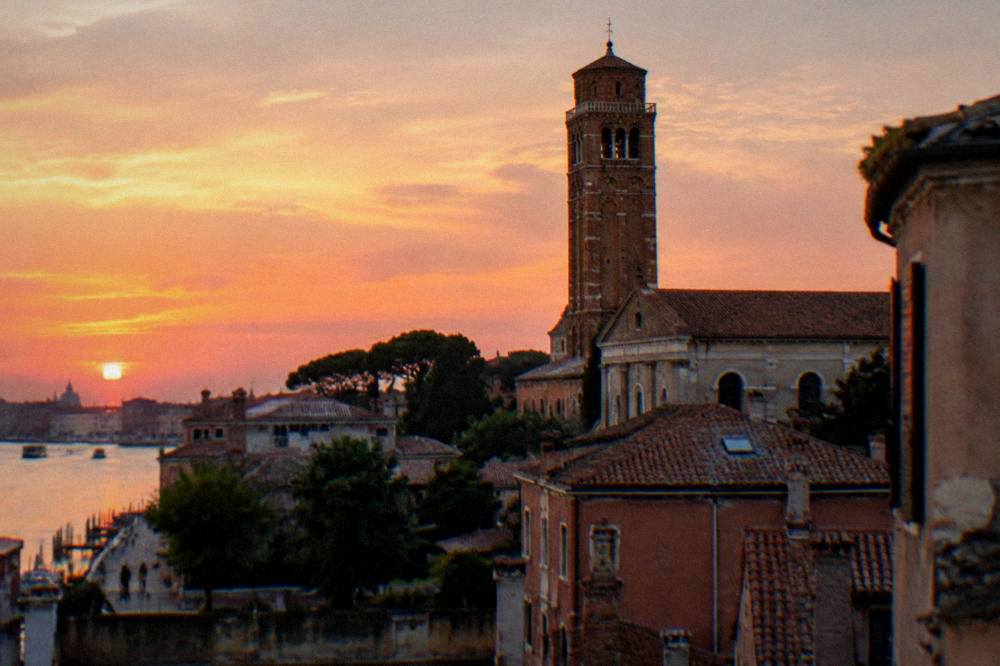
The journey from Venice to Ravenna is a crossing between two Italies that both grew rich on water, one on a lagoon and one on marshes, and the mosaics at the end of it are the payoff. Book the timed entries, catch the shuttle or the connection with margin to spare, and the gold ceilings of San Vitale do the rest.