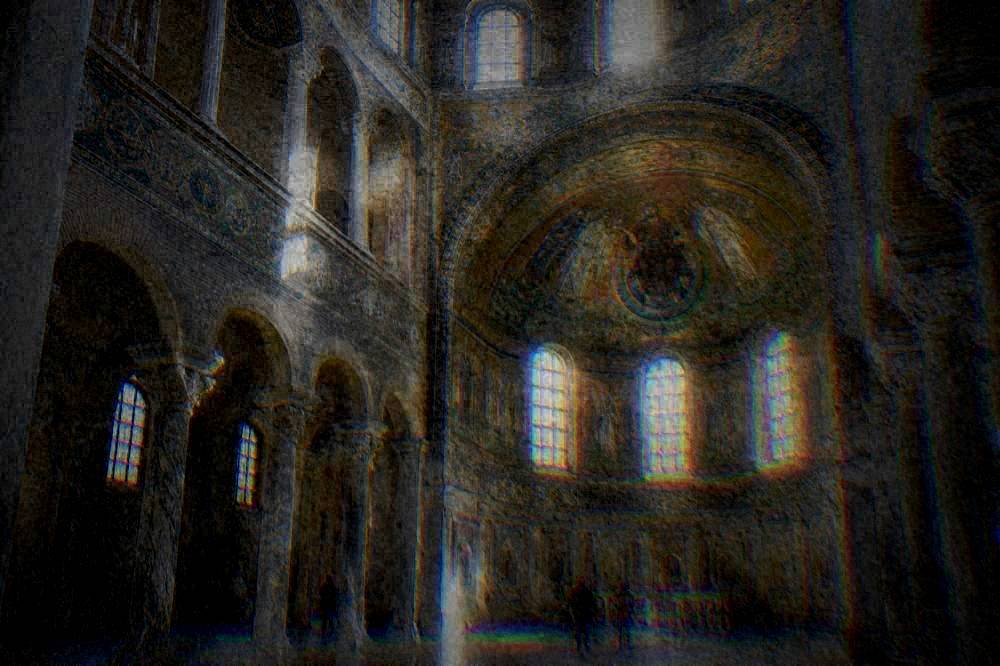
Is Ravenna Worth Visiting
Ravenna, the inland Po-valley city in Emilia-Romagna about 8 km from the Adriatic coast, holds eight UNESCO Early Christian monuments, Dante's tomb and a compact walkable centre. This page weighs what the official sources say against the effort of getting there.
Short answer
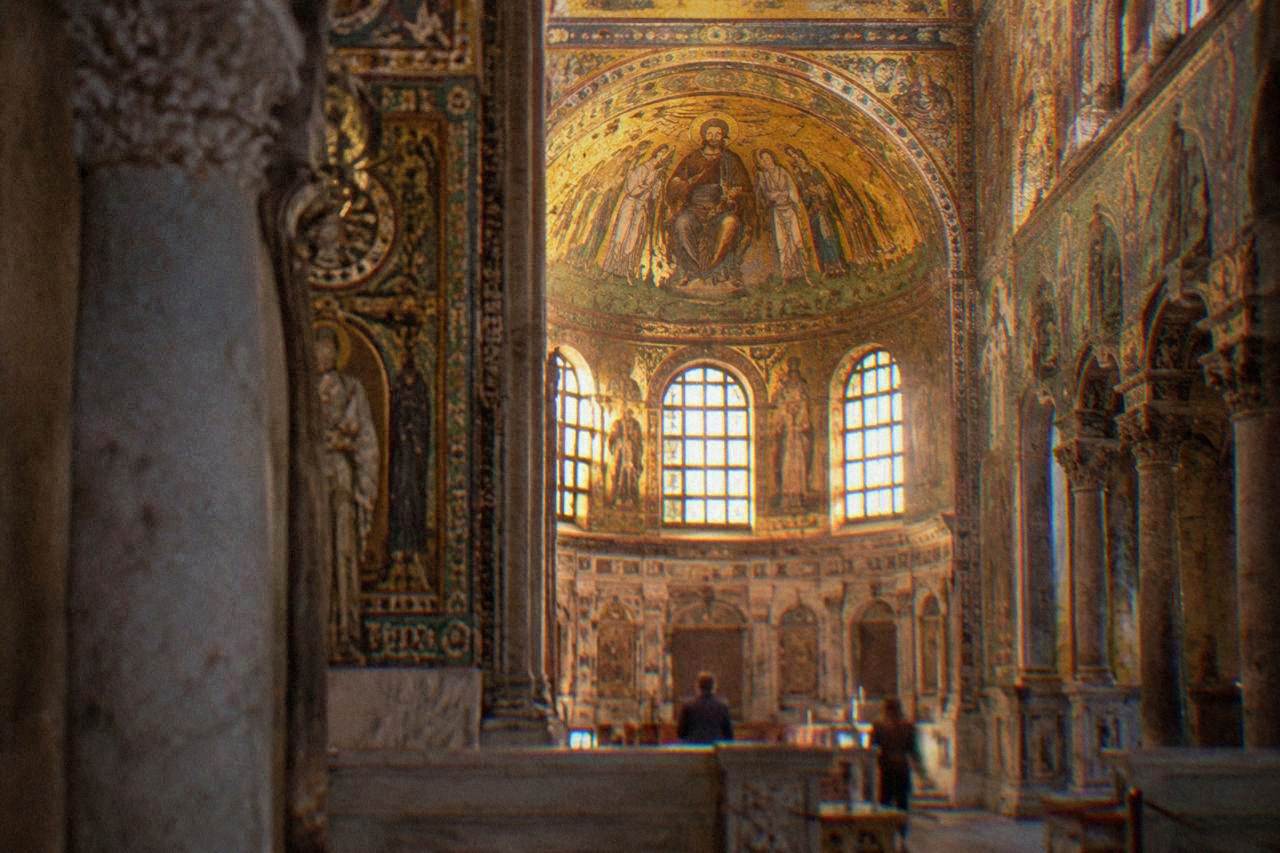
Yes, Ravenna is worth visiting if you care about mosaics, early medieval art or Dante: eight UNESCO-listed monuments sit within a walkable centre, tickets are modest, and the city works as a base for Bologna, Ferrara and the coast.
Ravenna, in Emilia-Romagna, is a flat Po-plain city whose historic centre sits inland, about 8 km from the Adriatic shore, and it answers the worth-it question with an unusual concentration of evidence: eight Early Christian monuments inscribed by UNESCO in 1996, the tomb of Dante, and a centre small enough to cross on foot between them. The question is not whether the mosaics are extraordinary, the UNESCO listing itself makes that argument, but whether the rest of the trip, the travel, the costs, the food, the beaches and the day trips, adds up. This page works through each part using what the official pages and listings actually say, so the verdict is one a reader can check against primary sources rather than an opinion dressed as experience.
Is Ravenna Worth Visiting For Its Mosaics Alone?
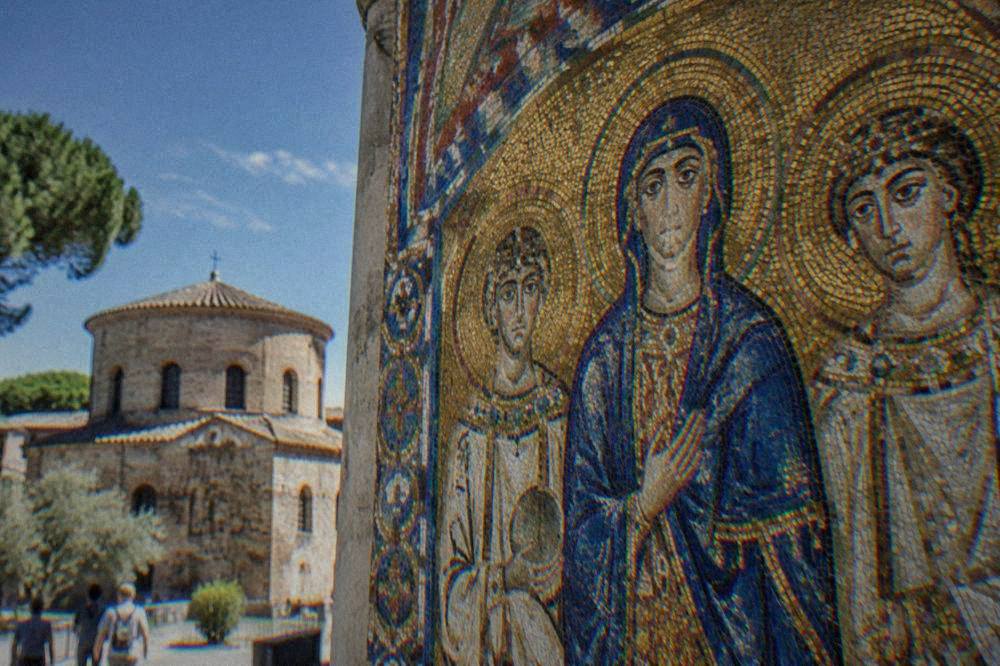
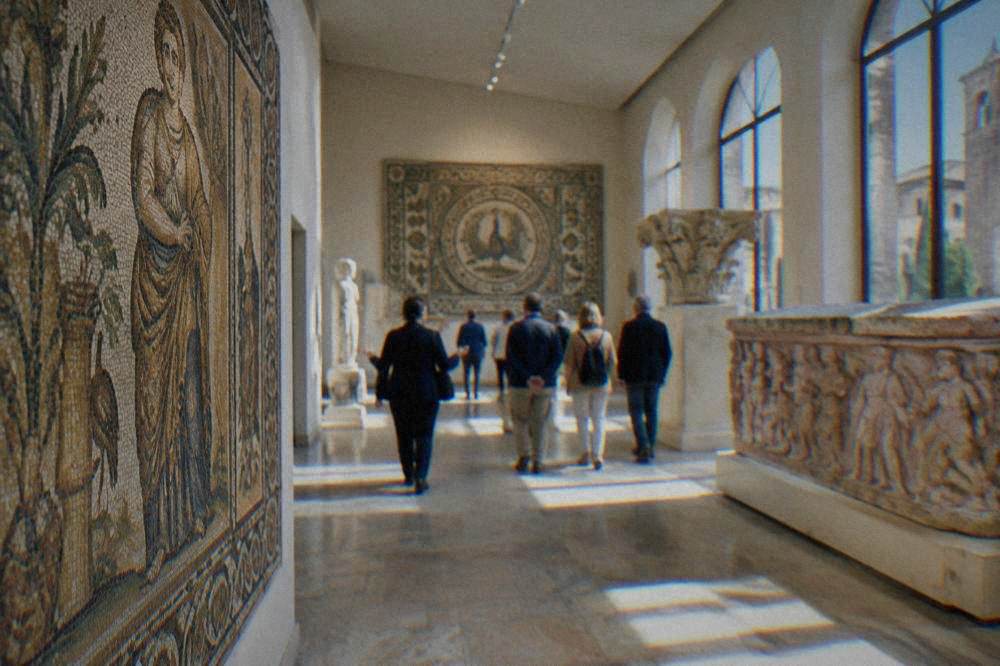
Yes, the mosaics alone justify the trip, and the case is unusually measurable: eight monuments carry UNESCO World Heritage inscription together, listed in 1996, and no other city of this size concentrates gold-ground Byzantine mosaic work the same way. San Vitale, the Mausoleum of Galla Placidia, the Neonian Baptistery and Sant'Apollinare in Classe form the core, and a single combined ticket covers five of them.
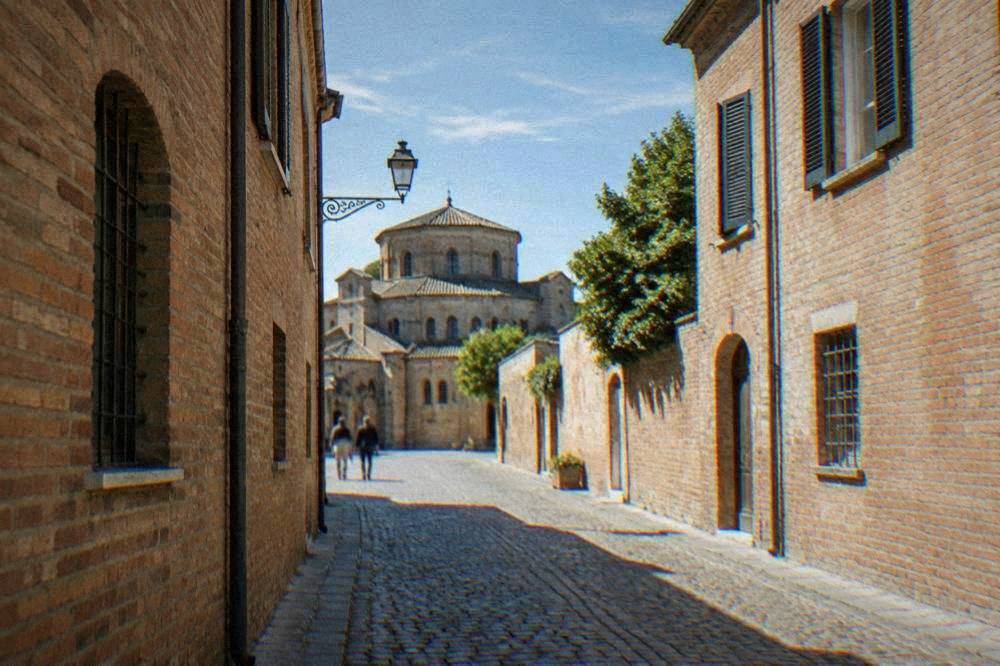
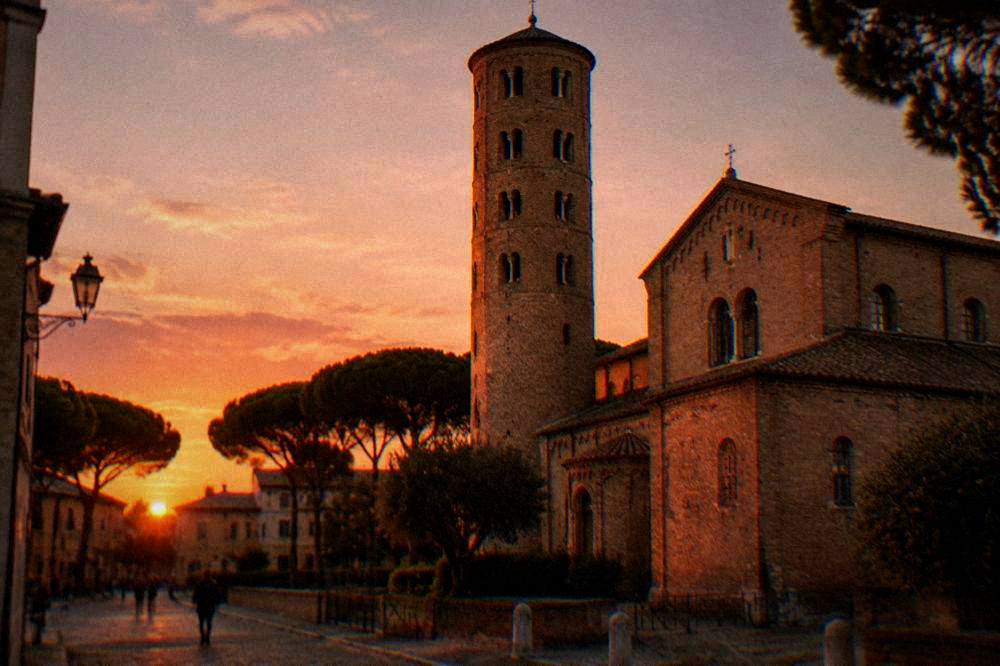
The eight UNESCO monuments, named on the UNESCO listing, are the Mausoleum of Galla Placidia, the Neonian Baptistery, Sant'Apollinare Nuovo, the Arian Baptistery, the Archiepiscopal Chapel, the Mausoleum of Theodoric, San Vitale and Sant'Apollinare in Classe. The first seven cluster inside or near the historic centre; Sant'Apollinare in Classe stands in the Classe area outside it, next to the Classis Ravenna museum. What a visitor sees is gold-ground glass mosaic, brick drums, domed chapels and apses, described in the UNESCO listing's own wording as Early Christian monuments with Byzantine mosaics.
The combined ticket run by Ravenna Mosaici is the practical backbone of a visit. It is valid one week, allows one admission per monument, and an entry time must be booked for each monument. Galla Placidia and the Neonian Baptistery require mandatory timed entry with stays of a few minutes inside, and San Vitale admits in slots. The full set of rules and current fares is on the official ticketing page, and the broader story of the artworks is covered in the site's guide to Ravenna's mosaics.
| Monument | Position | Ticket notes |
|---|---|---|
| San Vitale | Historic centre | Combo ticket, admission in slots |
| Mausoleum of Galla Placidia | Historic centre | Combo ticket, mandatory timed entry, short stay |
| Neonian Baptistery | Historic centre | Combo ticket, mandatory timed entry, short stay |
| Sant'Apollinare Nuovo | Historic centre | Covered by the 2-monument combo |
| Arian Baptistery | Historic centre | EUR 3 individual, or the Theodoric combined ticket |
| Archiepiscopal Chapel and Museum | Historic centre | Covered by the 5-monument combo |
| Mausoleum of Theodoric | Near centre | EUR 6, EUR 5 concession, EUR 2 ages 18 to 25 |
| Sant'Apollinare in Classe | Classe area, outside centre | EUR 6, EUR 2 reduced |
The two timed monuments deserve a note. The Ravenna Mosaici terms page states that the Mausoleum of Galla Placidia and the Neonian Baptistery operate with booked entry times and brief stays, which is how the sites protect the small interiors. Planning around those slots, rather than drifting between churches, is what separates a smooth day from a rushed one, and the site's page on all eight UNESCO sites maps them in walking order.
How Many Days Do You Need In Ravenna?
One full day covers the core: the five centre monuments on a combo ticket, Dante's tomb, which is free, and a walk across Piazza del Popolo. Two days add Sant'Apollinare in Classe, the Classis Ravenna museum and a slower rhythm, and the official hours make that arithmetic work, since the winter timetable from 3 November 2026 runs 10:00 to 17:00 across the main sites.
The centre is compact and flat. The Ravenna Mosaici hours page shows the summer schedule, 8 March to 2 November 2026, at 9:00 to 19:00, and the winter schedule, 3 November 2026 to 6 March 2027, at 10:00 to 17:00, closed 25 December and 1 January. Dante's tomb is free and opens 10:00 to 18:00 November to March and 10:00 to 19:00 April to October. That gives a visitor a fixed window, and the combo ticket's one-week validity means nothing needs to be rushed into a single morning.
A sensible split, based purely on the hours and geography above:
| Day | What fits | Why |
|---|---|---|
| Day 1 | San Vitale, Galla Placidia, Neonian Baptistery, Sant'Apollinare Nuovo, Archiepiscopal Museum | All inside the centre, all on one combo ticket |
| Day 2 | Sant'Apollinare in Classe, Classis Ravenna museum, Dante's tomb, Piazza del Popolo | Classe sits outside the centre and rewards a half day |
| Day 3 | Beach at Marina di Ravenna or a day trip to Bologna or Ferrara | Reachable by regional train or Start Romagna bus |
The longer treatment, with itinerary variants, sits in the site's pages on how many days to spend in Ravenna and the money page on things to do in Ravenna. For visitors who prefer a guide to handle the timed entries and the walking order, a small set of bookable walks covers the same ground, and the trio below is the desk's pick of the matched options.
What Does It Cost To Visit Ravenna's Monuments?
The combined Ravenna Mosaici ticket starts from EUR 9.50 reduced for two monuments, EUR 11.50 reduced for four and EUR 13.50 reduced for five, per the official prices page. Individual state sites run from EUR 3 for the Arian Baptistery to EUR 6 for the Mausoleum of Theodoric, Dante's tomb is free, and the state museums open free on the first Sunday of the month.
Reduced fares apply to students, non-accredited journalists and paying groups over 20, and entry is free for children 0 to 10, residents of Ravenna, ICOM members, licensed guides, and visitors with a disability plus companion, all stated on the Ravenna Mosaici page. Full-price combo figures sit on that same page, which the desk sends readers to rather than quoting here. For visitors who want a guide bundled with entry, one tour option pairs the walk with its own admission, and the solo pick below renders the live price and rating.
Beyond the monuments, the museum layer adds a handful of distinct experiences. The MAR art museum charges EUR 8 full, EUR 6 reduced and EUR 3 for students. The Museo Nazionale charges EUR 7 full and EUR 2 reduced, and closes Mondays. The Classis Ravenna museum, out at Classe, is EUR 8 full and EUR 6 reduced, and it absorbed the collection of the TAMO museum, which closed in 2023. The Domus dei Tappeti di Pietra varies its hours by season and its prices should be checked on the official page.
| Site or ticket | Price | Source note |
|---|---|---|
| Combo, 2 monuments | From EUR 9.50 reduced | Ravenna Mosaici prices page |
| Combo, 4 monuments | From EUR 11.50 reduced | Ravenna Mosaici prices page |
| Combo, 5 monuments | From EUR 13.50 reduced | Ravenna Mosaici prices page |
| Arian Baptistery | EUR 3 | cultura.gov.it listing |
| Theodoric combined ticket | EUR 7, with Arian Baptistery and Palace | Visit Ravenna page |
| MAR | EUR 8, EUR 6 reduced, EUR 3 students | MAR ticket office page |
| Museo Nazionale | EUR 7, EUR 2 reduced | cultura.gov.it listing |
| Classis Ravenna | EUR 8, EUR 6 reduced | museum listing |
| Museo Dante | EUR 5, EUR 3.50 reduced | vivadante ticketing page |
| Dante's tomb | Free | municipal page |
One line of the budget sits outside the ticket desks: the overnight tourist tax. The tariff in force from 1 January 2023 sets about EUR 1 per night at 1 and 2 star hotels, about EUR 2 at 3 stars, about EUR 3 at 4 stars and about EUR 4 at 5 stars, with about EUR 1.50 for bed and breakfasts and rooms, and the desk advises confirming the current amount at booking.
Want the mosaics and a coast lunch handled in one booking?
A private day tour combines Ravenna's history with lunch on the beach, and the operator's listing shows the cancellation terms before payment.
Is Ravenna Easy To Reach Without A Car?
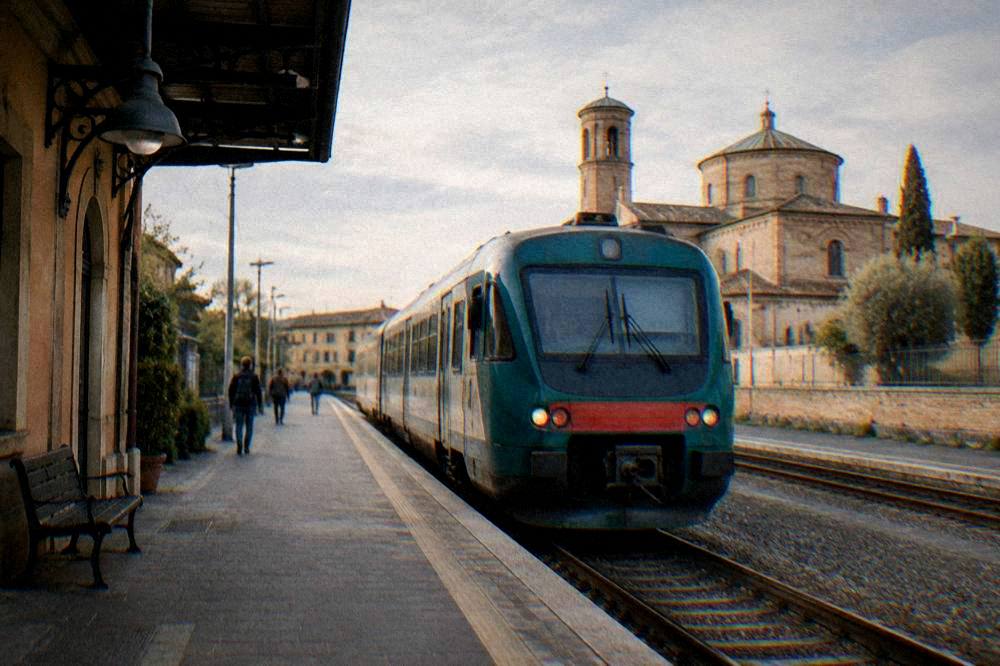
Yes, Ravenna works without a car: direct regional trains link it to Bologna Centrale, about 84 km away, in about 1 hour to 1 hour 20, and the railway station sits a short walk from the historic centre. From Bologna airport the route is the Marconi Express to Bologna Centrale and then a regional train, about 2 to 2.5 hours door to door.
The regional rail timetable gives the Ravenna to Bologna connection via Castelbolognese; the fare shows at booking or on the operator's page. Ravenna to Rimini runs direct in roughly 42 to 58 minutes by regional train, which opens the Adriatic side of the map. The desk's pages on getting to Ravenna, the Bologna transfer and the airport route carry the detail.
Inside the city the car becomes a liability more than a help. The historic centre's limited traffic zone is camera-enforced, with some gates active 7:30 to 20:30 and others 24 hours; a daily permit costs about EUR 8 from the 24-hour parcometers, and hotels can issue a guest authorisation. Arriving by train and walking avoids the whole question, since the station sits on the edge of the centre.
For cruise passengers the arithmetic is different again: the Porto Corsini terminal lies about 15 km from the centre, and the Visit Ravenna shuttle covers it in about 30 minutes, running 3 May to 26 October in the 2026 page. The port's new terminal is reported for inauguration in spring 2027, with 111 calls and about 390,000 passengers planned for 2026. The site's cruise port guide handles that scenario in full.
What Is There To Do In Ravenna Beyond The Mosaics?
Dante's tomb, free and open daily, anchors a literary side to the city, and Dante died and is buried here. Around it sit Piazza del Popolo, the covered market tradition of piadina and cappelletti, the MAR's contemporary exhibitions, and, 8 km out, the beach resorts of Marina di Ravenna, Punta Marina, Lido Adriano, Lido di Classe and Lido di Savio along about 35 km of coast.
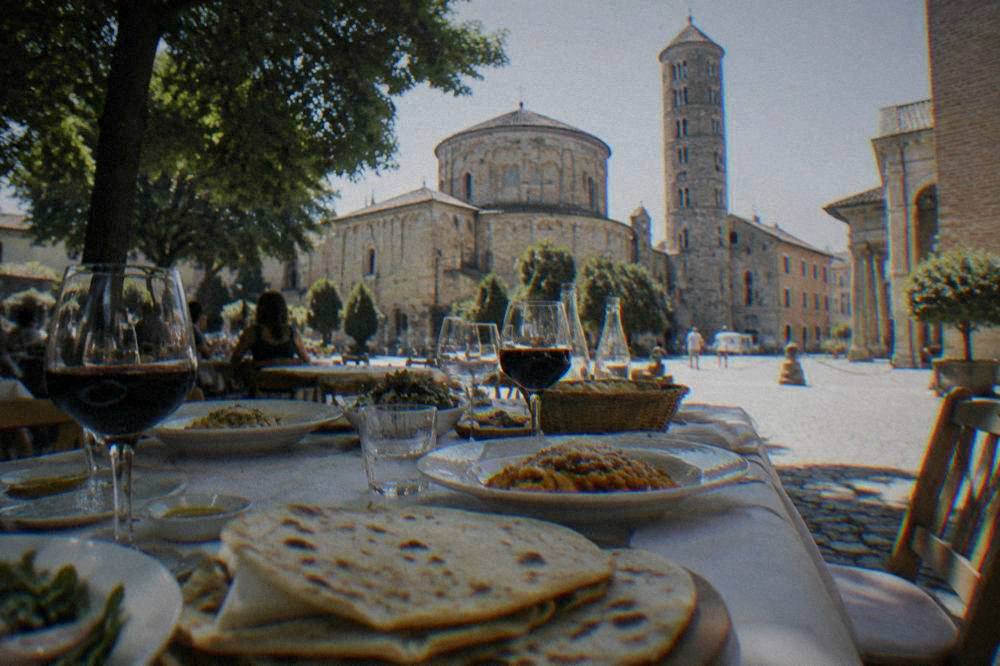
The food is a genuine reason in its own right. The Visit Ravenna pages describe the piadina flatbread, cappelletti pasta and Romagna wines by dish and tradition, and the desk's food guide and restaurant overview treat them properly. A cover charge, the coperto, is legal when printed on the menu, and tipping is not obligatory. Cooking classes and market tours are bookable, and food walks pair tastings with the mosaic route.
The beaches need a bus, a bike or a car, because the centre is inland. Start Romagna buses run from the station to the resorts. One seasonal fact from the Comune press release: a 25,000 cubic metre sand barrier is built each autumn at Punta Marina, Marina di Ravenna Sud and Lido di Savio and stays until spring, which reshapes those beaches in winter. The beaches guide covers the summer picture.
| Activity | Where | Access |
|---|---|---|
| Dante's tomb | Historic centre | Free, 10:00 to 18:00 Nov to Mar |
| Piazza del Popolo | Historic centre | Walkable, always open |
| MAR art museum | Historic centre | EUR 8, closed Mondays |
| Classis Ravenna museum | Classe area | Bus, bike or short drive |
| Beach day | Marina di Ravenna and the other lidos | Start Romagna bus from the station |
| Po Delta birding | Punte Alberete, Valle Mandriole | Car or organised tour |
| Cervia salt pans | Cervia | Visitor centre open weekends and holidays |
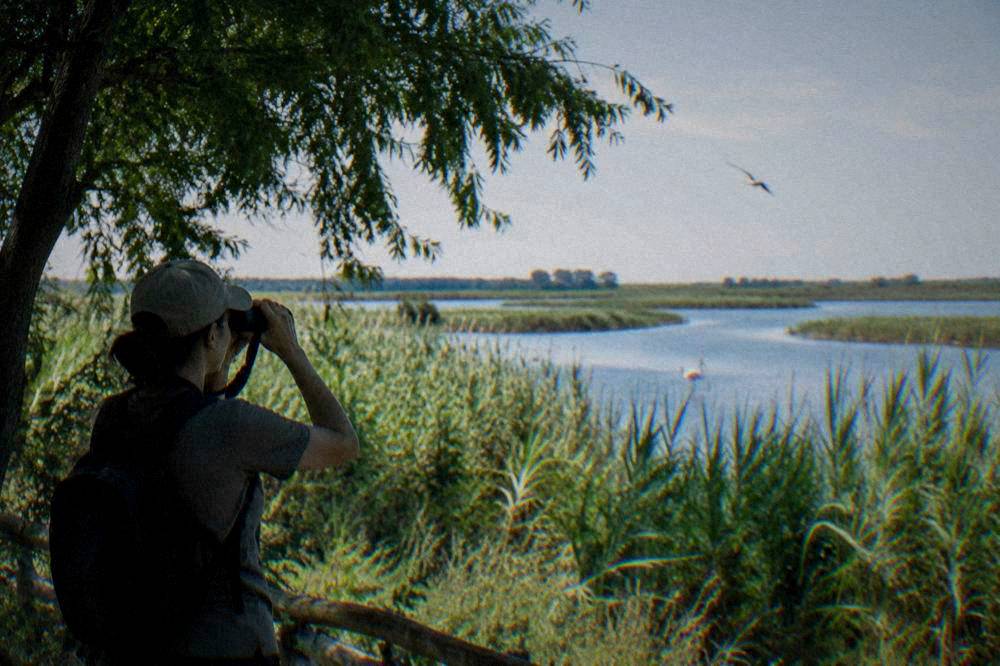
The nature side is the part first pages of search results underplay. Punte Alberete, Valle Mandriole and the Pineta di San Vitale form a flooded forest and marsh birding area with the Cà Vecchia visitor centre and the roughly 4 km Anello Dolce Salato trail, and flamingos are present year-round at Comacchio and in the Cervia salt pans. A guided e-bike tour and a birdwatching excursion with a 40-species guarantee are both bookable from the city. For visitors who want the monuments at a quieter hour, one bookable option opens them at sunrise or sunset.
When Is The Best Time To Visit Ravenna?
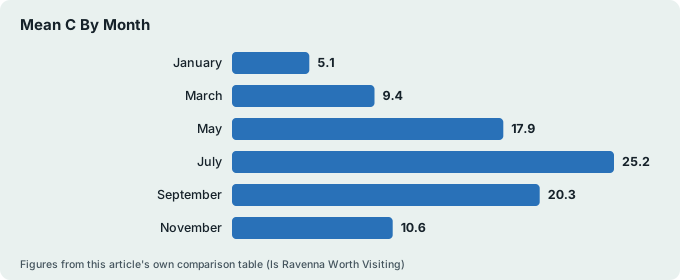
July is the warmest month at a mean of 25.2 C and the driest at 38.1 mm, while November is the wettest at 78.3 mm and January the coldest at a mean of 5.1 C, per the modelled ERA5 normals for 1991 to 2020. That makes spring and autumn the comfortable window, and the winter monument timetable from 3 November 2026 to 6 March 2027 shortens days to 10:00 to 17:00.
The climate table the site holds gives the year at about 674 mm of precipitation spread across the months, with the late-autumn peak in November and the summer minimum in July. These are modelled reanalysis normals for 1991 to 2020, not a station record. What the numbers mean for planning: summer days are warm but not extreme, autumn carries the rain, and winter is mild for northern Italy with shorter opening hours at the monuments.
| Month | Mean C | Precipitation mm |
|---|---|---|
| January | 5.1 | 43.8 |
| March | 9.4 | 54.9 |
| May | 17.9 | 58.2 |
| July | 25.2 | 38.1 |
| September | 20.3 | 57.9 |
| November | 10.6 | 78.3 |
The events calendar gives two further anchors. The Ravenna Festival's autumn trilogy, "Mozart 1791", runs 13 to 17 November 2026 at Teatro Alighieri, and Notte d'Oro each October brings free evening access to monuments, with the 2026 edition on 17 October. The desk's pages on the best time to visit and weather hold the fuller calendar.
Is Ravenna A Good Base For Day Trips?
Yes, and the official timetables are the reason: Bologna is about 84 km away by direct regional train in about 1 hour to 1 hour 20, Rimini is roughly 42 to 58 minutes, and Ferrara, Faenza and Comacchio all sit on the same regional network. From Ravenna the day-trip map covers Bologna, Rimini, San Marino, Ferrara, Faenza, Cervia, Brisighella, Comacchio, the Po Delta, Florence and Venice.
Each of those is another place, and the desk keeps them that way, with dedicated pages on Bologna, Rimini, Florence and Venice plus the transit pages that carry the timings the timetables give. Faenza, the ceramics town, is close by rail. Comacchio, with its salt pans and year-round flamingos, pairs with a Po Delta excursion, and the Cervia salt pans visitor centre at Via Bova 61 opens weekends and holidays, with September to November hours of 10:00 to 12:30 and 14:30 to sunset.
For a visitor weighing Ravenna against staying in Bologna, the honest framing is that Ravenna is quieter at night and tighter in scale, while Bologna is the louder transport hub. The trade-off cuts both ways, and the desk's where to stay and hotel pages describe the neighbourhoods without inventing rates. What Ravenna uniquely holds is the reason to choose it: the mosaic interiors are here, not in Bologna, and no day trip in the other direction replaces standing inside San Vitale.
If a quieter base appeals, book a hotel here.
The bookable day trips run the same map. The trio below gathers the picks matched to this page.
The signature option among them is the history and beach lunch day tour, which folds the coast into a city visit without the visitor needing to puzzle out the bus timetable, and its full detail sits on the tour page alongside the live price.
So Is Ravenna Worth Visiting, Or Should You Skip It?
Skip it only if medieval art leaves you cold and you want a beach holiday without a bus ride: Ravenna's centre is inland, 8 km from the shore, and its core appeal is the eight UNESCO mosaic monuments. For everyone else the sums favour going: the entry prices are low, the centre is walkable, the rail links open half of Emilia-Romagna, and the city is the only place these particular mosaics exist.
The verdict writes itself from the numbers above rather than from enthusiasm. A five-monument combo starts from EUR 13.50 reduced and stays valid one week. Dante's tomb costs nothing. The state museums open free on the first Sunday of the month. Bologna is about an hour to an hour twenty away by regional train. The climate table shows a mild shoulder season. Against that, the honest negatives: the beaches need a bus or a bike, the winter hours shorten the sightseeing day, and the city quiets down after dinner, which the nightlife page does not pretend otherwise about.
Safety is not a reason to skip. Petty crime such as pickpocketing around tourist sites and on public transport is the standard precaution, and a bag zipped and held in front on a crowded bus covers it. Emergency services dial 112, the country is in the Schengen area and the currency is the euro.
The desk's last word is practical. Give Ravenna one focused day at minimum, two if Sant'Apollinare in Classe and the food are on the list, and book the timed entries before arrival. The things to do in Ravenna money page and the mosaic tours guide carry the next step, and the workshops page covers making a mosaic rather than only looking at one. As this Ravenna Travel Guide site lays out across its pages, the city rewards a visitor who arrives knowing what the official hours and prices already say.
Common Questions About Visiting Ravenna
Is Ravenna worth visiting if you have only one day?
Yes. The five centre monuments fit on one combo ticket valid one week, Dante's tomb is free, and the summer hours run to 19:00, so a single well-planned day covers the core with the timed entries booked in advance.
Is Ravenna a walkable city?
Yes. The historic centre is small, flat and inland, and the railway station sits a short walk from it. Only Sant'Apollinare in Classe, the beaches and the Po Delta sites need a bus, a bike or a car.
How much do the Ravenna mosaics cost to see?
The combined Ravenna Mosaici ticket starts from EUR 9.50 reduced for two monuments, EUR 11.50 for four and EUR 13.50 for five. Full prices are on the official prices page, and the state museums are free on the first Sunday of the month.
Does Ravenna have a beach?
Not in the centre, which is inland about 8 km from the coast. The resorts of Marina di Ravenna, Punta Marina, Lido Adriano, Lido di Classe and Lido di Savio line about 35 km of coast and are reached by Start Romagna bus from the station.
Is Ravenna better than Bologna for a short visit?
They do different jobs. Bologna is the transport hub with the bigger restaurant scene; Ravenna holds the eight UNESCO mosaic monuments and Dante's tomb and is quieter and smaller. Many visitors stay in Ravenna and day-trip to Bologna by regional train in about 1 hour to 1 hour 20.
Can you see Ravenna's mosaics in half a day?
Yes, with timed entries booked. The centre monuments cluster within walking distance, Galla Placidia and the Neonian Baptistery use short timed stays, and San Vitale admits in slots, so half a day works if the slots line up.