Ravenna Unesco Sites
Ravenna holds eight UNESCO Early Christian monuments, inscribed as a group in 1996, packed into a small, walkable inland centre in Emilia-Romagna with one basilica out at Classe. This guide lists all eight, explains the combo ticket, the timed entries and the hours, and shows how to fit them into a day.
Short answer
The UNESCO list names eight Early Christian monuments of Ravenna: the Mausoleum of Galla Placidia, the Neonian Baptistery, Sant'Apollinare Nuovo, the Arian Baptistery, the Archiepiscopal Chapel, the Mausoleum of Theodoric, San Vitale and Sant'Apollinare in Classe. Five of them sit inside the historic centre within a short walk of each other, one pair lies a little outside the walls, and the eighth, Sant'Apollinare in Classe, is in the Classe area south of the city.
Ravenna, a flat inland city on the Po plain of Emilia-Romagna, about 8 km from the Adriatic coast, carries one of the densest concentrations of listed heritage anywhere in Italy: eight Early Christian monuments inscribed together on the UNESCO World Heritage list, a group the UNESCO listing describes with the words "Byzantine mosaics" and "Early Christian". Seven of the eight stand in or just outside the compact historic centre, close enough that the whole set can be walked in a day. The eighth, the Basilica of Sant'Apollinare in Classe, stands in the Classe area south of the city and needs a short bus or car ride. This page from the Ravenna Travel Guide editorial desk lists all eight monuments, explains how the Ravenna Mosaici combo ticket and its timed entries work, and sets out the hours, prices and planning questions readers ask before they go.
What Are The Eight UNESCO Sites In Ravenna?
The UNESCO listing names exactly eight Early Christian monuments of Ravenna: the Mausoleum of Galla Placidia, the Neonian Baptistery, Sant'Apollinare Nuovo, the Arian Baptistery, the Archiepiscopal Chapel, the Mausoleum of Theodoric, San Vitale and Sant'Apollinare in Classe. The group was inscribed as one World Heritage entry in 1996, and no other monument in the city belongs to it. Museums such as the Domus dei Tappeti di Pietra, MAR, the Museo Nazionale, Classis Ravenna and the Museo Dante are not part of the eight.
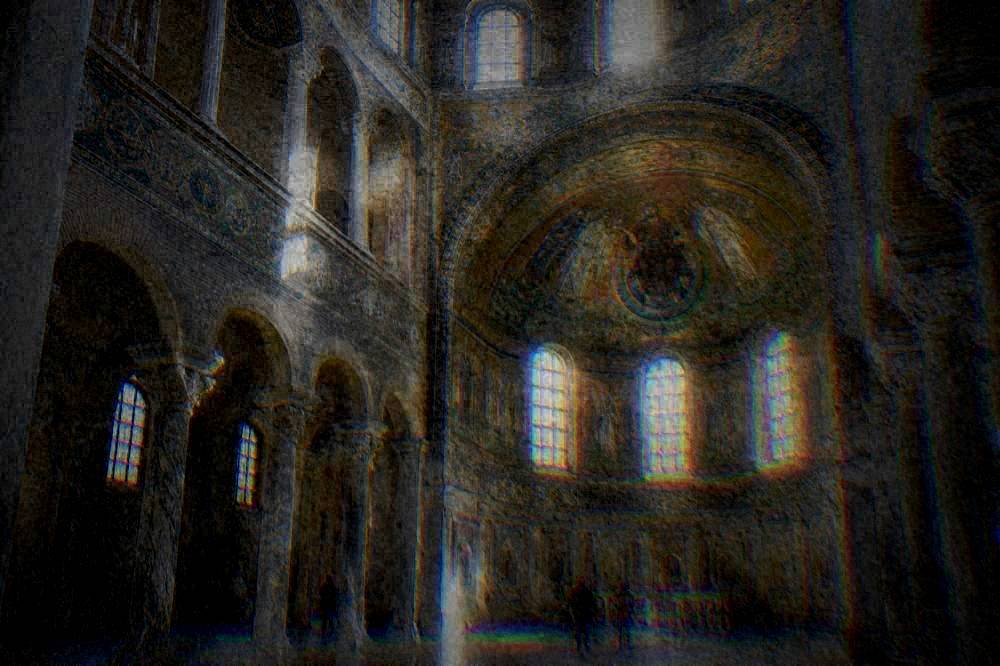
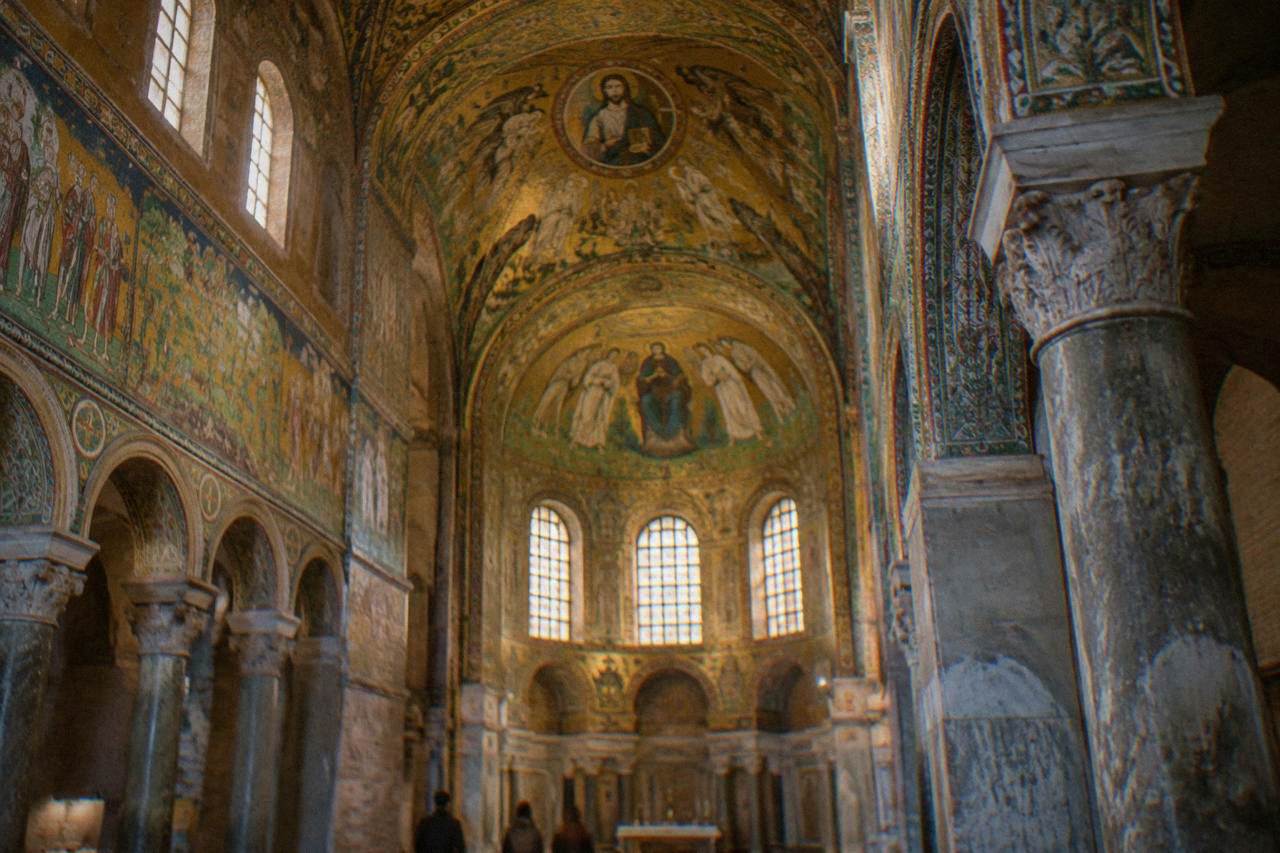
That distinction matters, because Ravenna's museum signage and guidebooks often present the whole city as "UNESCO Ravenna". The inscription covers only the eight monuments, listed on the UNESCO World Heritage page for Ravenna under the name Early Christian Monuments of Ravenna. The UNESCO listing's own wording credits the group with its Early Christian and Byzantine mosaic decoration, and that decoration is what a visitor actually comes to see: gold-ground glass mosaic laid across vaults, apses and domes, in colours that have kept their intensity since the monuments were decorated.
The eight divide neatly by geography. Five cluster in the historic centre: the Neonian Baptistery, the Archiepiscopal Chapel (inside the Archiepiscopal Museum), the Mausoleum of Galla Placidia, San Vitale and Sant'Apollinare Nuovo. The Arian Baptistery sits a few streets north of the core. The Mausoleum of Theodoric stands in its own park on the city's edge, and Sant'Apollinare in Classe lies in the Classe area to the south, next to the Classis Ravenna museum. For the deeper question of how the list came together, see what are the 8 UNESCO sites in Ravenna.
| # | Monument | Location | What dominates the interior |
|---|---|---|---|
| 1 | Mausoleum of Galla Placidia | Historic centre | Blue and gold starry vault mosaics |
| 2 | Neonian Baptistery | Historic centre | Dome mosaic of the baptism of Christ |
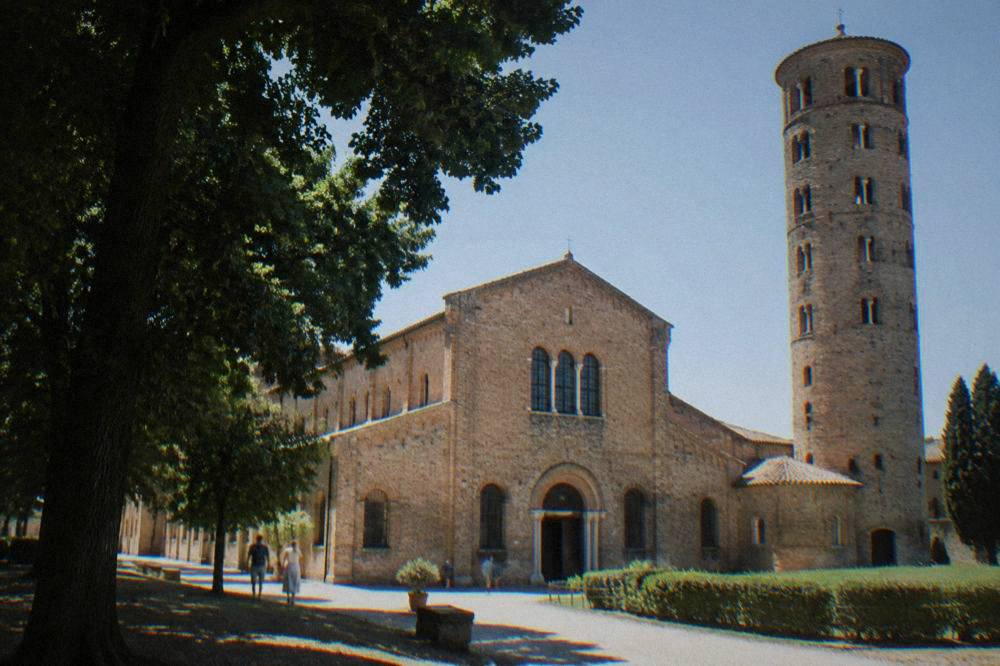
| 3 | Sant'Apollinare Nuovo | Historic centre | Processional mosaics along the nave walls |
| 4 | Arian Baptistery | North of the core | Dome mosaic, simpler programme |
| 5 | Archiepiscopal Chapel | Historic centre, inside the Archiepiscopal Museum | Small chapel mosaic decoration |
| 6 | Mausoleum of Theodoric | Park on the city edge | Massive stone drum and dome structure |
| 7 | San Vitale | Historic centre | Imperial sanctuary and apse mosaics |
| 8 | Sant'Apollinare in Classe | Classe area, south of the city | Green apse mosaic and mosaic panels |
The centre is small and flat, and the railway station is a short walk from it, so the five central monuments work as one walking circuit. The Classe pair works as a second half-day, or as the morning before returning to the centre. Readers planning the full round should also read how many days in Ravenna before booking anything.
How Do The Ravenna Mosaici Combo Tickets Work?
The Ravenna Mosaici combo ticket comes in three sizes, covering two, four or five monuments, valid for one week with a single admission per monument, and an entry time must be booked for each monument visited. Reduced fares start at EUR 9.50 for the two-monument ticket, EUR 11.50 for four and EUR 13.50 for five, on the Ravenna Mosaici ticket page. Galla Placidia and the Neonian Baptistery require mandatory timed entry, with a stay of a few minutes inside each, and San Vitale admits in slots.
Want to cover the itinerary sites on a combined ticket? Book a mosaics entry ticket here.
The two-monument combo covers Sant'Apollinare Nuovo and San Vitale. The four-monument ticket adds the Mausoleum of Galla Placidia and the Neonian Baptistery, and the five-monument ticket adds the Archiepiscopal Museum with the Chapel of St Andrew. Reduced prices apply to students, non-accredited journalists and paying groups over 20. Entry is free for children aged 0 to 10, residents of Ravenna, ICOM members, licensed guides, and visitors with a disability plus one companion.
The full, non-reduced prices sit on the official Ravenna Mosaici page, and the purchase terms are stated there too: seven days of validity, one admission per monument, and a booked entry time for each. The timed-entry rule for Galla Placidia and the Neonian Baptistery exists because both interiors are tiny, so visits are kept to a few minutes and the queue is managed by slot. Booking a slot for San Vitale matters most in spring and autumn, when coach groups fill the basilica through the middle of the day. The practical details, including where to buy, are covered in the Ravenna combo ticket guide and in how can I purchase tickets for the five UNESCO sites in Ravenna.
| Ticket | Monuments covered | Reduced price | Notes |
|---|---|---|---|
| 2-monument combo | Sant'Apollinare Nuovo, San Vitale | EUR 9.50 | Valid one week, one entry each |
| 4-monument combo | Adds Galla Placidia, Neonian Baptistery | EUR 11.50 | Timed entry mandatory at both added sites |
| 5-monument combo | Adds Archiepiscopal Museum and Chapel of St Andrew | EUR 13.50 | Full centre circuit on one ticket |
| Mausoleum of Theodoric | Single monument, state ticket | EUR 6 | EUR 5 concession, EUR 2 ages 18 to 25 |
| Mausoleum + Arian Baptistery + Theodoric's Palace | Combined state ticket | EUR 7 | Three sites, one purchase |
| Arian Baptistery | Single monument | EUR 3 | No reduced price |
| Sant'Apollinare in Classe | Single monument | EUR 6 | EUR 2 reduced |
Two ticket systems run in parallel. The Ravenna Mosaici combos cover the municipal itinerary sites, while the Mausoleum of Theodoric, the Arian Baptistery, Theodoric's Palace and Sant'Apollinare in Classe run on state tickets, listed on the cultura.gov.it pages and the Visit Ravenna site. The state museums and monuments are free on the first Sunday of the month, and readers planning around that date should confirm it on the official pages before relying on it.
Which Ravenna UNESCO Monuments Sit Outside The Centre?
Three of the eight UNESCO monuments stand outside the walkable historic core: the Mausoleum of Theodoric in its park on the city's edge, the Arian Baptistery a few streets north of the central circuit, and the Basilica of Sant'Apollinare in Classe in the Classe area south of the city, next to the Classis Ravenna museum. The remaining five sit inside the centre within a short walk of one another. Sant'Apollinare in Classe is the one that genuinely changes a plan, because it is the only monument that cannot be reached on foot from Piazza del Popolo in a reasonable stroll.
Sant'Apollinare in Classe keeps its own hours: Monday to Saturday 8:30 to 19:00 and Sunday 13:30 to 19:00, with last admission 30 minutes before closing, according to the cultura.gov.it listing. Its apse mosaic, a green paradise landscape with sheep and a saint, is unlike anything in the centre, and the basilica's plain brick exterior gives no hint of it. Next door, the Classis Ravenna museum tells the city's story from Roman port to early medieval capital, open daily 10:00 to 17:00 with last entry 50 minutes before closing, closed 25 December, at EUR 8 full and EUR 6 reduced. The former TAMO museum closed in 2023 and its collection moved to Classis Ravenna, so any itinerary built from an older guidebook needs that correction.
The Mausoleum of Theodoric is different again: less mosaic, more structure. The Visit Ravenna page for the monument lists a ticket of EUR 6, a concession at EUR 5, EUR 2 for ages 18 to 25, opening every day 8:30 to 17:30 with last admission 30 minutes before closing, and a combined EUR 7 ticket that adds the Arian Baptistery and Theodoric's Palace. It is closed 25 December and 1 January. For readers arriving by sea, the cruise port guide covers the transfer question in detail at Ravenna cruise port.
A guided option removes the logistics entirely, and the UNESCO monuments walk from Bologna is the one this desk points readers to most often, because it handles both the rail leg and the monument circuit. The operator's live listing shows the current price, meeting point and calendar, and Check availability there before committing to a date.
What Do You See Inside San Vitale And Galla Placidia?
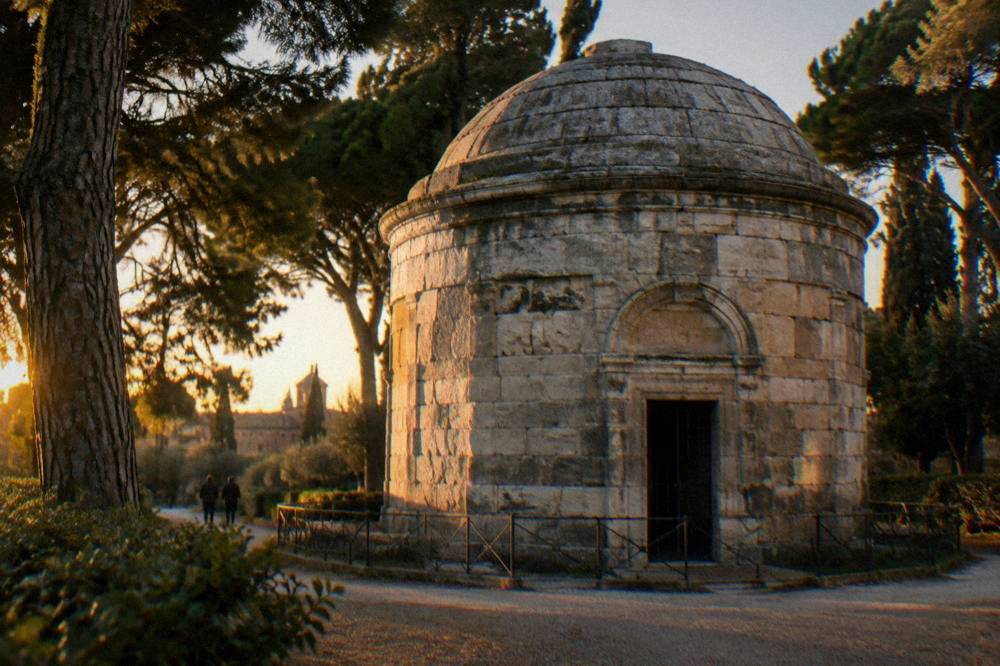
San Vitale shows the most complete imperial mosaic ensemble in Ravenna, with two court processions facing each other across the sanctuary and a vault of gold and green above the altar, while the Mausoleum of Galla Placidia, a small cross-shaped brick chapel, holds a deep blue vault scattered with golden stars and mosaic panels of saints and a martyr. The two monuments stand in the same garden, separated by a few paces, and they are visited together on the four and five monument combos.
San Vitale is the monument every itinerary builds around. The interior is octagonal, and the mosaic programme rises from marble-lined lower walls to a sanctuary that glows: an angel-flanked Christ, court figures carrying offerings, and decorative vaults that give the gold ground its depth. Photography is allowed without flash, and the admission slots keep the crowd moving, so the basilica rarely feels as full as its reputation suggests. The Ravenna Mosaici page schedules San Vitale admissions in slots, which is why a booked time matters here even when the other central sites let visitors drift in.
Galla Placidia works on the opposite principle. The chapel is small, the visit is a few minutes by rule, and the effect comes from intimacy: the blue star vault sits close overhead, and the Good Shepherd mosaic above the entrance is one of the most reproduced images in early Christian art. Queue outside, look up, move on. Pairing the two, as the combo ticket does, gives the loudest and the quietest mosaic interiors in the city within one stop. Readers who want the full monument-by-monument treatment should continue with the Ravenna mosaics guide.
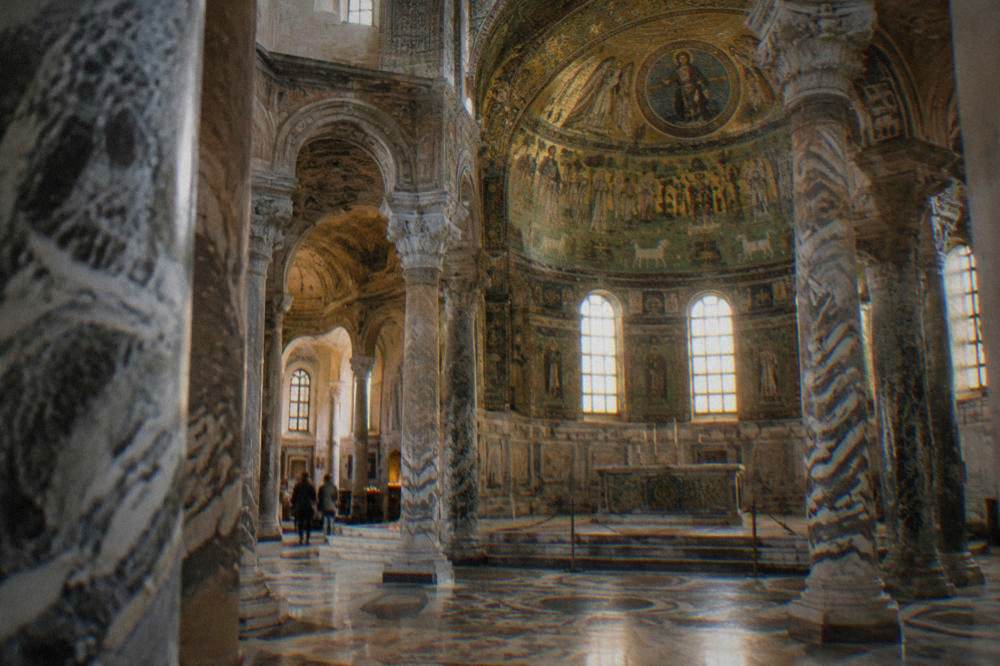
The Neonian Baptistery completes the central trio of interiors that justify the trip. Its dome mosaic, showing the baptism of Christ in the Jordan with the apostles processing around the drum, is the piece art historians cite alongside San Vitale, and the baptistery sits directly opposite the cathedral, a short walk from Piazza del Popolo. The Archiepiscopal Chapel, inside the Archiepiscopal Museum on the same circuit, is the smallest of the eight and the least crowded, a bishop's private chapel with a modest mosaic programme that rewards the ten minutes it takes.
How Much Time Do The Ravenna UNESCO Sites Need?
The five central monuments plus the Arian Baptistery can be seen in one full day at a steady pace, because the historic centre is compact and flat and the walking distances between sites are short. Adding the Mausoleum of Theodoric still fits inside one day, but adding Sant'Apollinare in Classe at the same time pushes the plan toward a day and a half. A comfortable full circuit of all eight monuments is two days, with the Classe basilica and Classis Ravenna museum given the second morning.
The constraint that actually governs the schedule is not distance but the timed entries. Galla Placidia and the Neonian Baptistery run on booked slots with stays of a few minutes, San Vitale admits in slots, and the Ravenna Mosaici terms require an entry time to be booked per monument on the combo ticket. A day built purely on walk-ups will still work in winter, when the sites are quieter, but in the warmer months the booking system decides the shape of the afternoon. Booking the morning slots for the timed sites and leaving San Vitale and Sant'Apollinare Nuovo for the afternoon is the arrangement this desk suggests to readers who ask.
| Plan | Monuments covered | Time needed | Best for |
|---|---|---|---|
| Half day | Galla Placidia, Neonian Baptistery, San Vitale | About 3 hours | Cruise visitors, rail stopovers |
| One day, centre | All five central sites plus the Arian Baptistery | A full day | First visits, weekend trips |
| One day, full | Central seven plus the Mausoleum of Theodoric | A full day, early start | Determined completists |
| Day and a half | All eight, Classe on the second morning | Two visits | mosaic devotees, repeat visitors |
The half-day version is covered in detail at Ravenna mosaics in half a day, and readers with a strict clock, such as a shore day, should read the dedicated port-day plan at Ravenna cruise port day rather than improvising. For everyone else, the honest answer to "can I do Ravenna in a day" is yes for seven of the eight, with Classe as the stretch goal.
When Are The Ravenna UNESCO Sites Open?
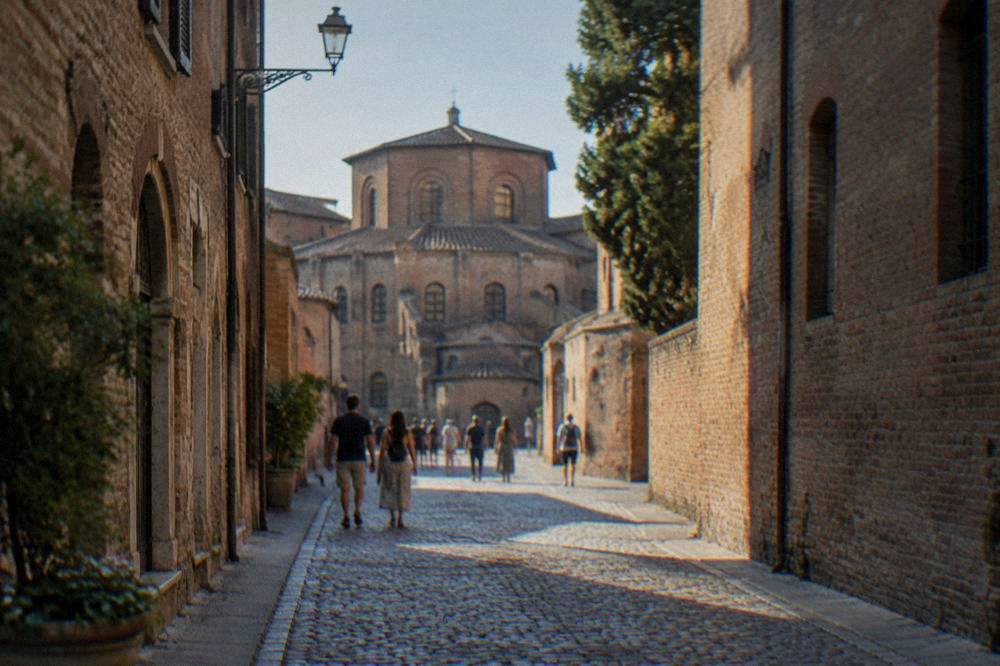
The Ravenna Mosaici itinerary sites run summer hours from 8 March to 2 November 2026, 9:00 to 19:00, and winter hours from 3 November 2026 to 6 March 2027, 10:00 to 17:00, with last admissions 30 minutes before closing, or 15 minutes before at Galla Placidia and the Neonian Baptistery in winter. All of the itinerary sites close on 25 December and 1 January. Sant'Apollinare in Classe runs Monday to Saturday 8:30 to 19:00 and Sunday 13:30 to 19:00.
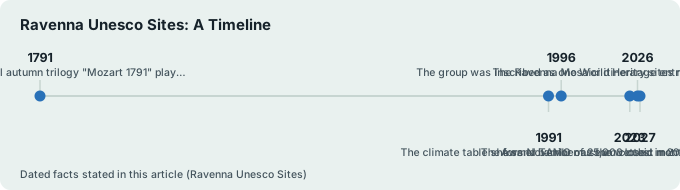
The winter switch matters more in Ravenna than in cities with later closing times, because the winter afternoon ends at 17:00 and the light in the mosaic interiors, largely artificial, is part of the experience. A November visitor who starts the day at 11:00 has six hours, not nine, and the timed entries compress further. The climate table shows November as the wettest month of the year in Ravenna at 78.3 mm of rain in the modelled 1991 to 2020 normals, which matters less for the monuments, all indoors, than for the walking between them, since the centre's streets offer thin shelter. The same table puts July as the driest month at 38.1 mm, with July also the warmest at a 25.2 C mean and January the coldest at 5.1 C.
| Site | Winter hours (3 Nov 2026 to 6 Mar 2027) | Closed |
|---|---|---|
| San Vitale | 10:00 to 17:00 | 25 Dec, 1 Jan |
| Sant'Apollinare Nuovo | 10:00 to 17:00 | 25 Dec, 1 Jan |
| Archiepiscopal Museum and Chapel | 10:00 to 17:00 | 25 Dec, 1 Jan |
| Galla Placidia | 10:00 to 17:00, timed entry | 25 Dec, 1 Jan |
| Neonian Baptistery | 10:00 to 17:00, timed entry | 25 Dec, 1 Jan |
| Mausoleum of Theodoric | 8:30 to 17:30 | 25 Dec, 1 Jan |
| Sant'Apollinare in Classe | Mon to Sat 8:30 to 19:00, Sun 13:30 to 19:00 | 25 Dec, 1 Jan |
| Dante's tomb (not UNESCO, free) | 10:00 to 18:00, Nov to Mar | 25 Dec |
Dante's tomb appears in that table because almost every visitor to the UNESCO sites walks past it, and because it is free, open 10:00 to 18:00 from November to March and 10:00 to 19:00 from April to October. The state museums and monuments, including the Mausoleum of Theodoric and Sant'Apollinare in Classe, are reported free on the first Sunday of the month. Seasonal planning is covered properly at best time to visit Ravenna and Ravenna weather.
Can You Visit Ravenna's UNESCO Monuments From Bologna?
Yes, Bologna works as a base for the Ravenna monuments, because direct regional trains cover the about 84 km between the cities in about 1 hour to 1 hour 20, and the five central UNESCO sites plus the Arian Baptistery fit comfortably into the daylight hours of a day trip. The trade-off is that Sant'Apollinare in Classe and the Mausoleum of Theodoric become awkward on a rail timetable, so day-trippers usually choose the central circuit and leave Classe for a second visit.
The regional rail timetable gives the connection without a change, and Ravenna's station is a short walk from the historic centre, so no transfer is needed on arrival. The fare is best checked on the operator's own sales channel at the time of booking. Readers weighing the two cities against each other can start at Bologna to Ravenna, and those flying in should read Bologna airport to Ravenna, which explains the Marconi Express plus regional train route and its roughly 2 to 2.5 hour door-to-door time.
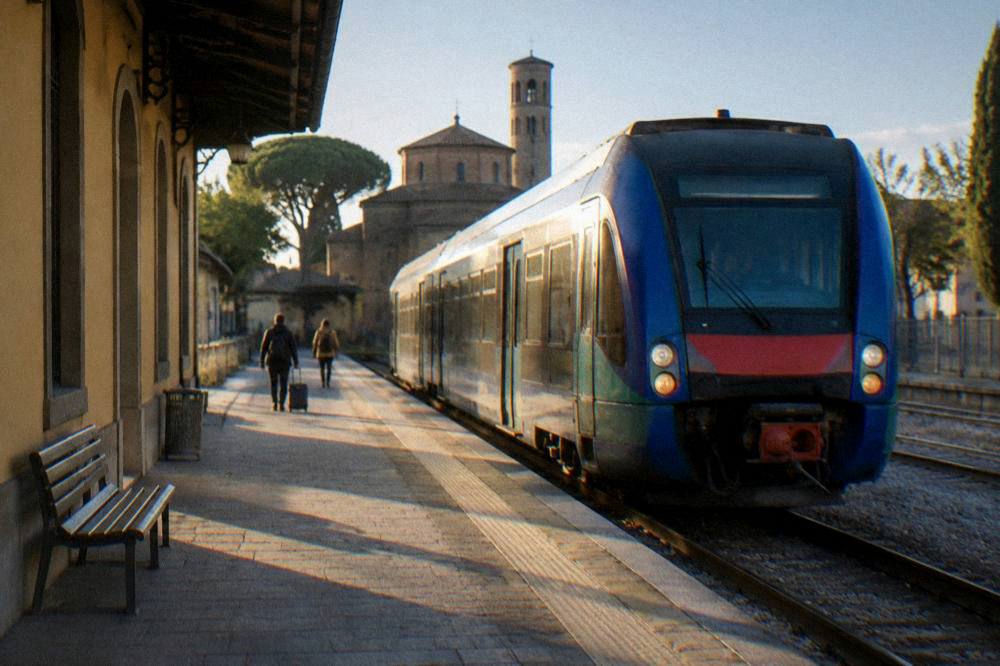
For visitors who would rather not manage the ticket system, the slots and the rail leg alone, a guided day from Bologna bundles all of it. The UNESCO monuments guided tour from Bologna covers the central itinerary with a licensed guide, and the operator's live listing carries the current departure point, price and calendar.
Readers who prefer to stay overnight in Ravenna itself, and this desk recommends it for anyone wanting Classe as well, can compare areas at where to stay in Ravenna and best hotels in Ravenna. Overnight visitors pay the city's tourist tax, which runs at about EUR 3 per night at 4-star hotels and about EUR 2 at 3-star under the tariff in force since 1 January 2023, always to be confirmed at booking, since tariffs can change.
Which Other Sights Pair Well With The UNESCO Eight?
The strongest pairings with the UNESCO circuit are Dante's tomb, which is free and stands a few streets from the Neonian Baptistery, the Domus dei Tappeti di Pietra, a Byzantine-floor archaeological site under the centre whose hours vary by season, and the food of Romagna, since piadina, cappelletti and Sangiovese wines are the region's everyday counterweight to the mosaics. None of these carries a UNESCO inscription, but all sit inside the same walking radius.
Dante died and is buried in Ravenna, and the tomb's quiet marble shrine is a five-minute detour from any central route. Each year on the second Sunday of September the city receives lamp oil from the Tuscan hills for the tomb, an old gesture of thanks tied to Florence, and the anniversary is the closest thing the tomb has to an event. The Museo Dante, a short walk away, costs EUR 5 with a EUR 3.50 reduced rate, open Tuesday to Sunday and closed Mondays and 25 December.
The Domus dei Tappeti di Pietra, a buried palace floor discovered during utility works, opens daily with hours that differ by season, and readers should check the official page for both current hours and admission before going. The MAR art museum, at EUR 8 full, EUR 6 reduced and EUR 3 for students, holds the city's modern and contemporary collections and hosts temporary exhibitions. Food-wise, the Ravenna food guide and Ravenna restaurants cover the dishes worth booking around, and the market-and-cooking option below is the structured way into them.
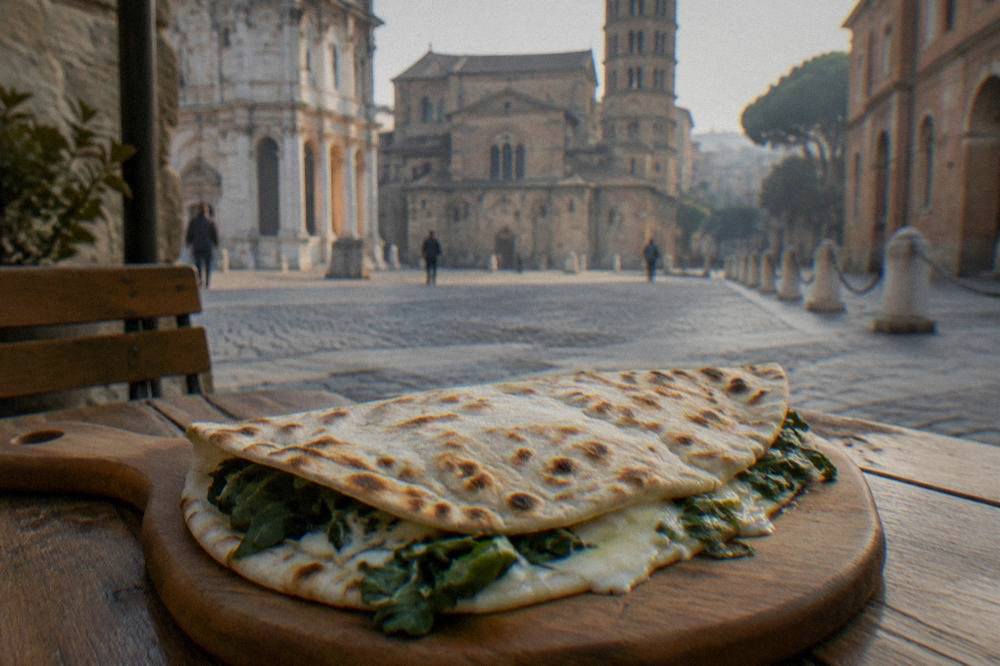
Evening in Ravenna has its own register. A dark-history walking tour through the lanes between Piazza del Popolo and the cathedral tells the city's crimes and vendettas, and it is the one guided product that shows a side of Ravenna the mosaics never mention.
Should You Take A Guided Tour Of The Ravenna UNESCO Sites?
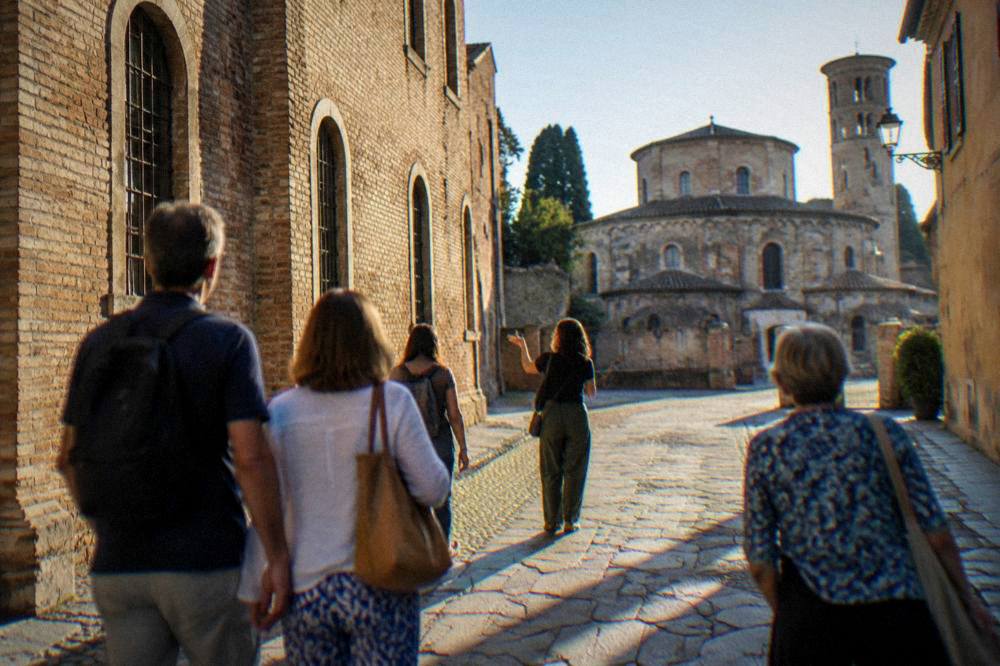
A guided walk makes the clearest difference at San Vitale, Sant'Apollinare Nuovo and Sant'Apollinare in Classe, where the mosaic programmes carry identifying figures and inscriptions that a casual visit reads as decoration, and a guide's commentary turns pattern into narrative. Independent visits work well too, because the monuments are small, the signage is decent and the combo ticket is simple, so the choice comes down to depth rather than access.
The trade is straightforward. An independent visitor with the combo ticket and a good guidebook sees everything in the same order and at the same speed, and the timed entries apply regardless. What a guide adds is decoding: who the figures in the processions at Sant'Apollinare Nuovo are, why the two baptisteries in one small city look so similar, and what the programmes say about the powers that commissioned them. The dedicated overview of the options is at Ravenna mosaic tours, and readers drawn to making rather than looking should see Ravenna mosaic workshops.
Practical footing for any version of the visit: the emergency number in Italy is 112, the currency is the euro, and petty crime such as pickpocketing around tourist sites and on public transport is the usual precaution, so keep bags closed and in front on crowded buses. Beyond that, Ravenna rewards the slow plan, one vault at a time, and the eight monuments repay every hour given to them.
Common Questions About The Ravenna UNESCO Sites
What are the 8 UNESCO sites in Ravenna?
The Mausoleum of Galla Placidia, the Neonian Baptistery, Sant'Apollinare Nuovo, the Arian Baptistery, the Archiepiscopal Chapel, the Mausoleum of Theodoric, San Vitale and Sant'Apollinare in Classe, inscribed together in 1996 as the Early Christian Monuments of Ravenna.
How much are Ravenna mosaic tickets?
Reduced combo fares start at EUR 9.50 for two monuments, EUR 11.50 for four and EUR 13.50 for five, with full prices shown on the official Ravenna Mosaici page. State sites are priced separately: the Mausoleum of Theodoric EUR 6, the Arian Baptistery EUR 3 and Sant'Apollinare in Classe EUR 6.
Can you see all the Ravenna UNESCO sites in one day?
Seven of the eight are realistic in one full day, because the centre is compact. Sant'Apollinare in Classe, in the Classe area south of the city, usually needs its own half day or a second morning.
Which Ravenna UNESCO sites need timed entry?
Galla Placidia and the Neonian Baptistery require a booked entry time, with a stay of a few minutes inside each, and San Vitale admits in scheduled slots. The combo ticket requires an entry time to be booked for every monument on it.
Is Dante's tomb one of the UNESCO sites in Ravenna?
No. Dante's tomb is free to visit and stands in the historic centre, but the UNESCO inscription covers only the eight Early Christian monuments listed above.
Are the Ravenna UNESCO sites open in winter?
Yes. The Ravenna Mosaici itinerary sites run 10:00 to 17:00 from 3 November 2026 to 6 March 2027, and all sites close on 25 December and 1 January.