Why Was Ravenna The Capital Of The Western Roman Empire?
Ravenna became capital of the Western Roman Empire for its walls, marshes and port, and the mosaics that era left behind are now eight UNESCO monuments. Here is what the sources say.
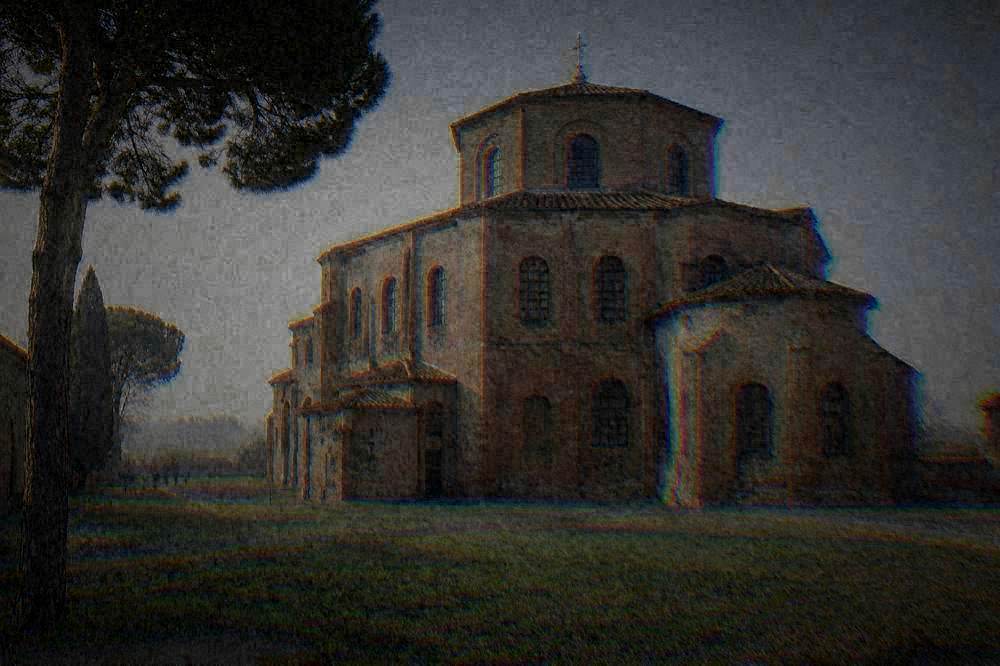
Ravenna, a flat Po-valley city in Emilia-Romagna about 8 km from the Adriatic coast, became the capital of the Western Roman Empire because it offered something Rome and Milan no longer could: a seat of government that was hard to attack and easy to supply. The city stood behind walls and marshes, with a functioning port at Classe connected to the sea and to the river network of the Po plain. The imperial court moved here from Milan in the closing phase of the Western Empire, and the city then remained a seat of power under successor rulers whose names the UNESCO listing still carries, Galla Placidia and Theodoric. That stretch of centuries is the reason the city holds eight Early Christian monuments with Byzantine mosaics, inscribed by UNESCO in 1996. This page reports what the primary sources say about the move and about what the capital era left in the city, following the editorial approach of Ravenna Travel Guide.
Why Was Ravenna The Capital Of The Western Roman Empire?
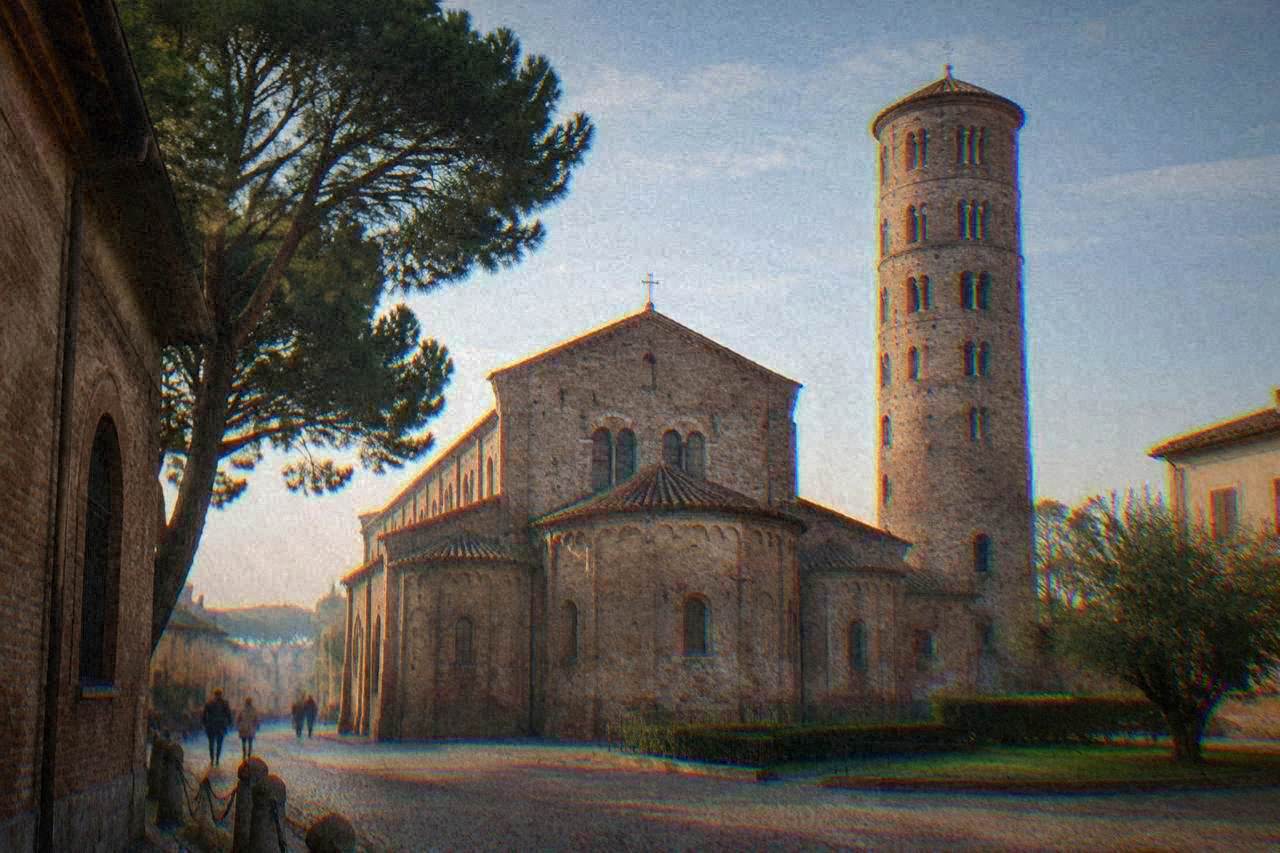
Ravenna became capital of the Western Roman Empire because it combined strong defensible ground with a working port and sea link, at a moment when armies threatened the overland routes to Rome and Milan. The court moved from Milan to this marsh-fringed Po-valley city, which could be supplied and defended, and the city kept its role as a seat of power into the Gothic and then the Byzantine period that produced the mosaics.
The plain around Ravenna is flat, but the city itself was not easy ground for an attacking army. Wetlands and marsh ringed the site, the walls were substantial, and any force arriving from the interior had to cross ground that favoured the defender. The sea side was the opposite story: Classe, the port area a short distance south of the centre, gave the city a direct maritime connection, and the Po river system linked it to the interior of northern Italy. A capital that can be resupplied by water and attacked only with difficulty was a rational choice for an empire under military pressure.
What the record on the ground supports is the outcome: a court and a church hierarchy established in Ravenna, and building campaigns that filled the city with mosaic-decorated churches. The names that survive in the UNESCO listing itself are Galla Placidia and Theodoric, whose monuments stand among the eight inscribed sites. The full list of those eight is set out on the eight UNESCO sites in Ravenna.
Why Did The Court Choose Ravenna Over Rome Or Milan?
The court chose Ravenna over Rome and Milan because security and supply mattered more than prestige when the decision was made. Milan was exposed to the same land threats that had pushed power north from Rome in the first place, while Rome itself sat far from the frontier where the empire's problems were concentrated. Ravenna offered walls, marsh approaches and a fleet link through Classe.
Rome carried the weight of tradition, but tradition does not move armies. The practical calculus in the late Western Empire favoured a capital close to the northern and Danubian frontiers, where commanders and emperors actually campaigned, and close to the sea lanes that connected Italy to the eastern half of the empire. Ravenna sat on that seam: inland enough to be shielded by its lagoons and marshes, coastal enough through Classe to receive fleets, grain and officials from the East.
The choice also had an administrative logic. A court needs revenue, communication and ceremony, and Ravenna could host all three while remaining defensible with a smaller garrison than an open inland city required. When the Western Empire ended, the same properties kept the city relevant: successor rulers governed from it, and later Constantinople treated it as the seat of its administration in Italy. The mosaics, in gold-ground glass set over brick domes and apses, are the visible ledger of those centuries of patronage. The story of why the workshops came and stayed is covered in why Ravenna has so many mosaics.
Seeing the capital-era city on foot is the practical way to take this history in, because the monuments cluster in a compact historic centre. The City Highlights Guided Walk covers the monuments and the city's story in one loop, and its page carries the live price and availability: City Highlights Guided Walk details or Check availability.
What Did The Capital Centuries Leave Behind In Ravenna?
The capital centuries left Ravenna with eight Early Christian monuments inscribed by UNESCO in 1996, a combined mosaic ticket system, and a city plan whose centre is still walkable between them. The list covers San Vitale, the Mausoleum of Galla Placidia, the Neonian and Arian baptisteries, Sant'Apollinare Nuovo, the Archiepiscopal Chapel and Museum, the Mausoleum of Theodoric and Sant'Apollinare in Classe.
Each of these buildings shows a different face of the capital and successor courts. San Vitale carries the gold-ground imperial mosaics visitors come for; the Mausoleum of Galla Placidia holds a blue-starred vault that the UNESCO listing names among the city's treasures; the two baptisteries record a city with rival Christian communities, each with its own baptismal hall. The Mausoleum of Theodoric, a decagonal stone drum outside the centre, and Sant'Apollinare in Classe at the old harbour round out the list. Together they are the reason a Po-valley town with no coastline holds one of the densest concentrations of late antique mosaic art anywhere.
| Monument | Area | Ticket status on the official pages |
|---|---|---|
| San Vitale | Historic centre | Ravenna Mosaici combo, reduced fares from EUR 9.50 |
| Mausoleum of Galla Placidia | Historic centre | Combo, mandatory timed entry, short stay |
| Neonian Baptistery | Historic centre | Combo, mandatory timed entry, short stay |
| Sant'Apollinare Nuovo | Historic centre | Combo, 2-monument tier covers it with San Vitale |
| Arian Baptistery | Historic centre | EUR 3 individual, per the cultura.gov.it listing |
| Archiepiscopal Museum and Chapel | Historic centre | Added on the 5-monument combo tier |
| Mausoleum of Theodoric | Outside the centre | EUR 6, EUR 5 concession, EUR 2 ages 18 to 25; EUR 7 combined with the Arian Baptistery and Theodoric's Palace |
| Sant'Apollinare in Classe | Classe, south of the centre | EUR 6, EUR 2 reduced |
The combo ticket is valid one week, with one admission per monument and an entry time booked for each one; Galla Placidia and the Neonian Baptistery take short timed stays, per the Ravenna Mosaici terms page. Anyone weighing a first visit against a short one can compare the options on how many days are needed in Ravenna.
How Did Ravenna Stay Important After The Capital Era Ended?
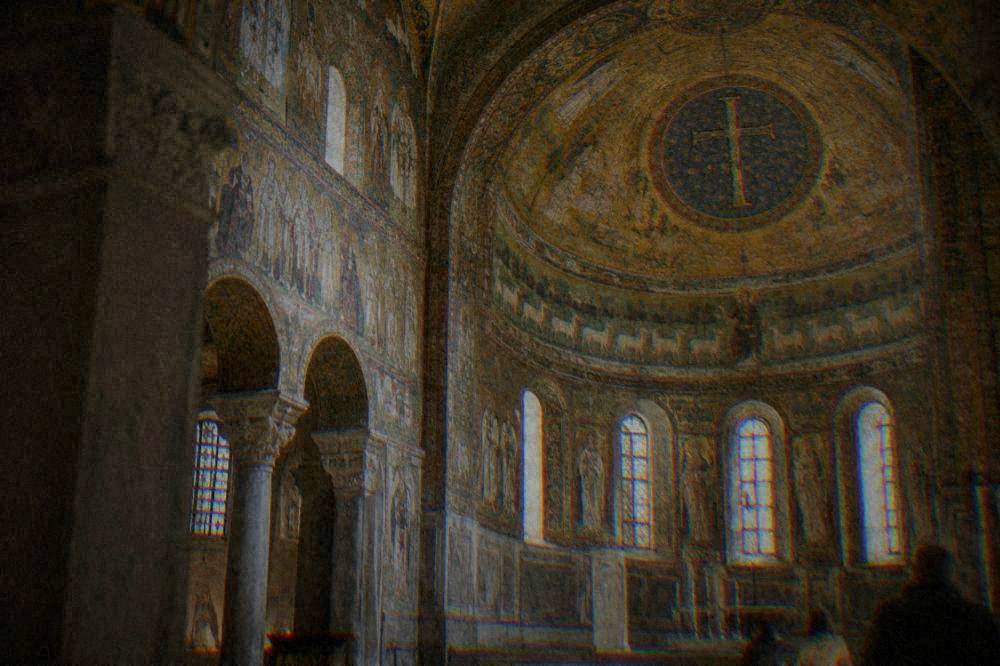
Ravenna stayed important after the Western Empire ended because the same defences and port that made it a capital made it the natural administrative seat for the powers that followed, from Gothic rule to Byzantine government based at Constantinople. The city kept its courts, its workshops and its church hierarchy, and the mosaic tradition carried on under each new patron into the medieval period.
The buildings tell this sequence plainly. The Mausoleum of Theodoric belongs to the Gothic phase of the city's story; San Vitale and Sant'Apollinare in Classe belong to the Byzantine administration that followed. The Archiepiscopal Chapel records the church establishment that gave the city continuing religious weight. When the political role finally faded, the ecclesiastical one endured, and later Dante, exiled from Florence, lived his last years here and is buried in a tomb near San Francesco that the municipal page lists as free to visit, open 10:00 to 18:00 from November to March and 10:00 to 19:00 from April to October.
The port at Classe eventually silted and the coastline moved, which is one reason the historic centre now sits inland while the beach resorts, Marina di Ravenna and the other lidi, string along the coast kilometres away. Visitors sometimes arrive expecting a seaside town; the geography is explained on does Ravenna have a beach. The capital era, in short, gave the city both its treasures and its shape.
| Era of the city | What the sources show | Where to see it |
|---|---|---|
| Western Empire capital | Court seat behind walls and marshes, supplied through Classe | The historic centre's street core and Sant'Apollinare in Classe |
| Gothic rule | Theodoric's monuments in the UNESCO listing | Mausoleum of Theodoric, Arian Baptistery |
| Byzantine administration | Gold-ground mosaic campaigns | San Vitale, Sant'Apollinare in Classe, Archiepiscopal Chapel |
| Medieval city | Dante's exile, burial and museum | Dante's tomb and the Museo Dante, EUR 5 combined with Casa Dante |
| UNESCO era | Inscription in 1996 of eight monuments | All eight, on the combo ticket |
What Can You Still See Of The Capital In Ravenna Today?
You can still see the capital in Ravenna today across the eight UNESCO monuments, the walkable core that grew around the court, and the Classe area where the port stood, with the Classis Ravenna museum telling the site's story since TAMO closed in 2023. A single visit on foot covers the centre; a bus or bike ride reaches Classe and the Theodoric monuments beyond it.
The practical route is straightforward. Start with San Vitale and the Mausoleum of Galla Placidia, which stand beside each other; add the Neonian Baptistery and Sant'Apollinare Nuovo a few streets away; then decide whether the Archiepiscopal Museum, the Arian Baptistery and the Mausoleum of Theodoric complete the picture in the centre's outer ring. Finally, travel out to Classe for Sant'Apollinare in Classe and the Classis Ravenna museum, EUR 8 full and EUR 6 reduced, open daily 10:00 to 17:00 with last entry 50 minutes before closing on the museum's own page. Winter hours for the main monuments, from 3 November 2026, run 10:00 to 17:00, with closure on 25 December and 1 January.
Whether the stop justifies the journey is a fair question, and the comparison with its larger neighbour is argued on is Ravenna worth visiting. For a one-day plan built around the capital's buildings, the outline on what to see in Ravenna in one day sequences the centre without doubling back.
A guided option frames the history while you walk it, and a food-and-cooking stop, piadina above all, layers the Romagna table onto the imperial one; the local food story is on what food Ravenna is famous for.
Common Questions About Ravenna As Western Roman Capital
Why was Ravenna the capital of the Western Roman Empire?
Because it was defensible and supplied at a time when Rome and Milan were neither. Walls and marshes protected the land approaches, and the port at Classe connected the city to the sea and the eastern empire. The court moved here from Milan and the city remained a seat of power under the Gothic and Byzantine administrations that followed.
Was Ravenna the capital before Rome?
No. Rome was the empire's original capital and Milan the seat before Ravenna. Ravenna took the role in the final phase of the Western Empire and kept administrative importance afterward under successive rulers, which is why its great mosaic monuments span more than one era.
Which buildings in Ravenna come from the capital period?
The UNESCO listing of eight Early Christian monuments covers the span: the Mausoleum of Galla Placidia, the Neonian Baptistery, Sant'Apollinare Nuovo, the Arian Baptistery, the Archiepiscopal Chapel, the Mausoleum of Theodoric, San Vitale and Sant'Apollinare in Classe, inscribed together in 1996.
Can you see the capital-era monuments on foot?
Yes. The historic centre is compact and the main mosaics sit within a short walk of each other. Only the Mausoleum of Theodoric and the Classe basilica with the Classis Ravenna museum need a bus, bike or car, and the Classis museum, EUR 8 full and EUR 6 reduced, tells the port area's story.
How long does the mosaic circuit take?
The centre's monuments can be covered in a focused day; adding Classe and the Theodoric sites comfortably fills a second. Timed entries at Galla Placidia and the Neonian Baptistery, with short stays at each, mean the pacing is set by the booking slots rather than by walking distance.
Ravenna's capital centuries explain both the treasure and the town: a court that needed safety and a harbour left behind eight mosaic monuments that now draw the visitors the emperors never had to book a timed slot for.