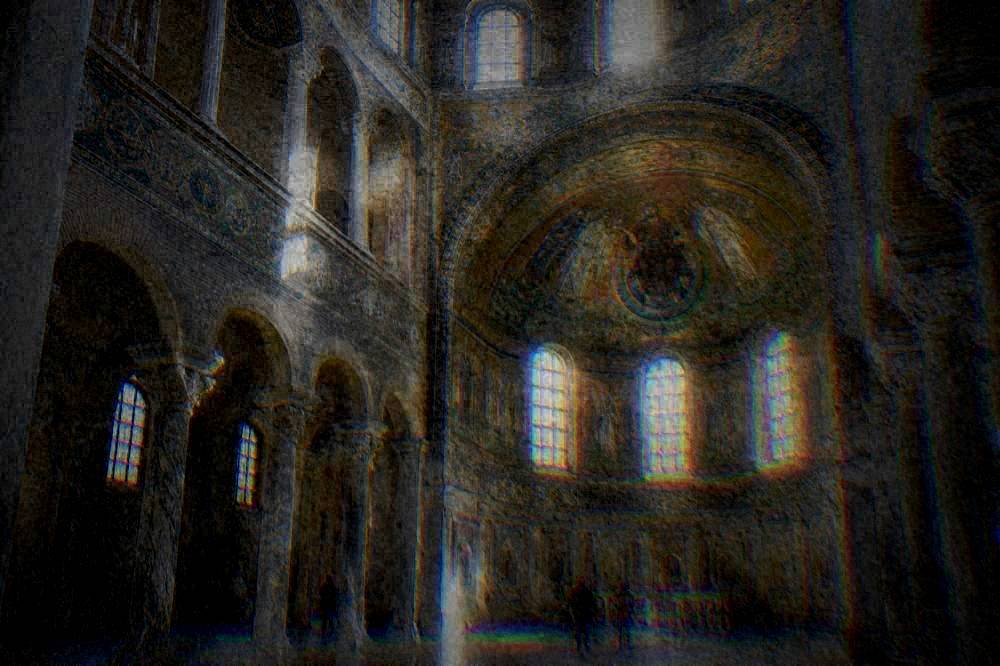
Arian Baptistery
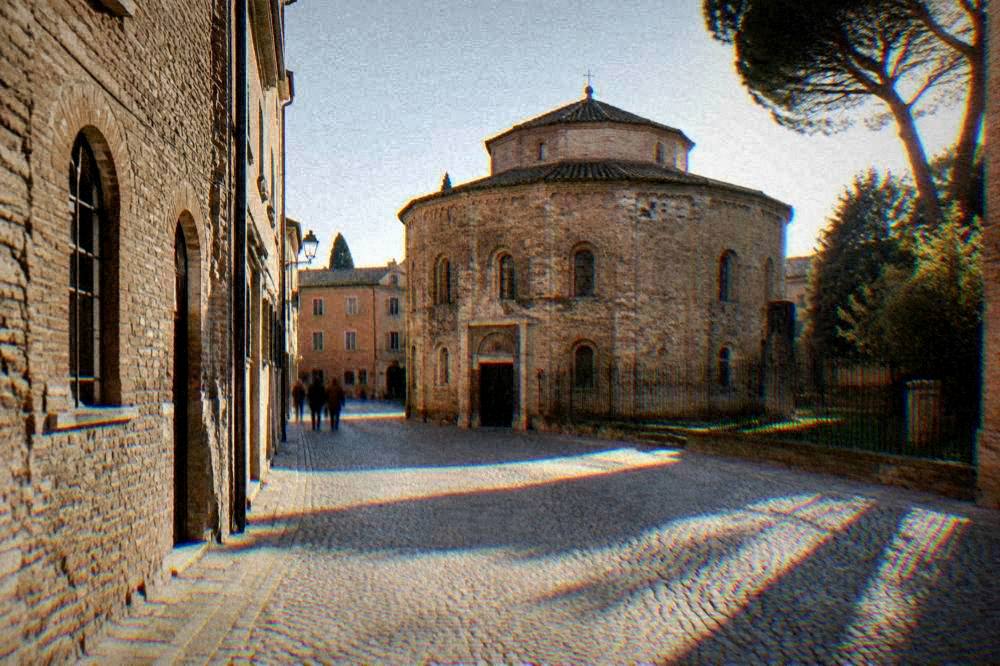
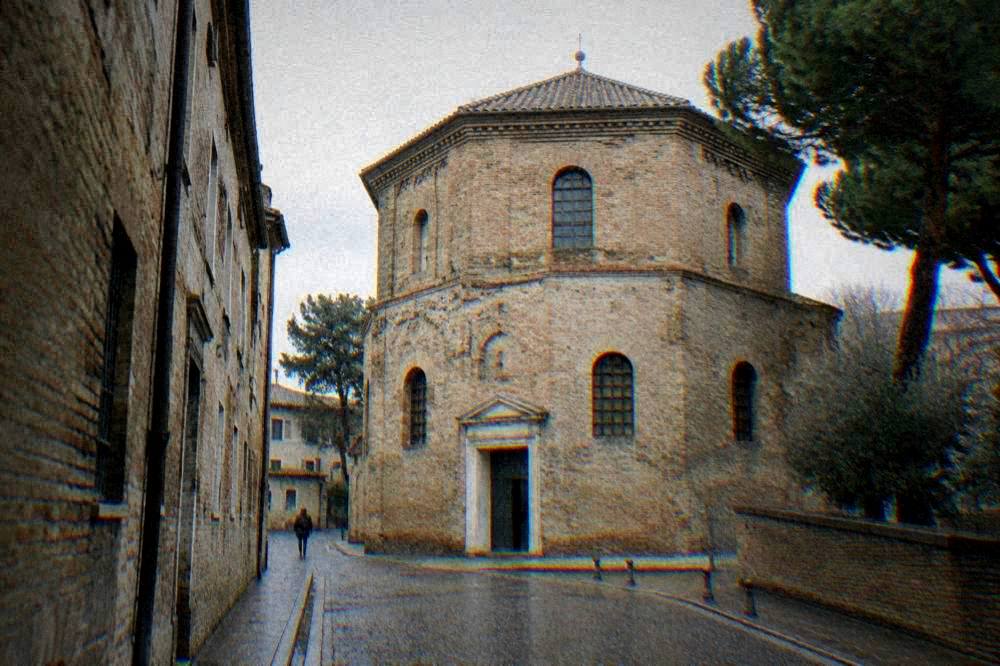
The Arian Baptistery is one of the eight UNESCO Early Christian monuments of Ravenna, a small octagonal brick building a short walk from the Neonian Baptistery, with its own dome mosaic and its own EUR 3 ticket.
Short answer
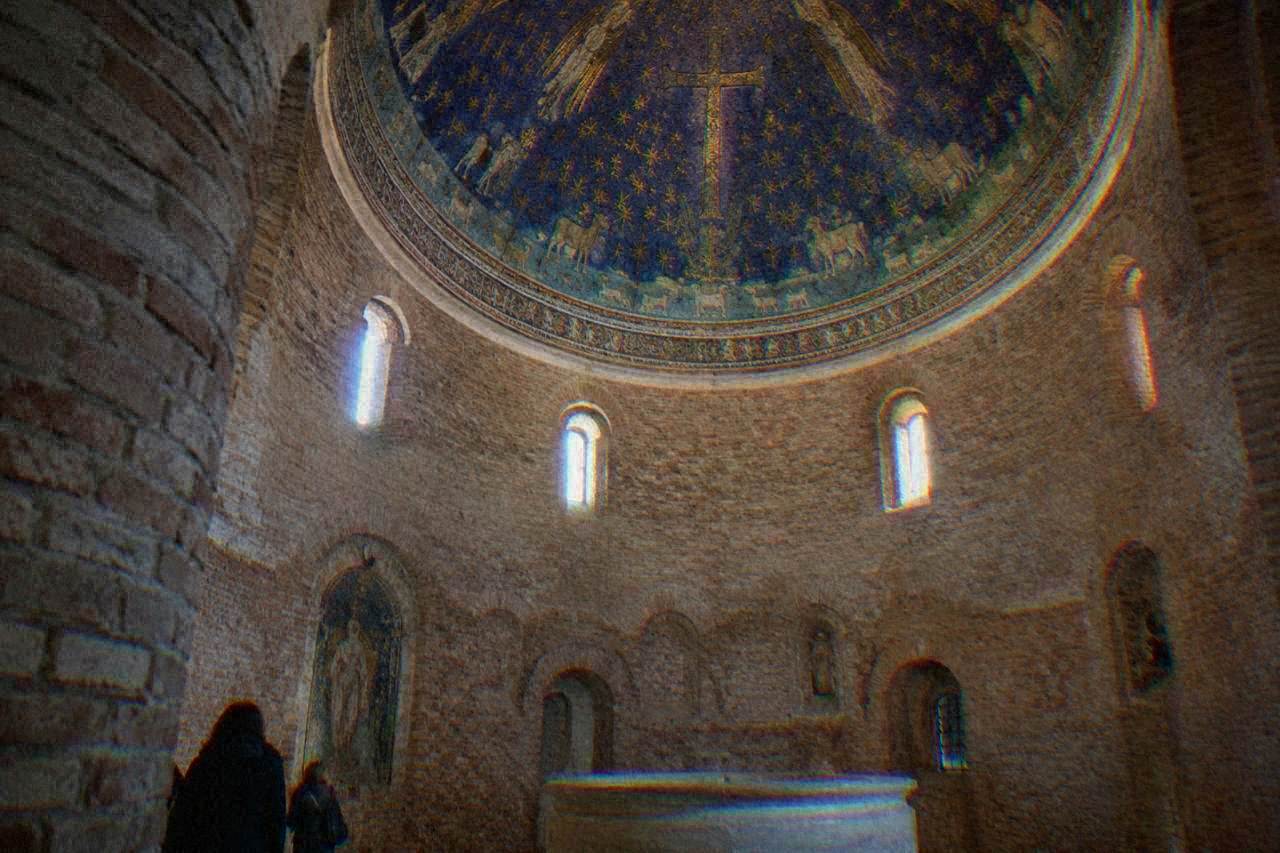
The Arian Baptistery in Ravenna costs EUR 3 full price with no reduced fare, opens 9:00 to 17:00, and can also be visited on a EUR 7 combined ticket with the Mausoleum of Theodoric and Theodoric's Palace.
Ravenna, a flat inland city on the Po plain of Emilia-Romagna about 8 km from the Adriatic coast, holds eight monuments on the UNESCO World Heritage list under the name Early Christian Monuments of Ravenna. The Arian Baptistery is one of them. It is a small octagonal brick building standing on Via degli Ariani, a short walk from Ravenna Cathedral and from the Neonian Baptistery, and it is usually the second baptistery on a visitor's route after the Neonian one. This guide sets out what the official pages say about tickets, hours, the dome mosaic and the surrounding sights, and how the baptistery fits into a wider Ravenna itinerary.
What Is The Arian Baptistery In Ravenna?
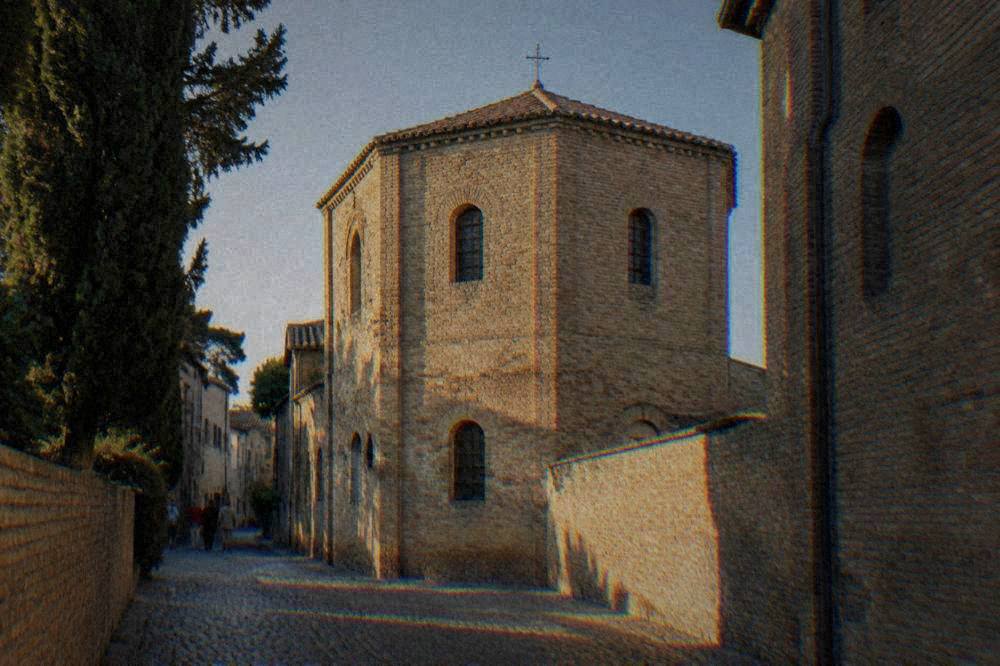
The Arian Baptistery is a small octagonal brick baptistery in the historic centre of Ravenna, listed by UNESCO as one of the eight Early Christian Monuments of Ravenna, a series inscribed on the World Heritage list in 1996. It stands on Via degli Ariani, a short walk from the Neonian Baptistery and Ravenna Cathedral, and it is visited for its dome mosaic of the baptism of Christ.
UNESCO's listing names the eight monuments together: the Mausoleum of Galla Placidia, the Neonian Baptistery, Sant'Apollinare Nuovo, the Arian Baptistery, the Archiepiscopal Chapel, the Mausoleum of Theodoric, San Vitale and Sant'Apollinare in Classe. The listing uses the wording "Early Christian" and describes Ravenna's Byzantine mosaics as the common thread. The Arian Baptistery was built for the Arian Christian community of the city, the court church tradition of the period of Theodoric, whose name also attaches to the Mausoleum of Theodoric and the Palace of Theodoric elsewhere in the city.
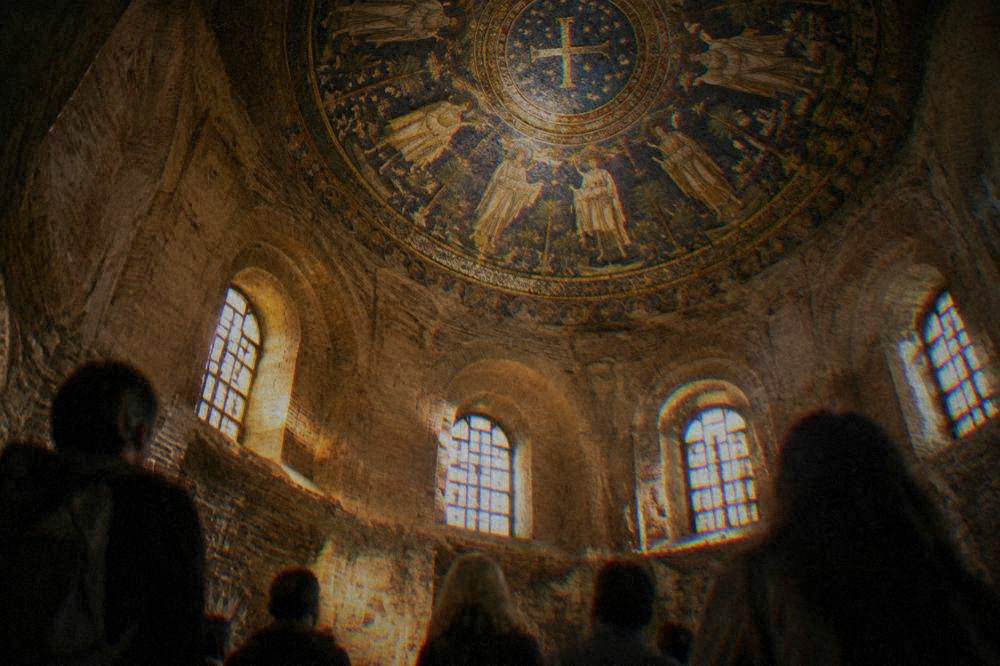
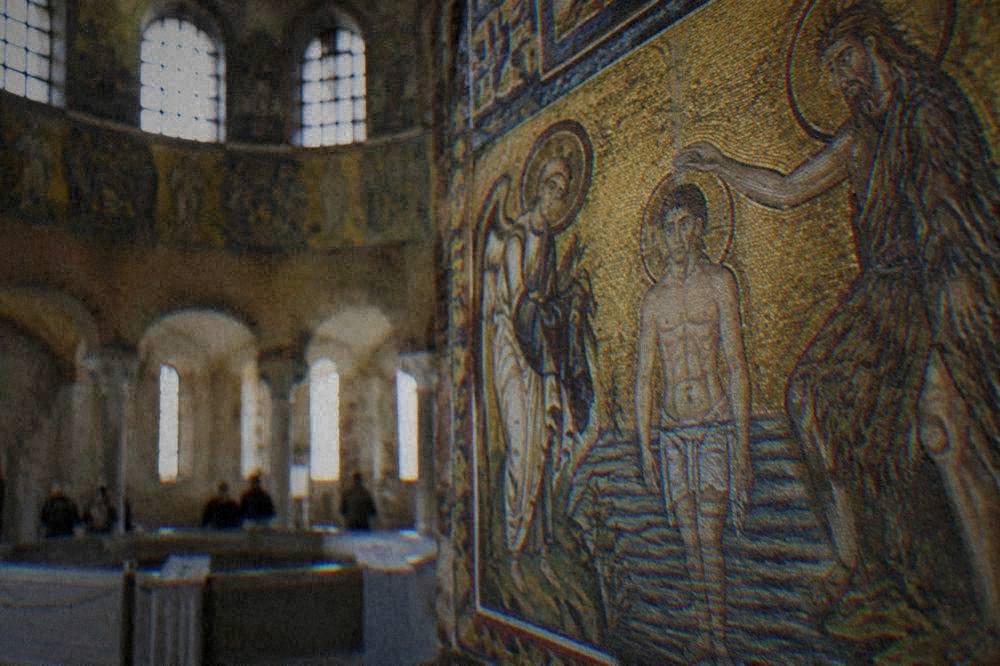
The building is plain outside and small inside. What a visitor actually sees is a brick octagon, a low sunk floor that places the original ground level below the modern street, and above it a dome covered in gold-ground glass mosaic showing the baptism of Christ in the River Jordan, ringed by a procession of the apostles. The composition is deliberately close to the earlier Neonian Baptistery's dome a few streets away, which is one reason the two are always compared.
Anyone who wants that art-historical detail should ask at the monument or read the UNESCO listing text. The Ravenna Travel Guide covers the city's whole mosaic complex, and the baptistery also appears on the site's overview of the eight UNESCO monuments.
How Much Does The Arian Baptistery Cost, And What Do Tickets Cover?
The Arian Baptistery costs EUR 3 for a full-price ticket, with no reduced fare listed, according to the culture ministry page for the monument. A combined ticket at EUR 7 covers the Arian Baptistery together with the Mausoleum of Theodoric and Theodoric's Palace, on the Visit Ravenna page for the Mausoleum. The baptistery is not part of the Ravenna Mosaici combo ticket.
That last sentence matters for planning. The Ravenna Mosaici combo covers the monuments run by that operator: the 2-monument version covers Sant'Apollinare Nuovo and San Vitale, the 4-monument version adds Galla Placidia and the Neonian Baptistery, and the 5-monument version adds the Archiepiscopal Museum and the Chapel of St Andrew. Reduced fares on those combos start at EUR 9.50 and are valid for one week with one admission per monument, with a booked entry time for each. The Arian Baptistery sits outside that system, on a separate state ticket, so a visitor doing all the UNESCO monuments buys at least two tickets.
Want the combo entries sorted before you arrive? Book a mosaics entry ticket here.
The combined EUR 7 ticket is the better deal if the Arian Baptistery is on the list anyway. The Mausoleum of Theodoric alone is EUR 6, with a concession at EUR 5 and EUR 2 for ages 18 to 25, so the combined ticket adds the baptistery and the Palace of Theodoric for one euro more. The Mausoleum is open daily 8:30 to 17:30 with last admission 30 minutes before closing, closed 25 December and 1 January.
| Ticket | Price | What It Covers | Source Page |
|---|---|---|---|
| Arian Baptistery single | EUR 3, no reduced fare | Arian Baptistery only | cultura.gov.it |
| Mausoleum of Theodoric single | EUR 6, EUR 5 concession, EUR 2 ages 18 to 25 | Mausoleum of Theodoric | Visit Ravenna |
| Combined Theodoric ticket | EUR 7 | Mausoleum of Theodoric, Arian Baptistery, Theodoric's Palace | Visit Ravenna |
| Sant'Apollinare in Classe single | EUR 6, EUR 2 reduced | Basilica at Classe | cultura.gov.it |
| Museo Nazionale di Ravenna | EUR 7, EUR 2 reduced | National Museum | cultura.gov.it |
A guided walk ties these separate tickets together neatly. The private mosaics and highlights tour with a local guide covers the Arian Baptistery route among the city's main monuments, and the trio below shows the private options side by side.
When Is The Arian Baptistery Open, And When Should You Visit?
The Arian Baptistery opens 9:00 to 17:00, according to the culture ministry page for the monument, and it is a short-walk stop rather than a half-day destination: the interior is one room and a visit is brief. The paired Mausoleum of Theodoric runs 8:30 to 17:30 daily, and the Ravenna Mosaici monuments switch to winter hours of 10:00 to 17:00 from 3 November 2026.
Because the interior is small, timing is about crowds rather than stamina. The baptistery sits on the standard walking route between the Neonian Baptistery, Ravenna Cathedral and Sant'Apollinare Nuovo, and the middle of the day is when the mosaic circuit is busiest. Early morning or late afternoon gives a quieter room and a better look at the dome, which is the whole point of the visit. There is no timed-entry system here comparable to the mandatory slots at Galla Placidia and the Neonian Baptistery, where the Ravenna Mosaici terms require a booked entry time and allow only a few minutes inside.
The climate table for Ravenna, modelled 1991 to 2020 normals, shows November as the wettest month at 78.3 mm and July as the driest at 38.1 mm, with about 674 mm across the year. None of that affects the baptistery, which is an indoor stop and a natural candidate for the site's guide to Ravenna in the rain.
| Monument | Hours As Listed | Closing Days | Ticket System |
|---|---|---|---|
| Arian Baptistery | 9:00 to 17:00 | check locally | State ticket, EUR 3 |
| Mausoleum of Theodoric | 8:30 to 17:30 | 25 December, 1 January | EUR 6, combined EUR 7 |
| Neonian Baptistery | Summer 9:00 to 19:00, winter 10:00 to 17:00 | 25 December, 1 January | Ravenna Mosaici combo |
| San Vitale | Summer 9:00 to 19:00, winter 10:00 to 17:00 | 25 December, 1 January | Ravenna Mosaici combo |
| Dante's tomb | 10:00 to 18:00 November to March, 10:00 to 19:00 April to October | 25 December | Free entry |
If a private guide is the preferred way through these hours and ticket systems, availability can be checked before committing to a date.
What Makes The Arian Baptistery Different From The Neonian Baptistery?
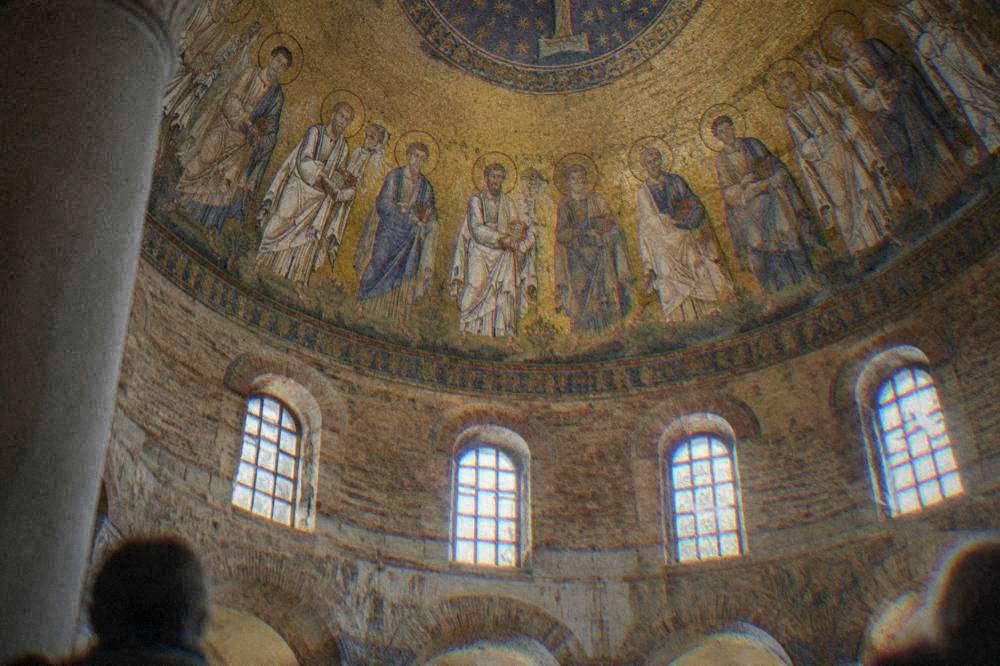
The two baptisteries of Ravenna sit a short walk apart and show near-identical dome designs, the baptism of Christ surrounded by the apostles, but the Arian Baptistery is the smaller and plainer of the two, with a simpler figure of Christ and a humbler setting, while the Neonian Baptistery carries richer decoration and is part of the Ravenna Mosaici combo ticket. The Neonian dome sets the standard; the Arian dome answers it.
The pairing is the reason to see both. In the Neonian Baptistery, Christ is shown as a bearded figure in the Jordan accompanied by a personification of the river; in the Arian Baptistery the figure of Christ is younger and the whole composition is executed with fewer figures across the dome. The apostles move in procession toward a throne in both domes, a shared image a visitor can compare directly within a few minutes' walk.
Practically, the differences are ticketing and setting. The Neonian Baptistery belongs to the Ravenna Mosaici combo, needs a booked entry time and allows a stay of a few minutes. The Arian Baptistery costs its own EUR 3 or comes on the EUR 7 combined ticket, and there is no slot system on its page. The Neonian Baptistery stands next to the cathedral on a polished piazza; the Arian Baptistery stands on a narrow street with plain brick walls. Both are UNESCO monuments within the same 1996 inscription. The site's guide to the Neonian Baptistery covers the earlier building in detail.
| Feature | Arian Baptistery | Neonian Baptistery |
|---|---|---|
| Ticket | EUR 3, no reduced fare | Ravenna Mosaici combo, from EUR 9.50 reduced |
| Entry time booking | Not listed as required | Mandatory, booked per monument |
| Setting | Narrow street, plain brick | Beside the cathedral piazza |
| Dome subject | Baptism of Christ, apostles in procession | Baptism of Christ, apostles in procession |
| Figure of Christ | Younger, simpler treatment | Bearded, with the river personified |
How Does The Arian Baptistery Fit Into The Eight UNESCO Monuments Of Ravenna?
The Arian Baptistery is the fourth name in UNESCO's list of the eight Early Christian Monuments of Ravenna, and it belongs to the cluster that includes Sant'Apollinare Nuovo, the Mausoleum of Theodoric and the Archiepiscopal Chapel, all connected with the court period of Theodoric, while San Vitale, Galla Placidia and the Neonian Baptistery sit on the other side of the ticket divide.
A sensible route groups the monuments by geography and ticket. In the historic centre, the Ravenna Mosaici cluster is compact: Sant'Apollinare Nuovo, the Neonian Baptistery, the Archiepiscopal Museum and Chapel, Galla Placidia and San Vitale all stand within a short walk of one another. The Arian Baptistery is on that same walking route but on the state ticket. The Mausoleum of Theodoric and the Palace of Theodoric lie further out toward the parkland of the city, and the EUR 7 combined ticket is the efficient way to pair them with the baptistery. Sant'Apollinare in Classe is outside the centre entirely, in the Classe area, reached by bus or car.
| UNESCO Monument | Location | Ticket |
|---|---|---|
| Mausoleum of Galla Placidia | Historic centre | Ravenna Mosaici combo |
| Neonian Baptistery | Historic centre | Ravenna Mosaici combo |
| Sant'Apollinare Nuovo | Historic centre | Ravenna Mosaici combo |
| Arian Baptistery | Historic centre | EUR 3 state ticket, or EUR 7 combined |
| Archiepiscopal Chapel | Historic centre | Ravenna Mosaici combo |
| Mausoleum of Theodoric | South of the centre | EUR 6, or EUR 7 combined |
| San Vitale | Historic centre | Ravenna Mosaici combo |
| Sant'Apollinare in Classe | Classe, outside the centre | EUR 6, EUR 2 reduced |
The reduced fares on the Ravenna Mosaici combo apply to students, non-accredited journalists and paying groups over 20, and entry is free for children 0 to 10, residents of Ravenna, ICOM members, licensed guides, and visitors with a disability plus one companion. The site's guide to the Ravenna combo ticket works through the arithmetic of the 2, 4 and 5 monument versions.
What Can You See Inside The Arian Baptistery?
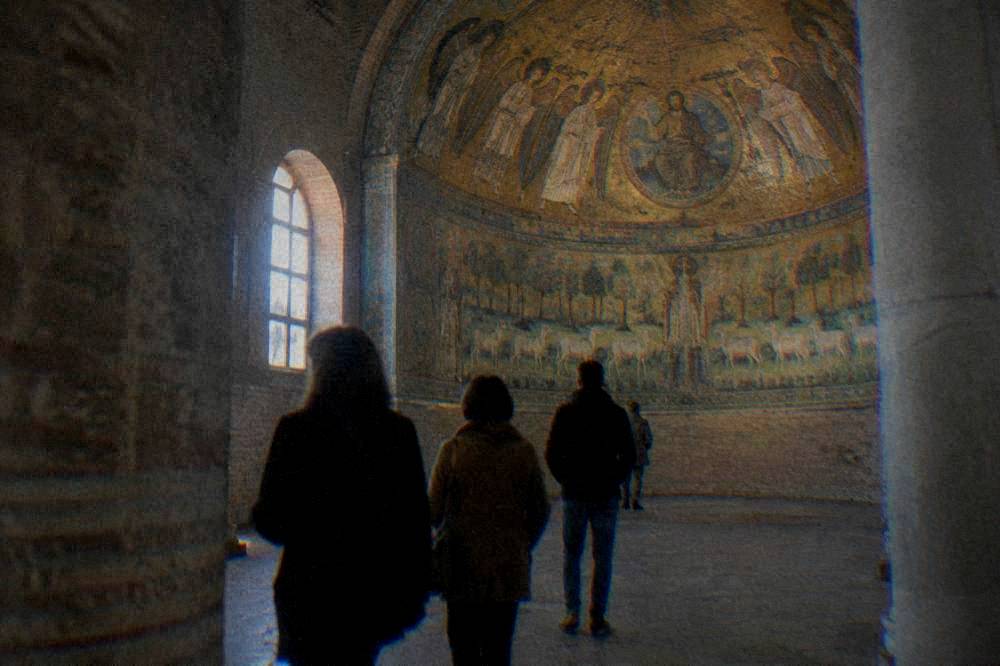
Inside, the Arian Baptistery offers one octagonal room with a sunken floor, traces of brick arcading, and the dome mosaic as the centrepiece: Christ baptised in the Jordan by John the Baptist, the dove, and a ring of twelve apostles walking in procession toward a jewelled throne with a cross. There are no side chapels and no museum rooms; the dome is the sight.
The visit is short and that is fine. The floor level sits below the present street, so the visitor steps down into the space, a detail that immediately signals how much the city has risen around the building. Around the walls, the brick shell and the marks of blocked openings show the octagon's history of change. The mosaic itself is executed in gold-ground glass tesserae, the same technique that carries the vaults of Galla Placidia and the apse of San Vitale, and the figures are read from below, which is how they were designed.
Visitors with an interest in the craft itself can go further than looking: the site's pages on Ravenna mosaic tours and mosaic workshops cover guided walks and hands-on courses, and the Classis Ravenna museum, described on the site's Classis Ravenna page, holds the collection that was once shown at the TAMO museum before it closed in 2023.
How Do You Visit The Arian Baptistery With A Guided Tour?
Guided tours of Ravenna's mosaics normally include the Arian Baptistery as a stop or pass it on the route between the Neonian Baptistery and Sant'Apollinare Nuovo, and private tours can add it on request; the private mosaics and highlights walk on this site covers the highlights route with a local guide, and tickets for the state monuments are bought separately at EUR 3 or on the EUR 7 combined ticket.
A guide adds the context this page deliberately does not invent: the story of the Arian court, the comparison with the Neonian dome, and the reading of the procession. Private options give the most control, since the itinerary can be bent toward the Theodoric sites that share the combined ticket. A group walk keeps the price lower and follows the standard centre route. The listing for each product states what is and is not included, and entry tickets for the state monuments should be confirmed with the operator before booking.
For cruise passengers the arithmetic is tighter. The port of Ravenna at Porto Corsini is about 15 km from the centre, and the Visit Ravenna shuttle runs about 30 minutes between the terminal and the city, so a shore day can cover the centre monuments but not comfortably the Classe basilica as well. The site's guide to a Ravenna cruise port day plans that hour by hour.
What Is Near The Arian Baptistery In Ravenna?
Within a short walk of the Arian Baptistery stand the Neonian Baptistery, Ravenna Cathedral, the Archiepiscopal Museum and Chapel, Sant'Apollinare Nuovo, Dante's tomb, the Basilica of San Francesco and Piazza del Popolo, the city's main square; the historic centre of Ravenna is compact and flat, and every one of these stops is reached on foot from the baptistery's street.
The order that works is simple. Start at Piazza del Popolo, walk to Dante's tomb, which is free and opens 10:00 to 18:00 from November to March, then reach the Neonian Baptistery beside the cathedral, and continue to the Arian Baptistery on Via degli Ariani before heading east to Sant'Apollinare Nuovo. The whole circuit is the spine of the historic centre, and the site's one day in Ravenna itinerary assembles it with timings.
| Nearby Sight | Relation To The Arian Baptistery | Ticket |
|---|---|---|
| Neonian Baptistery | Short walk, same dome subject | Ravenna Mosaici combo |
| Ravenna Cathedral | Short walk, beside the Neonian Baptistery | Check locally |
| Archiepiscopal Museum and Chapel | Short walk | Ravenna Mosaici 5-monument combo |
| Sant'Apollinare Nuovo | Short walk east | Ravenna Mosaici combo |
| Dante's tomb | Short walk west | Free |
| Piazza del Popolo | Short walk, main square of Ravenna | Free |
The one thing not to assume is a beach. Ravenna's historic centre is inland, about 8 km from the coast, and the resorts of Marina di Ravenna and the other lidi are reached by Start Romagna bus from the station. The site's pages on Marina di Ravenna and the historic centre keep the two worlds straight.
Is The Arian Baptistery Worth The Extra Ticket In Ravenna?
For anyone already buying the EUR 7 combined ticket for the Mausoleum of Theodoric and Theodoric's Palace, the Arian Baptistery adds no cost and a genuine UNESCO dome, so the answer is yes; for a visitor doing only the Ravenna Mosaici combo and short on time, the baptistery is the one monument that can slip, though the side-by-side comparison with the Neonian dome is the single best reason to keep it.
The honest framing is that Ravenna rewards completions. The eight monuments are one UNESCO inscription, and the two baptisteries are a matched pair that explain each other. Seeing only the Neonian dome means seeing half a conversation. The extra stop is five minutes in a room, and the EUR 3 single ticket or the EUR 7 combined ticket prices it accordingly.
Two practical notes finish the picture. First, Ravenna applies a tourist tax per night, about EUR 1 to EUR 4 depending on the hotel category under the tariff in force from 1 January 2023, always confirmed at booking. Second, the state museums and monuments are reported to be free on the first Sunday of the month, a detail worth checking on the official pages before planning a visit around it. The site's guide to Ravenna on a budget collects the free entry points in one place.
Common Questions About The Arian Baptistery
How much is the Arian Baptistery ticket?
The culture ministry page lists EUR 3 full price for the Arian Baptistery, with no reduced fare. A combined ticket at EUR 7 covers the Arian Baptistery, the Mausoleum of Theodoric and Theodoric's Palace on the Visit Ravenna page.
Is the Arian Baptistery part of the Ravenna Mosaici combo ticket?
No. The Ravenna Mosaici combo covers Sant'Apollinare Nuovo and San Vitale at its base, and adds Galla Placidia, the Neonian Baptistery, and the Archiepiscopal Museum and Chapel on the larger versions. The Arian Baptistery is on a separate state ticket.
What are the opening hours of the Arian Baptistery?
The culture ministry page lists 9:00 to 17:00. Hours can change seasonally, so confirm on the official page before a visit, especially around public holidays.
Which baptistery should I see in Ravenna, the Arian or the Neonian?
Both if time allows. The domes show the same subject, the baptism of Christ with the apostles in procession, and the comparison between the two treatments is the point. The Neonian Baptistery is richer and needs a booked entry time; the Arian Baptistery is smaller, plainer and quicker to visit.
Is the Arian Baptistery one of the UNESCO sites of Ravenna?
Yes. UNESCO inscribed the eight Early Christian Monuments of Ravenna in 1996, and the Arian Baptistery is one of the eight, alongside the Mausoleum of Galla Placidia, the Neonian Baptistery, Sant'Apollinare Nuovo, the Archiepiscopal Chapel, the Mausoleum of Theodoric, San Vitale and Sant'Apollinare in Classe.
The Arian Baptistery is a small room with a large argument inside it: a second dome, a second reading of the same baptism, and a reminder that Ravenna's mosaics were made for competing congregations a few streets apart. Buy the EUR 3 ticket or fold it into the EUR 7 combined ticket, look up, and then walk the five minutes to the Neonian dome to finish the comparison.