Florence To Ravenna
Ravenna sits inland on the flat Po plain of Emilia-Romagna, reached from Florence with a change of train at Bologna, and it holds eight UNESCO Early Christian monuments whose gold mosaics are the reason to make the trip.
Short answer
Travel from Florence to Ravenna by train with a change at Bologna Centrale; the final leg is a direct regional train of about 84 km taking about 1 hour to 1 hour 20. Ravenna rewards the journey with eight UNESCO-listed Early Christian monuments, Byzantine mosaics and Dante's tomb, all in a compact walkable centre.
Ravenna, in Emilia-Romagna, is an inland city on the flat Po plain about 8 km from the Adriatic coast, and the standard way in from Florence is the train: a fast connection to Bologna Centrale, then a direct regional train for the final stretch of about 84 km. The reward at the end of the line is a compact, walkable historic centre holding eight UNESCO Early Christian monuments with Byzantine mosaics, the tomb of Dante, and a food tradition rooted in Romagna. This guide from the Ravenna Travel Guide desk sets out how the journey works, what the mosaics cost to see, and how to judge whether one day is enough.
How Do You Get From Florence To Ravenna?
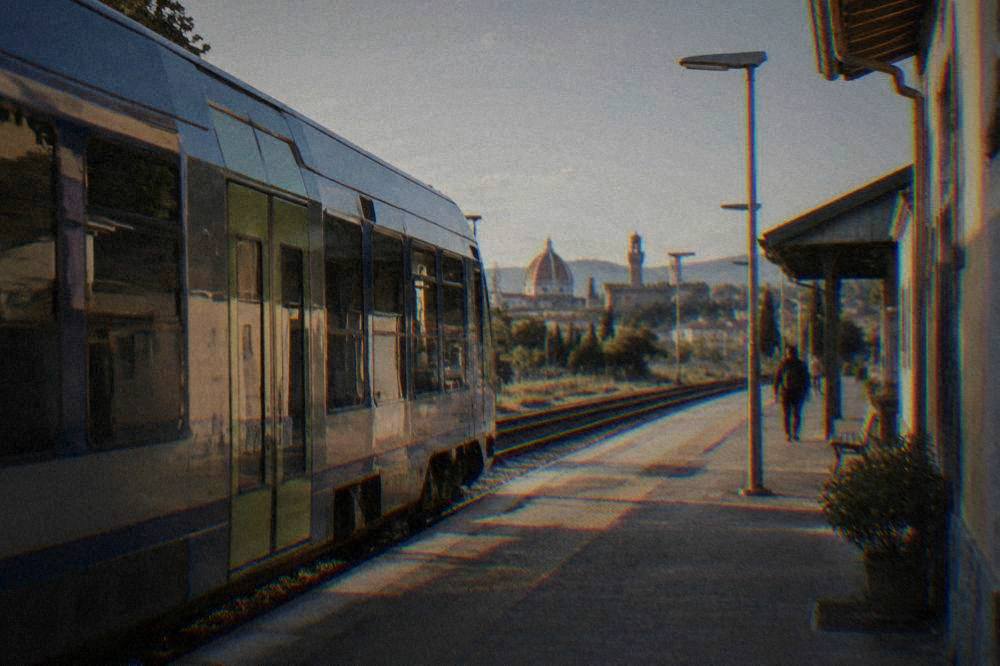
The route from Florence to Ravenna runs by rail through Bologna Centrale, with a change of train there onto a direct regional service for the final about 84 km, which the regional timetable gives as about 1 hour to 1 hour 20. There is no direct Florence to Ravenna train, so Bologna is the fixed interchange. The fare is shown at booking on the operator's pages, and the station in Ravenna is a short walk from the historic centre.
The regional rail timetable is the source for the final leg: Ravenna connects to Bologna Centrale by direct regional trains via Castelbolognese, with the fastest runs close to an hour and the typical journey between 1 hour and about 1 hour 20. From Florence, the high-speed leg into Bologna is frequent, and the overall door-to-door time depends on the connection you draw at Bologna. Check the regional timetable before locking plans, because engineering work and strikes can reshape a Saturday without much notice.
The answers page on trains between Ravenna and Florence covers the return direction in detail, and the fuller rail picture, including the Bologna and airport approaches, sits in the how to get to Ravenna guide. If your journey starts at an airport instead, see Bologna airport to Ravenna, which explains the Marconi Express plus regional train route, about 2 to 2.5 hours door to door.
| Leg | Route | What the sources say |
|---|---|---|
| Florence to Bologna Centrale | High-speed rail | Frequent departures; times and fares shown at booking |
| Bologna Centrale to Ravenna | Direct regional train via Castelbolognese | About 84 km; about 1 hour to 1 hour 20 |
| Ravenna station to centre | On foot | A short walk to the historic centre |
How Long Should You Budget For The Whole Florence To Ravenna Day?
Plan the Florence to Ravenna day around a morning arrival, because the monument hours are fixed and the last admissions come early: in winter, from 3 November 2026 to 6 March 2027, the mosaic sites run 10:00 to 17:00 with last admission at 16:30 or 16:45, per the official Ravenna Mosaici page. That gives a comfortable window for the mosaics, Dante's tomb and lunch if you leave Florence early. An early evening train back closes the day without a rush.
The Ravenna Mosaici page splits the year in two. Summer hours, 8 March to 2 November 2026, run 9:00 to 19:00 across San Vitale, Sant'Apollinare Nuovo and the Archiepiscopal Museum, with Galla Placidia and the Neonian Baptistery closing last admissions at 18:45. Winter hours pull everything back to 10:00 to 17:00 and close 25 December and 1 January. Sant'Apollinare in Classe, which sits outside the centre in the Classe area, runs Monday to Saturday 8:30 to 19:00 and Sunday 13:30 to 19:00 on the cultura.gov.it listing.
Two planning notes matter. First, the combo ticket is valid for one week with a single admission per monument, but each monument needs a booked entry time, and Galla Placidia and the Neonian Baptistery carry mandatory timed entry with stays of a few minutes, so a one-day visitor should book those slots first and build the rest of the day around them. Second, Sant'Apollinare in Classe and the Classis Ravenna museum are outside the centre, so a day trip from Florence usually treats Classe as an either-or choice rather than an add-on. The how many days in Ravenna guide weighs one-day versus longer plans.
| Monument group | Winter hours, 3 Nov 2026 to 6 Mar 2027 | Last admission |
|---|---|---|
| San Vitale, Sant'Apollinare Nuovo, Archiepiscopal Museum | 10:00 to 17:00 daily | 16:30 |
| Galla Placidia, Neonian Baptistery | 10:00 to 17:00 daily | 16:45 |
| Sant'Apollinare in Classe | Mon to Sat 8:30 to 19:00, Sun 13:30 to 19:00 | 30 minutes before closing |
| Mausoleum of Theodoric | 8:30 to 17:30 daily | 30 minutes before closing |
| Dante's tomb | 10:00 to 18:00, November to March | Free entry, closed 25 December |
For travellers who would rather hand the logistics to someone else, several private options cover the mosaics and the city:
Each listing carries its own price, rating and cancellation terms, and every button below reads Check availability, with nothing promised about dates.
Is Ravenna Worth The Trip From Florence?
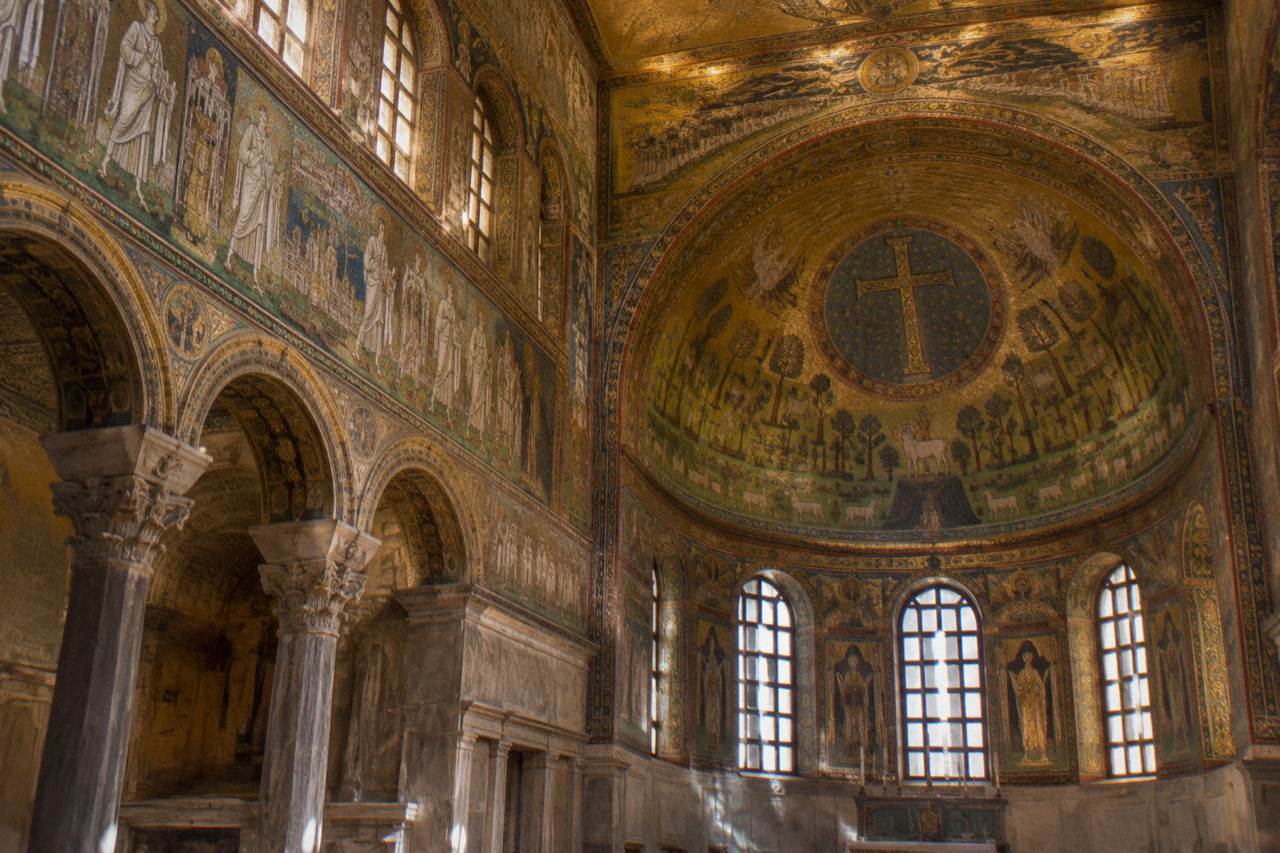
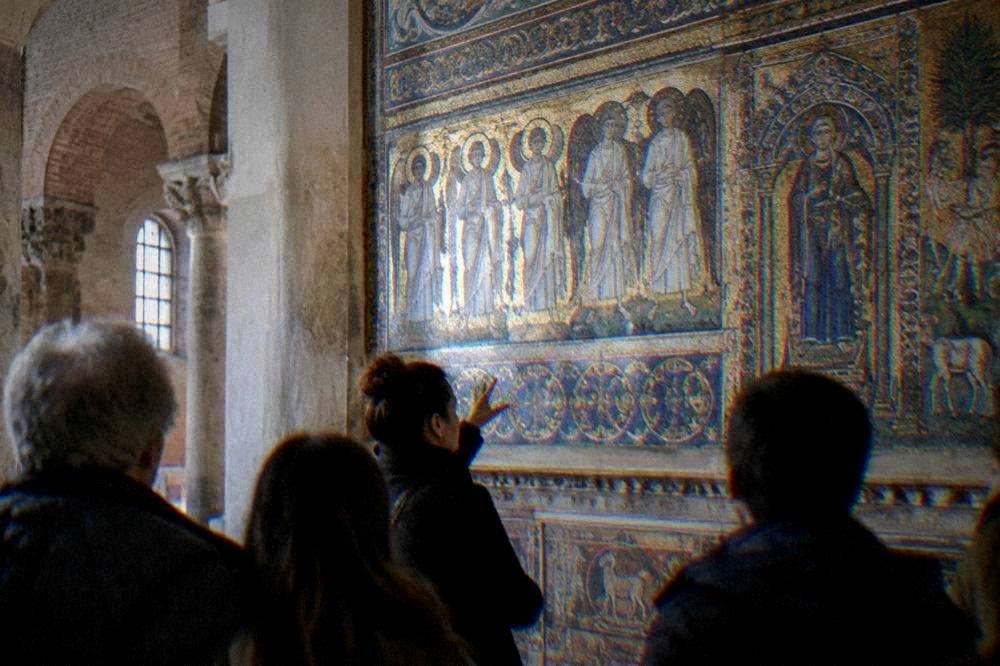
Ravenna is worth the trip from Florence because it holds something Florence does not: eight Early Christian monuments inscribed by UNESCO in 1996, decorated with Byzantine mosaics that the UNESCO listing names as a group, plus the tomb of Dante, which is free to enter. The mosaics are unique to this city and the centre is small enough to see them in a single day on foot.
To wander those Byzantine interiors with a guide, book a guided mosaic tour here.
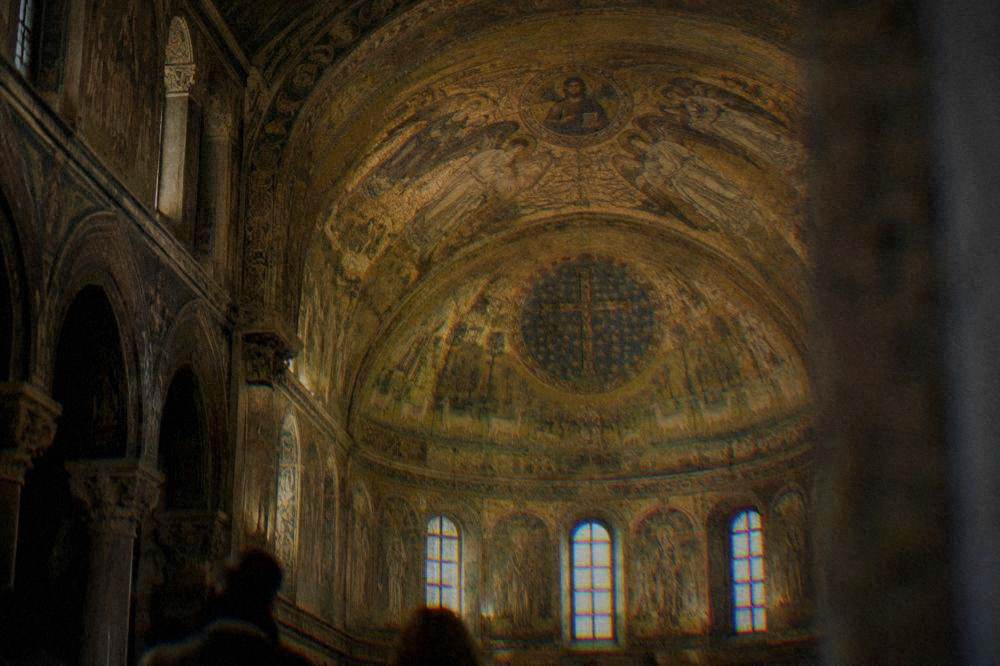
The full argument sits on the is Ravenna worth visiting page. The eight UNESCO monuments are fixed by the listing: the Mausoleum of Galla Placidia, the Neonian Baptistery, Sant'Apollinare Nuovo, the Arian Baptistery, the Archiepiscopal Chapel, the Mausoleum of Theodoric, San Vitale and Sant'Apollinare in Classe. No other site in the city belongs on that list. What a visitor actually sees are gold-ground glass mosaics, brick drums and domed chapels, described by the UNESCO listing as Early Christian and Byzantine. The Ravenna UNESCO sites guide and the Ravenna mosaics overview walk through each one.
Dante died and is buried in Ravenna; his tomb is free, open 10:00 to 18:00 from November to March and 10:00 to 19:00 from April to October, and closed 25 December. The Dante story, including the September oil offering from the Tuscan hills arranged through the Comune di Firenze, is told on the site's Dante pages. It makes a neat symmetry for a visitor arriving from Florence: the poet left Tuscany and ended here.
| The eight UNESCO monuments | Location |
|---|---|
| Mausoleum of Galla Placidia | Historic centre |
| Neonian Baptistery | Historic centre |
| Sant'Apollinare Nuovo | Historic centre |
| Arian Baptistery | Historic centre |
| Archiepiscopal Chapel | Historic centre, within the Archiepiscopal Museum |
| Mausoleum of Theodoric | North of the centre |
| San Vitale | Historic centre |
| Sant'Apollinare in Classe | Classe area, outside the centre |
What Do The Ravenna Mosaic Tickets Cost?
Reduced combo fares start at EUR 9.50 for two monuments, EUR 11.50 for four and EUR 13.50 for five, on the Ravenna Mosaici prices page, with the reduced rate applying to students, non-accredited journalists and paying groups over 20. Children aged 0 to 10, Ravenna residents, ICOM members, licensed guides, and visitors with a disability plus companion enter free. Full prices are on the official page.
The two-monument combo covers Sant'Apollinare Nuovo and San Vitale. The four-monument combo adds Galla Placidia and the Neonian Baptistery, and the five-monument version adds the Archiepiscopal Museum with the Chapel of St Andrew. The ticket is valid one week, allows one admission per monument, and every monument needs a booked entry time, with Galla Placidia and the Neonian Baptistery on mandatory timed entry and short stays of a few minutes, and San Vitale admitting in slots. The Ravenna combo ticket guide unpacks the mechanics.
Monuments outside the combo are priced individually on their official pages. The Mausoleum of Theodoric is EUR 6, with a concession at EUR 5 and EUR 2 for ages 18 to 25, or EUR 7 combined with the Arian Baptistery and Theodoric's Palace, per the Visit Ravenna page for the mausoleum. The Arian Baptistery alone is EUR 3. Sant'Apollinare in Classe is EUR 6 full and EUR 2 reduced. The state museums and monuments are free on the first Sunday of the month.
| Ticket | Price on the official pages | Covers |
|---|---|---|
| Combo, 2 monuments | From EUR 9.50 reduced | Sant'Apollinare Nuovo, San Vitale |
| Combo, 4 monuments | From EUR 11.50 reduced | Adds Galla Placidia, Neonian Baptistery |
| Combo, 5 monuments | From EUR 13.50 reduced | Adds Archiepiscopal Museum and Chapel of St Andrew |
| Mausoleum of Theodoric | EUR 6, concession EUR 5, EUR 2 ages 18 to 25 | Single monument; EUR 7 combined with Arian Baptistery and Theodoric's Palace |
| Arian Baptistery | EUR 3 | Single monument |
| Sant'Apollinare in Classe | EUR 6, EUR 2 reduced | Single monument |
| Dante's tomb | Free | Open to all |
What Can You See In Ravenna In One Day From Florence?
A one-day Ravenna itinerary from Florence should run San Vitale and the Neonian Baptistery, Galla Placidia, Sant'Apollinare Nuovo, Dante's tomb and Piazza del Popolo, in that order of priority, because the first four carry the mosaics and the timed-entry rules set the schedule. Lunch is part of the visit: piadina and cappelletti are the local dishes the Visit Ravenna food pages describe.
The full sequence is laid out in the one day in Ravenna itinerary. Start at San Vitale, which admits in slots, then cross to the Mausoleum of Galla Placidia next door, keeping its timed stay to a few minutes as the entry rules require. The Neonian Baptistery is a short walk away, as is Sant'Apollinare Nuovo. Dante's tomb, free and central, slots in anywhere. Piazza del Popolo is the civic heart of the centre, and the whole route is flat and walkable, which is what makes the one-day version work for a visitor arriving from Florence by train.
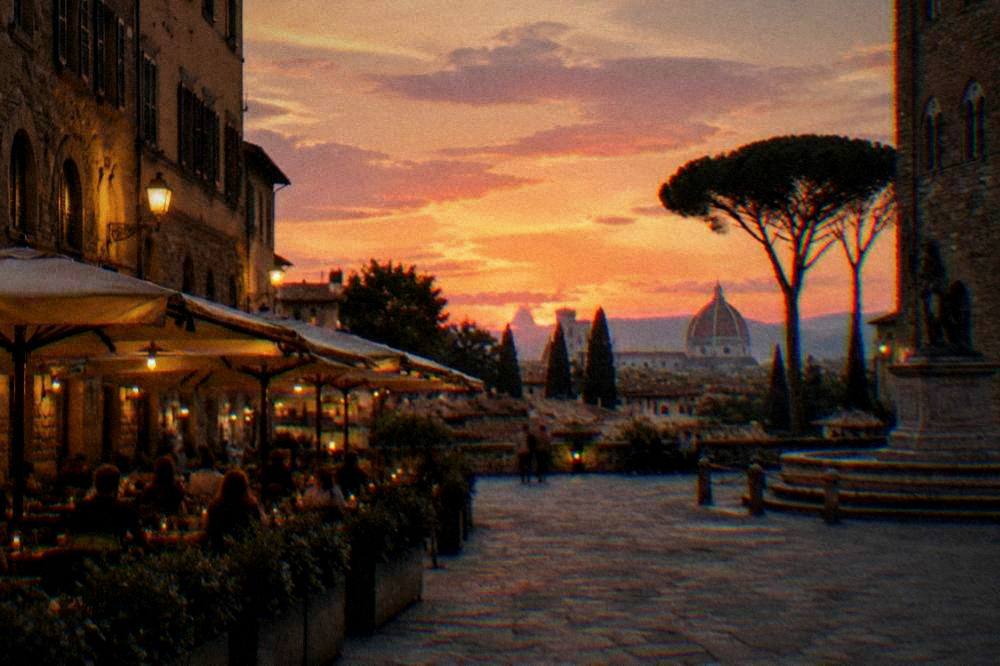
Food is its own reason to come, and the Ravenna food guide and Ravenna restaurants page cover the dishes by name rather than by price. Piadina is the flatbread of Romagna; cappelletti are the filled pasta of the region, and the site's pages on both describe what the Visit Ravenna pages say about them. A cover charge, the coperto, is legal when printed on the menu, and tipping is not obligatory.
If the day runs long, the money page of this site, things to do in Ravenna, indexes everything worth planning around, and day trips from Ravenna to Florence reverses this article for readers based in Ravenna.
Can You Combine Ravenna With The Coast On A Trip From Florence?
Ravenna's beaches are not in the city: the resorts of Marina di Ravenna, Punta Marina, Lido Adriano, Lido di Classe and Lido di Savio sit along about 35 km of coast, and the centre is about 8 km inland, reached by Start Romagna bus from the station or by bike. A Florence day tripper can see mosaics in the morning and reach the sand in the afternoon, but it needs the bus timetable or a tour that builds the coast in.
The Start Romagna winter timetable booklet lists the beach routes from Ravenna station. One structured option that does the planning is a private tour pairing Ravenna's history with lunch on the beach; the Check availability link shows the operator's live listing, and the tour's own page on this site, the Ravenna history and beach lunch day tour, describes what it covers. Note that it departs from Bologna, which is exactly the interchange a Florence traveller already passes through.
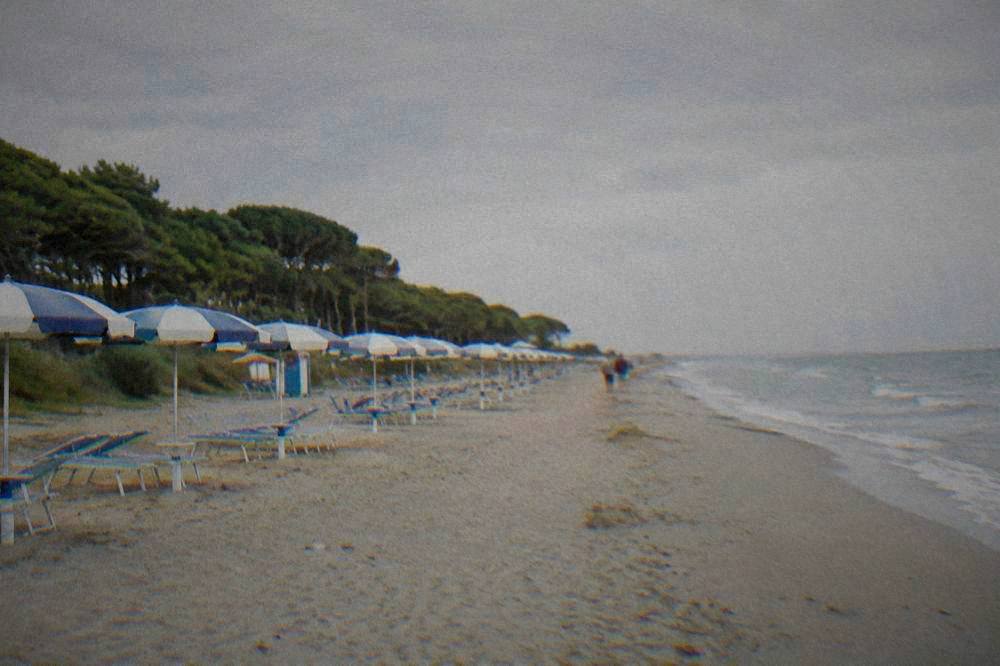
Two seasonal cautions come from the municipal press releases. Each autumn a sand barrier of 25,000 cubic metres is built at Punta Marina, Marina di Ravenna Sud and Lido di Savio and stays until spring 2027, which changes the shape of those beaches in winter. No lido entrance fee, sunbed price or sea-temperature figure is stated on this site; confirm locally at the beach. The Ravenna beaches guide has the resort-by-resort detail.
Should You Stay Overnight In Ravenna Rather Than Day Trip From Florence?
Staying overnight in Ravenna buys you Sant'Apollinare in Classe, the Classis Ravenna museum and an unhurried evening, because those two Classe-area sites plus the timed-entry rhythm of the monuments are what a single day squeezes out. A tourist tax applies per night, about EUR 1 to EUR 4 depending on hotel category under the tariff in force from 1 January 2023, and it may have changed, so confirm at booking.
The where to stay in Ravenna guide maps the areas. The tax bands from the tariff are: hotels 1 to 2 stars EUR 1, 3 stars EUR 2, 4 stars EUR 3 and 5 stars EUR 4 per night; hostels EUR 1.20; bed and breakfast and rooms EUR 1.50. Classis Ravenna, in the Classe area, is open daily 10:00 to 17:00 with last entry 50 minutes before closing, closed 25 December, and priced at EUR 8 full and EUR 6 reduced. TAMO, the former mosaic museum, closed in 2023 and its collection moved to Classis Ravenna, so the Classe trip now covers both the basilica and that story.
The climate table, modelled 1991 to 2020 normals, gives July as the warmest month at a 25.2 C mean and January the coldest at 5.1 C, with November the wettest month at 78.3 mm and July the driest at 38.1 mm, about 674 mm across the year. The best time to visit Ravenna guide and the Ravenna weather page turn that into planning advice, and the Ravenna weekend guide builds the two-day version of this trip.
What About Driving From Florence To Ravenna?
Driving from Florence to Ravenna is possible and ends at a camera-enforced limited traffic zone, the ZTL, in the historic centre, where some gates run 7:30 to 20:30 and others 24 hours. A daily permit for vehicles up to 5 tonnes is bought at the 24-hour parcometers, about EUR 8, and hotels can issue a guest authorisation, so arrange parking with your accommodation before you arrive. No driving distance or time for this route is stated on this site.
The ZTL details come from the Visit Ravenna page on the zone, which lists the gate hours and the parcometer locations. Park outside the zone and walk in is the simpler default, since the centre is small and the station is a short walk from it. No parking tariff, motorway toll, fuel price or taxi fare appears anywhere on this site; those figures are confirmed locally. The Ravenna parking and ZTL guide carries the full picture.
| Driving topic | What the sources say |
|---|---|
| ZTL gates | Some 7:30 to 20:30, others 24 hours, camera-enforced |
| Daily permit | About EUR 8, bought at the 24-hour parcometers, vehicles up to 5 tonnes |
| Hotel guests | Hotels can issue special authorisation |
| Florence to Ravenna distance | Not stated on this site; check a route planner |
| Parking tariffs, tolls, fuel, taxis | Confirm locally |
Common Questions About Florence To Ravenna
How do I get from Florence to Ravenna?
Take a train from Florence to Bologna Centrale, then change onto a direct regional train to Ravenna. The final leg is about 84 km and takes about 1 hour to 1 hour 20 per the regional timetable. Fares are shown at booking.
Is there a direct train from Florence to Ravenna?
No. Every rail route between the two cities changes at Bologna Centrale, where the Ravenna branch begins as a direct regional service via Castelbolognese.
How long does Florence to Ravenna take?
The Bologna to Ravenna leg takes about 1 hour to 1 hour 20 on a direct regional train. Add the Florence to Bologna leg and the connection time at Bologna Centrale; the operator's timetable gives the full door-to-door figure for each departure.
Can you take a train from Ravenna to Florence?
Yes, the same route runs in reverse: a regional train from Ravenna to Bologna Centrale, then a connection to Florence. The site's answers page on trains between Ravenna and Florence covers it in detail.
Is Ravenna worth a day trip from Florence?
Yes. Eight UNESCO-listed Early Christian monuments with Byzantine mosaics, plus Dante's free tomb, sit in a compact walkable centre a short walk from the station, which makes the city one of the workable long day trips out of Florence.
What do the Ravenna mosaic tickets cost?
Reduced combo fares start at EUR 9.50 for two monuments, EUR 11.50 for four and EUR 13.50 for five on the Ravenna Mosaici prices page. Full prices are on the official page, and children 0 to 10 enter free.
Whether you go by rail through Bologna or hand the day to a private guide, Ravenna repays the Florence traveller with the one thing Tuscany cannot offer: a dense cluster of gold Byzantine mosaics, a free tomb for Dante and a plate of Romagna food, all inside a centre small enough to cross on foot between trains.