Ravenna Vs Bologna
Ravenna and Bologna sit about 84 km apart on the same regional rail line, yet they answer two different travel questions. This guide compares the two cities on transport, ticket prices, food and day-trip value.
Short answer
Ravenna suits travellers built around the eight UNESCO mosaic monuments and Dante's tomb; Bologna suits travellers who want a larger regional capital with faster connections. Direct regional trains take about 1 hour to 1 hour 20 between them, so the pairing works as a single trip.
Ravenna and Bologna anchor two different kinds of trip in Emilia-Romagna, and the choice between them is less about quality than about shape. Ravenna, an inland city on the flat Po plain about 8 km from the Adriatic coast, concentrates its appeal in eight UNESCO Early Christian monuments with Byzantine mosaics and the free tomb of Dante. Bologna, the regional capital about 84 km away by direct regional train, spreads its appeal across a bigger centre, faster rail links and a food reputation that reaches well beyond the region. This comparison lays out what the sources say about travel between the two, what each city's sights cost, and how the pairing works in practice.
Ravenna Vs Bologna: Which City Fits Your Trip Better?
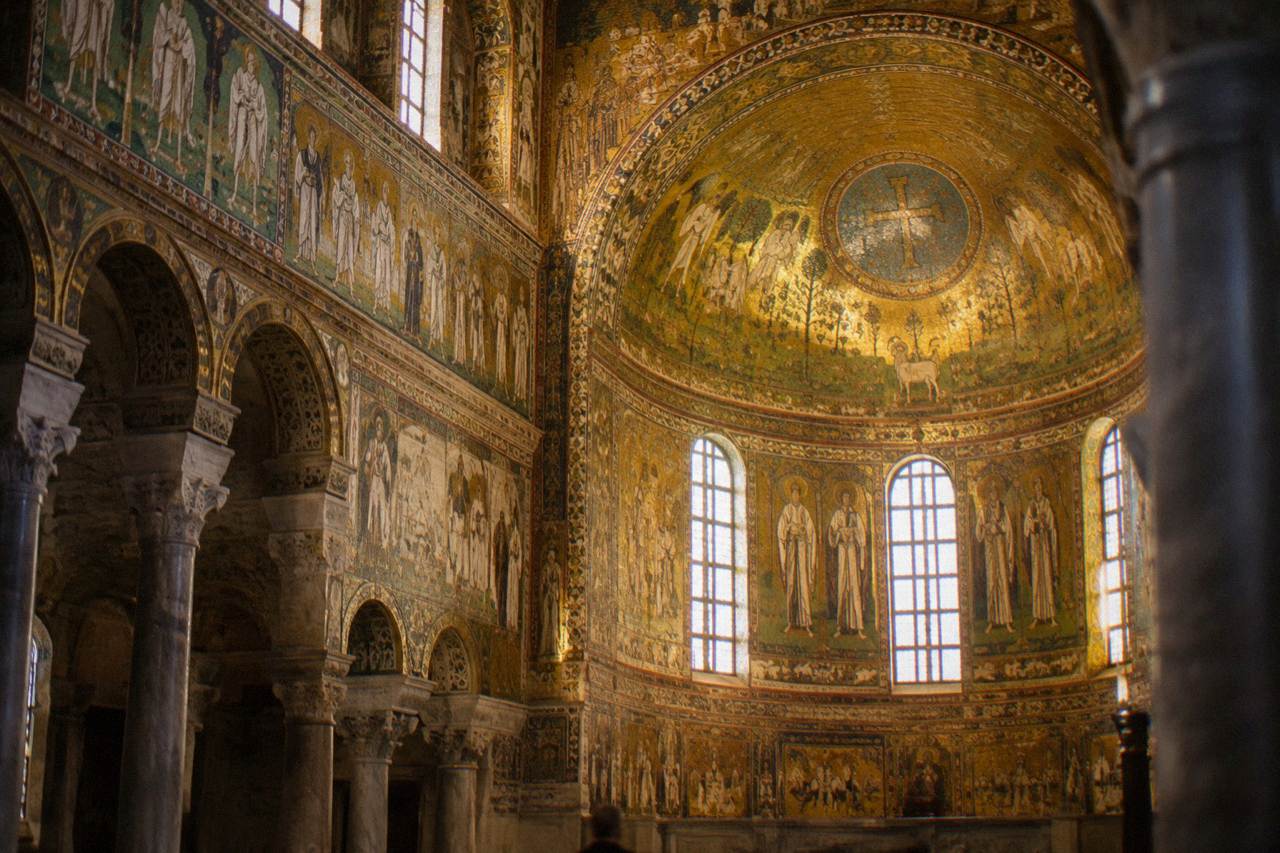
Ravenna fits a trip built around one extraordinary thing: eight UNESCO monuments inscribed in 1996, decorated with gold-ground Byzantine mosaics, all within a small walkable centre that also holds Dante's tomb. Bologna fits a trip built around variety, a larger university city with faster onward connections. The Ravenna Mosaici page shows combo tickets from EUR 9.50 reduced, valid one week, so the core of Ravenna is compact and ticketable. The two cities pair easily on one regional rail line.
The honest framing is that these cities are not rivals. Bologna is the transport hub of Emilia-Romagna; Ravenna is a destination you travel to on purpose. The Ravenna Travel Guide site exists because that purpose justifies a stay of its own, and the pages on how many days in Ravenna and is Ravenna worth visiting cover the question in depth.
A useful rule of thumb from the geography: Bologna sits at the motorway and high-speed junction of the region, while Ravenna sits at the end of its branch line, close to the coast road and the Po Delta. That end-of-line position is why Ravenna feels quieter and why its beach resorts, Marina di Ravenna and Punta Marina among them, are a Start Romagna bus ride away rather than on the doorstep.
How Far Is Ravenna From Bologna And How Do You Travel Between Them?
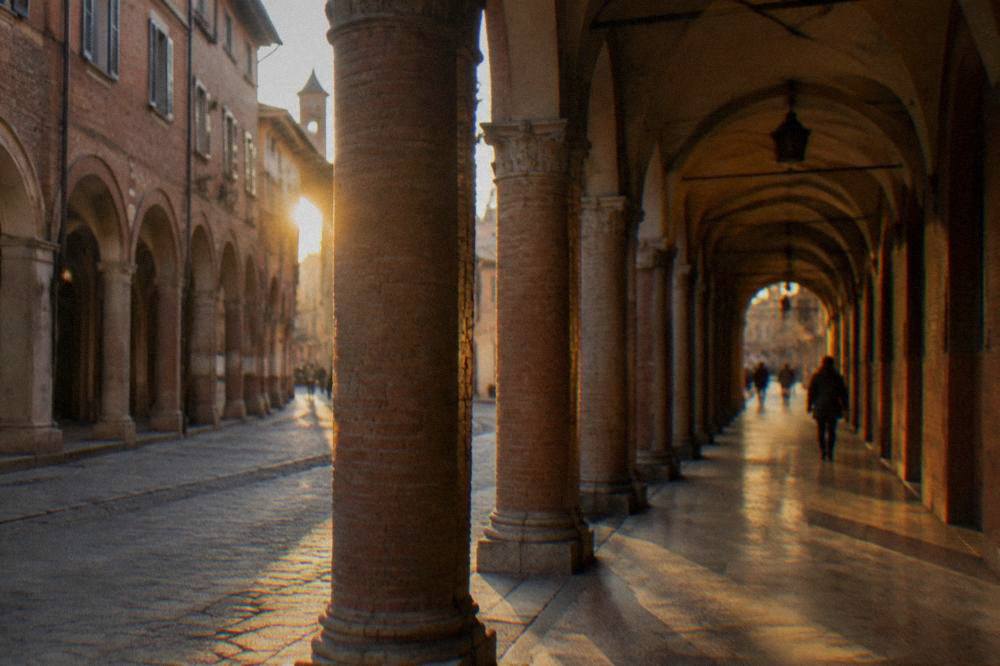
Ravenna and Bologna Centrale are connected by a direct regional train via Castelbolognese, a distance of about 84 km, with the fastest runs at about 57 to 60 minutes and typical journeys of 1 hour to 1 hour 20, according to regional timetable summaries. Regular regional services run the route, and the fare is best checked on the operator's own booking page at the time you buy. By car the cities sit on the same plain, connected by motorway and provincial roads.
No fare figure appears in the timetable and aggregator sources this site reports, so treat the live price as something you read at booking. What the sources do support is the pattern: one seat, no changes, on a flat route that serves Faenza along the way, which is why Bologna to Ravenna works as a morning move rather than a travel day.
The same line matters in the other direction. Travellers landing at Bologna airport reach Ravenna by taking the Marconi Express people mover to Bologna Centrale and then the regional train, a journey of about 2 to 2.5 hours door to door in secondary summaries; there is no direct airport bus listed. The guide to Bologna airport to Ravenna and the answer page can you get a train from Bologna airport to Ravenna walk through it.
| Route | Mode | Typical time | Source basis |
|---|---|---|---|
| Ravenna to Bologna Centrale | Direct regional train via Castelbolognese | About 57 to 60 minutes fastest, 1 hour to 1 hour 20 typical | Regional timetable summaries |
| Ravenna to Rimini | Direct regional train | About 42 to 58 minutes | Aggregator summaries |
| Bologna airport to Ravenna | Marconi Express plus regional train | About 2 to 2.5 hours door to door | Secondary summaries |
| Ravenna centre to beaches | Start Romagna bus | Regular services from the station | Winter timetable booklet |
Two more answer pages cover the frequency and duration questions travellers ask most: how long is a train ride from Bologna to Ravenna and how often do trains run from Bologna to Ravenna. The summary the sources support is "regular regional services", and anything tighter belongs to the live timetable.
What Does Each City Cost To Visit?
In Ravenna the core sightseeing spend is the mosaic ticket structure: reduced fares start at EUR 9.50 for two monuments, EUR 11.50 for four and EUR 13.50 for five, per the Ravenna Mosaici prices page, and Dante's tomb is free. State monuments carry their own prices, such as the Mausoleum of Theodoric at EUR 6 and Sant'Apollinare in Classe at EUR 6. For Bologna this site's sources carry no monument prices, so the comparison on spend is only possible on the Ravenna side.
The Ravenna Mosaici combo is the practical unit of spending in the city. It is valid one week, allows one admission per monument, and requires an entry time to be booked for each monument; Galla Placidia and the Neonian Baptistery take mandatory timed entry with stays of a few minutes, and San Vitale admits in slots. The full guide to the Ravenna combo ticket unpacks the mechanics, and the Ravenna mosaics page covers what you actually see.
Reduced fares apply to students, non-accredited journalists and paying groups over 20, while children 0 to 10, Ravenna residents, ICOM members, licensed guides, and visitors with a disability plus companion enter free. The state museums and monuments are free on the first Sunday of the month, per secondary reports, and the advice on free things to do in Ravenna and Ravenna on a budget builds on that.
| Ravenna monument or museum | Ticket | Notes |
|---|---|---|
| Ravenna Mosaici combo, 2 monuments | From EUR 9.50 reduced | Sant'Apollinare Nuovo and San Vitale |
| Ravenna Mosaici combo, 4 monuments | From EUR 11.50 reduced | Adds Galla Placidia and Neonian Baptistery |
| Ravenna Mosaici combo, 5 monuments | From EUR 13.50 reduced | Adds Archiepiscopal Museum and Chapel of St Andrew |
| Mausoleum of Theodoric | EUR 6, EUR 5 concession, EUR 2 ages 18 to 25 | Combined with Arian Baptistery and Theodoric's Palace at EUR 7 |
| Arian Baptistery | EUR 3 | No reduced price listed |
| Sant'Apollinare in Classe | EUR 6, EUR 2 reduced | In the Classe area outside the centre |
| MAR | EUR 8, EUR 6 reduced, EUR 3 students | Closed Mondays |
| Museo Dante | EUR 5, EUR 3.50 reduced | Combined with Casa Dante |
| Dante's tomb | Free | Hours vary by season |
One cost applies to a stay in either city: the Ravenna tourist tax, in force from 1 January 2023 per secondary reports and possibly changed since, runs about EUR 1 per night in 1 and 2 star hotels, EUR 2 in 3 star, EUR 3 in 4 star and EUR 4 in 5 star, with hostels about EUR 1.20 and B&B rooms about EUR 1.50; confirm the current amount at booking.
Mosaics Versus Towers: What Is Each City Actually Known For?
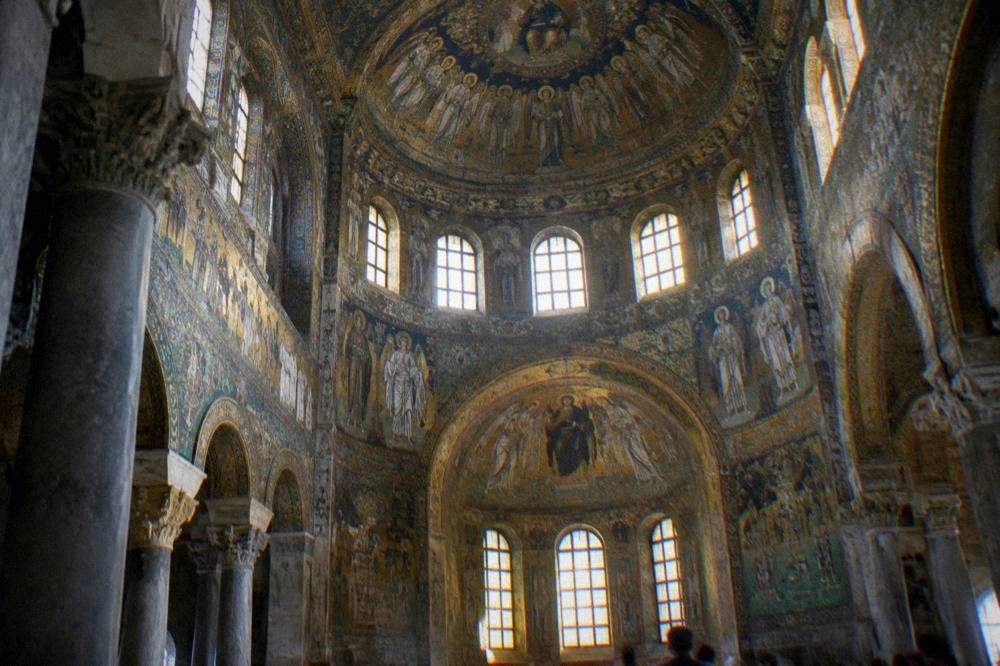
Ravenna is known for one thing above all: its eight UNESCO Early Christian monuments, the Mausoleum of Galla Placidia, Neonian Baptistery, Sant'Apollinare Nuovo, Arian Baptistery, Archiepiscopal Chapel, Mausoleum of Theodoric, San Vitale and Sant'Apollinare in Classe, inscribed by UNESCO in 1996, plus the free tomb of Dante. Bologna is known as a university and food capital with medieval towers, and no comparable single inscription anchors its sightseeing. The Ravenna set is the reason the city exists on travel maps.
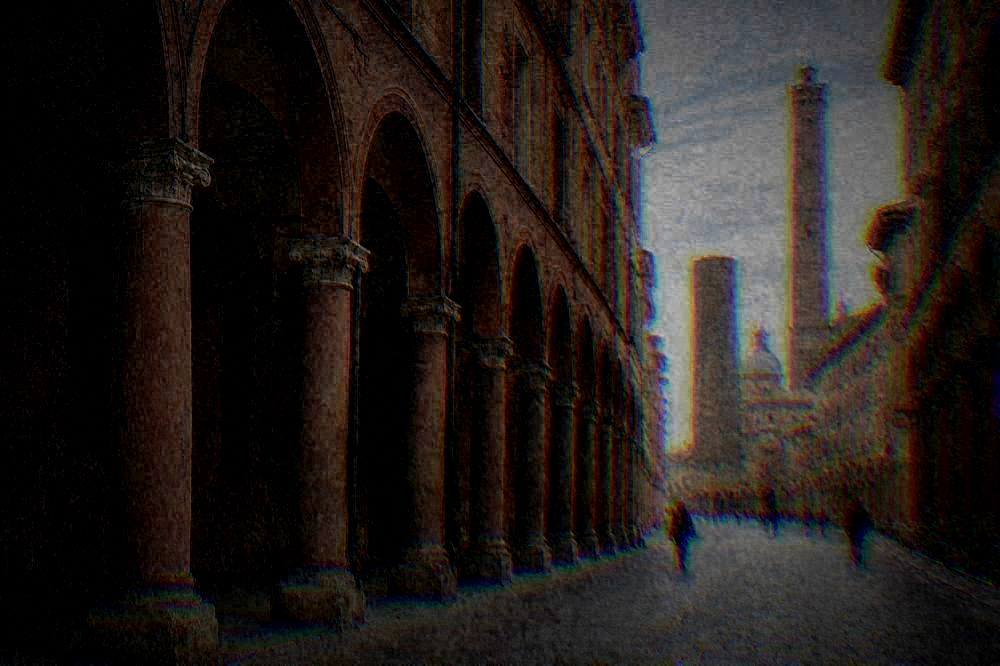
The comparison is uneven by design. Bologna's centre rewards wandering: porticoed streets, towers, squares and a food scene that needs no introduction here because this site's sources carry no Bologna sight details beyond its role as a rail hub and day-trip origin. Ravenna's centre rewards queueing in the right order: the mosaics are the things to do in Ravenna, and everything else, from Piazza del Popolo to the Classis Ravenna museum, arranges itself around them.
For a visitor weighing the two, the decision usually comes down to whether gold-ground mosaic is a personal draw. If it is, Ravenna repays a dedicated stay; the page on the eight UNESCO sites in Ravenna names them and maps the walking order. If it is not, Bologna offers more city per hour and Ravenna becomes a day trip from it.
If the golden mosaics are your draw, book a guided mosaic tour here.
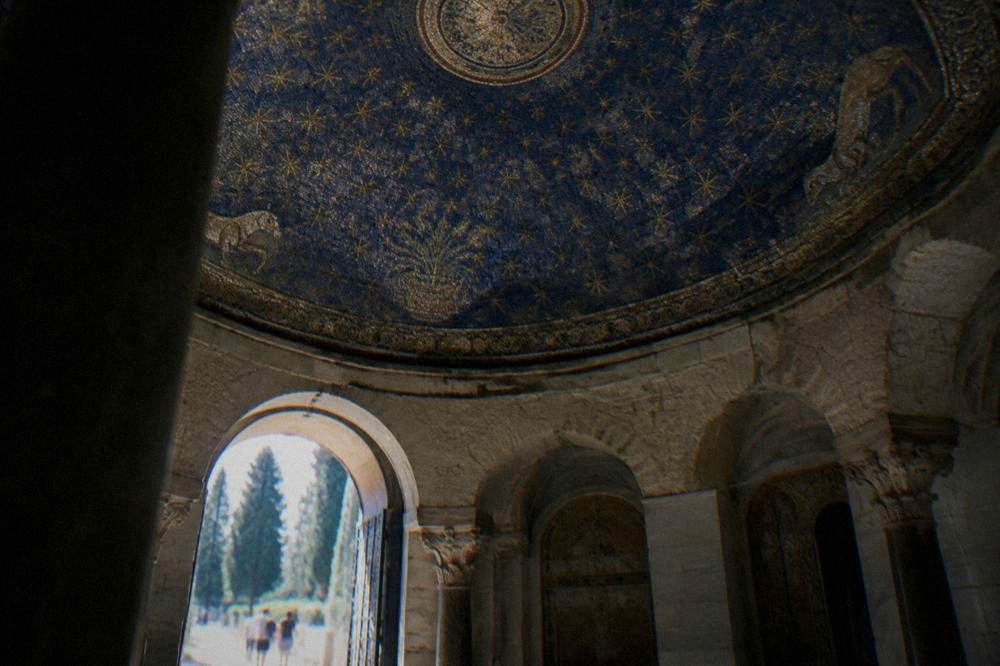
A guided day tour from Bologna is the popular bridge between the two, since the licensed guide and reserved entries remove the planning load. The related tour on this page does exactly that, and you can Check availability alongside the longer guide to Ravenna mosaic tours.
How Many Days Should You Give Each City?
Ravenna needs one full day for the five core monuments and Dante's tomb, two days to add Sant'Apollinare in Classe, Classis Ravenna and the museums at an unhurried pace, per this site's itineraries. Bologna's day count is not carried in this site's sources, so the honest comparison is on the Ravenna side only: a first visit splits naturally into a mosaic day and an everything-else day, with the combo ticket's one-week validity absorbing any overrun.
The itinerary pages hold the detail: one day in Ravenna, two days in Ravenna and three days in Ravenna each assume the centre's walkable scale, with the railway station a short walk from the historic core. A Ravenna weekend is the shape that also fits a Bologna pairing: two nights here, two there, on the same regional line.
| Ravenna stay | What it realistically covers | Suits |
|---|---|---|
| Half a day | San Vitale, Galla Placidia, one or two more, quick centre loop | Cruise and rail stopovers |
| One day | All five combo monuments plus Dante's tomb and Piazza del Popolo | First visit |
| Two days | Day one plus Sant'Apollinare in Classe and Classis Ravenna | Mosaic and history travellers |
| Three days | Everything above plus MAR, Museo Nazionale and a beach or Cervia trip | Slow travellers |
The half-day and cruise shapes are common enough to have their own pages, including Ravenna mosaics in half a day and the Ravenna cruise port day plan, because the cruise terminal at Porto Corsini sits about 15 km from the centre and the Visit Ravenna shuttle covers the distance in about 30 minutes during the season listed on its 2026 page.
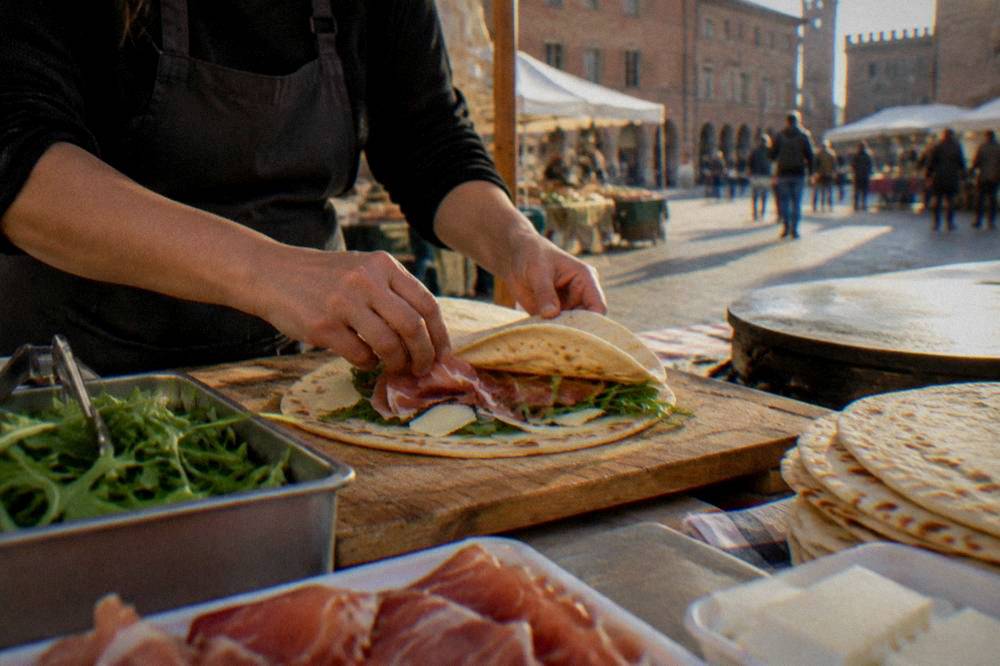
For travellers who want a guide's structure rather than a self-planned sequence, a focused mosaic walk compresses the highlights into one escorted block, and the dedicated pages carry the details.
Food In Ravenna And Bologna: What Changes Across The Regional Border?
Ravenna's table belongs to Romagna: piadina flatbread, cappelletti in brodo and Sangiovese-based Romagna wines, described by dish on this site's food pages rather than by price, since no restaurant prices appear in its sources. Bologna's food reputation is broader and needs no summary here, because this site's pack carries no Bologna food detail. The practical difference is that Ravenna's food is a reason to stay for dinner after the mosaics close, not a standalone reason for the trip.
The dish pages go deep where the sources allow: piadina romagnola traces the flatbread, cappelletti the filled pasta, and Romagna wines the local pour. The practical guidance in Ravenna restaurants and the wider Ravenna food guide sticks to what dishes to look for and how menus work, including the point that a cover charge, the coperto, is legal when printed on the menu and that tipping is not obligatory.
| Romagna dish or drink | What it is | Where the detail lives |
|---|---|---|
| Piadina | Thin flatbread cooked on a terracotta or iron surface | Piadina romagnola guide |
| Cappelletti | Small filled pasta, classically served in broth | Cappelletti guide |
| Sangiovese di Romagna | The region's red, made around the hills inland | Romagna wines guide |
| Dante oil offering | Oil from the Tuscan hills, given each second Sunday of September | Dante's tomb pages |
A market-and-cooking structure is the way to engage the food side actively rather than just at the table, and the class pages list what each session covers.
Day Trips: Which City Is The Better Base?
Ravenna is the better base for the coast, the Po Delta and the mosaic-adjacent small towns, with Bologna, Rimini, San Marino, Ferrara, Faenza, Cervia, Brisighella, Comacchio, Florence and Venice all reachable as day trips from its station; Bologna's advantage is speed to Florence and the high-speed network, which this site's sources do not quantify beyond the Ravenna timetable figures already given. Choose the base by destination direction, not by rail frequency claims this site cannot support.
The day-trip roster from Ravenna is unusually wide for a city of its size because it sits at the edge of two worlds: the Romagna plain and the delta wetlands. The Bologna day trip page covers the capital run in the other direction, and the pages on Rimini, Ferrara, Faenza, Cervia, Brisighella, Comacchio, the Po Delta, Florence and Venice hold each route.
| Day trip from Ravenna | Character | Journey basis |
|---|---|---|
| Faenza | Ceramics town on the Bologna rail line | On the regional route |
| Bologna | Regional capital, food and porticoes | About 1 hour to 1 hour 20 regional |
| Rimini | Beach city and Roman core | About 42 to 58 minutes regional |
| Cervia | Salt pans and historic centre | Bus or car, per transport pages |
| Comacchio and Po Delta | Lagoons, flamingos, marsh birding | Car or organised tour |
| Venice | Full-day capital of canals | Train and boat legs; see Venice pages |
Nature is Ravenna's trump card as a base: Punte Alberete, Valle Mandriole and the Pineta di San Vitale form the flooded-forest and marsh birding belt north of the city, and the Cervia salt pans visitor centre on Via Bova 61 opens weekends and holidays. None of this is reachable in the same way from Bologna without adding the Ravenna leg first.
Ravenna Vs Bologna For Cruise Passengers And Drivers
Cruise passengers dock at Porto Corsini, about 15 km from Ravenna's centre, with the Visit Ravenna shuttle covering the run in about 30 minutes in the 2026 season listed; from there Ravenna is the obvious in-port day and Bologna a longer ambition. Drivers face Ravenna's camera-enforced ZTL, where gates run some from 7:30 to 20:30 and some around the clock, a daily permit of about EUR 8 from the 24-hour parcometers, and hotel guest authorisation as the alternative.
The Ravenna cruise port pages handle the dock logistics in full, including the cruise terminal at Porto Corsini and the shuttle pick-up near the station. The 2026 season carries 111 calls and about 390,000 passengers planned, with the new terminal inauguration reported for spring 2027, so the current terminal and shuttle pattern governs planning for now.
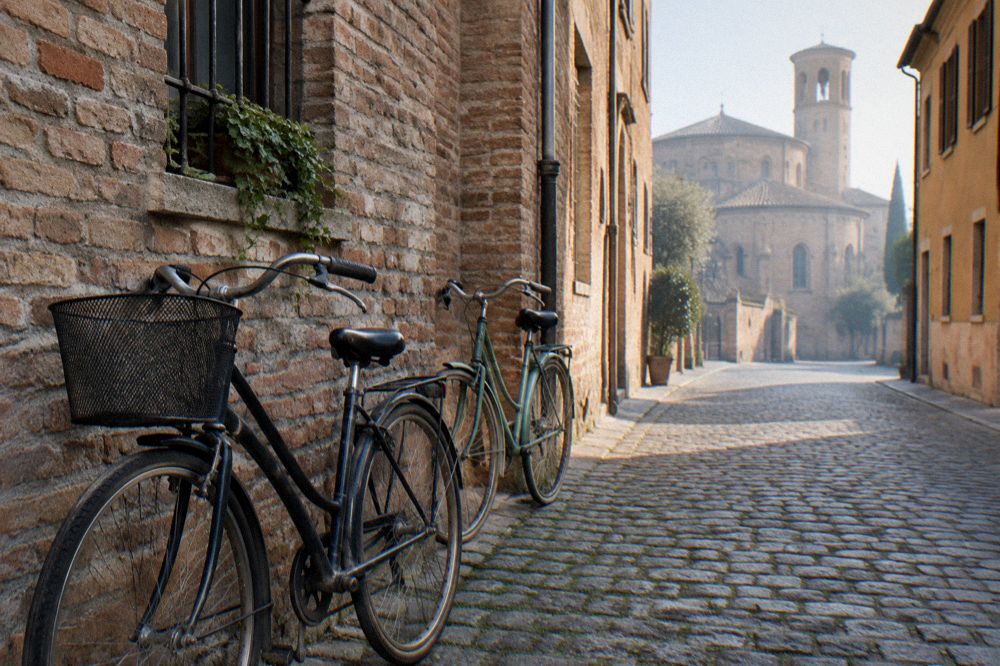
Drivers should read the Ravenna parking and ZTL guide before setting out: the limited traffic zone is camera-enforced, the daily permit is bought at the parcometers, and hotels can issue a guest authorisation that handles the formalities. Parking tariffs themselves are confirmed on site, since no tariff figure appears in this site's sources. The getting around Ravenna page covers the car-free alternative, and how to get to Ravenna the wider approaches.
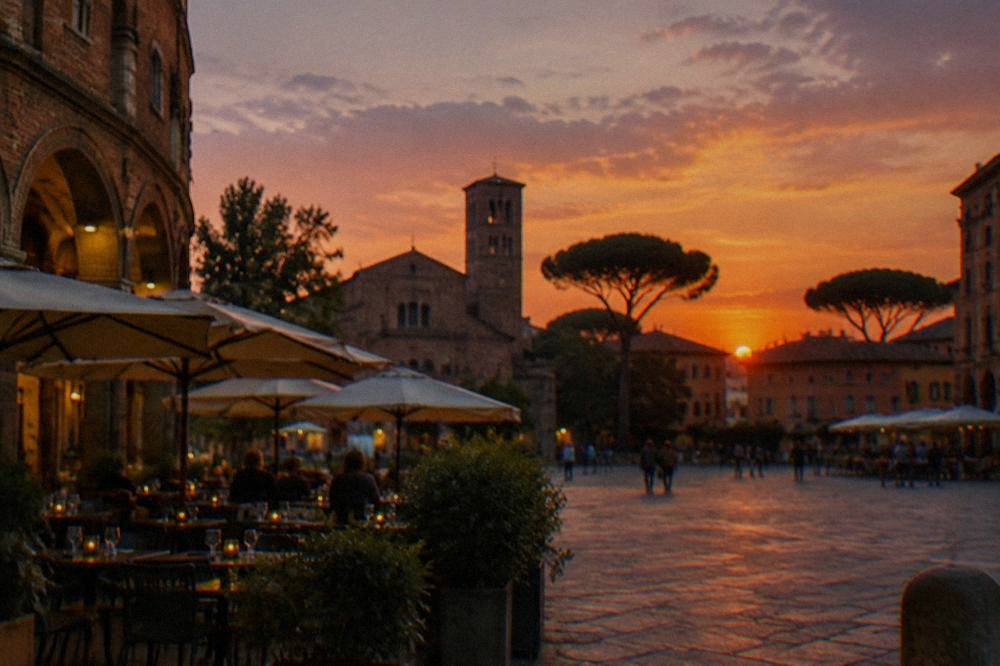
For an evening angle on the city once the mosaics close, a crime-and-legend walk through the centre is the offbeat option, and its listing carries the details of the route.
When Should You Visit Ravenna Rather Than Bologna?
Visit Ravenna between March and early November if you want the longer monument hours, since the Ravenna Mosaici page lists summer hours of 9:00 to 19:00 from 8 March to 2 November 2026 and winter hours of 10:00 to 17:00 from 3 November 2026 to 6 March 2027, closed 25 December and 1 January. The climate table shows July the warmest month at a 25.2 C mean and November the wettest at 78.3 mm, from modelled 1991 to 2020 normals.
Bologna timing is not carried in this site's sources.
The seasonal pages expand the calendar logic: best time to visit Ravenna, Ravenna weather and Ravenna in the rain all work from the same climate table. The cultural calendar adds two anchors this site's sources confirm: the Ravenna Festival autumn trilogy "Mozart 1791" runs 13 to 17 November 2026 at Teatro Alighieri, and Notte d'Oro, an October evening with free access to monuments, recurs each year.
| Month | Mean temperature C | Precipitation mm |
|---|---|---|
| January | 5.1 | 43.8 |
| March | 9.4 | 54.9 |
| May | 17.9 | 58.2 |
| July | 25.2 | 38.1 |
| September | 20.3 | 57.9 |
| November | 10.6 | 78.3 |
The autumn window deserves a specific mention: November is the wettest month at 78.3 mm in the climate table, but it is also when the festival trilogy plays at Teatro Alighieri and when the mosaic crowds thin against the shorter hours. Weigh the two and the calendar often answers itself.
Common Questions About Ravenna Vs Bologna
Is Ravenna or Bologna better for a first visit to Emilia-Romagna?
Bologna is the better first base if you want a big city and fast onward connections; Ravenna is the better first visit if the eight UNESCO mosaic monuments and Dante's tomb are the draw. The two are about 84 km apart by direct regional train taking about 1 hour to 1 hour 20, so a single trip can hold both.
Can you visit Ravenna as a day trip from Bologna?
Yes. Direct regional trains via Castelbolognese take about 57 to 60 minutes at fastest and typically 1 hour to 1 hour 20, and Ravenna's core monuments sit in a walkable centre a short walk from the station. A guided day tour from Bologna with entries arranged is the structured alternative.
Which city is cheaper, Ravenna or Bologna?
This site's sources carry Ravenna's prices only: reduced mosaic combo fares from EUR 9.50, state monuments such as the Mausoleum of Theodoric at EUR 6, and Dante's tomb free. No Bologna monument prices appear in the sources, so compare on the Ravenna side and check Bologna's own pages at booking.
How many days do you need in Ravenna compared with Bologna?
Ravenna needs one full day for the five core monuments and Dante's tomb, and two days to add Sant'Apollinare in Classe, Classis Ravenna and the museums. The combo ticket is valid one week with one admission per monument, which absorbs a slower pace.
Is Ravenna worth visiting if you have already seen Bologna?
Yes, and for a specific reason: the eight UNESCO Early Christian monuments with Byzantine mosaics, inscribed in 1996, have no counterpart in Bologna, and Dante's tomb is free to enter. The cities overlap on food culture but not on the core sights.
Does Ravenna or Bologna have better day trips?
Ravenna is the stronger base for the coast, Cervia's salt pans, Comacchio and the Po Delta wetlands, with Rimini about 42 to 58 minutes away by regional train. Bologna's advantage is speed toward the high-speed network, which this site's sources do not quantify, so choose by direction rather than by claimed frequency.
The comparison settles quickly once the purpose of the trip is named. Ravenna answers the mosaic question completely, holds Dante's tomb and a wide day-trip belt, and costs are published and modest on the monument side.