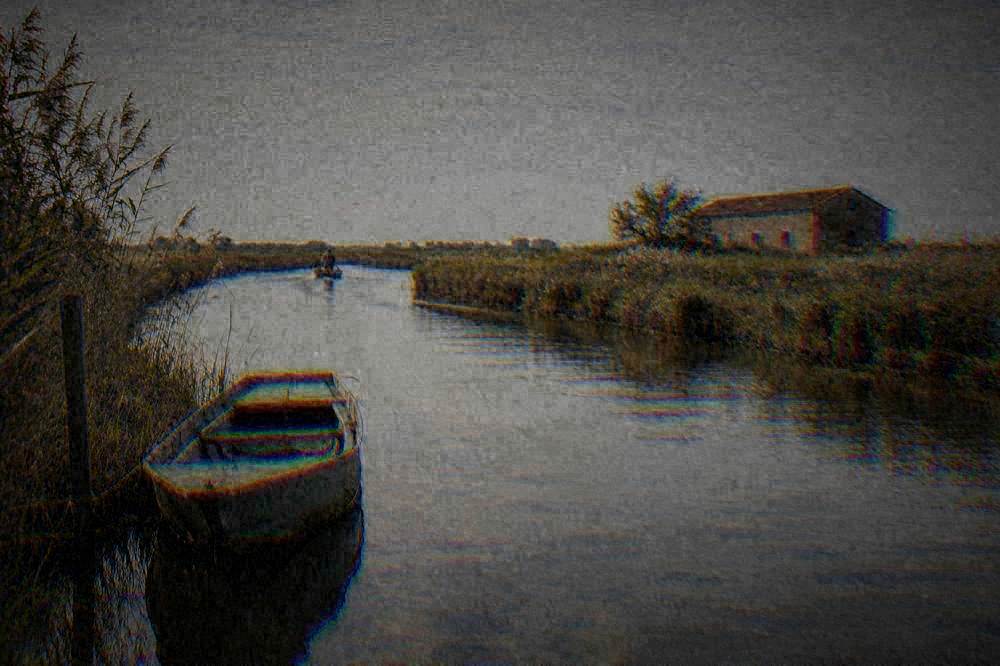
Lido Di Classe
Lido Di Classe pairs a sandy Adriatic beach with the Pineta di Classe pine forest and sits beside the inland borgo of Classe, home to the UNESCO basilica of Sant'Apollinare in Classe and the Classis Ravenna museum.
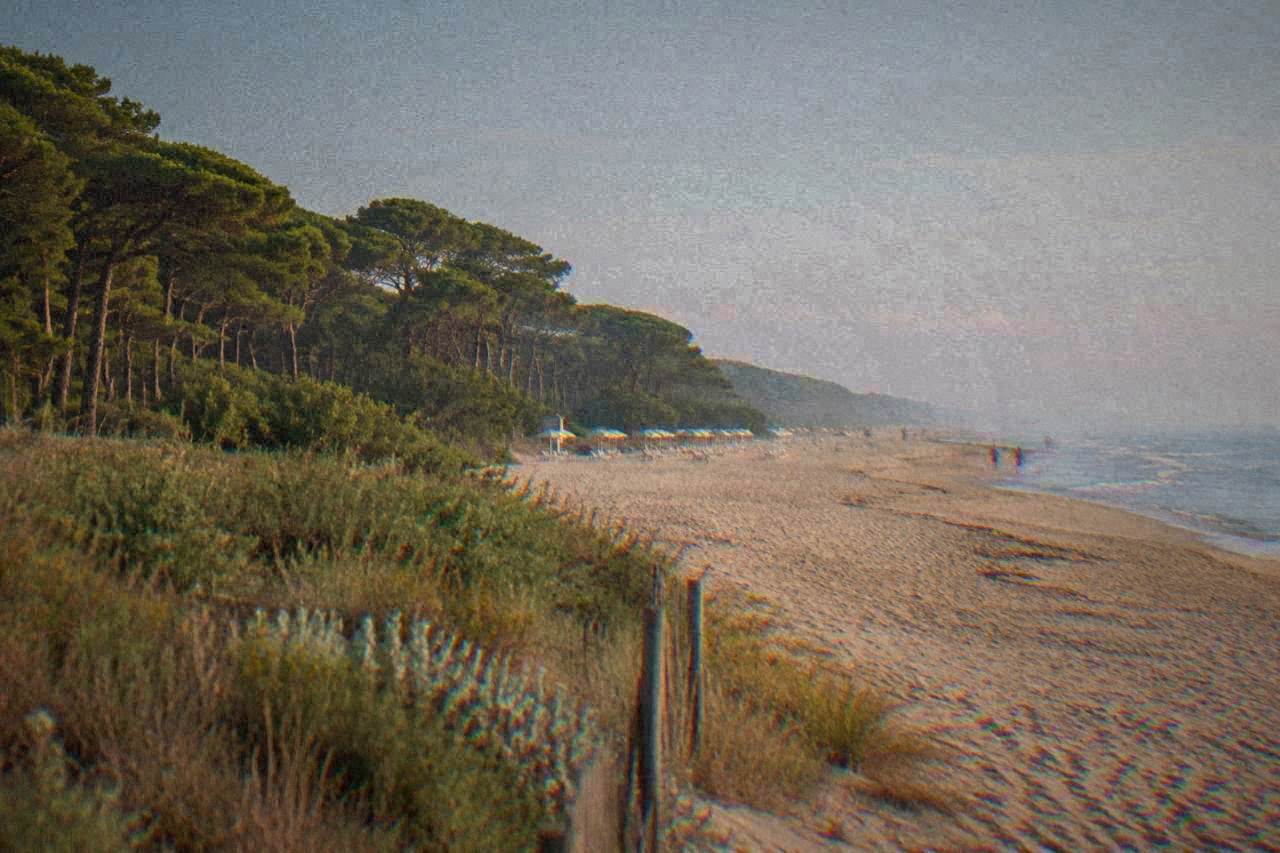
Short answer
Lido Di Classe is a beach resort on Ravenna's coast in Emilia-Romagna, Italy, about 8 km or more from the inland historic centre, reached by Start Romagna bus from Ravenna station, and best combined with the basilica and museum at nearby Classe.
Lido Di Classe is the southernmost of the five beach resorts strung along the coast of Ravenna, the inland mosaic city in Emilia-Romagna, Italy. The historic centre of Ravenna sits on the flat Po plain about 8 km from the shore, and Lido Di Classe, together with Lido di Savio just to the south, marks the quiet end of a roughly 35 km ribbon of sand that runs north through Lido Adriano, Punta Marina and Marina di Ravenna. What sets this resort apart is what lies directly behind it: the Pineta di Classe, a broad coastal pine forest, and a short hop inland, the borgo of Classe with its UNESCO-listed basilica and the Classis Ravenna museum.
Where Is Lido Di Classe And How Do You Get There From Ravenna?
Lido Di Classe sits on the Adriatic coast south of Ravenna, roughly 8 km as the crow flies from the inland historic centre, and the Start Romagna bus network links it to Ravenna's railway station along the coast road. Ravenna itself is an inland Po-valley city, so there are no sea views from the centre, and the beach resorts are reached by bus, bike or car rather than on foot.
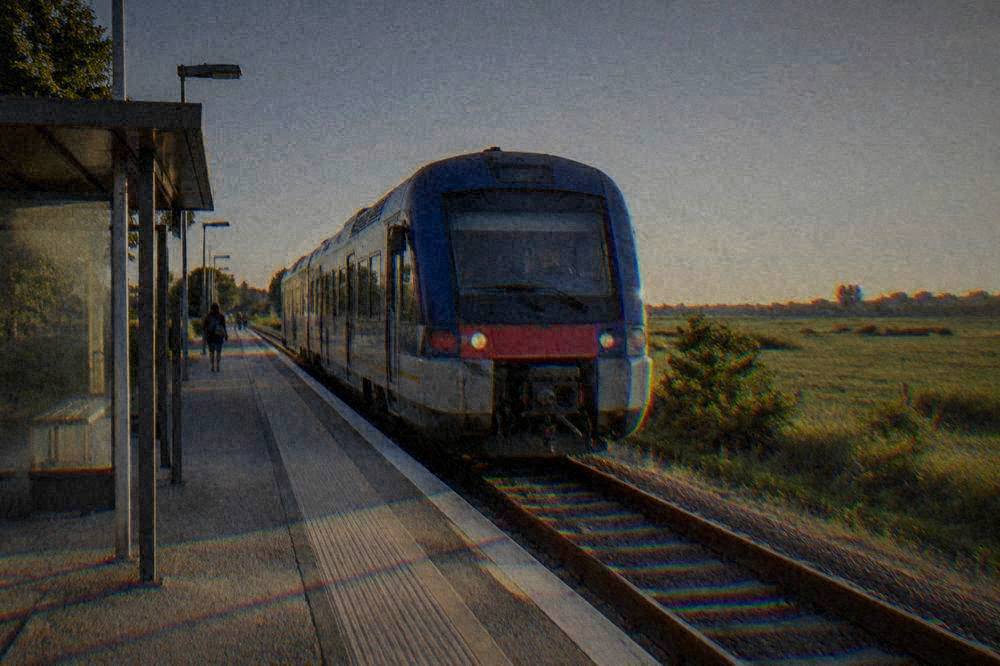
The Start Romagna winter timetable booklet for the current season lists the coastal lines that serve the Ravenna lidi from the station, and the summer timetable adds frequency for the beach season. Check the operator's timetables page before travelling, because services thin out outside the summer months. There is no train station at the beach: the railway runs inland, and the useful rail halt for this area is Ravenna or, on the Ferrara side, the line towards Lido di Classe that serves the inland borgo, from which the shore is still a bus or bike ride away.
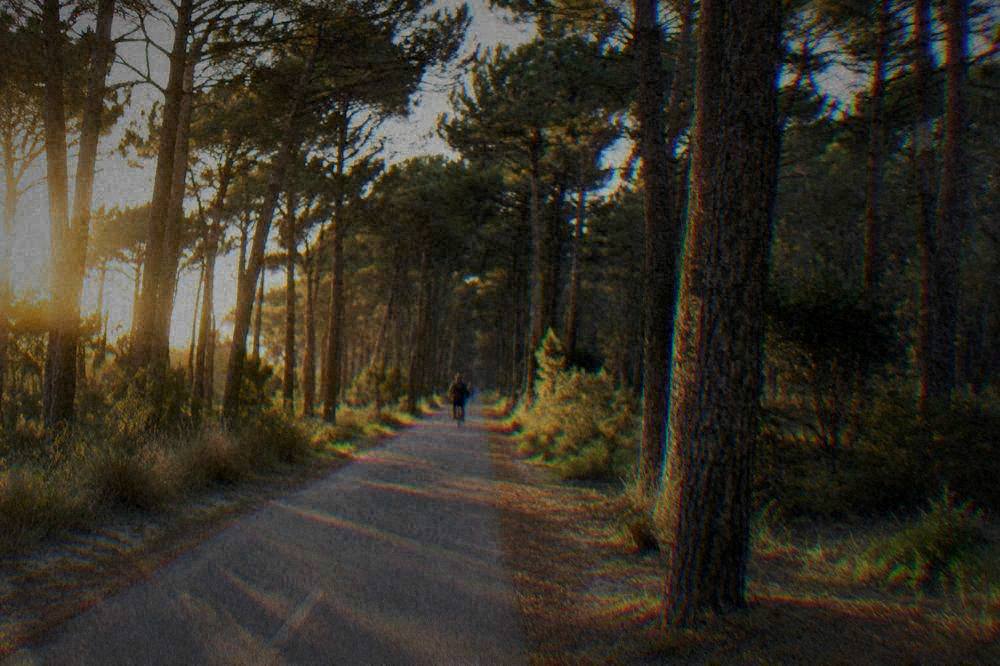
Cycling is the other natural option. Ravenna is famously flat, and the coastal pinewoods are laced with cycling paths that connect the resorts. No bike-share operator or rental price can be quoted here, so ask at your accommodation or check locally.
The neighbouring areas each have their own character, and the table below shows how they line up along the coast from north to south.
| Resort | Position on the coast | Character | Neighbouring area guide |
|---|---|---|---|
| Marina di Ravenna | Northernmost resort | Busiest, close to the port canal area | Marina di Ravenna area guide |
| Punta Marina | North-central | Family resort, spa tradition | Punta Marina area guide |
| Lido Adriano | Central | Residential, quieter | Lido Adriano area guide |
| Lido Di Classe | South-central | Quiet, beside the Pineta di Classe | This guide |
| Lido di Savio | Southernmost | Quietest, closest to the Cervia boundary | Lido di Savio area guide |
What Is There To Do At Lido Di Classe And The Pineta?
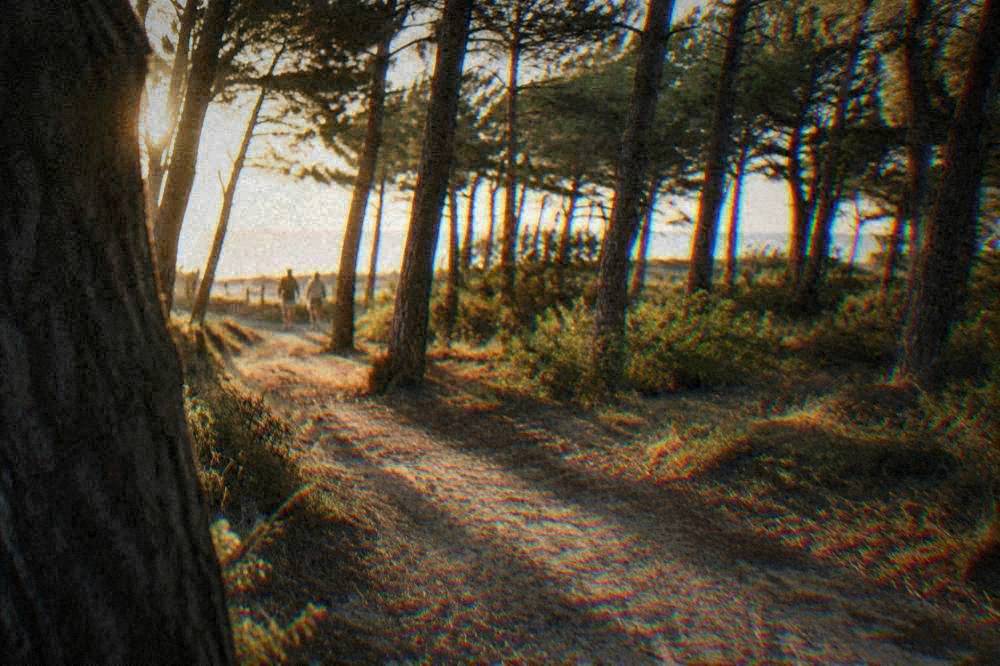
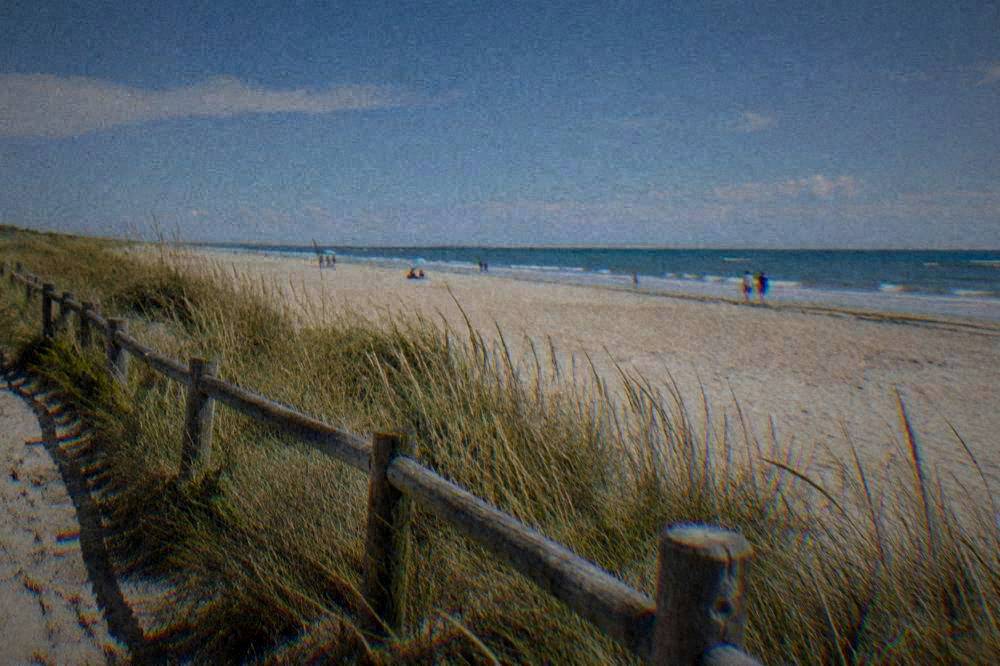
The beach and the Pineta di Classe are the two reasons to come: a sandy shore backed by bathing establishments in summer, and a protected pine forest with walking and cycling routes that runs inland toward the borgo of Classe and its UNESCO basilica. In the warmer months the resort also functions as a base for combining coast and culture in one day.
The pine forest is the resort's distinguishing feature. The Pineta di Classe is part of the belt of coastal woodland that also includes the Pineta di San Vitale north of Ravenna, a mosaic of pines, holm oak and wetland clearings. Trails run through it on the flat, and the forest shelters birds typical of the coastal reserves. This is the same habitat complex that makes the wider Ravenna coast a birdwatching destination: the Po Delta regional park lies just south, with Punte Alberete, Valle Mandriole and the Cervia salt pans among the named reserves in the area.
On the birdwatching side, a dedicated guided tour operates from Ravenna with a species guarantee in its listing:
No lido entrance fee, sunbed price or umbrella price can be stated on this page, so check the posted prices at the bathing establishments when you arrive. The same goes for water quality: this site prints no bathing-water verdict, and any current flag status is posted at the beach itself.
For travellers pairing the coast with the city, these options cover the two halves of the day:
Why Is Classe Itself Worth The Short Trip Inland?
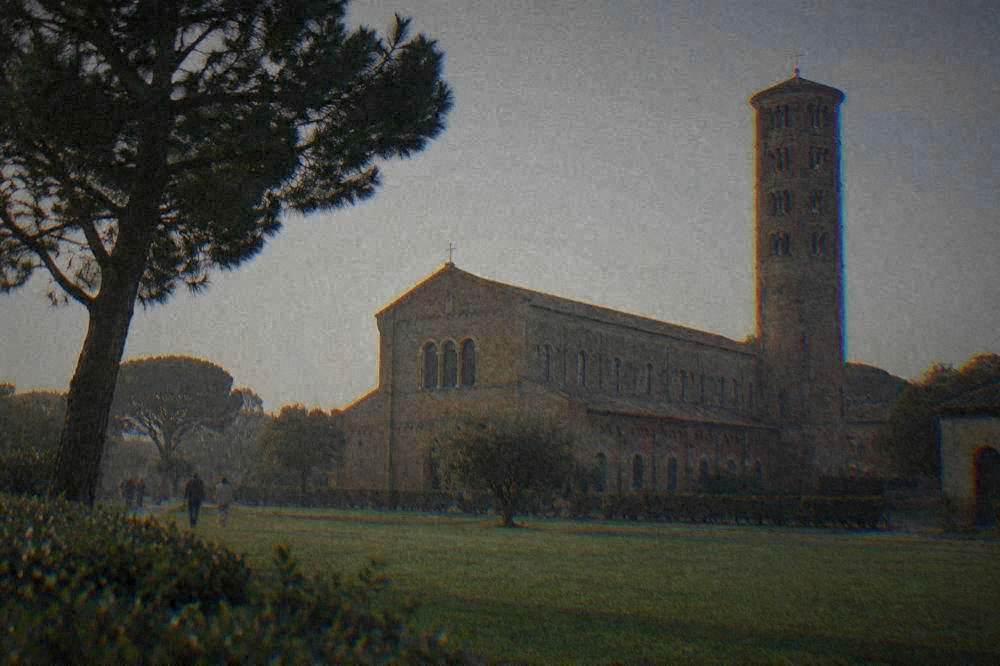
The inland borgo of Classe, minutes from the beach, holds the Basilica of Sant'Apollinare in Classe, one of Ravenna's eight UNESCO Early Christian monuments, plus the Classis Ravenna museum, and together they make the most culture-dense corner of the whole coast. The basilica costs EUR 6 full and EUR 2 reduced, and the museum EUR 8 full and EUR 6 reduced.
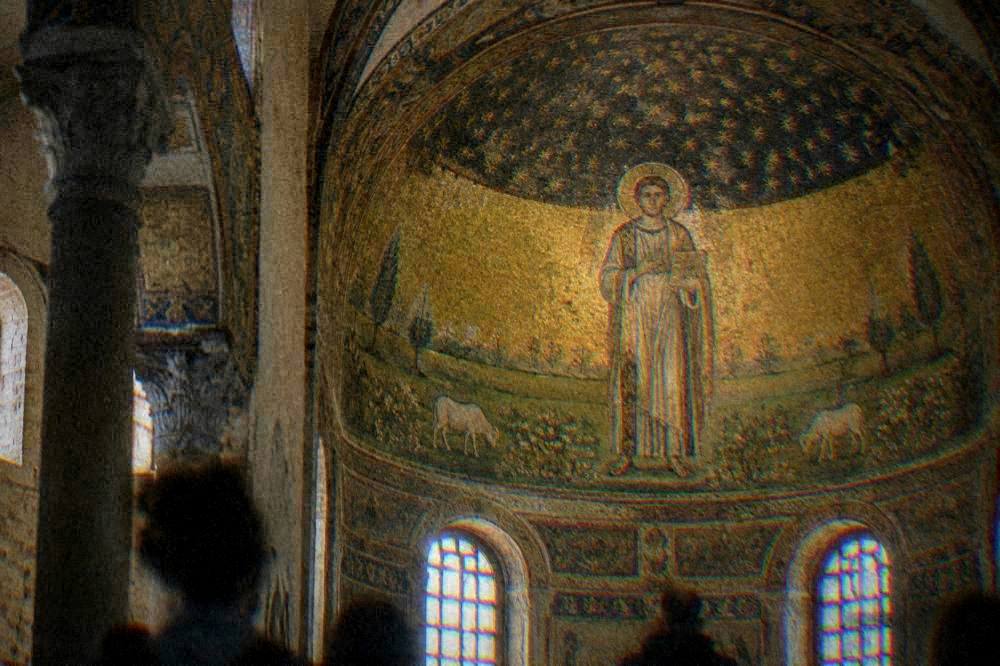
The basilica is the reason Classe appears on the UNESCO list, inscribed in 1996 together with the seven monuments in Ravenna's centre. Inside, the apse presents the celebrated gold-ground mosaic of Saint Apollinaris in a green paradise meadow, and the marble sarcophagi arrayed along the aisles are part of the visit. The cultura.gov.it listing gives the hours: Monday to Saturday 8:30 to 19:00, Sunday 13:30 to 19:00, with the last admission 30 minutes before closing.
The Classis Ravenna museum, in the former sugar factory by the basilica, tells the city and territory story from Roman times onward and absorbed the TAMO mosaic collection after that museum closed permanently in 2023. Its own page gives daily hours of 10:00 to 17:00, last entry 50 minutes before closing, closed 25 December, at EUR 8 full and EUR 6 reduced. A one-day plan for the wider city, including how Classe fits in, is set out in the one day in Ravenna itinerary.
| Site at Classe | Entry price | Hours as listed | Closed |
|---|---|---|---|
| Basilica of Sant'Apollinare in Classe | EUR 6 full, EUR 2 reduced | Mon to Sat 8:30 to 19:00, Sun 13:30 to 19:00 | 25 December, 1 January |
| Classis Ravenna museum | EUR 8 full, EUR 6 reduced | Daily 10:00 to 17:00, last entry 50 minutes before | 25 December |
| Ravenna Mosaici combo (centre monuments) | From EUR 9.50 reduced | Summer 9:00 to 19:00, winter 10:00 to 17:00 | 25 December, 1 January |
The state museums and monuments are free on the first Sunday of the month, which is worth timing a Classe visit around.
When Is The Best Time Of Year For The Lido Di Classe Beach?
The beach season runs from late spring to early September, with July and August the warmest months at mean temperatures of 25.2 C and 25 C in the modelled 1991 to 2020 ERA5 normals for Ravenna, and November is the wettest month at 78.3 mm while July is the driest at 38.1 mm. Outside summer the resort quietens sharply and some establishments close.
Those temperature and rainfall figures are modelled ERA5 normals for the period 1991 to 2020, reanalysis means rather than a station record, and they describe Ravenna as a whole rather than the shore. No sea-temperature normal and no sunshine-hours figure is held on this site, so neither is printed. What the climate table does show is a genuinely warm summer: June averages 22.6 C, and by May the mean is already 17.9 C, which is why the shoulder months of June and September suit visitors who want the pinewood walks more than the sunbeds. The rest of the planning pages sit on Ravenna Travel Guide.
| Month | Mean temperature | Precipitation |
|---|---|---|
| May | 17.9 C | 58.2 mm |
| June | 22.6 C | 45.6 mm |
| July | 25.2 C | 38.1 mm |
| August | 25.0 C | 44.7 mm |
| September | 20.3 C | 57.9 mm |
| October | 15.7 C | 66.0 mm |
Figures are modelled ERA5 normals, 1991 to 2020.
One seasonal note matters for autumn and winter walkers. The Comune press release of August 2026 states that a 25,000 cubic metre sand barrier is built each autumn at Punta Marina, Marina di Ravenna Sud and Lido di Savio and stays in place until spring 2027 as storm protection. Lido Di Classe is not named among those three sites, but the programme shows how the winter coastline changes shape, and the dune works are part of the same coastal-defence effort along the Ravenna littoral.
How Does Lido Di Classe Compare With Ravenna's Other Beach Resorts?
Lido Di Classe is the quieter, more residential end of Ravenna's coast, sitting between Lido Adriano and Lido di Savio, with the pine forest as its main asset, while Marina di Ravenna to the north is the liveliest resort and the closest to the port canal and nightlife. Choosing between them is mostly a choice between quiet and convenience.
Marina di Ravenna, covered in the Marina di Ravenna guide, concentrates the coast's restaurants and evening scene, and it sits nearest the Porto Corsini cruise terminal area. Lido Adriano and Punta Marina sit between, family-oriented and calm. Lido Di Classe adds two things the others cannot: direct access to the Pineta di Classe and the shortest hop to the basilica and museum at Classe. For a visitor whose holiday is really about Ravenna's mosaics with a beach attached, that combination is the deciding factor.
For a fuller comparison of the whole shoreline, the Ravenna beaches guide is not the only resource: this site's beach coverage runs across each resort page, and the coast also connects to Ravenna and the coast itineraries.
What Does A Day Split Between The Beach And Ravenna's Mosaics Look Like?
A realistic plan puts the basilica and museum at Classe in the morning, when the mosaic apse light is at its best and the sites open at 8:30 and 10:00 respectively, the beach or pinewood at midday and the afternoon, and Ravenna's historic centre monuments in the late afternoon before the 17:00 or 18:30 last admissions. The Ravenna Mosaici combo ticket is valid for one week, so the split can also run across two days.
The combo ticket detail matters for planning: the official terms give a seven-day validity with one admission per monument, and an entry time must be booked for each monument, with mandatory timed entry and short stays of a few minutes at the Mausoleum of Galla Placidia and the Neonian Baptistery. In summer, from 8 March to 2 November 2026, the central sites run 9:00 to 19:00; in winter, from 3 November 2026 to 6 March 2027, they run 10:00 to 17:00. So a beach morning still leaves a workable window for San Vitale and Sant'Apollinare Nuovo, and in high summer the evening admission is generous.
A sample shape for the day:
| Time | Activity | Notes |
|---|---|---|
| 8:30 | Basilica of Sant'Apollinare in Classe | Opens Mon to Sat 8:30, Sun 13:30 |
| 10:00 | Classis Ravenna museum | Last entry 50 minutes before the 17:00 close |
| 12:30 | Lunch at Lido Di Classe | Beach establishments and pinewood shade |
| 14:00 | Beach or Pineta di Classe walk | Flat cycling paths through the forest |
| 17:00 | Bus to Ravenna centre | Start Romagna coastal line to the station |
| 17:30 | San Vitale and Sant'Apollinare Nuovo | Summer hours run to 19:00, last admission 18:30 |
Guided options that cover the city half of the day include this private walk with a local expert, aimed at families and smaller groups:
And a half-day treasures walk for visitors who want the centre covered in one stretch:
Can You Visit Lido Di Classe Without A Car?
Yes: the Start Romagna buses that link Ravenna's railway station to the coastal resorts serve Lido Di Classe, the terrain is flat and cycling-friendly, and the inland borgo of Classe sits on the rail line towards Ravenna and Ferrara, so a car-free visit is workable in every season. No bus fare or bike-rental price can be quoted here, so confirm current prices with the operator.
The winter timetable in force from mid-September runs to early June, with extra services in summer. Ravenna's train station is a short walk from the historic centre and is the coastal buses' hub. Regional trains connect Ravenna with Bologna in about 1 hour to 1 hour 20 via Castelbolognese over a distance of about 84 km, and Rimini lies roughly 42 to 58 minutes away by direct regional train, which opens the same car-free logic to visitors arriving from either direction. This site prints no train fare, so check the operator's fare page when booking.
Within Ravenna, Line 1 of the urban network is listed as fully free for the whole winter period on the operator's announcement, which helps when moving between the station and the centre on the way to the coast. Driving visitors should note that Ravenna's historic centre has a camera-enforced limited traffic zone, with gates active either 7:30 to 20:30 or around the clock depending on the street, a daily permit of about EUR 8 bought at the 24-hour parcometers, and guest authorisation available from hotels. The parking and ZTL guide covers it in detail.
Where Should Lido Di Classe Sit In A Ravenna Trip?
Lido Di Classe works best as the beach-plus-basilica add-on to a Ravenna stay of one to three days: the mosaics and Dante's tomb fill the centre, the basilica and Classis museum fill a Classe morning, and the shore supplies the afternoon. This site's planning guides suggest one day as the minimum for the eight UNESCO monuments and two to three days for a relaxed pace with the coast included.
The eight UNESCO monuments are the Mausoleum of Galla Placidia, the Neonian Baptistery, Sant'Apollinare Nuovo, the Arian Baptistery, the Archiepiscopal Chapel, the Mausoleum of Theodoric, San Vitale and Sant'Apollinare in Classe, inscribed as a group in 1996. Dante's tomb, free to enter and open 10:00 to 18:00 from November to March and 10:00 to 19:00 from April to October, sits in the centre near the Basilica of San Francesco. The things to do in Ravenna page is the full inventory.
For visitors weighing the coast against the city, the honest summary is that the coast is a genuine asset and not a substitute. The mosaics are what Ravenna is known for, the beach is 8 km or more away from them, and Lido Di Classe is the resort that puts the two closest together. The trio below covers a city walk, a half-day treasures tour and the coastal birdwatching option in one place:
Accommodation pricing cannot be quoted on this site, and the tourist tax, about EUR 1.50 per night at a B&B or rooms property under the tariff in force from 1 January 2023, may have changed, so confirm the exact amount at booking. Emergency services across Italy, a Schengen member using the euro, answer on 112.
Planning a stay on this stretch of coast? Book a hotel here.
Common Questions About Lido Di Classe
Is Lido Di Classe part of Ravenna?
Lido Di Classe is one of the beach resorts on the coast of the municipality area of Ravenna, in Emilia-Romagna, Italy. Ravenna's historic centre is inland on the Po plain, roughly 8 km from the shore, and the resort is reached from the centre by Start Romagna bus, bike or car.
How far is Lido Di Classe from Ravenna's mosaics?
The resort lies about 8 km or more from Ravenna's historic centre, where seven of the eight UNESCO monuments stand. The eighth, the Basilica of Sant'Apollinare in Classe, is much closer, in the inland borgo of Classe minutes from the beach, and costs EUR 6 full and EUR 2 reduced.
Can you swim at Lido Di Classe?
Yes, the resort has a sandy beach with bathing establishments in the summer season. This site prints no lido fee, sunbed price or water-quality verdict, so check the posted prices and flags at the beach when you arrive.
Is there a train to Lido Di Classe?
The railway runs inland rather than along the shore. The borgo of Classe has a halt on the Ravenna to Ferrara line, but the beach itself is reached by Start Romagna bus, bike or car from Ravenna station, and no fare is quoted on this page.
What is the best time to visit Lido Di Classe?
July and August are the warmest months, at mean temperatures of 25.2 C and 25 C in the modelled 1991 to 2020 ERA5 normals, and the beach season runs late spring to early September. June and September are quieter, with means of 22.6 C and 20.3 C, and suit pinewood walking.
Is Lido Di Classe good for families?
The resort is among the quieter ends of Ravenna's coast, with a sandy beach, the Pineta di Classe for flat walking and cycling, and the basilica and Classis Ravenna museum minutes inland. A private family walking tour of Ravenna is also bookable for the city half of the trip.
Plan the coast half around the posted beach prices and the pinewood paths, plan the culture half around the basilica's morning opening, and Lido Di Classe will hold both halves of a Ravenna day without a single wasted hour.