Archiepiscopal Chapel Ravenna
The Archiepiscopal Chapel is the least conspicuous of Ravenna's eight UNESCO monuments, a tiny oratory reached through the Archiepiscopal Museum, and it is covered by the five-monument Ravenna Mosaici combo ticket. This guide sets out what the chapel holds, how the ticket and timed entry work, and how to fold it into a day around San Vitale and the Neonian Baptistery.
Short answer
The Archiepiscopal Chapel, also called the Chapel of St Andrew, is one of Ravenna's eight UNESCO Early Christian monuments. It sits inside the Archiepiscopal Museum next to Ravenna Cathedral, and entry comes with the five-monument Ravenna Mosaici combo ticket, which covers it together with San Vitale, Sant'Apollinare Nuovo, the Mausoleum of Galla Placidia and the Neonian Baptistery, with reduced fares from EUR 13.50.
Ravenna holds eight UNESCO Early Christian monuments, and seven of them announce themselves with domes, bell towers or basilica facades. The eighth does not. The Archiepiscopal Chapel, known locally as the Chapel of St Andrew, is a small oratory tucked inside the Archiepiscopal Museum, the building beside Ravenna Cathedral in the heart of the historic centre. The UNESCO listing, inscribed in 1996, names the chapel among the eight monuments together with San Vitale, the Mausoleum of Galla Placidia, the Neonian Baptistery, Sant'Apollinare Nuovo, the Arian Baptistery, the Mausoleum of Theodoric and Sant'Apollinare in Classe. What a visitor finds inside is a cross-vaulted chamber lined with gold-ground glass mosaic, the most intimate mosaic space in a city built around mosaic. This guide from the Ravenna Travel Guide editorial desk sets out what the chapel holds, how the ticketing works, and how to plan a visit around it.
What Is The Archiepiscopal Chapel In Ravenna?
The Archiepiscopal Chapel, or Chapel of St Andrew, is a small mosaic-lined oratory inside the Archiepiscopal Museum next to Ravenna Cathedral, and it is one of the eight monuments on Ravenna's UNESCO Early Christian listing, inscribed in 1996. It is the only one of the eight that you reach through a museum rather than through its own street entrance, which is why it is regularly described as the least visited of the group.
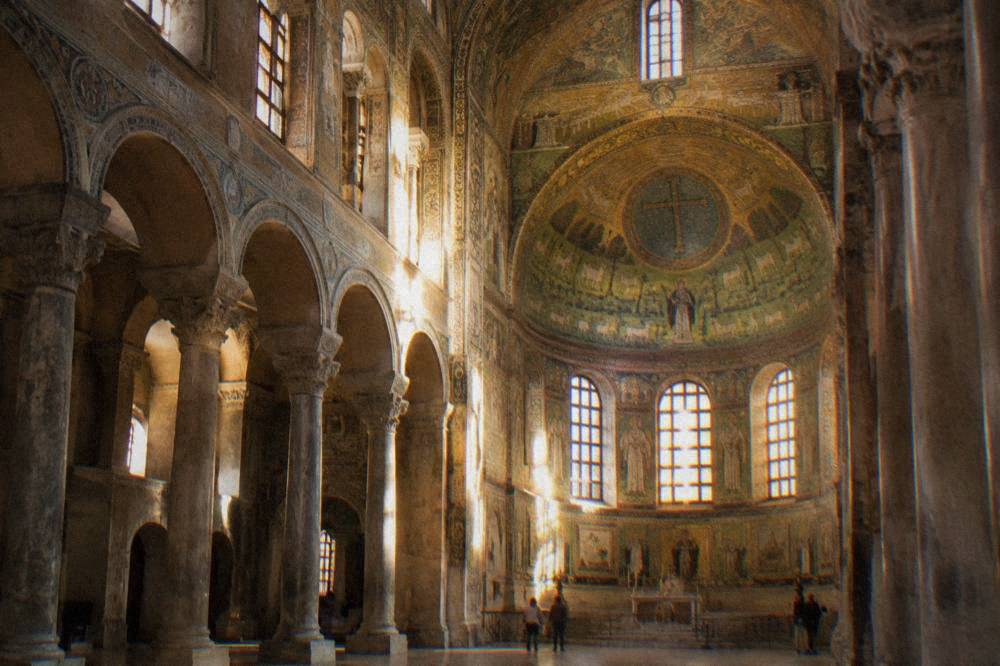
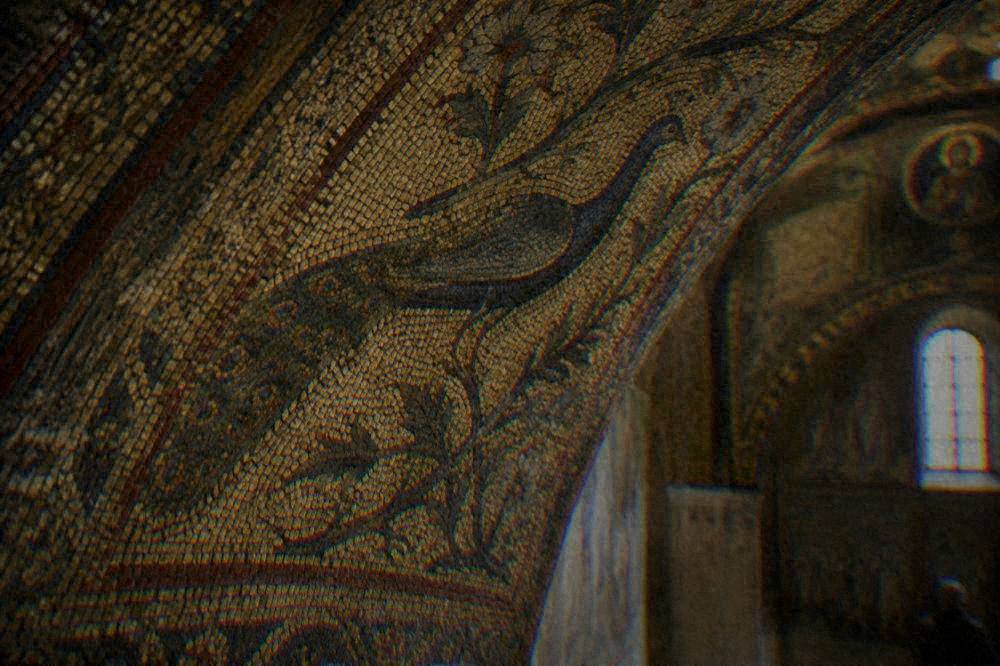
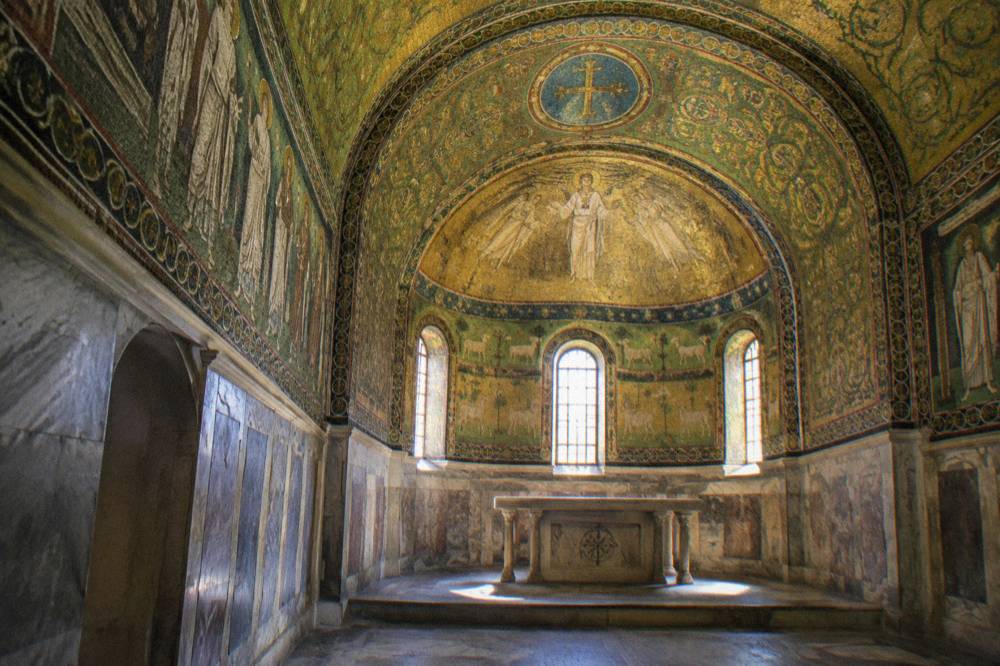
The chapel's own listing on UNESCO's World Heritage list places it alongside San Vitale and Sant'Apollinare Nuovo as part of the sequence of Early Christian buildings that carry the Byzantine mosaics Ravenna is known for. The UNESCO text uses the words "Early Christian" and "Byzantine mosaics" as its own framing, and this site keeps to that framing. What the visitor sees is a compact cruciform space: a cross vault over the centre, mosaic decoration concentrated on the vault and the upper walls, and a marble-sheathed lower register. The mosaic work is glass tesserae set in gold ground, the same technique that fills San Vitale a few streets away, but applied at a domestic scale rather than a basilica scale.
The chapel is not a standalone ticket. It belongs to the Archiepiscopal Museum, and the museum belongs to the Ravenna Mosaici combined ticket system. That system is run by the operator of the monument network, and its prices page is where the current conditions live. The museum around the chapel holds the cathedral's historic furnishings and excavated material, so a visit is really two sights in one: the museum galleries, then the chapel itself at the end of the route.
A useful way to place the chapel among its neighbours is to compare what each of the nearby UNESCO buildings does best:
| Monument | Setting | What dominates the visit |
|---|---|---|
| Archiepiscopal Chapel | Oratory inside the Archiepiscopal Museum | Intimate gold-ground cross vault |
| San Vitale | Standalone basilica | Vast apse and choir mosaics |
| Mausoleum of Galla Placidia | Small detached mausoleum | Blue starry vault mosaics |
| Neonian Baptistery | Baptistery off the cathedral piazza | Dome with apostle procession |
| Sant'Apollinare Nuovo | Basilica on Via di Roma | Long processional wall mosaics |
The chapel rewards a slow look. The mosaic surfaces are close enough to study individual tesserae, something the lofty interiors of the larger basilicas do not allow, and the museum route means the room is usually quiet even when the streets outside are full.
How Do You Get Tickets For The Archiepiscopal Chapel In Ravenna?
There is no separate ticket for the chapel: it is covered by the Ravenna Mosaici combined ticket, specifically the five-monument itinerary that includes the Archiepiscopal Museum and Chapel of St Andrew, with reduced fares from EUR 13.50. The ticket is valid one week, allows one admission per monument, and an entry time must be booked for each monument, including the chapel.
To see the chapel and its mosaic neighbours in one go, book a mosaics entry ticket here.
The Ravenna Mosaici prices page lists three combined itineraries. Reduced fares start at EUR 9.50 for the two-monument ticket covering Sant'Apollinare Nuovo and San Vitale, EUR 11.50 for the four-monument version that adds the Mausoleum of Galla Placidia and the Neonian Baptistery, and EUR 13.50 for the five-monument itinerary that adds the Archiepiscopal Museum and the Chapel of St Andrew. Full-price figures sit on the official page, and this guide sends you there for them rather than printing numbers the site does not carry. The reduced rate applies to students, non-accredited journalists and paying groups over 20. Children aged 0 to 10, residents of Ravenna, ICOM members, licensed guides, and visitors with a disability plus one companion enter free.
The terms of purchase on the operator's site set the conditions that matter for planning: the ticket is valid seven days, each monument is admitted once, and a booked entry time is required for each monument on the itinerary. The prices page states that time booking is mandatory for the Mausoleum of Galla Placidia and the Neonian Baptistery, where visits are limited to a few minutes, and that it also applies to St Andrew, the Archiepiscopal Museum. San Vitale admits visitors in slots. In practice this means the chapel is not a drop-in sight: you pick a time, you arrive inside it, and you move through the museum to the chapel with the slot as your anchor.
| Ravenna Mosaici itinerary | Monuments covered | Reduced fare |
|---|---|---|
| Two monuments | Sant'Apollinare Nuovo, San Vitale | EUR 9.50 |
| Four monuments | Adds Mausoleum of Galla Placidia, Neonian Baptistery | EUR 11.50 |
| Five monuments | Adds Archiepiscopal Museum and Chapel of St Andrew | EUR 13.50 |
If the chapel is a priority, the five-monument itinerary is the only route in, and the increment from four to five monuments is the price of the museum and chapel together. Some visitors prefer a guided walk that handles the entries for them. A compact option is the private two-hour mosaics tour, and a longer look at the city's food side pairs well with a morning of monuments: the gelato making class runs in the city and makes an afternoon reward after the mosaic circuit.
What Are The Opening Hours For The Archiepiscopal Chapel In Ravenna?
The chapel and the Archiepiscopal Museum follow the Ravenna Mosaici hours: in winter, from 3 November 2026 to 6 March 2027, they open 10:00 to 17:00 daily with last admission at 16:30, and in summer, from 8 March to 2 November 2026, 9:00 to 19:00 with last admission at 18:30. The site closes on 25 December and 1 January.
Those hours come from the Ravenna Mosaici entrance-times page, which is the single source worth checking before any visit because one-off changes are announced there. The winter schedule shortens every day of the mosaic circuit by two hours, and the last-admission times matter more than the closing times: a 16:30 last admission at the museum means the chapel route is closing behind you as you walk it.
| Period | Hours, Archiepiscopal Museum and Chapel | Last admission |
|---|---|---|
| Summer, 8 March to 2 November 2026 | 9:00 to 19:00 | 18:30 |
| Winter, 3 November 2026 to 6 March 2027 | 10:00 to 17:00 | 16:30 |
| Closed days | 25 December and 1 January | none |
The chapel's neighbours run on different clocks, and a plan that ignores that loses time. The Mausoleum of Theodoric keeps 8:30 to 17:30 daily per the Visit Ravenna page, and Dante's tomb, free to enter, runs 10:00 to 18:00 from November to March and 10:00 to 19:00 from April to October. A sensible morning in the cold months starts at the 10:00 opening of the museum route, takes the chapel before the midday rush, then moves to the freely-timed sights after lunch.
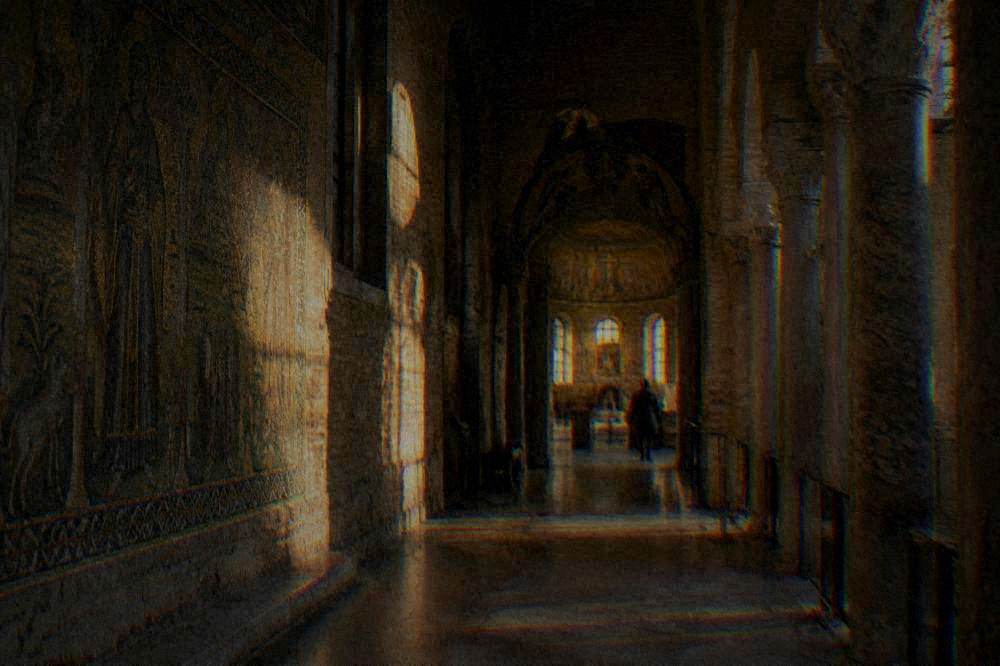
One annual event changes the calculus for an evening visit: each October Ravenna holds the Notte d'Oro, which in 2026 fell on 17 October and brought free evening access to monuments and museums across the centre. The date for a future edition is announced by the city's event channels, so if your trip lands in October it is worth checking whether the chapel is on that year's open list.
Guided options cover the entry logistics for you, which matters if timed slots feel like paperwork. Beyond the private mosaics walk already mentioned, a self-paced alternative is the Dante's Ravenna audio tour, which threads the poet's city between monument visits, and a full guide to the city's mosaic tours lays out the group and private formats side by side.
What Do You Actually See Inside The Archiepiscopal Chapel?
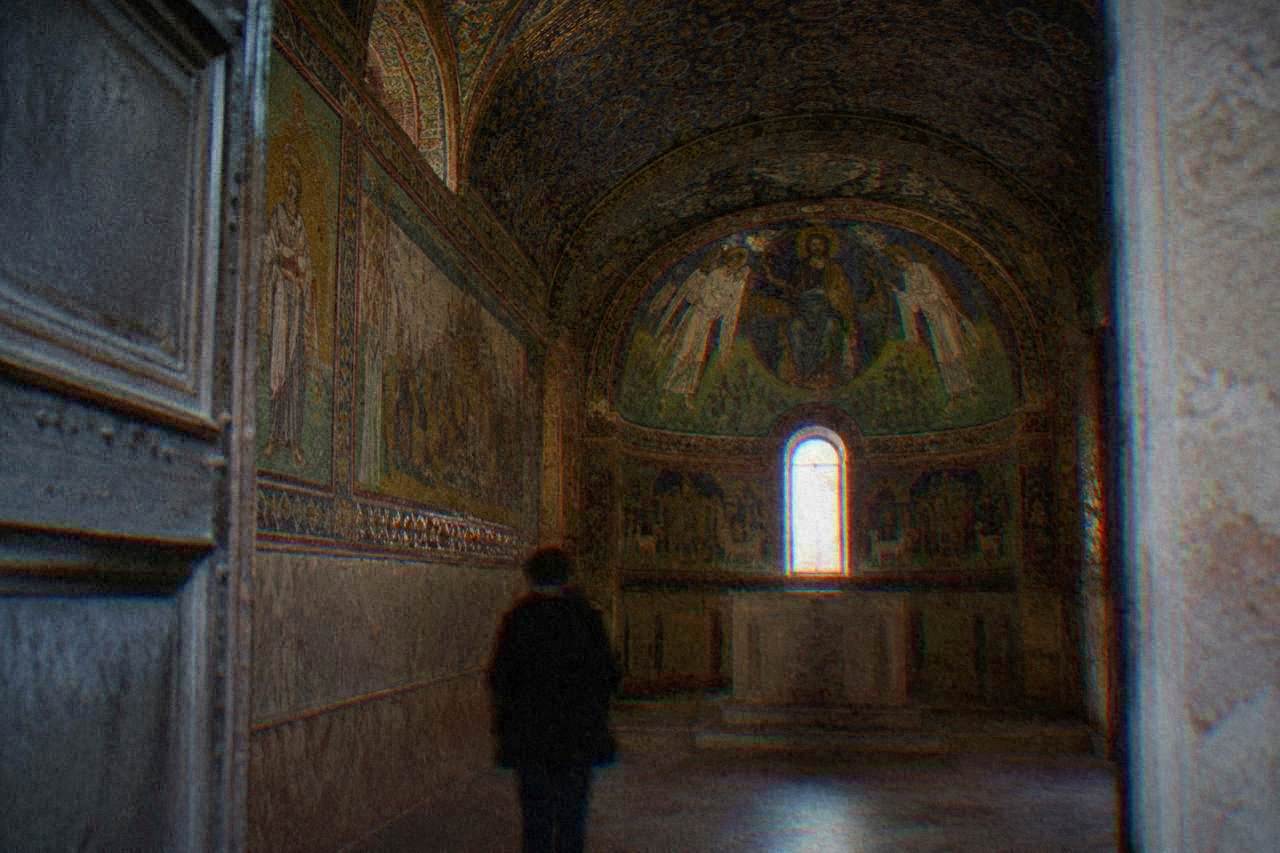
The visitor route passes through the Archiepiscopal Museum's galleries and ends in the chapel, a cruciform oratory with a cross vault covered in gold-ground glass mosaic, a depiction of Christ as a warrior figure on the vault's crown, and marble facing on the lower walls. The room is small enough to take in from the threshold, and its mosaic detail rewards standing still and looking up.
The chapel is the part of the museum that made the UNESCO list, and it reads differently from the big basilicas. Where San Vitale overwhelms with scale, the chapel works at arm's length. The vault mosaics sit low enough that the setting lines between the tesserae are visible, and the gold ground catches whatever light enters. The iconography of the vault centre, Christ in military dress, is unusual in the Ravenna set and is the image the chapel is discussed for; the surrounding decoration carries the same Early Christian vocabulary as the other seven monuments.
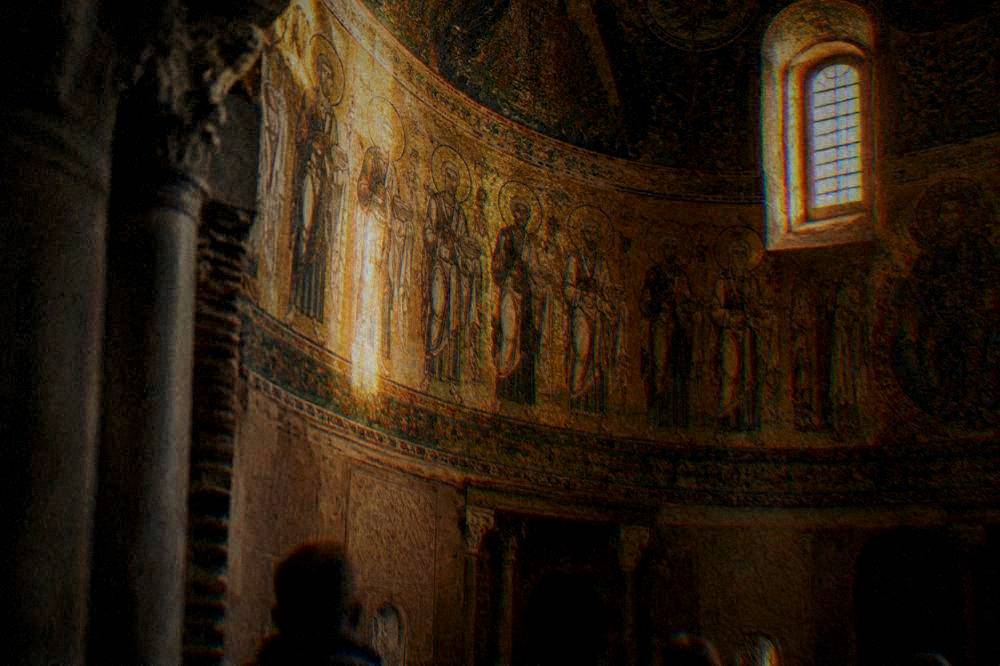
The museum galleries before it hold material from the cathedral complex: capitals, liturgical furnishings, excavated floor sections. The Domus dei Tappeti di Pietra, a separate excavated domestic site nearby, is the other place in Ravenna where floor mosaic of this quality can be viewed in situ, though its hours vary by season and its ticketing should be confirmed on the official page. The chapel plus museum route is short by basilica standards, which makes it an easy add-on rather than a half-day commitment.
How Does The Archiepiscopal Chapel Fit Into A Day In Ravenna?
The chapel sits inside a five-minute cluster of sights: the Archiepiscopal Museum adjoins Ravenna Cathedral and the Neonian Baptistery, with San Vitale and the Mausoleum of Galla Placidia one block away, so a five-monument ticket day can be walked entirely in the centre without transport. A realistic pattern is the museum and chapel first at opening, then the timed slots at Galla Placidia and the baptistery, then Sant'Apollinare Nuovo.
The historic centre of Ravenna is compact and flat, and the UNESCO core is tighter still. The cathedral piazza alone holds three of the eight monuments if you count the chapel inside the museum, the baptistery and the cathedral itself, though the cathedral is not on the UNESCO list. Booking the timed entries in a sensible order, chapel mid-morning, Galla Placidia and the Neonian Baptistery before or after, is the main planning decision, because those two admit in short stays of a few minutes each and the slots run to a schedule.
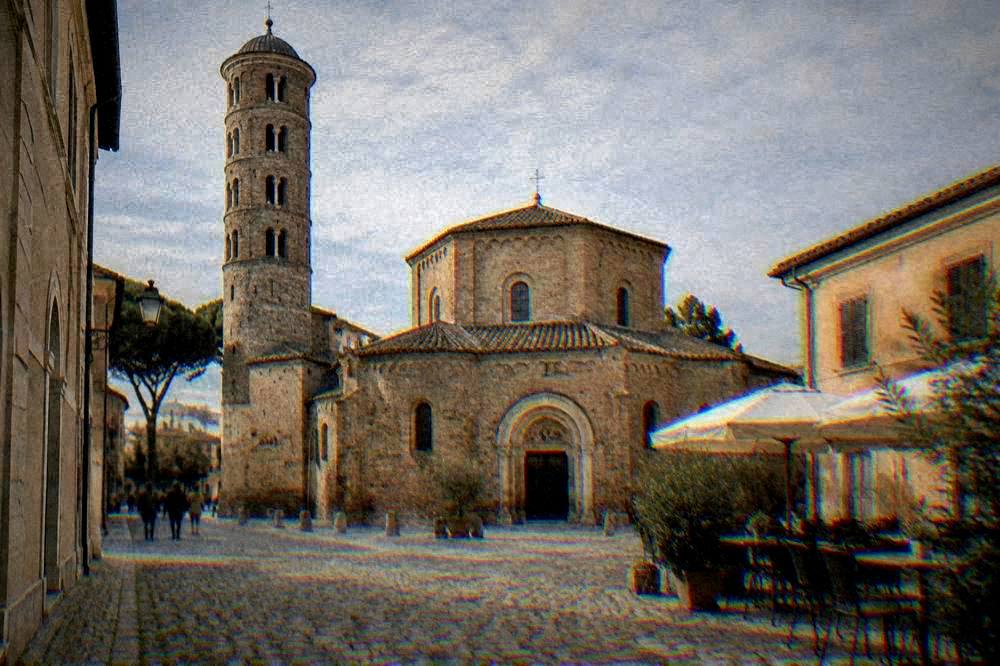
A day built around the five-monument ticket leaves the afternoon open. The Classis Ravenna museum and Sant'Apollinare in Classe lie out at Classe, a short trip from the centre, and the Mausoleum of Theodoric stands at the edge of the walkable area in its own grounds. Food stops fill the gaps: Ravenna's flatbread, piadina, is sold all over the centre, and a class that teaches the city's gelato craft makes a change from church-hopping. The listing for the gelato class describes what is covered and the meeting point.
For visitors arriving on foot from the station, the whole circuit is a short walk, and Piazza del Popolo makes the natural midpoint pause, with the Mausoleum of Galla Placidia and the Neonian Baptistery both within a block or two of it.
Is The Archiepiscopal Chapel In Ravenna Worth The Extra Ticket Step?
For anyone already buying the four-monument Ravenna Mosaici ticket, the step up to five monuments adds the Archiepiscopal Museum and the chapel for a small increment on the reduced fare, and the chapel is the only one of the eight UNESCO monuments that cannot be seen any other way. For a visitor with time for just two or three monuments, the chapel is the one to drop in favour of San Vitale and Galla Placidia.
That is an honest ranking rather than a dismissal. The chapel's mosaic is fine and its intimacy is real, but Ravenna's reputation rests on the apse of San Vitale and the vault of Galla Placidia, and a first-time visitor with one morning should spend it there. The five-monument itinerary exists precisely for the visitor with a full day or a second day, and the one-week validity of the ticket means the five do not have to happen in one push.
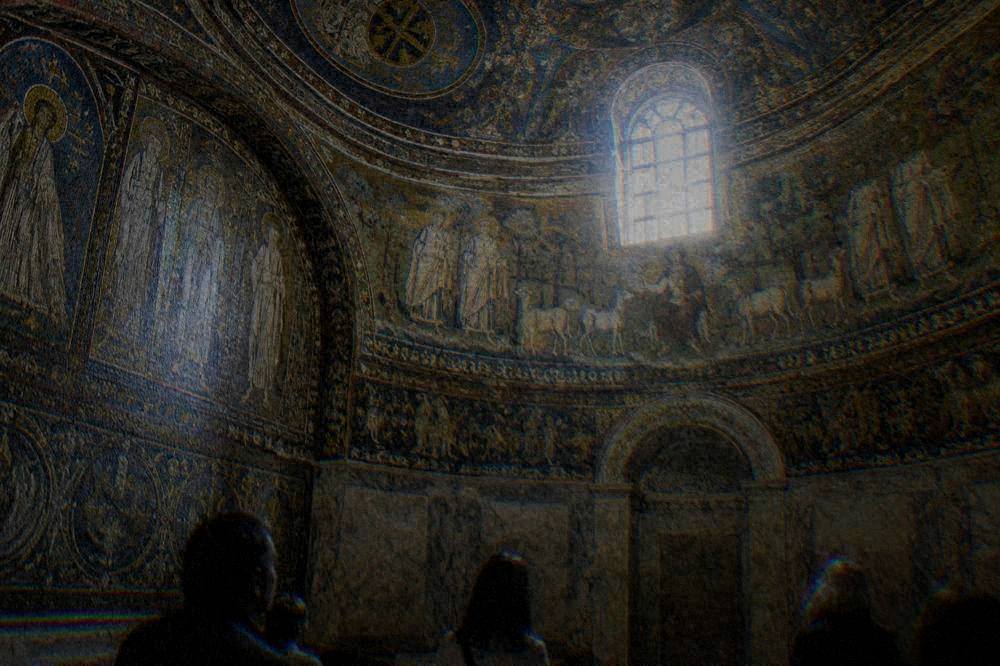
The practical comparison for a short stay:
| If you have | Realistic itinerary | Ticket |
|---|---|---|
| One morning | San Vitale, Galla Placidia, Neonian Baptistery, Sant'Apollinare Nuovo | Four monuments, reduced from EUR 11.50 |
| One full day | All four above plus the Archiepiscopal Museum and chapel, afternoon at Dante's tomb | Five monuments, reduced from EUR 13.50 |
| Two days | Day one as above, day two at Classe and Sant'Apollinare in Classe | Add Sant'Apollinare in Classe separately |
State museums and monuments in Ravenna are reported to be free on the first Sunday of the month, which can shift the value calculation, though the Ravenna Mosaici network's own conditions should be checked on the official page for the date you travel.
What Else Is Near The Archiepiscopal Chapel In Ravenna?
Everything of the mosaic core is within a short walk of the Archiepiscopal Museum: Ravenna Cathedral and the Neonian Baptistery stand on the same piazza, San Vitale and the Mausoleum of Galla Placidia are one block north, and Dante's tomb, free to enter, is a few streets away toward the centre. Beyond the centre, the Classe area holds Sant'Apollinare in Classe and the Classis Ravenna museum.
Dante's tomb is the easiest free addition to any chapel visit: entry costs nothing, hours run 10:00 to 18:00 in the November to March period and 10:00 to 19:00 from April to October, and the small chamber needs only minutes. The National Museum of Ravenna sits beside San Vitale and holds the ClavisKeyName collections from the city's churches; it closes on Mondays and its hours shift with the season, so its official listing is the reference. The TAMO museum closed permanently in 2023 and its collection moved to Classis Ravenna, a fact worth knowing because older guides still send readers there.
For the second half of a day, the choice is between going out to Classe or staying central. Classe needs a bus or a bike and rewards the trip with the basilica's green meadow apse mosaic, one of the most photographed surfaces in the region. Staying central, the Mausoleum of Theodoric and the Arian Baptistery complete the UNESCO set inside town, and both take separate state tickets, the mausoleum at EUR 6 with concessions, the baptistery at EUR 3, or a combined EUR 7 ticket for the mausoleum, the Arian Baptistery and Theodoric's Palace per the Visit Ravenna page.
A different lens on the same streets is the Dante audio walk, which the listing says covers the poet's Ravenna at your own pace, a fit for the late afternoon when monument slots run out.
Common Questions About The Archiepiscopal Chapel Ravenna
Do you need a separate ticket for the Archiepiscopal Chapel in Ravenna?
No. The chapel is reached through the Archiepiscopal Museum and both are covered by the five-monument Ravenna Mosaici combined ticket, with reduced fares from EUR 13.50. Full prices are on the official Ravenna Mosaici page.
Is the Archiepiscopal Chapel one of the eight UNESCO sites in Ravenna?
Yes. The Archiepiscopal Chapel is on the UNESCO Early Christian Monuments of Ravenna listing, inscribed in 1996, alongside San Vitale, the Mausoleum of Galla Placidia, the Neonian Baptistery, Sant'Apollinare Nuovo, the Arian Baptistery, the Mausoleum of Theodoric and Sant'Apollinare in Classe.
Can you visit the Archiepiscopal Chapel without a booked entry time?
No. The Ravenna Mosaici terms require a booked entry time for each monument on an itinerary, and the prices page lists St Andrew, the Archiepiscopal Museum, among the timed entries. Book your slot when you buy the ticket.
How long does a visit to the Archiepiscopal Chapel take?
The chapel itself is a single small room taken in from the threshold. With the museum galleries on the route, allow a relaxed half hour to an hour, longer if you want to study the vault mosaics in detail.
When is the Archiepiscopal Chapel open?
The chapel follows the Ravenna Mosaici hours: 10:00 to 17:00 daily in winter, 3 November 2026 to 6 March 2027, with last admission 16:30, and 9:00 to 19:00 in summer with last admission 18:30. It closes on 25 December and 1 January. Check the official page for one-off changes.
Is the Archiepiscopal Chapel worth seeing if time is short?
If you have time for only two or three monuments, San Vitale and the Mausoleum of Galla Placidia come first. The chapel is the right addition when you are already taking the four-monument ticket and have a full day or a second day in Ravenna.
The Archiepiscopal Chapel is Ravenna's quietest UNESCO room, and that is its whole appeal: book a slot on the five-monument itinerary, arrive when the museum opens, and the gold vault is yours to stand under while the crowds are still two streets away at San Vitale.