Ravenna City Centre
The Ravenna city centre is a compact, walkable inland core holding eight UNESCO-listed Early Christian monuments, Dante's tomb and a food tradition rooted in the Romagna plain, all within easy reach of the railway station.
Short answer
The Ravenna city centre is small, flat and walkable, and it holds all but one of the city's eight UNESCO monuments, Dante's tomb and the main museums. The Ravenna Mosaici combined ticket covers five of them, valid one week, and the railway station sits a short walk from the core.
Ravenna, in Emilia-Romagna, Italy, keeps its historic centre inland on the flat Po plain, about 8 km from the Adriatic coast, and that single geographic fact shapes everything about a visit. The core is compact enough that the eight UNESCO Early Christian monuments, the tomb of Dante and the main museums sit within an easy walk of one another, with the railway station a short walk from the centre itself. The beach resorts of Marina di Ravenna, Punta Marina, Lido Adriano, Lido di Classe and Lido di Savio are separate places, reached by Start Romagna bus from the station, not extensions of the centre. This page from Ravenna Travel Guide covers what the city centre holds, how it is organised, and how to plan time in it.
What Is The Ravenna City Centre?
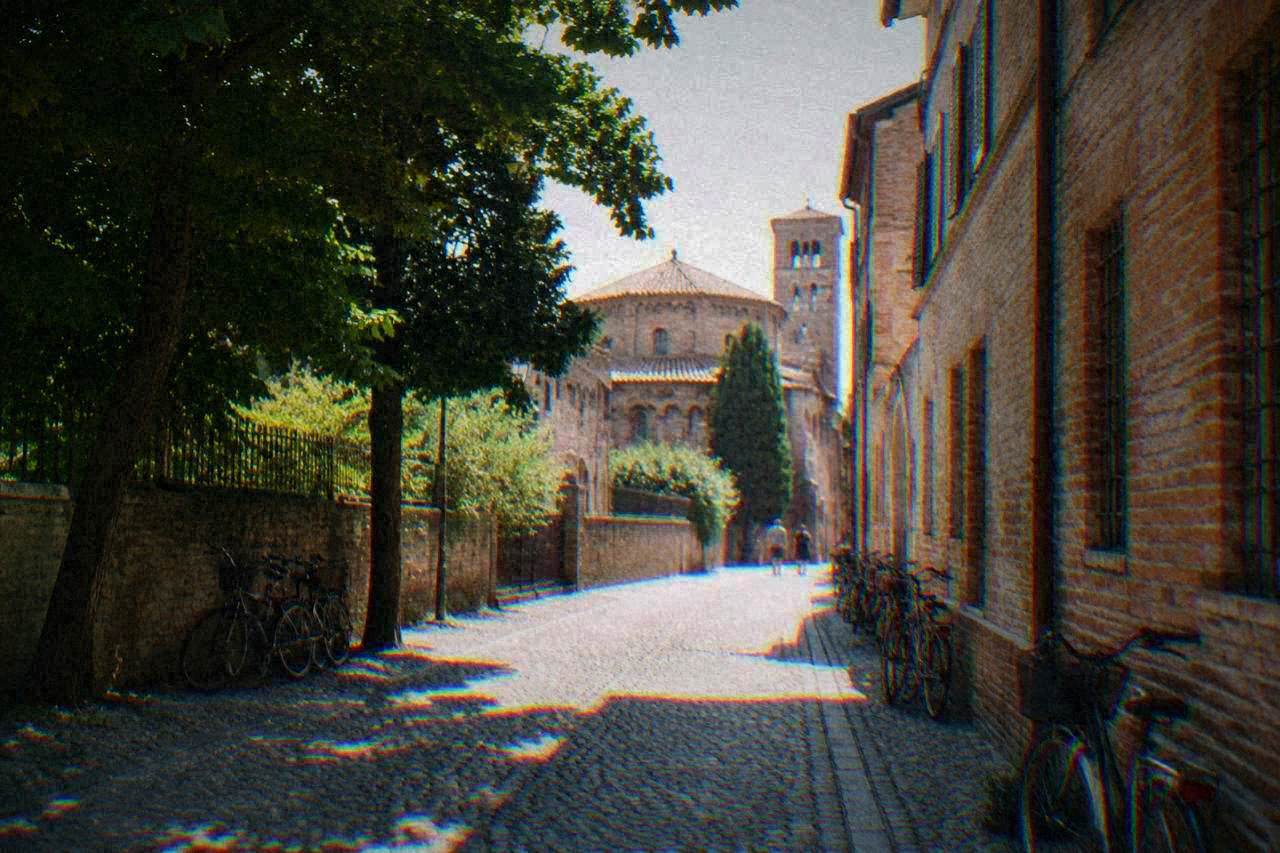
The Ravenna city centre is the small, flat, walkable historic core of an inland Po-valley city, holding seven of Ravenna's eight UNESCO Early Christian monuments, Dante's tomb, the main civic museums and the principal squares, all packed into an area a visitor crosses on foot without needing a car or a bus. The eighth UNESCO monument, the Basilica of Sant'Apollinare in Classe, stands outside the centre in the Classe area, and the Classis Ravenna museum sits beside it. The centre is not on the sea, and no beach is visible from it; the coast starts about 8 km away.
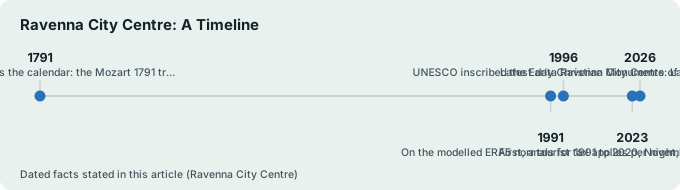
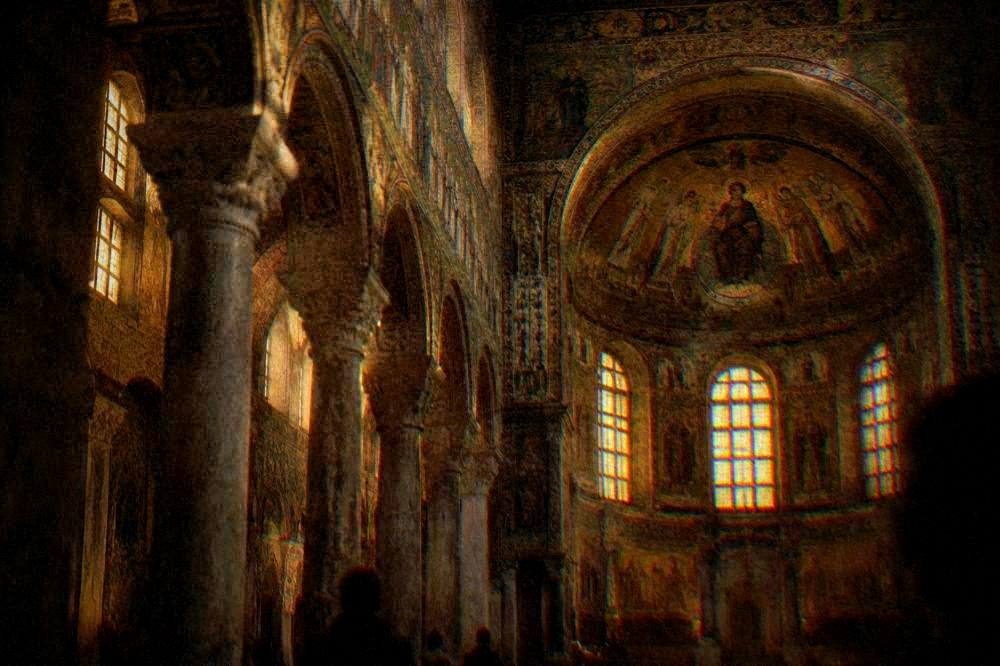
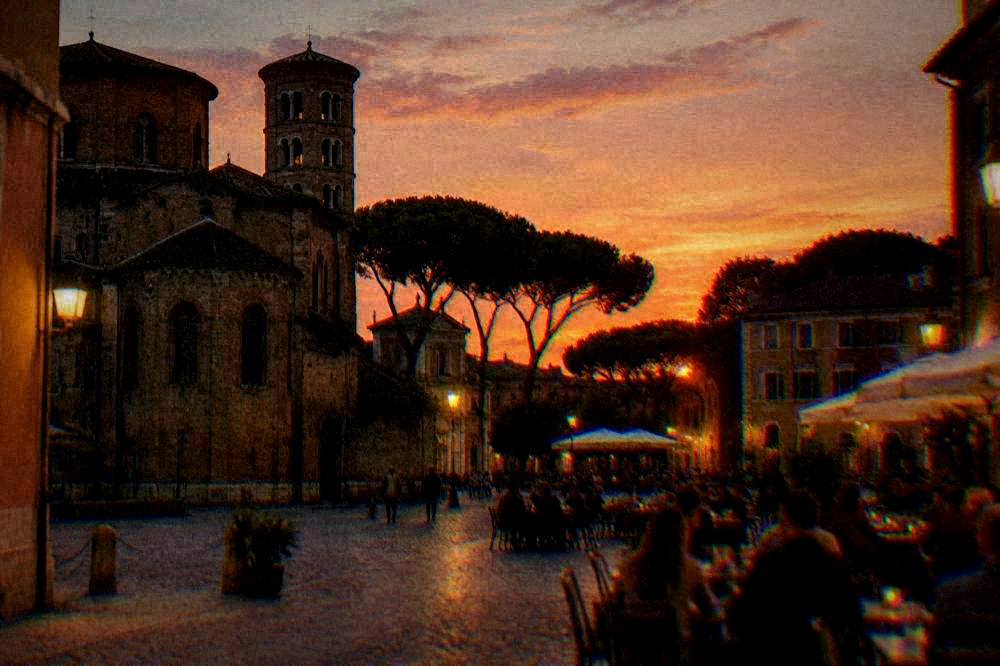
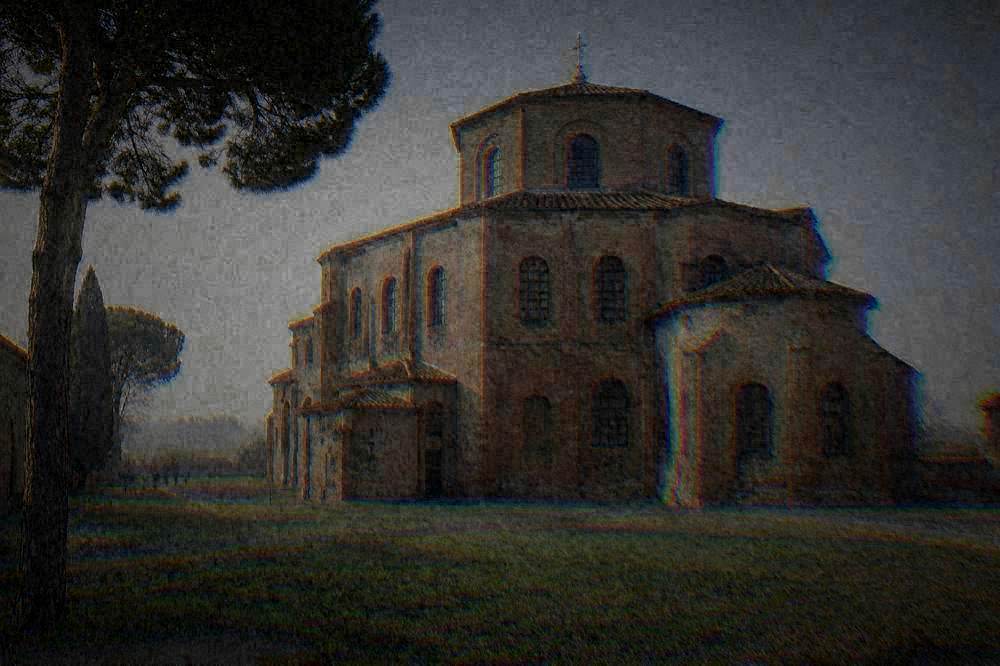
The character of the core comes from its brick. Ravenna's churches, bell towers and civic buildings are built of plain reddish brick, and the decoration that made the city famous is inside them: gold-ground glass mosaics laid across domes, apses and wall surfaces. UNESCO inscribed the Early Christian Monuments of Ravenna on the World Heritage List in 1996, naming eight monuments, and the listing's own wording describes the Byzantine mosaics and the Early Christian heritage they represent.
The centre is also a lived-in Italian town rather than an open-air museum. Piazza del Popolo serves as the main square, the covered market and the shopping streets work on ordinary municipal rhythms, and the student population keeps cafés and bars busy through the academic year. Planning a visit around the monuments leaves room for all of that.
What Can You See Inside The Ravenna City Centre?
Inside the Ravenna city centre a visitor can see seven UNESCO monuments, the Mausoleum of Galla Placidia, the Neonian Baptistery, the Basilica of Sant'Apollinare Nuovo, the Arian Baptistery, the Archiepiscopal Chapel, the Basilica of San Vitale and the Mausoleum of Theodoric, plus Dante's tomb, the Archiepiscopal Museum, the National Museum, the MAR art museum, the Domus dei Tappeti di Pietra and the Museo Dante. The Ravenna Mosaici combined ticket covers five of the central monuments, is valid one week with one admission per monument, and requires a booked entry time for each monument on the itinerary.
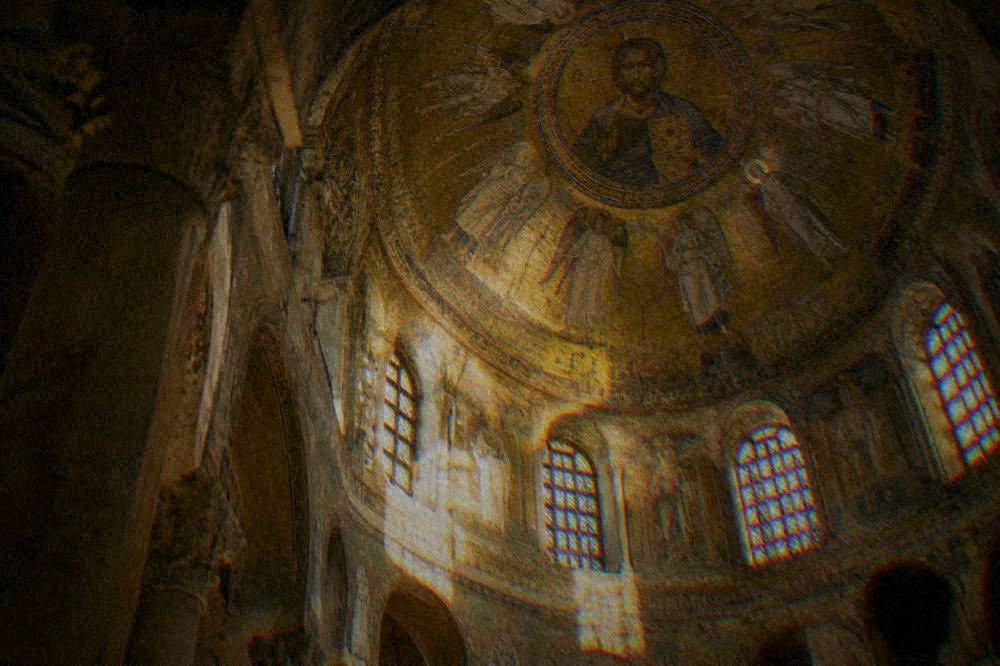
The two headline interiors are San Vitale and the Mausoleum of Galla Placidia, which stand in the same complex. San Vitale admits visitors in slots, and Galla Placidia and the Neonian Baptistery both require a booked entry time with stays of a few minutes, a rule attached to the monument ticket that keeps the small spaces flowing. The details of each building are covered in the site's dedicated pages, including the Basilica of San Vitale and the Mausoleum of Galla Placidia.
Dante's tomb sits on a quiet street a short walk from Piazza del Popolo, and entry is free. The municipal page gives the hours as 10:00 to 18:00 from November to March and 10:00 to 19:00 from April to October, closed on 25 December, and the tomb's own page covers the story of why Dante is buried in Ravenna at all. Beside it, the Museo Dante is open Tuesday to Sunday and charges EUR 5, or EUR 3.50 reduced, on the vivadante box-office page.
The table below lists the central sights with their ticket status.
| Sight | UNESCO monument | Ticket situation |
|---|---|---|
| Basilica of San Vitale | Yes | Ravenna Mosaici combined ticket, admissions in slots |
| Mausoleum of Galla Placidia | Yes | Combined ticket, booked entry time, short stay |
| Neonian Baptistery | Yes | Combined ticket, booked entry time, short stay |
| Basilica of Sant'Apollinare Nuovo | Yes | Combined ticket |
| Archiepiscopal Chapel and Museum | Yes | Combined ticket |
| Arian Baptistery | Yes | EUR 3 on the cultura.gov.it listing |
| Mausoleum of Theodoric | Yes | EUR 6, concession EUR 5, EUR 2 ages 18 to 25 |
| Dante's tomb | No | Free |
| Museo Dante | No | EUR 5, EUR 3.50 reduced |
| Domus dei Tappeti di Pietra | No | Hours vary by season, confirm on the official page |
The combined ticket prices the site prints are the reduced fares: from EUR 9.50 reduced for two monuments, EUR 11.50 reduced for four and EUR 13.50 reduced for five, per the Ravenna Mosaici prices page. Reduced rates apply to students, non-accredited journalists and paying groups over 20, and entry is free for children 0 to 10, residents of Ravenna, ICOM members, licensed guides, and visitors with a disability plus companion. The full-price figures change often enough that the official page is the right place to read them.
A guided walk is one way to absorb the mosaics without studying them beforehand, and the trio below gathers the centre's walking formats, from a private top-sights tour to a mosaic-focused walk and a food-centred class.
For visitors weighing a guided day against independent exploring, the one day in Ravenna itinerary sequences the same monuments with timings, and the things to do in Ravenna hub lists the full range of activities across the city and the coast.
How Walkable Is The Ravenna City Centre?
The Ravenna city centre is fully walkable: it is flat, compact and closed to through traffic in its historic core by a camera-enforced limited traffic zone, so a visitor arriving at the railway station can reach Piazza del Popolo, San Vitale, Dante's tomb and every central museum on foot in a single day without boarding a bus. The ZTL gates differ, some operating 7:30 to 20:30 and some 24 hours, a daily permit costs about EUR 8 at the 24-hour parcometers, and hotels can issue a guest authorisation, but the simpler answer for a visitor is to arrive without a car at all.
Distances inside the core are short. The station sits a short walk from the centre, the two headline monument clusters are within a few blocks of each other, and the whole sightseeing area fits between the station, Piazza del Popolo and the university zone. Walking is the normal way residents move around, and bicycles are a common sight on the flat streets.
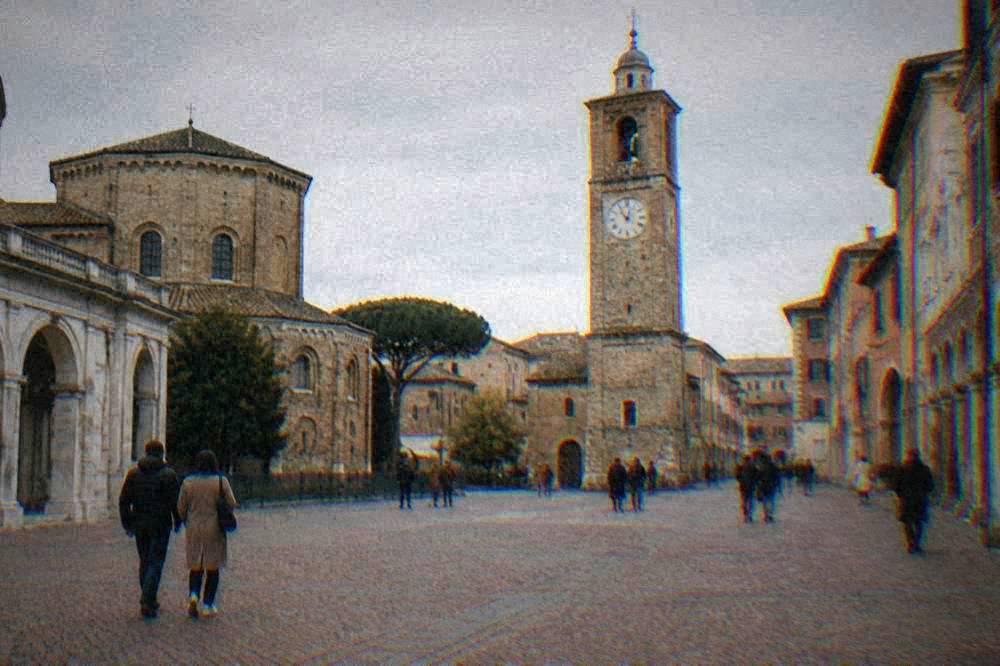
Drivers should note one nuance before booking accommodation. The ZTL is enforced by camera at named gates, the daily permit covers vehicles up to 5 tonnes, and the ecological restrictions of the winter PAIR plan add emission limits in the colder months. Anyone planning to bring a car into the centre should ask the hotel to arrange authorisation at booking, which resolves the question cleanly.
Where Should A Walk Through The Ravenna City Centre Begin?
A walk through the Ravenna city centre begins naturally at Piazza del Popolo, the main square, because it sits between the station-side streets and the monument cluster, with Dante's tomb a short walk away, the Basilica of Sant'Apollinare Nuovo along the same axis, and the San Vitale and Galla Placidia complex a few blocks east, making the square the hinge of any route. The Venetian-era civic buildings around the piazza also hold the town hall function, so the square doubles as an orientation point for buses, cafés and the tourist information office.
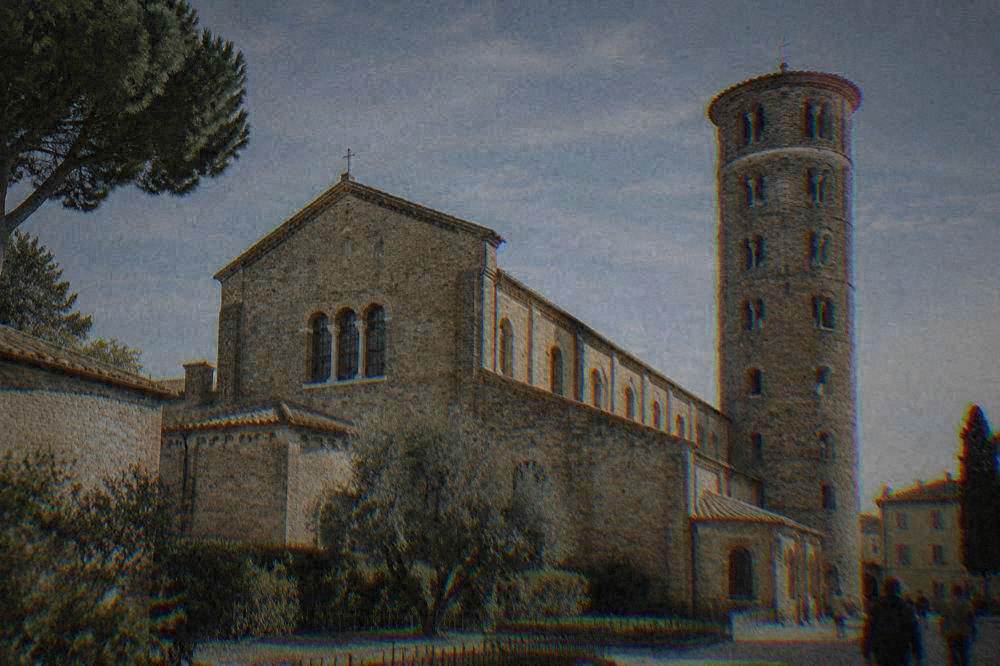
A sensible order runs from the piazza east toward San Vitale and Galla Placidia first, while entry slots are still available, then back through the Neonian Baptistery near the cathedral, followed by Sant'Apollinare Nuovo on the western side. The Arian Baptistery and the Archiepiscopal Chapel sit close to the cathedral quarter. Dante's tomb, being free and un-ticketed, slots into any gap in the day.
The sequence below assumes one full day in the centre.
| Stop | Sights | Notes for the walk |
|---|---|---|
| Piazza del Popolo | Main square, cafes, tourist office | Orientation point between station and monuments |
| East quarter | San Vitale, Galla Placidia, National Museum | Book entry times for Galla Placidia first thing |
| Cathedral quarter | Neonian Baptistery, Archiepiscopal Chapel and Museum | Short walk south of San Vitale |
| Dante zone | Dante's tomb, Museo Dante, Basilica of San Francesco | Free entry at the tomb |
| West axis | Basilica of Sant'Apollinare Nuovo, Arian Baptistery | Flat walk from the piazza |
| North | Mausoleum of Theodoric, Theodoric's Palace | Outside the dense core, allow extra time |
For a slower version, the two days in Ravenna itinerary splits the monuments across two mornings and adds the museums, and the three days in Ravenna itinerary adds Classe and the coast.
What Food Is The Ravenna City Centre Known For?
The Ravenna city centre is known for the foods of the Romagna plain rather than for seafood: piadina flatbread, cappelletti pasta, passatelli, grilled meats and the wines of Romagna appear on menus throughout the core, and the Visit Ravenna food pages present the city's table through these dishes, with the coastal resorts, not the centre, holding the fish restaurants. A cover charge, the coperto, is legal when printed on the menu, and tipping is not obligatory.
The centre's eating landscape runs from piadinerie, where the flatbread is cooked to order, to old-school trattorie serving cappelletti in brodo and to gelaterie turning out flavours drawn from the region's fruit. The Ravenna food guide and the pages on piadina romagnola and cappelletti describe each dish in detail, and the Ravenna restaurants page explains how the centre's dining rooms are distributed.
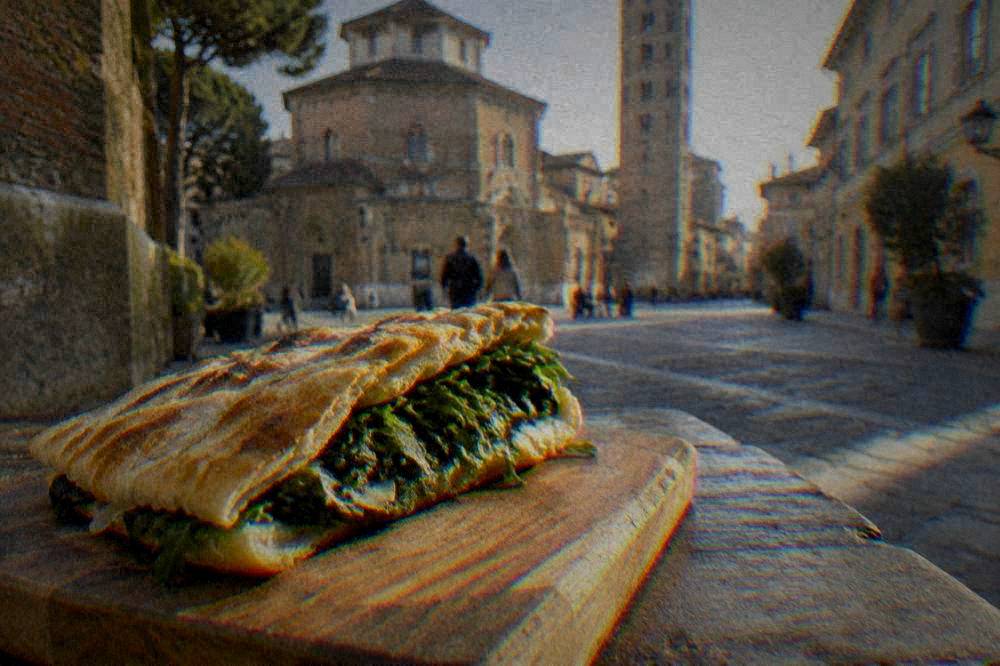
A food-focused table for the centre:
| Dish or drink | What it is | Where it fits in the centre |
|---|---|---|
| Piadina | Thin flatbread filled to order | Piadinerie across the core, quick lunch between monuments |
| Cappelletti | Small filled pasta, classically in broth | Trattorie at lunch and dinner |
| Passatelli | Bread-and-parmesan dough in broth | Traditional trattoria menus |
| Romagna wines | Sangiovese and Albana among the local pours | Enotecche and by the glass at dinner |
| Gelato | Regional flavours, artisan production | Gelaterie between the piazza and the station |
How Do The Seasons Change The Ravenna City Centre?
The seasons change the Ravenna city centre mainly through opening hours and light: from 3 November 2026 to 6 March 2027 the Ravenna Mosaici monuments run 10:00 to 17:00, against 9:00 to 19:00 in the summer period to 2 November 2026, and the climate table gives July as the warmest month at a 25.2 C mean and January the coldest at 5.1 C, so winter visitors see the same mosaics in shorter days and quieter streets. All the combined-ticket monuments close on 25 December and 1 January.
The rainfall picture matters less than visitors expect, because the core's attractions are interiors. On the modelled ERA5 normals for 1991 to 2020, November is the wettest month at 78.3 mm and July the driest at 38.1 mm, with about 674 mm across the year. The Ravenna weather page and the best time to visit Ravenna page unpack the seasons, and the Ravenna in the rain guide lists the indoor options, which in this city are the main attractions anyway.
Winter also brings the cultural season. The Ravenna Festival's autumn trilogy "Mozart 1791" runs 13 to 17 November 2026 at the Teatro Alighieri, the Teatro Alighieri's opera and dance programme starts in December 2026, and each October the Notte d'Oro opens monuments for free evening access. The Ravenna events page tracks the calendar.
| Period | Monument hours | Centre character |
|---|---|---|
| 8 March to 2 November 2026 | 9:00 to 19:00, last entries 18:30 and 18:45 | Long days, busiest streets, coast in season |
| 3 November 2026 to 6 March 2027 | 10:00 to 17:00, last entries 16:30 and 16:45 | Shorter days, theatre and opera season, quieter cores |
| 25 December and 1 January | Closed for the combined-ticket monuments | Christmas closures, plan around them |
Where Should You Stay In The Ravenna City Centre?
Staying inside the Ravenna city centre means sleeping within the ZTL ring among the brick streets between the station, Piazza del Popolo and the monument cluster, which puts every UNESCO sight and Dante's tomb within a walk, while the beach hotels sit in the separate coastal resorts 8 km or more away, so the choice is really between a monument-first stay in the core and a beach-first stay by the sea. The where to stay in Ravenna guide compares the areas in full.
If a night inside that brick core appeals, book a central hotel here.
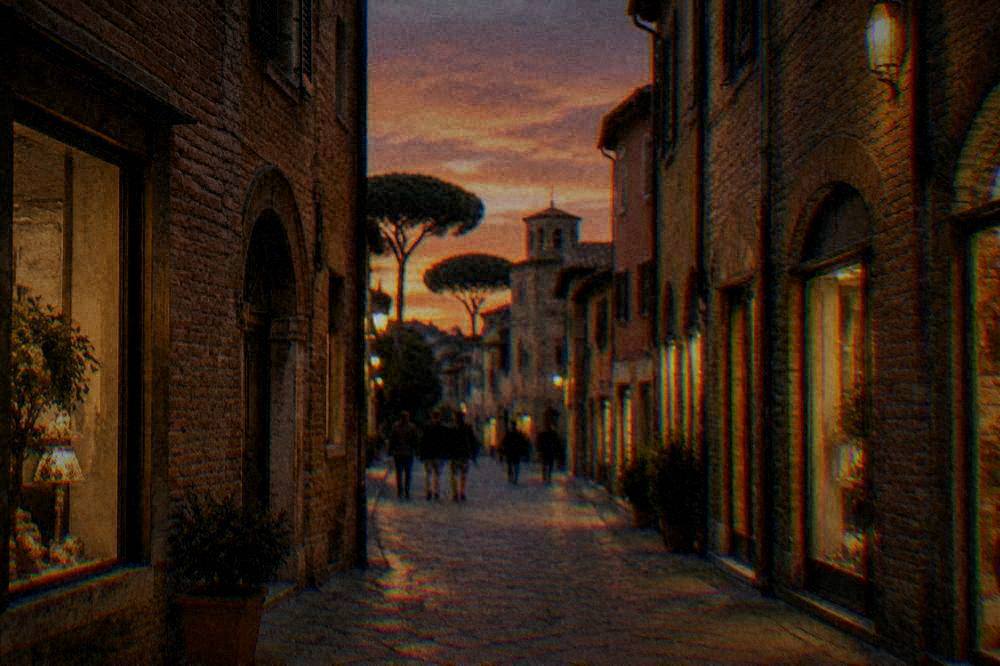
Two practical notes apply to any central booking. First, a tourist tax applies per night, about EUR 3 at 4-star hotels and about EUR 4 at 5-star properties under the tariff in force from 1 January 2023, with lower amounts at smaller structures, and rates may have changed, so confirm the amount at booking. Second, because the ZTL is camera-enforced, a central hotel should be asked to arrange guest authorisation before arrival.
The centre's accommodation spread runs from small hotels in converted palazzi to apartments and B&Bs above the shopping streets. The best hotels in Ravenna page and the Ravenna apartments page describe the options without quoting rates, which shift constantly and are shown at booking.
What Is There To Do In Ravenna At Night?
Evening in the Ravenna city centre runs on aperitivo bars around Piazza del Popolo and the university streets, restaurants serving the Romagna repertoire, and the Teatro Alighieri's opera and dance season, plus the occasional late-opening monument event such as the Notte d'Oro each October, when palaces, museums and monuments open free in the evening. The Ravenna nightlife guide maps the bars and the evening rhythm of the core.
The centre is calm rather than raucous. The student population sustains a handful of music venues and late cafés, and the theatre anchors the cultural evening. Safety follows the pattern of any mid-sized Italian tourist town: petty crime such as pickpocketing can occur around tourist sites and on public transport, so keep a bag zipped and held in front in crowds, a check any visitor can make for themselves.
Common Questions About The Ravenna City Centre
Is the Ravenna city centre walkable?
Yes. The core is flat and compact, the station is a short walk from it, and all the central monuments, museums and squares sit within an easy walk of one another. The historic centre is also protected by a camera-enforced ZTL, which keeps through traffic out.
How far is the Ravenna city centre from the beach?
The centre is inland, about 8 km from the nearest coast. The beach resorts of Marina di Ravenna, Punta Marina, Lido Adriano, Lido di Classe and Lido di Savio are reached by Start Romagna bus from the station, by bike or by car.
Which UNESCO monuments are inside the Ravenna city centre?
Seven of the eight: the Mausoleum of Galla Placidia, the Neonian Baptistery, Sant'Apollinare Nuovo, the Arian Baptistery, the Archiepiscopal Chapel, San Vitale and the Mausoleum of Theodoric. The eighth, the Basilica of Sant'Apollinare in Classe, stands in the Classe area outside the centre.
Is Dante's tomb in the city centre?
Yes. Dante's tomb lies on a quiet central street a short walk from Piazza del Popolo, entry is free, and the hours are 10:00 to 18:00 from November to March and 10:00 to 19:00 from April to October, closed on 25 December.
Can you drive into the Ravenna city centre?
The historic core is a camera-enforced limited traffic zone, with gates operating 7:30 to 20:30 or 24 hours depending on the gate. A daily permit costs about EUR 8 at the 24-hour parcometers, and hotels can issue a guest authorisation, so arrange access with your accommodation at booking.
The Ravenna city centre rewards exactly the kind of slow, on-foot visit its geography invites: a handful of gold-ground interiors, a free tomb, a square built for standing in, and a flat walk back to the station at the end of it.
Before you go, the pick for this guide:
City Highlights Guided Walk
★ 4.9 4 reviews · From $229
Check availability →