Florence Day Trip From Ravenna
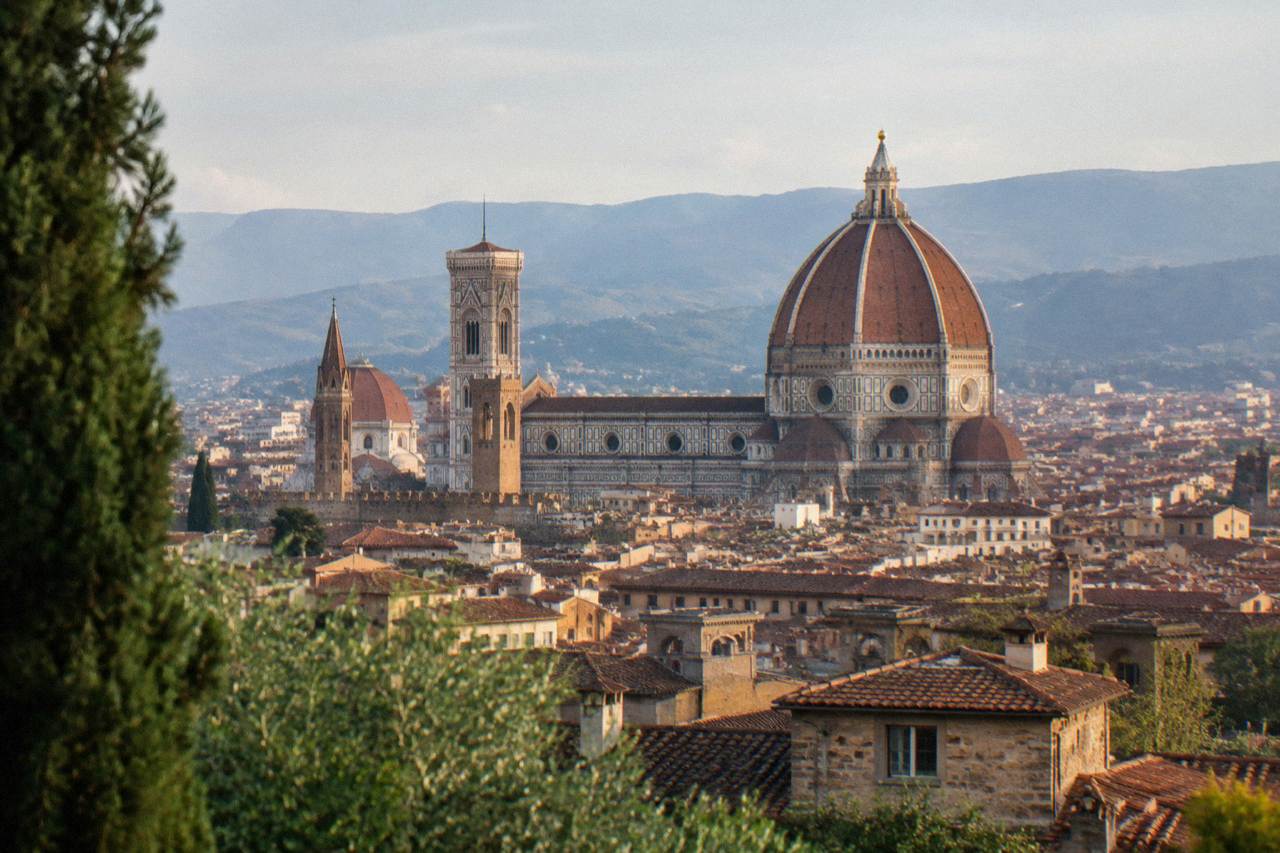
Florence sits inland in Tuscany, reachable from Ravenna by rail with a connection through Bologna, and it pairs naturally with Ravenna's own mosaic monuments on a longer Emilia-Romagna stay.
Short answer
Yes, Florence works as a day trip from Ravenna. Trains run between the two cities with a connection at Bologna Centrale, the regional rail timetable gives the day's options, and the journey pairs Renaissance Florence with Ravenna's UNESCO Byzantine mosaics on the same trip.
Florence, the Tuscan capital of the Renaissance, is one of the day trips that start from Ravenna, the inland Po-valley city in Emilia-Romagna whose eight UNESCO Early Christian monuments and Dante's tomb anchor any stay here. The two cities make an unusually clean pairing: Ravenna holds the gold-ground Byzantine mosaics of the late antique world, Florence holds the Renaissance painting and architecture that came a thousand years later, and a rail route through Bologna links them. This page lays out what the sources say about getting there, what one day in Florence can realistically hold, and how to balance the trip against the mosaics waiting back home, including the practical detail the Ravenna Travel Guide covers monument by monument.
Is A Florence Day Trip From Ravenna Realistic?
Yes, a Florence day trip from Ravenna is realistic, and rail is the way the route works. Trains connect Ravenna with Florence through Bologna Centrale, the regional timetable gives the day's departures, and Ravenna's own station sits a short walk from the historic centre, so the day starts without a car. Print no fare figure here, the price shows at booking, and journey details should be checked against the live timetable for the date you travel.
The regional rail timetable is the deciding document for this trip. Ravenna's direct regional link runs to Bologna, about 84 km away by direct regional train, and connections from Bologna toward Florence follow at frequent intervals through the day. The card for this page carries no Ravenna to Florence distance, duration or fare: the timetable and the operator's booking page hold the live figures, and both can shift with engineering works or seasonal schedules.
One practical point worth flagging before you commit. Ravenna rewards slow looking: the Galla Placidia and the Neonian Baptistery admit on mandatory timed entries with a few minutes inside each, and the Ravenna Mosaici combo ticket runs one week with one admission per monument. A day wholly lost to Florence eats one of those seven days. Travellers staying three or more days lose nothing; those on a tight one-day stop should weigh whether Ravenna itself comes first, a question the three days in Ravenna itinerary works through in detail.
A good compromise shape for a first visit: give Florence the full day, then reserve the following morning for San Vitale and Galla Placidia before the timed-entry slots fill. That sequencing keeps both halves of the trip honest.
How Do You Get From Ravenna To Florence By Train?
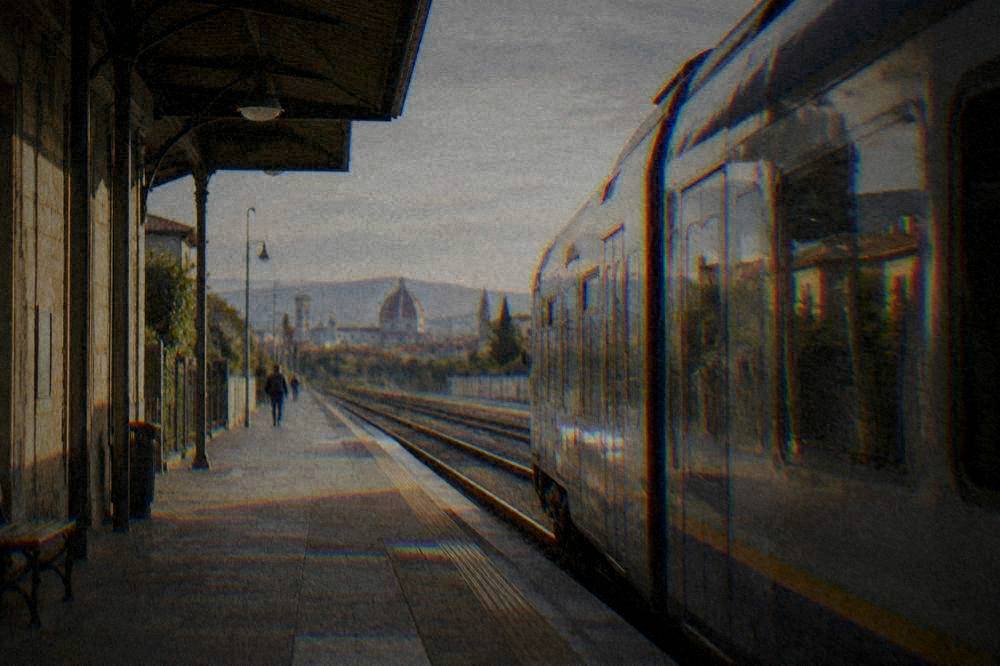
You take a regional train from Ravenna to Bologna Centrale, then connect toward Florence, and the whole route is bookable through the operator's pages. Ravenna to Bologna runs about 84 km by direct regional train, the fastest connections sit near an hour, and the connection at Bologna is where the timetable matters most. The price shows at booking.
To compare rail and coach options into Ravenna from Florence, book a train or bus ticket here.
The regional timetable gives the Ravenna to Bologna options, with typical journey times in the range of about 1 hour to 1 hour 20 on regional trains. From Bologna Centrale, the high-speed and regional services toward Florence depart throughout the day, and the connection window is the single biggest variable in the total door-to-door time. Book the Ravenna to Bologna leg and the Bologna to Florence leg together where the operator's system allows it, so a missed connection is a rebooking rather than a new ticket.
A few checks before the day itself:
| Check | Where To Look | Why It Matters |
|---|---|---|
| Departure times from Ravenna | Regional rail timetable for your date | The first trains set how early Florence can start |
| Connection at Bologna Centrale | Operator's booking page | The transfer time decides the total journey |
| Return departures from Florence | Operator's booking page | Late returns exist but the evening thins out |
| Strike notices | Trenitalia service pages | Strikes in Italy run on guaranteed-service windows |
| Engineering works | Operator's travel alerts | Works can replace trains with buses on some lines |
The strike calendar is a real factor in autumn travel in Emilia-Romagna: October 2026 alone carried a Start Romagna bus strike on 9 October and national rail strikes in the last days of the month, with guaranteed service windows protecting early and late trains. The lesson is not to fear the date, it is to book trains with a margin and to know that a guaranteed window exists.
The route back is worth planning as carefully as the way out. Bologna Centrale is a large station, and the Ravenna-bound regional trains leave from the lower-level platforms, so a tight connection works better with a few minutes of buffer than a sprint. For anyone weighing alternatives, the can you take a train from Ravenna to Florence answer page works through the rail question in detail, and the Florence to Ravenna guide covers the same route from the other direction, useful if your trip starts in Tuscany and ends among the mosaics.
Driving is the other option, and the card for this page prints no Ravenna to Florence driving distance or time. What can be said without a figure: the route crosses the Apennine fringe, motorway tolls in Italy are paid at the toll gates, and Florence itself runs a strictly enforced limited-traffic zone in its historic centre, so parking sits outside the centre and the walk or bus ride in adds time. For a single day, the train is the simpler instrument.
What Should A One-Day Florence Itinerary Include?
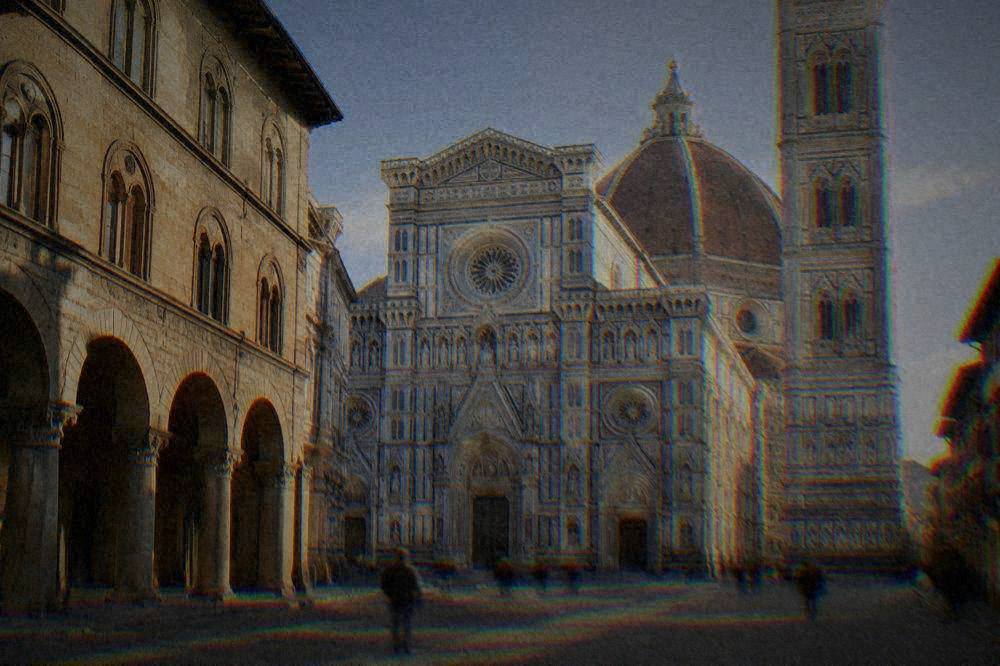
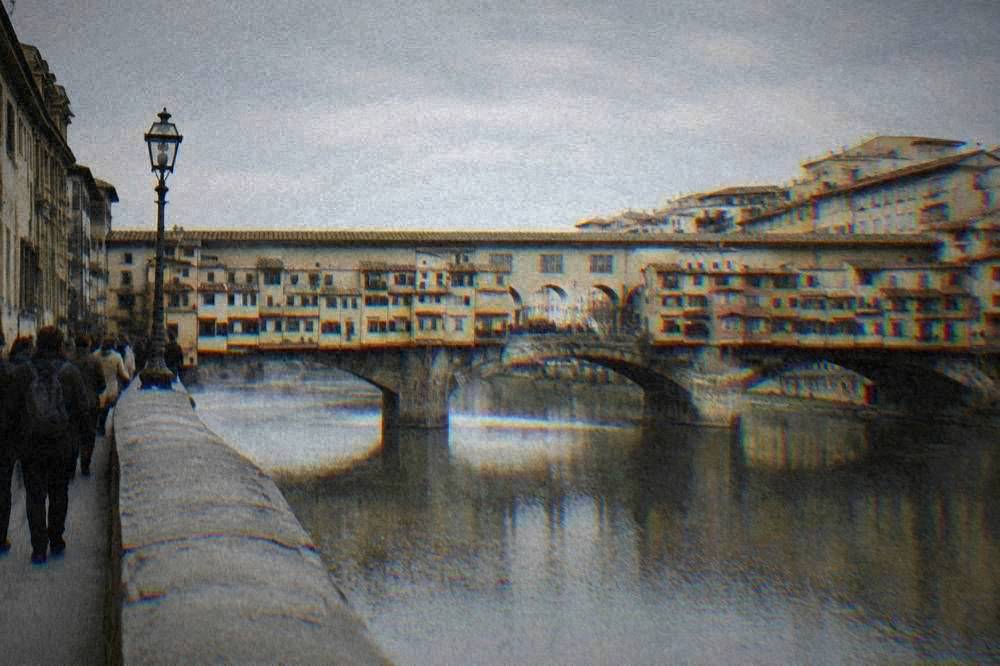
A one-day Florence itinerary should hold the cathedral complex, one major gallery booked in advance, and the walkable historic core between them, and nothing more. The cathedral with its dome, the Uffizi or the Accademia with a reserved entry, and the Ponte Vecchio with the streets around it fill a day at a human pace. Tickets and opening details for each site are on the official pages, and this page prints no entry price or hour it does not carry.
The honest framing for this itinerary is what a day can hold rather than what a city contains. Florence rewards depth: one booked gallery visited slowly beats three queues endured. Reserve the Uffizi or the Accademia before you leave Ravenna, because timed entry is the norm at both and walk-up availability on a same-day basis is a gamble no schedule should depend on.
A framework for the day, with the timing left to your own pace:
| Block | Place | What To Do |
|---|---|---|
| Early | Cathedral square | See the cathedral, the dome and the baptistery from outside first |
| Morning | One major gallery | A reserved entry at the Uffizi or the Accademia |
| Midday | Historic centre | Lunch away from the main square, then walk toward the river |
| Afternoon | Ponte Vecchio and the banks | Cross the bridge, climb toward the Piazzale Michelangelo viewpoint |
| Late | Return to the station | Leave margin for the Bologna connection back to Ravenna |
Two Florence-specific cautions come from the structure of the city rather than any personal visit. The historic centre is compact and mostly closed to traffic, so distances between the cathedral and the river are short on foot. And the main stations, Santa Maria Novella among them, sit on the edge of the centre, so the first and last half hours of the day are pure walking time.
For travellers who want the mosaic cities to keep the starring role, the same day-shape logic works in Ravenna at smaller scale, and the Ravenna mosaics in half a day itinerary shows exactly which timed entries fit a compressed morning. That page matters here because it answers the real question behind a Florence day trip: what gets cut from Ravenna when a day goes to Tuscany, and the answer is usually nothing that a disciplined half-day cannot cover.
If the whole prospect of self-managing two cities feels heavy, a guided option keeps the mosaic half of the trip in expert hands. The Mosaics Day Trip from Bologna covers Ravenna's mosaics with a guide, runs from either Bologna or Ravenna, and holds a strong rating across a substantial review count. Check availability
Should You Do Florence Or More Of Ravenna And Emilia-Romagna?
Choose Florence if Renaissance art is the specific reason you are here, and choose more of Ravenna and its region if the mosaics are the draw you came for. Ravenna holds eight UNESCO Early Christian monuments, inscribed in 1996, plus Dante's tomb, and the region adds Bologna, Ferrara, Faenza and the Po Delta, all reachable by the same rail network that carries the Florence trip.
The comparison is not close on UNESCO arithmetic alone. Ravenna's eight monuments, the Mausoleum of Galla Placidia, the Neonian Baptistery, Sant'Apollinare Nuovo, the Arian Baptistery, the Archiepiscopal Chapel, the Mausoleum of Theodoric, San Vitale and Sant'Apollinare in Classe, form one inscription, and the Ravenna Mosaici combo ticket binds five of them into a single purchase valid one week. Florence holds its own treasures, but a day trip samples them rather than exhausts them.
The regional alternatives, each with a page on this site:
| Day Trip | Segment Page | Best For |
|---|---|---|
| Bologna | Bologna day trip | Food, arcades, the rail hub you pass anyway |
| Venice | Venice day trip | Canals, a longer rail ride north |
| Ferrara | Ferrara day trip | A walled city and cycling streets |
| Faenza | Faenza day trip | Ceramics tradition close to Ravenna |
| Brisighella | Brisighella day trip | Hill villages and Romagna countryside |
| Comacchio | Comacchio day trip | Lagoon town and flamingo valleys |
| Rimini and San Marino | Rimini day trip and San Marino day trip | Coast and the mountaintop republic |
For the full menu, the good day trips from Ravenna answer page compares them all in one place. The short version: Florence is the farthest and the most famous of the set, and it earns its day only when Renaissance art is the stated goal.
The counter-case for staying put is strong in mosaic season. Reduced combo fares start at EUR 9.50 for two monuments, EUR 11.50 for four and EUR 13.50 for five, on the Ravenna Mosaici ticket page, and the reduced rate applies to students among others, with free entry for children 0 to 10 and Ravenna residents. A day in Florence costs a rail fare plus Tuscan prices; a day among the mosaics costs less than a Florentine lunch.
| Ravenna Ticket | Covers | Reduced Fare |
|---|---|---|
| 2-monument combo | Sant'Apollinare Nuovo, San Vitale | EUR 9.50 |
| 4-monument combo | Adds Galla Placidia, Neonian Baptistery | EUR 11.50 |
| 5-monument combo | Adds Archiepiscopal Museum and Chapel of St Andrew | EUR 13.50 |
What Does A Florence Day Trip Cost Compared With A Ravenna Day?
A Florence day trip costs a rail return plus Tuscent entry prices and meals, while a Ravenna day runs on the monument tickets alone, from EUR 9.50 reduced for two mosaics up to a handful of euro at the standalone sites. This page prints no train fare and no Florence entry price, the booking pages hold those figures, and the Ravenna side can be budgeted from the official prices printed below.
The Ravenna side of the ledger is fully public. Standalone prices on the official pages: the Mausoleum of Theodoric at EUR 6 with a EUR 5 concession and EUR 2 for ages 18 to 25, the Arian Baptistery at EUR 3, Sant'Apollinare in Classe at EUR 6 full and EUR 2 reduced, and Dante's tomb free. The state museums and monuments are free on the first Sunday of the month, which stacks neatly against a rainy-day plan.
| Ravenna Site | Full Price | Notes |
|---|---|---|
| Mausoleum of Theodoric | EUR 6 | EUR 5 concession, EUR 2 ages 18 to 25, combined EUR 7 with Arian Baptistery and Theodoric's Palace |
| Arian Baptistery | EUR 3 | No reduced rate listed |
| Sant'Apollinare in Classe | EUR 6 | EUR 2 reduced, in the Classe area outside the centre |
| MAR art museum | EUR 8 | EUR 6 reduced, EUR 3 students, closed Mondays |
| Museo Dante | EUR 5 | EUR 3.50 reduced, closed Mondays |
| Dante's tomb | Free | Hours shift between winter and summer seasons |
The Florence side of the ledger is deliberately blank here. Gallery and cathedral-complex prices change by season and by exhibition, and this site's sources carry none of them, so the official pages for each site hold the live figures. What can be said is structural: Florence's headline attractions are individually priced and individually queued, while Ravenna's five central monuments share one combo purchase, so the Tuscan day carries more transaction points than the mosaic day.
Food follows the same pattern. A useful hedge for the budget: eat the big meal in Ravenna before or after the trip, and keep the Florence lunch light.
Speaking of eating well without leaving the city, two cooking experiences on this site turn Romagna food into the activity itself. The Artisan Gelato Class, Gelateria and the Piadina Cooking Class both run in and around Ravenna and both fit an evening after a long train day better than a second restaurant seating.
When Is The Best Season For A Florence Day Trip From Ravenna?
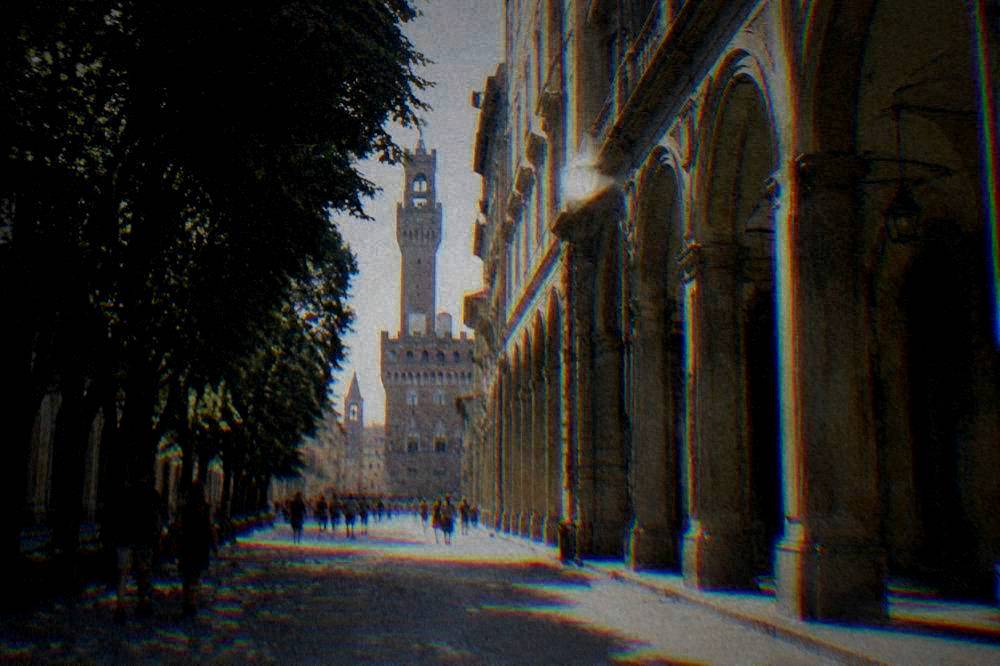
Spring and autumn are the seasons the climate table and the monument calendar both favour, with Ravenna at a mild mean of 13.1 C in April and 15.7 C in October, and its wettest month November at 78.3 mm. July and August sit at 25.2 C and 25 C mean in Ravenna's modelled 1991 to 2020 normals, and those months put queue heat on top of the Florence crowds.
The climate figures here are Ravenna's own, modelled ERA5 normals for 1991 to 2020, and they describe the Po-valley side of the Apennines; Florence, on the Tuscan side, runs its own numbers, which this site does not hold. The months that flatter both cities are the shoulder months, when Ravenna's rainfall is moderate and the mosaic interiors, which are small and time-managed, feel like relief rather than refuge.
| Month | Mean C | Precip mm |
|---|---|---|
| March | 9.4 | 54.9 |
| April | 13.1 | 66.0 |
| May | 17.9 | 58.2 |
| June | 22.6 | 45.6 |
| July | 25.2 | 38.1 |
| August | 25.0 | 44.7 |
| September | 20.3 | 57.9 |
| October | 15.7 | 66.0 |
| November | 10.6 | 78.3 |
July is the driest month in the table and November the wettest, and the practical reading is straightforward: a July trip trades rain risk for heat, a November trip trades mild walking weather for the year's heaviest rainfall. September and October split the difference, and October carries a bonus on the Ravenna side, the Notte d'Oro each October, when evening access to monuments is free.
One timing trap belongs to the Ravenna half of the trip. From 3 November 2026 to 6 March 2027 the mosaic monuments run winter hours, 10:00 to 17:00, so the morning window before a Florence train and the evening window after the return both shrink in winter. In summer hours, 9:00 to 19:00 through 2 November 2026, the same day holds more. Plan the season and the clock together, and the best time to visit Ravenna page expands on this at full length.
What Should You Book Before The Trip, And What Can Wait?
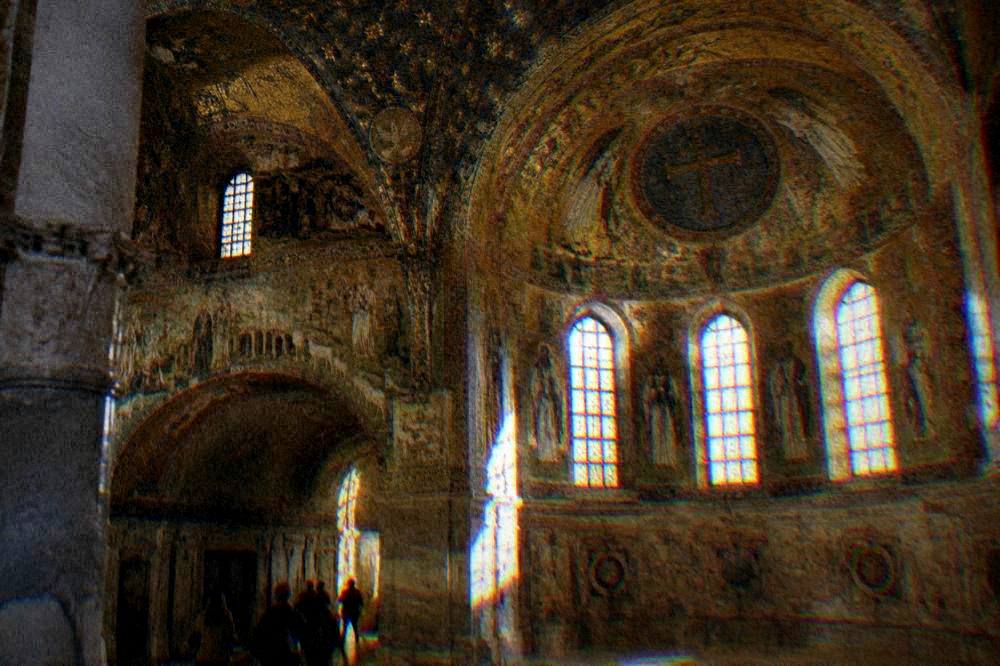
Book the rail legs, one Florence gallery slot and the Ravenna timed entries before you travel, and leave meals, minor museums and the beach segment to decide on the ground. Galla Placidia and the Neonian Baptistery need mandatory timed entry booking even with a combo ticket, San Vitale admits in slots, and the combo runs one week with one admission per monument.
The booking order matters more than the booking volume. Rail first, because the day's shape hangs on the departures. The Florence gallery second, because reserved entries are the scarce item there. The Ravenna timed entries third, because those slots, a few minutes each at Galla Placidia and the Neonian Baptistery, go to whoever books them, and a combo ticket does not exempt you from the reservation step.
What can safely wait: the Ravenna museums outside the combo set have their own tickets at the door, the MAR is EUR 8 full and EUR 6 reduced with no timed entry, and Dante's tomb is free with a short wait at busy hours. Food in Ravenna needs no reservation at the piadina level, though a Sunday table for a full Romagna lunch is worth securing. The coast, if the trip grows a beach day, needs nothing but the Start Romagna bus from the station, with fares shown at purchase.
One administrative note for drivers, since Florence day-trippers sometimes rent cars for the wider trip: Ravenna's historic centre runs a camera-enforced ZTL, some gates 7:30 to 20:30 and others 24 hours, a daily permit of about EUR 8 is bought at the parcometers, and hotels can issue guest authorisation, so confirm the arrangement at check-in before driving in. The details sit on the Ravenna parking and ZTL page.
How Does A Florence Day Fit Into A Longer Ravenna Stay?
A Florence day fits best as the middle or final day of a two or three day Ravenna stay, after the mosaic monuments are seen and before or after a coast or lagoon day. On a two day base, day one holds the mosaics and day two holds Florence; on three days, Florence slots into day two with the Po Delta or the coast taking day three, and the one week combo validity absorbs the shuffle.
The one-week validity of the Ravenna Mosaici combo is the quiet enabler of this whole plan. Because the ticket runs seven days with one admission per monument, a Florence excursion in the middle of the week costs Ravenna nothing but calendar space, and the timed entries can sit either side of the train day. Travellers on the one day in Ravenna plan should not attempt the Florence side trip at all; the mosaic itinerary alone fills that day.
A sample three-day shape:
| Day | Morning | Afternoon | Evening |
|---|---|---|---|
| One | San Vitale and Galla Placidia on timed entries | Neonian Baptistery, Sant'Apollinare Nuovo, Archiepiscopal Museum | Dante's tomb, free, open to 19:00 in the April to October season |
| Two | Early train toward Florence via Bologna | Florence: gallery, cathedral square, the river | Return train to Ravenna |
| Three | Sant'Apollinare in Classe and the Classis Ravenna museum in the Classe area | Beach or pinewood, by Start Romagna bus from the station | Piadina dinner in the centre |
Day three deserves its own caution: Sant'Apollinare in Classe and the Classis Ravenna museum sit outside the centre in the Classe area, with the basilica open Monday to Saturday 8:30 to 19:00 and Sunday from 13:30 to 19:00, so pair that visit with the coast rather than squeezing it before a train. The two days in Ravenna and three days in Ravenna pages build these shapes out fully, and the one day in Ravenna answers page handles the compressed case.
For cruise passengers the calculus changes again: the port shuttle runs from the centre and the station to the Porto Corsini terminal, about 30 minutes, between 3 May and 26 October in the 2026 schedule, so a Florence day and a cruise day rarely share a calendar. The Ravenna cruise port day page covers that scenario end to end.
Common Questions About Florence Day Trips From Ravenna
Can you take a train from Ravenna to Florence?
Yes. Trains connect Ravenna with Florence through Bologna Centrale, and the regional rail timetable gives the day's departures, with the Ravenna to Bologna leg running about 84 km by direct regional train. Fares and exact times show at booking.
How many days should you stay in Ravenna if you also want a Florence day trip?
Two days minimum, three comfortably. Day one covers the mosaic monuments on timed entries, day two goes to Florence, and an optional day three covers Sant'Apollinare in Classe, the Classis Ravenna museum and the coast. The one-week combo ticket absorbs the shuffle.
Is Florence or Bologna the better day trip from Ravenna?
It depends on the goal. Bologna is the closer regional capital and sits on the same rail line the Florence trip uses, about 84 km away by direct regional train, while Florence is the farther, bigger draw for Renaissance art. Travellers short on time get more margin with Bologna.
Do you need to book Ravenna mosaic tickets before a Florence day trip?
Yes, if you want the timed entries. Galla Placidia and the Neonian Baptistery require a booked entry time even with a combo ticket, and San Vitale admits in slots. Reduced combo fares start at EUR 9.50 for two monuments on the official ticket page.
What is the wettest month for this trip?
November, at 78.3 mm in Ravenna's modelled 1991 to 2020 normals, with July the driest at 38.1 mm. Shoulder months such as April and October balance mild temperatures against moderate rainfall.
Is the Ravenna cruise port an option for a Florence excursion?
Not on the same day in practice. The shuttle between the centre and the Porto Corsini terminal runs about 30 minutes, 3 May to 26 October in the 2026 schedule, and the port's new terminal inauguration is reported for spring 2027.
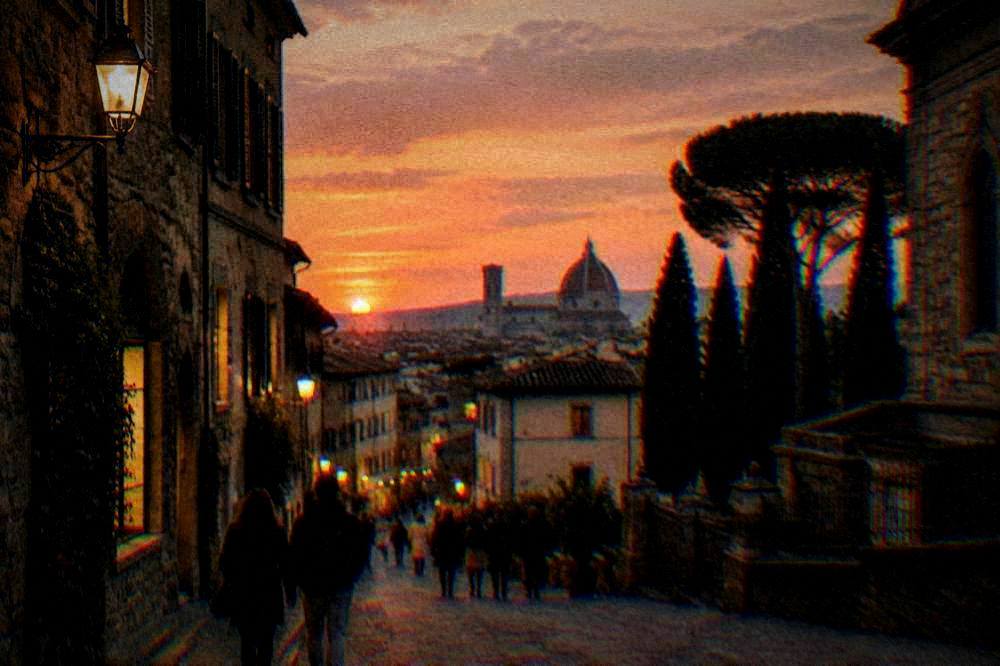
The train back from Florence arrives in a city where the mosaics stay open into the evening in summer season, where the biggest decision left is which piadina stand answers the late hunger, and where the eight UNESCO monuments wait, unhurried, for the morning. A piadina cooking class the next day turns that last decision into the trip's finale, and it closes a Tuscan detour the way Romagna does things, flatbread first, timetable after.
Before you go, the pick for this guide:
City Highlights Guided Walk
★ 4.9 4 reviews · From $229
Check availability →