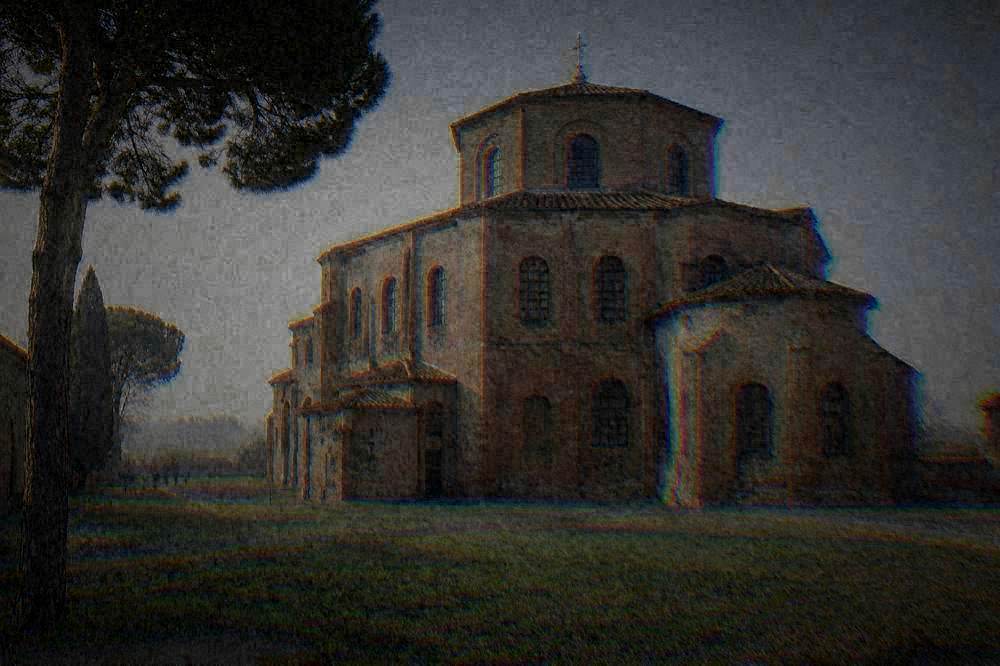
Ravenna 3 Day Itinerary
Three days is enough to see all eight UNESCO monuments in Ravenna, visit Dante's tomb, reach the basilica at Classe and still have time for the coast or a day trip, and this itinerary lays out exactly how the days divide.
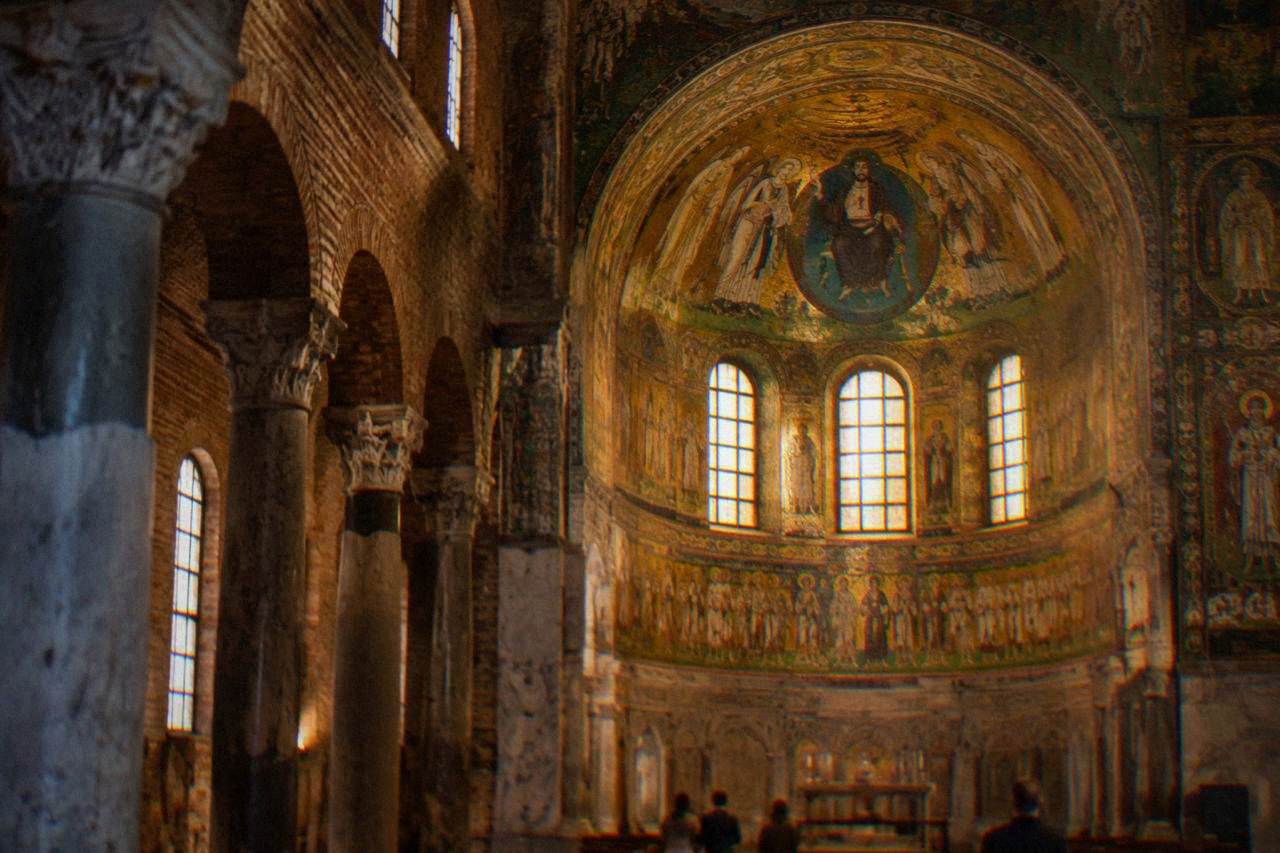
Short answer
Day one covers the five central mosaic monuments on the combo ticket, day two adds Dante's tomb, the Mausoleum of Theodoric and the museums, and day three goes to Sant'Apollinare in Classe, Classis Ravenna and either the coast or a day-trip city such as Bologna or Ferrara.
Ravenna, the inland Po-valley city in Emilia-Romagna whose historic centre sits about 8 km from the Adriatic coast, rewards three days better than almost any city of its size in Italy: eight UNESCO Early Christian monuments with Byzantine mosaics, the free tomb of Dante, a working mosaic tradition, and a string of beach resorts and day-trip cities within easy reach. Two days cover the mosaics and the centre at a push; three days let you add the basilica at Classe, the Po Delta wetlands or the coast without rushing a single gold-ground apse. This itinerary spreads the monuments so no day becomes a mosaic blur, keeps ticket logistics in one place, and leaves the third day open between the coast, the lagoons and Bologna or Ferrara.
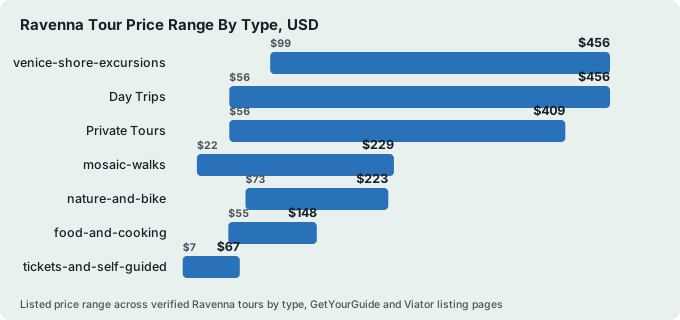
How Should You Shape A Three-Day Ravenna Itinerary?
Split the visit by geography rather than by theme: day one takes the five central UNESCO monuments inside the medieval street grid, day two stays in the centre for Dante's tomb, the Mausoleum of Theodoric and the museums, and day three leaves town for Sant'Apollinare in Classe, the Classis Ravenna museum and the coast or a day trip. Ravenna's centre is small and flat, and the railway station is a short walk from it, so the walking load is light even on the dense days. The Ravenna Mosaici combo ticket is valid one week with one admission per monument, so a three-day stay fits comfortably inside a single purchase. Timed entry at the Mausoleum of Galla Placidia and the Neonian Baptistery, where stays are a few minutes each, means those two slots should be booked with breathing room around them.
The rhythm matters more than the order. The Ravenna Mosaici ticket page lists summer hours of 9:00 to 19:00 from 8 March to 2 November 2026 and winter hours of 10:00 to 17:00 from 3 November 2026 to 6 March 2027, closed 25 December and 1 January. In winter, with last admissions at 16:30 and 16:45, two monuments before lunch and two after is a realistic pace. In summer the long evenings free the late afternoon for the piazzas.
A private guide on one of the three days buys context the mosaics do not explain on their walls. The exclusive private walking tour with a local expert covers the centre with a guide who can answer questions on the spot; the basics are also laid out in the site's one day in Ravenna plan and the longer two days in Ravenna breakdown.
What Should Day One In Ravenna Cover?
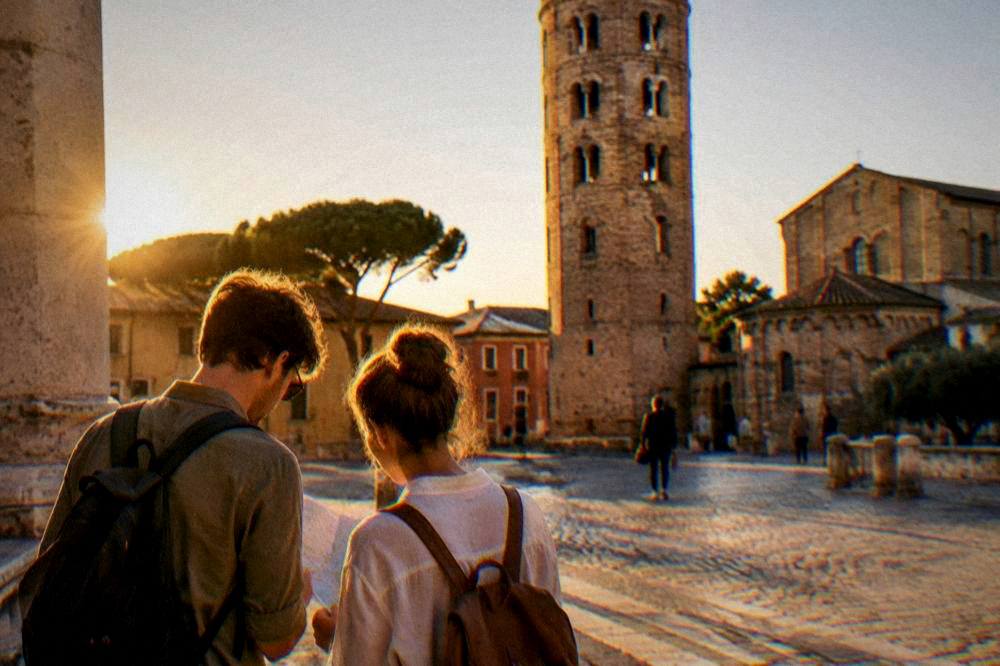
Day one should take the five central UNESCO monuments on the Ravenna Mosaici combo ticket in one connected walk: San Vitale, the Mausoleum of Galla Placidia, the Neonian Baptistery, Sant'Apollinare Nuovo and the Archiepiscopal Museum with its Chapel of St Andrew. Reduced fares start at EUR 9.50 for the two-monument ticket covering Sant'Apollinare Nuovo and San Vitale, EUR 11.50 for the four-monument version that adds Galla Placidia and the Neonian Baptistery, and EUR 13.50 for the five-monument version that adds the Archiepiscopal Museum and Chapel; the official page carries the full prices. Galla Placidia and the Neonian Baptistery require a booked entry time, and San Vitale admits in slots, so the day should be built around those reservations. Everything sits within a short walk of everything else.
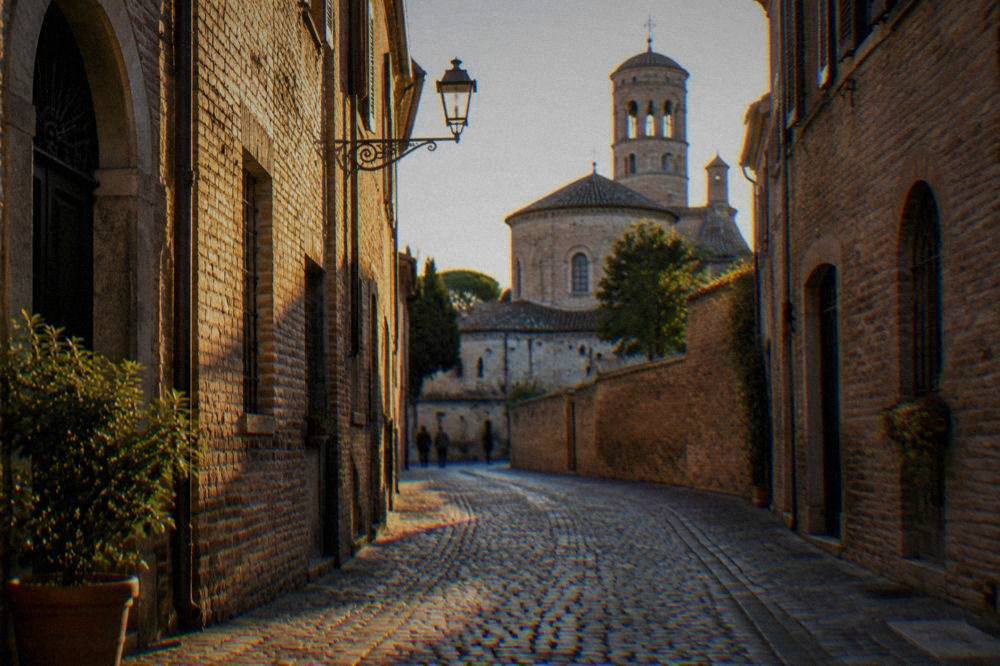
Start at San Vitale, the largest and most generous of the interiors, where the apse mosaic and the side panels reward a slow circuit. The basilica of San Vitale guide details what to look for, and the mausoleum of Galla Placidia sits steps away, its blue vault best understood by simply standing still for the few minutes the timed stay allows. The Neonian Baptistery is a five-minute walk north, its dome mosaic best seen lying back or craning from the benches.
Afternoon belongs to Sant'Apollinare Nuovo, whose processional mosaics run the full length of the nave; the basilica of Sant'Apollinare Nuovo page maps the three registers. Finish at the Archiepiscopal Museum and its Chapel of St Andrew, the quietest of the five and the one visitors without the five-monument ticket most often miss. Piazza del Popolo and the café terraces around it make the natural end of the walking day.
A guided morning takes the interpretive weight off the mosaics. Beyond the private walk, the private tour with a Byzantine mosaics focus stays inside the same five monuments, and the guided highlights tour with admission included bundles the ticketing; solo cards below show what each covers.
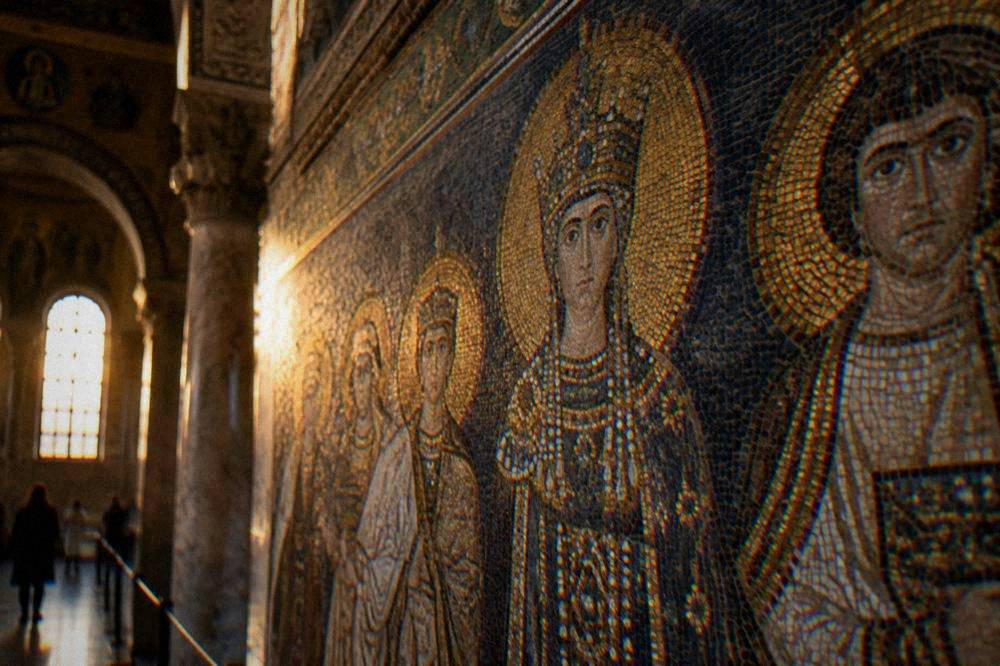
The table below is the working plan for day one, with the timed entries flagged where they matter.
| Stop | Monument | Ticket | Timing note |
|---|---|---|---|
| 1 | San Vitale | 2, 4 or 5 monument combo | Admission in slots |
| 2 | Mausoleum of Galla Placidia | 4 or 5 monument combo | Booked entry time, stay of a few minutes |
| 3 | Neonian Baptistery | 4 or 5 monument combo | Booked entry time, stay of a few minutes |
| 4 | Sant'Apollinare Nuovo | 2, 4 or 5 monument combo | No slot needed |
| 5 | Archiepiscopal Museum and Chapel | 5 monument combo | Closes 30 minutes before the site |
What Should Day Two In Ravenna Cover?
Day two should stay in and around the centre for Dante's tomb, which is free, the Mausoleum of Theodoric at EUR 6 with a EUR 5 concession and EUR 2 for ages 18 to 25, the Arian Baptistery at EUR 3, and one or two museums such as the MAR at EUR 8 reduced to EUR 6, or the Museo Dante at EUR 5. Theodoric's monument can be combined with the Arian Baptistery and Theodoric's Palace for EUR 7, a separate purchase from the Ravenna Mosaici combo, which makes day two the day of the small state-run sites. Dante's tomb keeps 10:00 to 18:00 from November to March and 10:00 to 19:00 from April to October, free, closed only 25 December. None of this needs pre-booked times, so day two can start late.
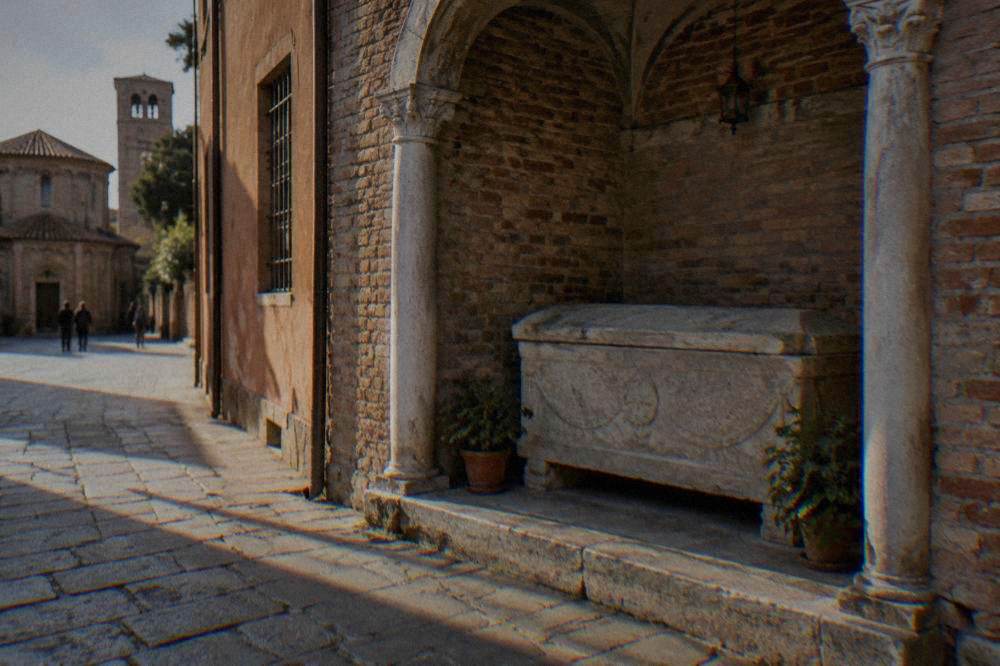
Dante first, before the school groups: the Dante's tomb page explains the funeral lamp and the oil offering the Comune di Firenze sends each second Sunday of September. From there the walk to the Arian Baptistery passes the pedestrian streets where the food shops sell piadina by the piece, and the Mausoleum of Theodoric stands a little apart, its massive stone drum unlike anything else in the city; it opens 8:30 to 17:30 with last admission 30 minutes before closing.
The afternoon has three honest options. The MAR, open Tuesday to Saturday 9:00 to 18:00 and Sunday afternoons, closed Mondays, carries contemporary shows alongside the city collection. The Museo Nazionale, EUR 7 with a EUR 2 reduced rate, closed Mondays, holds late-antique material beside the cloisters. Or skip museums entirely and give the afternoon to a mosaic workshop, the still-living half of Ravenna's craft, covered in the Ravenna mosaic workshops guide and reachable from the things to do in Ravenna overview.
If a second guided block appeals, the highlights-and-mosaics guided tour with admission included pairs a walk with the entry tickets, which removes the booking chore on a day already carrying several small purchases.
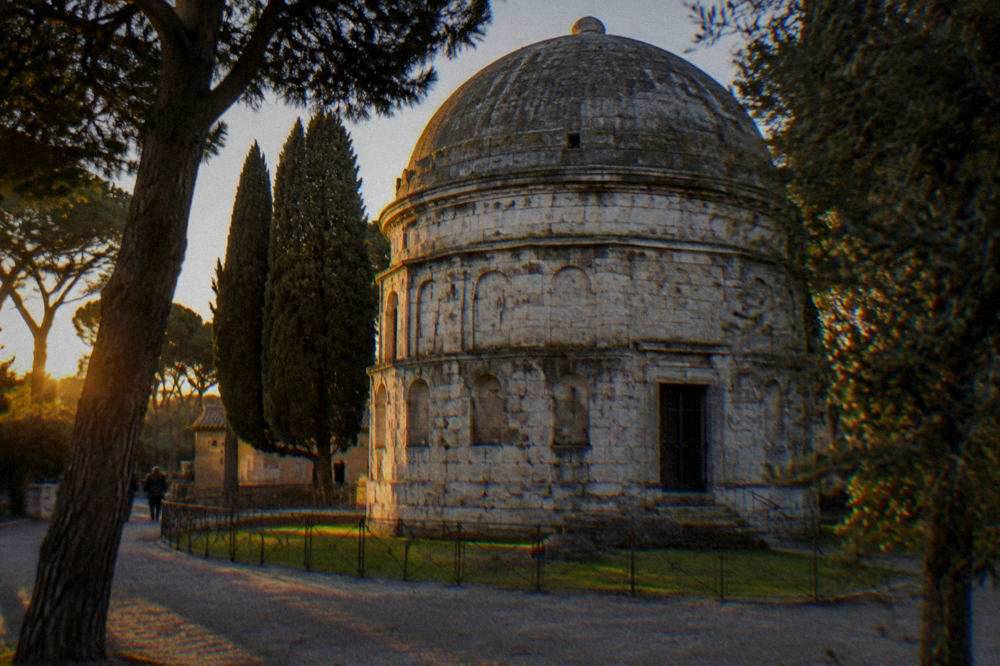
Day two's small sites at a glance:
| Site | Entry | Hours as listed | Combined option |
|---|---|---|---|
| Dante's tomb | Free | 10:00-18:00 Nov-Mar, 10:00-19:00 Apr-Oct | None needed |
| Mausoleum of Theodoric | EUR 6, EUR 5 concession, EUR 2 ages 18-25 | 8:30-17:30 daily | EUR 7 with Arian Baptistery and Theodoric's Palace |
| Arian Baptistery | EUR 3 | 9:00-17:00 | Included in the EUR 7 three-site ticket |
| MAR | EUR 8, EUR 6 reduced, EUR 3 students | Tue-Sat 9:00-18:00, Sun 15:00-19:00 | None |
| Museo Dante | EUR 5, EUR 3.50 reduced | Tue-Sun, closed Mondays | Combined with Casa Dante |
What Should Day Three In Ravenna Cover?
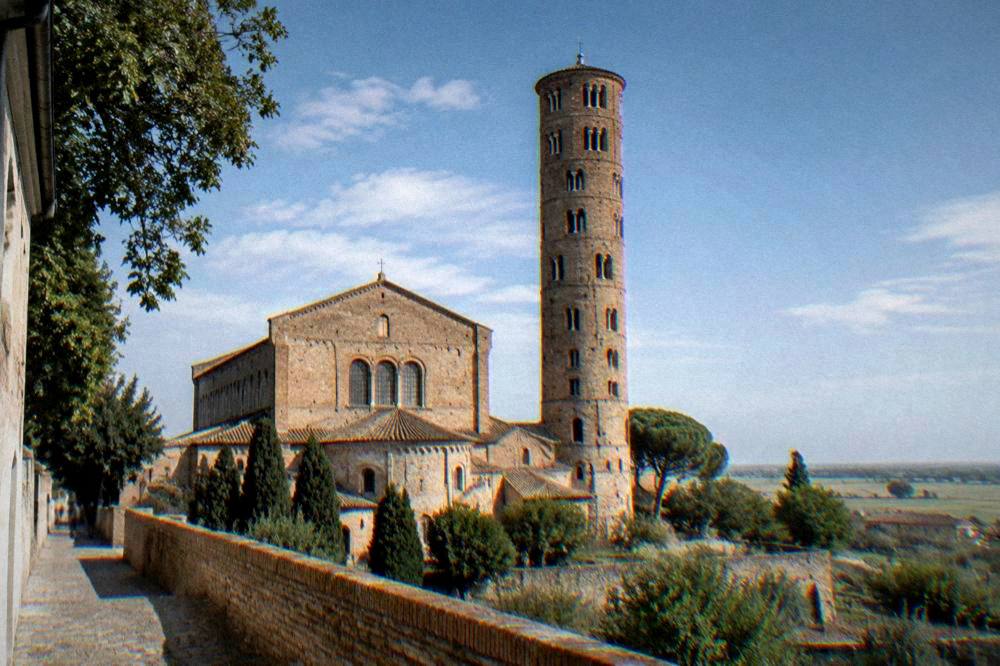
Day three should leave the centre for Sant'Apollinare in Classe, EUR 6 full and EUR 2 reduced, open Monday to Saturday 8:30 to 19:00 and Sunday 13:30 to 19:00, together with the Classis Ravenna museum at about EUR 8 full and EUR 6 reduced, then finish either on the coast at Marina di Ravenna or on a day trip to Bologna, about an hour to an hour and 20 minutes away by direct regional train. Classe lies outside the centre, so the morning is a short bus or taxi ride rather than a walk, and the basilica's green-meadow apse mosaic is the single most serene image in the Ravenna set. The Classis Ravenna museum, open daily 10:00 to 17:00, absorbed the TAMO mosaic collection after that museum closed in 2023. The afternoon choice between coast and city is a genuine fork, not a ranking.
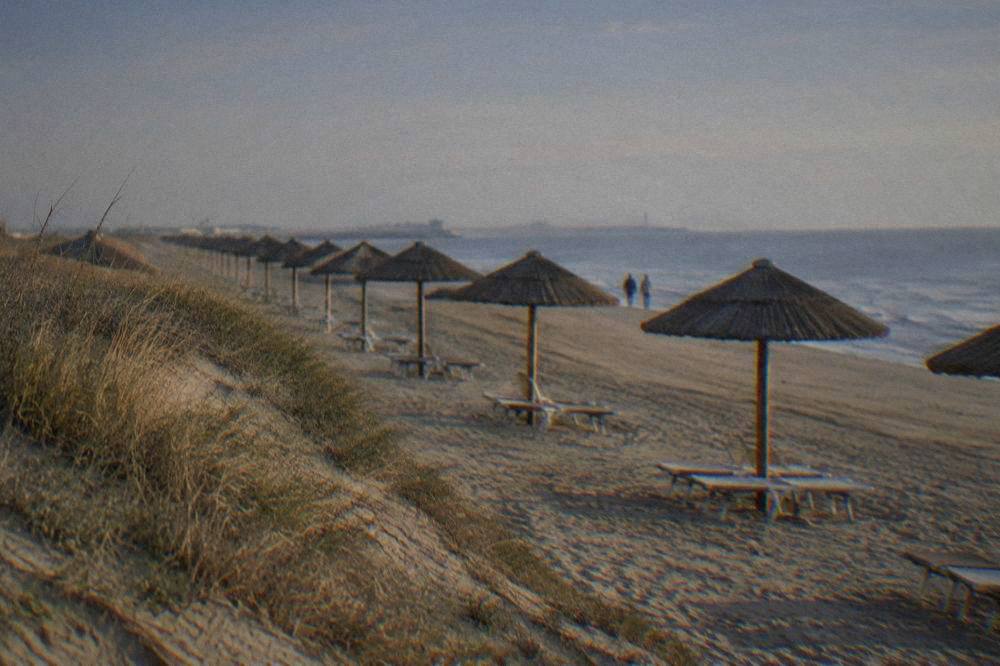
The coast option: Ravenna's beaches, Marina di Ravenna, Punta Marina, Lido Adriano, Lido di Classe and Lido di Savio along roughly 35 km of shoreline, sit at least 8 km from the centre and are reached by Start Romagna bus from the station. Note the winter shape of the shore: a 25,000 cubic metre sand barrier is built each autumn at Punta Marina, Marina di Ravenna Sud and Lido di Savio and stays until spring, so a winter beach walk is a walk beside a dune, not an open strand. The Ravenna and the coast itinerary covers the resorts in detail.
The day-trip option: Bologna is the default, with direct regional trains via Castelbolognese covering about 84 km; the Bologna day-trip guide sketches the plan, and the good day trips from Ravenna roundup lists Ferrara, Faenza, Comacchio and the Po Delta alongside it. Cruise passengers working with a single day instead of three should use the dedicated Ravenna cruise port day itinerary, since the port at Porto Corsini is about 15 km out and the shuttle runs about 30 minutes on the dates the Visit Ravenna page lists.
Ferrara and Comacchio can share a guided day. Book a Ferrara and Comacchio day tour here.
The third day is also the right day for the private walking tour with a local expert if it has not been used yet, since a guide can fold the Classe story and the day-trip logistics into one conversation. The wider set of guides lives on Ravenna Travel Guide.
The day-three fork in numbers:
| Option | Main sight | Listed cost | Reach |
|---|---|---|---|
| Classe morning | Sant'Apollinare in Classe | EUR 6, EUR 2 reduced | Bus or taxi from the centre |
| Classe morning | Classis Ravenna museum | About EUR 8, EUR 6 reduced | Beside the basilica area |
| Coast afternoon | Marina di Ravenna and the other lidi | Bus fare, confirm locally | Start Romagna bus from the station |
| Bologna afternoon | Bologna historic centre | Train fare, confirm at booking | Direct regional train, about 1 hour to 1 hour 20 |
| Nature afternoon | Po Delta and Cervia salt pans | Visitor centre hours vary | Car or bus, check the park page |
How Many Hours A Day Does This Ravenna Itinerary Actually Take?
A full day one with the five central monuments runs roughly five to six hours including walks and breaks, day two with Dante, Theodoric and one museum runs about four to five hours, and day three with Classe, Classis Ravenna and either the coast or Bologna fills six to seven hours door to door. The Ravenna Mosaici hours set the frame: 9:00 to 19:00 in summer, 10:00 to 17:00 in winter, with the timed monuments closing entries at 16:45 in the winter schedule. Nothing in the centre requires more than a short walk between stops. The limiting factor is never distance; it is the opening rhythm of the state sites, several of which keep short or shifted hours on Mondays.
That is why the itinerary front-loads the combo-ticket monuments on day one and leaves the flexible small sites for day two. It also assumes the one-admission-per-monument rule is respected: the combo is valid one week, but a monument cannot be re-entered on the same ticket, so anyone who wants a second look at San Vitale should plan it as a second ticket or accept the single pass-through.
Season adjusts the plan more than crowd levels do. In winter, days shorten: the last timed entries at 16:30 and 16:45 mean day one's five monuments must begin by early afternoon at the latest. In summer the 19:00 close allows a late start after a morning on the coast, a swap some visitors prefer for the Ravenna weekend plan as well.
Seasonal pacing at a glance:
| Season | Monument hours | Realistic daily shape | Best third-day pick |
|---|---|---|---|
| Summer, to 2 Nov 2026 | 9:00-19:00 | Mosaics morning, coast afternoon, second monument block at 17:00 | Coast or Comacchio |
| Winter, 3 Nov 2026 to 6 Mar 2027 | 10:00-17:00 | All mosaics inside 10:00 to 16:45, evenings free | Bologna or the museums |
| Spring 2027 | Returns to the summer page schedule | Confirm on the Ravenna Mosaici page | Po Delta birding |
What Practical Details Change A Three-Day Ravenna Plan?
The details that actually move a three-day plan are the tourist tax of about EUR 1 to EUR 4 per night depending on the hotel category, always confirmed at booking; the camera-enforced ZTL around the historic centre, where a daily permit of about EUR 8 is bought at the 24-hour parcometers and hotels can issue guest authorisation; and rain, for which Ravenna's all-indoor mosaic circuit is unusually well suited. A car is not needed for days one and two, since the centre is walkable and the station is a short walk from the core, but day three's coast-or-Delta fork is easier with the bus network or a car. The euro is the currency, 112 is the emergency number, and petty theft around tourist sites is the ordinary urban caution rather than a destination-specific risk.
Food needs no scheduling beyond the Italian rhythm: piadina stands, cappelletti in brodo and Romagna wines are covered dish by dish in the Ravenna food guide, and a cover charge, the coperto, is legal when printed on the menu, with tipping never obligatory. Rain days swap neatly, because every monument and museum on this itinerary is indoors; the Ravenna in the rain itinerary does exactly that reshuffle, and the half-day mosaic plan at Ravenna mosaics in half a day shows how much survives a compressed schedule.
Where to sleep matters less than in bigger cities because the centre is compact; the where to stay in Ravenna guide and the best hotels in Ravenna roundup sort the areas, and the is Ravenna worth visiting question answers the sceptical travel companion.
Practical quick reference:
| Item | Figure | Note |
|---|---|---|
| Tourist tax | About EUR 1 to EUR 4 per night by hotel category | Confirm at booking |
| ZTL daily permit | About EUR 8 | 24-hour parcometers; hotels can authorise guests |
| Currency | Euro (EUR) | Card widely taken in the centre |
| Emergency number | 112 | Single European number |
| Cruise shuttle | About 30 minutes, centre to Porto Corsini | Dates on the Visit Ravenna page |
Common Questions About A Ravenna 3 Day Itinerary
Is three days in Ravenna too many?
Three days is comfortable rather than too many: two days cover the central UNESCO monuments and Dante's tomb, and the third absorbs Sant'Apollinare in Classe, the Classis Ravenna museum and the coast or a day trip without compressing the mosaics.
Can you see all eight UNESCO monuments in Ravenna in three days?
Yes, easily. Day one takes the five central monuments on the combo ticket, day two adds the Mausoleum of Theodoric and the Arian Baptistery, and day three's morning at Sant'Apollinare in Classe completes the eight.
What does the Ravenna Mosaici combo ticket cost?
Reduced fares start at EUR 9.50 for two monuments, EUR 11.50 for four and EUR 13.50 for five, valid one week with one admission per monument; the official Ravenna Mosaici page lists the full prices and the entry-time rules.
Should day three be the coast or Bologna?
Both work: the coast needs the Start Romagna bus and at least 8 km of travel from the centre, while Bologna is about an hour to an hour and 20 minutes by direct regional train, so in winter, when a sand barrier sits on parts of the shore until spring, the city trip is the surer bet.
Do you need to book Ravenna monument entry times in advance?
Yes for the Mausoleum of Galla Placidia and the Neonian Baptistery, where entry-time booking is mandatory and stays last only a few minutes; San Vitale admits in slots. The other monuments need no booked time.
Is Ravenna walkable enough for a three-day itinerary without a car?
Yes for days one and two: the historic centre is small, flat and pedestrian-friendly, and the station is a short walk from the core. Day three needs the bus, a taxi or a car for Classe, the coast or the Delta.
Follow the split, book the two timed monuments early, and three days in Ravenna will hold all eight UNESCO sites, Dante's free tomb, a basilica in the countryside and still one afternoon of sea or city beyond it.