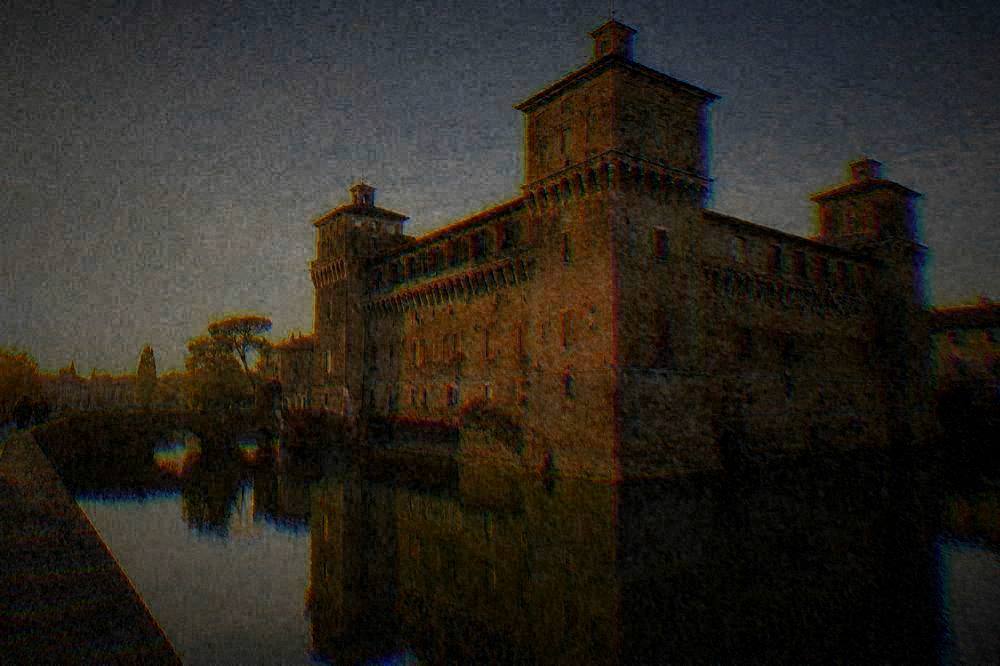
Ravenna To San Marino
San Marino sits on a limestone ridge south of Rimini, and Ravenna is the practical rail starting point for it. This guide sets out the route, the timing, the sights on the mountain, and how to weigh the trip against Ravenna's own UNESCO monuments.
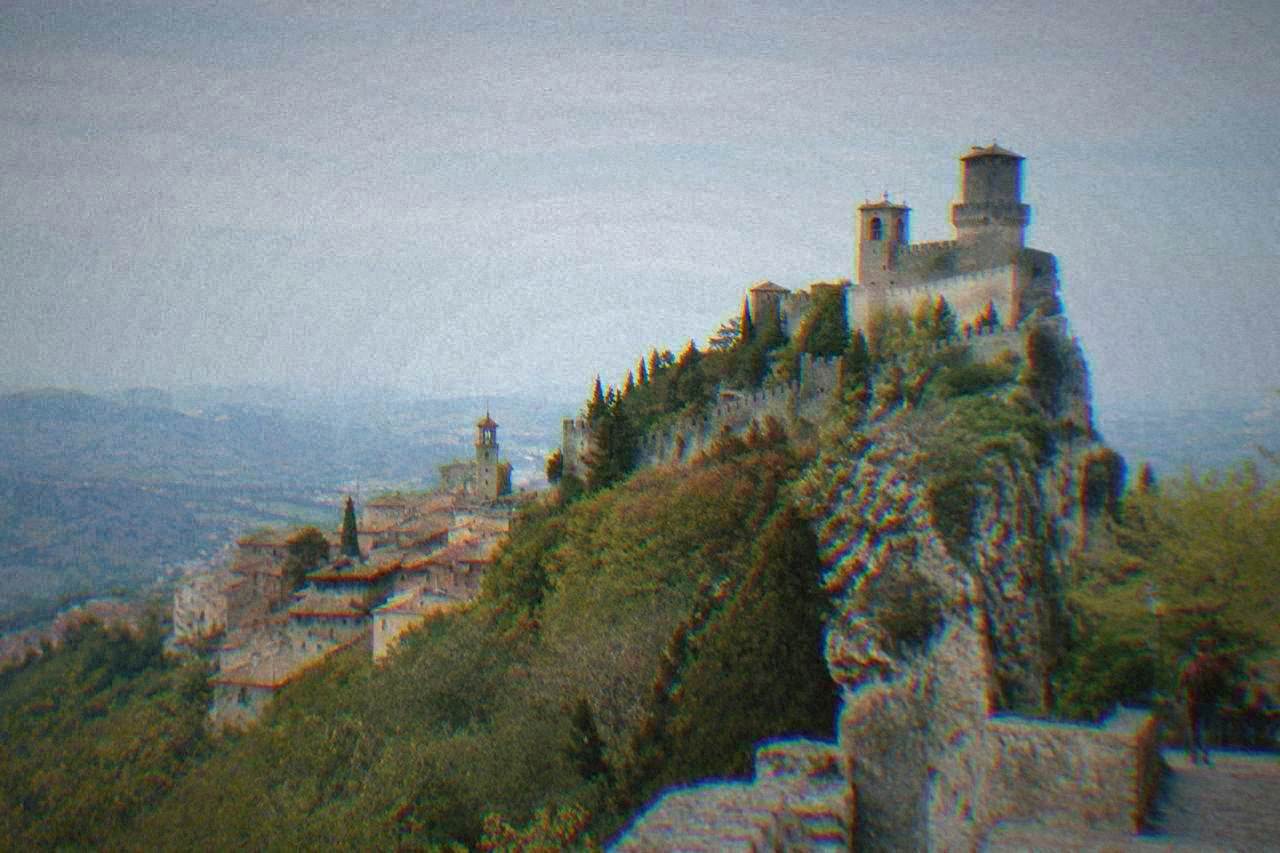
Short answer
The practical route is a direct regional train from Ravenna to Rimini, about 42 to 58 minutes, then a bus up to San Marino old town. Allow a full day, leave early, and keep Ravenna's own eight UNESCO monuments for separate days.
San Marino stands on Mount Titano above the Romagna plain, an independent republic reached from Ravenna by way of Rimini. Ravenna, an inland Po-valley city in Emilia-Romagna, Italy, about 8 km from the Adriatic coast, is the rail head for the trip: direct regional trains run to Rimini, and from Rimini a bus climbs to the old town. This guide, from the Ravenna Travel Guide editorial desk, sets out what the timetables and official listings say, what a day on the mountain holds, and how the trip compares with spending that day among Ravenna's mosaics.
How Do You Get From Ravenna To San Marino?
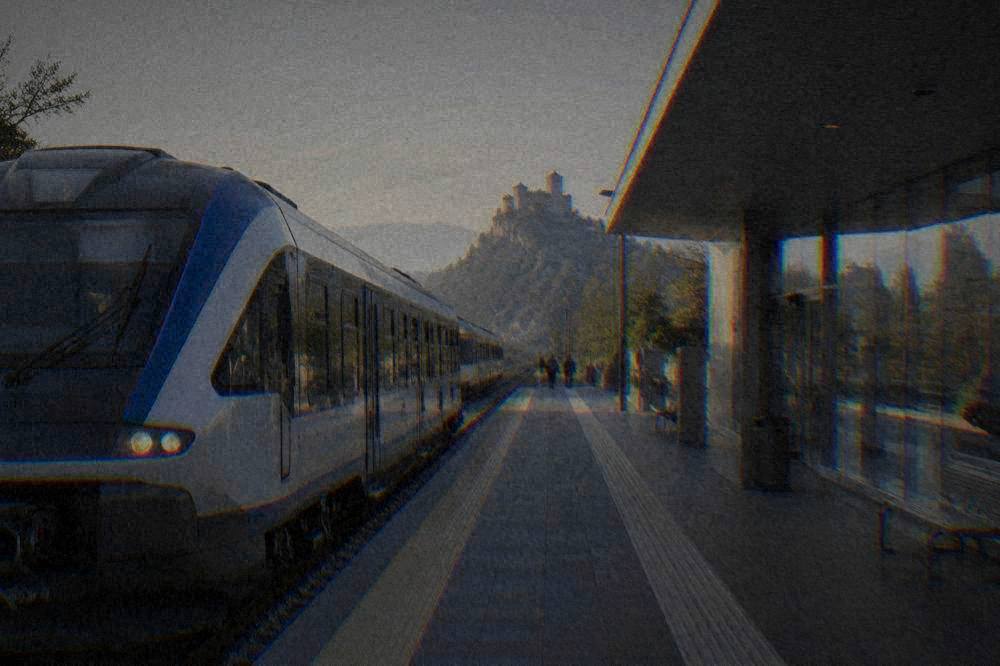
The route is a direct regional train from Ravenna to Rimini, about 42 to 58 minutes according to timetable summaries, then a bus from Rimini up to San Marino old town. There is no rail line to the republic itself, so Rimini is always the transfer point. The regional rail timetable gives several direct Ravenna to Rimini trains a day, which makes an early start workable from Ravenna's station, a short walk from the historic centre.
The regional rail timetable shows the Ravenna to Rimini leg as a direct regional service. No fare figure for that leg goes on this page: the live price sits on the operator's own booking page. From Rimini station, the onward connection to San Marino is a scheduled public bus, and its timetable and fare are published by the San Marino transport operator; confirm both at the station or on the operator's page before you travel. The bus climbs from the plain to the ridge and stops within walking distance of the old town gates.
Two practical cautions from the autumn 2026 transport file. Bridge maintenance suspended Ravenna to Rimini trains on two weekends in October 2026, with regional trains replaced by buses, so check the operator's service news for your date. Strike dates in late October 2026 also touched Emilia-Romagna regional services, with guaranteed-service windows in the early morning and evening. Neither affects every day, but both are reasons to check the day-before status rather than assume a quiet Saturday.
| Leg | Mode | What The Sources Say |
|---|---|---|
| Ravenna to Rimini | Direct regional train | About 42 to 58 minutes, per timetable summaries |
| Rimini to San Marino old town | Scheduled public bus | Timetable and fare on the San Marino operator's page |
| Ravenna station to historic centre | On foot | A short walk, per the municipal transport pages |
Coming back, the same two legs apply in reverse. The last buses down from San Marino run in the early evening in the published timetables, and the mountain road is not a place to gamble on a late connection, so plan the descent while the bus stop boards are still readable. In bad weather the ridge can sit in cloud even when Ravenna is clear, and the site's own advice is to check conditions before committing the day.
Is San Marino Worth The Day Trip From Ravenna?
San Marino is worth the trip if you want a walled mountain republic with tower views over the Romagna coast and plain, reached in half a day of travel from Ravenna. It is not worth it if you came for mosaics, because Ravenna's eight UNESCO Early Christian monuments hold more of what this region is famous for, and a day spent on the mountain is a day not spent in front of San Vitale's gold-ground vaults.
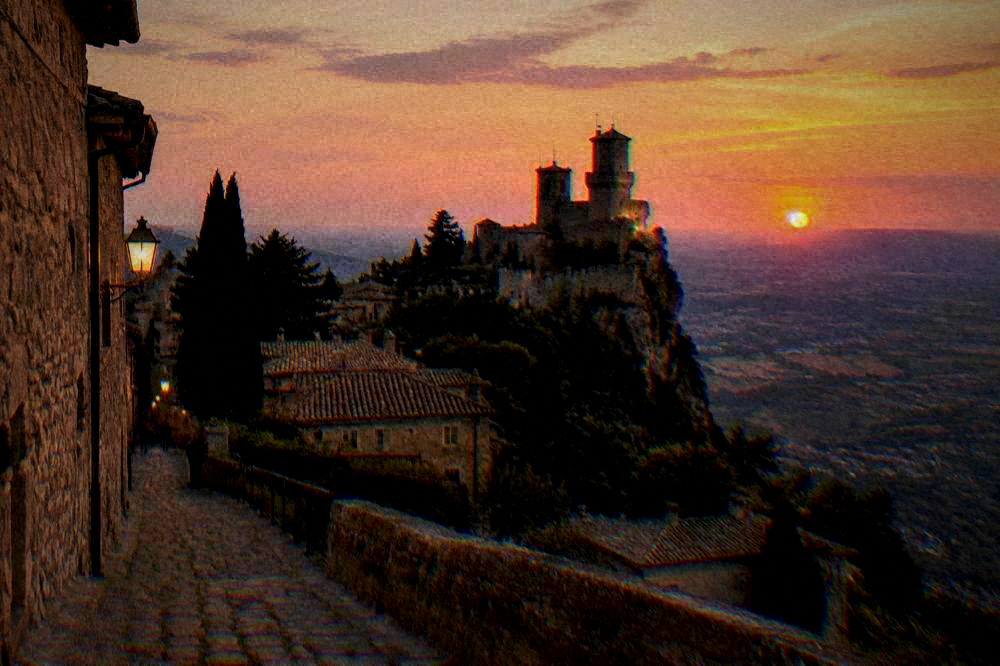
The case for the trip is variety. Ravenna is flat, brick and mosaic; San Marino is steep, stone and panoramic. The old town is a pedestrian web of lanes between three towers on Mount Titano, with views that reach, on clear days, across the whole Adriatic coast. For a fuller argument on the touristy side of the question, the site carries a dedicated piece at is San Marino too touristy, which weighs the crowds against the walk itself.
The case against is opportunity cost. Ravenna holds eight UNESCO monuments listed together in 1996: the Mausoleum of Galla Placidia, the Neonian Baptistery, Sant'Apollinare Nuovo, the Arian Baptistery, the Archiepiscopal Chapel, the Mausoleum of Theodoric, San Vitale and Sant'Apollinare in Classe. Reading that list is itself the argument: a day trip costs you at least three of them. Many itineraries in the site's guides section solve this by giving San Marino a slot only after the mosaic core is done, and the one day in Ravenna plan keeps every hour inside the city.
A middle path exists. Some travellers take the morning train to Rimini, climb to San Marino for the middle of the day, and return to Ravenna for a late-afternoon visit to a monument with long hours. The Ravenna Mosaici page lists summer hours of 9:00 to 19:00 for the core monuments, which makes an early-evening entry to Sant'Apollinare Nuovo or the Archiepiscopal Museum feasible on the same ticket. In winter, from 3 November 2026 to 6 March 2027, the same page lists 10:00 to 17:00, which closes that door.
What Can You See In San Marino In One Day?
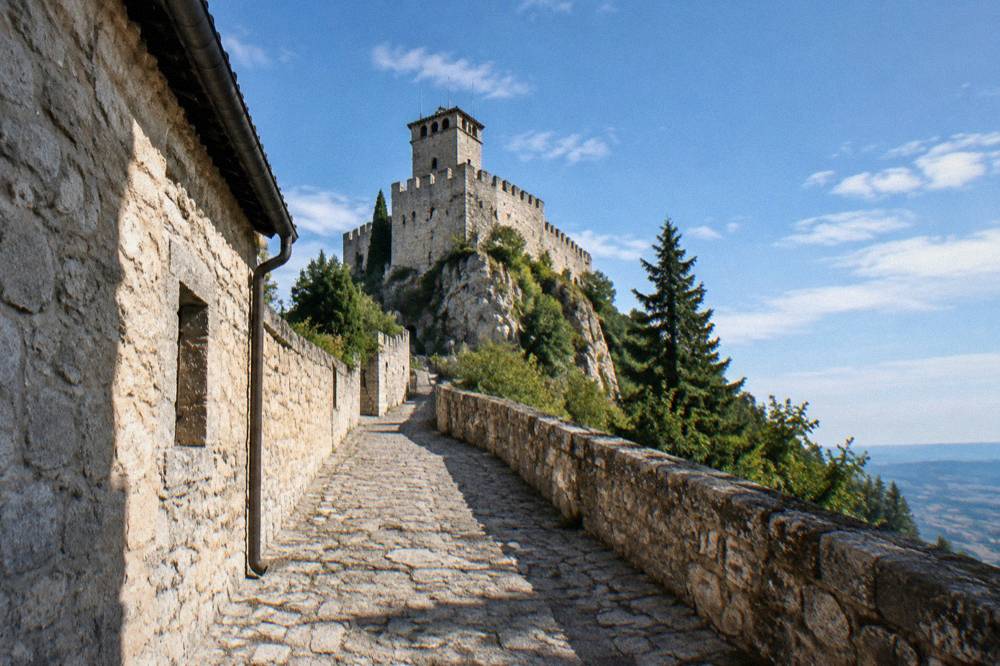
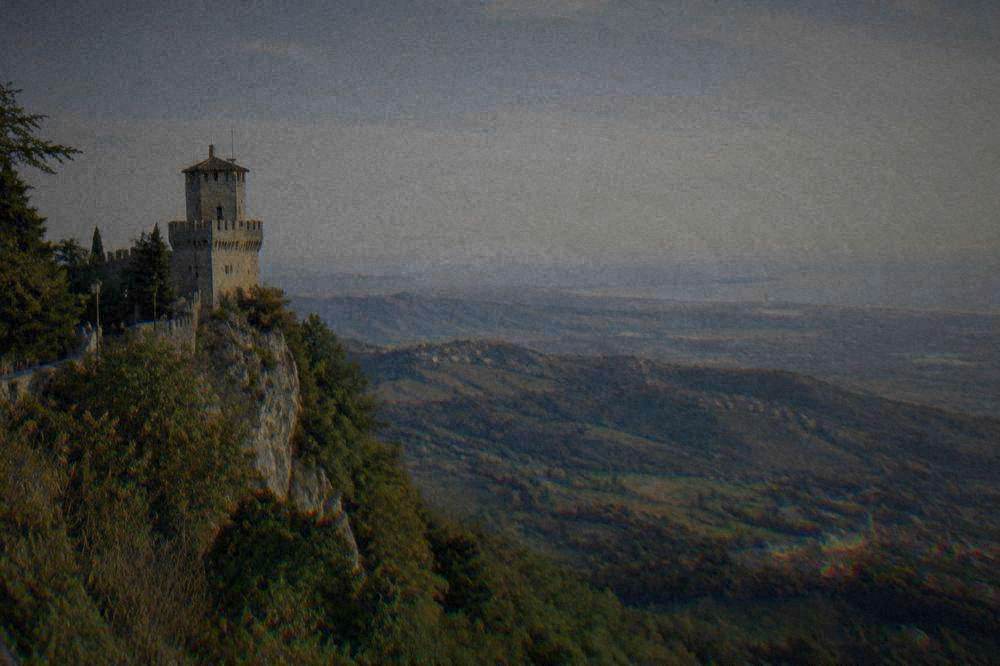
A one-day visit covers the three towers on Mount Titano, the Piazza della Libertà with its changing-of-the-guard ceremony, the Basilica di San Marino, and the state museums inside the old town, all walkable on foot once the bus drops you at the gate. The towers are the signature sights, strung along the ridge path with views on both sides. Allow more time for the walk between towers than the map suggests, because the path climbs.
The first tower, Guaita, is the one on every postcard: a fortified block on the highest point of the ridge, with a walkway around it. The second, Cesta, holds a museum of antique weapons and stands at the ridge's far end. The third, Montale, is closed to the interior but visible from the path. Ticketing for the towers and museums is run by the state's own museum service, and the current combination ticket, tower access and hours are published on the official San Marino tourism pages; this page prints no entry fee, because the card carries none for the republic.
Back in the lanes, the Piazza della Libertà fronts the government palace, where the guard change is a short ceremonial display on the square. The basilica, a neoclassical front on the ridge, holds the relics of Saint Marinus, the republic's namesake. Shopping is the third activity: the old town's lanes are dense with shops selling stamps, coins,香水 and leather at prices that are, by Italian standards, competitive, and cross-border shopping is part of what the republic is known for.
| Sight In San Marino | What It Is | Practical Note |
|---|---|---|
| First Tower, Guaita | Fortified tower on the ridge high point | Ticketing on the state museum pages |
| Second Tower, Cesta | Tower with an antique weapons museum | Reached by the ridge path, with climbing |
| Third Tower, Montale | Tower closed inside, seen from the path | No interior access |
| Piazza della Libertà | Government palace square | Guard change ceremony on the square |
| Basilica di San Marino | Church holding the saint's relics | On the ridge in the old town |
Food on the mountain is Romagna cooking with a view: piadina, grilled meats and local wines, described by dish on the Visit Ravenna food pages for the region rather than priced here. Confirm any restaurant's cover charge, the coperto, on the printed menu, where it must appear by law if charged. Tipping is not obligatory in Italy or in San Marino.
How Should You Time A Ravenna To San Marino Day?
Leave Ravenna on an early direct train, reach Rimini inside the first hour of the morning, and ride the first bus up the mountain so the towers are walked before midday; return by late afternoon so you are back in Ravenna for the evening. The regional timetable's direct Ravenna to Rimini trains make this a one-transfer day, and the mountain's bus timetable sets the real clock, so check the last descent time before you climb anything.
Season matters more here than in Ravenna. The climate table for Ravenna, modelled ERA5 normals for 1991 to 2020, shows November as the wettest month at 78.3 mm and July as the driest at 38.1 mm, with July the warmest month at a 25.2 C mean and January the coldest at 5.1 C. San Marino sits higher and cooler than the plain, so a Ravenna winter morning of around 5 C can mean a colder, windier ridge. Summer brings the crowds the too-touristy question is really about, and shoulder months split the difference.
| Month | Mean C In Ravenna | Precipitation Mm |
|---|---|---|
| January | 5.1 | 43.8 |
| April | 13.1 | 66.0 |
| July | 25.2 | 38.1 |
| October | 15.7 | 66.0 |
| November | 10.6 | 78.3 |
One structural note on your return. If the day runs long, Ravenna's own monuments have fixed closing times: the Ravenna Mosaici page lists the Mausoleum of Theodoric at 8:30 to 17:30 daily and Dante's tomb at 10:00 to 18:00 from November to March, 10:00 to 19:00 from April to October, with the tomb free to enter. A late train back means the mosaics wait for tomorrow, which is fine, as the combined Ravenna ticket stays valid for one week with one admission per monument, provided you booked an entry time for each monument.
How Does A San Marino Day Trip Compare With Ravenna's Other Day Trips?
San Marino competes with Bologna, Rimini, Ferrara, Faenza, Cervia, Brisighella, Comacchio, the Po Delta, Florence and Venice, all reachable from Ravenna, and it is the only one of them that is a separate state. Bologna is the easiest, about 84 km away by direct regional train with a journey of about 1 hour to 1 hour 20; Florence and Venice are the longest days. San Marino sits in the middle: more travel friction than Bologna, less than Florence.
To string several of these together at your own pace, book a rental car here.
The site carries a dedicated page for each of these, and the honest framing is what each replaces. Bologna is a food-and-porticoes city. Rimini is both the beach resort you pass through for San Marino and a Roman-arch site in its own right, and the site's Rimini guide covers the split. Ferrara and Comacchio are flat-water cycling and estuary towns. Faenza is ceramics. Cervia is salt pans and birdlife, with the visitor centre at Centro Visite Saline di Cervia on Via Bova 61 open weekends and holidays. Brisighella is a small hill town with a fortress road. Florence and Venice are the heavyweight art days.
| Day Trip From Ravenna | Character | Site Guide |
|---|---|---|
| San Marino | Mountain republic, towers, views | This page |
| Bologna | Food city, porticoes, about 84 km by direct regional train | Bologna day trip |
| Rimini | Beach resort and Roman remains, transfer point for San Marino | Rimini day trip |
| Ferrara | Walled Renaissance city | Ferrara day trip |
| Comacchio | Lagoon town, flamingos year-round | Comacchio day trip |
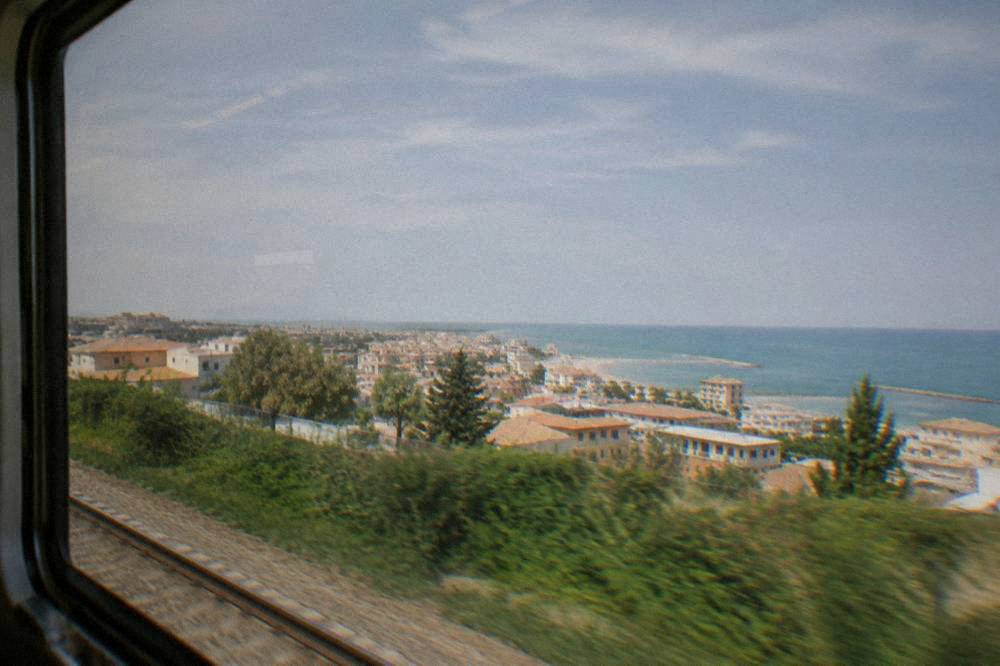
The Bologna leg deserves one paragraph of its own, because it is the train this page can actually describe. Direct regional trains run from Ravenna to Bologna Centrale via Castelbolognese over about 84 km, with the fastest services around an hour and typical journeys of 1 hour to 1 hour 20. No fare goes on this page. For the fuller picture, including what to do with a day there, see Bologna from Ravenna.
If the comparison leaves you preferring to stay near Ravenna, the coast direction also works: the beach resorts of Marina di Ravenna, Punta Marina, Lido Adriano, Lido di Classe and Lido di Savio are strung along about 35 km of coast and reached by Start Romagna bus from the station, not by train. Note that Ravenna itself is inland, and the winter season brings a 25,000 cubic metre sand barrier to Punta Marina, Marina di Ravenna Sud and Lido di Savio from autumn 2026 until spring 2027, which changes the shape of those beaches until it is removed.
What Should You Do In Ravenna Before Or After The San Marino Trip?
Give Ravenna's eight UNESCO monuments their own full day before you spend one on the mountain, because the combined ticket structure rewards planning: the Ravenna Mosaici combinations start at EUR 9.50 reduced for two monuments, EUR 11.50 reduced for four and EUR 13.50 reduced for five, valid one week with one admission each and a booked entry time per monument. The full-price figures sit on the official page, and Galla Placidia and the Neonian Baptistery take only a few minutes inside each, by timed entry.
That ticket detail is the reason sequencing matters. The 2-monument combination covers Sant'Apollinare Nuovo and San Vitale; the 4-monument adds Galla Placidia and the Neonian Baptistery; the 5-monument adds the Archiepiscopal Museum and the Chapel of St Andrew. Reduced fares apply to students, non-accredited journalists and paying groups over 20, and entry is free for children 0 to 10, Ravenna residents, ICOM members, licensed guides, and visitors with a disability plus one companion. The site's full breakdown lives in the Ravenna combo ticket guide.
| Ticket | Covers | Reduced Price |
|---|---|---|
| 2-monument combination | Sant'Apollinare Nuovo, San Vitale | EUR 9.50 |
| 4-monument combination | Adds Galla Placidia, Neonian Baptistery | EUR 11.50 |
| 5-monument combination | Adds Archiepiscopal Museum, Chapel of St Andrew | EUR 13.50 |
| Mausoleum of Theodoric | Single monument, EUR 6 full, EUR 5 concession, EUR 2 ages 18 to 25 | EUR 2 to EUR 5 |
| Sant'Apollinare in Classe | Single monument in the Classe area, EUR 6 full | EUR 2 |
Beyond the UNESCO eight, the state museums and monuments are free on the first Sunday of the month, a scheduling detail that pairs well with a San Marino day on the Saturday. Dante's tomb is free every day, with hours of 10:00 to 18:00 from November to March and 10:00 to 19:00 from April to October, and the Museo Dante next door charges EUR 5 combined, EUR 3.50 reduced, closed Mondays. The National Museum charges EUR 7 full and EUR 2 reduced with Monday closures, MAR charges EUR 8 full with EUR 6 reduced and EUR 3 student rates, and Classis Ravenna in the Classe area charges EUR 8 full and EUR 6 reduced. TAMO closed in 2023 and its collection moved to Classis Ravenna, so strike it from any older list.
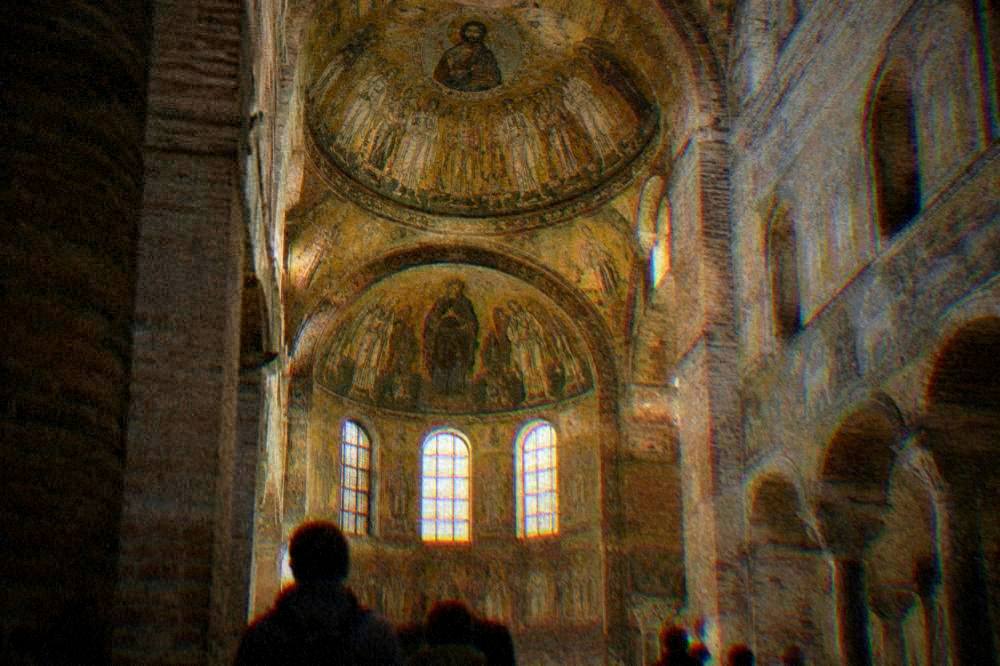
For depth on the individual buildings, the site carries full pages: start with San Vitale and the Mausoleum of Galla Placidia, then the Neonian Baptistery, the Arian Baptistery, Sant'Apollinare Nuovo and Sant'Apollinare in Classe. A gentler after-trip walk is the basilica of San Francesco, near Dante's tomb, and the round-up of everything to do in Ravenna if this is your first pass at the city.
What Are The Practical Rules For The Trip?
Bring your passport or national ID card, because San Marino is a separate state even though there are no routine border checks on the bus, pay in euro, which is the republic's currency too, and dial 112 for emergencies, the number that works in both Italy and San Marino. Italy is a Schengen member, and the trip involves no currency exchange and no separate visa. Stamp collectors should note the republic issues its own postage stamps.
On the Ravenna side, two local rules are worth repeating from the site's transport pages. The historic centre's ZTL is camera-enforced, with some gates active 7:30 to 20:30 and others 24 hours; a daily permit costs about EUR 8 at the 24-hour parcometers, and hotels can issue a guest authorisation, though anyone arriving by train for this itinerary never meets the zone at all. The tourist tax, per the tariff in force from 1 January 2023, runs about EUR 1 per night in 1 and 2 star hotels, EUR 2 in 3 star, EUR 3 in 4 star, EUR 4 in 5 star, EUR 1.20 in hostels and EUR 1.50 in B&Bs and rooms, always to be confirmed at booking, and rates may have changed.
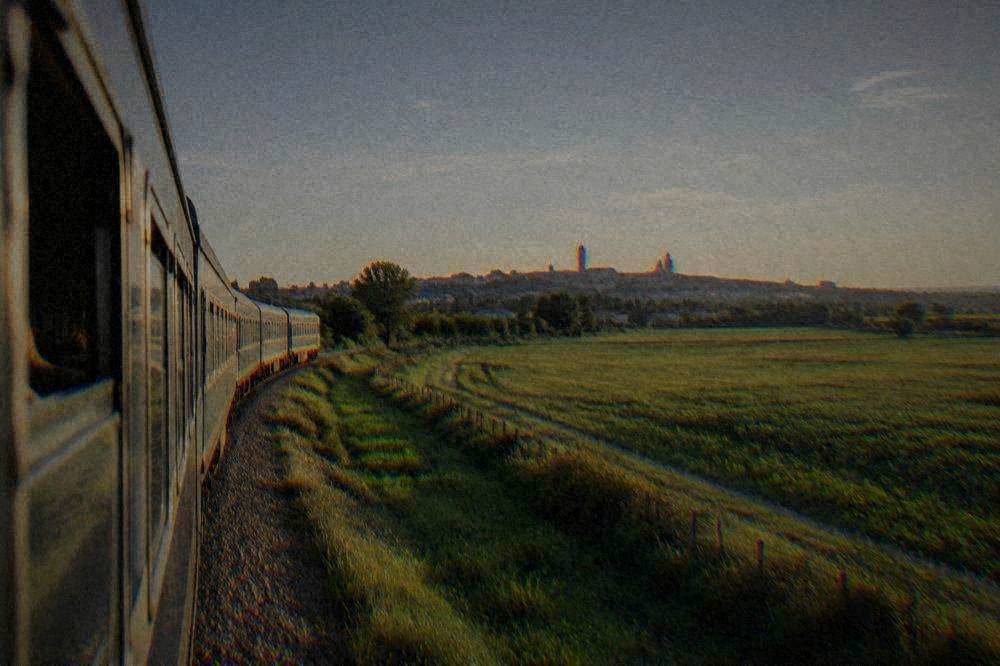
Safety is unremarkable in both places. Petty crime such as pickpocketing around tourist sites and on public transport is the standard caution, and the same checks apply anywhere: a bag zipped and held in front on a crowded bus, and a glance at the itemised bill for the coperto before paying. On the mountain, the real risks are weather and footing: the ridge path is stone, exposed in stretches, and damp after rain.
Pack for the day accordingly. Comfortable shoes for the ridge path, a layer for the wind on the towers, water, and a paper or offline copy of the bus timetable down. If you plan to buy the republic's stamps or coins, carry some cash, because small shops on the lanes do not all take cards. And if the day clouds over completely, the site's Ravenna in the rain plan is the rainy-day fallback that keeps the trip inside the mosaics instead.
Common Questions About A Ravenna To San Marino Day Trip
How do I get from Ravenna to San Marino?
Take a direct regional train from Ravenna to Rimini, about 42 to 58 minutes per the timetable summaries, then the scheduled public bus from Rimini up to San Marino old town. Check the bus operator's page for the current timetable and fare, and check the rail operator's service news for your date.
How long does the Ravenna to San Marino trip take?
The train leg is about 42 to 58 minutes direct to Rimini, and the bus climb from Rimini to the old town is the second leg of the journey. Allow a full day for the round trip, with an early start and a late-afternoon return.
Do I need a passport to visit San Marino from Ravenna?
Carry a passport or national ID card, because San Marino is a separate state, though there are no routine border checks on the bus. Italy is a Schengen member and the euro is used in both places.
Is San Marino worth visiting from Ravenna?
It is worth it for a walled mountain republic with tower views and a distinct old town, reached in half a day of travel. It is not a mosaic destination, so finish Ravenna's eight UNESCO monuments first if those are the reason for your trip. The site's piece on whether San Marino is too touristy weighs the crowds.
Can I visit San Marino and Ravenna's mosaics on the same day?
It is tight. With the Ravenna Mosaici summer hours of 9:00 to 19:00, an early-evening monument entry after a San Marino return can work; in winter, from 3 November 2026 to 6 March 2027, the 10:00 to 17:00 hours make it impractical. The combined ticket is valid one week, so splitting across days is easier.
What currency does San Marino use?
The euro, the same currency as Italy, so no exchange is needed on the trip. The republic also issues its own postage stamps and coins, which are sold in the old town's shops.
A San Marino day is a good change of texture from Ravenna's flat brick and gold mosaic: train to Rimini, bus up the ridge, towers and lanes, and back down in time for a piadina and an evening in the historic centre, with the UNESCO monuments waiting for you the next morning.