Ravenna Weekend
A Ravenna weekend packs eight UNESCO monuments, Dante's tomb, Romagna food and, with a bus ride, the Adriatic beaches into two or three days.
Short answer
Two full days cover the UNESCO mosaic monuments, Dante's tomb and the historic centre; a third day adds Sant'Apollinare in Classe, the Classis Ravenna museum and the coast.
Ravenna, a flat Po-valley city in Emilia-Romagna about 8 km inland from the Adriatic, is built for weekends. Eight UNESCO Early Christian monuments with Byzantine mosaics sit inside a compact, walkable historic centre, Dante's tomb is free to enter, and the beach resorts of Marina di Ravenna and Punta Marina are a Start Romagna bus ride away from the station. The Ravenna Mosaici combined ticket is valid for one week with a single admission per monument, which maps neatly onto a Friday to Sunday stay. This plan from the Ravenna Travel Guide editorial desk lays out the days, the costs the official pages publish, and where a guided walk earns its place.
Why Does A Ravenna Weekend Work So Well?
A Ravenna weekend works because the eight UNESCO monuments cluster in and around one small, walkable centre, and the combined ticket spreads admission across seven days, so nothing has to be rushed. The Ravenna Mosaici ticket page lists reduced fares from EUR 9.50 for two monuments, EUR 11.50 for four and EUR 13.50 for five, with each monument booked to its own entry time.
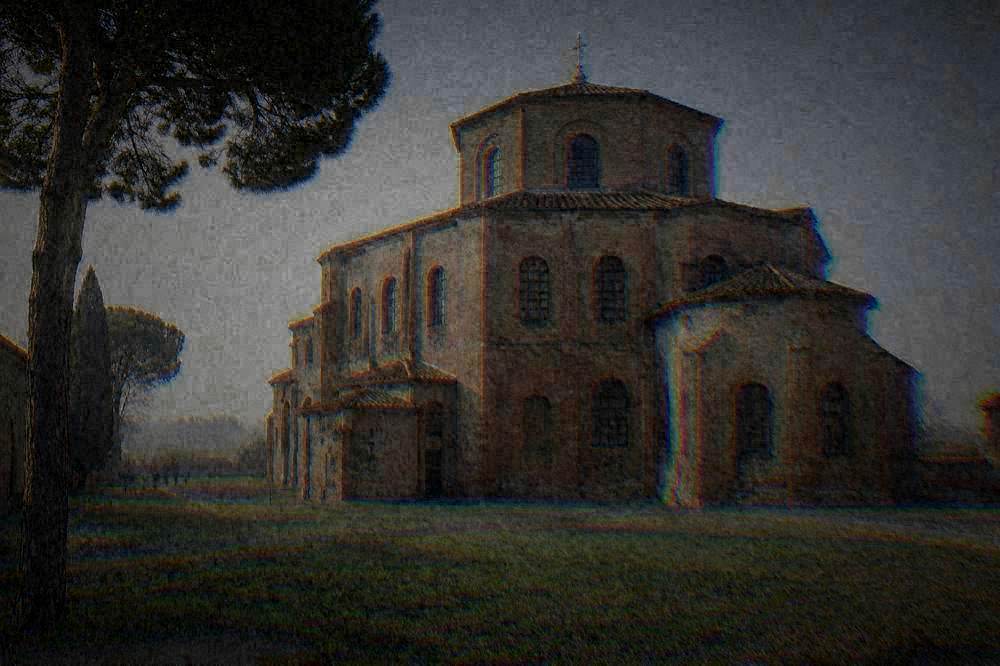
UNESCO inscribed the Early Christian Monuments of Ravenna on the World Heritage list in 1996, naming exactly eight: the Mausoleum of Galla Placidia, the Neonian Baptistery, Sant'Apollinare Nuovo, the Arian Baptistery, the Archiepiscopal Chapel, the Mausoleum of Theodoric, San Vitale and Sant'Apollinare in Classe. The first six of those plus the Archiepiscopal Museum sit within a few blocks of each other. Sant'Apollinare in Classe lies outside the centre in the Classe area, next to the Classis Ravenna museum, and works as a short trip rather than a walk.
The ticket rules reward a weekend pace. The combined ticket runs for one week, one admission per monument, and the Ravenna Mosaici terms page states that Galla Placidia and the Neonian Baptistery require a booked entry time with a stay of a few minutes each, while San Vitale admits in scheduled slots. Reduced fares apply to students, non-accredited journalists and paying groups over 20; children aged 0 to 10, Ravenna residents, ICOM members, licensed guides, and visitors with a disability plus companion enter free. Full-price tickets are on the official page, which is where to check before buying.
How Should You Spend Friday In Ravenna?
Friday belongs to the mosaic core: San Vitale, the Mausoleum of Galla Placidia, the Neonian Baptistery and Sant'Apollinare Nuovo, in that order, booked to entry times on the combined ticket and finished with an evening walk through the historic centre to Piazza del Popolo. All four sit within a short walk of each other.
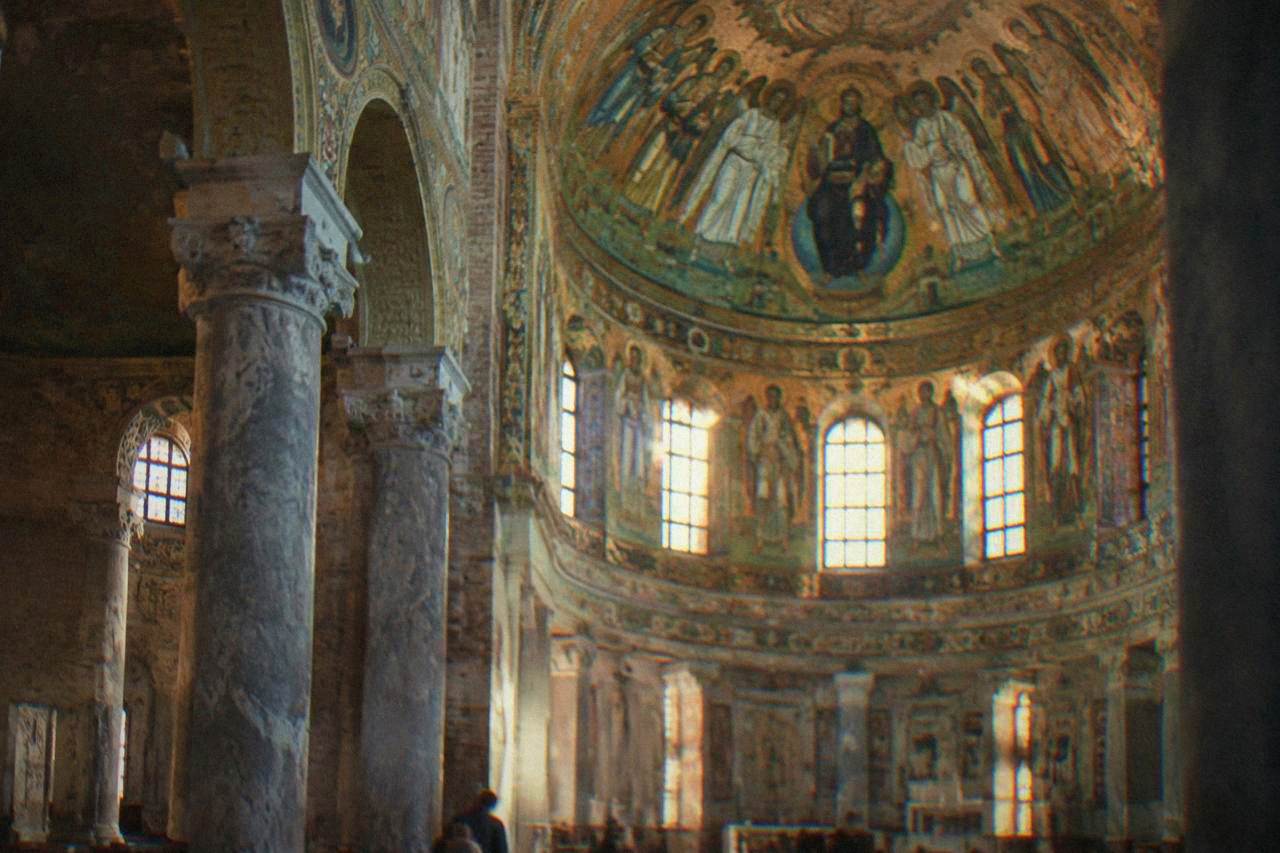
San Vitale is the anchor. Its gold-ground glass mosaics fill the apse and walls, and admission runs in slots, so the first entry time of the day is the calm one to aim for. The Basilica of San Vitale guide on this site covers what to look at in detail. Galla Placidia sits beside it, a small domed chapel whose blue-gold ceiling is the image on half the postcards in town; the visit is a few minutes by rule, which the Ravenna Mosaici page states plainly.
After those two, the Neonian Baptistery is a short walk away, a brick drum with a mosaic dome showing the baptism of Christ, and Sant'Apollinare Nuovo lines its nave with two processional mosaic friezes. Booking entry times for each monument, as the ticket requires, turns Friday into a neat sequence rather than a queue. A guided walk strings the same four into one story; the Most Beautiful Mosaics in the City of Paradise walk is this site's featured pick for exactly that, and you can Check availability alongside the fuller guide to Ravenna mosaic tours.
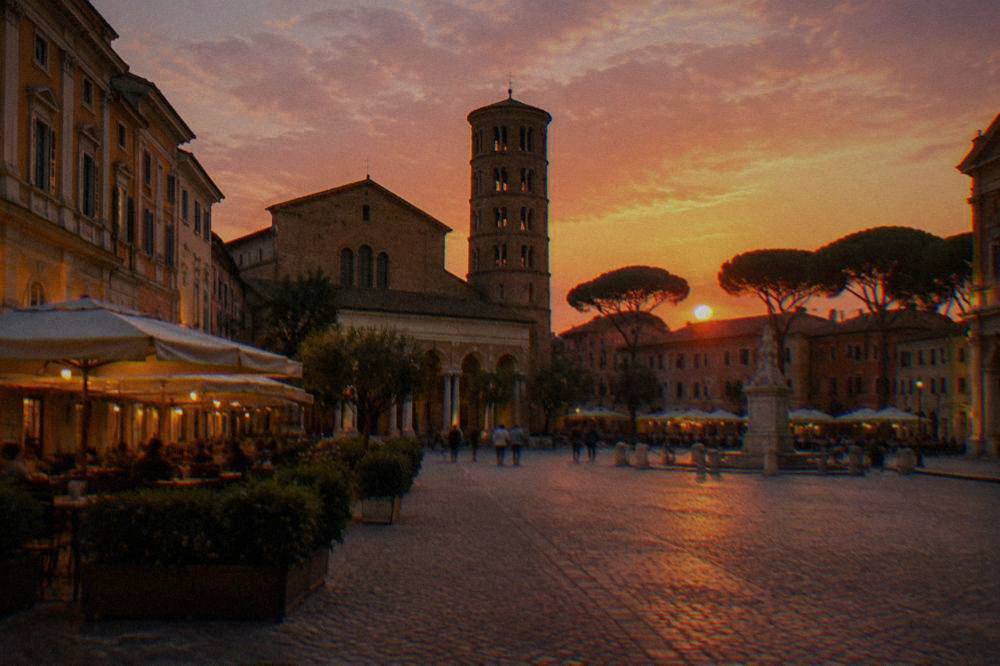
Friday evening, the historic centre is the plan: Piazza del Popolo, the people's square lined with cafes and public buildings, then dinner. Romagna plates to look for are covered in the site's Ravenna food guide.
What Should Saturday Hold In Ravenna?
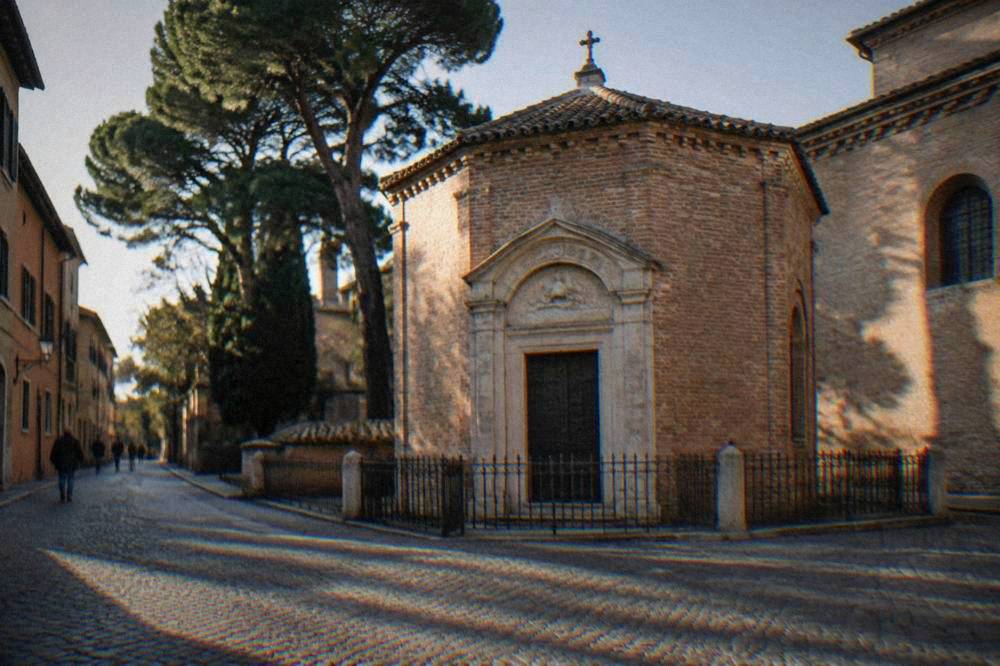
Saturday holds the second string of monuments: the Archiepiscopal Museum and Chapel of St Andrew, the Arian Baptistery, Dante's tomb, which is free, and the Mausoleum of Theodoric at EUR 6, or EUR 7 combined with the Arian Baptistery and Theodoric's Palace on the Visit Ravenna page.
Start with the Archiepiscopal Museum and Chapel, the fifth monument on the combined ticket, where the chapel's small mosaic vault sits above a museum of early Christian stonework. The Archiepiscopal Chapel page details it. The Arian Baptistery is a separate state monument at EUR 3 full price, open Monday to Thursday mornings and Friday to Sunday mornings and afternoons, and it pairs with the Theodoric combined ticket if you buy that instead.
Dante's tomb is the easiest stop of the weekend: free, open 10:00 to 19:00 in the April to October stretch and 10:00 to 18:00 from November to March, closed only on 25 December, per the municipal page. Dante died and is buried in Ravenna, and the Dante's tomb guide explains the small brick chamber and the neighboring Museo Dante, which charges EUR 5 with a EUR 3.50 reduced rate. The Mausoleum of Theodoric, a decagonal stone structure outside the dense centre, closes at 17:30 with last admission 30 minutes before, and the Visit Ravenna page lists EUR 6 full, EUR 5 concession and EUR 2 for ages 18 to 25.
For a Saturday structured by someone else, two products on this site fit: a private best-of walk and, for cruise-adjacent or Venice-minded travellers, a boat-and-gondola day out. Both render live prices and ratings from their listings.
How Much Do The Monuments Cost On A Ravenna Weekend?
A weekend of monuments costs from EUR 9.50 reduced for the two-monument Ravenna Mosaici combo, EUR 11.50 for four and EUR 13.50 for five, plus EUR 6 for Sant'Apollinare in Classe or the Mausoleum of Theodoric, EUR 3 for the Arian Baptistery and nothing at all for Dante's tomb. Full prices sit on the official pages.
The table below prints only reduced figures. The state museums and monuments are free on the first Sunday of the month, a useful coincidence for a weekend that includes one.
| Site | Printed price | Notes |
|---|---|---|
| Ravenna Mosaici combo, 2 monuments | From EUR 9.50 reduced | Sant'Apollinare Nuovo + San Vitale |
| Ravenna Mosaici combo, 4 monuments | From EUR 11.50 reduced | Adds Galla Placidia + Neonian Baptistery |
| Ravenna Mosaici combo, 5 monuments | From EUR 13.50 reduced | Adds Archiepiscopal Museum and Chapel |
| Mausoleum of Theodoric | EUR 6 (EUR 5 concession, EUR 2 ages 18 to 25) | EUR 7 combined with Arian Baptistery and Theodoric's Palace |
| Arian Baptistery | EUR 3 | No reduced rate |
| Sant'Apollinare in Classe | EUR 6 (EUR 2 reduced) | Outside the centre, in Classe |
| Museo Dante | EUR 5 (EUR 3.50 reduced) | Closed Mondays |
| Dante's tomb | Free | Closed 25 December |
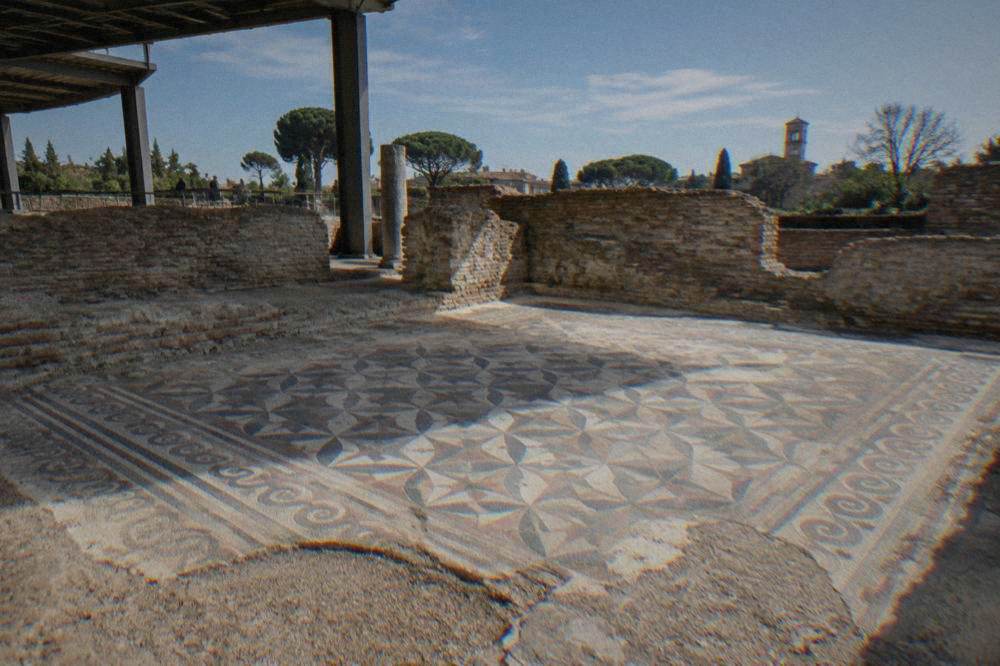
Two museums worth slotting in, both outside the UNESCO eight: the Classis Ravenna museum at EUR 8 full and EUR 6 reduced, and the Domus dei Tappeti di Pietra, whose hours vary by season, so check its official page for both hours and the current ticket.
Should Sunday Mean Sant'Apollinare In Classe And The Coast?
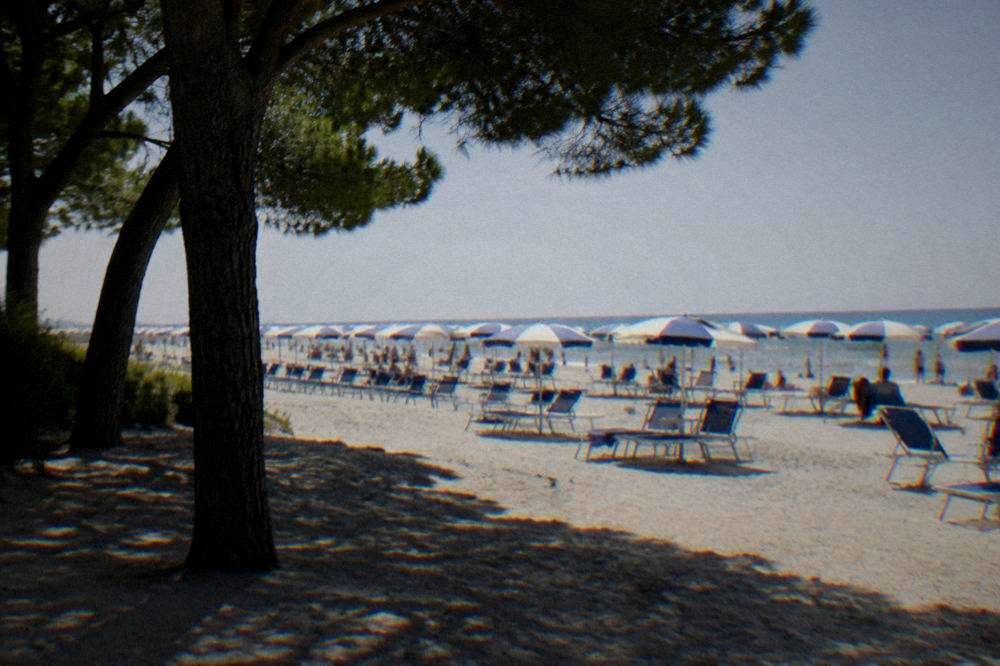
Sunday splits well: the morning for the Basilica of Sant'Apollinare in Classe and the Classis Ravenna museum in the Classe area, then a Start Romagna bus out to Marina di Ravenna or Punta Marina for an afternoon on the sand, since the beaches sit 8 km or more from the centre and need a bus, a bike or a car.
Sant'Apollinare in Classe, the eighth UNESCO monument, is a soaring basilica in the flat countryside south of the city, its apse showing Saint Apollinaris in a green mosaic meadow. The cultura.gov.it listing gives EUR 6 full, EUR 2 reduced, Monday to Saturday 8:30 to 19:00 and Sunday 13:30 to 19:00, so on a Sunday the afternoon window is the one that exists. The basilica guide covers the mosaics.
The coast is a different mood. Marina di Ravenna is the closest resort, Punta Marina quieter, with Lido Adriano, Lido di Classe and Lido di Savio strung along about 35 km of shoreline. Start Romagna buses run from the station under the winter timetable booklet. One note for a winter or early-spring weekend: a 25,000 cubic metre sand barrier is built each autumn at Punta Marina, Marina di Ravenna Sud and Lido di Savio and stays in place until spring 2027, so the beach looks different from the summer postcard. The site's Ravenna and the coast itinerary develops the day.
Where Should You Eat On A Ravenna Weekend?
A Ravenna weekend eats Romagna food: piadina flatbread, cappelletti in broth, passatelli, grilled meats and Sangiovese wine, described dish by dish on the Visit Ravenna food pages, with prices read off the menu rather than assumed, and a cover charge, coperto, that is legal only when printed on it.
Piadina is the everyday bread of the region, a thin flatbread cooked on a terracotta or iron surface and folded around squacquerone cheese and cured meats; the site's piadina guide tells its story. Cappelletti, small filled pasta rings served in capon broth, are the festive plate, covered in the cappelletti guide. Romagna wines, above all Sangiovese, go with both, and the Romagna wines page maps them.
| Meal | Romagna plate | What it is |
|---|---|---|
| Breakfast | Espresso and a pastry at a bar | Standing at the counter, as the listings describe cafe service |
| Lunch | Piadina with squacquerone and cured meat | Flatbread folded around soft cheese |
| Dinner primo | Cappelletti in brodo | Filled pasta rings in capon broth |
| Dinner secondo | Grilled meat, often with erbe di campo | Romagna charcoal cooking |
| Anytime | Gelato | Multiple artisan gelaterias in the centre |
| Wine | Sangiovese di Romagna | The regional red |
A guided food walk with tastings combines the mosaic core with plates from market and shop counters, which is one way to make Saturday lunch carry the itinerary. The site's food tours and cooking classes guide lists the options, and live prices render on each listing.
How Do You Move Around Ravenna On A Weekend?
Ravenna's historic centre is small and walkable, the railway station is a short walk from it, and Start Romagna buses cover the beaches and the Classe area, so a weekend needs no car; drivers face a camera-enforced ZTL whose gates run either 7:30 to 20:30 or 24 hours, with a daily permit bought at the parcometers.
The ZTL is the one trap. The Visit Ravenna ZTL page lists the gates and their hours bands, and states that hotels can issue a guest authorisation, while a daily permit for vehicles up to 5 tonnes is bought at the 24-hour parcometers, at about EUR 8. Park outside the restricted ring and walk in; the site's parking and ZTL guide maps the options. Arriving by train, the station sits a short walk from the centre, and the regional timetable gives about 1 hour to 1 hour 20 from Bologna Centrale over about 84 km of direct regional line; the fare is on the operator's own channels. From Bologna airport, the route is the Marconi Express to Bologna Centrale and then a regional train, about 2 to 2.5 hours door to door.
| Journey | How | Time the sources give |
|---|---|---|
| Station to historic centre | Walk | A short walk |
| Centre to Marina di Ravenna | Start Romagna bus from the station | Timetable booklet I26-27 |
| Centre to Classe area | Bus or short drive | See Start Romagna timetables |
| Ravenna to Bologna | Direct regional train | About 1 hour to 1 hour 20, about 84 km |
| Bologna airport to Ravenna | Marconi Express then regional train | About 2 to 2.5 hours door to door |
| Cruise port to centre | Visit Ravenna shuttle | About 30 minutes, 3 May to 26 October 2026 |
Cruise passengers get their own shape of weekend; the cruise port day itinerary covers the shuttle, which the Visit Ravenna page lists at about 30 minutes from the centre and from a pick-up 300 m from the station.
What Weather Should A Ravenna Weekend Expect?
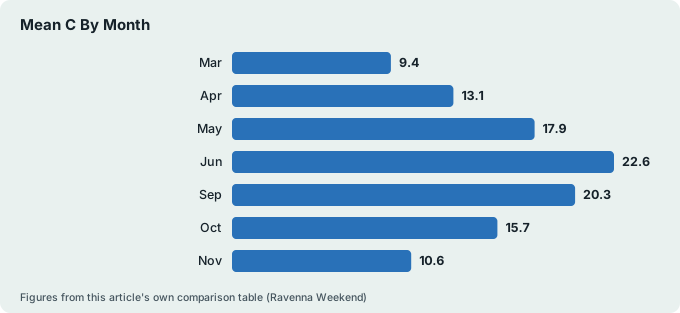
The climate table gives Ravenna modelled 1991 to 2020 normals of 25.2 C in July, the warmest month, 5.1 C in January, the coldest, with November the wettest month at 78.3 mm and July the driest at 38.1 mm, so a spring or autumn weekend lands in the mild, drier stretch between the two.
| Month | Mean C | Precip mm |
|---|---|---|
| Mar | 9.4 | 54.9 |
| Apr | 13.1 | 66.0 |
| May | 17.9 | 58.2 |
| Jun | 22.6 | 45.6 |
| Sep | 20.3 | 57.9 |
| Oct | 15.7 | 66.0 |
| Nov | 10.6 | 78.3 |
These are ERA5 modelled reanalysis means, not a station record. For a weekend built around interiors, mosaic chapels are unheated stone, so a winter weekend wants layers even when the afternoon reads mild. Rain has an easy answer: the site's Ravenna in the rain plan keeps the day full.
What If The Weekend Stretches To A Third Day?
A third day opens two doors: Bologna, about 84 km away by direct regional train in about 1 hour to 1 hour 20, or the nearby day trips of Comacchio and the Po Delta, Ferrara, Faenza or Brisighella, each reachable by regional train or a short drive from the Ravenna station.
Bologna is the headline: the Bologna guide on this site covers the arcades and the food city the train delivers you into. Faenza, the ceramics town, and Brisighella, a hill town of the Apennine edge, pair as one slower day, and the site has a Faenza page for the first. Comacchio, the lagoon town with year-round flamingos in its salt pans, sits with the Po Delta in the site's Comacchio and Po Delta pages, and the Cervia salt pans visitor centre on Via Bova 61 opens weekends and holidays, 10:00 to 12:30 and 14:30 to sunset through the autumn stretch.
If the third day stays in the city, the three days in Ravenna itinerary fills it with museums, the National Museum of Ravenna neighbours and quiet churches. For a shorter stay, the one day in Ravenna and two days in Ravenna pages scale the same core down.
What Should You Book Before A Ravenna Weekend?
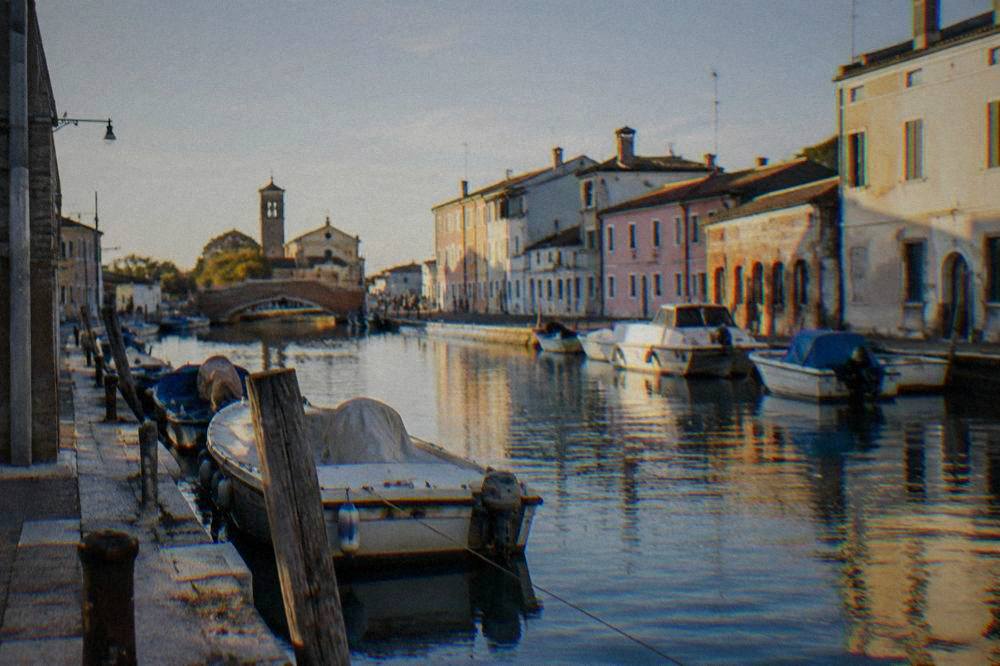
Book three things ahead: the Ravenna Mosaici combined ticket with an entry time for each monument, since Galla Placidia and the Neonian Baptistery require booked times, any guided walk or food tour you want on Saturday, and accommodation inside the centre or near the station, where the tourist tax runs about EUR 1 to EUR 4 per night by hotel category and is confirmed at booking.
For a place to stay in the centre, book a hotel here.
The tourist tariff, in force from 1 January 2023 and possibly changed, lists EUR 1 per night for 1 and 2 star hotels, EUR 2 for 3 star, EUR 3 for 4 star and EUR 4 for 5 star, EUR 1.20 for hostels and EUR 1.50 for B&B and rooms, always written with "about" and checked at booking. The where to stay guide walks through the areas, and the best hotels in Ravenna page carries the shortlist.
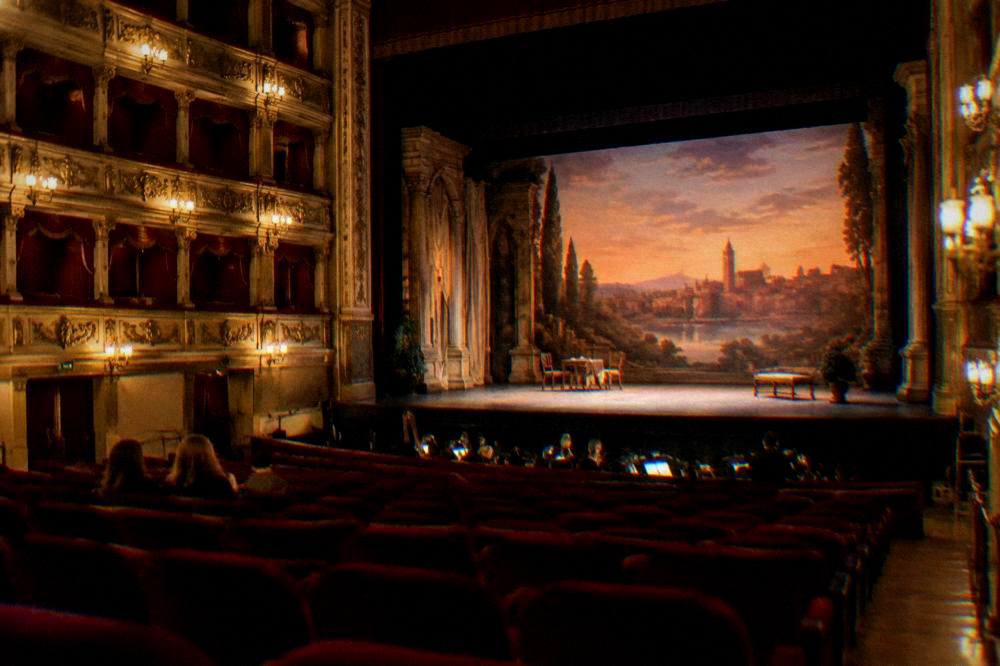
Events can retime a weekend. The Ravenna Festival autumn trilogy, "Mozart 1791", runs 13 to 17 November 2026 at Teatro Alighieri, and the Notte d'Oro each October opens monuments free in the evening. Mirabilandia, the theme park east of the city, closes its 2026 season on 1 November, so a late-autumn weekend misses it; the site's Mirabilandia page carries the season detail.
Common Questions About A Ravenna Weekend
Is a weekend enough for Ravenna?
Yes. Two full days cover the UNESCO monuments in the centre, Dante's tomb and the food; a third day adds Sant'Apollinare in Classe, the Classis Ravenna museum and either the coast or a day trip.
What is the one thing not to miss on a Ravenna weekend?
The mosaic core: San Vitale, Galla Placidia, the Neonian Baptistery and Sant'Apollinare Nuovo, all on the combined ticket and all within a short walk of each other.
Can you combine a Ravenna weekend with the beach?
Yes, from late spring to early autumn. The beaches at Marina di Ravenna and Punta Marina are 8 km or more from the centre and reached by Start Romagna bus from the station.
Do you need a car for a Ravenna weekend?
No. The centre is walkable, the station is a short walk from it, and buses cover the coast and the Classe area. A car brings the camera-enforced ZTL, whose daily permit is about EUR 8 at the parcometers.
What does a Ravenna weekend cost in monument tickets?
From EUR 9.50 reduced for two monuments, EUR 11.50 for four and EUR 13.50 for five on the combined ticket, plus EUR 6 for Sant'Apollinare in Classe or the Mausoleum of Theodoric, and Dante's tomb is free. Full prices are on the official pages.
When is the best weekend weather in Ravenna?
The climate table shows 13.1 C means in April, 17.9 C in May and 20.3 C in September, with July the driest month at 38.1 mm and November the wettest at 78.3 mm, so late spring and early autumn are the mild, drier windows.
A Ravenna weekend, in the end, is a walk between small rooms of gold: two days of mosaic, one free tomb, a square for the evening, and a bus to the sea if the sky holds.